
Reviewed · WWI & WWII BATTLEFIELD DAY TRIPS
WWI Somme Battlefields Day Trip from Paris
The most powerful part of this day is not a grand museum display. It is standing in the Lochnagar Crater, then walking through preserved trenches at Beaumont-Hamel and realizing how close opposing soldiers once were. The Somme is a quiet stretch of northern France now, which makes its wartime scars feel even more startling.
I like the small group, capped at eight, because your guide can answer family-history questions instead of delivering a speech and moving on. I also like the range of stops: cemeteries, battlefield remains, museums, an Australian memorial, and the magnificent Cathedral of Amiens. The drawback is the pace. This is an 11-hour day with many short visits, and some museum stops may feel too brief.
In This Review
- Key points to know before booking
- Why the Somme feels different from Paris
- Thiepval Memorial begins the day on a solemn note
- Lochnagar Crater shows the force beneath the battlefield
- Beaumont-Hamel puts you inside the trench system
- Lunch is simple and placed between battlefield sites
- Villers-Bretonneux explains Australia’s role
- Pozieres adds another brief battlefield marker
- Amiens Cathedral changes the mood completely
- The minibus and group size make the long day manageable
- What the guides add to the experience
- Who should book this Somme day trip
- Should you book the WWI Somme Battlefields Day Trip?
- FAQ
- How long is the WWI Somme Battlefields Day Trip from Paris?
- Where does the tour start?
- What kind of transportation is used?
- Is the tour conducted in English?
- Is lunch included?
- Which battlefield sites are included?
- Do you visit Amiens Cathedral?
- Can the Sir John Monash Centre be replaced?
- Does the tour operate in bad weather?
- Can I cancel the booking?
Key points to know before booking
- A preserved trench walk: Beaumont-Hamel lets you walk along trenches used by Newfoundland soldiers.
- A huge wartime crater: The Lochnagar mine was created with 30 tons of explosives aimed at German dug-outs.
- A strong Australian focus: The Sir John Monash Centre and Villers-Bretonneux are especially meaningful for Australian military history.
- A small, comfortable vehicle: You travel in an air-conditioned minibus with no more than eight people.
- Several solemn memorials: Thiepval, Villers-Bretonneux, Pozieres, and Commonwealth graves each tell a different part of the story.
- A graceful finish: Amiens Cathedral provides a striking change of mood after a day among battlefield sites.
Why the Somme feels different from Paris
This is a long way from the polished streets and packed sights of central Paris. After roughly two hours in the minibus, you reach open Picardy country, where villages, fields, cemeteries, and memorials mark the old battle zone.
I find the change of setting important. The Somme does not feel like a single attraction. It is a broad area where the evidence of war appears in scattered places. Without a guide, you could easily see a memorial and miss why it was built there, or visit a cemetery without understanding the battle that left so many graves behind.
The tour is priced at $271 per person. That is not cheap, but the value comes from the distance covered, the English-speaking guide, transport, entrance fees, and the small group. Hiring a vehicle and arranging all these sites independently would take planning, and public transport would not connect them neatly in one day.
The experience carries a 4.9 rating from 111 published ratings, with repeated praise for guides including Will, Matthew, Aaron, Olivier, Jonathan, Philippe, and others. Guides vary by departure, so you should not book expecting one particular person. The common thread is a guide-led day built around explanation, conversation, and time for quiet reflection.
More battlefield remembrance trips from Paris:
- Somme Battlefields Small-Group Day Trip with John Monash Centre from Paris
★ 4.5 · 270 reviews - Somme Battlefields from Paris with Australian memorial & Amiens Cathedral
★ 5.0 · 228 reviews - Normandy D-Day Beaches and World War II Sites Day Trip from Paris
★ 4.5 · 56 reviews
Thiepval Memorial begins the day on a solemn note
The first major stop is the Thiepval Memorial, usually for about 30 minutes. Its purpose is to remember soldiers who have no known grave, and its scale gives you an immediate sense of how many men disappeared in the fighting.
This is not a stop where you need a long list of dates to feel the weight of the place. Pay attention to the rows of names and the inscriptions remembering men whose bodies were never identified. The phrase Here lies a soldier known only to God captures the quiet, personal loss behind the huge numbers.
Thirty minutes is enough to see the memorial and listen to your guide, but it is not enough for a slow study of every detail. If you have a strong interest in memorial architecture or family research, you may wish for more time here. Still, the stop works well as an introduction to the day.
Lochnagar Crater shows the force beneath the battlefield
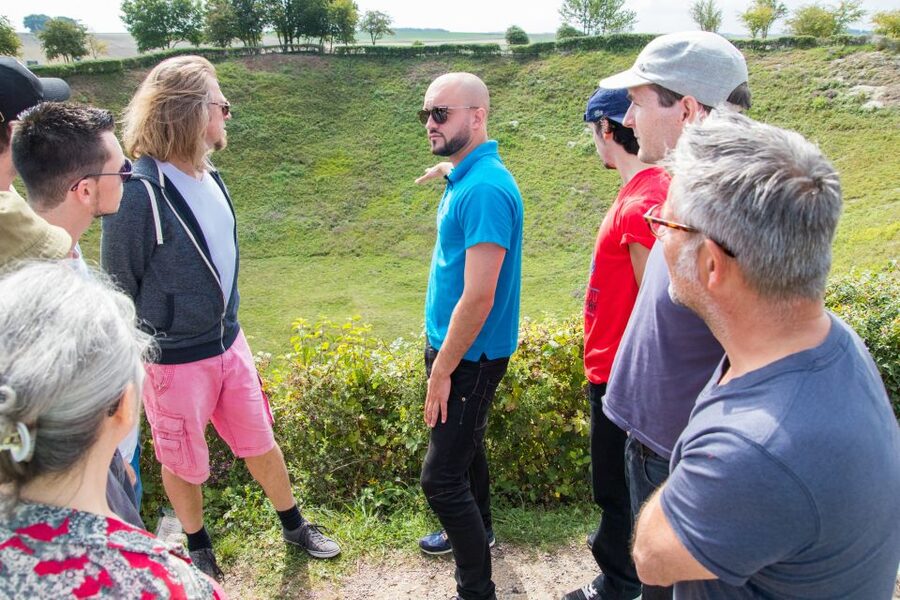
A short drive brings you to the Lochnagar Crater. In 1916, Royal Engineer tunneling companies placed 30 tons of explosives beneath German dug-outs. The blast left a massive hollow in the earth, and the crater remains one of the most memorable physical reminders of the Somme offensive.
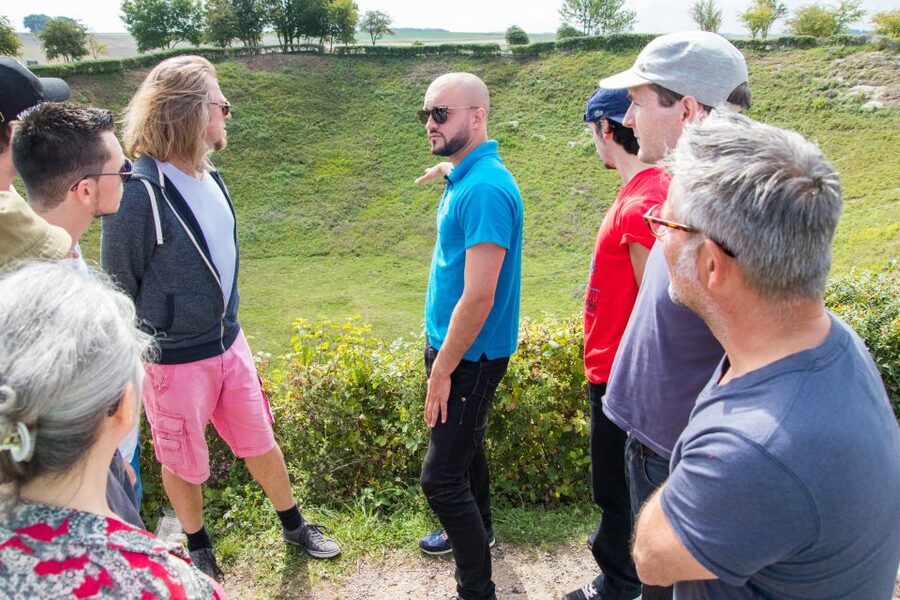
The size is difficult to grasp in photographs. From the edge, you can see how much soil was thrown aside and how violently the ground was changed. Your guide explains the tunneling work and the military purpose of the explosion, turning what might look like a grassy depression into a clear piece of battlefield evidence.
The guided visit lasts about 30 minutes. Wear shoes suitable for grass and uneven ground, and bring a rain layer. The tour operates in all weather, and the open sites offer little shelter.
Beaumont-Hamel puts you inside the trench system
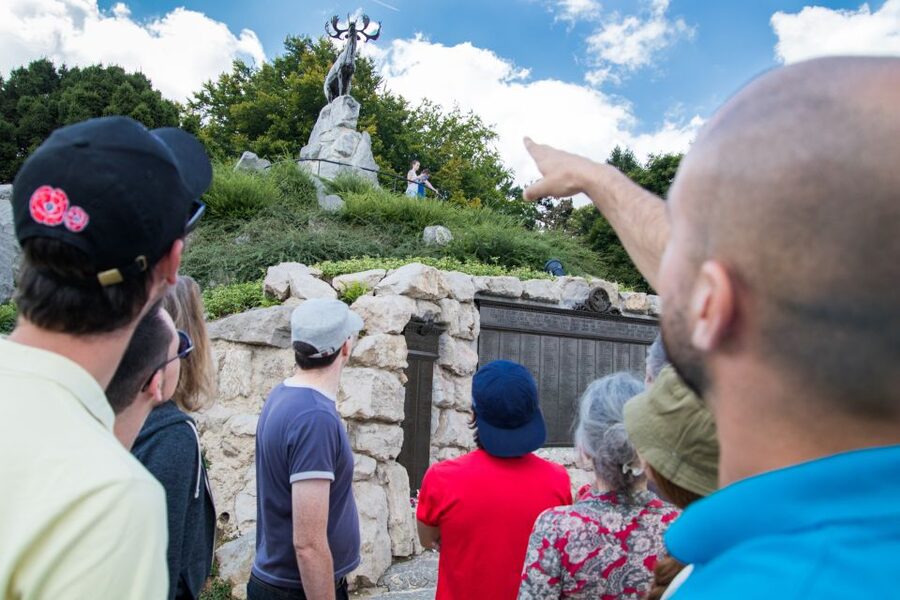
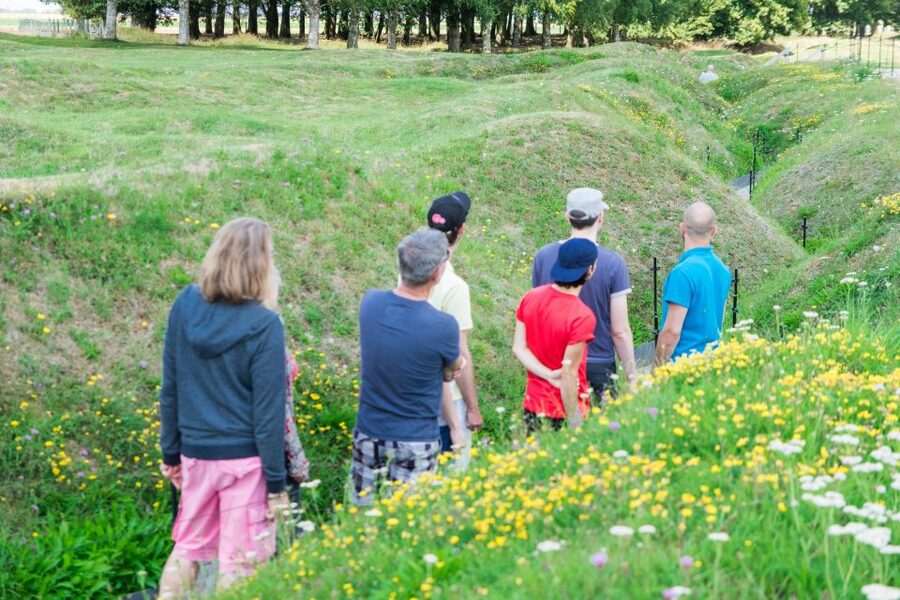
At the Newfoundland Memorial in Beaumont-Hamel, you walk through preserved WWI trenches. This is one of the most affecting parts of the day because the scale becomes human. Instead of viewing a monument from a distance, you follow the narrow defensive lines used by Canadian soldiers, including troops from Newfoundland.
The trench walk helps you picture the cramped conditions and the closeness of opposing positions. It also gives you a sense of how difficult movement would have been across exposed ground. Several people with Canadian or Newfoundland family connections have found this stop especially meaningful, but you do not need a family link to understand its importance.
The planned visit is around 30 minutes. That is enough to walk through the key area and hear the explanation, though it can feel short if you want to examine the memorial grounds or museum material at length. One practical point matters here: this is a reflective place, not a fast photo stop. Leave room to pause.
A few more Paris ideas to compare
- Disneyland® Paris 1-Day Ticket
★ 4.6 · 49,412 reviews - Normandy D-Day Sites & Cemetery Day Trip from Paris with Lunch
★ 5.0 · 6,877 reviews - Day Trip to Mont-Saint-Michel from Paris
★ 4.5 · 4,876 reviews - Disneyland® Paris 1-Day Flexible Date Ticket
★ 4.3 · 4,347 reviews
Lunch is simple and placed between battlefield sites
Lunch takes place at a local restaurant after Beaumont-Hamel. Food is not included in the tour price, so budget separately for this meal.
The stop is practical rather than fancy. One account describes a delicious meal at a modest restaurant that also had battlefield artifacts and a small museum behind it. Another found the restaurant crowded, with outdoor seating that was cold and windy, and service that did not run smoothly.
That mixed picture is useful. Do not expect a leisurely restaurant experience or a polished dining room. The lunch break helps break up a long day, but the timing may be tight. If you are sensitive to cold weather, keep an extra layer handy. The published schedule gives only 10 minutes for lunch, so the actual stop may vary with the day and group.
Villers-Bretonneux explains Australia’s role
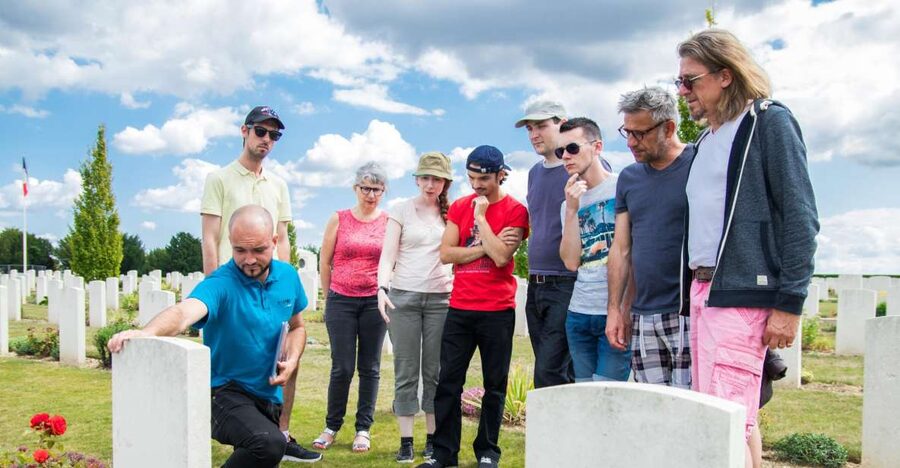
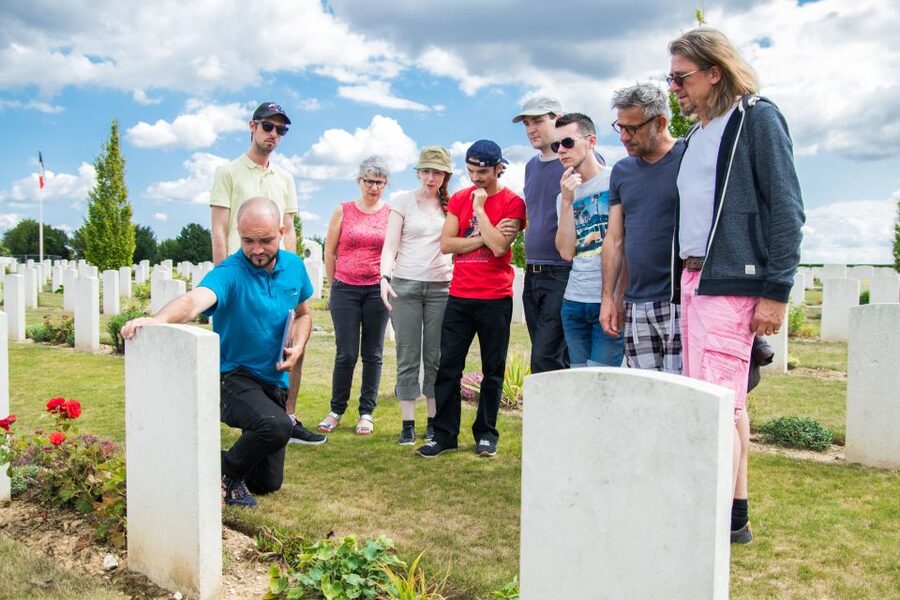
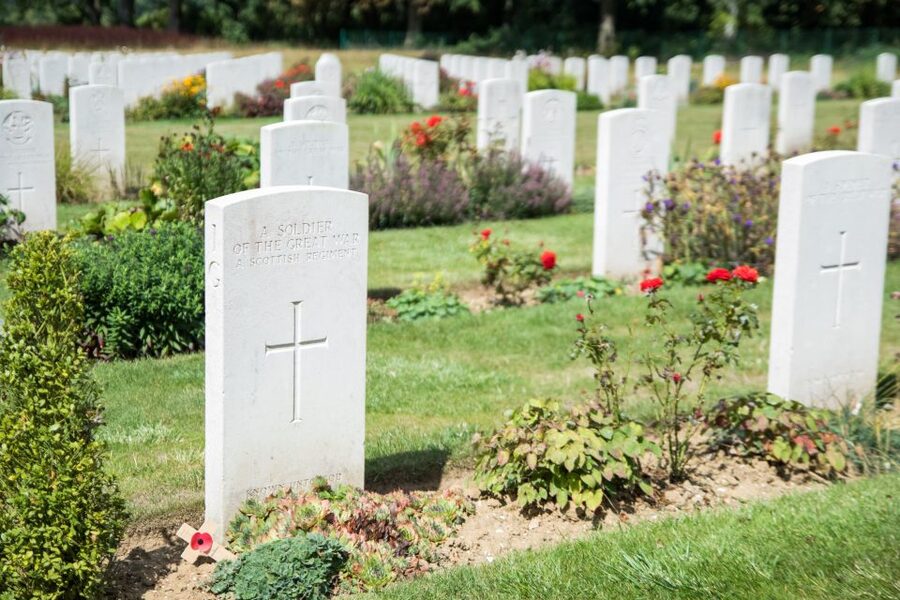
The Commonwealth military cemetery at Villers-Bretonneux is another quiet place of remembrance. Rows of graves make the human cost plain, while the Australian connection gives this part of the tour a particular focus.
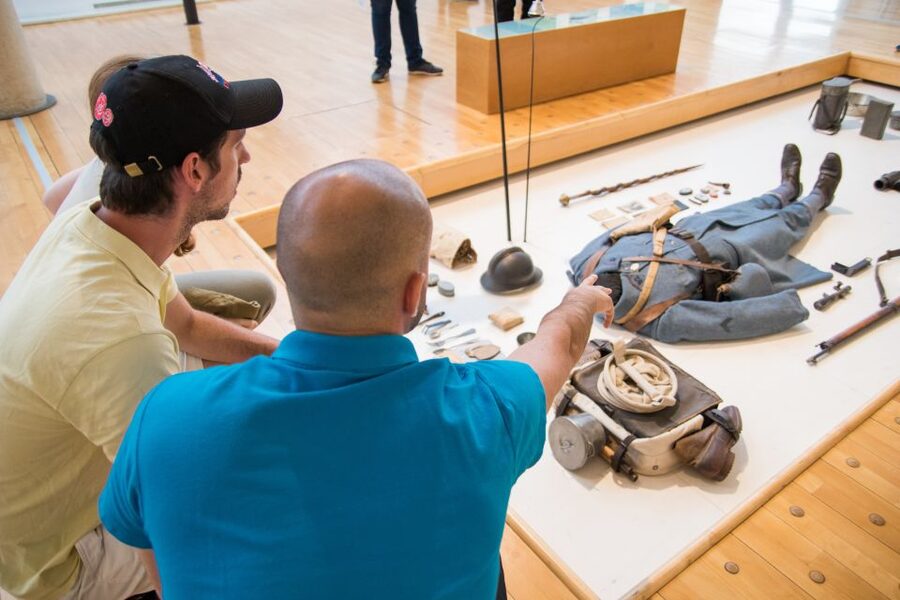
The nearby Sir John Monash Centre is scheduled for about an hour. It presents the Australian experience of the Great War and helps explain the role Australian troops played in the defense of France. For visitors from Australia, this can be the emotional center of the day. The site also works well for anyone who wants to understand the war through the experience of one national force.
This stop has proven useful for people tracing relatives. A guide may be able to adapt the discussion when you bring a family name or unit connection. One family was helped in finding an ancestor’s name at the center, and the guide even helped place a poppy beside it. You should bring any details you have, such as a name, regiment, or service number, but the tour does not promise genealogical research.
If the Sir John Monash Centre is exceptionally closed, the visit may be replaced by the Historical Museum of Péronne. That backup would provide a broader museum perspective, while the Monash Centre is more focused on Australia.
Pozieres adds another brief battlefield marker
The Pozieres Memorial receives about 10 minutes. This is a short stop, but it adds another location to the story of the Somme and the Australian campaigns.
Do not expect a full museum visit here. The value is in seeing the place itself and hearing how it fits with the surrounding sites. Some visitors may find the repeated pattern of memorial, cemetery, and short explanation emotionally tiring by this point. The guide’s pacing matters, and the best guides give you space to absorb one site before moving to the next.
Amiens Cathedral changes the mood completely
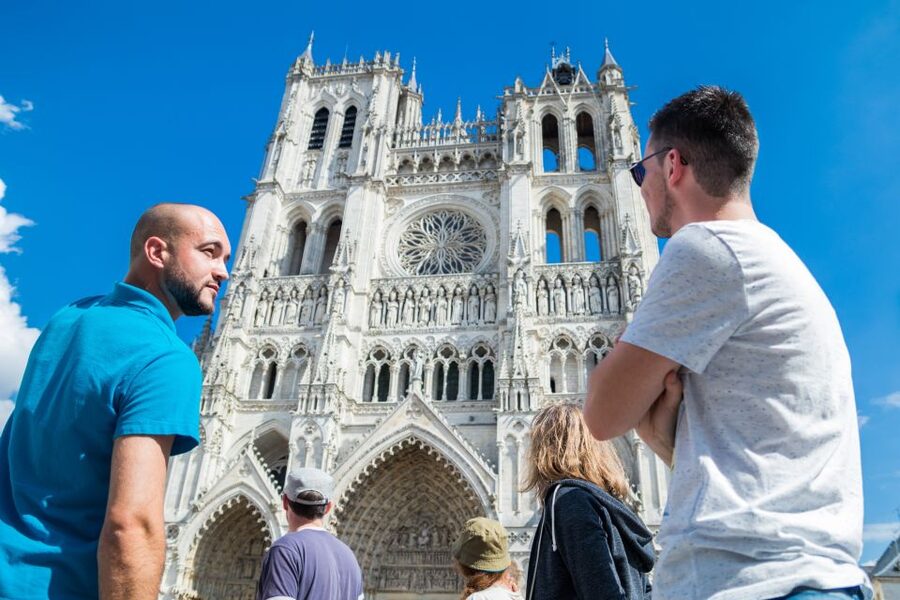
The final sightseeing stop is Notre Dame Cathedral in Amiens, a 13th-century Gothic achievement described as the largest cathedral in France. After a day of cemeteries and battlefield remains, its height, stonework, and interior provide a striking change of pace.
The visit lasts about 30 minutes, so think of it as an introduction rather than a full cathedral study. You can admire the structure, take in its scale, and see why Amiens is worth adding to a Somme itinerary. If architecture matters to you, you may wish this stop lasted longer.
The cathedral also prevents the day from becoming one-note. This is not only a military-history excursion. It connects the Somme to the wider culture and architecture of northern France, even if the visit is necessarily brief.
The minibus and group size make the long day manageable
The tour starts at Café Dada Ternes, with the gray minibus arriving about 10 minutes before departure. You should arrive at least 15 minutes early, since departures are punctual. Several tours may leave from the same meeting area, so check the vehicle and guide before boarding.
The air-conditioned minibus is a sensible choice for this route. You spend about four hours driving in total, including the two-hour trip each way between Paris and the Somme. A small vehicle avoids the feel of a large coach and makes it easier to speak with your guide.
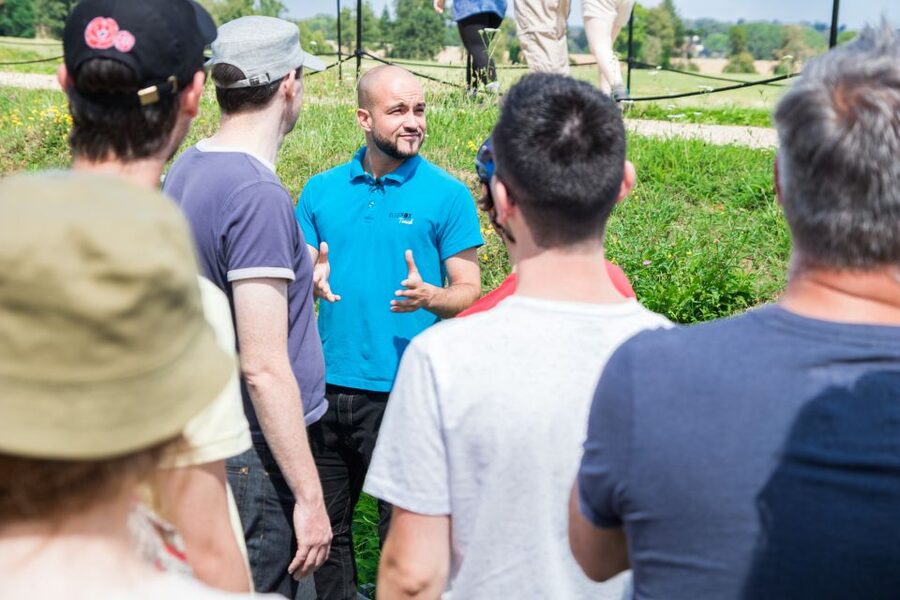
The maximum group size is eight. I consider this one of the strongest reasons to pay the price. You can ask about a relative, request clarification, or discuss the difference between British, Canadian, Australian, and French remembrance without trying to attract a guide’s attention across a packed bus.
The tradeoff is that the day remains long. You leave early, return roughly 11 hours later, and move through many locations. It suits you if you want a focused day outside Paris. It is less suitable if you prefer slow meals, long museum visits, or plenty of unplanned time.
What the guides add to the experience
The guide is the key variable. The tour has used guides with names including Will, Marrie, Matthieu, Olivier, Philippe, Étienne, Matthew, Lisa, Julian, Aaron, Rocky, Sarah, Clement, Oliver, Jonathan, and Antoine.
The strongest guide reports describe a good balance: clear explanation at the sites, friendly conversation in the van, and quiet time when the location calls for it. Several guides have tailored the day to personal interests, including Australian family connections and specific ancestors who served in the Somme.
If you have studied WWI for years, you should still find value in seeing the ground and asking detailed questions. One experienced visitor found that each return to the Somme revealed something new. If your knowledge is limited, the guide helps turn a series of names into a connected story.
A small caution: accents can vary, and one person found the guide occasionally difficult to understand. Most guides speak English, but you should feel free to ask for a point to be repeated, especially inside the minibus.
Who should book this Somme day trip
I would choose this tour if you have a serious interest in WWI, a family connection to the fighting, or simply want to understand what the Somme battlefield looks like beyond books and documentaries.
It is also a good choice if you have only one free day from Paris. The route covers sites that would be difficult to combine on your own, and the guide supplies the context that links them together.
You may want another option if your main goal is museum time. The schedule includes several stops, but many are only 10 or 30 minutes. One person expected the Great War Museum in Péronne and instead visited the Sir John Monash Centre, which was excellent but more focused on Australia. The itinerary can also shift according to the group’s interests.
Bring comfortable walking shoes, weather protection, and a little patience for a full day. The tour runs rain or shine. Cancellation is free up to 24 hours before departure, and you can reserve now and pay later, useful if your Paris plans are still changing.
Should you book the WWI Somme Battlefields Day Trip?
Book it if you want a carefully organized, small-group visit to the Somme and value a guide who can explain why each site matters. The preserved trenches, Lochnagar Crater, Villers-Bretonneux, and Thiepval Memorial give the day real substance, while Amiens Cathedral adds welcome variety.
I would not book it expecting a relaxed countryside outing or hours in each museum. This is a fast, solemn, information-filled day. At $271, it earns its price through transport, access, and personal guidance rather than luxury at every stop. For military-history enthusiasts and families following an ancestor’s story, it is a strong use of one day outside Paris.
FAQ
How long is the WWI Somme Battlefields Day Trip from Paris?
The tour lasts 11 hours, including the journey between Paris and the Somme region.
Where does the tour start?
It starts at Café Dada Ternes, referred to in the tour information as Dada. You should arrive at least 15 minutes before the official departure time.
What kind of transportation is used?
You travel in an air-conditioned minibus. The group is limited to eight people.
Is the tour conducted in English?
Yes. The tour includes an English-speaking guide and operates in English.
Is lunch included?
No. Food is not included, and lunch is taken at a local restaurant during the day.
Which battlefield sites are included?
The route includes the Thiepval Memorial, Lochnagar Crater, Beaumont-Hamel Newfoundland Memorial, Villers-Bretonneux Commonwealth Military Cemetery, the Sir John Monash Centre, and the Pozieres Memorial.
Do you visit Amiens Cathedral?
Yes. The tour includes about 30 minutes at Notre Dame Cathedral in Amiens, the 13th-century cathedral described as the largest in France.
Can the Sir John Monash Centre be replaced?
Yes. If the center is exceptionally closed, it may be replaced by the Historical Museum of Péronne.
Does the tour operate in bad weather?
Yes. Tours operate rain or shine, so you should dress for changing conditions.
Can I cancel the booking?
You can cancel up to 24 hours in advance for a full refund. Reserve now and pay later is also available.
Newest additions around Paris
- Family escape Game with kids and teens on the Île de la Cité★ 4.5 · 11 reviews
- Private Photoshoot with the Iconic Eiffel Tower in Paris★ 5.0 · 11 reviews
- 2-day Private Mont Saint-Michel, 3 Loire Castles, D-Day Express★ 4.5 · 11 reviews
- Paris: Batobus Hop-On Hop-Off Cruise & Landmarks Audio Tour★ 3.0 · 11 reviews
- Paris Revolutionary Walking Tour: Iconic French Sights & Stories★ 5.0 · 11 reviews
- Kids in the Kitchen – CrOisSaNtS★ 4.0 · 11 reviews
- Guided and Private Tour of 3 hours through Paris aboard a Citroën 2cv★ 5.0 · 11 reviews
- Paris: Ghosts and Dark Stories Guided Walking Tour★ 4.1 · 11 reviews
WWI & WWII Battlefield Day Trips, compared.
Somme Battlefields Small-Group Day Trip with John Monash Centre from Paris
Read our review →
Somme Battlefields from Paris with Australian memorial & Amiens Cathedral
Read our review →
Normandy D-Day Beaches and World War II Sites Day Trip from Paris
Read our review →
Skip-the-line Les Invalides World War Museum Guided Tour – Semi-Private 8ppl Max
Read our review →
WW1 Australians in the Somme -Villers Bretonneux, Le Hamel – Day trip from Paris
Read our review →
WWI Private Day Trip with Ypres Salient Battlefield in Flanders from Paris
Read our review →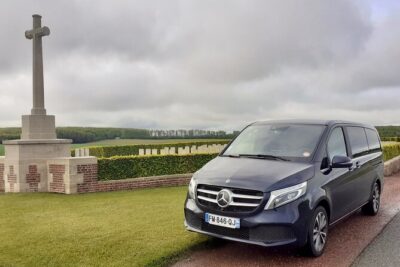
WW1 Australian Battlefield Day Tour from PARIS: Somme, Villers-Bretonneux…
Read our review →
Skip-the-line Les Invalides World War Museum Guided Tour – Exclusive Guided Tour
Read our review →Browse the lists this tour appears in