
Reviewed · ORSAY & ART MUSEUM TOURS
Skip-The-Line Centre Pompidou Paris Guided Museum Tour – Semi-Private 8ppl Max
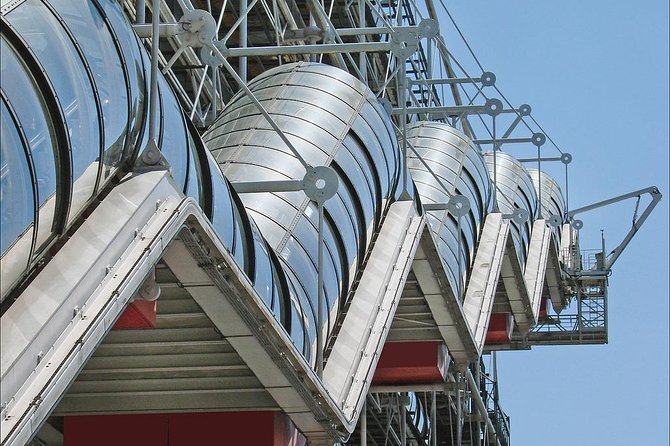
The Centre Pompidou is part museum, part architectural provocation. Its colored pipes, exposed structure, and inside-out design are not just a backdrop for the art. They set the tone for a collection that moves from Picasso and Matisse to Dada, Warhol, Kandinsky, and multimedia work. I like that this tour explains both the building and the art, rather than treating the museum as a parade of famous names.
I also like the eight-person maximum, which gives you a better chance to hear your guide and ask questions. Guides such as Belen, Emma, and Sunday have been singled out for making modern art easier to approach, including for teenagers. The main caution is the pace and physical demand: this is a 2.5-hour walking tour, and it is not suitable for wheelchair users or people with walking disabilities.
In This Review
- Key points at a glance
- Why the Pompidou makes a strong guided visit
- Entering the Centre Pompidou at 5:00 pm
- Seeing the building before the collection
- Picasso, Matisse, and the language of modern art
- From Futurism and Dada to wartime Surrealism
- Warhol, Pop Art, and the move toward the present
- What the small group changes
- How the Pompidou compares with the Louvre and Orsay
- Is $75 a fair price?
- Practical details that can make or break the visit
- Who should book this Pompidou tour?
- FAQ
- Where does the Centre Pompidou tour begin?
- What time does the tour start?
- How long does the tour last?
- Where does the tour end?
- How many people can join the tour?
- Is museum admission included?
- Are temporary exhibitions included?
- Can I bring a large bag or suitcase?
- Is the tour suitable for wheelchair users?
Key points at a glance
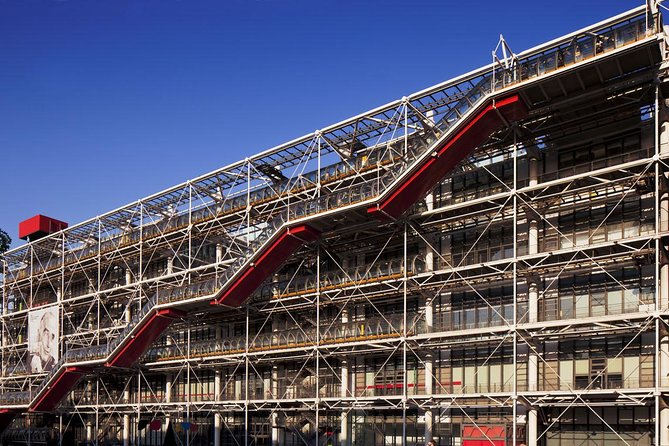
- The building is part of the tour: Learn how Renzo Piano and Richard Rogers turned the museum’s structure inside out.
- A compact group of eight or fewer: The small format allows for a more conversational visit than a large museum group.
- A clear path through modern art: Cover Cubism, Fauvism, Dada, Surrealism, Futurism, and Pop Art with a guide.
- Major names are included: Expect works by artists such as Picasso, Matisse, Warhol, Kandinsky, Mondrian, Pollock, and O’Keeffe, depending on the display.
- Skip-the-line admission is included: You avoid the standard admission queue, though security checks can still cause delays.
- A 5:00 pm start: The timing can work well after a day in central Paris, but check the museum schedule before booking.
Why the Pompidou makes a strong guided visit
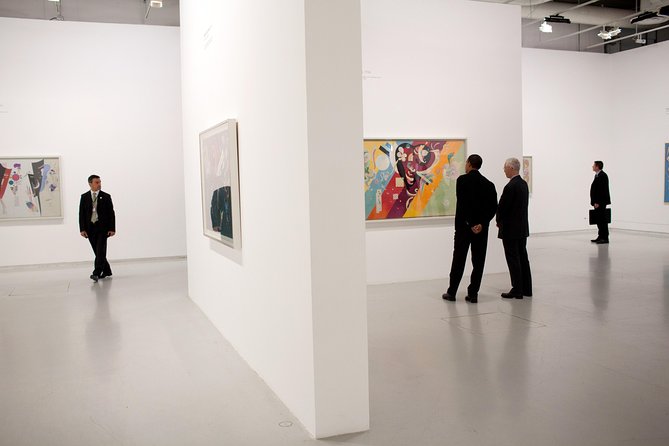
The Centre Pompidou can be a confusing museum to tackle alone. Its modern and contemporary collection covers a wide span of movements, and the meaning of one room can shift sharply from the next. A guide helps you see the links between the artists instead of simply moving from canvas to canvas.
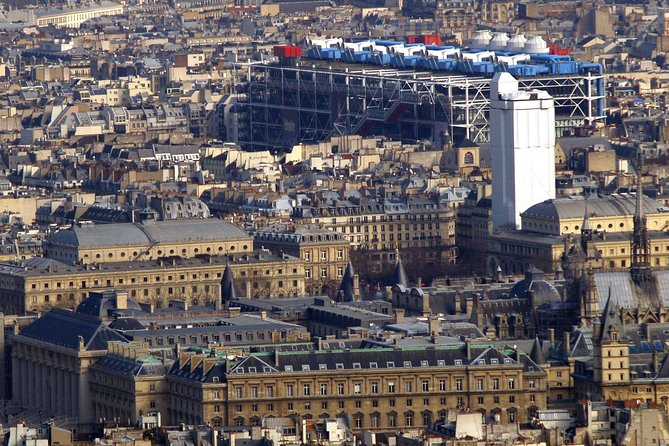
I especially like the way this experience begins with the building. Designed by Renzo Piano and Richard Rogers, the Centre Pompidou places much of its mechanical and structural equipment on the outside. Pipes and service elements are color-coded, giving the facade its famous industrial look.
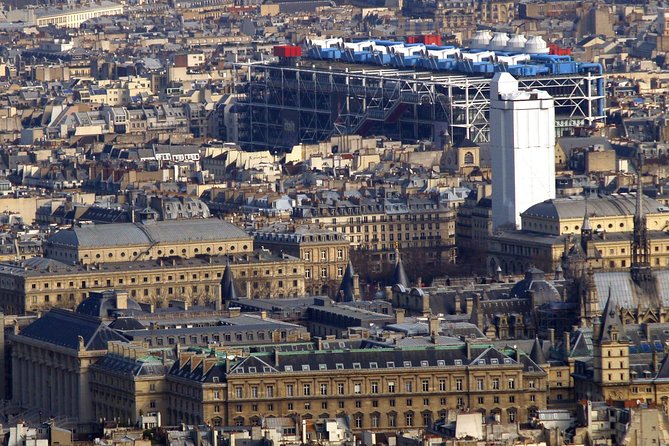
That design can seem strange when you first see it among Paris’s older streets. The guide uses it as a useful introduction to modern art: the museum asks you to question what a cultural building should look like, just as the art inside asks you to question what art can be.
The tour lasts about 2.5 hours and includes admission. That is enough time for a focused introduction, but not enough to see every room or study every artist. I would treat it as a guided survey of the museum’s main ideas, not as a complete visit to the entire collection.
More Orsay and art museum visits:
- Paris: Orsay Museum Entry Ticket
★ 4.7 · 25,647 reviews - Paris: Orsay Museum Entry Ticket and Digital Audio Guide App
★ 4.4 · 3,170 reviews - Paris in a Day: Louvre or Orsay, Eiffel Tower, City Walk & Cruise
★ 5.0 · 1,956 reviews
Entering the Centre Pompidou at 5:00 pm
You meet at the Centre Georges Pompidou in the 4th arrondissement at 5:00 pm. The activity ends at the same place, which makes it easy to continue exploring the surrounding area afterward or return to your hotel by public transport, taxi, or Uber.
The skip-the-line feature has real value in Paris, where museum queues can eat into a short sightseeing day. Still, skip-the-line does not mean you bypass every check. The museum can impose security screening, and some waiting may occur during busy periods or increased security measures.
Arrive with a small bag. Large bags and suitcases are not allowed inside, and only handbags or small, thin backpacks can pass through security. This is an easy detail to overlook, especially if you are arriving with luggage between hotels or train stations.
The museum can occasionally close without advance warning. If opening is delayed by more than an hour, an alternative may be offered, but the stated terms do not provide a refund or discount in that situation. It is sensible to check the meeting details and keep your phone available on the day.
Seeing the building before the collection
The first part of the visit focuses on the Centre Pompidou itself. That matters because the building is one of Paris’s clearest examples of architecture that refuses to blend into its surroundings.
Your guide explains the color-coded exterior and the idea of putting working parts on the outside. The result is practical, theatrical, and controversial. Even if you are more interested in paintings than architecture, this introduction gives you a way to understand the museum’s bold personality.
I find this especially useful for first-time visitors. Without context, the building can feel like a giant machine dropped into the city. With context, you can see how its design reflects the same spirit of experimentation found in the galleries.
The route may also include Dubuffet’s Winter Garden, a strange and playful space that connects the building’s theatrical design with the museum’s interest in unusual forms. Collections and room access can change during the year, so the exact sequence is not fixed.
Picasso, Matisse, and the language of modern art
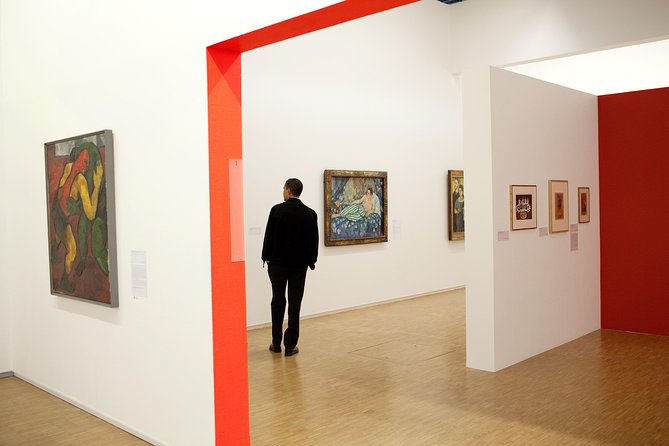
The permanent collection includes important works by Picasso and Matisse. Here, the guide places their work within movements such as Cubism and Fauvism, helping you understand why these artists changed the direction of European art.
Picasso’s Cubism can be difficult if you approach it as a puzzle with one correct answer. A guide can point out how forms are broken apart and shown from more than one angle. That makes the work less about recognizing a subject and more about seeing how an image is constructed.
Matisse offers a different lesson. His use of color and simplified shapes shows how modern art could move away from natural appearance without losing emotional force. The contrast between Picasso and Matisse gives the tour a strong early rhythm.
The value here is not simply seeing famous paintings. It is learning a few basic questions to ask: What has the artist changed? What has been removed? How does color or shape carry meaning? Those questions remain useful as you move into less familiar galleries.
More Paris museums to visit:
- Paris: Louvre Museum Timed-Entrance Ticket
★ 4.6 · 71,977 reviews - Louvre Museum Masterpieces Guided Tour with Access
★ 4.5 · 12,023 reviews - Paris: Louvre Museum Entry Ticket With Host and River Cruise
★ 4.6 · 9,926 reviews - Les Invalides: Napoleon’s Tomb & Army Museum Entry
★ 4.6 · 9,185 reviews
From Futurism and Dada to wartime Surrealism
The tour then moves through several movements that developed during a period of intense political and social change. Futurism, Dada, and Surrealism can seem unrelated at first, but each challenged accepted ideas about art, reason, and daily life.
Dada emerged during and after the First World War as an attack on conventional culture and logic. That helps explain why some works look absurd, playful, or deliberately unfinished. Your guide discusses the movement in relation to the world wars, giving the unusual objects and images a clearer setting.
The Surrealist works can take the tour in an even stranger direction. Rather than asking you to admire traditional beauty, they may ask you to consider dreams, chance, the unconscious, and unexpected combinations. I would not expect every piece to appeal to you, but the guided explanation can make the oddness productive instead of merely confusing.
The museum’s modern collection includes both French and international artists. Names you might encounter include Mondrian, Pollock, and O’Keeffe, though the precise works on display can vary. That changing selection is worth keeping in mind if you are visiting for one specific painting.
Warhol, Pop Art, and the move toward the present
The route reaches the 1950s and 1960s, including Andy Warhol and the rise of Pop Art. This is often a welcome shift for people who find earlier modern movements demanding.
Warhol took images from advertising and popular culture and placed them in an art setting. A guide can help you consider why repetition, mass production, and celebrity became serious artistic subjects. The point is not only that the pictures look familiar, but that the museum context changes how you see them.
The tour also introduces later and more contemporary work, including multimedia galleries. These rooms can be more difficult to summarize than a painting gallery because they may involve sound, moving images, installations, or interaction with space.
I like having a guide at this point because contemporary art often depends on an idea or process that is not obvious from a quick glance. At the same time, the short tour means you will receive an introduction rather than a long conversation about every installation.
What the small group changes
The group is limited to eight people. That is one of the strongest reasons to choose this tour instead of joining a large museum walk.
A small group makes it easier to stay close to the guide in busy rooms. It also gives you a better chance to ask why a work matters, how two artists differ, or what a particular movement was reacting against.
The guide style can shape the experience. Emma has been praised for making the building and artworks approachable for teenagers, with a conversational manner and clear enthusiasm for modern and contemporary art. Belen has been noted for explaining how the Pompidou differs from the Louvre and Musée d’Orsay. Sunday has also led visitors through the museum in a way that made the visit feel more rewarding for someone who had previously skipped it.
Those details suggest an important point: this is best for people who want interpretation, not silence and unlimited personal time. If you prefer to read labels at your own pace or spend 20 minutes with one painting, a self-guided visit may suit you better.
How the Pompidou compares with the Louvre and Orsay
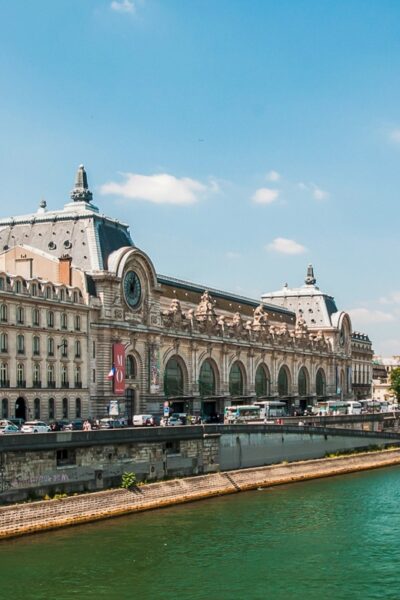
The Louvre is famous for its older European masterpieces, antiquities, and grand palace setting. The Musée d’Orsay is especially strong in Impressionist and Post-Impressionist art. The Centre Pompidou gives you a different story, one centered on the art of the 20th century and later periods.
That difference is useful if you have already visited the Louvre and Orsay and want to see where art went next. It also helps first-time museum visitors choose the right experience. If Picasso, Matisse, Kandinsky, Warhol, and modern movements interest you more than Renaissance or Impressionist painting, the Pompidou is a logical choice.
I would not book this tour simply because you feel you should visit every major Paris museum. Book it because you want a guided explanation of modern art and a close look at an unusual building.
The experience also works well for families with older children and teenagers. The combination of bold architecture, strange objects, color, and modern media can hold attention better than a long tour of traditional portraits. Still, the walking requirement and 2.5-hour duration may be tiring for anyone with limited mobility.
Is $75 a fair price?
At $75, this is not the cheapest way to enter the Centre Pompidou. You are paying for more than admission: the price includes a professional guide, a maximum group size of eight, skip-the-line access, and about 2.5 hours of structured explanation.
The value depends on how you use museums. If you already know modern art well, you may find the price harder to justify. You could prefer an independent visit, especially if you want to focus on temporary exhibitions or return to favorite works.
For a first visit, I see stronger value. Modern art often rewards a good explanation, and the small group should feel more personal than a large standard tour. You also save the time and uncertainty of figuring out the collection on your own.
Temporary exhibitions are not included, so check what you want to see before booking. If a special exhibition is your main reason for visiting, you will need to arrange that separately.
Practical details that can make or break the visit
Wear comfortable shoes. The tour is a walking experience lasting around 2.5 hours, and a moderate level of physical fitness is expected.
Use public transport, a taxi, or Uber to reach the meeting point. Hotel pickup and drop-off are not included.
Keep your mobile phone available and provide a phone number with the country code when booking. That contact information can matter if meeting instructions or museum conditions change.
Dress appropriately for museum entry. The venue may apply its own entry rules, and quiet or restricted-speaking areas may be part of the route. Your guide should explain those rules before you enter the affected rooms.
The tour is not available for people with walking disabilities or wheelchair users. If accessibility is essential for your visit, this is a reason to choose another arrangement and confirm options directly before booking.
Free cancellation is available if you cancel at least 24 hours before the 5:00 pm start time. Cancellations or changes made within 24 hours are not refunded.
Who should book this Pompidou tour?
I would choose this experience if you want a clear introduction to modern and contemporary art, especially if Picasso, Matisse, Kandinsky, and Warhol are high on your list. It is also a good fit if you want someone to explain the building instead of simply photographing its pipes and moving on.
Families with teenagers may appreciate the small group and conversational approach. So may anyone who has entered a modern art museum before and wondered what they were supposed to be seeing.
I would hesitate if you want access to temporary exhibitions, need a wheelchair-accessible route, or prefer a very slow visit with plenty of time for personal reflection. The 5:00 pm start and occasional museum changes also require some flexibility.
For most first-time Pompidou visitors, the combination of focused guidance, included admission, and a group capped at eight makes the $75 price reasonable. You leave with more than a list of famous artists: you gain a basic map of modern art and a better understanding of why this remarkable building looks the way it does.
FAQ
Where does the Centre Pompidou tour begin?
The tour begins at the Centre Georges Pompidou, 75004 Paris, France.
What time does the tour start?
The scheduled start time is 5:00 pm.
How long does the tour last?
The experience lasts approximately 2 hours and 30 minutes.
Where does the tour end?
The activity ends back at the Centre Pompidou meeting point.
How many people can join the tour?
The group has a maximum of eight people.
Is museum admission included?
Yes. Entrance fees and skip-the-line semi-private museum admission are included.
Are temporary exhibitions included?
No. Temporary exhibitions are not included in the tour.
Can I bring a large bag or suitcase?
No. Large bags and suitcases are not allowed inside. Only handbags or small, thin backpacks can pass through security.
Is the tour suitable for wheelchair users?
No. The tour is not available for people with walking disabilities or those using a wheelchair.
More Skip the Line in Paris
- Versailles: Skip-the-Line Tour of Palace with Gardens Access
★ 4.7 · 9,778 reviews - Versailles: Skip-the-Line Guided Palace Tour and Full Access
★ 4.6 · 5,214 reviews - Louvre Museum: Skip-the-Line Small Group Guided Tour
★ 4.6 · 3,960 reviews - From Paris: Versailles Skip-the-Line Tour & Gardens Access
★ 4.7 · 3,011 reviews
Newest additions around Paris
- Family escape Game with kids and teens on the Île de la Cité★ 4.5 · 11 reviews
- Private Photoshoot with the Iconic Eiffel Tower in Paris★ 5.0 · 11 reviews
- 2-day Private Mont Saint-Michel, 3 Loire Castles, D-Day Express★ 4.5 · 11 reviews
- Paris: Batobus Hop-On Hop-Off Cruise & Landmarks Audio Tour★ 3.0 · 11 reviews
- Paris Revolutionary Walking Tour: Iconic French Sights & Stories★ 5.0 · 11 reviews
- Guided and Private Tour of 3 hours through Paris aboard a Citroën 2cv★ 5.0 · 11 reviews
- Kids in the Kitchen – CrOisSaNtS★ 4.0 · 11 reviews
- Paris: Ghosts and Dark Stories Guided Walking Tour★ 4.1 · 11 reviews
Orsay & Art Museum Tours, compared.
Orsay Museum Entry Ticket and Digital Audio Guide App
Read our review →
Paris in a Day: Louvre or Orsay, Eiffel Tower, City Walk & Cruise
Read our review →
Musée d’Orsay Skip-the-Line Tour with Expert Guide
Read our review →
Musée d’Orsay Skip-the-Line Tour with Expert Guide
Read our review →
The Musée d’Orsay Guided Tour Orsay Museum Semi-Private 6ppl Max
Read our review →
Louvre & Musée d’Orsay Guided Museum Tour Semi-Private 6ppl Max
Read our review →
Browse the lists this tour appears in