

Reviewed · LOUVRE MUSEUM TOURS
Louvre Museum: Skip-the-Line Small Group Guided Tour
The Louvre is too large to tackle casually. This two-hour guided route gives you a useful first look at its biggest sights, from the Mona Lisa and Venus de Milo to Napoleon’s glittering apartments and the Egyptian galleries. Guides such as Ivan, Benedict, Laurent, and Frederic are praised for turning famous objects into stories rather than simply pointing at them.
I like the priority entrance, which can save valuable time at one of Paris’s busiest attractions. I also like the small-group format when numbers stay low, since it is easier to hear the guide, ask questions, and keep up inside the enormous palace. The catch is that security can still take up to 20 minutes, and Napoleon’s apartments may not always be included despite being advertised.
In This Review
- Key points to know before booking
- Why a two-hour Louvre tour makes sense
- Finding the meeting point on Rue de Rivoli
- Passing the Louvre Pyramid before entering
- Venus de Milo and the art of seeing a famous statue
- The Mona Lisa without pretending the crowd will vanish
- The Raft of the Medusa and art with a human story
- Napoleon’s apartments and the Louvre as a palace
- Egyptian mummies and the oldest layers of the Louvre
- How the small-group format affects the visit
- Guides who make the difference
- What to bring and what to leave behind
- Who should book this Louvre experience?
- Should you book it?
- FAQ
- How long is the Louvre guided tour?
- What artworks and areas are included?
- Does the tour include priority entrance?
- What languages are available?
- Can I bring luggage?
- Is the Louvre open every day?
Key points to know before booking

- Two hours, carefully planned: You see major Louvre highlights without trying to cover every wing.
- Priority entry: A separate entrance helps you avoid the main ticket line, but security screening still applies.
- Major masterpieces: The route includes the Mona Lisa, Venus de Milo, Psyche Revived by Cupid’s Kiss, and The Raft of the Medusa.
- Palace history included: You visit Napoleon’s former apartments and the underground foundations of the earlier Louvre castle, subject to the route used that day.
- Strong guide element: Ivan, Benedict, Habib, Claudia, Bea, Merveille, and others are praised for clear explanations, humor, patience, and passion.
- Practical limits: Large bags are not allowed, meeting points can vary, and the tour may be bilingual or split into separate groups during busy periods.
Why a two-hour Louvre tour makes sense

The Louvre is not just a museum with a few famous paintings. It occupies a former palace with vast galleries, grand staircases, ancient foundations, and collections spanning Ancient Egypt, Greek and Roman sculpture, European painting, decorative arts, and much more.
You could spend days here and still miss important rooms. That is the main reason I see value in a guided visit like this one. In two hours, you get a route with a clear purpose. You are less likely to spend half your visit studying a map or wandering into a gallery that has little connection to your interests.
This is best viewed as an introduction, not a complete Louvre visit. You will see famous works and hear the stories behind them, but you will not have time for every department. If you already know the museum well, the pace may feel restrictive. For a first visit, especially with limited time in Paris, the structure is useful.
The tour costs $114 per person. That is a serious price for two hours, so the value depends on what you need. You are paying for the entrance ticket, a licensed guide, priority access through a separate entrance, and a headset. If you want context and a direct route to the major works, it can make sense. If you prefer to wander alone and read labels, a self-guided visit may cost less and give you more freedom.
More ways into the Louvre:
- Paris: Louvre Museum Timed-Entrance Ticket
★ 4.6 · 71,977 reviews - Paris: Louvre Guided Tour with Reserved Access & Boat Cruise
★ 4.3 · 16,353 reviews - Louvre Museum Masterpieces Guided Tour with Access
★ 4.5 · 12,023 reviews
Finding the meeting point on Rue de Rivoli
The meeting arrangement deserves care. The available starting options include Invoxis, Homing Season, and addresses around 162 Rue de Rivoli. The exact point depends on the option you book, so check your confirmation rather than relying only on a map app.
One visitor had trouble finding the correct street because the map directed them to the wrong place and nearby shops did not recognize the meeting point. The practical lesson is simple: arrive early, read the meeting instructions closely, and allow extra time to locate the guide.
The Louvre stretches along Rue de Rivoli, so the meeting point may be near the long side of the museum rather than directly beside the glass Pyramid. That distinction matters. Paris is easy to navigate once you know where you are, but the Louvre’s scale can make a short walk feel confusing when you are already late.
The tour ends back at the meeting point. Transportation to and from the museum is not included, so you arrange your own way there and onward afterward.
Passing the Louvre Pyramid before entering
The glass Pyramid is listed as a pass-by point rather than a formal stop. You may see it while moving toward the museum entrance, but do not expect a long explanation or a dedicated photo session here.
That is not a major weakness. The Pyramid is easy to visit on your own before or after the tour. The more valuable part of this experience is getting inside and using your limited time well.
The priority entrance is one of the tour’s most useful features. It helps you avoid the standard ticket queue, which can be long at busy times. It does not mean instant entry. Everyone still passes through security, and the wait can reach 20 minutes in high season.
That distinction is important when planning your day. Do not schedule a train, restaurant booking, or another timed attraction immediately after the tour. The official duration is two hours, but entry delays and the pace of the group can add time.
Venus de Milo and the art of seeing a famous statue
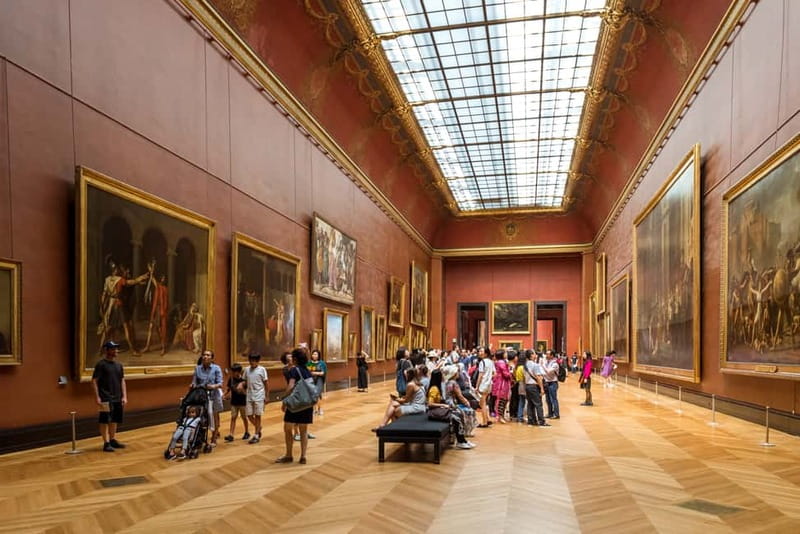
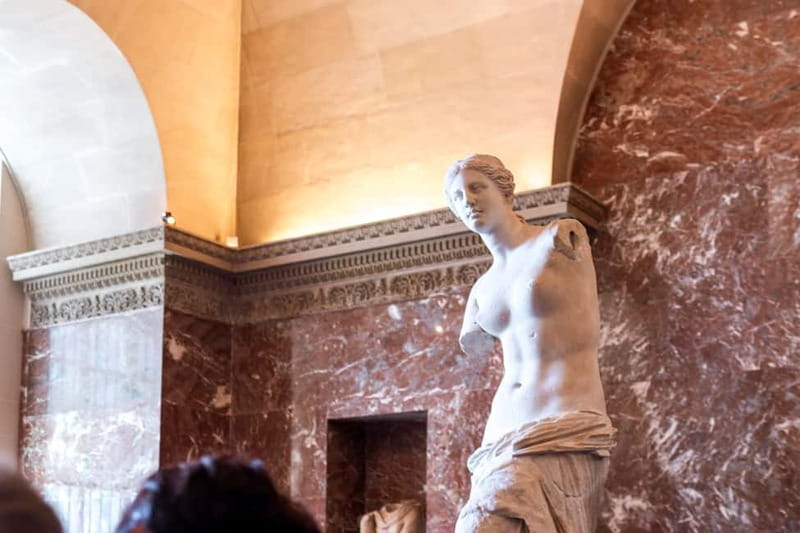
The Venus de Milo is one of the tour’s named visits. This ancient Greek statue is famous even to people who rarely visit museums, but a guide can help you look past the missing arms and the postcard image.
The value here is not simply standing in front of a celebrated sculpture. It is understanding why the work has held such power for so long and how its pose, scale, and setting affect the way you see it. A good guide can make a familiar object feel less like a box to check and more like a work worth studying.
You will likely encounter other important sculptures along the way. The route includes Antonio Canova’s Psyche Revived by Cupid’s Kiss, an elegant work built around a tender mythological moment. Its polished marble and carefully arranged figures offer a sharp contrast with the age and visual language of the Venus de Milo.
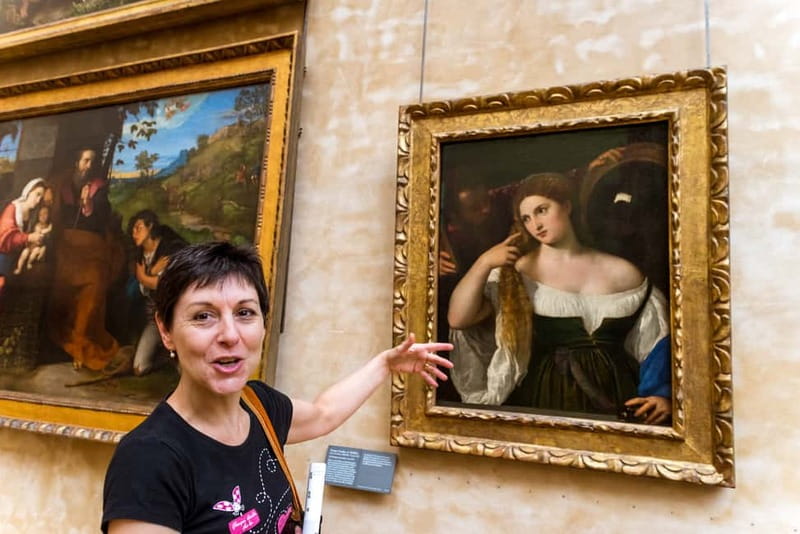
The guide’s commentary is especially useful here because sculpture rewards close looking. You can notice the turn of a body, the direction of a gaze, and the way the figures connect. Without help, it is easy to walk past such works while searching only for the Mona Lisa.
More Paris museums to visit:
- Paris: Orsay Museum Entry Ticket
★ 4.7 · 25,647 reviews - Paris: Louvre Museum Entry Ticket With Host and River Cruise
★ 4.6 · 9,926 reviews - Les Invalides: Napoleon’s Tomb & Army Museum Entry
★ 4.6 · 9,185 reviews - Louvre Museum – Exclusive Guided Tour (Entry Included)
★ 5.0 · 6,296 reviews
The Mona Lisa without pretending the crowd will vanish
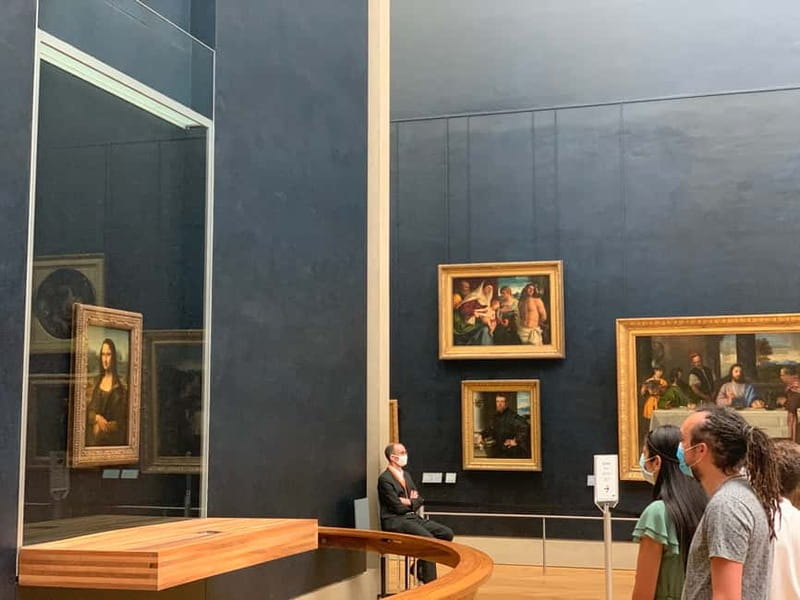
Leonardo da Vinci’s Mona Lisa is the tour’s biggest draw for many people. You will see the painting as part of the guided route, with the guide explaining its place in Renaissance art and the details that made it so famous.
Priority access does not create a private viewing room. The painting is one of the Louvre’s most crowded stops, and your time near it may be limited. Expect to share the space with other museum visitors and follow the movement of the crowd.
That is not a reason to skip it, but it helps to set realistic expectations. You will see the work in person, then move on. The guide can make the stop more rewarding by giving you something specific to look for instead of leaving you to fight for a photo.
This is also where the headset earns its keep. In a noisy gallery, a clear audio connection allows you to listen without standing shoulder to shoulder with the guide. It also helps the group move efficiently from one room to the next.
The Raft of the Medusa and art with a human story

The tour also covers Théodore Géricault’s The Raft of the Medusa. This is not simply a large, dramatic painting to admire from a distance. It depicts a real maritime disaster and the suffering of people left adrift.
The guide’s role is important because the painting can overwhelm you with its size and emotion. A clear explanation of the event shown in the scene gives you a way into the work. You can then look at the desperate figures, the composition, and the small signs of hope with more understanding.
This is one of the places where the experience moves beyond a greatest-hits checklist. The Louvre’s famous works become easier to remember when they are connected to people, politics, myths, or real events.
Several guides are praised for this kind of storytelling. Ivan is repeatedly described as entertaining, friendly, and passionate about art and history. Frederic is praised for being articulate and concise, while Habib is described as patient and willing to take time with explanations. Those qualities matter in a museum where too much information can quickly become tiring.
Napoleon’s apartments and the Louvre as a palace
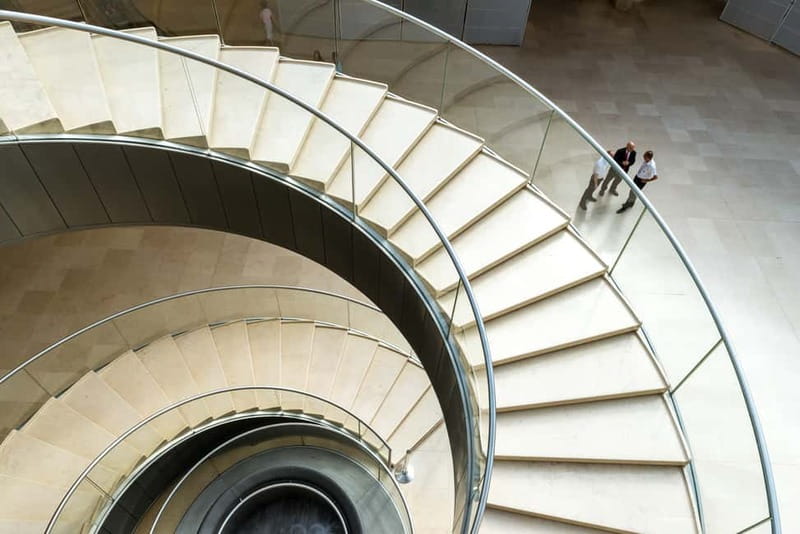
One of the most appealing parts of the advertised route is Napoleon’s former apartments. Here, the focus shifts from paintings and sculpture to grand decoration, formal rooms, furniture, and the display of crown jewels.
This section helps you understand the Louvre as a royal and imperial residence, not just a container for art. The lavish interiors can be as memorable as the masterpieces. They show the taste and power of the people who occupied the palace.
There is one important qualification: at least one booking did not include Napoleon’s apartments, even though they were listed among the highlights. Routes can change, access can vary, and a two-hour visit leaves little room for every promised stop. If this section is a must-see for you, ask about its availability before booking or confirm with the guide at the start.
That caveat does not erase the value of the tour, but it does affect expectations. The Louvre is a working museum with changing access, and a fixed route cannot always cover every room.
Egyptian mummies and the oldest layers of the Louvre
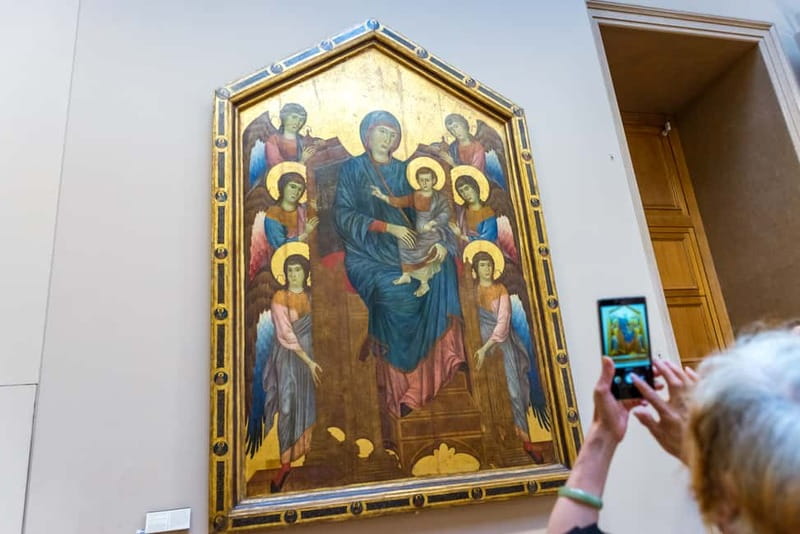
The Egyptian department adds a different mood to the visit. You can expect to see objects such as a sphinx and mummies, giving the tour a break from Renaissance painting and French palace decoration.
For many people, this is one of the most satisfying contrasts in the Louvre. You move from European royal rooms to objects made for religious practice, burial, and daily life in Ancient Egypt. The change in subject and age shows just how broad the museum’s collection is.
The tour also goes below the palace to see foundations from the castle that once occupied the site. This underground section is easy to miss if you visit without a plan, yet it gives physical meaning to the Louvre’s long development.
You are not just looking at art in an old building. You are seeing layers of the place itself. The foundations help connect the modern museum to the fortress and palace that came before it.
How the small-group format affects the visit
The small group is a major advantage when it really is small. A group of five or six is easier to manage in tight galleries, and you can usually hear the guide more clearly. It also gives you a better chance to ask a question or request a little extra attention to a particular work.
The experience can become even more personal when some booked participants do not arrive. One guide, Benedict, was praised for patience with a delayed couple and for helping a family with two young children. That kind of flexibility can make a demanding museum easier for everyone.
Peak season changes the picture. Groups may be larger, and if your party has more than six people, you may be divided into separate groups. If you are traveling with friends or family, make sure everyone understands that the operator may not keep a large party together.
The tour can also be bilingual. That may be fine for some groups, but it can make the commentary feel less direct if you were expecting a single-language experience. Available languages include German, Spanish, Portuguese, and French. Confirm the language and whether the tour may be bilingual when you choose your time.
Guides who make the difference
The guide is the heart of this experience. The Louvre itself supplies the paintings, but the guide determines whether the two hours feel vivid or rushed.
The strongest guide comments point to several qualities: clear explanations, humor, patience, good organization, and genuine enthusiasm. Ivan is often singled out for bringing key works to life while answering questions. Benedict is praised for warmth, patience, and attention to families. Claudia is described as thorough and helpful, while Merveille is praised for her passion.
Bea, Laurent, and Frederic also receive strong praise for making the museum easier to follow. One guide helped with practical matters such as finding lockers, locating restrooms, choosing photo spots, and suggesting what to do next. Those small services matter in a building that can feel confusing on a first visit.
Guide quality can never be guaranteed by a name alone, but the repeated praise for several individual guides is encouraging. The main thing is to remember that you are buying an interpreted visit, not simply a faster ticket.
What to bring and what to leave behind
Wear comfortable shoes. Two hours may not sound long, but the route involves standing and walking through a large complex.
Do not bring luggage or a large bag. Items larger than 55 by 35 by 20 centimeters are not permitted in the museum. Pack lightly, since oversized belongings can create a problem before the tour even begins.
A headset is included, which helps you follow the guide in busy rooms. You will still want to stay close enough to the group to avoid getting separated.
The tour offers free cancellation up to 24 hours before the start time, and you can reserve now and pay later. Those terms are useful if your Paris schedule is still changing, but they do not remove the need to check the exact starting time and meeting point.
Who should book this Louvre experience?
I would recommend this tour to a first-time Louvre visitor who wants the major works explained in plain language. It also suits you if you have only a short window in Paris, dislike navigating huge museums alone, or want help finding works that might otherwise be missed.
Families may appreciate the guide’s ability to keep the route moving and adjust explanations. People who are not naturally museum-focused can also benefit from the stories and historical connections. One of the strongest practical points is that the tour is short enough to remain manageable while still showing the museum’s grandest rooms and famous works.
I would hesitate if you want a slow, independent visit. Two hours is not enough to linger over every painting, and the route may not include every advertised section on every departure. You should also think twice if the price feels high for a guided introduction, since the ticket line benefit may be less valuable during a quiet period.
Should you book it?
Book this Louvre tour if you want a focused first visit, priority entry, and a guide who can connect the Mona Lisa, Venus de Milo, Egyptian objects, palace rooms, and underground foundations into one understandable story.
Before paying, confirm the meeting point, tour language, group arrangements, and whether Napoleon’s apartments are included on your departure. If those details work for you, $114 can be fair value for the time saved and the help you receive inside a famously confusing museum.
FAQ
How long is the Louvre guided tour?
The tour lasts two hours. Starting times vary, so check availability when selecting your date.
What artworks and areas are included?
The route includes the Mona Lisa, Venus de Milo, Psyche Revived by Cupid’s Kiss, The Raft of the Medusa, Egyptian objects such as a sphinx and mummies, the foundations of the earlier Louvre castle, and Napoleon’s former apartments when included in the day’s route.
Does the tour include priority entrance?
Yes. The ticket provides access through a separate entrance intended to bypass the main ticket line. You must still pass security, and the security wait can reach 20 minutes during high season.
What languages are available?
Live guides are available in German, Spanish, Portuguese, and French. The tour can be bilingual.
Can I bring luggage?
No. Luggage and large bags are not allowed, and items larger than 55 by 35 by 20 centimeters cannot enter the museum.
Is the Louvre open every day?
The Louvre is closed on Tuesdays. Check the available dates and starting times before booking.
More Skip the Line in Paris
- Versailles: Skip-the-Line Tour of Palace with Gardens Access
★ 4.7 · 9,778 reviews - Versailles: Skip-the-Line Guided Palace Tour and Full Access
★ 4.6 · 5,214 reviews - From Paris: Versailles Skip-the-Line Tour & Gardens Access
★ 4.7 · 3,011 reviews - From Paris: Versailles Guided Tour with Skip-the-Line Entry
★ 4.2 · 2,422 reviews
Newest additions around Paris
- Family escape Game with kids and teens on the Île de la Cité★ 4.5 · 11 reviews
- Private Photoshoot with the Iconic Eiffel Tower in Paris★ 5.0 · 11 reviews
- 2-day Private Mont Saint-Michel, 3 Loire Castles, D-Day Express★ 4.5 · 11 reviews
- Paris: Batobus Hop-On Hop-Off Cruise & Landmarks Audio Tour★ 3.0 · 11 reviews
- Paris Revolutionary Walking Tour: Iconic French Sights & Stories★ 5.0 · 11 reviews
- Kids in the Kitchen – CrOisSaNtS★ 4.0 · 11 reviews
- Guided and Private Tour of 3 hours through Paris aboard a Citroën 2cv★ 5.0 · 11 reviews
- Paris: Ghosts and Dark Stories Guided Walking Tour★ 4.1 · 11 reviews
Louvre Museum Tours, compared.

Louvre Guided Tour with Reserved Access & Boat Cruise
Read our review →
Louvre Museum Masterpieces Guided Tour with Access
Read our review →
Louvre Museum Entry Ticket With Host and River Cruise
Read our review →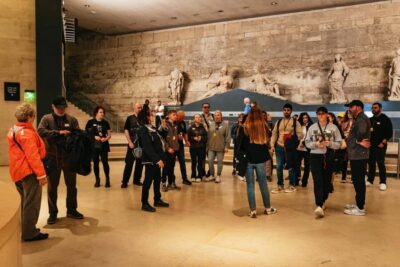
Priority Access Louvre with Host -Direct to Mona Lisa
Read our review →
Mona Lisa & Louvre Masterpieces Tour with Reserved Access
Read our review →
Louvre Museum – Exclusive Guided Tour (Entry Included)
Read our review →
Louvre Reserved Ticket and River Cruise Combo
Read our review →Browse the lists this tour appears in