
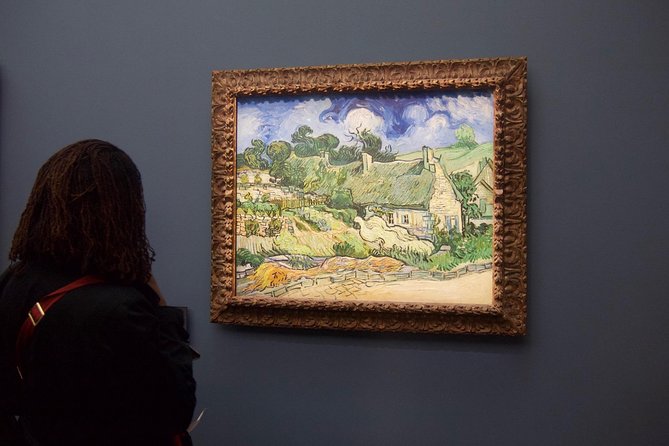
Reviewed · ORSAY & ART MUSEUM TOURS
Paris: Musée d’Orsay Skip-the-Line Tour with Expert Guide
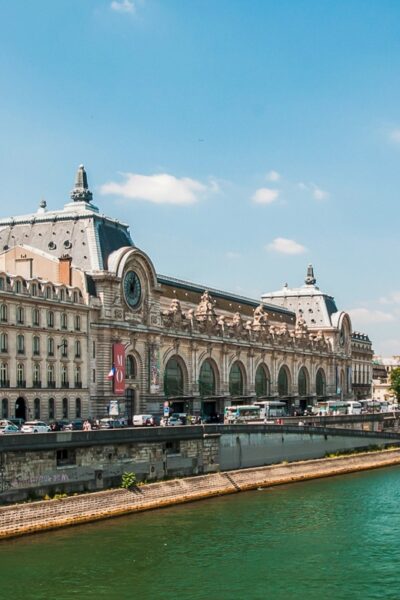
The Musée d’Orsay is the Paris museum where a little explanation can change the whole visit. Instead of wandering past rows of famous paintings, you follow the story of how Manet, Monet, Renoir, Degas, Van Gogh, and their peers shook up 19th-century art. The museum’s grand former railway station is part of the show.
I like the reserved museum entry, which saves precious Paris time, and the way the tour leaves you inside afterward for more exploring. I also like the guides’ use of humor and storytelling. Guides such as Celia, Claire, Julie, Caroline, Ivan, Anthony, and Stéphanie have been praised for making the art accessible to families and first-time visitors.
The main consideration is pace. One hour and 45 minutes is enough for the major story and key works, but not enough for the whole museum. You may also encounter thick crowds around the best-known paintings, so plan to stay afterward if you want a quieter look.
In This Review
- Key points to know before booking
- Why the Musée d’Orsay makes a good guided visit
- Meeting at 2 Rue de la Légion d’Honneur
- The station building deserves your attention
- The first hour: learning how Impressionism took shape
- The second 45 minutes: iconic paintings and a clearer picture
- Free time inside the museum after the tour
- Crowds, headsets, and group size
- Price and value at $67.60
- Who should book this Orsay tour?
- Cancellation and essential practical details
- Should you book the Musée d’Orsay skip-the-line tour?
- FAQ
- Where does the Musée d’Orsay tour begin?
- Where does the tour end?
- How long does the experience last?
- Is museum admission included?
- Does the tour include skip-the-line access?
- Is the tour offered in English?
- How large can the group be?
- Can I explore the museum after the guided tour?
- Is hotel pickup included?
- Can I cancel for a full refund?
Key points to know before booking
- A focused route through Impressionism: Learn how bold color, visible brushwork, and modern subjects challenged the old art establishment.
- Reserved entry through a special entrance: You avoid the regular admission line, a useful advantage at a busy Paris museum.
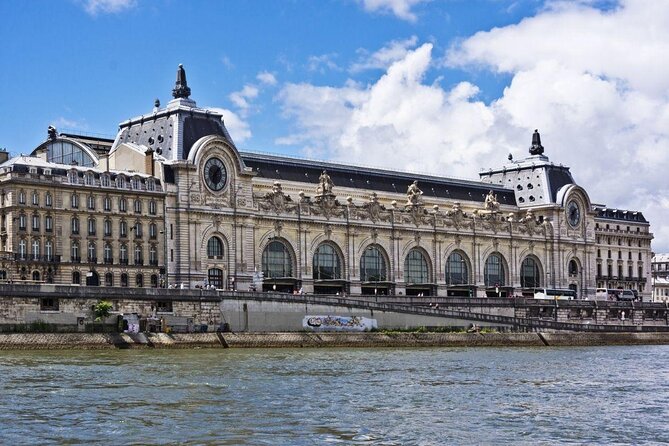
- The former railway station is part of the experience: The Beaux-Arts building, enormous clock, and grand central hall deserve your attention.
- Guides explain the links between artists: The tour is built around artistic change, not a random list of famous canvases.
- Free time follows the guided portion: You can remain inside and return to favorite works at your own pace.
- Small-group format with headsets: The group can reach 20 people, and headsets help you hear the guide in crowded rooms.
Why the Musée d’Orsay makes a good guided visit
The Orsay is easier to grasp than the Louvre, but it is still a large museum. Thousands of works are displayed across five levels, and the collection covers more than Impressionist painting. You can easily spend an hour admiring the building, another hour finding the main galleries, and still leave without understanding how the art fits together.
That is where this tour earns its keep. The guide creates a clear path from the academic art of the 19th century to the experiments of the Impressionists and then to Post-Impressionism. You are not simply shown a famous painting. You learn what made it surprising when it first appeared.
The central idea is simple: artists began looking beyond polished historical scenes and idealized figures. They painted modern Paris, ordinary leisure, city life, outdoor light, working people, and fleeting moments. Their loose brushwork and unusual compositions could seem careless or even insulting to critics at the time.
A good guide also helps you see that Impressionism was not one neat style. Manet was not simply Monet. Degas approached movement differently from Renoir. Van Gogh pushed color and emotion in another direction altogether. The tour’s value comes from making those distinctions clear without turning the visit into a lecture.
More Orsay and art museum visits:
- Paris: Orsay Museum Entry Ticket
★ 4.7 · 25,647 reviews - Paris: Orsay Museum Entry Ticket and Digital Audio Guide App
★ 4.4 · 3,170 reviews - Paris in a Day: Louvre or Orsay, Eiffel Tower, City Walk & Cruise
★ 5.0 · 1,956 reviews
Meeting at 2 Rue de la Légion d’Honneur
The meeting point is outside the Musée d’Orsay at 2 Rue de la Légion d’Honneur, 75007 Paris. The tour ends inside the museum, so you do not need to find a second meeting point afterward.
Allow extra time to reach the start. The practical instructions specifically warn that finding a taxi in Paris can take longer than expected. Public transportation is available near the museum, but the tour does not include hotel pickup or drop-off.
Look for the guide before entering. The meeting point has been described as easy to find, but a major museum entrance can still be confusing if you arrive at the last minute. I would aim to be there early enough to identify the group, collect any headset equipment, and avoid beginning the tour in a rush.
The ticket and reserved entry are included. That matters because the Orsay can become crowded, and standing in an admission line is a poor use of your limited time in Paris. Skip-the-line entry does not mean the galleries will be empty, though. Once inside, you still share the museum with regular visitors and other groups.
The station building deserves your attention
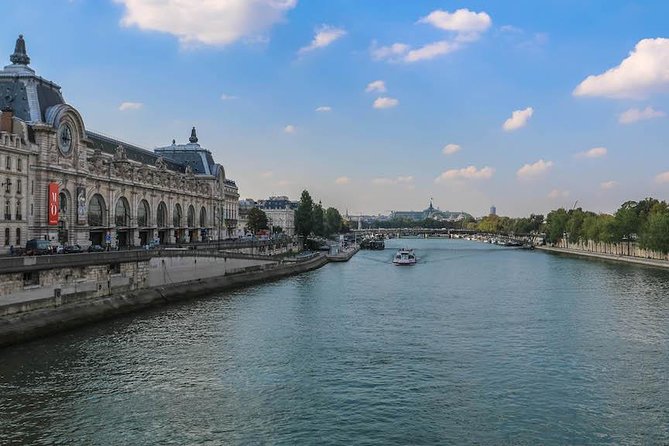
Before concentrating on the paintings, take in the building. The Musée d’Orsay occupies a former railway station with a grand Beaux-Arts design. Its long central hall, high roof, ornate details, and giant clock give the visit a sense of place that a standard gallery could never provide.
The building also connects neatly with the art inside. The museum presents a period when Paris was changing quickly, and the station itself recalls the city’s new age of movement, industry, engineering, and modern life. The architecture is not a decorative shell around the collection. It helps explain the world that the artists were painting.
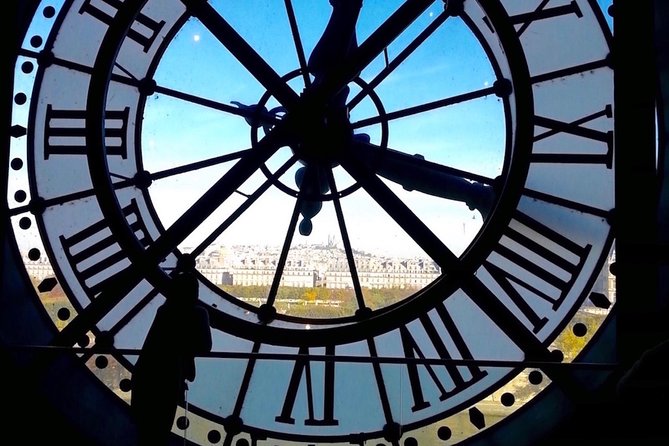
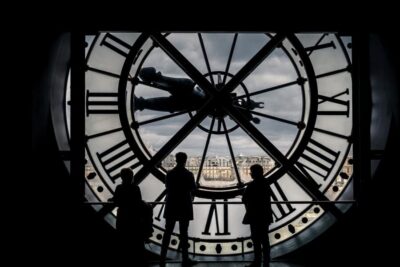
The huge clock is an especially popular photo stop. You may find people gathered near it, so your guide may need to keep the group moving. Still, do not hurry past it without looking back through the clock toward the museum interior. It is one of the Orsay’s most memorable views.
The first hour: learning how Impressionism took shape
The first guided portion lasts about one hour and focuses on the museum’s major artistic story. Your guide leads you to selected works rather than attempting to cover every room.
That is the right approach. The Orsay has too much to see for a complete survey in a single visit. A thoughtful selection lets you spend enough time with representative paintings and understand why each matters.
The route may include works by Manet, Monet, Renoir, Degas, Van Gogh, and other major figures. The exact paintings shown can depend on gallery access and the guide’s judgment, but the stated focus is the Impressionist and Post-Impressionist collection.
Expect context about artists’ lives, ambitions, rivalries, and struggles. This personal background is useful when it illuminates the painting rather than replacing it. You may learn why a subject upset critics, how one artist differed from another, or how a particular work fits into the larger change in French art.
Guides praised during this experience include Celia, Claire, Julie, Caroline, Stéphanie, Ivan, Anthony, and Sylviane. The strongest descriptions emphasize clear explanations, humor, enthusiasm, and an ability to keep a mixed-age group engaged. That matters if you are visiting with teenagers, older family members, or people who do not normally visit art museums.
The pace is described as quick by at least one detailed assessment. I would treat that as useful advice, not a complaint. You will cover a lot in a short time, so listen closely and save questions for natural pauses. If you want to study every canvas for several minutes, the tour format may feel brisk.
A few more Paris ideas to compare
- Versailles: Skip-the-Line Tour of Palace with Gardens Access
★ 4.7 · 9,778 reviews - Versailles: Skip-the-Line Guided Palace Tour and Full Access
★ 4.6 · 5,214 reviews - Louvre Museum: Skip-the-Line Small Group Guided Tour
★ 4.6 · 3,960 reviews - From Paris: Versailles Skip-the-Line Tour & Gardens Access
★ 4.7 · 3,011 reviews
The second 45 minutes: iconic paintings and a clearer picture
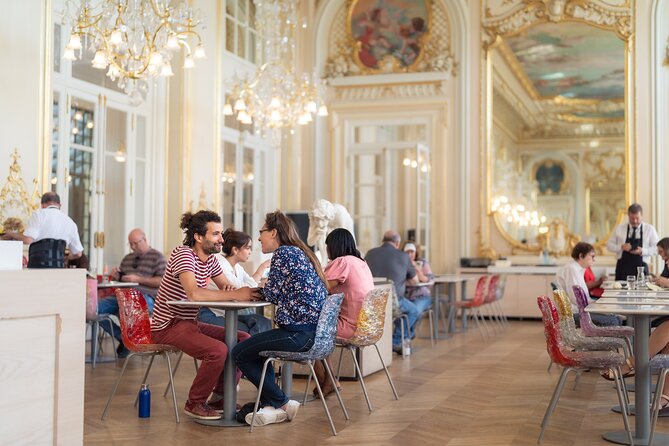
The final guided portion lasts about 45 minutes and continues the story through major Impressionist and Post-Impressionist works. The guide explains how visible brushstrokes, striking color, and everyday subjects moved from scandal to acceptance.
Manet’s Olympia is an important example of the period’s challenge to convention. It was not merely the subject that disturbed viewers. The direct gaze and modern setting forced people to confront a different kind of painted woman, one who did not fit the comfortable traditions of idealized mythology.
Monet’s work helps explain the Impressionist interest in light and changing conditions. Renoir brings a different mood, with scenes of social life and movement. Degas offers another view of modernity through dancers and unusual viewpoints. Van Gogh pushes beyond the original Impressionist concerns toward stronger color and emotional force.
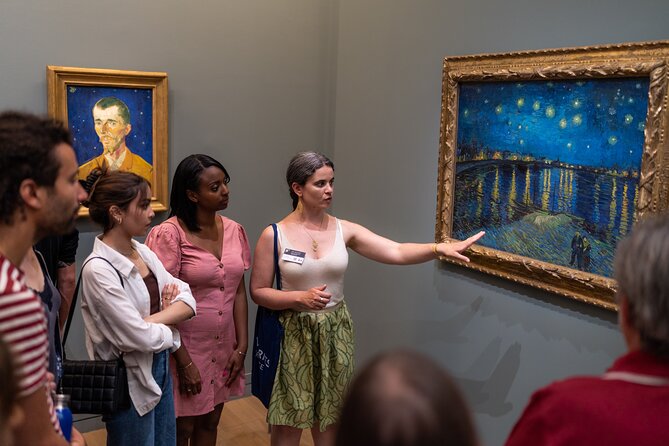
One painting specifically highlighted for the experience is Van Gogh’s Starry Night Over the Rhône. Its reflected stars and glowing night sky can feel intimate and romantic, but the guide’s context helps you see more than a pretty night scene. Look at the handling of color, the reflections, and the way the painting turns a familiar river view into something charged with feeling.
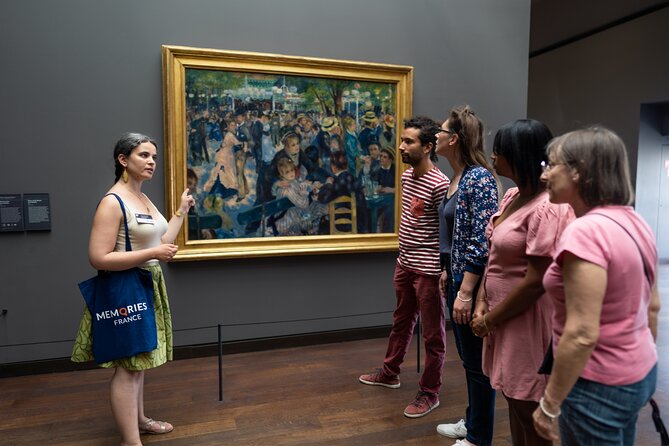
The tour may also point out Renoir’s lively dance scene and the museum’s architecture between galleries. These details keep the visit from becoming a march through only the most famous names.
The best guides do not just announce titles. They show you how one work answers or rejects another. That approach helped previous visitors understand the movement’s development rather than simply collect a list of paintings seen.
Free time inside the museum after the tour
Once the guided visit ends, you can remain inside the Musée d’Orsay and explore independently. This is one of the strongest features of the experience.
Use the tour as your introduction, then return to the works that caught your attention. You may want to look again at Olympia, Starry Night Over the Rhône, or Renoir’s dance scene without needing to keep up with a group. You can also seek out artists and rooms that did not fit the main route.
This extra time is important because 1 hour and 45 minutes cannot cover the entire museum. The guided portion gives you a framework. Your independent time lets you follow your own interests.
I would not schedule a tightly timed activity immediately afterward. The tour ends inside the museum, and the natural plan is to continue looking around. If you have an afternoon free, this format can work well: guided orientation first, independent exploration second.
Crowds, headsets, and group size
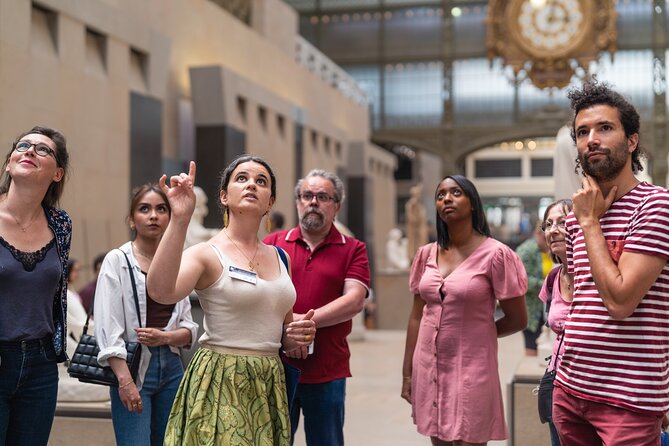
The maximum group size is 20 people, with headsets included. That is not a private tour, but it is small enough to make questions and conversation possible when the group is well managed.
Headsets are especially useful in the Orsay. Crowds can make it difficult to hear a guide in front of a painting, and the museum’s large rooms may carry plenty of background noise. The equipment should help you follow the explanation without standing shoulder to shoulder with the guide.
Crowding remains a real consideration. One assessment noted that the museum was difficult to navigate at busy moments, even with an excellent guide. Go as early as your schedule allows, since the museum may become more crowded later in the day.
The guide’s skill matters here. A good leader can place the group where everyone gets a reasonable view, then move on before the room becomes a traffic jam. Still, no tour can remove every other person from a major Paris museum.
Price and value at $67.60
At $67.60 per person, this is more expensive than entering a museum alone, but the comparison is not quite fair. You are paying for reserved entry, an English-speaking art specialist, a focused route, headsets, and the chance to remain inside afterward.
The value is strongest if you are visiting the Orsay for the first time, have limited time, or feel unsure about how to approach 19th-century art. A guide can save you from wandering through galleries without a plan and can supply the context that turns familiar images into meaningful works.
The value is weaker if you already know the collection well, prefer complete independence, or want to spend the whole visit moving at your own pace. You could enter independently and devote your full time to selected artists.
For families, the price may be worthwhile because the guide keeps the visit moving and gives younger visitors a story to follow. The content is not entirely child-friendly, though. The collection includes nude figures and serious subjects involving prostitution, sexual exploitation of minors, and other difficult parts of 19th-century society. Parents should decide if that discussion suits their children.
Who should book this Orsay tour?
I would choose this experience for a first visit, a short Paris stay, or anyone who wants a strong introduction to Impressionism without taking a full art-history course.
It also suits families and mixed-age groups. The guides have been praised for keeping teenagers and older adults involved, using humor while still explaining the art carefully. If you have visited the Orsay before but felt you missed the point, the added context can make a return visit worthwhile.
You may want a different plan if you dislike group touring or intend to spend the entire day with one painter. The maximum of 20 people and the quick route mean you will need to accept some structure.
Wear comfortable shoes and leave room in your schedule for the extra museum time. The museum is easy to underestimate, and the best part of the experience may be returning to your favorite paintings after the guide has given you the tools to look at them differently.
Cancellation and essential practical details
You receive confirmation when booking, and most people can participate. The tour is offered in English, uses a mobile ticket, and does not include hotel transportation or gratuities.
Free cancellation is available up to 24 hours before the local start time for a full refund. Changes or cancellations made less than 24 hours before departure are not accepted for a refund, and missed tours are not refundable. A delayed flight is therefore a serious risk unless you contact the local provider in time, using the customer service number on your voucher.
Should you book the Musée d’Orsay skip-the-line tour?
Book it if you want the Orsay’s major paintings to make sense, not simply appear in front of you. The reserved entry, focused storytelling, and free time afterward form a useful combination, especially for a first visit.
At $67.60, the tour asks you to pay for guidance as well as admission. I think that is fair for the right visitor, particularly when Paris time is short. Just expect a brisk route, possible crowds, and some mature subject matter. Arrive early, listen for the links between the artists, then stay inside and make the museum your own.
FAQ
Where does the Musée d’Orsay tour begin?
The tour begins at 2 Rue de la Légion d’Honneur, 75007 Paris, France, outside the Musée d’Orsay.
Where does the tour end?
The tour ends inside the Musée d’Orsay at Esplanade Valéry Giscard d’Estaing, 75007 Paris, France.
How long does the experience last?
The experience lasts approximately 1 hour and 45 minutes. The guided museum visit is divided into about one hour and 45 minutes of additional guided time.
Is museum admission included?
Yes. Museum admission and pre-reserved entry through a special entrance are included.
Does the tour include skip-the-line access?
Yes. The experience includes reserved entry through a special entrance, allowing you to avoid the regular admission line.
Is the tour offered in English?
Yes. The tour is offered in English.
How large can the group be?
The group can include a maximum of 20 people. Headsets are included.
Can I explore the museum after the guided tour?
Yes. The tour ends inside the museum, and you have free time afterward to continue exploring independently.
Is hotel pickup included?
No. Hotel pickup and drop-off are not included. You must make your own way to the meeting point.
Can I cancel for a full refund?
Yes, if you cancel at least 24 hours before the experience’s local start time. Cancellations or changes made less than 24 hours before departure are not refundable, and missed tours cannot be refunded.
Newest additions around Paris
- Family escape Game with kids and teens on the Île de la Cité★ 4.5 · 11 reviews
- Private Photoshoot with the Iconic Eiffel Tower in Paris★ 5.0 · 11 reviews
- 2-day Private Mont Saint-Michel, 3 Loire Castles, D-Day Express★ 4.5 · 11 reviews
- Paris: Batobus Hop-On Hop-Off Cruise & Landmarks Audio Tour★ 3.0 · 11 reviews
- Paris Revolutionary Walking Tour: Iconic French Sights & Stories★ 5.0 · 11 reviews
- Kids in the Kitchen – CrOisSaNtS★ 4.0 · 11 reviews
- Guided and Private Tour of 3 hours through Paris aboard a Citroën 2cv★ 5.0 · 11 reviews
- Paris: Ghosts and Dark Stories Guided Walking Tour★ 4.1 · 11 reviews
Orsay & Art Museum Tours, compared.
Orsay Museum Entry Ticket and Digital Audio Guide App
Read our review →
Paris in a Day: Louvre or Orsay, Eiffel Tower, City Walk & Cruise
Read our review →
Musée d’Orsay Skip-the-Line Tour with Expert Guide
Read our review →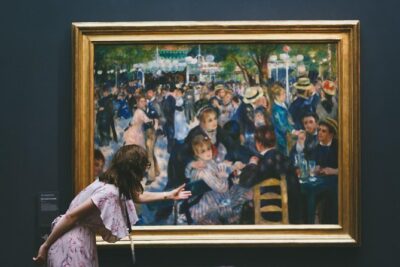
The Musée d’Orsay Guided Tour Orsay Museum Semi-Private 6ppl Max
Read our review →
Louvre & Musée d’Orsay Guided Museum Tour Semi-Private 6ppl Max
Read our review →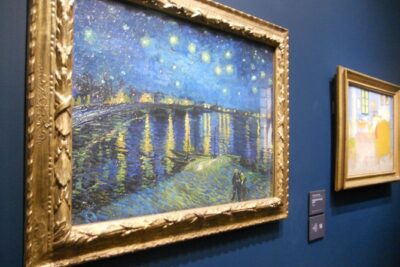
Browse the lists this tour appears in