
Reviewed · ORSAY & ART MUSEUM TOURS
Paris: Orsay Museum Daily Entry Ticket
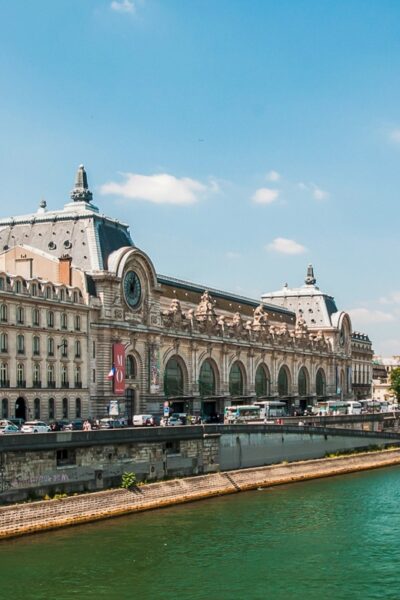
The best part of this Musée d’Orsay ticket is the freedom to shape your visit around the rest of your Paris day. You enter the former Gare d’Orsay through dedicated Entrance C1, then set your own pace among Van Gogh, Renoir, Cézanne, Degas, Monet, sculpture, photography, and decorative arts. The building itself is part of the experience, with its great clock and broad former station spaces.
I like the flexible opening-hours approach, since you do not have to lock yourself into a tour group or rush behind a guide. I also like that the ticket includes both the permanent collection and temporary exhibitions, so there is no need to arrange a second museum ticket. The catch is important: this is not a guaranteed timed entry, and a long queue can still form, especially around holidays, New Year’s, or midafternoon.
In This Review
- Key points to know before you go
- Why the old train station matters
- What you will see in two to four hours
- The permanent collection and temporary exhibitions
- Using Entrance C1 without false expectations
- Is $24.14 a fair price?
- How long should you allow?
- A practical route through the museum
- What is not included
- When this ticket works best
- Booking, cancellation, and phone tickets
- Should you book the Musée d’Orsay daily ticket?
- FAQ
- What are the opening hours for this ticket?
- Which entrance should I use?
- Does the ticket include temporary exhibitions?
- Is an audio guide included?
- How long does the museum visit take?
- Can I cancel for a full refund?
Key points to know before you go
- Entrance C1: Use the dedicated entrance shown with your ticket, then pass through museum security.
- Flexible timing: The stated visiting window is 9:30am to 6pm, so you can fit the museum into a wider Paris plan.
- Temporary exhibitions included: Your admission covers more than the permanent collection.
- Two to four hours: That is enough for a focused visit, though art lovers can spend much longer.
- Best for self-guided visits: You explore alone, with an audio guide available to buy separately.
- Queue warning: Pre-booking often helps, but general admission can still mean a wait during peak periods.
Why the old train station matters
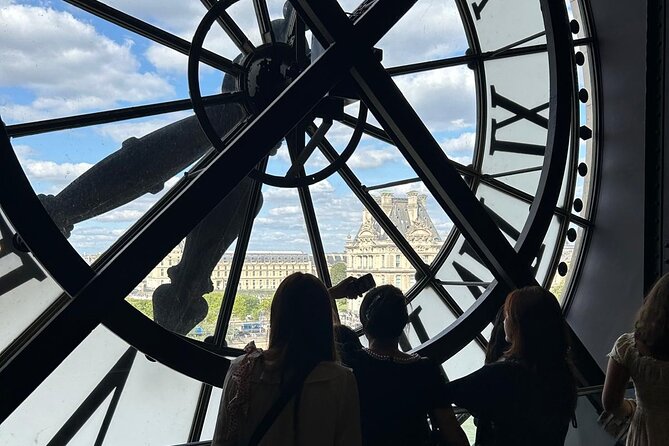
The Musée d’Orsay is not a plain white gallery box. It occupies the old Gare d’Orsay, and that setting gives the visit a strong sense of place before you reach the first painting.
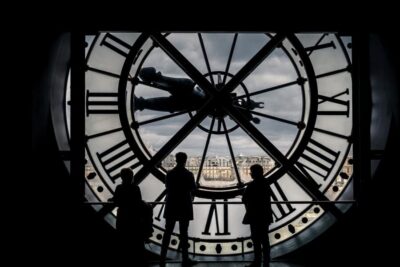
You will see the long central hall, the huge clock, and the unusual proportions left by the building’s railway past. One of the museum’s most memorable details is the clock that looks across toward the Right Bank. It is an easy point to miss if you hurry from room to room, so give yourself time to look up and around.
I like museums that make the building part of the art experience, and this one does that naturally. The former station provides a clear central route, while galleries branch away into painting, sculpture, photography, and decorative arts. Several people find the layout easy to follow, and the museum is compact enough to cover in a few hours without feeling as exhausting as Paris’s largest museums.
That said, the open central areas can become crowded. On a busy day, the most famous paintings draw a tight knot of people. You may need patience to get a clear view of a Van Gogh or Renoir, especially if you arrive during a holiday rush.
More Orsay and art museum visits:
- Paris: Orsay Museum Entry Ticket
★ 4.7 · 25,647 reviews - Paris: Orsay Museum Entry Ticket and Digital Audio Guide App
★ 4.4 · 3,170 reviews - Paris in a Day: Louvre or Orsay, Eiffel Tower, City Walk & Cruise
★ 5.0 · 1,956 reviews
What you will see in two to four hours
The Musée d’Orsay is best known for Impressionist and Post-Impressionist art, and the collection earns that reputation. It is also broader than the famous paintings suggest.
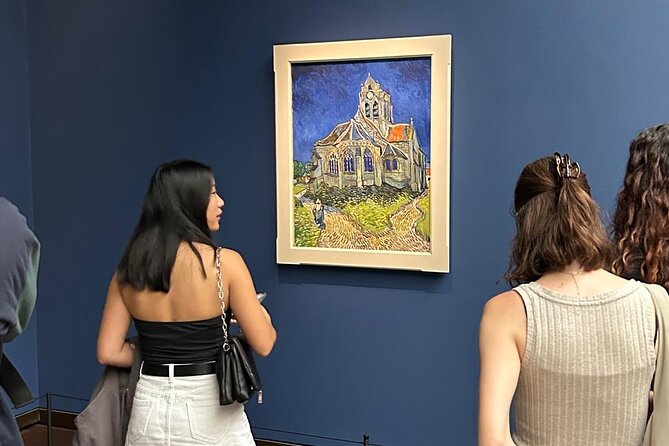
You can expect to encounter major works by artists including Vincent van Gogh, Pierre-Auguste Renoir, Paul Cézanne, Claude Monet, and Edgar Degas. Renoir’s Dance at le Moulin de la Galette gives you the pleasure of seeing a famous social scene at close range. Cézanne’s Apples and Oranges shows how a simple still life can become a careful study of shape, color, and balance.
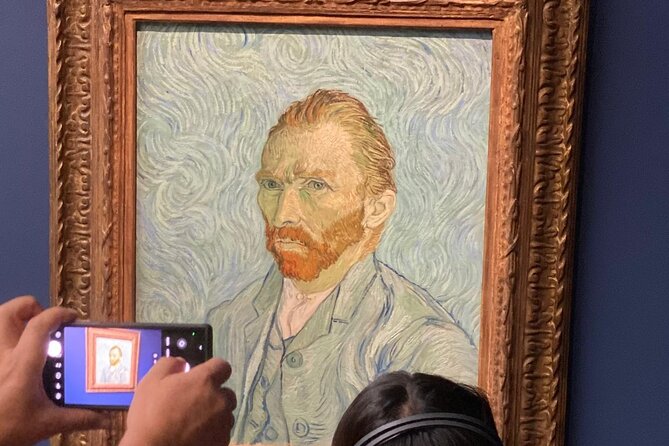
Van Gogh’s self-portraits are another major reason to come. Seeing the brushwork directly is different from seeing a small reproduction in a guidebook. The same is true of the museum’s works by Monet, Degas, and other Impressionist painters. The collection lets you compare different approaches within the same broad period rather than viewing one isolated masterpiece and leaving.
The sculpture collection adds welcome variety. If you need a break from framed paintings, move into the sculpture areas and look at the works from different angles. Photography and decorative arts widen the visit again, with material and design replacing paint as the main attraction.
If you are focused only on Impressionism, you could make the fifth-floor galleries your priority. One popular route is to begin with the best-known paintings, then move to the sculpture and decorative arts sections if your energy holds. If you have three or four hours, add the temporary exhibition rather than trying to see every corner.
The permanent collection and temporary exhibitions
This ticket includes access to the permanent collection and the temporary exhibition. That is a useful advantage because special exhibitions can otherwise complicate a museum visit, particularly when you are building a short Paris schedule.
The temporary exhibition changes, so its subject cannot be promised in advance. What you can count on is the convenience of having both forms of admission covered by one purchase. In one recent example, the open entry included a Sargent exhibition, showing how the temporary program can add a different artistic voice to the familiar Impressionist focus.
Do not assume the temporary show will be a quick extra room. A major exhibition can take an hour or more if you read labels and study the works. If you want to see both areas properly, allow closer to four hours.
For a shorter visit, choose your priorities before entering. I would select three or four artists, one temporary exhibition if it interests you, and a few building details. That gives you a satisfying visit without turning the museum into a checklist.
Using Entrance C1 without false expectations
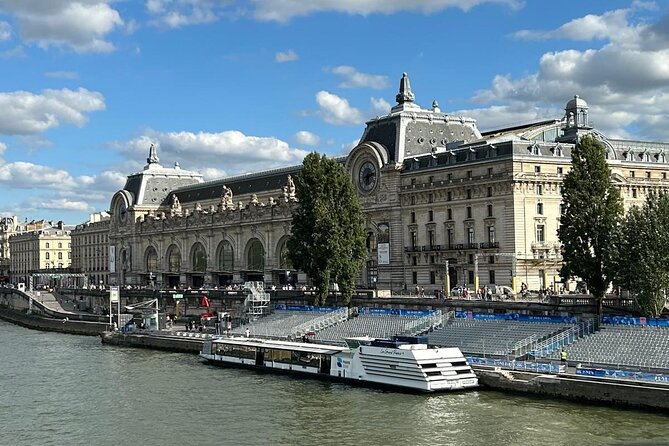
The ticket identifies Entrance C1 as the dedicated entry. Several people have used the QR code on a phone and gone directly to the correct entrance, sometimes passing through with little delay. Museum staff and security check the admission before you enter, and lockers or a coat check are available for belongings.
The phrase skip the line needs careful handling here. A dedicated entrance is useful, but it does not mean every queue disappears. During holidays, one reported wait at C1 was about 30 minutes. Other busy periods brought waits of an hour or more, and a general admission line around New Year’s reached roughly two hours.
The time of day matters. Arriving early is the safest approach if you want to protect a tight schedule. An afternoon arrival, particularly around 2pm, can be risky when the museum is crowded. Tuesday mornings have worked well for some people, but no open ticket can promise a short queue on a particular date.
If the museum is a top priority, leave room in your plan for security and entry. Do not schedule a train, dinner reservation, or second major sight immediately after the museum. The line to leave can also slow you down, especially when the building is full.
More Paris museums to visit:
- Paris: Louvre Museum Timed-Entrance Ticket
★ 4.6 · 71,977 reviews - Louvre Museum Masterpieces Guided Tour with Access
★ 4.5 · 12,023 reviews - Paris: Louvre Museum Entry Ticket With Host and River Cruise
★ 4.6 · 9,926 reviews - Les Invalides: Napoleon’s Tomb & Army Museum Entry
★ 4.6 · 9,185 reviews
Is $24.14 a fair price?
At $24.14 per person, this ticket is not simply a cheap admission slip. You are paying for convenience and advance planning, as well as entry to a major Paris museum.
The value is strongest when standard museum tickets are sold out or when you have limited time to arrange your day. Some people have used this option as a last-minute solution after direct museum tickets were unavailable, and the dedicated entrance made the purchase worthwhile. If you can enter promptly, the price compares well with the cost of losing an hour or two in a street queue.
The value is weaker if you assume the ticket guarantees immediate entry. It does not. During a peak period, you might pay the $24.14 and still wait outside. If you strongly dislike queues, look for a timed-entry product instead of choosing an open daily ticket.
I see this as a practical middle option. It is more flexible than a fixed appointment and often easier than trying to buy a ticket at the museum. But the flexibility comes with less certainty at the door.
How long should you allow?
The stated visit lasts about two to four hours, but the right length depends on your priorities.
Two hours works for a focused route through the best-known collection. You can see major Impressionist and Post-Impressionist works, take in the station architecture, and stop at the large clock. This is a good plan if you are combining the museum with other sights on the same day.
Three hours gives you time to slow down. Add sculpture, decorative arts, photography, and a temporary exhibition. You can also pause at one of the museum cafés or the restaurant, which makes the visit easier to fit around lunch.
Four hours suits art lovers who want to compare artists and read labels. It also gives you more room on a crowded day, when moving through popular galleries takes longer. I would not promise that four hours is enough for every exhibition, but it is a sensible upper limit for most casual visits.
There are not as many benches and chairs as some people would like. If you tire easily, plan a café stop rather than expecting to rest in every gallery. The museum is manageable with children because the route is fairly easy to follow, but a short visit with a few clear goals may work better than trying to cover every room.
A practical route through the museum
Start by orienting yourself in the central former station space. Notice the clock and the building’s scale before you get pulled toward the famous paintings.
Next, make your way to the Impressionist and Post-Impressionist rooms. This is where you will find the works most associated with the Musée d’Orsay, including Renoir, Cézanne, Van Gogh, Monet, and Degas. The fifth floor is a natural priority for many people, though your exact route may change with exhibitions and gallery arrangements.
After the headline works, look at sculpture. It breaks up the painting-heavy rhythm and gives you a different way to think about the period. Then consider decorative arts and photography, especially if someone in your group is less interested in Impressionist painting.
Finish with the temporary exhibition if it fits your interests. If you are already tired, skip it and return to the central hall or café. You do not need to turn a flexible museum ticket into an endurance test.
A museum visit improves when you stop trying to see everything. Pick a few works to study for several minutes. Notice the surface of the paint, the scale, and how the piece looks in the room. That approach will stay with you longer than racing past every label.
What is not included
Transportation is not included, so you must make your own way to the museum. The location is near public transportation, which makes it practical to reach as part of a Paris day, but the ticket does not arrange a transfer or provide a guide.
An audio guide is also not included. You can buy one at the museum if you prefer structured commentary. Otherwise, you can explore independently, which is one of the strengths of this product.
Food is not included either. Cafés and a restaurant are available inside, giving you places to pause, but any meal or drink costs extra. This matters if you plan to spend four hours at the museum rather than make a short stop.
The admission covers the permanent collection and temporary exhibition. It does not promise a private tour, a named art expert, or a guided explanation. You are buying access and flexibility, not instruction.
When this ticket works best
I would choose this ticket for a self-guided museum visit when the direct museum supply is limited or when I need flexibility. It suits a couple or small group with different interests, since each person can linger in different rooms without following a guide.
It also works well for a first Paris visit that includes several major sights. You can enter during the stated 9:30am to 6pm window and stay as long as you wish during opening hours. That makes it easier to adjust around weather, meals, or an unexpectedly slow morning.
Families may appreciate the manageable size and clear layout. The museum offers enough variety to keep a mixed group interested, though young children may do better with a short list of works and a planned break.
I would be cautious about this option for a holiday visit, a late afternoon arrival, or a day with firm plans afterward. General entry can become very slow, and some people have abandoned their tickets after seeing a two-hour queue. If you must enter at a precise time, an actual timed ticket is the safer choice.
Booking, cancellation, and phone tickets
Confirmation is provided at booking, and the ticket can be shown on an iPhone or other phone as a QR code. Check that you have the correct admission document before reaching Entrance C1. A few people have had confusion when a voucher was mistaken for the final ticket, while others entered without trouble using the QR code.
If the museum staff has difficulty reading the ticket format, ask for help before joining the wrong line. Keeping the booking confirmation open on your phone can save time.
Free cancellation is available if you cancel at least 24 hours before the experience start time. Cancellations made less than 24 hours ahead are not refunded, and changes inside that window are not accepted. The cut-off follows Paris local time.
Should you book the Musée d’Orsay daily ticket?
Book it if you want a self-guided visit, need flexible timing, and value having temporary exhibitions included. The art collection is exceptional, the former railway station gives the museum real character, and two to four hours is easy to fit into a Paris schedule.
Do not book it expecting a guaranteed skip-the-line arrival. At busy times, C1 can still have a serious queue. For a holiday trip, a tight itinerary, or a museum that you absolutely must enter at a set hour, choose timed entry instead.
For most people, this is a sensible access ticket when used with realistic expectations. Arrive early, keep your QR code ready, allow extra time, and choose a few artists or galleries in advance. Do that, and the Musée d’Orsay can give you one of the most rewarding art stops in Paris without forcing you into a guided group.
FAQ
What are the opening hours for this ticket?
The ticket allows entry during the stated opening hours, from 9:30am to 6pm.
Which entrance should I use?
Use the dedicated Entrance C1 shown with the ticket instructions.
Does the ticket include temporary exhibitions?
Yes. Admission includes both the permanent collection and the temporary exhibition.
Is an audio guide included?
No. An audio guide can be purchased separately at the museum.
How long does the museum visit take?
The expected visit lasts about two to four hours, depending on how much of the collection and temporary exhibition you see.
Can I cancel for a full refund?
Yes, if you cancel at least 24 hours before the experience start time. Cancellations made less than 24 hours in advance are not refunded.
Newest additions around Paris
- Family escape Game with kids and teens on the Île de la Cité★ 4.5 · 11 reviews
- Private Photoshoot with the Iconic Eiffel Tower in Paris★ 5.0 · 11 reviews
- 2-day Private Mont Saint-Michel, 3 Loire Castles, D-Day Express★ 4.5 · 11 reviews
- Paris: Batobus Hop-On Hop-Off Cruise & Landmarks Audio Tour★ 3.0 · 11 reviews
- Paris Revolutionary Walking Tour: Iconic French Sights & Stories★ 5.0 · 11 reviews
- Guided and Private Tour of 3 hours through Paris aboard a Citroën 2cv★ 5.0 · 11 reviews
- Kids in the Kitchen – CrOisSaNtS★ 4.0 · 11 reviews
- Paris: Ghosts and Dark Stories Guided Walking Tour★ 4.1 · 11 reviews
Orsay & Art Museum Tours, compared.
Orsay Museum Entry Ticket and Digital Audio Guide App
Read our review →
Paris in a Day: Louvre or Orsay, Eiffel Tower, City Walk & Cruise
Read our review →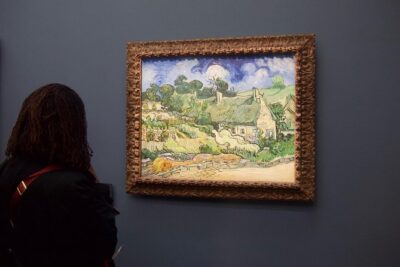
Musée d’Orsay Skip-the-Line Tour with Expert Guide
Read our review →
Musée d’Orsay Skip-the-Line Tour with Expert Guide
Read our review →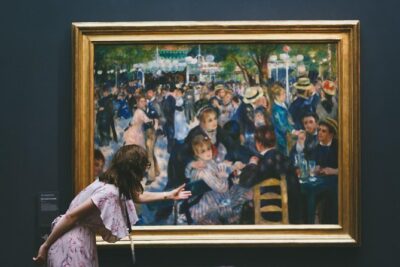
The Musée d’Orsay Guided Tour Orsay Museum Semi-Private 6ppl Max
Read our review →
Louvre & Musée d’Orsay Guided Museum Tour Semi-Private 6ppl Max
Read our review →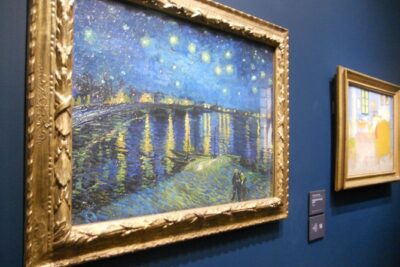
Browse the lists this tour appears in