
Reviewed · ORSAY & ART MUSEUM TOURS
Paris: Rodin Museum Guided Tour with skip-the-line tickets
Rodin’s art rewards a closer look, and this two-hour guided visit gives you the context to see more than famous poses in marble. You move from The Thinker and The Kiss to Balzac, The Gates of Hell, and lesser-known works, while your guide explains how Rodin broke with older ideas about sculpture.
I like the small group of up to nine people, which gives the guide room to involve you in the discussion. I also like the mix of indoor galleries, the former studio setting, rococo architecture, and French gardens. The main consideration is price: at $116 per person, this makes the most sense if you want interpretation rather than a quick museum stop. Mobility is another concern, since the activity is listed as unsuitable for wheelchair users and people with mobility impairments, despite wheelchair tours being possible on request.
In This Review
- Key Points Before You Book
- Why Rodin’s Museum Works Better With a Guide
- Meeting at 77 Rue de Varenne
- Inside Rodin’s Former Studio
- The Thinker, The Kiss, and The Gates of Hell
- French Gardens and Outdoor Sculpture
- What Makes the Small Group Worthwhile
- Is $116 a Fair Price?
- Who Should Take This Tour?
- Practical Details for a Smooth Visit
- Should You Book the Rodin Museum Tour?
- FAQ
- How long does the Rodin Museum guided tour last?
- Where does the tour meet?
- What language is the tour offered in?
- How many people are in the group?
- Are skip-the-line tickets included?
- Which Rodin works will I see?
- Are the French gardens part of the tour?
- Are temporary exhibitions included?
- Is the tour suitable for wheelchair users?
Key Points Before You Book
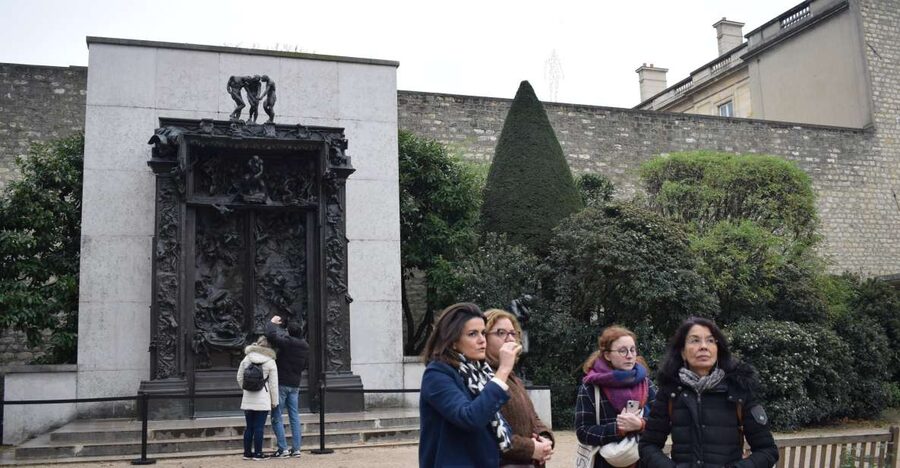
- See Rodin’s best-known works together: The Thinker, The Kiss, Balzac, and The Gates of Hell form the core of the visit.
- Expect an art-focused guide: Blerta Meraj is an artist who has led highly praised tours, while Vincent has an art history background and a personable style.
- Walk through French gardens: Outdoor sculptures and long views give you a different way to read Rodin’s work.
- Skip the ticket line: Your entrance ticket is arranged in advance, useful during busy museum hours.
- Plan for a focused two hours: The pace leaves time for looking, discussion, and movement between the galleries and gardens.
- Bring ID and comfortable shoes: Large bags, luggage, and umbrellas are not allowed.
Why Rodin’s Museum Works Better With a Guide
The Musée Rodin is not just a room full of statues. It is a place where Rodin’s working methods, personal vision, and artistic arguments come together. Without context, you can admire the surfaces and move on. With a good guide, you have a better chance of noticing the roughness, unusual poses, fragments, and unfinished-looking sections that helped change modern sculpture.
The tour focuses on the political, artistic, and philosophical currents of the late 19th century. That matters because Rodin did not work in a vacuum. His sculptures challenged the polished, idealized approach expected from academic art, and the guide connects those choices to the wider changes of his time.
I would especially value the conversation around works such as Balzac and The Gates of Hell. These pieces are not simply famous objects to photograph. They show Rodin testing scale, movement, emotion, and the relationship between a figure and its surrounding space.
The best guides on this tour use questions as well as explanations. Blerta Meraj has an art background and has been praised for getting people to offer their own interpretations. That is useful in a museum like this, where there is no single detail that explains everything. Vincent has also led the visit with an art history perspective, a warm manner, and excellent English.
More Orsay and art museum visits:
- Paris: Orsay Museum Entry Ticket
★ 4.7 · 25,647 reviews - Paris: Orsay Museum Entry Ticket and Digital Audio Guide App
★ 4.4 · 3,170 reviews - Paris in a Day: Louvre or Orsay, Eiffel Tower, City Walk & Cruise
★ 5.0 · 1,956 reviews
Meeting at 77 Rue de Varenne
You meet in front of the museum at 77 Rue de Varenne, 75007 Paris. Look for the guide holding a Connecting France sign. There is no hotel pickup or drop-off, so you need to make your own way to the museum and arrive ready to begin.
The meeting point is simple, but do not treat it as a casual arrival. The group is small, and the tour has a fixed two-hour duration. Arriving early gives you time to find the entrance, check that you have your passport or ID card, and avoid starting the visit in a rush.
Bring comfortable shoes. You will spend time in the galleries and then walk through the gardens, so this is not a good place for delicate footwear. Luggage and large bags are not allowed, and umbrellas are also listed among the prohibited items. Pack lightly.
The tour is offered in English with a live guide. Group size is limited to nine participants, which is small enough for questions without the feel of a private tour. It is called semi-private, but you should still expect to share the experience with other people.
Inside Rodin’s Former Studio
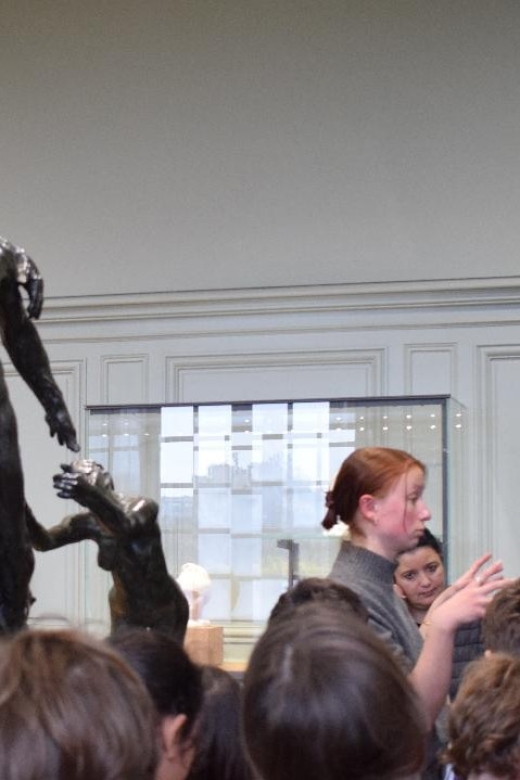
The building adds an important layer to the visit. Your guide explains its rococo character, helping you look at the rooms as part of the experience rather than treating them as a plain container for sculpture.
You also step into Rodin’s studio with the guide. This is one of the more appealing parts of the tour because it ties the finished works to the place where his ideas and techniques developed. The tour aims to give you an insider’s view of his avant-garde approach, not just a list of dates and titles.
Expect the guide to point out details in several major works, including The Philosopher, Balzac, The Kiss, and The Gates of Hell. The exact order can vary, but the goal is to connect individual pieces to Rodin’s broader approach to form and expression.
The value here depends heavily on the guide. A rushed explanation would reduce the museum to a highlight reel. The strongest feedback about Blerta is that she balances clear teaching with humor and discussion. One especially useful quality is her habit of letting people look first, then adding information. That gives you time to form your own response before hearing the art-historical angle.
This approach also helps younger visitors. Blerta has kept jet-lagged teenagers involved by using a good pace and direct conversation. If you are visiting with family members who are unsure about sculpture, that kind of active presentation can make a real difference.
The Thinker, The Kiss, and The Gates of Hell
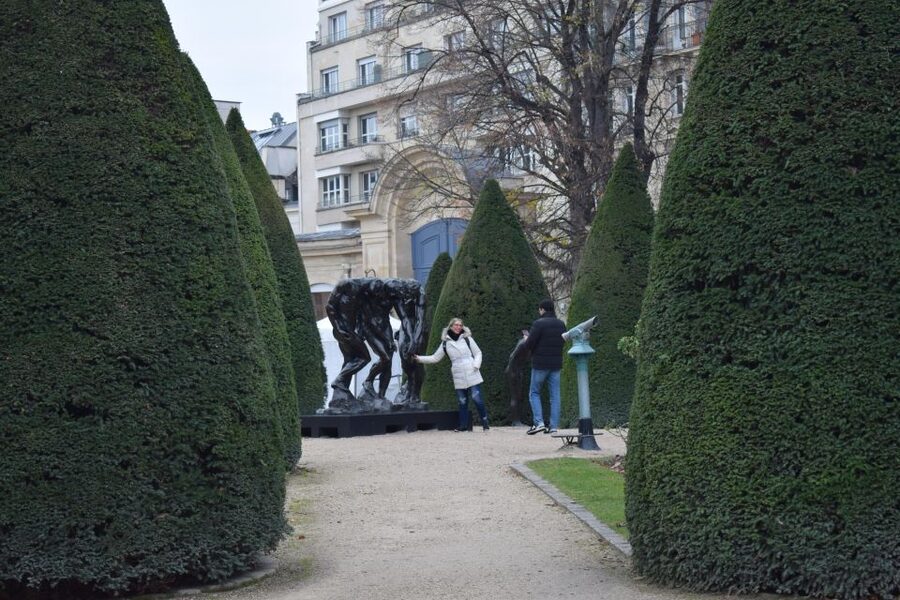
You will see the sculptures most people associate with Rodin, but the tour is designed to put them in a larger setting.
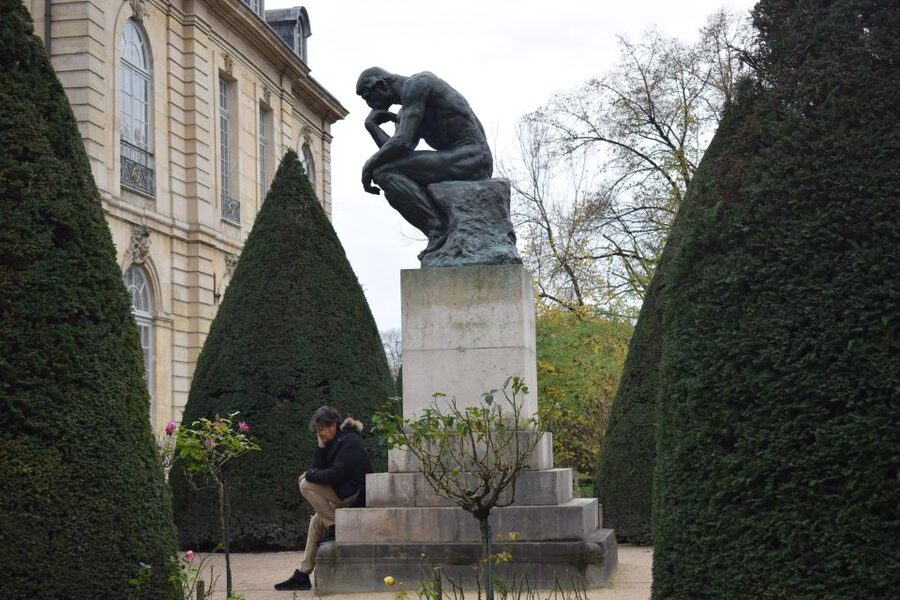
The Thinker is often reduced to a familiar seated figure. A guide can help you consider its place within The Gates of Hell and explain why its physical tension matters. It is not simply a calm portrait of thought. The posture, muscles, and scale suggest effort and strain, giving the figure a more forceful presence.
The Kiss offers a different mood. Its polished surface and intimate subject make it immediately approachable, yet it also raises questions about how Rodin handled bodies, movement, and ideal beauty. The guide can help you compare it with rougher or more fragmentary works nearby.
The Gates of Hell brings many themes together. It is a large, demanding composition, and its figures are easier to understand when you know how Rodin reused and reshaped ideas. The work lets you see how separate bodies and gestures can become part of a much larger visual problem.
You will also encounter Balzac and The Philosopher, along with works that may be less familiar. This is important. A good museum tour should not leave you thinking that Rodin made only three sculptures. The lesser-known pieces help show his range and make the familiar works less isolated.
I like that the tour discusses technique as well as subject. Rodin’s break with convention was not just about choosing dramatic themes. It involved how he treated surfaces, movement, incomplete forms, and the physical character of the material. Those points can be easy to miss if you are touring alone with only a few minutes in each room.
More Paris museums to visit:
- Paris: Louvre Museum Timed-Entrance Ticket
★ 4.6 · 71,977 reviews - Louvre Museum Masterpieces Guided Tour with Access
★ 4.5 · 12,023 reviews - Paris: Louvre Museum Entry Ticket With Host and River Cruise
★ 4.6 · 9,926 reviews - Les Invalides: Napoleon’s Tomb & Army Museum Entry
★ 4.6 · 9,185 reviews
French Gardens and Outdoor Sculpture
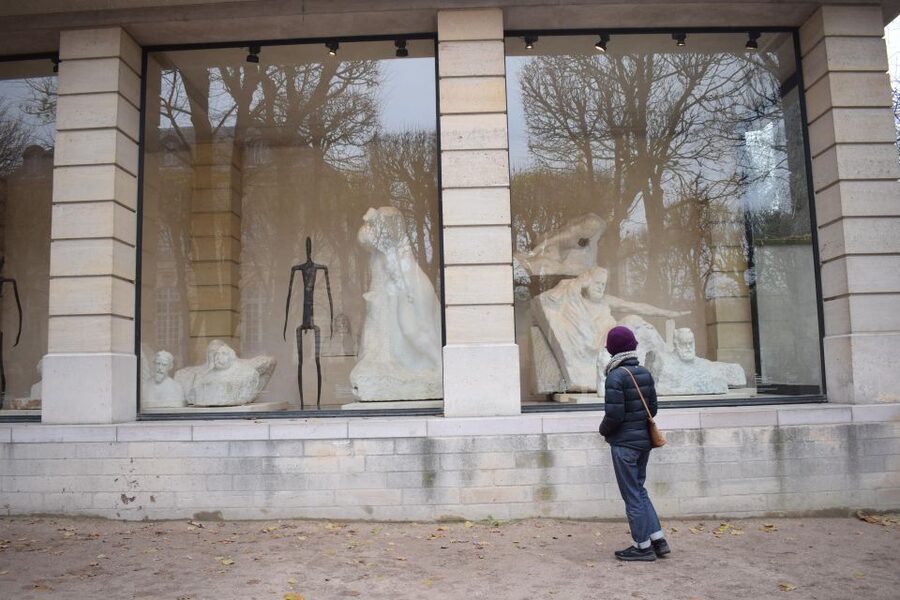
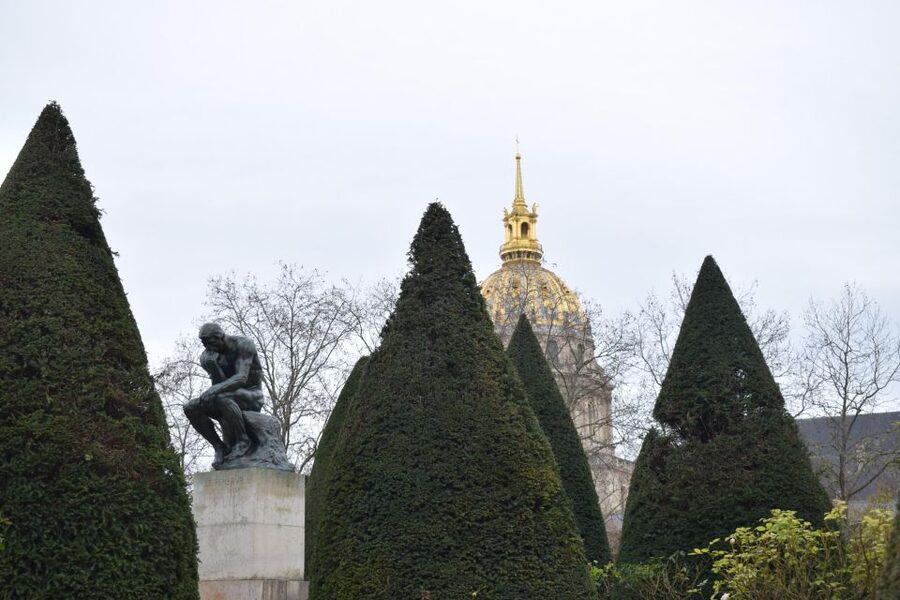
After the galleries, the tour takes you into the French gardens. The outdoor portion changes the rhythm of the visit. Instead of examining sculpture at close range inside a room, you see works set among paths, planting, and open views.
The gardens also give you more space to think about scale. A sculpture can feel very different outdoors than it does against a museum wall. The changing angles and distance between you and the work make the pieces part of the setting, not just objects on display.
The gardens are a strong reason to choose this visit over a short indoor-only museum stop. They provide breathing room after the gallery explanations and offer additional works by Rodin. You may also find that the outdoor setting helps you remember individual sculptures more clearly.
There is a practical limit: two hours passes quickly. You should not expect a slow, independent look at every piece in the museum and gardens. The tour gives you a guided selection and a framework for understanding it. If you like to read every label or sketch for long periods, you may want extra time before or after the tour, though the supplied information does not specify how much additional museum access is included.
What Makes the Small Group Worthwhile
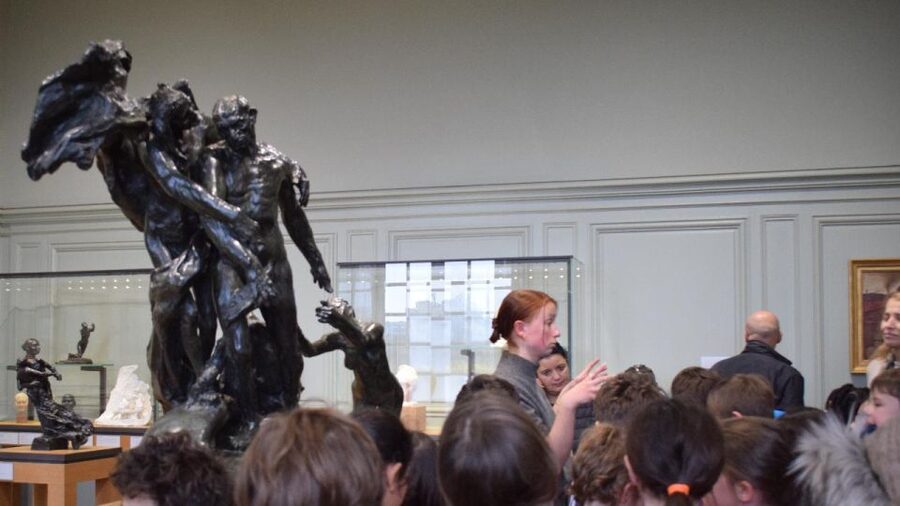
The group limit of nine is one of the strongest features. It allows the guide to keep the party moving while still answering questions. You are less likely to feel like a voice at the back of a large crowd, and the guide can bring people into the discussion.
This matters especially in front of sculpture. Looking at a painting from a distance is often straightforward. Sculpture requires movement around the object, attention to changing angles, and time to notice how a surface catches the light. A small group gives the guide more control over where everyone stands and what they examine.
The guide quality is central to the experience. Blerta is repeatedly praised for her enthusiasm, humor, strong preparation, and ability to explain complex ideas without making the visit dull. Her work as an artist adds a practical point of view. Vincent is also described as personable, funny, and strong on art history, with excellent English.
That does not mean every tour will have one particular guide. Names and assignments can vary. Still, the consistently strong comments about the guiding style suggest that this experience is best chosen for its interpretation, not simply for admission to the museum.
Is $116 a Fair Price?
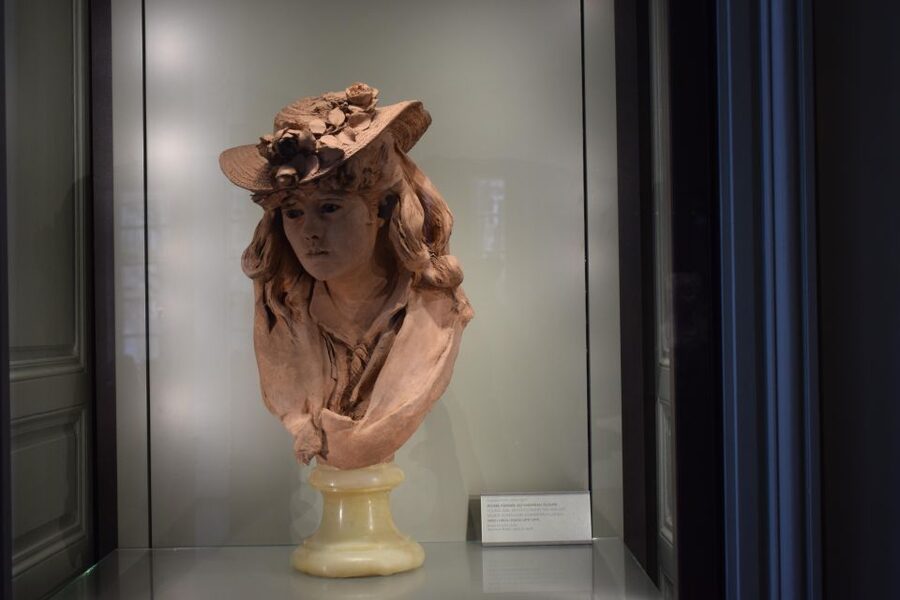
At $116 per person, this is a premium museum visit. The ticket alone would not justify that price. You are paying for skip-the-line entry, a live English-speaking guide, a small group, and two hours of structured interpretation in both the galleries and gardens.
The value improves if you are not confident reading sculpture on your own. Rodin’s work can look familiar while remaining hard to place in context. A well-paced guide can connect the pieces, explain the artistic changes around them, and show you details you might otherwise pass without noticing.
The price is harder to justify if you already have a strong background in Rodin or prefer to explore museums independently. In that case, the group schedule may feel restrictive, and you may want to spend longer with a small number of works.
Skip-the-line entry also has practical value. It does not make the museum private or guarantee that every room will be quiet, but it removes the need to wait at the ticket line. That is particularly useful when your Paris schedule is tight.
Free cancellation up to 24 hours before the start time and the option to reserve now and pay later add flexibility. These policies are useful, but they do not change the basic price calculation: book this for the guide and the focused experience, not as a cheap way to enter the Musée Rodin.
Who Should Take This Tour?
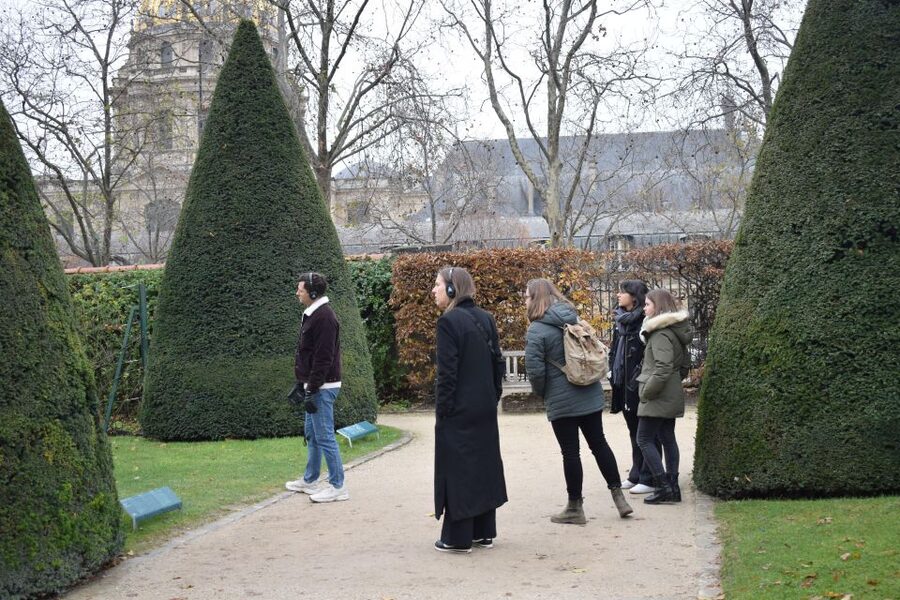
I would recommend it to first-time visitors to the museum, art lovers, and anyone who wants a clearer sense of why Rodin mattered. It also suits couples or small families who prefer conversation over silently reading labels.
The tour can work well for teenagers when the guide uses humor and questions to keep the pace moving. Blerta has shown that skill, and the two-hour length is manageable for a focused museum visit.
It is less suited to people who want a long, quiet visit with no set route. It is also a poor choice if you have mobility limitations unless you confirm arrangements in advance. The activity is marked as not suitable for wheelchair users and people with mobility impairments, while wheelchair tours are said to be available only on request. That conflicting information deserves a direct check before you pay.
You should also skip it if you are carrying luggage or a large bag. The museum does not allow those items during this activity, and the tour does not include transportation or storage arrangements.
Practical Details for a Smooth Visit
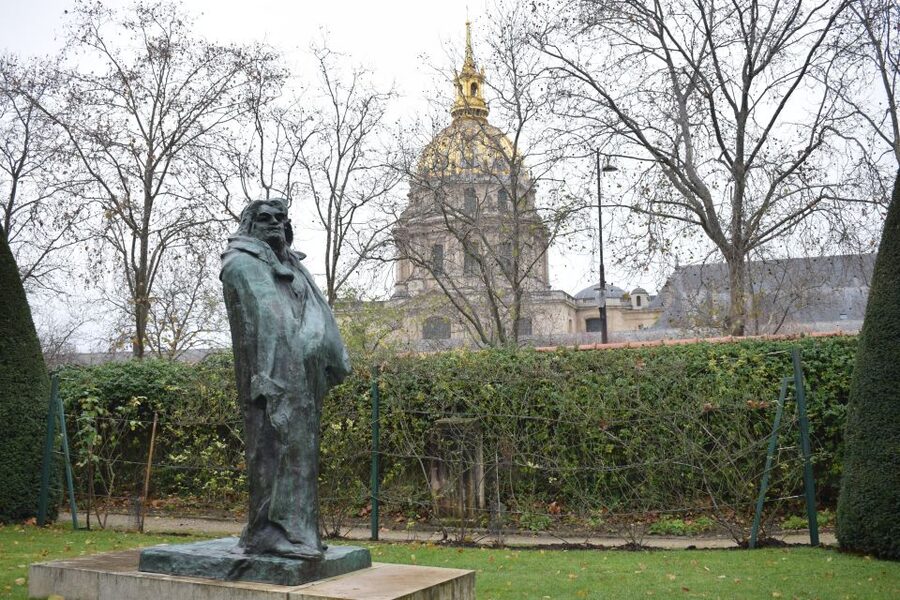
Reserve a starting time that leaves you fresh enough to listen. The tour lasts two hours and includes both indoor and outdoor sections, so comfortable shoes matter more than dressing up.
Keep your passport or ID card with you. The activity information specifically lists one of these as something to bring. Do not arrive with an umbrella or large luggage, since both are listed as not allowed.
The meeting point is outside the museum, in front of 77 Rue de Varenne. Find the guide with the Connecting France sign. The language is English, and the group is limited to nine participants.
Temporary exhibitions are not included in the tour. Food, drinks, souvenirs, and personal shopping are also outside the price. If a temporary show is important to you, plan and budget for it separately.
Should You Book the Rodin Museum Tour?
Book this tour if you want Rodin explained by a lively guide rather than simply photographed. The strongest reason to choose it is the combination of a small group, skip-the-line entry, and guides who can connect sculpture to art history while keeping the discussion human and approachable.
I would be especially inclined to book if Blerta Meraj or Vincent is listed for your departure, since both have received strong praise for their art background, humor, English, and ability to draw people into the conversation. Still, guide assignments can change, so treat the named guide as a useful detail, not a guarantee.
Skip it if $116 feels too high for two hours, if you prefer complete independence, or if mobility and bag restrictions create problems. For everyone else, this is a focused way to meet Rodin’s major works, see the gardens, and leave with a better sense of how he helped push sculpture toward modern art.
FAQ
How long does the Rodin Museum guided tour last?
The guided tour lasts two hours and includes the museum galleries and French gardens.
Where does the tour meet?
You meet in front of the Musée Rodin at 77 Rue de Varenne, 75007, Paris. Your guide will hold a Connecting France sign.
What language is the tour offered in?
The tour is offered in English with a live guide.
How many people are in the group?
The group is limited to nine participants.
Are skip-the-line tickets included?
Yes. Skip-the-line museum entrance tickets are included in the activity.
Which Rodin works will I see?
The tour discusses major works including The Thinker, The Kiss, The Gates of Hell, Balzac, and The Philosopher, along with other famous and lesser-known sculptures.
Are the French gardens part of the tour?
Yes. The two-hour visit includes a walk through the French gardens, where you can see additional works by Rodin.
Are temporary exhibitions included?
No. Access to temporary exhibitions is not included in the tour.
Is the tour suitable for wheelchair users?
The activity is listed as not suitable for wheelchair users and people with mobility impairments. Wheelchair tours are available only on request, so you should confirm access arrangements before booking.
More Skip the Line in Paris
- Versailles: Skip-the-Line Tour of Palace with Gardens Access
★ 4.7 · 9,778 reviews - Versailles: Skip-the-Line Guided Palace Tour and Full Access
★ 4.6 · 5,214 reviews - Louvre Museum: Skip-the-Line Small Group Guided Tour
★ 4.6 · 3,960 reviews - From Paris: Versailles Skip-the-Line Tour & Gardens Access
★ 4.7 · 3,011 reviews
Newest additions around Paris
- Family escape Game with kids and teens on the Île de la Cité★ 4.5 · 11 reviews
- Private Photoshoot with the Iconic Eiffel Tower in Paris★ 5.0 · 11 reviews
- 2-day Private Mont Saint-Michel, 3 Loire Castles, D-Day Express★ 4.5 · 11 reviews
- Paris: Batobus Hop-On Hop-Off Cruise & Landmarks Audio Tour★ 3.0 · 11 reviews
- Paris Revolutionary Walking Tour: Iconic French Sights & Stories★ 5.0 · 11 reviews
- Guided and Private Tour of 3 hours through Paris aboard a Citroën 2cv★ 5.0 · 11 reviews
- Kids in the Kitchen – CrOisSaNtS★ 4.0 · 11 reviews
- Paris: Ghosts and Dark Stories Guided Walking Tour★ 4.1 · 11 reviews
Orsay & Art Museum Tours, compared.
Orsay Museum Entry Ticket and Digital Audio Guide App
Read our review →
Paris in a Day: Louvre or Orsay, Eiffel Tower, City Walk & Cruise
Read our review →
Musée d’Orsay Skip-the-Line Tour with Expert Guide
Read our review →
Musée d’Orsay Skip-the-Line Tour with Expert Guide
Read our review →
The Musée d’Orsay Guided Tour Orsay Museum Semi-Private 6ppl Max
Read our review →
Louvre & Musée d’Orsay Guided Museum Tour Semi-Private 6ppl Max
Read our review →
Browse the lists this tour appears in