
Reviewed · ORSAY & ART MUSEUM TOURS
Musée d’Orsay: Impressionists with skip-the-line ticket
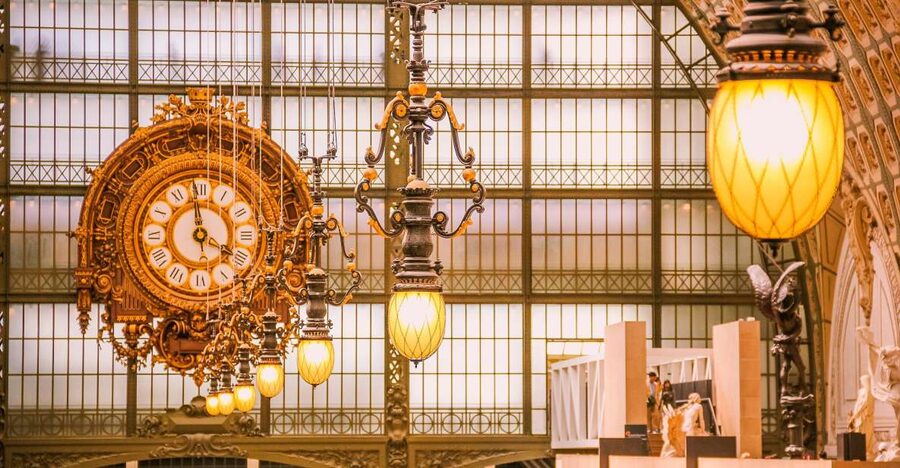
The most surprising part of this Musée d’Orsay tour is the building itself. You enter a former railway station, once an early electric-train terminal, then move through a century of art beneath its enormous clock and iron roof. The collection is not limited to Impressionist favorites. It also covers sculpture, architecture, photography, film, realism, symbolism, and the competing styles that shaped 19th-century Paris.
I like the small group of up to six because a guide can keep the pace personal and answer questions without shouting across a crowd. I also like the combination of major paintings and practical history, from the first model of the Statue of Liberty to the Lumière brothers’ early films. The main drawback is the price, $104 per person for two hours, and wheelchair users cannot take this tour.
In This Review
- Key points to know before booking
- Why Musée d’Orsay works so well for a guided visit
- Entering the old electric railway terminal
- The 19th century in one concentrated route
- Monet, Manet, Renoir, and the Impressionist galleries
- Cézanne’s still lifes and the road beyond Impressionism
- Rodin, Courbet, and art that caused a stir
- Architecture, Paris, and the city around Palais Garnier
- The Statue of Liberty, early photographs, and the first movies
- What two hours feels like inside the museum
- Is $104 a fair price?
- Who should book this Orsay tour?
- Should you book it?
- FAQ
- How long does the Musée d’Orsay tour last?
- What languages are available?
- How large is the group?
- Is museum admission included?
- Does the tour include skip-the-line entry?
- Where is the meeting point?
- Is the tour suitable for wheelchair users?
Key points to know before booking

- The former railway station is part of the tour: You are studying 19th-century architecture as well as the art on the walls.
- Major Impressionist names are included: Expect Monet, Manet, Renoir, Degas, Cézanne, Van Gogh, and Gauguin.
- The tour reaches beyond Impressionism: Rodin, Millet, Courbet, photography, film, Arts and Crafts, and urban planning all enter the story.
- Skip-the-line entry saves useful time: The group uses a separate entrance rather than waiting in the main queue.
- The group is limited to six people: Headsets help you hear the guide while moving through the galleries.
- Find the meeting point carefully: Look for the guide with the yellow My Super Tour sign under the elephant statue, but check ahead if the statues have been moved.
Why Musée d’Orsay works so well for a guided visit
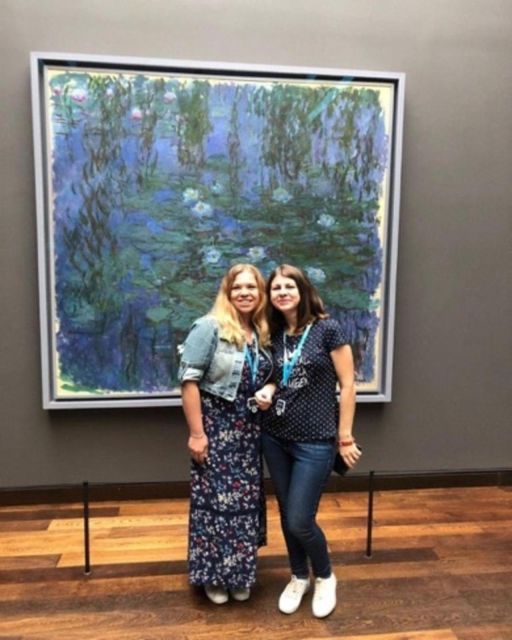
Musée d’Orsay can feel easier than the Louvre because its collection is concentrated in one former station. That does not mean it is simple. The museum holds far more than a quick look at Water Lilies and a few ballerinas. Its galleries trace the upheavals of the 19th century, when artists reacted to industry, new cities, scientific change, and shifting ideas about everyday life.
A guide gives you a route through that change. Instead of seeing disconnected masterpieces, you can follow the argument: academic painting challenged by realism, realism opened toward Impressionism, and later artists pushed color, form, and symbolism in new directions.
The two-hour format is useful if you want a strong introduction rather than an exhaustive museum day. A past tour participant described reaching three floors in one day with guide Sacha, which suggests how much ground a fast, well-organized visit can cover. You should still expect a selective tour. No two-hour visit can explain every room in detail.
More Orsay and art museum visits:
- Paris: Orsay Museum Entry Ticket
★ 4.7 · 25,647 reviews - Paris: Orsay Museum Entry Ticket and Digital Audio Guide App
★ 4.4 · 3,170 reviews - Paris in a Day: Louvre or Orsay, Eiffel Tower, City Walk & Cruise
★ 5.0 · 1,956 reviews
Entering the old electric railway terminal
Your meeting point is outside the main entrance, under the statue of an elephant. Look for the guide carrying the yellow My Super Tour sign. This detail matters because the museum entrance area can be busy, and one participant had trouble finding the meeting point after the elephant statues had been removed.
If the statues are not in place, do not assume you are at the wrong museum. Check the exact meeting instructions before leaving and allow enough time to identify the guide. A call to the local tour office helped one visitor sort out the confusion, but it is better to avoid a rushed start.
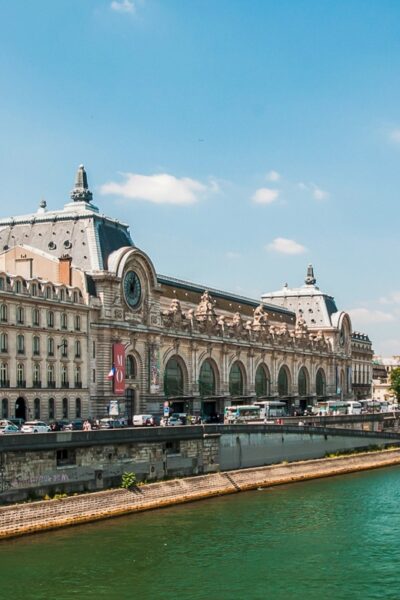
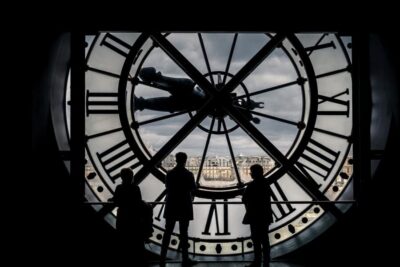
Once inside, the building gives you an immediate sense of scale. The station opened in the era when rail travel and industrial construction were reshaping Paris. Its conversion into a museum in 1986 created an unusual setting where iron, stone, clocks, platforms, and galleries all belong to the story.
I find this architectural setting especially valuable for visitors who tire of rooms that feel interchangeable. At Orsay, you can look up from a painting and see the long station hall, then connect that building to the era’s fascination with engineering and movement.
The 19th century in one concentrated route
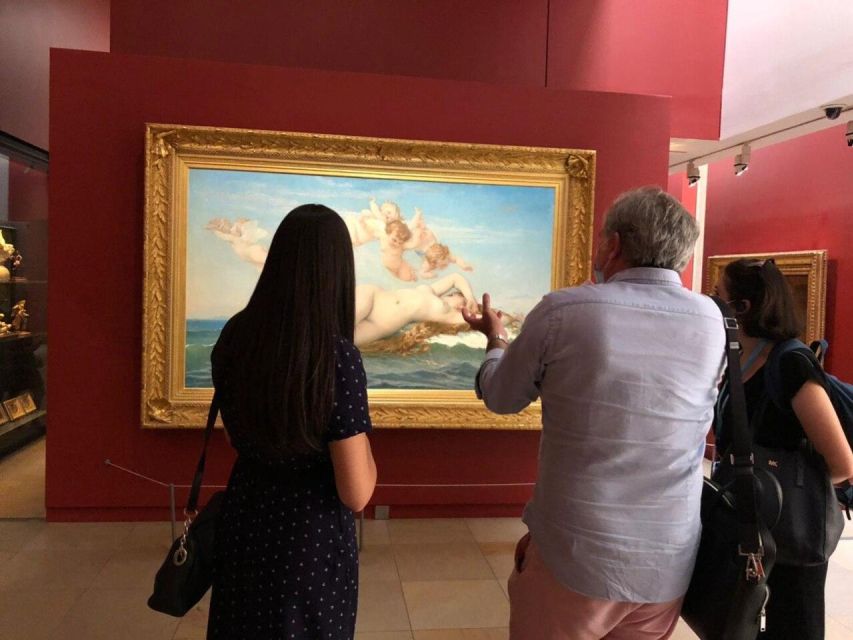
The guide introduces a broad range of styles, including neoclassicism, neo-Gothic, Romanticism, eclecticism, Arts and Crafts, academic painting, realism, symbolism, and Impressionism. That list may sound like an art-history lecture, but it becomes useful when you see how sharply the works differ.
Academic art favored polished technique and approved subjects. Realist painters turned toward labor, ordinary people, and the physical world. Impressionists challenged the old system with loose brushwork, modern subjects, and shifting light. Symbolist artists then moved toward inner states and ideas that could not be explained by a literal scene.
This context helps you look at famous works with fresh eyes. You are not just being told who painted a picture. You are shown the argument around it, the artistic choices it made, and the reason it once seemed new or troubling.
The small-group setting supports this kind of explanation. You wear headsets so you can hear the guide’s comments while walking, and the group size allows the guide to pause without blocking a large party. The tour is offered in English or Russian, with a live licensed guide.
Monet, Manet, Renoir, and the Impressionist galleries
The Impressionist rooms are the main reason many people book this experience. You can expect works by Monet, Manet, Renoir, and other leading figures, with the guide placing them in the wider movement instead of treating each painting as an isolated celebrity.
Monet gives you a way to think about changing light and repeated views. Manet brings questions about modern subjects and the rules of painting. Renoir shows another approach to color, people, and social life. Seeing these artists together makes the movement easier to understand than seeing one famous painting without context.
The guide also covers Degas and his ballet dancers. These works reward close attention because they often feel like snapshots, with unusual cropping and off-center arrangements. A guide can point out how the subject is presented, not just identify the dancer or the title.
The tour is particularly suitable if you know the famous names but want a clearer structure. It can help you connect the artists without requiring a prior art-history course. At the same time, anyone hoping to linger for a long time at each painting may find the pace brisk.
A few more Paris ideas to compare
- Versailles: Skip-the-Line Tour of Palace with Gardens Access
★ 4.7 · 9,778 reviews - Versailles: Skip-the-Line Guided Palace Tour and Full Access
★ 4.6 · 5,214 reviews - Louvre Museum: Skip-the-Line Small Group Guided Tour
★ 4.6 · 3,960 reviews - From Paris: Versailles Skip-the-Line Tour & Gardens Access
★ 4.7 · 3,011 reviews
Cézanne’s still lifes and the road beyond Impressionism
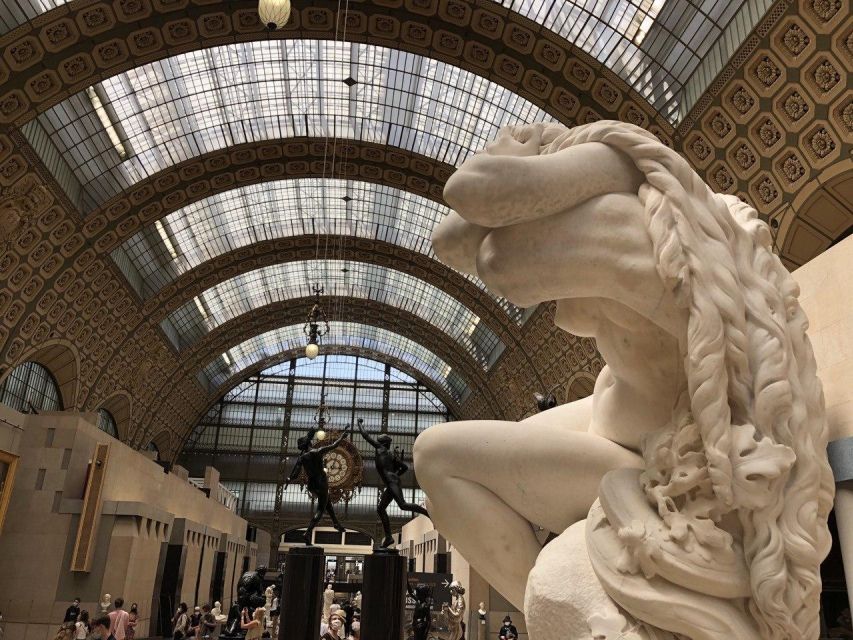
Cézanne’s still lifes show why the museum cannot be reduced to an Impressionist showcase. His paintings use familiar objects, but the arrangements feel carefully constructed and sometimes slightly unstable. They invite you to look at how an image is built, not only at what it depicts.
This is a useful transition in the tour. Impressionism often brings the sensation of a particular moment, while Cézanne points toward a more deliberate rethinking of shape and structure. The guide can connect this shift to the later development of modern painting without turning the visit into a list of dates.
You will also examine the rivalry and artistic exchange between Van Gogh and Gauguin. Their work makes a strong contrast with the softer public image many people have of Impressionism. Color becomes more forceful, emotions feel closer to the surface, and the question of what a painting should express becomes harder to ignore.
The Van Gogh and Gauguin section is one of the tour’s strongest reasons to book with a guide. Their relationship and differences are easier to follow when someone sets out the competing approaches in plain language. You get a story of artistic tension, not just two famous names in adjacent rooms.
Rodin, Courbet, and art that caused a stir
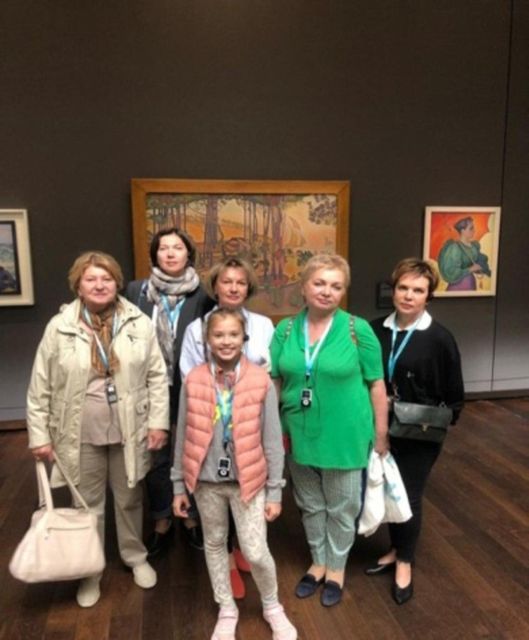
Sculpture receives its share of attention, including works by Rodin. This matters because a visit focused only on paintings can miss how strongly sculpture shaped the visual culture of the period. Rodin’s surfaces, gestures, and treatment of the human body offer a different way to think about movement and emotion.
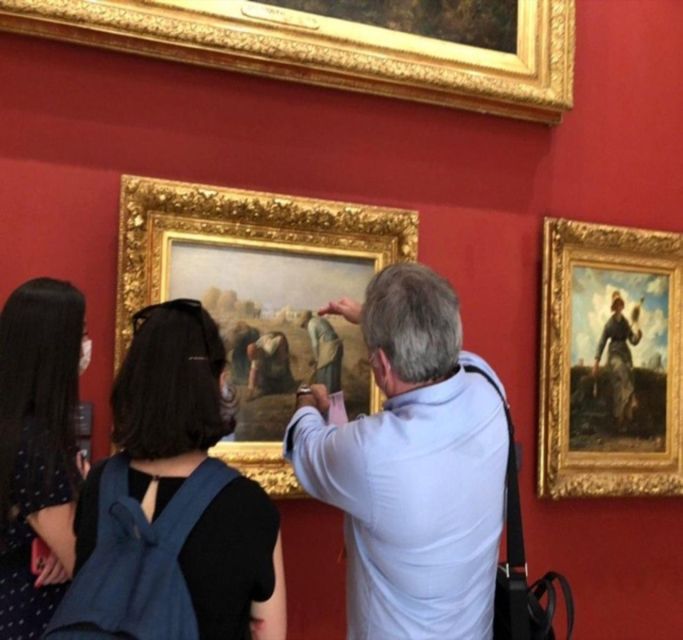
The route also includes realists such as Jean-François Millet and Gustave Courbet. Their subjects challenge the polished historical scenes favored by official art institutions. Instead, they put labor, bodies, and ordinary life in the center of attention.
Courbet’s The Origin of the World is included. It remains provocative because of its direct depiction of the female body, and its presence gives the guide a chance to explain how realism could confront social conventions as well as artistic ones.
This portion may not suit every child or every visitor, so families should consider the museum’s adult themes before booking. For adults interested in how art challenged public taste, it is an important part of the route rather than a side note.
Architecture, Paris, and the city around Palais Garnier
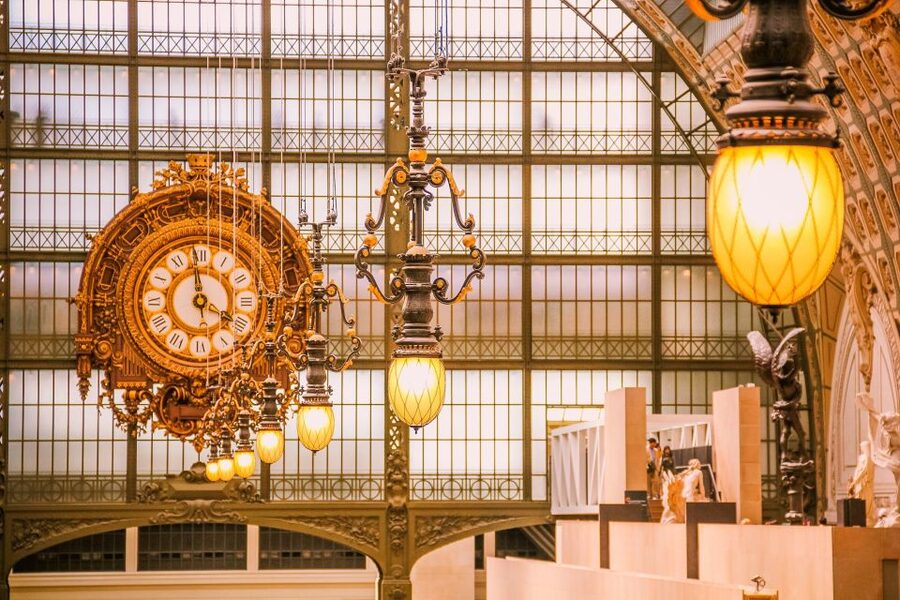
The tour uses more than the station to explain 19th-century architecture and urban planning. It also refers to the Palais Garnier opera house and the Paris quarter around the opera.
That connection is valuable because art in this period was not made in isolation. Paris was being reshaped through grand public buildings, new streets, transport systems, and commercial districts. The city itself became a display of power, taste, technology, and modern life.
You will see how the former Orsay station fits into this story. Its purpose was practical, but its design also carried a sense of ceremony. The contrast between a working terminal and a museum full of paintings makes the building especially effective as a teaching tool.
I like this part for visitors who want more than a checklist of masterpieces. You leave with a better sense of how Paris looked and functioned during the same period that produced Impressionism. The drawback is that the architecture and urban-planning discussion may take time away from individual paintings, so decide what matters most to you.
The Statue of Liberty, early photographs, and the first movies
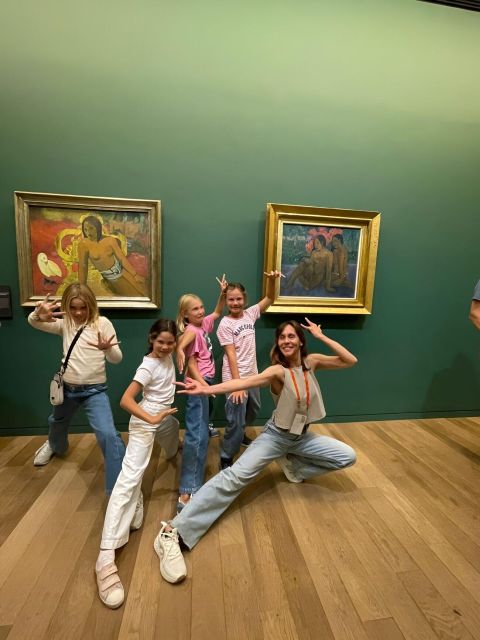
The museum’s 19th-century story also includes technology. You can see the first model of the Statue of Liberty, along with early photographs and movies made by the Lumière brothers.
These displays widen the idea of what counts as modern art. Photography changed how people recorded faces, streets, and events. Moving pictures introduced a new way to capture time. The Statue of Liberty model reflects the era’s ability to combine engineering, politics, public symbolism, and monumental design.
For me, these elements help prevent the Impressionist galleries from feeling like a sealed-off art world. The artists were working during a period of rapid technical change. New machines altered what people saw, how they moved through cities, and how images could be made.
The guide’s job here is to connect the objects rather than rush past them. If you are especially interested in photography or film, ask how much time the tour usually gives to these displays. The published route includes them, but the exact balance can vary with the guide and the museum’s conditions.
What two hours feels like inside the museum
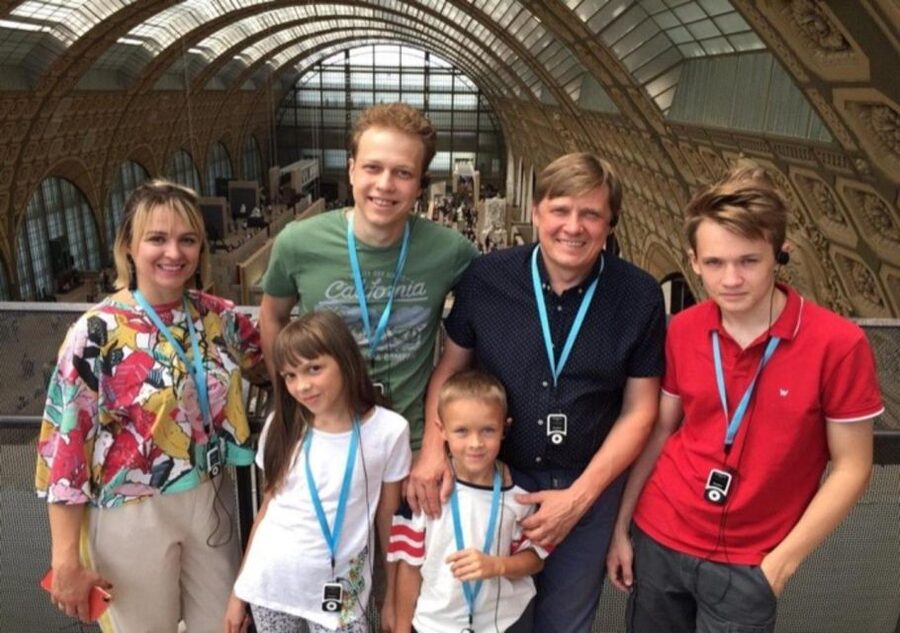
Two hours is long enough for a serious introduction and short enough to fit into a busy Paris day. The tour is designed to move through several sections, so you should expect a steady pace and a clear selection of key works.
Headsets are included. That small feature matters in a large museum, where voices can disappear into the station hall and crowded galleries. You can keep your attention on the art instead of trying to stay pressed close to the guide.
The group limit of six is another practical advantage. A guide can adjust explanations to the people present, and you have a better chance of asking a question than in a large coach group. Guides Sacha and Deli received especially strong praise for clear English, enthusiasm, and careful organization, while Maria was singled out as a particularly fortunate guide for one small group. The available guides can vary, so do not assume one specific person will lead your visit.
The tour has a 4.3 rating from 15 reviews, with repeated praise for the guides’ art and Paris history explanations. That fits the experience on paper: its strongest feature is not merely entry to the museum, but the way a guide links paintings, architecture, and technology.
Is $104 a fair price?
At $104 per person, this is not a cheap museum visit. You are paying for admission, skip-the-line access, a professional licensed guide, headsets, and a small group capped at six people.
The value depends on your alternative. If you would otherwise spend only a short time looking at famous paintings, the guide can add structure and background that would be hard to recreate quickly. The separate entrance can also protect part of your limited Paris schedule, though a skip-the-line ticket does not mean the museum will feel empty.
The price is harder to justify if you already know Orsay well, prefer wandering alone, or want several hours with a small number of works. In that case, regular admission and an audio option may better suit your habits, though no self-guided visit provides this exact group format.
I would consider the tour good value for a first visit when you want a focused introduction and do not want to spend hours preparing an art route. The strongest return comes from the guide’s explanations, not from the ticket alone.
Who should book this Orsay tour?
Book it if you want to see the main Impressionist names while also understanding the century around them. It is a good fit for first-time visitors, adults who want art explained in plain terms, and anyone interested in how painting, sculpture, architecture, photography, and film developed side by side.
It also suits people with a tight schedule. Two hours gives you a strong overview, and the small group should feel more personal than a large museum outing. English and Russian options make the language choice clear at booking.
Think twice if you use a wheelchair, since the activity is not suitable for wheelchair users. Also consider the meeting point carefully, especially if the elephant statues are not visible on the day of your visit.
Should you book it?
I would book this tour if Musée d’Orsay is on your Paris list and you want more than a quick look at Monet and Van Gogh. The former station, the Impressionist galleries, Courbet’s difficult subject matter, Rodin’s sculpture, and the early films give you a wider picture of the 19th century.
I would skip it if you prefer complete freedom to linger, already understand the collection, or find $104 too high for a two-hour visit. For everyone else, the six-person limit, separate entry, headsets, and strong guide focus make this a practical way to get oriented fast and see the museum with purpose.
FAQ
How long does the Musée d’Orsay tour last?
The tour lasts two hours. Starting times vary, so check availability when booking.
What languages are available?
The live tour is available in English and Russian.
How large is the group?
The group is limited to six participants.
Is museum admission included?
Yes. The entrance ticket is included in the price.
Does the tour include skip-the-line entry?
Yes. The group enters through a separate entrance intended to avoid the main waiting line.
Where is the meeting point?
Meet under the statue of an elephant in front of the main entrance of Musée d’Orsay. Look for the guide holding the yellow My Super Tour sign.
Is the tour suitable for wheelchair users?
No. The activity is listed as not suitable for wheelchair users.
Newest additions around Paris
- Family escape Game with kids and teens on the Île de la Cité★ 4.5 · 11 reviews
- Private Photoshoot with the Iconic Eiffel Tower in Paris★ 5.0 · 11 reviews
- 2-day Private Mont Saint-Michel, 3 Loire Castles, D-Day Express★ 4.5 · 11 reviews
- Paris: Batobus Hop-On Hop-Off Cruise & Landmarks Audio Tour★ 3.0 · 11 reviews
- Paris Revolutionary Walking Tour: Iconic French Sights & Stories★ 5.0 · 11 reviews
- Guided and Private Tour of 3 hours through Paris aboard a Citroën 2cv★ 5.0 · 11 reviews
- Kids in the Kitchen – CrOisSaNtS★ 4.0 · 11 reviews
- Paris: Ghosts and Dark Stories Guided Walking Tour★ 4.1 · 11 reviews
Orsay & Art Museum Tours, compared.
Orsay Museum Entry Ticket and Digital Audio Guide App
Read our review →
Paris in a Day: Louvre or Orsay, Eiffel Tower, City Walk & Cruise
Read our review →
Musée d’Orsay Skip-the-Line Tour with Expert Guide
Read our review →
Musée d’Orsay Skip-the-Line Tour with Expert Guide
Read our review →
The Musée d’Orsay Guided Tour Orsay Museum Semi-Private 6ppl Max
Read our review →
Louvre & Musée d’Orsay Guided Museum Tour Semi-Private 6ppl Max
Read our review →
Browse the lists this tour appears in