
Reviewed · ORSAY & ART MUSEUM TOURS
Rodin Museum Guided Tour
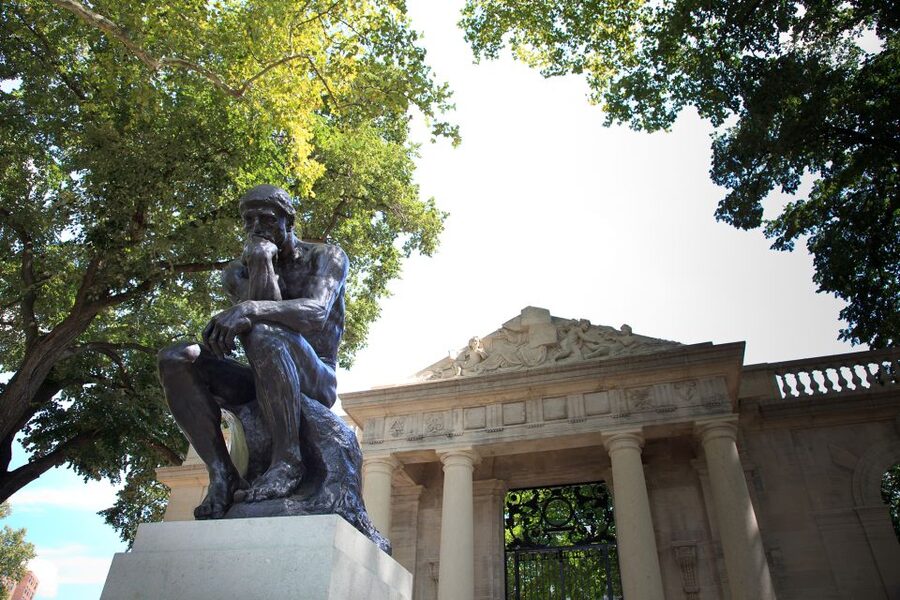
The most memorable part of this tour is seeing how Rodin’s sculptures developed from rough studies into major works. Inside the museum, you’ll move from hands, figures, and portrait busts to The Gates of Hell and The Thinker, then step outdoors into a garden where the art continues.
I like the small groups of no more than eight and the chance to hear the collection explained by an art historian rather than simply walk past famous statues. I also like the garden visit, which gives the museum a welcome change of pace. The main drawback is the $128 price for two hours, especially since food, hotel transfers, and temporary exhibitions are not included.
In This Review
- Key points at a glance
- Why Rodin makes sense with a guide
- Entering the museum and meeting your guide
- Rodin’s rooms, from hands to full figures
- Understanding The Gates of Hell
- Rodin’s portraits and his artistic circle
- Walking through the sculpture garden
- What the $128 price buys you
- Guides, languages, and the human touch
- Who should book this tour
- Final verdict: a focused museum visit with real artistic context
- FAQ
- How long does the Rodin Museum Guided Tour last?
- What works by Rodin will I see?
- Is skip-the-line entry included?
- How large is the small group?
- Is a private tour available?
- Which languages are offered?
- Are temporary exhibitions included?
- Can I bring a suitcase or large bag?
- Is the tour suitable for wheelchair users?
Key points at a glance

- The Thinker and The Gates of Hell: See Rodin’s best-known works with guidance on how they connect.
- Small groups capped at eight: The format allows more room for questions than a large museum tour.
- A useful look at Rodin’s studies: Examine hands, figures, and The Walking Man to understand his working process.
- Sculpture-filled gardens: Continue outdoors among more of Rodin’s works after visiting the galleries.
- Several language choices: Tours are offered in English, French, Spanish, German, Italian, and Russian.
- Two hours with skip-the-line entry: A practical choice if you want a focused visit without spending half a day at the museum.
Why Rodin makes sense with a guide
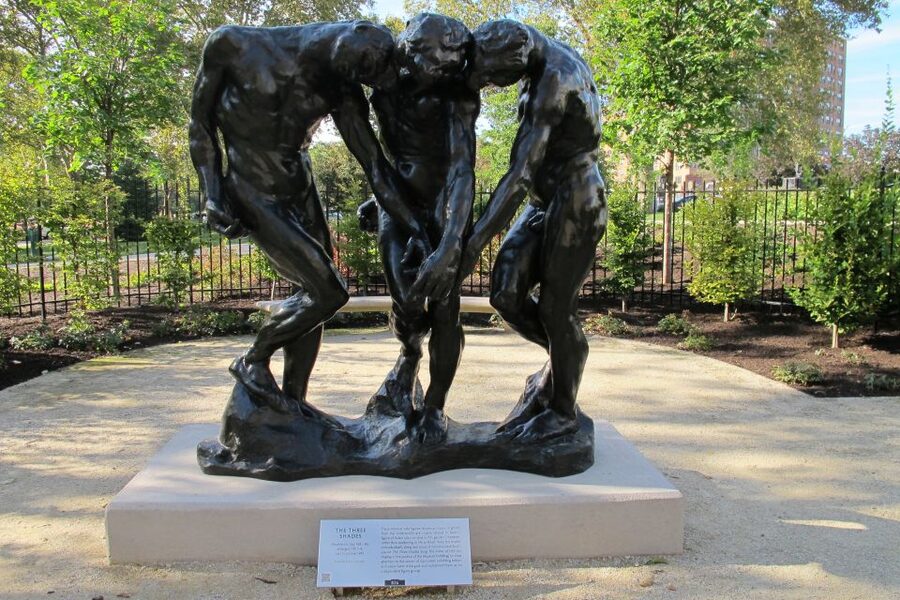
The Rodin Museum can look easy at first. You see a famous statue, read a label, and move on. But Rodin’s work rewards a closer look, especially when you notice the repeated studies of hands, incomplete figures, and bodies caught in motion.
That is where a guide earns the fee. An art historian can connect the small studies to the large finished pieces and explain Rodin’s role in the shift toward modern sculpture. You are not just checking off The Thinker. You are seeing how an artist tested form, movement, texture, and emotion again and again.
The tour also covers Rodin’s place in the 20th-century art world and his portraits of contemporaries, including the French writer Balzac. That wider setting matters. Rodin was not working in isolation, and the people he represented help you understand the artist as both sculptor and public figure.
The experience lasts two hours, which I think is a sensible length for a focused museum visit. You get enough time for the major works without trying to absorb every object in every room. If you prefer a slow, independent visit with long stretches in front of individual pieces, the schedule may feel brisk.
More Orsay and art museum visits:
- Paris: Orsay Museum Entry Ticket
★ 4.7 · 25,647 reviews - Paris: Orsay Museum Entry Ticket and Digital Audio Guide App
★ 4.4 · 3,170 reviews - Paris in a Day: Louvre or Orsay, Eiffel Tower, City Walk & Cruise
★ 5.0 · 1,956 reviews
Entering the museum and meeting your guide
The exact meeting point can vary with the option you book, so check your confirmation carefully before setting out. The tour ends back at the meeting point, and hotel pickup and drop-off are not included.
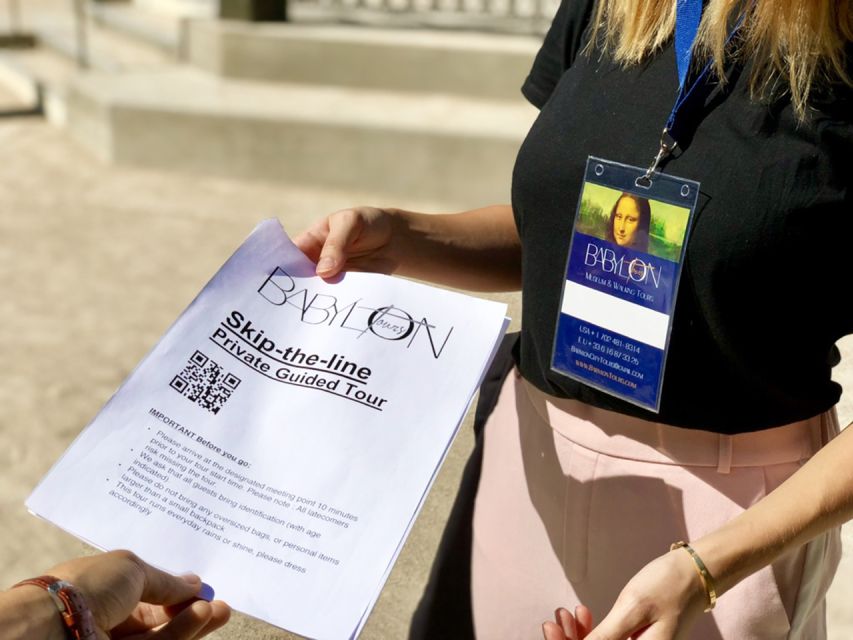
Skip-the-line entry is part of the experience. That does not mean you can ignore the meeting time. You still need to arrive where instructed, with the full name, phone number, and email used for the booking available if needed. Bring a passport or identity card.
Large bags and suitcases are not allowed. I would arrive with only what you need for the two-hour visit. A smaller day bag is the safer choice, but follow the museum’s current rules at the entrance.
The format is either private or small group. The small-group option allows a maximum of eight people per guide, and that cap is important. In a museum filled with sculptures that need close viewing, a compact group makes it easier to hear, ask questions, and stay together.
The semi-private tour requires at least two participants to operate. If that minimum is not met, an alternative date or a full refund is offered. A private tour costs more in many cases, but it gives you more control over the pace and questions.
Rodin’s rooms, from hands to full figures

The interior collection includes sculptures along with more than 200 paintings Rodin gathered during his life. The paintings are not just a side note. They help show the artistic world around him and give the rooms more variety than a sculpture-only visit.
I would pay close attention to the studies of hands and the human form. These works may be smaller and less famous than The Thinker, but they reveal the basic work behind Rodin’s art. A hand can suggest tension, age, effort, or tenderness. A torso can feel active even when the figure is not moving.
You will also see The Walking Man, a life-sized figure that focuses attention on movement rather than a polished portrait. Its appeal is easy to miss if you are rushing toward the famous works. With a guide, you can consider why Rodin might present the body in such a direct, unfinished-looking way.
This part of the visit is especially useful for anyone who thinks sculpture is mainly about smooth surfaces and perfect anatomy. Rodin’s studies show a more active process. Some pieces feel complete, while others preserve the sense of a figure being worked out.
The rooms also include portraits of people Rodin knew or depicted, including Balzac. These portraits add a human angle to the tour. You can look at how Rodin treated a recognizable personality differently from an anonymous body or symbolic figure.
Some rooms require quiet or limit speaking. That is worth knowing in advance. Your guide may need to keep explanations brief or move discussion to another space, so the talk will not always happen exactly in front of the object you are viewing.
Understanding The Gates of Hell
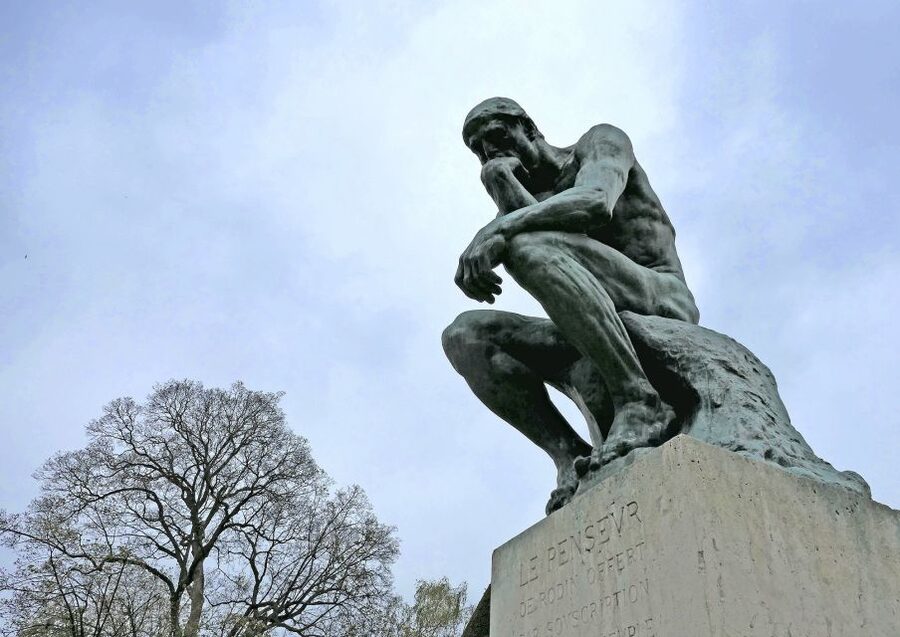
The major indoor focus is The Gates of Hell, a monumental work crowded with figures, gestures, and emotional tension. It is also the key to understanding The Thinker, which is among the most recognizable figures associated with the composition.
A guide can help you read the work as more than a collection of dramatic bodies. Look for how figures relate to one another, how some forms emerge from the surface, and how Rodin uses the arrangement to create movement across the doors.
The value here is connection. You see a major Rodin work, then learn how individual forms and ideas within it became important on their own. The Thinker is familiar around the world, but its meaning becomes less simple when you consider its place within the larger project.
I would not expect the tour to turn every detail into a long lecture. Two hours must cover the museum rooms, the major works, and the garden. Still, the guide’s role is to point out details you could easily miss on your own.
The experience may be particularly helpful if you have seen The Thinker in photographs but have never spent time with Rodin’s other work. The museum puts the famous piece in a larger artistic setting rather than treating it as a stand-alone icon.
More Paris museums to visit:
- Paris: Louvre Museum Timed-Entrance Ticket
★ 4.6 · 71,977 reviews - Louvre Museum Masterpieces Guided Tour with Access
★ 4.5 · 12,023 reviews - Paris: Louvre Museum Entry Ticket With Host and River Cruise
★ 4.6 · 9,926 reviews - Les Invalides: Napoleon’s Tomb & Army Museum Entry
★ 4.6 · 9,185 reviews
Rodin’s portraits and his artistic circle
The tour includes Rodin’s depictions of contemporaries, with Balzac as a notable example. Portrait sculpture can tell you a great deal about an artist’s priorities. Is the subject presented as a polished public figure, a physical presence, or a person caught in thought?
That question gives this section more weight than a simple list of names. You get a chance to consider how Rodin handled character and personality in clay, and how portrait work fit into his career.
The tour also places Rodin within the art world of his time. That context is useful because his work can seem completely self-contained when viewed one statue at a time. A guide helps explain why his approach mattered and why he became, even without setting out to do so, a father of modern sculpture.
I like this balance between biography and close looking. The guide does not simply tell you when Rodin lived. The goal is to connect his life, working habits, subjects, and artistic choices to the objects in front of you.
If you already know Rodin well, the tour may be less about discovering basic facts and more about seeing familiar works in a connected sequence. The private option could be worthwhile for an art-focused visit, since you can ask more detailed questions without a larger group waiting.
Walking through the sculpture garden
After the interior galleries, you can stroll through the manicured gardens, where additional sculptures are displayed. This is not just a pleasant add-on. The outdoor setting changes how you see the work.
Inside, you study scale, surface, and detail at close range. Outside, you can step back and consider how a sculpture occupies open space. The garden also gives your eyes a break after concentrating on several rooms.
I like that the tour saves the garden for after the museum. The sequence lets you first learn about Rodin’s methods and major works, then see more sculpture without the same enclosed-room feeling.
You should expect a moderate amount of walking. Comfortable shoes are sensible, even though the activity lasts only two hours. The garden route may also feel less structured than the indoor portion, so listen for instructions about where to meet and how the tour concludes.
The gardens are beautifully maintained, but the experience is still centered on sculpture rather than on a garden tour. If you are looking for a long botanical walk, this is not the right activity. If you want art in a more relaxed outdoor setting, it completes the visit well.
What the $128 price buys you
At $128 per person, this is a premium museum visit. You are paying for admission, skip-the-line access, an art historian guide, and a small-group or private format. The price makes more sense if you value interpretation and limited group size.
For a quick look at the museum’s famous works, you could prefer to visit independently and spend less. But independent entry does not give you the same built-in structure, and it leaves you to make sense of the links between the studies, portraits, The Gates of Hell, and the garden pieces.
I see the strongest value for first-time visitors who want help getting oriented. The museum’s collection is manageable, but Rodin’s work can seem repetitive if you do not know what to look for. A guide can turn repeated hands, bodies, and fragments into evidence of the artist’s process.
The price is also easier to justify for an art lover who wants a private visit. The private option should give you a more personal format, though the exact arrangement depends on the option selected. For a couple or a small family with strong interest in sculpture, that privacy may be worth the extra cost.
Temporary and special exhibitions are not included. Keep that in mind if a particular exhibition is the main reason you want to visit. The tour focuses on the museum’s included collection and garden sculptures.
Guides, languages, and the human touch
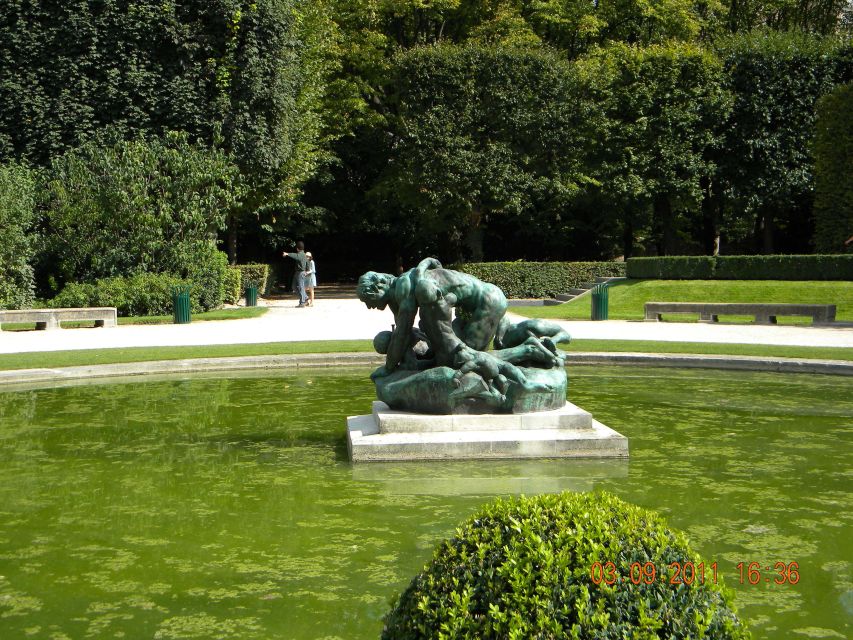
The guide is central to this experience. The tour is offered in English, French, Spanish, German, Italian, and Russian, so you can choose the language that helps you follow art terms and explanations most easily.
Two guides named in the tour feedback were Marcel and Sunday. Marcel was praised for making the visit feel like a chance to look over Rodin’s shoulder, while Sunday was singled out for warmth, professionalism, and adapting the visit to the interests of the people in the group.
Those details point to the kind of guide who adds value here: someone who can explain technique but also notice what you want to see. You may have a particular interest in The Thinker, the portraits, or the studies of hands. A small group gives you a better chance to bring that interest into the discussion.
The quality of any guided tour depends on the individual guide and the day’s conditions, so I would not book this expecting a scripted performance. The strongest version of the experience will be conversational and focused, with room for questions.
Museum rules can limit speaking in certain rooms. That is not a flaw in the tour, but it can affect the rhythm. Some explanation may happen before entering a room or after you move away from a particular collection.
Who should book this tour
I would recommend it to you if Rodin is a priority in Paris and you want more than a quick look at two famous sculptures. It suits first-time visitors, art students, museum lovers, and anyone who prefers a clear two-hour plan.
It also works well if you have limited time. Skip-the-line access and a fixed duration help you fit the museum into a busy day, although the meeting point and starting time still need careful checking.
You may want to skip it if you prefer complete freedom to linger. The tour has a planned route, and two hours is not enough for every work in detail. The $128 cost is also hard to defend if you mainly want a few photographs and no explanation.
The activity involves moderate walking and is not suitable for wheelchair users or people with mobility impairments in the semi-private format. Wheelchair tours are available only on request, so contact the provider before booking and confirm that the specific option can meet your needs.
You also need to plan around the museum’s occasional unexpected closures. If opening is delayed by more than an hour, an appropriate alternative is provided, but refunds or discounts are not provided for that situation. Flexibility helps.
Final verdict: a focused museum visit with real artistic context
I would book this tour if you want Rodin’s best-known works explained alongside the less famous studies that make them easier to understand. The combination of an art historian, a group capped at eight, skip-the-line entry, and the sculpture garden gives the visit a clear shape.
The price is high, and the exclusions matter. You pay extra for interpretation and convenience, not for a full-day museum experience or special exhibitions. If that trade suits you, this is a strong way to meet Rodin in two hours.
Book it especially if you can choose a language that feels natural to you and if you appreciate a guide who can adjust the focus. Marcel and Sunday are examples of the warm, attentive approach you should hope for. Just bring identification, leave large bags behind, and check the meeting point before you go.
FAQ
How long does the Rodin Museum Guided Tour last?
The tour lasts two hours. Starting times vary, so check availability when selecting your date.
What works by Rodin will I see?
The tour includes The Gates of Hell and The Thinker, along with studies of the human form, hands, The Walking Man, portraits such as Balzac, and sculptures in the garden.
Is skip-the-line entry included?
Yes. Museum entrance fees and skip-the-line access are included.
How large is the small group?
The tour has a maximum of eight people per guide.
Is a private tour available?
Yes. Private and small-group options are available, depending on the option you book.
Which languages are offered?
Live tours are offered in English, French, Spanish, German, Italian, and Russian.
Are temporary exhibitions included?
No. Temporary or special exhibitions are not included in the tour.
Can I bring a suitcase or large bag?
No. Large bags and suitcases are not allowed, so plan to visit without bulky luggage.
Is the tour suitable for wheelchair users?
The semi-private tour is not suitable for wheelchair users or people with walking disabilities. Wheelchair tours are available only on request, so confirm the arrangement before booking.
Newest additions around Paris
- Private Photoshoot with the Iconic Eiffel Tower in Paris★ 5.0 · 11 reviews
- Family escape Game with kids and teens on the Île de la Cité★ 4.5 · 11 reviews
- 2-day Private Mont Saint-Michel, 3 Loire Castles, D-Day Express★ 4.5 · 11 reviews
- Paris: Batobus Hop-On Hop-Off Cruise & Landmarks Audio Tour★ 3.0 · 11 reviews
- Paris Revolutionary Walking Tour: Iconic French Sights & Stories★ 5.0 · 11 reviews
- Guided and Private Tour of 3 hours through Paris aboard a Citroën 2cv★ 5.0 · 11 reviews
- Kids in the Kitchen – CrOisSaNtS★ 4.0 · 11 reviews
- Paris: Ghosts and Dark Stories Guided Walking Tour★ 4.1 · 11 reviews
Orsay & Art Museum Tours, compared.
Orsay Museum Entry Ticket and Digital Audio Guide App
Read our review →
Paris in a Day: Louvre or Orsay, Eiffel Tower, City Walk & Cruise
Read our review →
Musée d’Orsay Skip-the-Line Tour with Expert Guide
Read our review →
Musée d’Orsay Skip-the-Line Tour with Expert Guide
Read our review →
The Musée d’Orsay Guided Tour Orsay Museum Semi-Private 6ppl Max
Read our review →
Louvre & Musée d’Orsay Guided Museum Tour Semi-Private 6ppl Max
Read our review →
Browse the lists this tour appears in