
Reviewed · PASTRY & MACARON CLASSES
Paris Pastry Tour – Croissants, Macarons & Iconic French Desserts
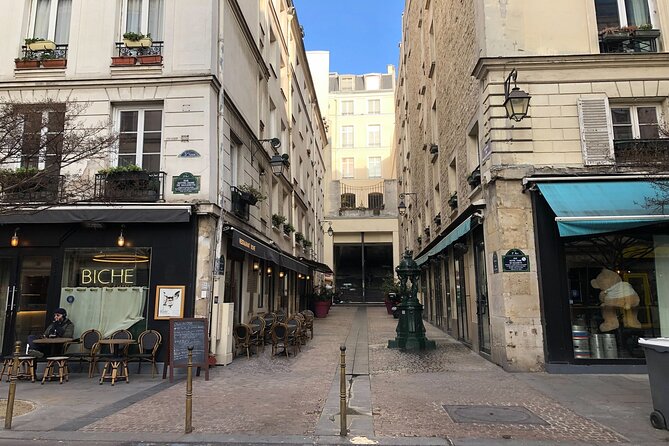
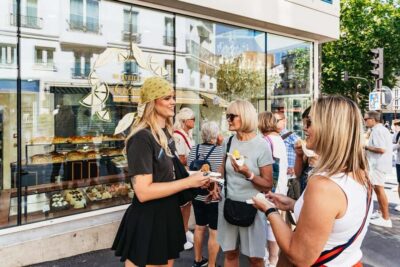
Paris saves some of its best eating for small bakeries, tea salons, chocolate shops, and crêperies tucked between the grand sights. This tour brings those stops together with a walk through the elegant covered passages around Montorgueil and the Marais, so you get a pastry lesson and a pleasant slice of central Paris in one outing.
I like the small group of no more than 10, which makes it easier to ask questions and keep up at each shop. I also like the mix of treats: you get more than a quick croissant stop, with cake, bean-to-bar chocolate, a Breton crêpe with cider, and a macaron to finish.
The main drawback is the price, $95.58 per person, and the tour is not suitable for anyone who needs gluten-free, vegan, or nut-free food. You should also arrive hungry, since some portions are full-sized rather than tiny samples.
In This Review
- Key points to know before you book
- Why this pastry tour works so well in Paris
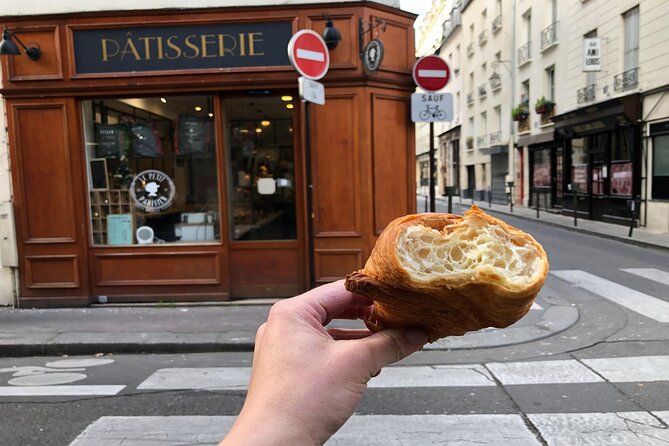
- Starting with pastry at Victoire Boulangerie
- A seasonal cake inside Le Valentin Jouffroy
- Paris passages: Jouffroy, Verdeau, and Panoramas
- Chocolate at PLAQ, from bean to bar
- A Breton pause at Le Comptoir du Commerce
- Finishing with a macaron at Jeffrey Cagnes Paris 2ème
- What the $95.58 price really covers
- The guides make the history easier to enjoy
- Who should book, and who should skip it
- Practical timing, meeting points, and cancellation
- Should you book this Paris pastry tour?
- FAQ
- How long does the Paris pastry tour last?
- Where does the tour start?
- Where does the tour end?
- What foods are included?
- Is the tour suitable for people with dietary restrictions?
- How much walking is involved?
- What is the cancellation policy?
Key points to know before you book
- Six or more generous tastings: Expect pain au chocolat, seasonal cake, chocolate, crêpe, cider, and a macaron, with exact pastry choices subject to the shop’s selection.
- A pastry tour with a city walk: The route includes Passage Jouffroy, Passage Verdeau, and Passage des Panoramas, not just bakery counters.
- Independent Paris shops: The stops focus on local bakeries, family-run businesses, and specialist food makers rather than a single large venue.
- Guides shape the experience: Past tours have been led by Alice, Davide, Vanessa, Sam, Emily, Julia, Dave, and Samantha, with praise for warmth, humor, and food knowledge.
- Come very hungry: Full croissants, éclairs, cake, crêpes, chocolate, and macarons can add up quickly.
- Easy central finish: The tour ends at 3 Rue Bachaumont, close to more food, shopping, and public transport in the 2nd arrondissement.
Why this pastry tour works so well in Paris
A good Paris food tour should do two jobs. It should feed you, and it should help you understand how the city eats. This one does both by pairing familiar French sweets with the places and customs around them.
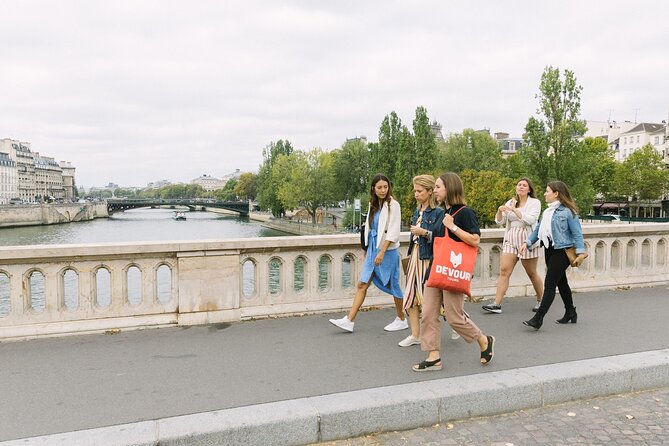
You start near Rue du Faubourg Montmartre in the 9th arrondissement, then work toward the covered passages and food streets around the 2nd arrondissement. The walk is about 1.7 kilometers, or just under a mile, and the total experience lasts roughly two and a half hours.
That is a sensible length. You get enough time at each stop to eat and listen, but you are not committed to a half-day food crawl. I would schedule it early in your Paris stay. The guide’s advice about ordering coffee, eating in French restaurants, or understanding how baguettes and chocolate are made can help you for the rest of your visit.
The tour is offered in English, and the group limit matters. With 10 people or fewer, you can hear the guide inside a small shop, see what is being served, and ask about ingredients without fighting a crowd.
More pastry and macaron classes:
- Paris: Montmartre Cheese, Wine & Pastry Guided Walking Tour
★ 4.8 · 2,255 reviews - Paris Croissant Small-Group Baking Class with a Chef
★ 5.0 · 910 reviews - Paris: Macaron Class at Galeries Lafayette
★ 4.3 · 905 reviews
Starting with pastry at Victoire Boulangerie
The first stop is Victoire Boulangerie, an award-winning local bakery. Here you taste a pain au chocolat, the chocolate-filled cousin of the croissant.
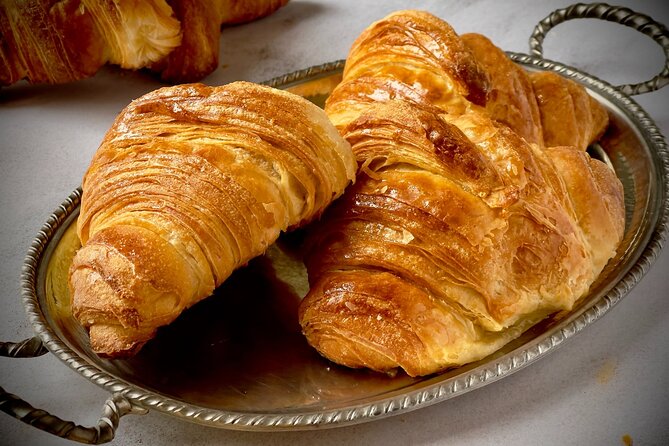
This is a smart opening. The pastry gives you a quick lesson in what to notice: flaky layers, butter, texture, and the balance between pastry and chocolate. Several tour descriptions also refer to a croissant at the first stop, so the exact item may depend on the day’s arrangement. Either way, this is the moment to slow down and pay attention rather than swallow breakfast on the run.
You may be offered a full pastry, not a bite-sized piece. That sounds wonderful until you remember that five more tastings follow. My advice is simple: skip breakfast or eat very lightly.
The bakery stop lasts about 25 minutes and includes admission, meaning your tasting is covered in the tour price. It is also a useful contrast with the more decorative pastries later. A bakery item like pain au chocolat is an everyday Paris pleasure, not just a special-occasion dessert.
A seasonal cake inside Le Valentin Jouffroy
A short walk takes you to Le Valentin Jouffroy, a family-run tea salon inside one of Paris’s covered passages. The business has more than 20 years of history, and the setting gives this stop a quieter feel than a typical street café.
You taste a freshly made seasonal cake. Depending on what the pastry shop has prepared, it might be a fraisier, with strawberries and cream, a Mont Blanc, usually built around chestnut flavors, or another house specialty.
This is one of the tour’s stronger ideas. French pastry changes with the season, and a seasonal cake shows you something a standard croissant stop cannot. It also gives the guide room to explain how French pastry shops balance appearance, texture, fruit, cream, chocolate, and nuts.
Allow about 30 minutes here. You are not simply grabbing food and moving on. The tea salon setting gives you time to look around and hear about the passage itself. If you like old Paris interiors and small businesses with a local feel, this should be one of the more memorable stops.
Paris passages: Jouffroy, Verdeau, and Panoramas
After the first two food stops, the tour turns into a short walking lesson through three covered passages. These glass-roofed walkways were built for strolling, shopping, and shelter from the weather. Today, they offer an attractive change from the main streets.
Passage Jouffroy is the first. The listed walking time is about 20 minutes, though the stop details also show five minutes at the passage itself. The important point is that the guide connects the architecture and shops to the food route rather than treating the walk as dead time.
Next comes Passage Verdeau, an elegant passage with a high glass ceiling linking two busy streets. It is a good place for photographs, but I would not treat it as a staged photo stop. The value is in seeing how Paris places calm, narrow arcades beside major roads.
Passage des Panoramas completes this part of the route. It is filled with local shops and has a more lived-in feel than a grand monument. You will spend about 10 minutes here before returning to sweets.
These passages are a practical reason to choose this tour over a simple bakery list. You can find a croissant by yourself. It is harder to know which passage to enter, what to notice, and how the passageways fit into the city.
A different way to spend the day in Paris:
- Paris: Louvre Museum Timed-Entrance Ticket
★ 4.6 · 71,977 reviews - Disneyland® Paris 1-Day Ticket
★ 4.6 · 49,412 reviews - Paris: Versailles Palace and Gardens Full Access Ticket
★ 4.6 · 41,579 reviews - Paris: Arc de Triomphe Rooftop Tickets
★ 4.6 · 34,264 reviews
Chocolate at PLAQ, from bean to bar
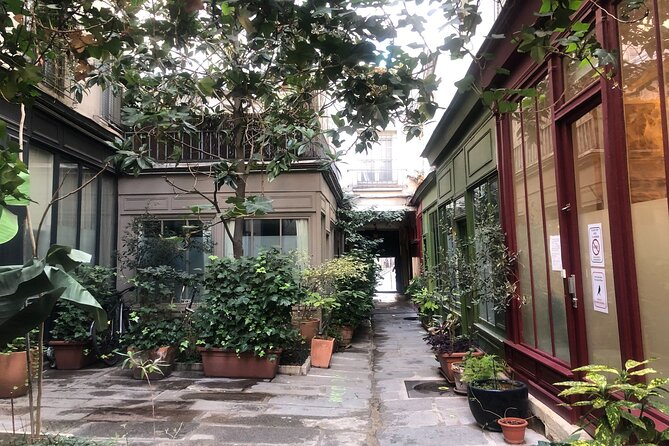
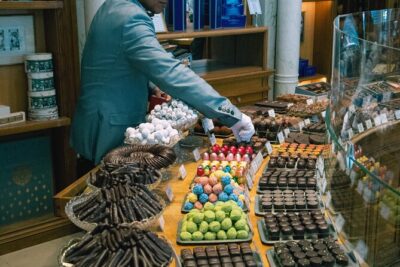
At PLAQ Chocolat, the smell of chocolate greets you at the door. This is a bean-to-bar shop, so the focus is on chocolate made from cacao beans through the finished product.
You taste homemade creations made by the shop’s chocolatiers. The stop lasts about 15 minutes, making it shorter than the cake or crêpe visits, but it adds a different flavor and texture to the route.
If you prefer dark chocolate, this may be your favorite tasting. The tour is not built around milk-chocolate candy alone. It gives you a chance to notice how cacao can be sharp, fruity, bitter, creamy, or nutty.
Pay attention to the allergy warning here and at the other stops. There are no peanuts on the tour, but almonds, hazelnuts, and pecans may be present. Anyone with a serious allergy must sign a waiver at the start, and you should contact the company after booking about dietary restrictions.
A Breton pause at Le Comptoir du Commerce
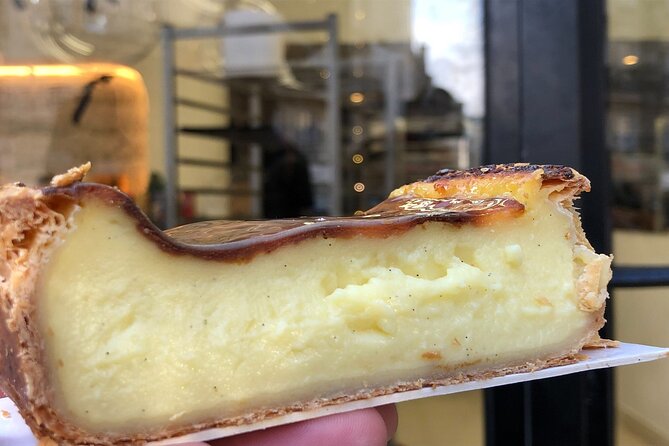
The next stop shifts from pastry to Brittany. At Le Comptoir du Commerce, you taste a traditional French crêpe with a glass of apple cider.
This is a welcome change after several sweet bakery items. A crêpe brings a softer, warmer texture, while cider adds a dry or fruity note that cuts through the sugar. It also gives the guide a chance to explain that French food is regional. Parisian eating includes dishes and habits from all over France.
The stop lasts about 30 minutes. That makes it one of the more substantial breaks, and it is another reason not to eat a large meal before the tour. Past descriptions of the experience include a whole crêpe among the servings, so you should expect more than a decorative forkful.
I especially like this stop for families and mixed-age groups. Children usually understand a crêpe immediately, while adults can pay attention to the regional food story and the cider. Vegetarians and pescatarians can be accommodated, though you should give the company your details after booking.
Finishing with a macaron at Jeffrey Cagnes Paris 2ème
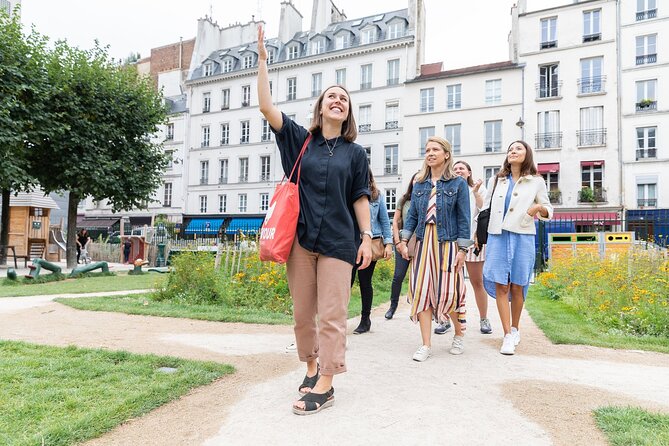
The final stop is Jeffrey Cagnes Paris 2ème, a modern pastry shop known for putting a fresh spin on French classics. You finish with a macaron.
A macaron is a fitting last bite. It is small, colorful, crisp on the outside, and soft in the middle. The modern pastry-shop setting also gives the tour a clear ending point: you have seen both everyday bakery food and more polished dessert work.
This stop lasts about 30 minutes. Exact flavors are not listed, so you may find a seasonal or shop-specific choice rather than one fixed macaron. If you have been pacing yourself, this should be a pleasant finish. If you ate every crumb at every earlier stop, it may feel like a challenge.
The endpoint, 3 Rue Bachaumont, puts you near the 2nd arrondissement’s restaurants, shops, and public transportation. You can continue exploring on foot, find lunch nearby, or return to your hotel by Metro.
What the $95.58 price really covers
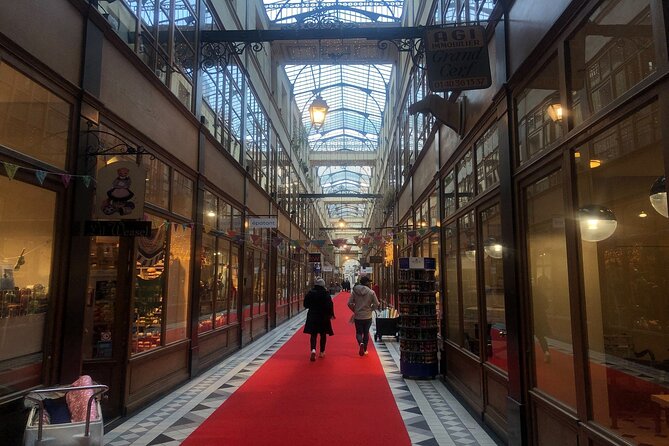
At $95.58 per person, this is not a cheap breakfast. You are paying for six or more tastings, a local English-speaking guide, a guided walking route, and a maximum group size of 10.
The value depends on how you use it. If you only want to buy one croissant and one macaron, the price will feel high. If you want several substantial tastings plus a guided look at three Paris passages, the cost becomes easier to justify.
Food portions appear to be larger than many people expect. One account of the tour describes a whole croissant, a whole éclair, a macaron, a crêpe, a piece of chocolate cake, and a piece of chocolate. The current route lists pain au chocolat, seasonal cake, chocolate, crêpe with cider, and macaron, so you should see these examples as a guide to portion size, not a guaranteed menu.
I like that the route uses independent bakeries and specialist shops. You are not paying only for a guide to point at famous storefronts. The tastings take place inside businesses that make and sell the food.
Still, budget carefully. Hotel pickup and drop-off are not included. You must reach the starting point yourself and arrange your own way back from the endpoint.
The guides make the history easier to enjoy
The guide can make or break a food tour, especially when the route includes several shops and short walking stops. Past guides named in tour feedback include Alice, Davide, Vanessa, Sam, Emily, Julia, Dave, and Samantha.
The strongest pattern is clear: the guides bring warmth, humor, and practical food information. Alice is praised for blending local history with the tastings. Davide is described as engaging and attentive. Sam is noted for explaining French pastries and showing smaller, less tourist-filled places. Vanessa is praised for her energy and clear explanations of French food, art, and city life.
You cannot choose a specific guide from the information provided, so treat those names as examples of the team rather than a promise. The guide’s role is not just to carry the group from shop to shop. A good guide explains why a crêpe comes from Brittany, how chocolate is made, what makes a pastry flaky, and how French café customs differ from what you may know at home.
The tour’s small size helps here. Ten people is large enough for a sociable group but small enough for a natural conversation. Families, couples, and solo visitors can all fit in, and the tour has worked well for teenagers and children.
Who should book, and who should skip it
I would recommend this tour to anyone who wants an easy introduction to French sweets without spending a whole day on food. It is especially useful on a first or second Paris visit, when you want local guidance but still have major sights on your schedule.
It also suits repeat visitors. The covered passages and independent shops take you away from the usual Eiffel Tower, Louvre, and Champs-Élysées circuit. You see a less obvious side of central Paris without traveling far outside the main visitor area.
Families should find the route manageable. The walking distance is modest, and the food is naturally appealing to children. One important point: everyone should be able to walk at a moderate pace without difficulty. Comfortable shoes are a must.
Vegetarians and pescatarians can be accommodated if they contact the company after booking. The tour is not suitable for vegans or anyone requiring gluten-free or nut-free food. Serious nut allergies are a major concern because almonds, hazelnuts, and pecans are used, even though peanuts are not served.
Wheelchair users and people with mobility impairments may be accommodated with advance arrangements. Contact the Guest Experience team when you book, since covered passages and shop layouts can require planning.
Practical timing, meeting points, and cancellation
Meet at 34 Rue du Faubourg Montmartre, 75009 Paris. The tour ends at 3 Rue Bachaumont, 75002 Paris, so do not expect a return to the starting point.
The route is near public transportation, but hotel pickup and drop-off are not included. I would allow extra time to reach the meeting point, especially if you are crossing Paris from another arrondissement.
Confirmation is provided at booking. One practical caution: confirm the date and meeting details directly with the tour company before the day of the tour. A past communication problem involved a date change sent through a third party, so relying on an old message alone could cause trouble.
Free cancellation is available up to 24 hours before the start time for a full refund. Changes or cancellations made inside that 24-hour window are not accepted for a refund, and the cut-off follows Paris local time.
Should you book this Paris pastry tour?
Book it if you want a generous, social food walk with real neighborhood context. The best parts are the variety, the independent shops, the three covered passages, and the chance to learn useful French food customs from a personable guide.
Skip it if you need a carefully controlled allergy menu, dislike sweet food, or want a formal cooking class. Also skip breakfast, wear comfortable shoes, and leave room in your afternoon for a slower meal.
For most pastry fans, $95.58 buys a satisfying morning and a useful introduction to Paris eating. It is a splurge, but one with enough food and city context to feel worthwhile.
FAQ
How long does the Paris pastry tour last?
The tour lasts approximately 2 hours and 30 minutes.
Where does the tour start?
It starts at 34 Rue du Faubourg Montmartre, 75009 Paris, France.
Where does the tour end?
It ends at 3 Rue Bachaumont, 75002 Paris, France.
What foods are included?
The tour includes six or more tastings. You can expect pain au chocolat or croissant, seasonal cake, chocolate, a traditional crêpe, apple cider, and a macaron. Exact choices can vary.
Is the tour suitable for people with dietary restrictions?
Vegetarians and pescatarians can be accommodated with advance notice. The tour is not suitable for vegans, gluten-free diets, or people who need to avoid nuts. Almonds, hazelnuts, and pecans may be present.
How much walking is involved?
The route covers about 1.7 kilometers, or just under one mile. You should be able to walk at a moderate pace and wear comfortable shoes.
What is the cancellation policy?
You can cancel up to 24 hours before the experience start time for a full refund. Cancellations or changes made less than 24 hours before the start time are not accepted for a refund.
Newest additions around Paris
- Family escape Game with kids and teens on the Île de la Cité★ 4.5 · 11 reviews
- Private Photoshoot with the Iconic Eiffel Tower in Paris★ 5.0 · 11 reviews
- 2-day Private Mont Saint-Michel, 3 Loire Castles, D-Day Express★ 4.5 · 11 reviews
- Paris: Batobus Hop-On Hop-Off Cruise & Landmarks Audio Tour★ 3.0 · 11 reviews
- Paris Revolutionary Walking Tour: Iconic French Sights & Stories★ 5.0 · 11 reviews
- Kids in the Kitchen – CrOisSaNtS★ 4.0 · 11 reviews
- Guided and Private Tour of 3 hours through Paris aboard a Citroën 2cv★ 5.0 · 11 reviews
- Paris: Ghosts and Dark Stories Guided Walking Tour★ 4.1 · 11 reviews
Pastry & Macaron Classes, compared.
Montmartre Cheese, Wine & Pastry Guided Walking Tour
Read our review →
Paris Croissant Small-Group Baking Class with a Chef
Read our review →
Paris Cooking Class: Learn How to Make Macarons
Read our review →
A Morning in Paris Food Tour: Croissants, Baguettes & Chocolate
Read our review →
Paris Chocolate, Macaron & Pastry Food Tour: 10 Gourmet Tastings
Read our review →Browse the lists this tour appears in