
Reviewed · PASTRY & MACARON CLASSES
Paris: French Macaron Culinary Class with a Chef
French macarons look simple, but their crisp shells and soft centers depend on fussy little details. This 150-minute class at Maison Fleuret School takes you through the key steps with an English-speaking pastry chef, then sends you home with a box of your own work. I like the small maximum of six people and the way the class works for children, beginners, and nervous home bakers.
I also like the friendly, low-pressure teaching. Chefs such as Amélie, Delphine, Alice, Matthieu, Christian, and William have been praised for clear demonstrations, patience, and humor. The main thing to consider is that the class may finish earlier than the advertised two and a half hours, and anyone seeking advanced pastry theory may find the lesson fairly introductory.
In This Review
- Key points at a glance
- Why macarons make a good Paris cooking class
- Arriving at the grey door
- Starting with the meringue
- Piping shells with a crisp finish
- Making the ganache center
- A box to share after class
- How long the class really takes
- Who will get the most from it
- Value, flexibility, and small limitations
- Should you book this macaron class?
- FAQ
- How long does the macaron class last?
- Where does the class meet?
- Is the class taught in English?
- How many people are in the group?
- Are children allowed to join?
- What will I learn to make?
- Do I take macarons home?
- Is hotel transportation included?
- Is the workshop wheelchair accessible?
- Can I cancel the booking?
Key points at a glance
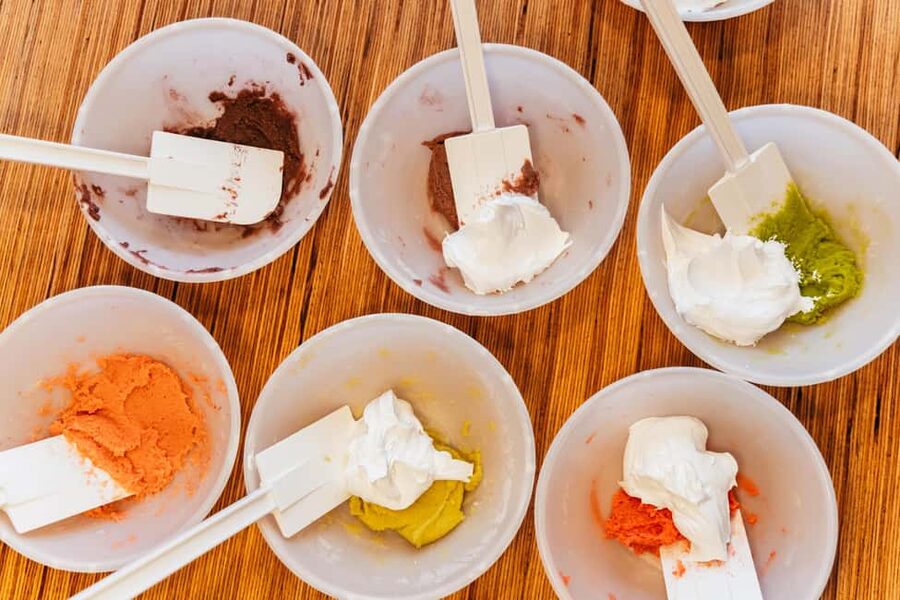
- Small class of up to six: The chef can watch your technique and help before a small mistake ruins a tray.
- Hands-on macaron making: You work through meringue, ganache, shells, colors, and flavors rather than simply watching a demonstration.
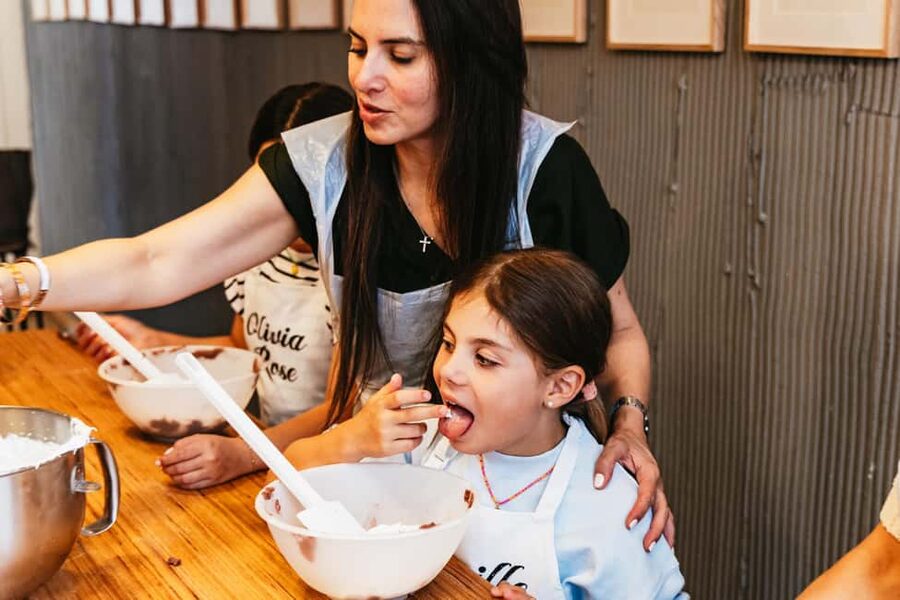
- Good for families: Children as young as five and six have taken part successfully, with chefs helping them stay involved.
- A practical Paris souvenir: You leave with a box of macarons made during the lesson, often enough to enjoy for several days.
- English instruction: The class is taught in English, and Delphine has also explained the process in both French and English.
- Central school setting: Meet at the grey door of Maison Fleuret School, with no hotel pickup included.
Why macarons make a good Paris cooking class
A macaron is a small pastry with a big reputation. The shell should be crisp enough to give a light crack, while the middle stays soft and flavorful. Getting both textures right calls for careful mixing, accurate timing, and a feel for the batter.
That makes macarons a useful class subject. You do not spend the whole session preparing one complicated cake. Instead, you work through several stages and see how each one affects the final result. You learn why the meringue matters, how the batter should be handled, and how ganache supplies the center that joins the shells.
I especially like this choice for a short Paris visit. You get a real pastry lesson without giving up an entire day. At 150 minutes, it fits neatly into an afternoon or morning plan, though you should leave some breathing room around it rather than scheduling a major museum appointment immediately afterward.
The finished macarons also make a better souvenir than another box bought from a shop. You have a story attached to them, and you can share them with family or friends later. One participant managed to carry the box back to the United Kingdom in warm weather, although careful handling is clearly wise.
More pastry and macaron classes:
- Paris: Montmartre Cheese, Wine & Pastry Guided Walking Tour
★ 4.8 · 2,255 reviews - Paris Croissant Small-Group Baking Class with a Chef
★ 5.0 · 910 reviews - Paris: Macaron Class at Galeries Lafayette
★ 4.3 · 905 reviews
Arriving at the grey door
The meeting point is in front of the grey door at Maison Fleuret School. There may be little or no obvious signage outside, so read the meeting instructions carefully and arrive at the stated time. The welcome is intended to be straightforward, but this is one part of the experience where a little preparation helps.
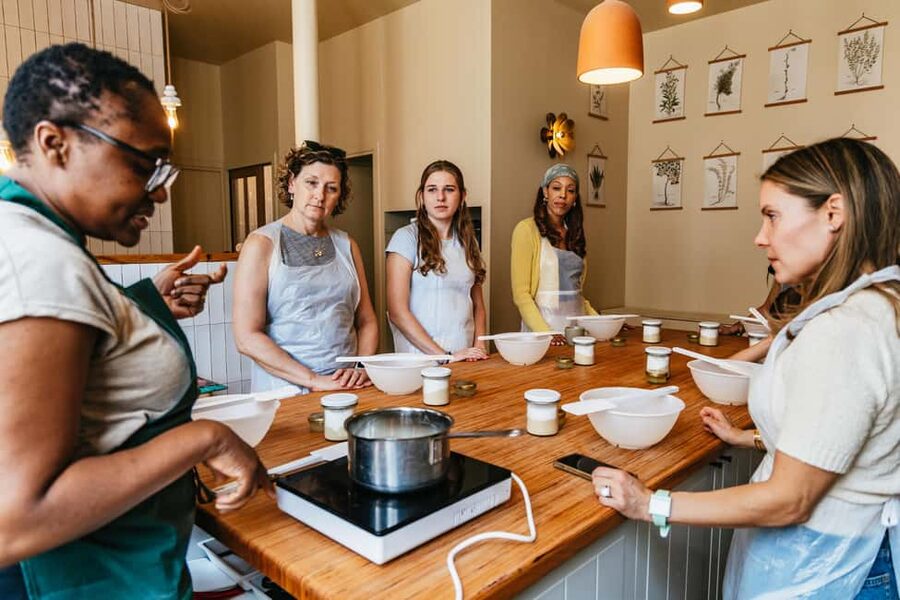
You meet the other members of your group before entering the pastry classroom. The small size matters here. With a maximum of six participants, the room does not have the feel of a large demonstration where you stand at the back and hope to see the bowl.
The school has been described as clean, well prepared, and professional. Other classes, including croissants and lemon tarts, may take place nearby. That gives the place a proper pastry-school atmosphere, though it can also mean some extra noise during the final part of your class.
The provider has changed locations or times for some sessions, with advance communication in those cases. Check your final instructions before setting out, especially if your booking was made well ahead of your Paris visit.
Starting with the meringue
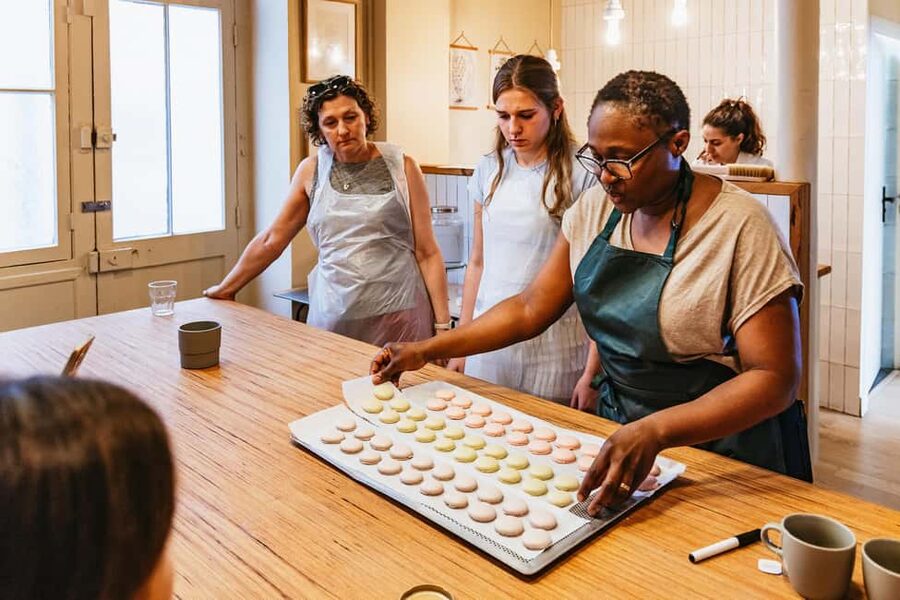
The class begins with an introduction from the chef and a clear run-through of the process. The meringue is the foundation of the macaron shell, so this is where the lesson starts to earn its keep.
You learn how to create the right base before moving to the more delicate mixing stage. This is not just a matter of stirring ingredients together. The chef shows you what to look for and gives you guidance as you work.
That individual attention is a major benefit of the small group. Amélie has been praised for making beginners feel comfortable, while Matthieu has been noted for explaining each step carefully and encouraging people who had never attempted macarons before. If you arrive convinced that your batch will look like a school art project, the class is designed to give you a better chance than a recipe alone.
Families benefit here, too. Children have been included in the measuring, mixing, piping, and decorating stages, with chefs making an effort to keep them involved. The activity has worked well for families with children aged five, six, seven, eight, nine, eleven, thirteen, and fourteen, according to the experiences provided.
The chef will handle or guide some of the more exact tasks. One parent noted that the instructor did the measuring, which is useful for keeping the class moving and improving the odds of a good final result. If you want to perform every technical step from start to finish, you may find some parts more guided than expected.
Piping shells with a crisp finish
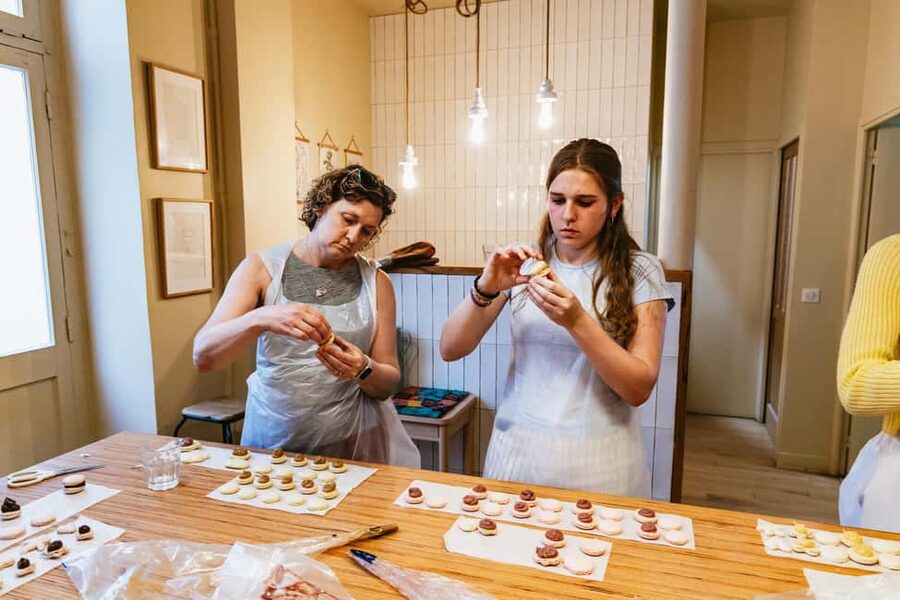
Once the meringue and batter are ready, the class turns to forming the shells. This is the point where you start to see the familiar macaron shape appear.
The chef explains how to achieve the crisp outer layer and the delicate center. You also learn how to pipe the mixture so the finished halves are consistent enough to join together. Beginners should appreciate the calm pace and demonstrations, while home bakers can use the class to correct habits that have caused previous batches to fail.
Color and flavor choices add a playful part to the session. You can select from options provided during the class, and one group even learned how to make multicolored macarons. This gives the activity a creative edge without losing its technical focus.
The results are not expected to look identical. That is part of the fun. Still, the teaching method appears forgiving enough for children and adults to produce attractive pastries together. A family of four with children aged seven and nine found that everyone’s macarons looked good, including those made by the youngest participants.
The class is not a competition. The chef watches the process, offers corrections, and helps you avoid the common errors that can affect the shells. That makes this a comfortable activity for people who enjoy cooking but do not want a high-pressure professional kitchen.
A few more Paris ideas to compare
- Fragonard Paris: Mini Perfume Workshop
★ 4.5 · 1,924 reviews - Paris Cooking Class and Lunch with Wine plus Market Visit Option
★ 5.0 · 1,024 reviews - Paris: 2-Hour Perfume Creation Workshop
★ 4.8 · 731 reviews - Paris: French Croissant Baking Class with a Chef
★ 4.9 · 712 reviews
Making the ganache center
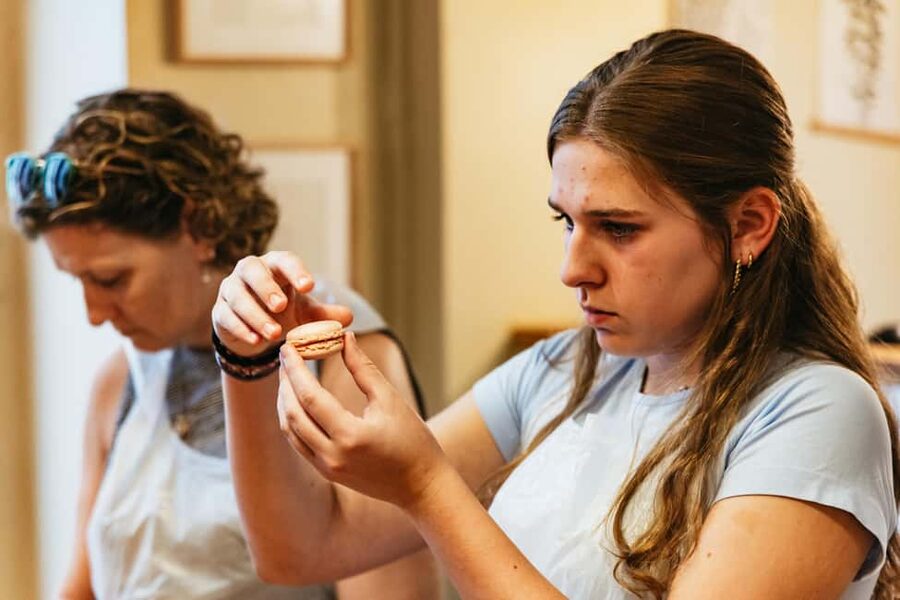
The ganache is the second major technique. You learn how to make the soft, flavorful filling that sits between the shells and gives the macaron its satisfying contrast.
This is where the pastry becomes more than a crisp sweet. The shell supplies the light crunch, while the center provides the flavor and softness. The chef explains the method and helps you understand how the filling should work with the finished shells.
The class lets you choose colors and flavors, so your box can have some personal character. The exact range depends on the session, but the supplied information confirms that participants select from available options and can create more than one style.
Delphine has been singled out for offering useful advice for making macarons at home. That kind of practical instruction is important because the best value of a cooking class is not only what you eat on the day. You want to leave with a better sense of how to repeat the process in your own kitchen.
Still, keep your expectations realistic. The class covers the main techniques within a limited time. It is a strong starting point for beginners and a refresher for home bakers, but it may not satisfy someone looking for advanced pastry science, extensive troubleshooting, or many different recipes.
A box to share after class
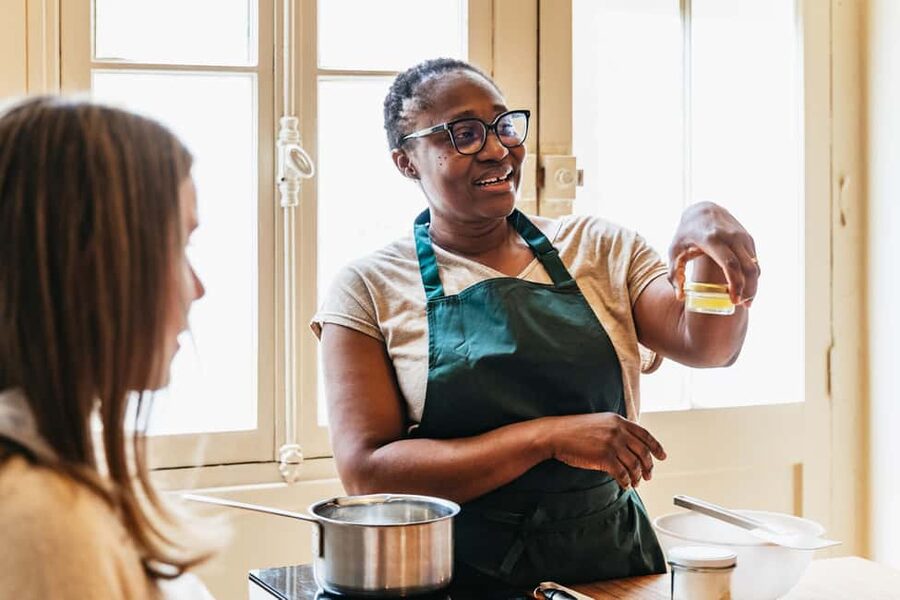
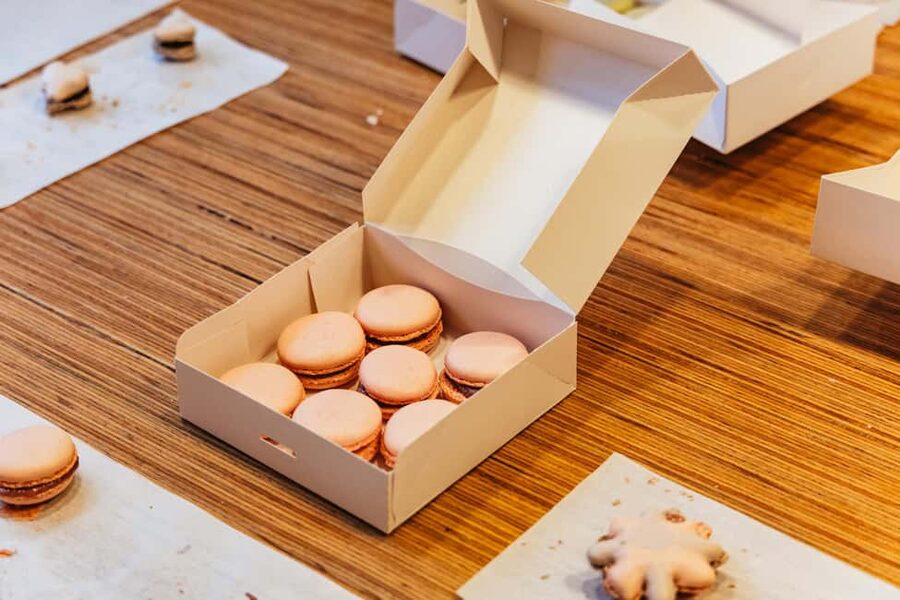
At the end, you receive a box of macarons made during the lesson. The quantity is not formally specified in the activity details, but one participant said each person made about a dozen plus a couple of extras. That gives you more than a token taste and may provide enough to share with family during the rest of your stay.
The box is practical, but macarons are still delicate. Warm weather, rough handling, and a crushed container can spoil the presentation. If you plan to carry them around Paris for hours, keep the box secure and avoid treating it like a normal shopping bag.
The finished pastries also give children a clear reward for their effort. They do not simply watch a chef produce something beautiful. They can point to the box and say they helped make it. That sense of ownership is one reason the activity works so well for families.
I would plan a relaxed meal or an easy walk after the class. You may finish with a box in hand, a few samples to taste, and plenty to talk about with the people you met. The social side is modest but genuine, since the group works together in one kitchen and often compares colors, shapes, and results.
How long the class really takes
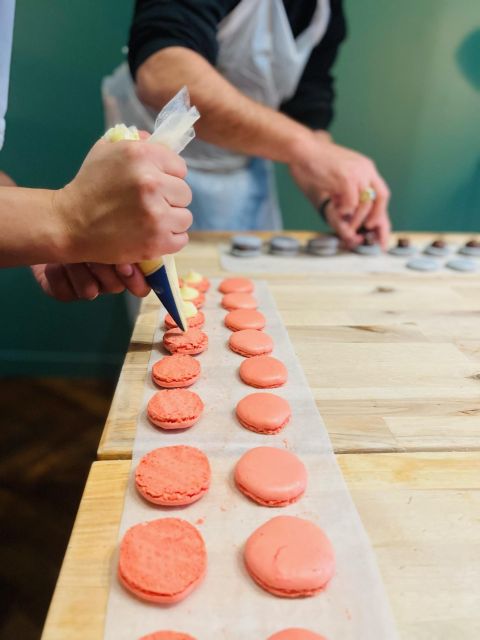
The stated duration is 150 minutes. That gives enough time for instruction, preparation, baking or setting stages, filling, and packing the macarons.
One participant reported finishing in about one hour and forty-five minutes rather than two and a half hours. That may depend on the pace of the group, the session format, or how much preparation has been done in advance. I would treat the advertised 150 minutes as the planning figure, while knowing that the class can sometimes end sooner.
This timing makes the experience easy to fit into a busy Paris itinerary. You can place it between sightseeing plans, but do not cut things too close. The meeting point, transition into the school, and final packing all take time.
Instruction is in English. Several chefs have been praised for explaining clearly and helping each person individually. Delphine has also used both French and English, which can help a mixed-language group.
The activity is listed as wheelchair accessible. Hotel pickup and drop-off are not included, so you arrange your own way to Maison Fleuret School. The meeting instructions ask you to look for the grey door, a useful detail because the exterior may not have prominent signage.
Who will get the most from it
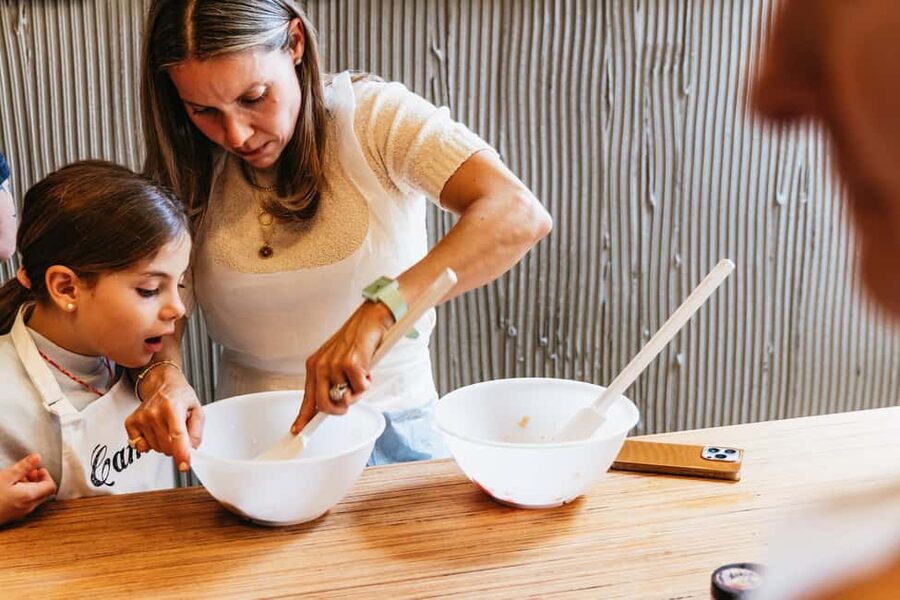
This is one of the better Paris food activities for families. Children can take part in the work, and the chefs have shown patience with young participants. The class has suited families with teenagers as well as families with children in primary school.
It also fits adults who enjoy food but have never dared to make macarons. The lesson breaks the process into manageable stages, and the chef gives you help before errors multiply. You do not need to arrive as an experienced baker.
Home bakers can benefit from the technical reminders, especially if previous macaron attempts have failed. You may leave with more confidence about meringue, batter consistency, piping, and ganache. But advanced bakers should book it for the social activity and hands-on practice, not for a specialist masterclass.
Couples, friends, and solo participants can also fit comfortably into the group. The small class encourages conversation without turning the session into a large social event. You work beside other people, exchange tips, and enjoy the pleasant surprise when everyone’s pastries begin to look polished.
Value, flexibility, and small limitations
No price is provided in the supplied details, so I cannot judge the exact cost against other Paris classes. The value comes from the combination of an expert chef, a small group, hands-on work, and a box of finished macarons rather than a simple demonstration.
The small maximum is especially important. A class limited to six gives the chef time to see your technique and respond to questions. If the price is higher than a large group workshop, that personal attention is the main reason it may be worth paying extra.
Free cancellation up to 24 hours before the class and reserve-now, pay-later booking add useful flexibility. These terms matter in Paris, where weather, transport, and museum plans can change. Check the exact conditions at booking, but the stated policy allows you to cancel by the deadline for a full refund.
The drawbacks are minor but worth knowing. There may be no clear sign outside, so finding the grey door requires attention. The class can end early, and the lesson may feel basic if you already make macarons often. Noise from nearby classes can also affect the final part of the session.
Should you book this macaron class?
I would book it if you want a practical, family-friendly Paris activity with a clear edible result. The strongest reasons are the small group, the patient chef instruction, and the chance to leave with macarons you made yourself.
Choose it with realistic expectations. You are learning the essential method, not completing a professional pastry diploma. If you want advanced formulas or extensive recipe variations, seek a longer specialist course.
For most visitors, though, this is a smart two-and-a-half-hour break from museums and monuments. Book it for a family afternoon, a food-focused day, or a rainy-weather plan, and pay attention to the final meeting instructions. The best souvenir may be the box, but the useful part is the confidence to try the recipe again at home.
FAQ
How long does the macaron class last?
The advertised duration is 150 minutes. One participant finished in about one hour and forty-five minutes, so the actual length can vary by session and group pace.
Where does the class meet?
Meet at Maison Fleuret School, in front of the grey door, at the time shown on your reservation.
Is the class taught in English?
Yes. The instructor language is English. Delphine has also explained the class in both French and English.
How many people are in the group?
The activity is limited to six participants, making it a small-group class with room for individual help.
Are children allowed to join?
Yes. The class has suited children and teenagers, including children as young as five and six. Chefs help young participants take part in the practical steps.
What will I learn to make?
You learn how to prepare the meringue, make the ganache, form crisp macaron shells, and create a soft, flavorful center. You can also choose colors and flavors, and some sessions include multicolored macarons.
Do I take macarons home?
Yes. A box of macarons made during the class is included. One participant reported making about a dozen per person plus a few extras.
Is hotel transportation included?
No. Hotel pickup and drop-off are not included. You make your own way to the school.
Is the workshop wheelchair accessible?
Yes. The activity is listed as wheelchair accessible.
Can I cancel the booking?
You can cancel up to 24 hours in advance for a full refund, according to the stated cancellation terms. Reserve-now, pay-later booking is also available.
Newest additions around Paris
- Family escape Game with kids and teens on the Île de la Cité★ 4.5 · 11 reviews
- Private Photoshoot with the Iconic Eiffel Tower in Paris★ 5.0 · 11 reviews
- 2-day Private Mont Saint-Michel, 3 Loire Castles, D-Day Express★ 4.5 · 11 reviews
- Paris: Batobus Hop-On Hop-Off Cruise & Landmarks Audio Tour★ 3.0 · 11 reviews
- Paris Revolutionary Walking Tour: Iconic French Sights & Stories★ 5.0 · 11 reviews
- Guided and Private Tour of 3 hours through Paris aboard a Citroën 2cv★ 5.0 · 11 reviews
- Kids in the Kitchen – CrOisSaNtS★ 4.0 · 11 reviews
- Paris: Ghosts and Dark Stories Guided Walking Tour★ 4.1 · 11 reviews
Pastry & Macaron Classes, compared.
Montmartre Cheese, Wine & Pastry Guided Walking Tour
Read our review →
Paris Croissant Small-Group Baking Class with a Chef
Read our review →
Paris Cooking Class: Learn How to Make Macarons
Read our review →
A Morning in Paris Food Tour: Croissants, Baguettes & Chocolate
Read our review →
Paris Chocolate, Macaron & Pastry Food Tour: 10 Gourmet Tastings
Read our review →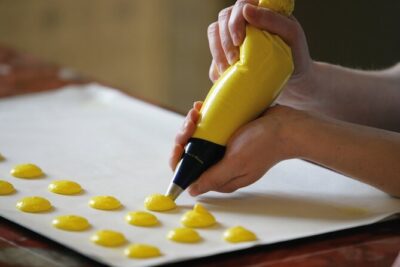
Paris Macarons Small-Group Baking Class with a Chef
Read our review →Browse the lists this tour appears in