
Reviewed · ORSAY & ART MUSEUM TOURS
Paris: Orsay Museum Masterpieces Guided Tour
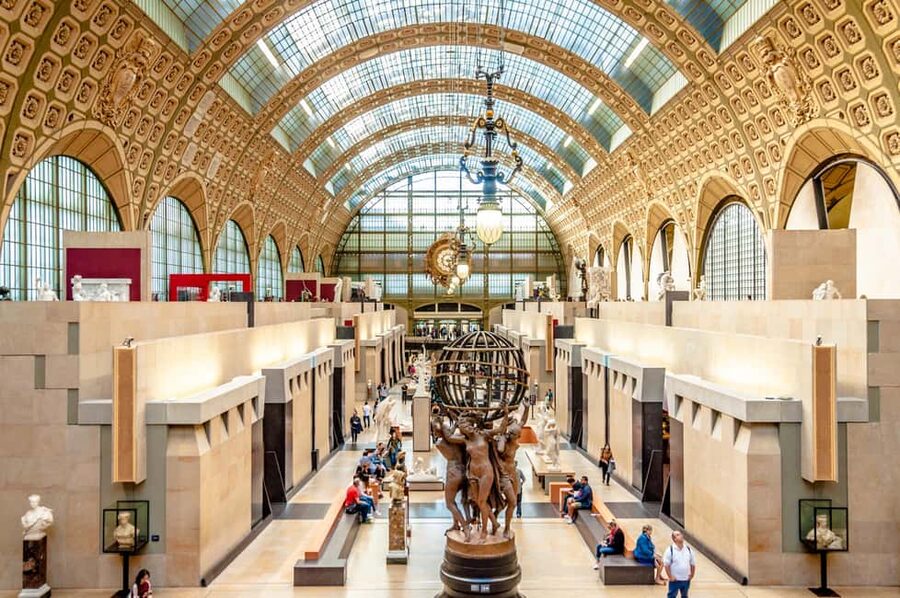
The Musée d’Orsay is one of Paris’s great museum experiences, partly because the art is superb and partly because the building itself is unforgettable: a former railway station with a giant clock, high iron-and-glass spaces, and room for a remarkable sweep of French art. This two-hour tour takes you to major works by Monet, Renoir, Manet, Degas, Cézanne, and Van Gogh without making you find your way through the museum alone.
I like the pre-booked entry, which saves precious Paris time, and I like the choice between a group of up to 25 and a semi-private tour for six. Guides such as Anais, Hamish, Abed, Blerta, and Erwan have been praised for clear explanations, humor, and strong links between art, politics, and French history. The main drawback is that the museum can still be crowded, and two hours gives you highlights rather than a full visit.
In This Review
- Key points to know before you book
- Why the Musée d’Orsay works so well for a guided visit
- Meeting at 5 Rue de la Légion d’Honneur
- Inside the former railway station
- The two-hour highlights route
- The paintings that give the tour its focus
- The guide makes the difference
- Group size, pace, and crowd control
- Is $60 a fair price?
- What to do after the guide leaves
- Who should book this Musée d’Orsay tour?
- Should you book it?
- FAQ
- How long does the Musée d’Orsay tour last?
- What language is the tour offered in?
- Where do I meet the guide?
- How do I reach the meeting point by public transportation?
- Is museum admission included?
- Does the tour include transportation?
- What group sizes are available?
- Can I bring a stroller, backpack, or large bag?
- Is the tour accessible to wheelchair users?
Key points to know before you book
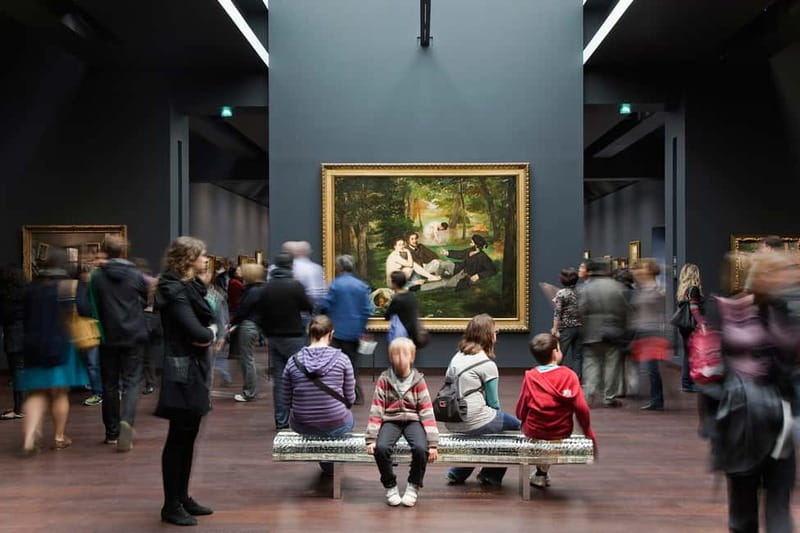
- See major Impressionist works quickly: The route focuses on famous paintings by Monet, Renoir, Manet, Degas, Cézanne, and Van Gogh.
- Meet at the elephant statue: Your guide waits in the courtyard at 5 Rue de la Légion d’Honneur, beside the large elephant sculpture.
- Choose your group size: The standard group can have up to 25 people, while the semi-private option limits the group to six.
- Expect art with context: Guides explain painting methods, personalities, politics, and the period’s sharp break with older artistic rules.
- Plan for walking and crowds: Comfortable shoes matter, and some museum rooms are not air-conditioned.
- Allow extra time afterward: The tour gives you a useful framework, but you may want several more hours to revisit favorite works.
Why the Musée d’Orsay works so well for a guided visit
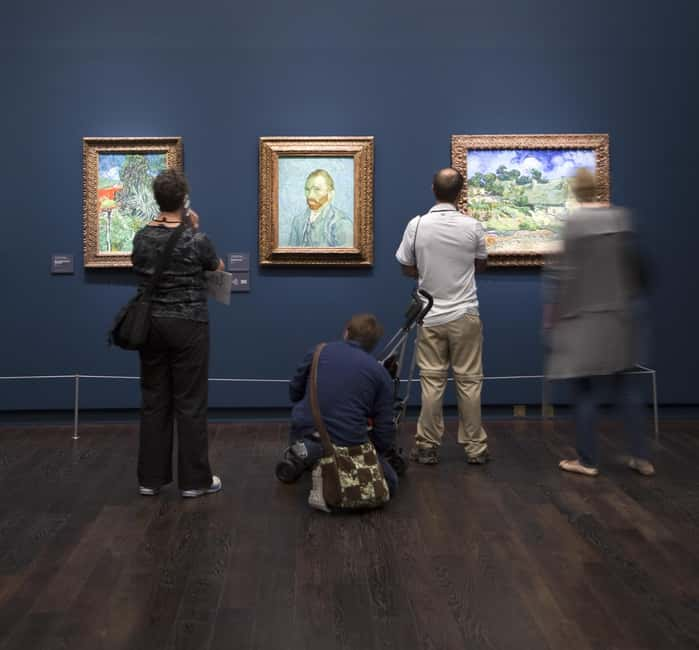
The Musée d’Orsay is not simply a smaller rival to the Louvre. Its collection has a clearer focus, especially for art made from the mid-1800s into the early 1900s. That focus makes a guided visit particularly useful. You can follow how artists moved away from formal studio traditions and began painting modern life, changing light, ordinary people, and the streets around them.
The former railway station gives the museum its special character. You meet in the courtyard in front of the main entrance, between Quai Anatole France and Rue de la Légion d’Honneur. Look for the large elephant statue. It is an easier landmark than trying to spot a guide in a busy Parisian crowd.
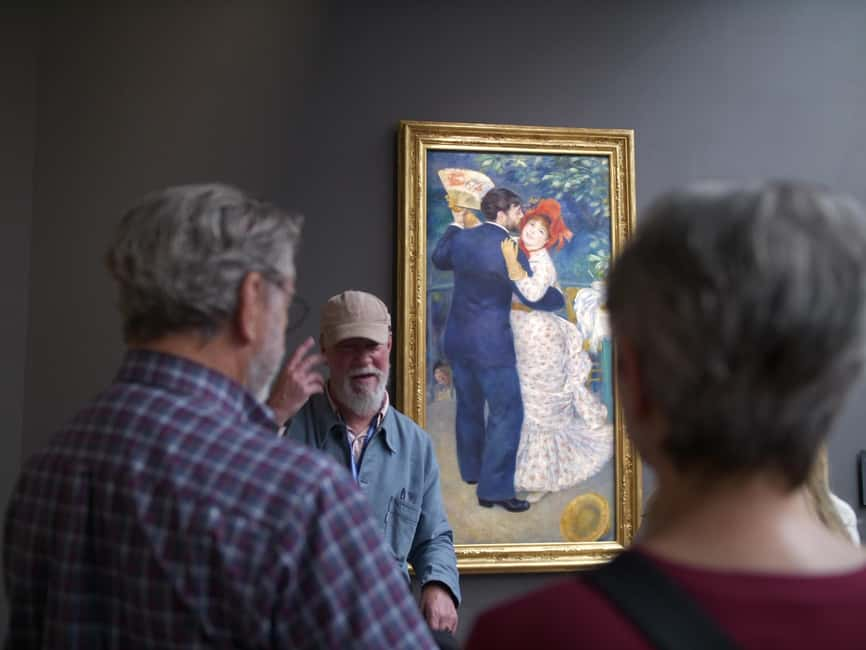
Once inside, your guide connects individual paintings to the broader story. That matters because Impressionist art can look simple at first glance. A guide can point out brushwork, color choices, changing light, and the reason these paintings caused such strong criticism when they first appeared.
I especially value the way this tour treats the artists as people working in a tense and changing period. Monet and his fellow painters were not simply making pretty pictures. They were challenging accepted ideas about what serious art should show and how it should be painted.
More Orsay and art museum visits:
- Paris: Orsay Museum Entry Ticket
★ 4.7 · 25,647 reviews - Paris: Orsay Museum Entry Ticket and Digital Audio Guide App
★ 4.4 · 3,170 reviews - Paris in a Day: Louvre or Orsay, Eiffel Tower, City Walk & Cruise
★ 5.0 · 1,956 reviews
Meeting at 5 Rue de la Légion d’Honneur
The meeting point is in the courtyard outside the museum’s main entrance. Your guide waits at the foot of the elephant statue with a company sign. Arrive with enough time to orient yourself, since the museum sits beside the Seine and the surrounding streets can feel confusing if you approach from a different direction.
The nearest RER stop is Musée d’Orsay on Line C. You can also take Metro Line 12 to Solferino. From Solferino, use Exit 2, marked Musée d’Orsay, then turn left and walk up Rue de Bellechasse to the museum.
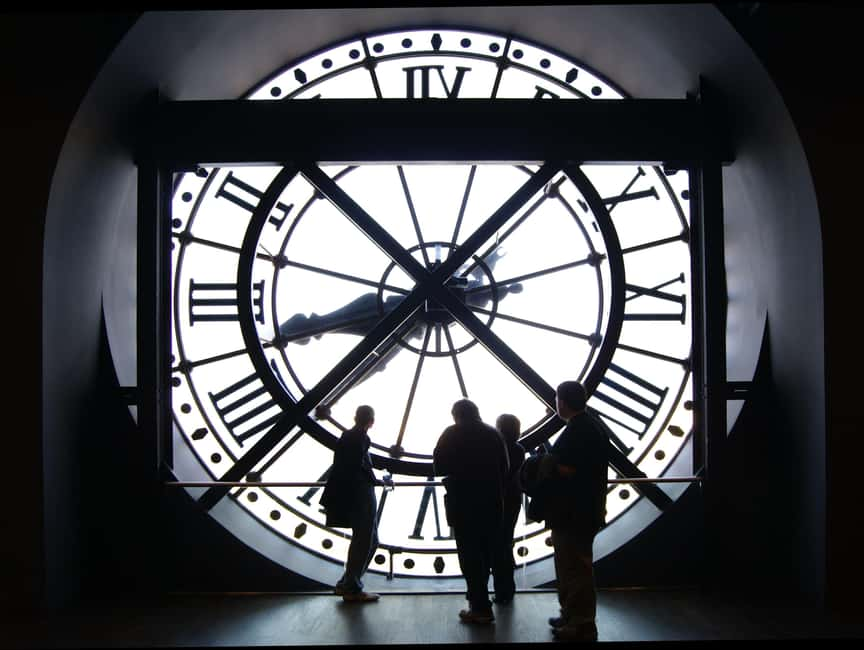
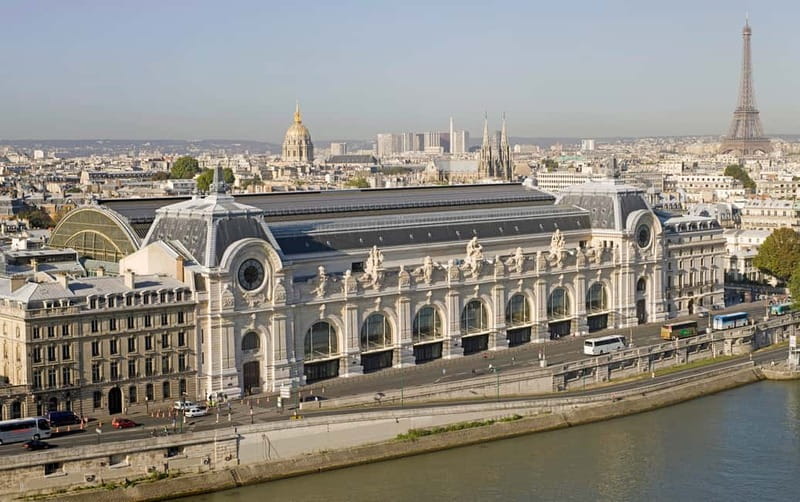
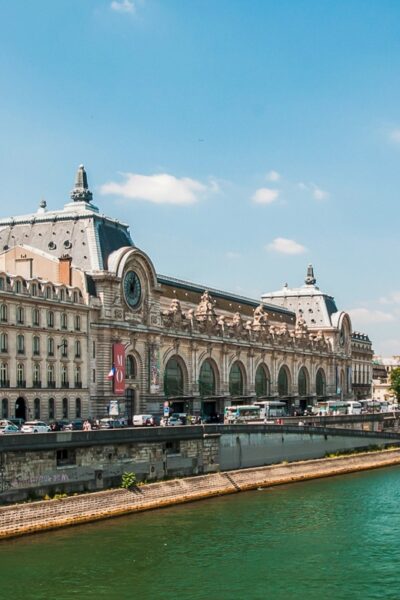
By taxi, ask to be dropped at the Musée d’Orsay entrance. On foot, look for the large former station building with two clocks on the river-facing side. The courtyard sits between the riverfront Quai Anatole France and Rue de la Légion d’Honneur.
Transportation is not included, so you handle your own way to the museum. The good news is that the meeting place is clear once you know to look for the elephant. I would not make the mistake of waiting inside a café or near the river without checking the courtyard first.
Inside the former railway station
The building deserves attention before you even reach the paintings. Musée d’Orsay occupies the old Gare d’Orsay, and its scale helps explain why the museum feels different from many traditional galleries. The structure combines the grandeur of a Beaux-Arts public building with the practical shape of a train station.
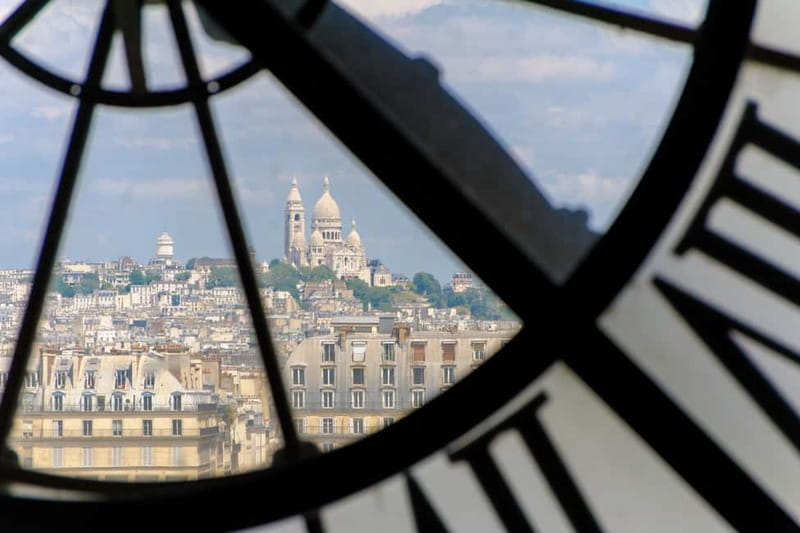
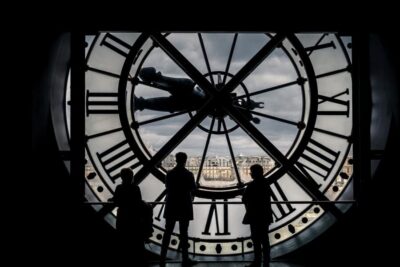
Your guide may begin with the building’s purpose and design before moving into the art collection. This is useful because the setting changes how you experience the museum. Large clocks, long sight lines, sculpture displays, and the central hall give the visit a sense of movement, even though you are walking through galleries rather than boarding a train.
The museum is not fully air-conditioned. Several sections can feel warm, particularly when many people are inside. Wear comfortable shoes and bring only what you need. Backpacks, large bags, luggage, strollers, and baby carriages are not permitted for this activity.
Flash photography is also not allowed. Keep your camera ready for permitted photos, but do not let taking pictures distract you from the paintings. The main value of the tour is the explanation in front of the work, not a hurried collection of phone images.
The two-hour highlights route
The tour lasts two hours and returns to the original meeting point at the end. That timing is useful if you have a packed Paris schedule, but it also sets a firm limit. You will see a carefully chosen selection, not every room in the museum.
A good highlights route helps you get your bearings fast. Instead of spending your first half hour looking at a floor plan, you move directly toward important works and learn why they matter. The guide’s job is not only to identify famous names. It is to show how the pieces relate to one another.
The route includes Impressionist and Post-Impressionist works, with attention to artists such as Monet, Renoir, Manet, Degas, Cézanne, and Van Gogh. You can expect explanations of both technique and setting. Several guides have been praised for discussing the political and social background around the paintings, not just repeating dates and labels.
The experience is especially helpful if you are new to art museums. You do not need to arrive with a vocabulary of art terms. A strong guide can explain why a broken brushstroke matters, how an artist creates the feeling of movement, or why an ordinary Paris scene once seemed radical.
More Paris museums to visit:
- Paris: Louvre Museum Timed-Entrance Ticket
★ 4.6 · 71,977 reviews - Louvre Museum Masterpieces Guided Tour with Access
★ 4.5 · 12,023 reviews - Paris: Louvre Museum Entry Ticket With Host and River Cruise
★ 4.6 · 9,926 reviews - Les Invalides: Napoleon’s Tomb & Army Museum Entry
★ 4.6 · 9,185 reviews
The paintings that give the tour its focus
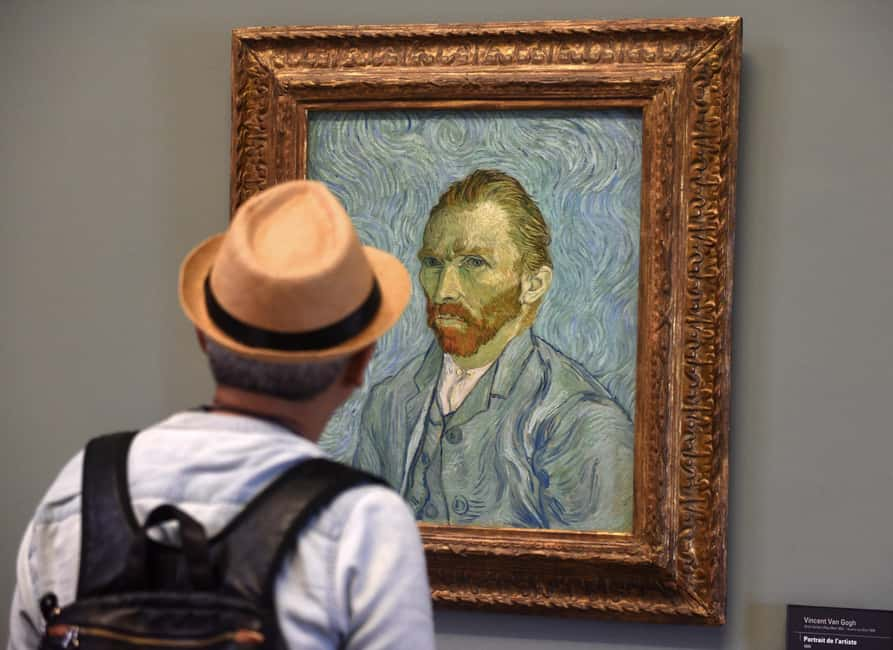
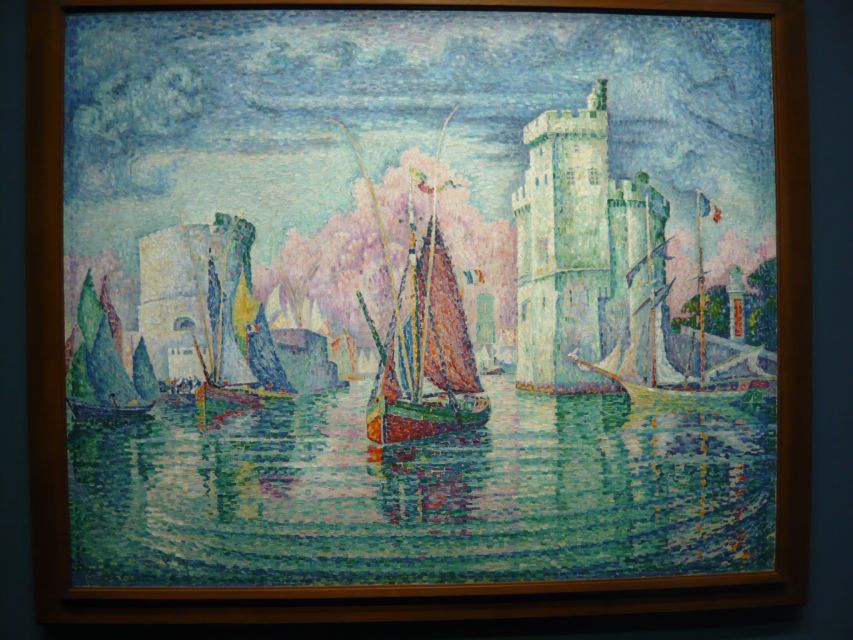
Van Gogh’s Starry Night over the Rhône is one of the named highlights. Its night sky, reflections, and strong color make it a useful work for discussing Van Gogh’s approach to light and emotional expression. Your guide may also connect it to the artist’s broader place in Post-Impressionist art.
Renoir’s Dance at Le Moulin de la Galette presents a very different mood. It shows a Parisian Sunday gathering, with people enjoying music and company. The painting gives you a look at modern leisure as well as Renoir’s handling of movement, light, and crowded figures.
Monet’s work forms an important part of the visit. His paintings are ideal for understanding the Impressionist interest in changing light and direct visual experience. The point is not merely to admire the soft colors. You learn to look at how the brushwork builds the scene.
Manet, Degas, and Cézanne help broaden the story. Manet pushed against established ideas about subject matter and presentation. Degas offers a different view of modern life and the human figure. Cézanne points toward later changes in how artists organized space and form.
The tour cannot promise a fixed response to every room or painting, since museum displays and crowd levels can vary. Still, the named works give you a clear sense of the visit’s purpose: major French art, explained through technique, personalities, and cultural change.
The guide makes the difference
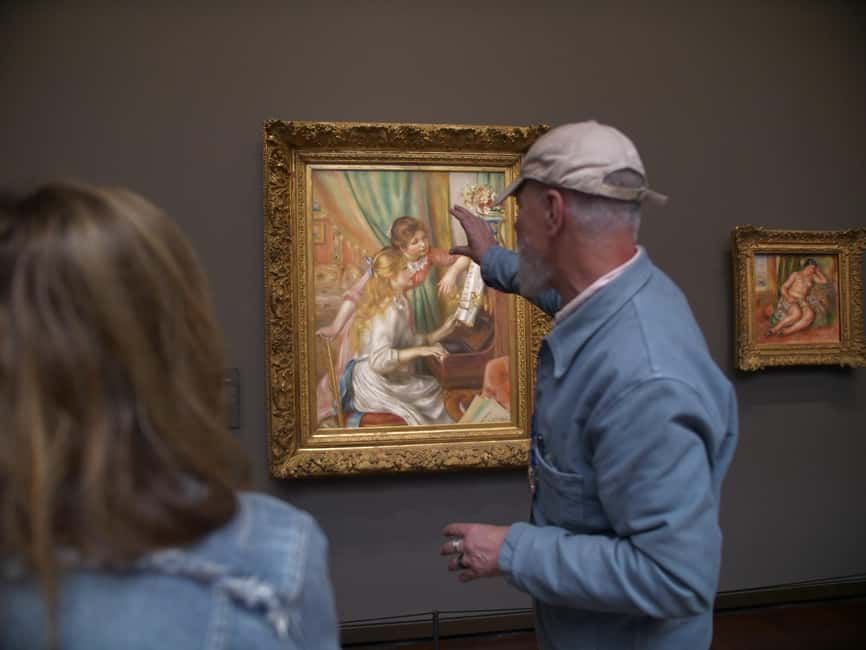
The most important variable is the person leading your group. The experience includes an English-speaking art historian, and the strongest guide accounts praise clear speech, warmth, humor, and the ability to answer questions.
Anais has been singled out for detailed explanations of key works, painting techniques, and historical context. She is also described as patient with questions and good at pointing out useful places for photographs. Hamish has been praised for being friendly and professional, including when the audio equipment caused trouble.
Abed brought strong passion and extra information about the museum building when its opening was delayed. Erwan connected paintings with politics, stories, and the artists’ circumstances, and his enthusiasm extended the visit beyond the planned time. Blerta was valued for explaining art history and technique from the perspective of an artist.
Other guides named in the feedback include Summer, Yen, Eric, Addy, Florence, and Irwin. Their styles may differ, so you cannot book a specific teaching approach unless the operator confirms your guide. You can, however, expect a live English tour rather than a recorded commentary.
Headsets are provided when needed. They are useful in crowded rooms, where you may need to stand a short distance from the guide to see a painting. Audio equipment can occasionally cause problems, but one guide handled that situation calmly and kept the visit moving.
Group size, pace, and crowd control
You can select a semi-private option for six people or a group tour capped at 25. The smaller format costs more in many tour setups, so check the exact price for your date, but it can be worthwhile if you want more chances to ask questions and a closer connection with the guide.
A group of 25 is not tiny. In a crowded museum, some people may need to stand behind the first row, and you may have to move together when the guide changes rooms. The headset helps, but it does not remove the physical limits of a busy gallery.
The guide’s route is a real advantage here. Florence, for example, was praised for leading a group through crowded rooms while still explaining how artists and works fit together. Anais was also praised for navigating a busy museum successfully.
The museum may be unavoidably busy during standard opening hours. Pre-booked entry reduces time in the ticket line, but it does not give you a private museum. If quiet viewing is your top priority, choose your time carefully and consider the semi-private option.
Is $60 a fair price?
At $60 per person, this is not the cheapest way to enter the Musée d’Orsay. You are paying for the museum entrance, reservation fees, an English-speaking art historian, and a structured two-hour route.
The value depends on how you use your time. If you have only one visit to Paris and want to understand the major Impressionist works without planning your own route, the price is reasonable. A guide can save you from wandering through a large collection and can make familiar paintings more rewarding.
The tour is also useful for families or mixed-interest groups. Addy was praised for involving children and giving them special attention without forcing the rest of the group into a child-focused visit. That kind of flexibility can make a museum stop work better for everyone.
The price is harder to justify if you already know the collection well, prefer to read labels at your own pace, or want to spend most of the day inside. In that case, independent admission gives you more freedom. The guided tour is best understood as a focused introduction, not a replacement for a long museum day.
What to do after the guide leaves
Plan extra time after the two-hour visit if your schedule allows. The route gives you a useful framework, then you can return to the artists or rooms that caught your attention.
This is one of the smartest ways to use the tour. During the guided portion, listen for the works and ideas that interest you most. Afterward, you can look again without feeling lost. You may find that a painting you passed quickly now makes more sense because you understand its technique or setting.
You do not have to add extra museum time, but it is worth avoiding a tight appointment immediately afterward. The tour ends back at the meeting point, and you may want a few minutes to collect your belongings and decide where to go next.
Who should book this Musée d’Orsay tour?
I would choose this tour if you are visiting Paris for the first time, have limited museum time, or want a clear introduction to Impressionism. It also suits anyone who likes art better when a person explains the story behind it.
It is a good fit for adults and families who want an English tour with room for questions. The semi-private option is the better pick if you value a smaller group and a more personal pace.
I would hesitate if you use a wheelchair or require special assistance, since the activity cannot accommodate wheelchair users or people with impairments requiring assistance. Strollers and baby carriages are also not accepted on group tours. Anyone with luggage or a large backpack should make other arrangements before arriving.
The walking is manageable for most visitors, but you should wear comfortable shoes. The museum can be warm in areas without air-conditioning, so plan your clothing with that in mind.
You can cancel up to 24 hours before the activity for a full refund, and the reserve-now, pay-later option keeps your plans flexible. Check the available starting times before building the rest of your day around the visit.
Should you book it?
Book this Musée d’Orsay tour if you want the museum’s major Impressionist works, a fast start, and a guide who can connect paintings with French art, politics, and daily life. The strongest part is the interpretation: guides such as Anais, Hamish, Abed, Blerta, and Erwan have made the art easier to understand without reducing it to a list of famous names.
Skip it if you want a quiet, open-ended visit or several hours to explore every gallery. For most first-time visitors, though, $60 buys a useful introduction, pre-booked entry, and a much better sense of what to see next. Add time afterward, and the two-hour tour becomes a strong first chapter rather than the whole museum story.
FAQ
How long does the Musée d’Orsay tour last?
The guided tour lasts two hours. The activity begins and ends at the meeting point outside the museum.
What language is the tour offered in?
The live tour is offered in English.
Where do I meet the guide?
Meet in the courtyard in front of the main Musée d’Orsay entrance at 5 Rue de la Légion d’Honneur. The guide waits at the foot of the large elephant statue with a company sign.
How do I reach the meeting point by public transportation?
The nearest stop is Musée d’Orsay on RER Line C. You can also take Metro Line 12 to Solferino, use Exit 2 marked Musée d’Orsay, turn left, and walk up Rue de Bellechasse.
Is museum admission included?
Yes. Entrance and reservation fees for the Musée d’Orsay are included.
Does the tour include transportation?
No. Transportation to and from the museum is not included.
What group sizes are available?
You can choose a standard group of up to 25 people or a semi-private tour for up to six people.
Can I bring a stroller, backpack, or large bag?
No. Baby strollers, baby carriages, backpacks, luggage, and large bags are not allowed for this activity.
Is the tour accessible to wheelchair users?
No. The activity cannot accommodate wheelchair users or people with impairments requiring special assistance.
Newest additions around Paris
- Family escape Game with kids and teens on the Île de la Cité★ 4.5 · 11 reviews
- Private Photoshoot with the Iconic Eiffel Tower in Paris★ 5.0 · 11 reviews
- 2-day Private Mont Saint-Michel, 3 Loire Castles, D-Day Express★ 4.5 · 11 reviews
- Paris: Batobus Hop-On Hop-Off Cruise & Landmarks Audio Tour★ 3.0 · 11 reviews
- Paris Revolutionary Walking Tour: Iconic French Sights & Stories★ 5.0 · 11 reviews
- Kids in the Kitchen – CrOisSaNtS★ 4.0 · 11 reviews
- Guided and Private Tour of 3 hours through Paris aboard a Citroën 2cv★ 5.0 · 11 reviews
- Paris: Ghosts and Dark Stories Guided Walking Tour★ 4.1 · 11 reviews
Orsay & Art Museum Tours, compared.
Orsay Museum Entry Ticket and Digital Audio Guide App
Read our review →
Paris in a Day: Louvre or Orsay, Eiffel Tower, City Walk & Cruise
Read our review →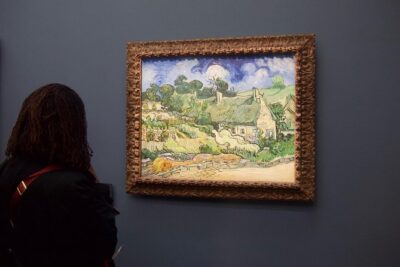
Musée d’Orsay Skip-the-Line Tour with Expert Guide
Read our review →
Musée d’Orsay Skip-the-Line Tour with Expert Guide
Read our review →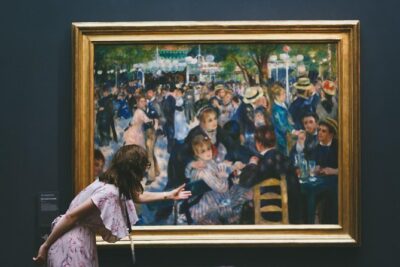
The Musée d’Orsay Guided Tour Orsay Museum Semi-Private 6ppl Max
Read our review →
Louvre & Musée d’Orsay Guided Museum Tour Semi-Private 6ppl Max
Read our review →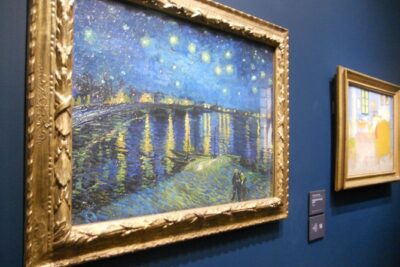
Browse the lists this tour appears in