
Reviewed · MONTMARTRE & SACRé-COEUR TOURS
Paris: Musée de Montmartre and Gardens Entry Ticket
Montmartre’s best story is not only told from the steps of Sacré-Cœur. It unfolds inside Musée de Montmartre, a seventeenth-century house tied to artists, cafés, cabarets, and the district’s bohemian years. The museum helps you see Montmartre as a working artistic neighborhood, not just a postcard view.
I like the 90-minute audio guide, which gives the paintings and rooms a clear historical thread, and I like the peaceful Renoir Gardens, where you can pause after the galleries. The main thing to consider is scale: this is a small museum, and some rooms are easy to miss, especially around the café. Allow time and follow the signs carefully.
In This Review
- Key points at a glance
- Why Musée de Montmartre tells a better story than a quick hilltop visit
- Inside Bel Air House, where Montmartre’s artists gathered
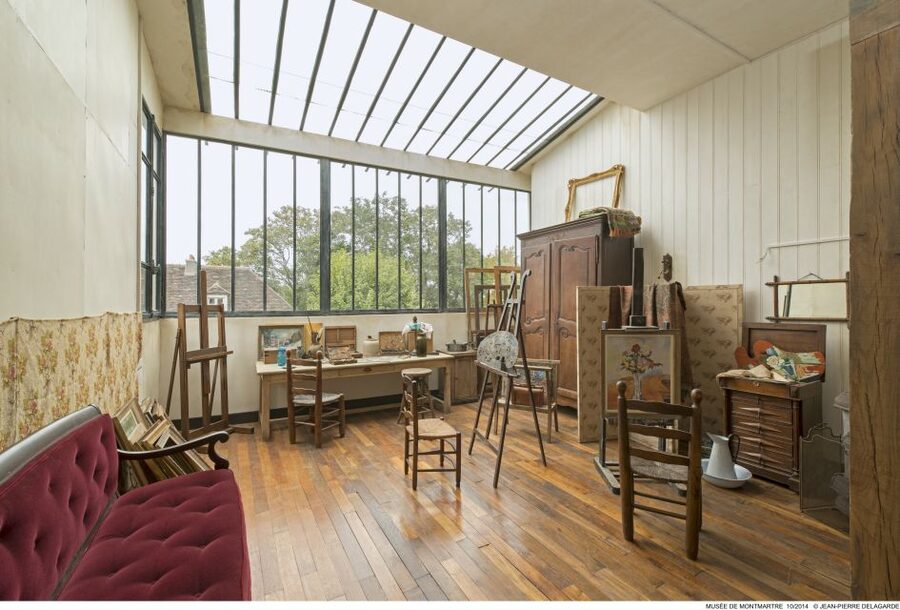
- The studios at 12 Cortot and the artists’ domestic world
- Temporary exhibitions add a second reason to visit
- Renoir Gardens and the Montmartre vineyard
- Café Renoir, a useful pause with one caution
- How long to allow and how to plan the visit
- Is the $16 ticket good value?
- Who will enjoy Musée de Montmartre most?
- Should you book this Montmartre museum ticket?
- FAQ
- How long does the audio guide last?
- What does the ticket include?
- Is a live guide included?
- What are the museum’s opening hours?
- When is Café Renoir open?
- Is the museum wheelchair accessible?
- Can I cancel for a refund?
- Can I pay later?
Key points at a glance
- A seventeenth-century setting: Enter Bel Air House, described as the oldest building in Montmartre.
- A story beyond painting: Learn about mills, cabarets, shadow theatre, cafés, performers, and the artists who made the district famous.
- Renoir Gardens included: Walk through the museum gardens and see the Montmartre vineyard.
- A 90-minute audio tour: Explore with recorded commentary, then stay longer at your own pace.
- Temporary exhibitions included: Your ticket covers both the permanent collection and current special displays.
- A quiet break from the hill: The Café Renoir gives you a place to rest, though opening hours and private events can affect your plans.
Why Musée de Montmartre tells a better story than a quick hilltop visit
A walk through Montmartre can easily become a hunt for famous views and souvenir shops. Musée de Montmartre gives the neighborhood a proper setting and a human scale. You enter a house connected with artists and then follow the district’s change from countryside outside Paris to a center of art, entertainment, and nightlife.
The museum traces the period when Montmartre was annexed to Paris in the nineteenth century. That political change matters because it brought the growing city closer to the rural village. As Paris pressed outward, Montmartre changed too. Artists moved in from around 1870, and cafés and cabarets multiplied during the 1880s.
I find this background useful because it explains why Montmartre became such a draw for creative people. The district was not famous simply because artists happened to live there. Its mix of inexpensive space, entertainment, rural traces, and distance from central Paris helped create the setting.
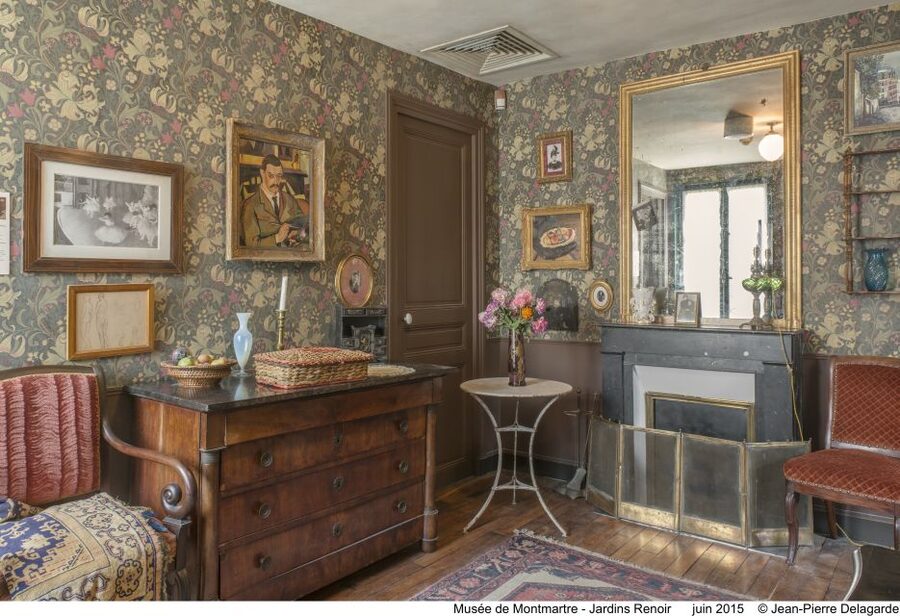
The museum occupies Bel Air House, a seventeenth-century building described as the oldest in Montmartre. That age gives the visit a sense of place that a modern gallery could not provide. You are not only looking at objects from the past. You are walking through an old residence associated with the area’s artistic life.
More Montmartre walks and visits:
- Montmartre Hidden Gems and Scenic Highlights Walking Tour
★ 5.0 · 2,684 reviews - Montmartre Hill French Gourmet Food and Wine Tasting Walking Tour
★ 5.0 · 2,588 reviews - Paris: Montmartre Cheese, Wine & Pastry Guided Walking Tour
★ 4.8 · 2,255 reviews
Inside Bel Air House, where Montmartre’s artists gathered
The first part of your visit focuses on the permanent collection and the story of Montmartre itself. The displays cover the district’s mills, photographs, artists, cabarets, and social life. This is broader than a museum devoted only to famous painters.
You will encounter the world of the Chat Noir, the celebrated cabaret known for performances by the Théâtre d’Ombres, or shadow theatre. Henri Rivière and Henry Somm created this form in 1866, and it became part of the neighborhood’s theatrical identity.
The museum also brings together the various entertainments that shaped Montmartre: theatre, music, circus, and dance. Performers such as Aristide Bruant and Yvette Guilbert drew crowds with their songs and recited texts. At the Moulin Rouge, dancers including La Goulue, La Môme Fromage, and Grille d’Egouts became part of the district’s popular culture.
Toulouse-Lautrec repeatedly recorded this world in his art. His posters and images are important because they show how Montmartre’s entertainment became visual shorthand for Paris. Even if you arrive mainly for impressionist connections, the cabaret material gives you a wider view of the people and places behind the famous images.
The museum’s approach is especially useful if you are visiting Montmartre with someone who does not want a painting-only experience. The story includes architecture, performance, nightlife, photography, and social change. It gives children and casual museumgoers more points of entry, though the café menu may not suit particularly fussy children.
The studios at 12 Cortot and the artists’ domestic world
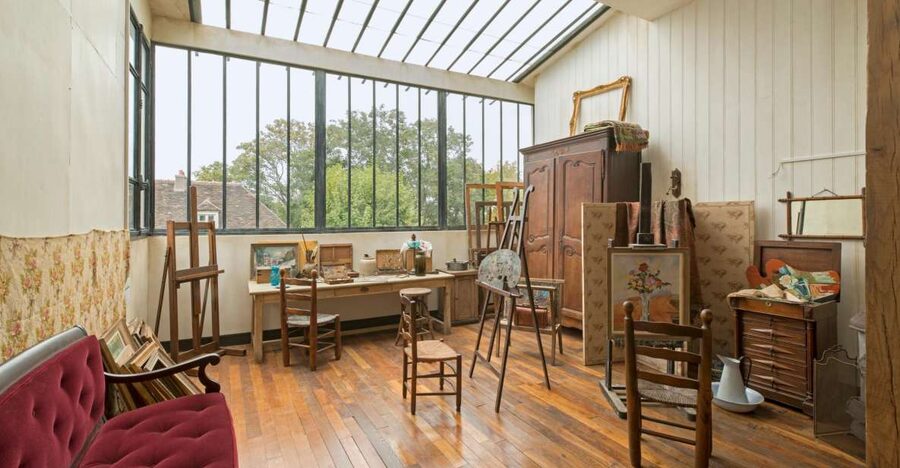
One of the most appealing parts of Musée de Montmartre is its attention to artists’ homes and studios. The address 12 Cortot saw several artists pass through its rooms, and many painted the place where they lived and worked.
That domestic focus helps you picture creative life in Montmartre without turning the visit into a list of famous names. You get a sense of rooms used for work, conversation, and daily life. The intimacy is part of the museum’s appeal. It feels closer to a former residence than to a large institution built for grand displays.
The audio guide lasts about 90 minutes and is included with admission. I recommend using it because the museum’s history is layered, and the context makes the rooms more meaningful. You can listen through the main visit, then return to the works that catch your eye.
There is no live guide included, so the experience is self-directed. That is a benefit if you prefer to move slowly or stop often. It also means you should not expect a personal guide to point out every small detail. Pay attention to the signs, particularly in areas connected with the café, because one visitor found that several spaces were easy to overlook.
Temporary exhibitions add a second reason to visit
Your ticket includes temporary exhibitions as well as the permanent collection. This can change the character of the visit depending on what is on display.
Recent visitors particularly enjoyed an exhibition devoted to Maximilien Luce, while another special show on Herbin was praised for its size and for showing how his style changed over his life. These exhibitions demonstrate why it is worth checking the current program before you book. The permanent collection gives you the Montmartre story, while the temporary display may provide a more focused art experience.
Special exhibitions may also be held in a separate area across the garden. That layout is worth knowing in advance. If you finish the main rooms and assume the visit is over, you could miss a substantial part of the ticketed experience.
Exhibition access can vary on a particular day. One visit found a top floor closed, although the temporary exhibition and café were still available. I would treat this as a small museum with changing conditions rather than expect every room to be open on every visit.
A few more Paris ideas to compare
- Paris: Louvre Museum Timed-Entrance Ticket
★ 4.6 · 71,977 reviews - Disneyland® Paris 1-Day Ticket
★ 4.6 · 49,412 reviews - Paris: Versailles Palace and Gardens Full Access Ticket
★ 4.6 · 41,579 reviews - Paris: Arc de Triomphe Rooftop Tickets
★ 4.6 · 34,264 reviews
Renoir Gardens and the Montmartre vineyard
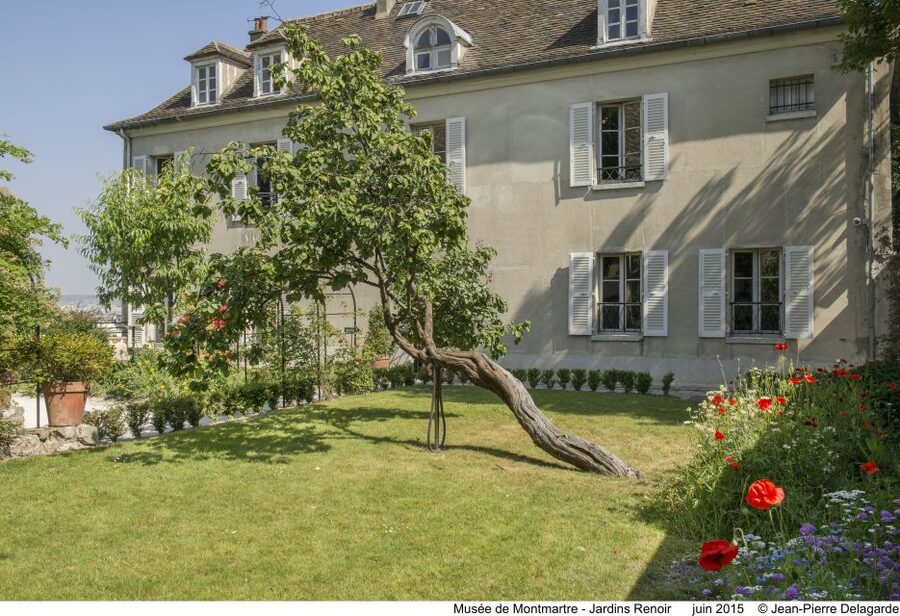
The gardens are not an afterthought. They are one of the strongest reasons to add this museum to a Montmartre day. The ticket includes the Renoir private garden, and you can also see the Montmartre vineyard.
The garden gives you a quiet pause between the museum rooms and the busy streets outside. It is especially useful if you are building a full day around Montmartre and want somewhere to sit, take a breath, or have a light meal.
The gardens have appeal in every season. They were praised even during rainy weather and in winter, when the plants are less showy. In spring and summer, the flora should be at its most rewarding, but you do not need perfect weather to appreciate the setting.
The vineyard is a reminder that Montmartre once had a more rural character. It connects with the museum’s larger story: before the cafés, posters, and cabarets, this hill was part of the countryside around Paris. Seeing the vines makes the district’s transformation easier to understand.
Do not rush through the gardens just because the museum is the main attraction. I would plan at least a little time outside, particularly if you enjoy photography, plants, or peaceful corners. The garden also helps break up a visit for children, who may have limited patience for a full round of galleries.
Café Renoir, a useful pause with one caution
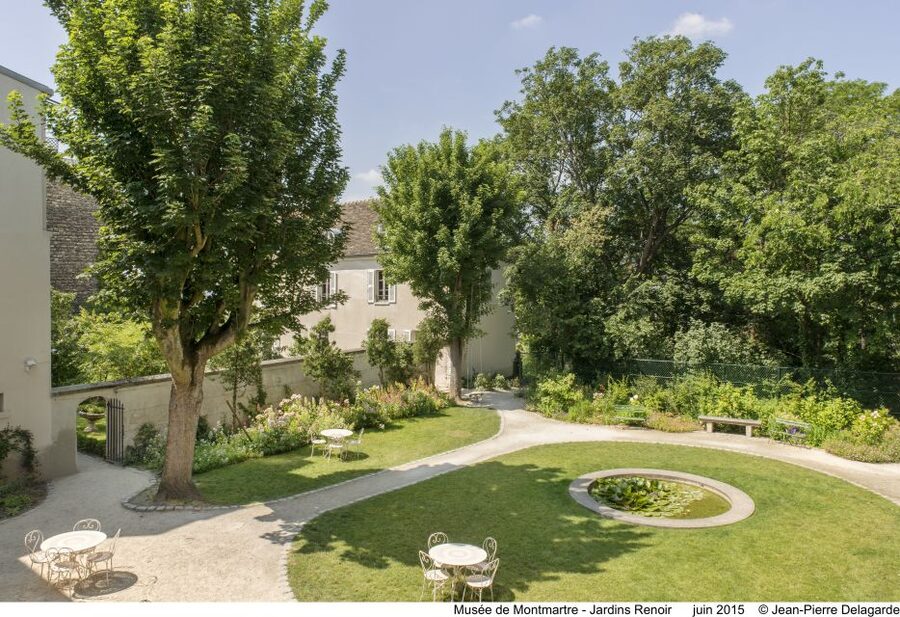
Café Renoir is open from 11:00 AM to 6:00 PM, while the museum runs from 10:00 AM to 7:00 PM. That makes a late morning or early afternoon visit convenient if you want to combine the galleries with lunch or a drink.
The café is in or around the garden area, and it can become part of the route through the museum. This is one reason to read the signs rather than assume you have seen every room. One visitor enjoyed a relaxed lunch in the garden, and another singled out the hot chocolate as a treat.
Still, do not make the café the foundation of your schedule. It can close for a private event, as happened during one visit. If you are visiting with children or need a dependable meal, have another plan nearby. The café is best treated as a pleasant extra, not a guaranteed restaurant stop.
How long to allow and how to plan the visit
The audio tour itself takes about 90 minutes. Since you may stay and explore at your own pace, I would allow two to three hours if you want the permanent collection, temporary exhibition, garden, and café without hurrying.
The museum is open from 10:00 AM to 7:00 PM, with last entry 45 minutes before the halls close. The café closes earlier, at 6:00 PM. A late arrival can work for a short museum visit, but it is a poor choice if you want the garden and a full look at the special exhibition.
Your voucher is shown at the entrance, and the ticket includes skip-the-ticket-line access. That saves some time, especially on a busy day, though it does not turn the museum into a timed private visit. You still need to allow enough time for the rooms and garden.
The museum is wheelchair accessible. Montmartre itself is hilly, and one visitor described the walk up as a bit of a trek. That walk can be part of the neighborhood experience, but you should factor it into your energy and timing. The route takes you past local shops and cafés, so it can also serve as a slower introduction to the area.
Free cancellation is available up to 24 hours before the visit, and you can reserve now and pay later. Those terms are useful in Paris, where weather, museum plans, and long walking days can change quickly.
Is the $16 ticket good value?
At $16 per person, this is fairly priced if you plan to use the full ticket. You are paying for the permanent collection, temporary exhibitions, gardens, vineyard view, café access, and audio guide in one visit.
The value is strongest for visitors who want context. If your only goal is a quick look at a few paintings, the museum may feel small. If you want to understand the old mills, the Chat Noir, the Moulin Rouge performers, the studios, and the artists’ connection to Montmartre, the ticket earns its place.
The garden improves the value because it gives you more than indoor gallery time. You can pair the visit with a break, especially if you have already spent hours walking the hill. The audio guide also helps you get more from a compact collection without paying for a separate live tour.
The main limitation is that temporary displays and room access can change. Check what is currently open if a particular artist or exhibition is the main reason you are going. Even with a closed floor, the permanent collection, garden, and other exhibition areas can still make for a worthwhile visit.
Who will enjoy Musée de Montmartre most?
I would recommend this museum to anyone interested in impressionism, Toulouse-Lautrec, cabaret culture, or the social story of Paris at the end of the nineteenth century. It is also a good choice if you want Montmartre with fewer crowds and more substance than a quick photo stop.
It suits couples, solo visitors, families with older children, and anyone who likes to mix art with architecture and a garden break. The calm pace is a plus. You can listen to the audio guide, stop for photographs, and take your time without following a group.
You may want to skip it if your Paris schedule is extremely tight or if you dislike small historic museums with uneven room layouts. It is not a giant collection, and the route may require attention to signage. The café is useful but not dependable enough to plan your whole meal around.
Should you book this Montmartre museum ticket?
Book it if you want to understand what made Montmartre an artistic center, not simply admire the view from above. The old Bel Air House, the rooms linked to artists, the cabaret material, and the Renoir Gardens create a visit with both indoor substance and outdoor calm.
I would book it for a two to three hour window, use the full audio guide, check the temporary exhibition, and leave time for the garden. At $16, it is a sensible buy for art lovers and curious first-time visitors. If you are only passing through Montmartre for Sacré-Cœur and have no spare time, save it for another Paris visit.
FAQ
How long does the audio guide last?
The audio tour lasts about 90 minutes. You are welcome to remain in the museum and continue exploring at your own pace afterward.
What does the ticket include?
The ticket includes entry to the permanent and temporary exhibitions, access to the museum gardens and Café Renoir, the Renoir private garden, the Montmartre vineyard area, and an audio guide.
Is a live guide included?
No. A live guide is not included. The visit uses an audio guide instead.
What are the museum’s opening hours?
The museum is open from 10:00 AM to 7:00 PM. Last entry is 45 minutes before the halls close.
When is Café Renoir open?
Café Renoir is open from 11:00 AM to 6:00 PM.
Is the museum wheelchair accessible?
Yes. The activity information states that the museum is wheelchair accessible.
Can I cancel for a refund?
Yes. You can cancel up to 24 hours in advance for a full refund.
Can I pay later?
Yes. The booking option allows you to reserve your spot and pay nothing at the time of booking.
Newest additions around Paris
- Family escape Game with kids and teens on the Île de la Cité★ 4.5 · 11 reviews
- Private Photoshoot with the Iconic Eiffel Tower in Paris★ 5.0 · 11 reviews
- 2-day Private Mont Saint-Michel, 3 Loire Castles, D-Day Express★ 4.5 · 11 reviews
- Paris: Batobus Hop-On Hop-Off Cruise & Landmarks Audio Tour★ 3.0 · 11 reviews
- Paris Revolutionary Walking Tour: Iconic French Sights & Stories★ 5.0 · 11 reviews
- Guided and Private Tour of 3 hours through Paris aboard a Citroën 2cv★ 5.0 · 11 reviews
- Kids in the Kitchen – CrOisSaNtS★ 4.0 · 11 reviews
- Paris: Ghosts and Dark Stories Guided Walking Tour★ 4.1 · 11 reviews
Montmartre & Sacré-Coeur Tours, compared.

Montmartre Hidden Gems and Scenic Highlights Walking Tour
Read our review →
Montmartre Hill French Gourmet Food and Wine Tasting Walking Tour
Read our review →
Montmartre Cheese, Wine & Pastry Guided Walking Tour
Read our review →
Montmartre Highlights Walking Tour with a Local Guide
Read our review →
Sacré-Coeur and Montmartre Tour with Expert Guide
Read our review →
Private Montmartre Food Tour with Wine, Cheese & Pastries
Read our review →
Paris Montmartre Food Tour – A Full French Meal by Do Eat Better
Read our review →
Hidden Montmartre: Paris’ Secret Streets Walking Tour
Read our review →Browse the lists this tour appears in