

Reviewed · MONTMARTRE & SACRé-COEUR TOURS
Paris: Montmartre Highlights Walking Tour with a Local Guide
Montmartre is best understood on foot, one crooked lane and old artist story at a time. This 140-minute tour starts beneath Sacré-Cœur and moves through the neighborhood’s artistic and rebellious past, ending near Place du Tertre, where painters still work outdoors. Guides such as Yazid, Sylvia, and Jean Baptiste bring plenty of personality to the walk.
I like the route’s mix of famous photo stops and quieter corners, including old passageways, courtyards, vineyards, and former cabarets. I also like the local storytelling, which reaches beyond Picasso and Van Gogh to figures such as Dalida, Charles Aznavour, and Edith Piaf. The main consideration is the walking: Montmartre sits on a hill, and the tour is not suitable for wheelchair users or people with mobility impairments.
In This Review
- Key points to know before you book
- Why Montmartre makes a good walking tour
- Starting beneath Sacré-Cœur at Place Saint-Pierre
- The Wall of Love and Montmartre’s romantic side
- Bateau-Lavoir, where modern art took shape
- Moulin de la Galette and the paintings you already know
- Maison Rose and the value of a slower pause
- Beyond the postcard streets
- Finishing at Place du Tertre
- How much walking and climbing should you expect?
- Is $34 a fair price?
- Who will enjoy this Montmartre walk?
- Should you book it?
- FAQ
- How long does the Montmartre walking tour last?
- What language is the tour conducted in?
- Where does the tour start?
- Where does the tour end?
- What sights are included?
- Is food included?
- Is the tour suitable for children?
- Is the tour wheelchair accessible?
- Can I cancel the booking?
Key points to know before you book
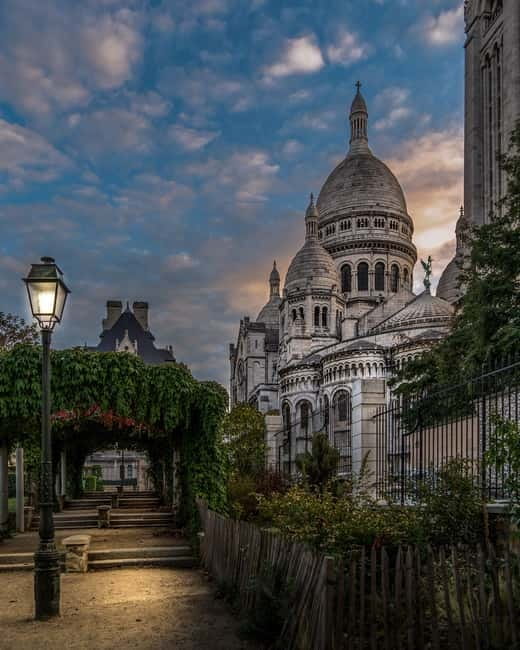
- Artistic Montmartre in one compact walk: See the Wall of Love, Bateau-Lavoir, Moulin de la Galette, Maison Rose, and Place du Tertre.
- Guides with strong personalities: Yazid, Sylvia, and Jean Baptiste are praised for lively explanations, humor, and real enthusiasm for the area.
- Small group format: Groups are limited to 16 people, making it easier to hear the guide and ask questions.
- Useful family touch: The tour is adapted for children, and the guide takes family photos at different spots.
- A hill walk with pauses: The route includes rest periods, but comfortable shoes remain essential.
- Good timing for Sacré-Cœur: The walk ends by the basilica, with tips for visiting it on your own afterward.
Why Montmartre makes a good walking tour
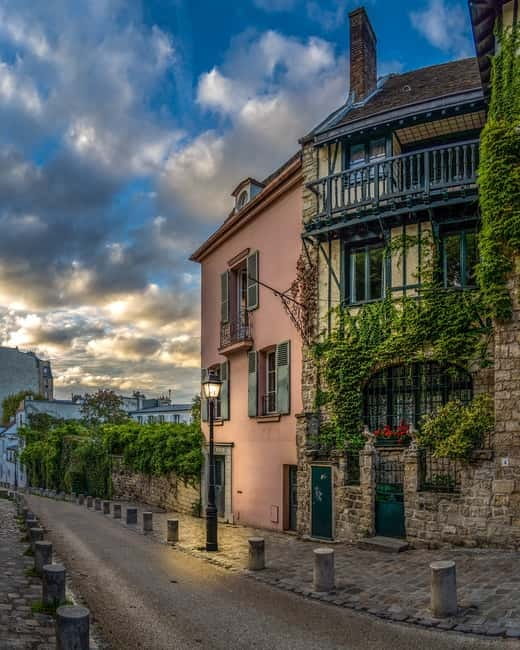
Montmartre can look simple on a map: go uphill, see Sacré-Cœur, take a photo at Maison Rose, and wander around Place du Tertre. That plan misses the point. The neighborhood’s charm comes from how its streets, artists, cafés, music, politics, and ordinary residents overlap.
A guide gives those pieces a human shape. Instead of seeing only a pretty staircase or a famous restaurant front, you hear why artists came here, how the district became linked with modern art, and how singers and performers helped form its identity. The stories connect the buildings to people, which makes the walk more than a checklist of Paris sights.
The group size matters, too. A maximum of 16 people is small enough for a conversational feel, though it is not a private tour. You should be able to hear the guide clearly and get answers to questions without stopping the entire street.
The tour is in English. The strongest guide names associated with this experience are Yazid, Sylvia, and Jean Baptiste. Yazid is especially praised for bringing together art, music, and local history. Sylvia is described as friendly, fluent, entertaining, and good at keeping a comfortable pace. Jean Baptiste is noted for his education, warmth, and ability to encourage people to see Montmartre from a Parisian point of view.
More Montmartre walks and visits:
- Montmartre Hidden Gems and Scenic Highlights Walking Tour
★ 5.0 · 2,684 reviews - Montmartre Hill French Gourmet Food and Wine Tasting Walking Tour
★ 5.0 · 2,588 reviews - Paris: Montmartre Cheese, Wine & Pastry Guided Walking Tour
★ 4.8 · 2,255 reviews
Starting beneath Sacré-Cœur at Place Saint-Pierre
The meeting point is Place Saint-Pierre, near the carrousel. Look for the Paris Tours Experiences sign and the guide nearby. This location puts you right beneath Sacré-Cœur, so the tour begins with one of Paris’s best elevated views.
The opening talk gives you a useful frame for the neighborhood. You see Paris spread out below while the guide explains why Montmartre became associated with artists, rebels, entertainers, and people living outside the city’s formal center. It is a strong beginning because the view shows you the scale of Paris before the route turns into narrow streets.
Do not treat this first stop as a quick photo only. It helps you understand Montmartre as a hilltop district with its own character. You will also get practical advice for seeing the Sacré-Cœur basilica after the walk, which is useful if you want to avoid rushing through both experiences at once.
The Wall of Love and Montmartre’s romantic side

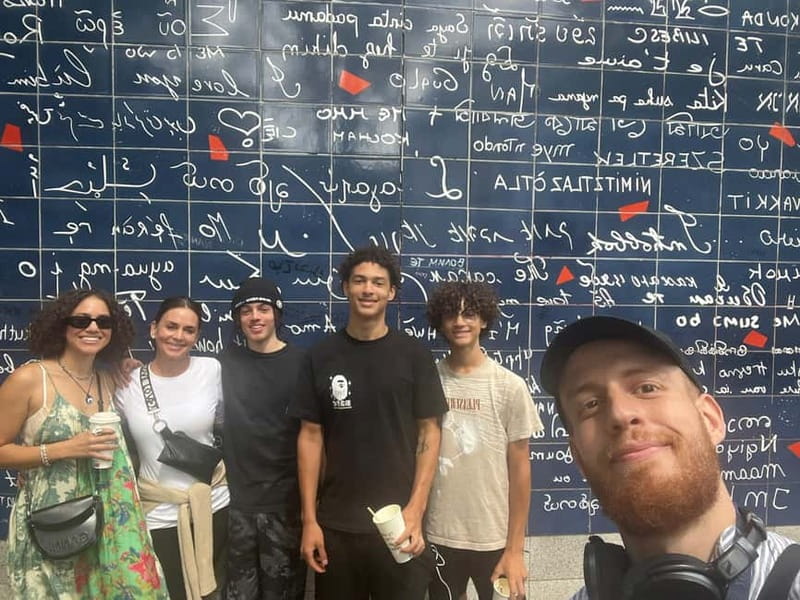
The next major stop is the Wall of Love, a tiled artwork displaying 311 ways to say I love you in dozens of languages. The guide spends about 30 minutes here and around the next main stops, so you get more than a passing photograph.
This stop changes the tone of the walk. Montmartre is often presented as a place of painters and cabarets, but the Wall of Love adds a softer, more modern symbol. It is a popular place for couples and family photos, and the guide can help turn the stop into a keepsake rather than another hurried snapshot.
The guide also takes family pictures at different points along the route. That is a small inclusion, but it matters if you are traveling with children or want a group photo without handing your phone to a stranger.
Bateau-Lavoir, where modern art took shape
Bateau-Lavoir is one of the most important stops for anyone interested in art. Picasso, Modigliani, and other artists lived and worked here, and the guide explains how their ideas helped change the direction of modern art.
The value is in the setting and the explanation together. A name such as Picasso can feel distant when it appears in a museum caption. Here, the story links the artist to a particular building and neighborhood. You get a clearer sense of why Montmartre attracted painters who were willing to live cheaply, work intensely, and challenge accepted rules.
This is also where the tour may feel more like an art history walk than a casual neighborhood stroll. One participant found the amount of explanation longer than expected, while still considering the afternoon worthwhile. If you prefer quick facts and constant movement, this stop may feel slow. If you enjoy context, it is one of the strongest parts of the route.
More Paris walking tours:
- Paris Top Sights Half Day Walking Tour with a Fun Guide
★ 5.0 · 2,893 reviews - Paris Île de la Cité and Notre-Dame Walking Tour With Crypt
★ 5.0 · 2,272 reviews - Paris in a Day: Louvre or Orsay, Eiffel Tower, City Walk & Cruise
★ 5.0 · 1,956 reviews - Paris City Center Free Walking Tour (Tip-Based)
★ 5.0 · 1,340 reviews
Moulin de la Galette and the paintings you already know
Moulin de la Galette is a photo stop and a lesson in Montmartre’s working past. The windmill was once real and later became an icon of impressionist painting.
The guide uses the site to explain the difference between the Montmartre people see today and the less polished district that attracted artists in earlier years. The windmill helps make that change visible. It is not simply a picturesque object. It points to the old village character that survived as Paris grew around the hill.
This is a good place to pay attention to the guide’s storytelling rather than expecting a long interior visit. The tour is about streets, views, façades, and stories. It does not include food, and the listed stops are outdoor visits and photo opportunities rather than museum admissions.
Maison Rose and the value of a slower pause
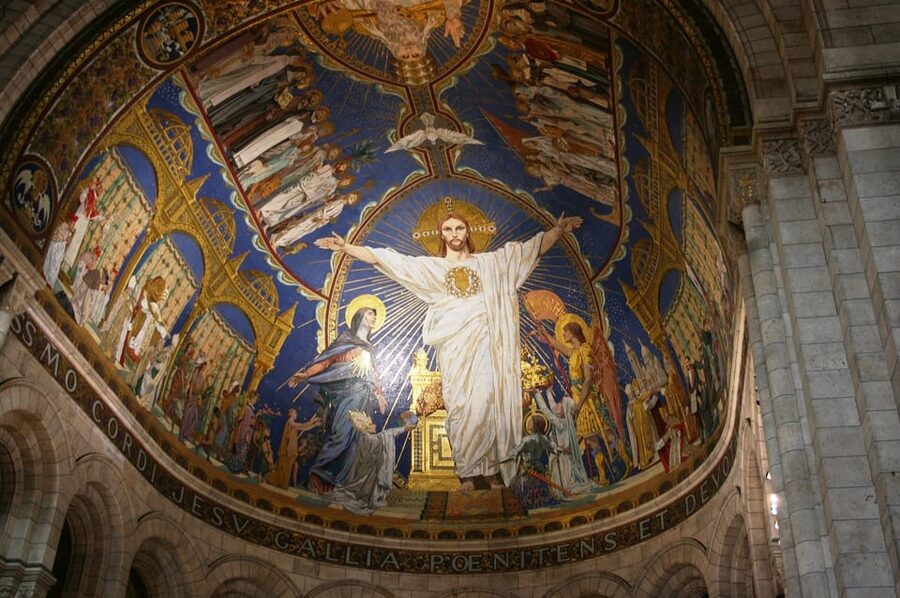
Maison Rose is one of Montmartre’s most photographed façades. The tour allows time for a break, pictures, and an explanation of why the building became so closely tied to the district’s visual identity.
The break is helpful. A 140-minute walking tour can feel full, particularly when the route includes hills and cobbled streets. A pause lets you catch up with the group, take photos, and absorb the setting without trying to listen and frame a picture at the same moment.
This is also a good point to ask the guide for local suggestions. Yazid is praised for offering café advice and adjusting the pace to the group’s interests. That kind of practical conversation can be more useful than a fixed list of recommendations, especially if you want to stay in Montmartre afterward.
Beyond the postcard streets
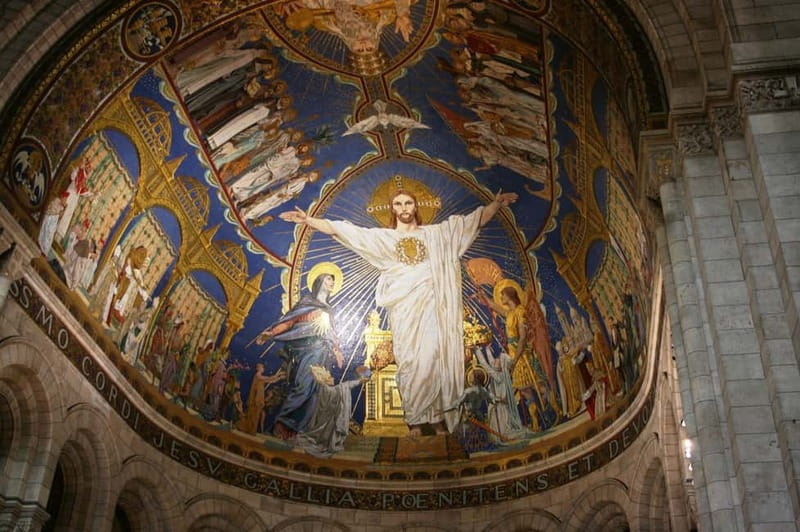
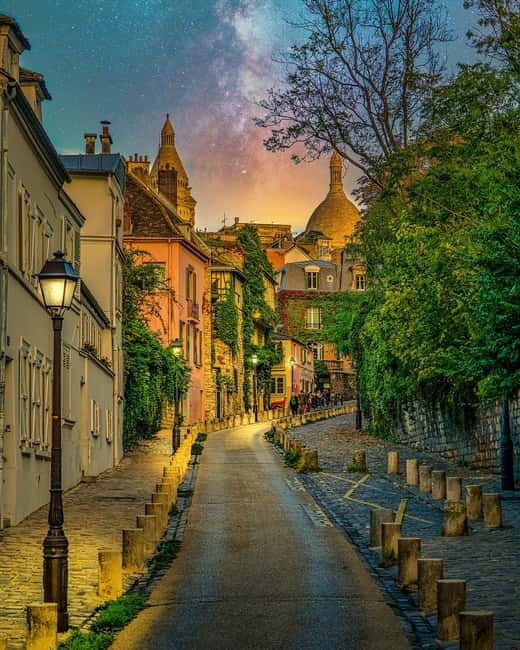
The route continues into less obvious parts of Montmartre. You may pass vineyards, quiet courtyards, old cabarets, and narrow passageways that are easy to miss when you follow only the main tourist streets.
This is where the tour earns its price. You can see Maison Rose and Place du Tertre by yourself, but it is harder to find the quieter corners and understand their connection to the neighborhood. The guide gives you a reason to turn down a side street instead of walking straight toward the next major sight.
The stories cover revolution, resistance, art, and eccentric local characters. They also include musicians and singers such as Dalida, Edith Piaf, and Charles Aznavour, alongside painters including Van Gogh, Picasso, Toulouse-Lautrec, Dali, and Modigliani. That range gives the walk a wider feel than a standard painter-focused route.
A guide who uses music, photographs, or small visual references can make this part especially memorable. Yazid is praised for bringing those different subjects together and for making the tour personal. Sylvia is praised for adding entertaining facts while maintaining a steady pace. The exact guide depends on the departure, so you should not book on the assumption that one named person will lead your group.
Finishing at Place du Tertre
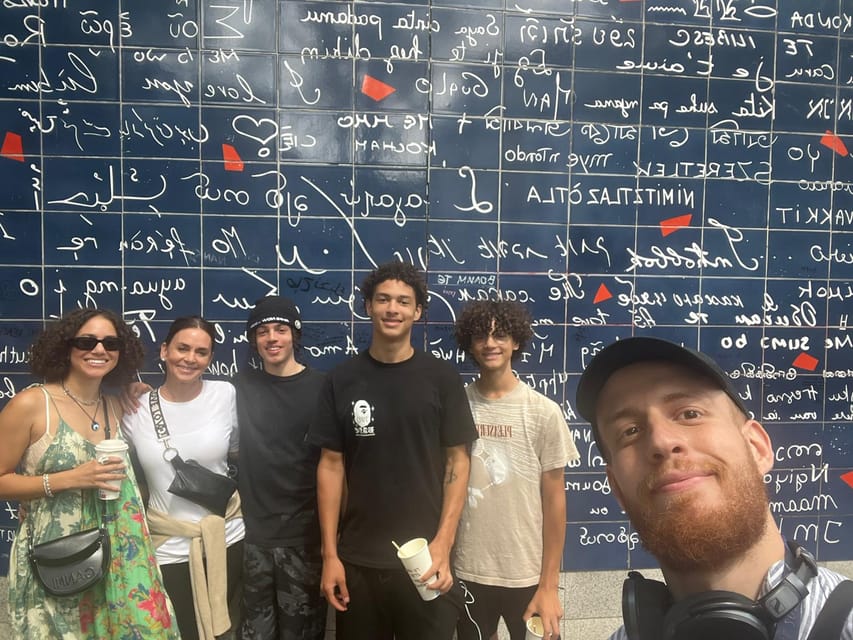
Place du Tertre is the natural finale. Artists still paint in the open air here, and the square sits only steps from Sacré-Cœur.
The atmosphere is more commercial and crowded than the quiet lanes earlier in the route. That is not necessarily a flaw. The square shows how Montmartre’s artistic identity continues today, even as the neighborhood welcomes large numbers of visitors. It is a useful place to compare the romantic idea of the artist’s quarter with its modern reality.
Allow time for photos, but keep your expectations sensible. This is a public square, not a private studio visit. The value comes from seeing the tradition still visible in the open, then using the guide’s advice to explore Sacré-Cœur independently.
The supplied details describe the tour as ending at Place du Tertre, while the meeting-point notes also say the activity ends back at the meeting point. Confirm the exact finish location when you book, especially if you have a timed basilica visit or another appointment afterward.
How much walking and climbing should you expect?
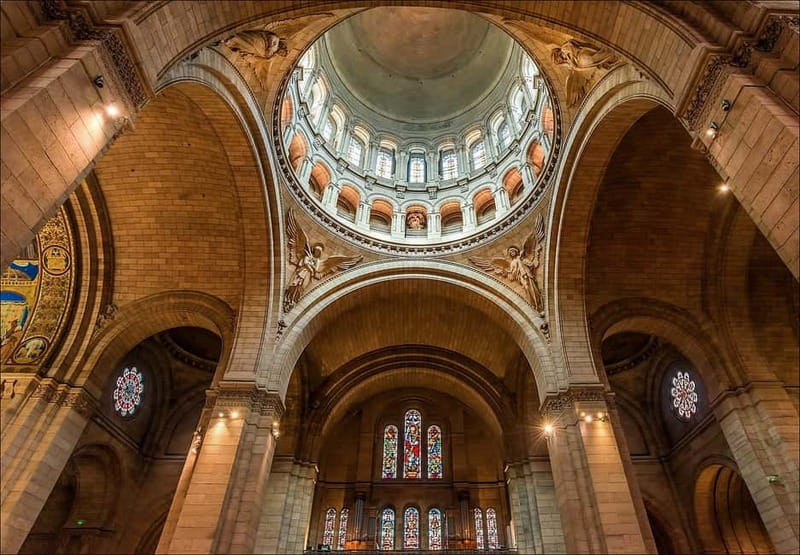
The route is described as manageable, with rest periods and minimal climbing according to one detailed account, but Montmartre is still a hill district. You will walk on cobbled streets and uneven surfaces, and comfortable shoes are essential.
The tour is adapted for children. That does not mean every child will enjoy a long series of art and local-history stories, but the guides are used to keeping the experience engaging for families. Yazid is specifically praised for making the walk fun for children in the group.
This is not suitable for wheelchair users or people with mobility impairments. Oversize luggage is not allowed, so arrive with only what you can comfortably carry. Bring cash as requested in the practical information, along with comfortable clothing and shoes.
Is $34 a fair price?
At $34 per person, this is a reasonable price for a 140-minute guided walk in one of Paris’s most sought-after districts. You are paying for a local English-speaking guide, a small group capped at 16, route planning, stories at several landmarks, and family photos.
The value is strongest if you are visiting Montmartre for the first time or if you have previously seen the headline sights without understanding them. A self-guided walk costs less, of course, but you would need to research the artists, find the side streets, manage the route, and provide your own explanations.
The price does not include food or entry to a separate attraction. That is fine for a walking tour, but plan your café stop and Sacré-Cœur visit separately. I would also book this near the start of a Paris stay if possible. The guide’s recommendations can help you decide where to return, and the route gives you a useful orientation to the hill.
Free cancellation is available up to 24 hours before the tour, and you can reserve now and pay later. Those terms make the booking less risky when your Paris schedule is still moving around.
Who will enjoy this Montmartre walk?
I would choose this tour for:
- First-time visitors who want the major Montmartre sights plus side streets.
- Art lovers who want context about Picasso, Van Gogh, Dali, Modigliani, and Toulouse-Lautrec.
- Music fans interested in Dalida, Piaf, Aznavour, and Montmartre’s cabaret culture.
- Families who want a guided outing with photos and a route suited to children.
- Photographers who value Maison Rose, the Wall of Love, Moulin de la Galette, and hilltop views.
- Curious repeat visitors who saw the district before but missed its smaller lanes and stories.
I would skip it if you want a private tour, a museum visit, a food experience, or a completely flat route. It may also be too talkative for someone who prefers to wander silently and stop only for photographs.
Should you book it?
Book this tour if you want Montmartre to feel like a neighborhood shaped by real people rather than a collection of famous façades. The strongest reason to go is the guide-led storytelling, especially if you enjoy art, music, and local characters presented together.
The route covers the essentials without stopping there. You get Sacré-Cœur views, the Wall of Love, Bateau-Lavoir, Moulin de la Galette, Maison Rose, and Place du Tertre, plus smaller corners that are harder to locate alone. At $34, that is solid value for a two-hour-plus introduction, provided you are comfortable walking uphill and listening to a fairly detailed presentation.
FAQ
How long does the Montmartre walking tour last?
The tour lasts 140 minutes.
What language is the tour conducted in?
The live tour guide speaks English.
Where does the tour start?
The tour starts at Place Saint-Pierre. Look for Paris Tours Experiences near the carrousel, where the guide will be waiting.
Where does the tour end?
The route is described as ending at Place du Tertre, near Sacré-Cœur. The meeting-point information also says the activity ends back at the meeting point, so confirm the exact finish point when booking.
What sights are included?
The route includes Place Saint-Pierre, the Wall of Love, Bateau-Lavoir, Moulin de la Galette, Maison Rose, and Place du Tertre.
Is food included?
No. Food is not included.
Is the tour suitable for children?
Yes. The walk is adapted for kids, and guides can make the stories engaging for younger participants.
Is the tour wheelchair accessible?
No. The tour is not suitable for wheelchair users or people with mobility impairments.
Can I cancel the booking?
Yes. You can cancel up to 24 hours in advance for a full refund. You can also reserve now and pay later.
Newest additions around Paris
- Family escape Game with kids and teens on the Île de la Cité★ 4.5 · 11 reviews
- Private Photoshoot with the Iconic Eiffel Tower in Paris★ 5.0 · 11 reviews
- 2-day Private Mont Saint-Michel, 3 Loire Castles, D-Day Express★ 4.5 · 11 reviews
- Paris: Batobus Hop-On Hop-Off Cruise & Landmarks Audio Tour★ 3.0 · 11 reviews
- Paris Revolutionary Walking Tour: Iconic French Sights & Stories★ 5.0 · 11 reviews
- Guided and Private Tour of 3 hours through Paris aboard a Citroën 2cv★ 5.0 · 11 reviews
- Kids in the Kitchen – CrOisSaNtS★ 4.0 · 11 reviews
- Paris: Ghosts and Dark Stories Guided Walking Tour★ 4.1 · 11 reviews
Montmartre & Sacré-Coeur Tours, compared.

Montmartre Hidden Gems and Scenic Highlights Walking Tour
Read our review →
Montmartre Hill French Gourmet Food and Wine Tasting Walking Tour
Read our review →
Montmartre Cheese, Wine & Pastry Guided Walking Tour
Read our review →
Sacré-Coeur and Montmartre Tour with Expert Guide
Read our review →
Private Montmartre Food Tour with Wine, Cheese & Pastries
Read our review →
Paris Montmartre Food Tour – A Full French Meal by Do Eat Better
Read our review →
Hidden Montmartre: Paris’ Secret Streets Walking Tour
Read our review →
Paris Montmartre Food & Wine Tour with Eating Europe
Read our review →Browse the lists this tour appears in