
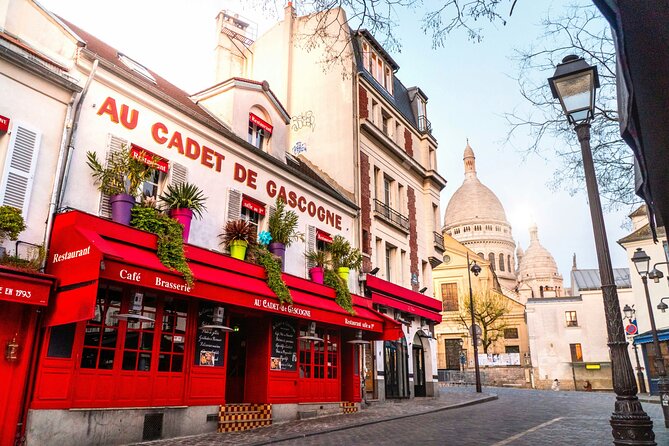
Reviewed · MONTMARTRE & SACRé-COEUR TOURS
Paris – Montmartre Small Group Walking Tour with a True Local
Montmartre makes the most sense when you walk it with someone who knows its back streets, odd stories, and artistic past. Corentin, who was born and raised in the neighborhood, leads this 1-hour-45-minute stroll from the Moulin Rouge up to Sacré-Cœur, with stops tied to Renoir, Van Gogh, Picasso, Amélie, and local folklore.
I like the maximum group size of six, which makes it easy to ask questions on a noisy, hilly route. I also like the mix of famous sights and small details, including the donkey artist story, the local vineyard, and corners that are easy to miss on your own.
The main caution is practical: this is a walking tour on Montmartre’s steep streets, and access to buildings is not included. One serious scheduling failure is also recorded, when the guide did not appear and later issued a full refund, so confirm your meeting details before setting out.
In This Review
- Key points to know before booking
- Why a native guide changes Montmartre
- Starting at the Moulin Rouge and Café des Deux Moulins
- Van Gogh, Renoir, and Montmartre’s art story
- Bateau-Lavoir and the birth of modern art
- The wall-passing man and Montmartre’s stranger side
- The Clos Montmartre vineyard and Au Lapin Agile
- Climbing toward Sacré-Cœur
- Finishing at Place du Tertre
- Is $80 good value for this walk?
- Who should book this Montmartre experience?
- FAQ
- How long is the Montmartre walking tour?
- Where does the tour start?
- Where does the tour end?
- How many people can join the tour?
- Is admission to the Moulin Rouge included?
- Does the tour include entry to buildings?
- Is the tour suitable for people with limited mobility?
- Should you book it?
Key points to know before booking

- Led by a true Montmartre local: Corentin grew up in the neighborhood and shares personal familiarity alongside art and history.
- Only six people maximum: The small group suits anyone who wants room for questions and a quieter pace.
- A downhill-to-uphill story of Montmartre: You begin near the Moulin Rouge and finish at Sacré-Cœur and Place du Tertre.
- Art, film, cabaret, and odd legends: The route connects Van Gogh, Renoir, Picasso, Amélie Poulain, Marcel Aymé, and the famous donkey painter tale.
- About 1 hour 45 minutes: The walk is long enough to cover the district’s main themes without taking half a day.
- Best for reasonably fit walkers: Montmartre’s slopes and stairs make this unsuitable for people with limited mobility or anyone who struggles with hills.
Why a native guide changes Montmartre
Montmartre is not just a hill with a white basilica on top. It is a layered neighborhood where cabaret, working-class life, painting, cinema, religion, and modern tourism all press against one another.
You can walk the main streets alone and still see plenty. But without context, the Moulin Rouge is just a famous red windmill, Place du Tertre is just a square full of portrait artists, and the vineyard can seem like a curious patch of green in the city.
Corentin’s role is to connect those pieces. His stories cover famous residents, artists who worked in the area, local legends, and small details that are hard to find in a standard guidebook. The personal angle matters here. Montmartre has many layers, and a native guide can help you understand how the neighborhood feels beyond its postcard views.
The format also helps. A group of six is small enough for direct conversation, yet still gives you the social feel of a shared walk. Several parts of the route are close to traffic and city noise, so a large group would be harder to hear and keep together.
The tour is offered in English, French, and Spanish according to the guide’s language ability. That is useful if you want to ask detailed questions rather than simply listen to a memorized speech.
More Montmartre walks and visits:
- Montmartre Hidden Gems and Scenic Highlights Walking Tour
★ 5.0 · 2,684 reviews - Montmartre Hill French Gourmet Food and Wine Tasting Walking Tour
★ 5.0 · 2,588 reviews - Paris: Montmartre Cheese, Wine & Pastry Guided Walking Tour
★ 4.8 · 2,255 reviews
Starting at the Moulin Rouge and Café des Deux Moulins
The meeting point is outside Five Guys at 3 Place Blanche, a short distance from the Moulin Rouge. This is a busy starting area, so arrive with the exact meeting details in hand and look for your guide rather than assuming the group will be obvious.
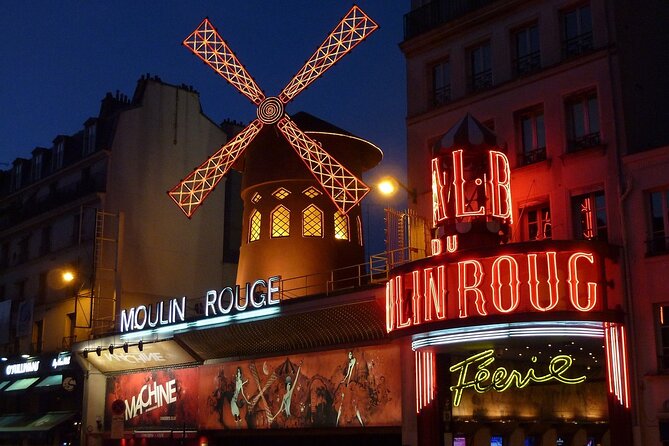
The first stop focuses on the Moulin Rouge and the Belle Époque. You’ll hear how this cabaret became tied to Parisian nightlife and popular culture. The stop lasts about 10 minutes, and admission to the cabaret is not included. This is an exterior history stop, not a ticketed show.
That distinction is important. If you are hoping to enter the Moulin Rouge, you’ll need a separate booking. Here, the value is in understanding why the building and its name became so closely linked with Montmartre.
The walk then passes the Café des Deux Moulins, known as the workplace of Amélie Poulain in the film Amélie. It is a quick pass-by rather than a scheduled sit-down meal or café visit. Film fans will enjoy the connection, while others can treat it as a useful reminder of how Montmartre has been shaped by both real artists and fictional ones.
I like this opening because it gives you two versions of the neighborhood right away: the historic cabaret district and the cinematic Montmartre many people first encounter on screen.
Van Gogh, Renoir, and Montmartre’s art story
One of the more meaningful stops is the apartment connected with Vincent van Gogh and his brother Theo. The focus is on Vincent’s time in Paris and the effect Montmartre had on his artistic development.
You should not expect to enter the apartment. Access to buildings is not included, and the stop is designed around explanation from the street. Still, the location helps make Van Gogh’s Paris period more concrete. You are not just hearing a list of famous names. You are standing in the neighborhood where his work and ideas changed.
The next stop is Le Moulin de la Galette. Its past includes a darker side, but it became especially famous through Renoir’s painting Le Bal du Moulin de la Galette. Corentin uses the site to explain the area’s role in the Paris art scene and the way ordinary social life became subject matter for painters.
This is where a guide adds real value. A painting in a museum can feel detached from place. Seeing the location tied to the work gives you another way to think about Renoir and the artists who gathered in Montmartre.
The itinerary allows about 10 minutes at each of these art-related stops. That is enough for a focused explanation, though not enough for a full art lecture. If you want technical analysis of individual paintings, a museum tour will serve you better. If you want to see how artists fit into the neighborhood around them, this walk is a better match.
Bateau-Lavoir and the birth of modern art
Le Bateau-Lavoir is associated with artists such as Pablo Picasso and is presented as an important place in the development of modern art. The site gives the tour a shift in focus, from individual artists to the creative community that formed around Montmartre.
Again, this is a street-based visit. You will hear about the people who lived and worked there, rather than entering a preserved artist studio. That may disappoint anyone expecting an interior museum, but it keeps the walk moving and lets you cover more of the district.
The strongest part of this section is the idea that Montmartre was not merely a backdrop for art. It was a place where artists lived, argued, experimented, and influenced one another. Corentin’s storytelling style appears suited to this kind of material. He is described as funny, patient with questions, and willing to add sites or stories beyond the fixed route when useful.
That flexibility is one reason the small group matters. With six people or fewer, you can ask why a particular artist came to Montmartre, how the neighborhood changed, or what remains of its old character today. On a large group walk, those questions often get lost.
More Paris walking tours:
- Paris Top Sights Half Day Walking Tour with a Fun Guide
★ 5.0 · 2,893 reviews - Paris Île de la Cité and Notre-Dame Walking Tour With Crypt
★ 5.0 · 2,272 reviews - Paris in a Day: Louvre or Orsay, Eiffel Tower, City Walk & Cruise
★ 5.0 · 1,956 reviews - Paris: Montmartre Highlights Walking Tour with a Local Guide
★ 4.9 · 1,668 reviews
The wall-passing man and Montmartre’s stranger side
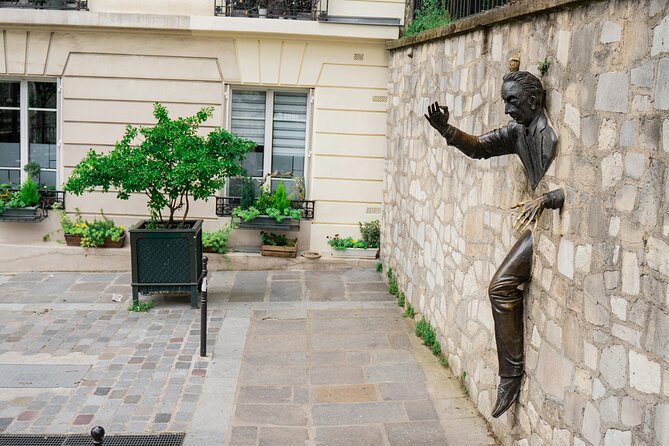
Le Passe-Muraille is a short stop, only about five minutes, but it adds a welcome change from the usual art-and-cabaret subjects. The statue shows a man apparently passing through a wall and comes from Marcel Aymé’s story.
This is the kind of small, unusual detail that can make a neighborhood walk memorable. You get a glimpse of the link between Parisian literature and public art, and you are reminded that Montmartre’s identity is not limited to painters and tourist cafés.
The short timing is appropriate. The statue does not require a long visit, but it gives Corentin a chance to share a local tale and keep the route varied. Families may especially enjoy this stop because it is visual and easy to understand.
The tour also includes anecdotes about lesser-known local characters. One especially memorable story concerns a donkey that became an artist, a simple and amusing tale that captures Montmartre’s old taste for eccentricity. This is not a route built only around solemn dates and famous names. It has room for humor.
The Clos Montmartre vineyard and Au Lapin Agile
The Vigne du Clos Montmartre is one of the route’s more surprising sights. The small vineyard sits in the city and connects the neighborhood with French wine culture.
You will not be taking part in a wine tasting as part of this experience. The stop is about the vineyard’s history and significance. It is a good example of what you gain from a local walk: the city can change quickly from dense streets and stone buildings to a patch of vines that seems out of place until someone explains why it is there.
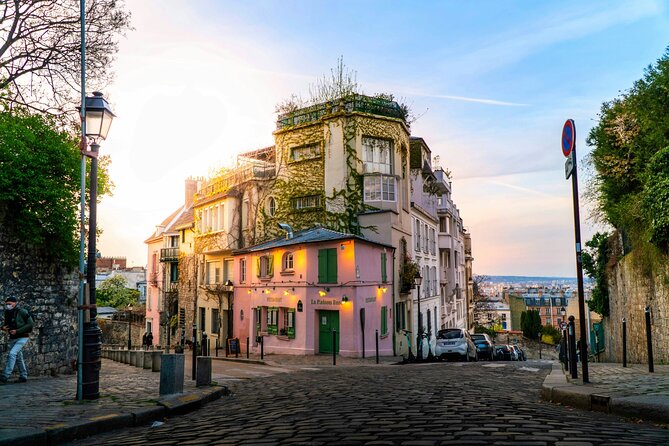
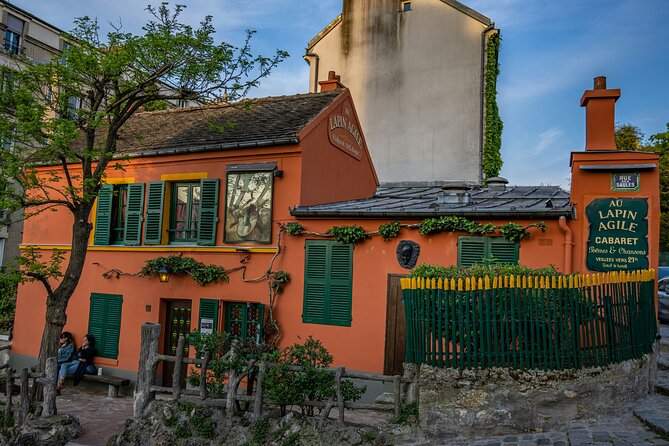
Next comes Au Lapin Agile, described as Montmartre’s oldest cabaret. The stop lasts about five minutes and focuses on the venue’s past, its performers, and the amusing stories linked to the place.
As with the Moulin Rouge, this is not a cabaret show or interior visit. You are seeing the outside and hearing the story. That keeps the cost manageable, but you should set the right expectation before booking. The tour is about orientation and storytelling, not admission to attractions.
Together, the vineyard and cabaret show the range of Montmartre. The neighborhood has religious landmarks and famous art sites, but it also has wine, performance, literature, and a long history of people making a living in unconventional ways.
Climbing toward Sacré-Cœur
The route ends at the Basilica of the Sacred Heart, known as Sacré-Cœur, on the summit of Montmartre. You’ll have time to admire the basilica and take in the broad view across Paris.
The view is one of the natural payoffs of the walk, but getting there requires effort. The tour information calls for moderate physical fitness and advises against it for older people and people with reduced mobility. Those warnings should be taken seriously. Montmartre is hilly, and the route is not designed as an accessible sightseeing loop.
The basilica stop is listed as free, but admission to buildings is not included. Plan on an exterior visit and viewpoint unless your guide clearly says otherwise. If you want to explore the basilica’s interior or any paid site, check separately for access rules and opening conditions.
The walk’s comfortable pace is a plus. The route includes breaks for photographs and views rather than treating the hill as a race. Still, comfortable pace does not mean flat or effortless. Wear shoes with good support, carry water, and avoid bringing more than you want to take uphill.
Finishing at Place du Tertre
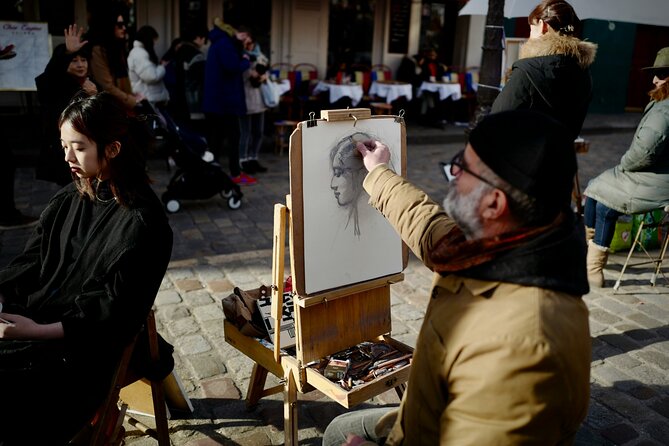
Place du Tertre is the final stop. This historic square is known for artists displaying their work and remains one of Montmartre’s most recognizable scenes.
It can also be one of the more crowded and commercial parts of the neighborhood. That contrast is worth noting. The tour aims to show you quieter corners, but it does not pretend the major sights are empty. Place du Tertre is popular for good reason, and the experience is strongest when you understand both the artistic tradition and the modern tourist activity.
The scheduled stop is about five minutes, so you’ll have a brief introduction rather than a long browsing session. If you want to look at portraits, buy artwork, or linger for photographs, plan to stay after the tour ends.
The official endpoint is at 1 Parvis du Sacré-Cœur, close to the basilica. Ending here is convenient if you want to continue exploring the church, walk farther through Montmartre, or stop for food nearby.
Is $80 good value for this walk?
At $80, this is not the cheapest way to see Montmartre. The price makes more sense if you value a very small group and a guide who can answer questions rather than deliver a standard speech.
The tour includes a native guide and covers nearly two hours of walking. It does not include attraction admission, food, drinks, or a cabaret performance. You are paying for local interpretation, route planning, and conversation.
I would compare it with a large group tour before booking. A cheaper option may cover the same main sights, but it is less likely to offer direct access to the guide or the quieter side streets promised here. A private tour may feel more tailored, but it will normally cost more.
The strongest value comes for first-time visitors who want Montmartre explained in one compact outing. It also works well early in a Paris stay, since you can return later to the spots that interest you most.
The rating is 4.7 out of 5, with 92 percent recommending it. Most of the recorded feedback is strongly positive, especially about Corentin’s stories, language skills, patience, and ability to make both adults and children feel included. One guest described the tour as a highlight of the trip, while another found it particularly good for families with children aged 10, 12, and 14.
There is one serious exception. On one occasion, the guide missed the appointment because of a scheduling error. He apologized and issued a full refund. That appears to be an isolated failure rather than the normal experience, but it is fair to confirm your booking and meeting place before leaving.
Who should book this Montmartre experience?
I would choose this tour if you want local stories, art connections, and a small group rather than a rushed checklist of sights.
It is especially suitable for:
- First-time visitors who want an introduction to Montmartre
- Art lovers interested in Van Gogh, Renoir, Picasso, and the Bateau-Lavoir
- Film fans who want to see the Café des Deux Moulins connection to Amélie
- Families with older children who enjoy stories and unusual landmarks
- Visitors who prefer asking questions during a walk
- Anyone comfortable with hills and a moderate amount of walking
I would think twice if you need step-free access, dislike uphill routes, or want to tour the interiors of major buildings. I would also skip it if your main goal is a Moulin Rouge show, a Sacré-Cœur interior visit, or a long stop at the artists’ square. Those are separate activities.
The mobile ticket is convenient, and the meeting point is near public transportation. Arrive prepared for the weather, wear sensible shoes, and keep the guide’s contact and meeting information easy to find.
FAQ
How long is the Montmartre walking tour?
The tour lasts approximately 1 hour and 45 minutes.
Where does the tour start?
It starts at Five Guys, 3 Place Blanche, 75009 Paris, France.
Where does the tour end?
It ends at 1 Parvis du Sacré-Cœur, 75018 Paris, near the Basilica of the Sacred Heart.
How many people can join the tour?
The group has a maximum of six travelers.
Is admission to the Moulin Rouge included?
No. Admission to the Moulin Rouge is not included.
Does the tour include entry to buildings?
No. Access to buildings is not included. The stops are primarily outside locations with explanations from the guide.
Is the tour suitable for people with limited mobility?
No. The experience requires moderate physical fitness, and it is not recommended for older people or people with reduced mobility.
Should you book it?
Book this tour if you want Montmartre explained by someone who grew up there, with time for questions and stories that go beyond the standard postcard route. Corentin’s strongest asset is his local perspective, and the group limit of six gives that perspective room to work.
Skip it if you want a fully accessible route, indoor admissions, or a cabaret performance. For most reasonably fit visitors who want art, film, legends, and sweeping Paris views in one well-paced walk, the $80 price is fair, especially when personal conversation matters more to you than the lowest possible cost.
Newest additions around Paris
- Family escape Game with kids and teens on the Île de la Cité★ 4.5 · 11 reviews
- Private Photoshoot with the Iconic Eiffel Tower in Paris★ 5.0 · 11 reviews
- 2-day Private Mont Saint-Michel, 3 Loire Castles, D-Day Express★ 4.5 · 11 reviews
- Paris: Batobus Hop-On Hop-Off Cruise & Landmarks Audio Tour★ 3.0 · 11 reviews
- Paris Revolutionary Walking Tour: Iconic French Sights & Stories★ 5.0 · 11 reviews
- Guided and Private Tour of 3 hours through Paris aboard a Citroën 2cv★ 5.0 · 11 reviews
- Kids in the Kitchen – CrOisSaNtS★ 4.0 · 11 reviews
- Paris: Ghosts and Dark Stories Guided Walking Tour★ 4.1 · 11 reviews
Montmartre & Sacré-Coeur Tours, compared.

Montmartre Hidden Gems and Scenic Highlights Walking Tour
Read our review →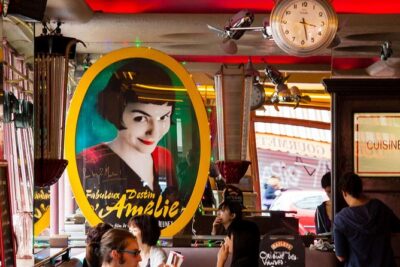
Montmartre Hill French Gourmet Food and Wine Tasting Walking Tour
Read our review →
Montmartre Cheese, Wine & Pastry Guided Walking Tour
Read our review →
Montmartre Highlights Walking Tour with a Local Guide
Read our review →
Sacré-Coeur and Montmartre Tour with Expert Guide
Read our review →
Private Montmartre Food Tour with Wine, Cheese & Pastries
Read our review →
Paris Montmartre Food Tour – A Full French Meal by Do Eat Better
Read our review →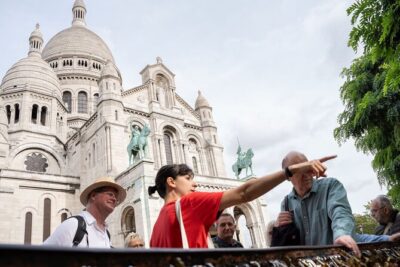
Hidden Montmartre: Paris’ Secret Streets Walking Tour
Read our review →Browse the lists this tour appears in