
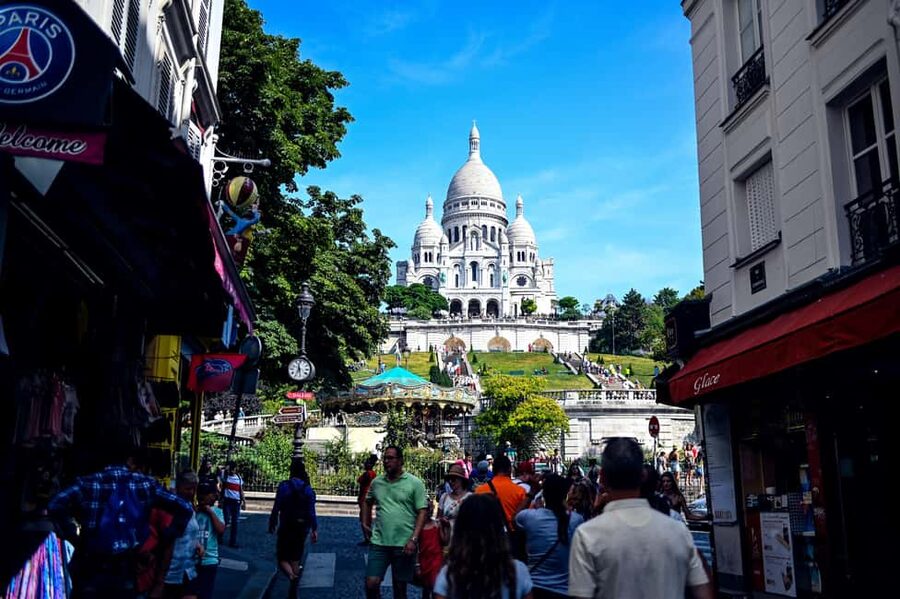
Reviewed · MONTMARTRE & SACRé-COEUR TOURS
Paris: Montmartre Food Tasting Walking Tour with Secret Dish
Montmartre is best understood one bite at a time. This three-hour food walk moves through working food shops, stopping for macarons, chocolate, crêpes, bread, cheese, cured meats, wine, and a final secret dish. It is less about checking off sights and more about seeing how French food reaches the table.
I like the small group of no more than 10 and the way you shop and taste as you go. I also like the mix of food and neighborhood stories, with guides such as Aicha, Ioana, Celine, Imran, and Baptiste bringing their own style to French cuisine and Montmartre. The main drawback is pacing: the sweet stops come early, so you may be quite full by the time the cheese and charcuterie arrive.
In This Review
- Key points to know before booking
- What this Montmartre food tour is really like
- Starting at Anvers or Abbesses
- First tastes: macarons and artisan chocolate
- Crêpes, galettes, and the useful distinction
- The boulangerie and France’s daily bread
- Cheese from a specialist shop
- The butcher, cured meats, and the shared feast
- The secret stop and the final dish
- Montmartre stories between the tastings
- What the $148 price includes
- Group size, walking, and practical comfort
- Who should book this food walk
- Should you book the Montmartre food tour?
- FAQ
- How long does the Montmartre food tour last?
- What language is the tour conducted in?
- What food is included?
- Are drinks included?
- Where does the tour meet?
- Where does the tour end?
- How many people are in the group?
- Is the tour accessible to wheelchair users?
Key points to know before booking
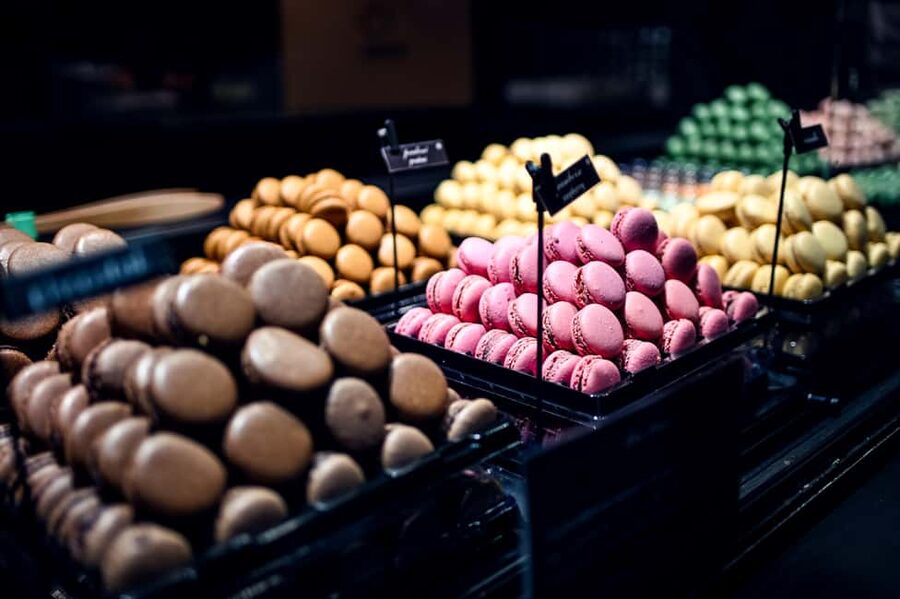
- You taste your way through several food shops: Chocolates, macarons, crêpes, breads, cheese, cured meats, wine, and a secret dish are all included.
- The tour is built around shopping: You do not simply sit in one restaurant. You gather food from local shops before sharing it at the final stop.
- Montmartre history is part of the meal: Guides explain French food customs, etiquette, and the neighborhood as you walk.
- The group stays small: With a maximum of 10 participants, it is easier to ask questions and keep the guide’s attention.
- Meeting points change by time and day: Weekday daytime tours begin at Anvers, while weekend tours and all 6 p.m. departures begin at Abbesses.
- Come hungry, but not starving: There is a lot of food, and the final wine-and-charcuterie stop can leave you full.
What this Montmartre food tour is really like
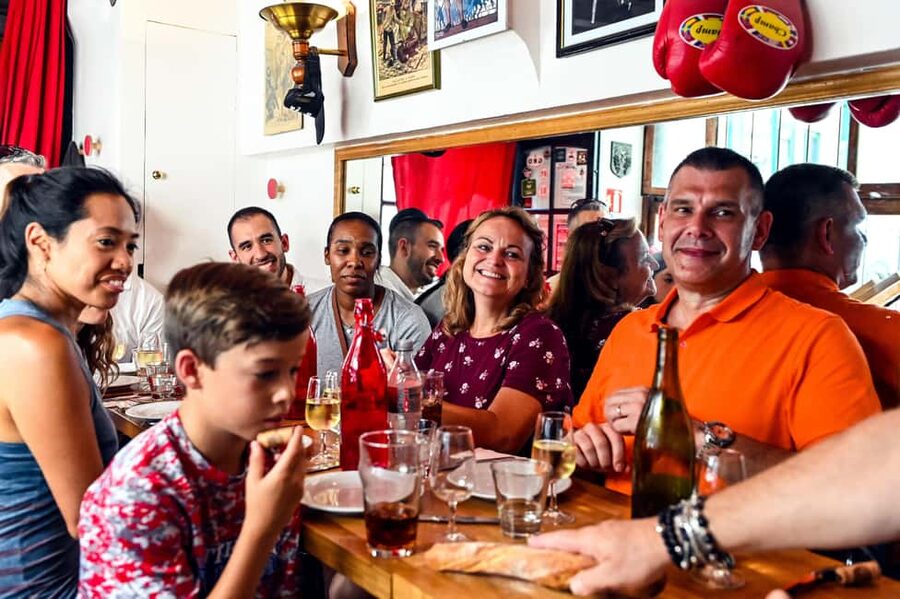
This experience uses food as your way into Montmartre. Instead of giving you a long lecture followed by a single tasting, the guide leads you between shops and explains what you are eating at each stop.
That format matters in Paris. A bakery, cheese shop, butcher, or chocolate counter tells you more about everyday French habits than a polished restaurant designed mainly for visitors. You get small tastes, learn how the products fit into French meals, and watch the neighborhood carry on around you.
The tour lasts about three hours, though the advertised range can stretch to three and a half. It is conducted in English, and the group is capped at 10 people. That is a useful size for a food walk because the guide can explain a cheese or answer a question without the whole group scattering along the pavement.
The experience has earned a 4.8 rating from 107 reviews, and the strongest praise centers on the guides, the amount of food, and the combination of Montmartre stories with French food culture. Guides named in the feedback include Aicha, Emmanuel, Celine, Baptiste, Luc, Marcel, Imran, Ioana, Josephine, Yann, Luz, Lorca, and Anita.
More Montmartre walks and visits:
- Montmartre Hidden Gems and Scenic Highlights Walking Tour
★ 5.0 · 2,684 reviews - Montmartre Hill French Gourmet Food and Wine Tasting Walking Tour
★ 5.0 · 2,588 reviews - Paris: Montmartre Cheese, Wine & Pastry Guided Walking Tour
★ 4.8 · 2,255 reviews
Starting at Anvers or Abbesses
Your meeting point depends on the departure time. From Monday through Friday, tours starting between 10:30 a.m. and 5:30 p.m. meet outside Anvers Metro Station on Line 2. Look for the guide holding an orange umbrella.
Saturday and Sunday tours, along with all departures at 6 p.m., meet outside Abbesses Station on Line 12. The orange umbrella is again the marker.
This detail deserves attention because the two stations are not interchangeable. Check your exact departure time before setting off, and allow yourself time to find the correct subway exit. One participant had trouble with the meeting location, so it is wise to check the supplied map link and arrive early rather than trying to solve the problem at the last minute.
The tour ends back at the meeting point. Hotel pickup and drop-off are not included, so you handle your own route to and from the station.
First tastes: macarons and artisan chocolate
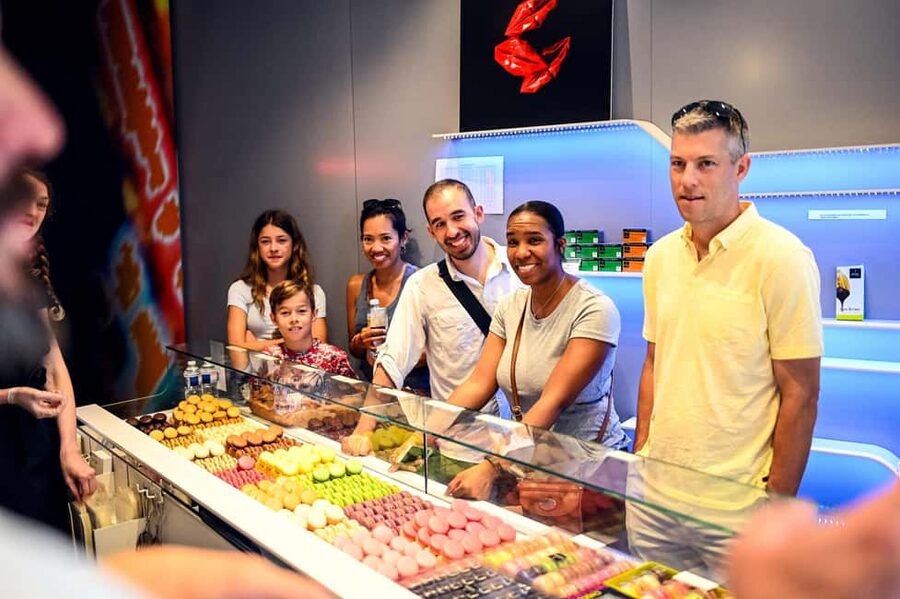
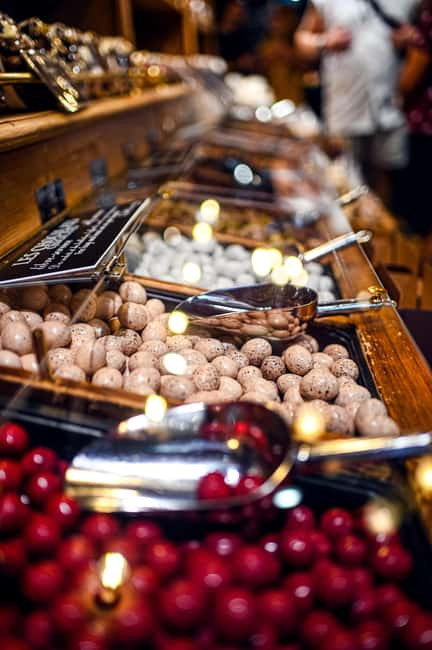
The opening stop is an artisan shop where you taste chocolates and macarons. It is a smart first course, since these delicate sweets show the polished side of French food culture before the walk moves into bread, cheese, and meat.
You can expect the guide to explain what makes the products special and to place them in the wider French habit of buying food from specialists. The point is not simply sugar. It is the idea that a Parisian meal can be assembled through several small purchases, each made at a shop focused on one type of food.
This stop also sets the tour’s rhythm. You are not handed a full plate and left alone. The guide introduces the food, you taste it, and the group continues through Montmartre toward the next shop.
If you have a strong preference for savory food, this early emphasis on sweets may not be ideal. The later tastings are substantial, but the order means you should pace yourself from the beginning.
Crêpes, galettes, and the useful distinction
Next comes a freshly made crêpe, with an explanation of the difference between a crêpe and a galette. That small lesson is genuinely useful because the two are often treated as the same thing by visitors.
The tour presents the crêpe as part of a broader French food tradition rather than as a quick street snack. You get to taste one while learning the basic distinction, which makes the information easier to remember than a definition delivered in isolation.
This is also one of the more immediate stops. Chocolate and macarons can be sampled in small pieces, but a freshly made crêpe feels more like a real snack. If you are booking the tour as a breakfast replacement, keep in mind that the schedule includes several courses and drinks afterward.
More Paris food tours:
- Paris: Seine Cruise & Crepe Tasting near the Eiffel Tower
★ 4.4 · 11,231 reviews - Authentic Parisian Gourmet Food Tour with 10 Local Dishes & Wines
★ 5.0 · 4,754 reviews - Normandy D-Day Small-Group Day Trip with Omaha Beach, Cemetery & Cider Tasting
★ 5.0 · 2,786 reviews - Paris: Illuminated Evening River Cruise & Waffle Tasting
★ 4.1 · 2,697 reviews
The boulangerie and France’s daily bread
The bakery stop introduces classic French breads. You sample freshly baked bread and hear why bread holds such a central place in French meals.
A good food walk should explain ordinary products, not only luxury items. Bread is the perfect example. You may already know the famous names, but the useful part here is learning how the guide connects bread with French eating habits and the daily shopping routine.
The bakery also gives the tour a welcome savory turn after the sweets and crêpe. Still, you should not expect a formal sit-down meal at this point. The food is served as part of a moving route, so wear shoes that are comfortable for several hours of walking and standing.
Cheese from a specialist shop
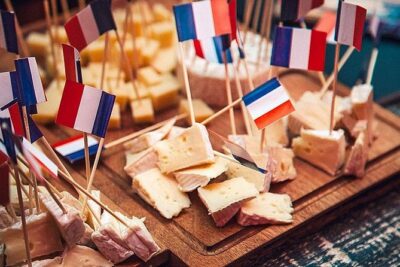
The cheese stop brings you to what is described as one of the best cheese shops in the area. You taste French cheeses and learn how they fit with bread and wine.
This is where the tour becomes especially valuable for anyone who finds French cheese counters confusing. There can be many shapes, textures, names, and regional styles, and a guide can give you a starting point without requiring you to buy a whole piece of something unfamiliar.
The guide also explains food customs and etiquette. Baptiste, for example, was praised for discussing French food rules as well as Montmartre and cuisine. Ioana was noted for connecting cheese, bread, charcuterie, and wine with French ideas about family, friendship, and meals.
One practical point: the order of the food may affect your enjoyment. The cheese and meat arrive after several sweet tastings, and one person preferred having the savory items first. If you tend to fill up quickly, take modest portions early and leave room for the final stop.
The butcher, cured meats, and the shared feast
At a local butcher, you taste cured sausages and hams. This adds a salty, savory counterpoint to the pastries, chocolate, and bread.
The butcher visit also helps explain the shopping pattern that gives the tour its identity. Rather than buying everything in one supermarket, you collect different foods from different specialists. Each stop supplies part of the final spread.
The amount of food is one of the most consistent strengths of this experience. Several guides, including Emmanuel, Imran, and Celine, were praised for generous servings and well-chosen food. Imran’s stop included products such as cheese, ham, butter, and cream puffs, and the tasting encouraged a return visit for more.
Do not read this as a light grazing tour. With pastries, crêpes, bread, cheese, cured meat, sweets, wine, and a secret dish, you may leave stuffed. That makes it a poor choice immediately before a major dinner reservation, but a good choice if you want one substantial food experience to anchor your day.
The secret stop and the final dish
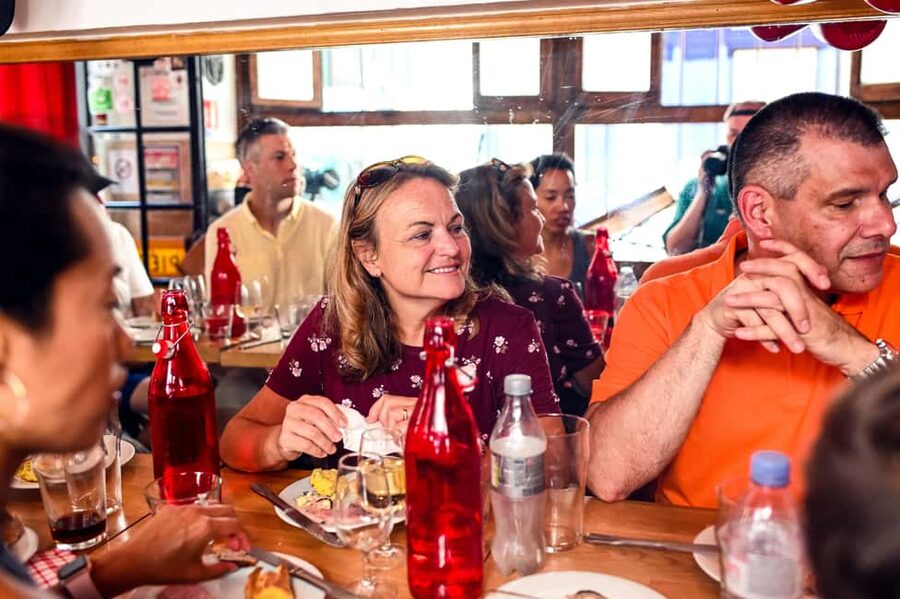
The final stop brings the collected food together. You feast on the items purchased along the route, with red and white wine, water, and soft drinks or other nonalcoholic options.
The shared ending is more than a convenient place to finish. It gives you a chance to compare the foods after hearing where they came from. Bread, cheese, charcuterie, and wine make more sense when tasted together than when sampled as isolated bites.
There is also a secret dish, a regular feature of the experience. Its identity is intentionally not disclosed in advance, so you should book this expecting one surprise rather than a fixed final menu.
The wine pairing is included, with both red and white options. Water and nonalcoholic drinks are available, which helps make the tour workable for people who do not drink. The supplied information does not specify the exact number of glasses or the precise dishes served on a given day, so do not assume the same final spread every time.
Montmartre stories between the tastings
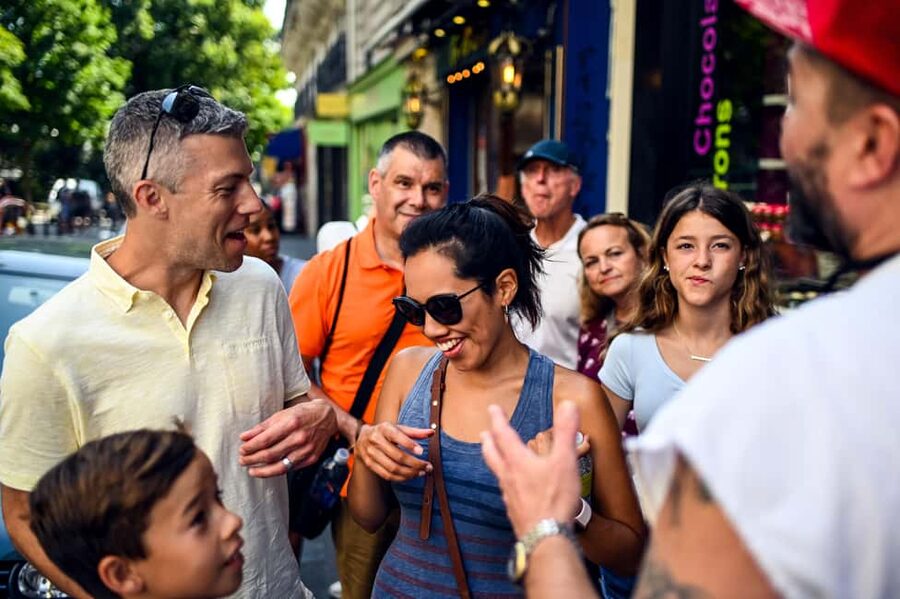
The food is the main attraction, but the walking route gives the experience a second layer. Guides combine food history with stories about Montmartre and French culture.
Luc was praised for connecting the history of Paris and Montmartre with food history. Yann was noted for sharing local insights and French food rules. Luz focused on the way French culture and food belong together, while Ioana used the route to talk about food, family, and friendship.
That variety is worth keeping in mind. The tour is not a scripted museum visit with a fixed lecture. Your guide’s personality shapes the experience, and the named guides received repeated praise for being friendly, entertaining, attentive, and easy to understand.
The route also takes you to less tourist-focused food shops, according to the experience details. That does not mean you avoid all of Montmartre’s famous streets or crowds, but it does mean the walk has a practical local focus rather than being only a monument tour.
What the $148 price includes
At $148 per person, this is not the cheapest way to eat in Montmartre. The price makes more sense if you value a full tasting itinerary, a live English-speaking guide, wine, and a small group rather than simply buying a crêpe and pastry on your own.
Your food allowance includes:
- Artisan chocolates and macarons
- A fresh crêpe
- French breads and pastries
- French cheeses
- Cured sausages and hams
- A secret dish
- Red and white wine
- Water and soft drinks
The value comes from the combination. You are paying for the food, but also for the guide’s explanations, the introductions to several shops, the route through Montmartre, and the final shared meal.
It is particularly good value for a first visit to Paris when you want help choosing French foods without spending time guessing at counters. It is less compelling if you already know the neighborhood, regularly visit French specialty shops, or mainly want a short snack stop.
The free cancellation deadline is 24 hours before the tour for a full refund, and you can reserve now and pay later. Those terms help if your Paris schedule is still shifting.
Group size, walking, and practical comfort
The tour is limited to 10 participants, which keeps conversation manageable. You can ask about ingredients, French etiquette, or places to eat later in your trip without trying to catch a guide at the back of a large crowd.
Wear comfortable shoes. The tour takes place rain or shine, and you will be walking between stops rather than moving from one indoor venue to another.
The experience is not suitable for wheelchair users. The supplied information does not give a detailed route profile, so anyone concerned about slopes, steps, or standing time should ask the provider before booking.
Because the tour includes alcohol, tell the guide if you prefer water or a nonalcoholic drink. Nonalcoholic options are included, so you do not need to drink wine to take part in the final tasting.
Who should book this food walk
I would choose this tour for a first or second visit to Paris, especially if you want an easy introduction to French specialties. It suits couples, friends, and families with older children or teenagers. One family found that the teens enjoyed the food and the guide-led format.
It is also a good choice for curious eaters who want to try foods they might not order alone. The guides explain what you are tasting, and the small group gives the experience a social feel without the scale of a large bus tour.
You should think twice if you need a quiet, seated meal, have strict dietary requirements that have not been confirmed, or dislike sweet foods early in a tasting. The published details list many food categories but do not provide a full ingredient or allergy policy.
Should you book the Montmartre food tour?
Book it if you want Montmartre paired with a generous sampling of French food, and if you value a guide who can explain customs as well as ingredients. The strongest reason to go is the structure: shop, taste, learn, walk, then sit down with the food you have gathered.
The main caution is the cost and the amount of food. At $148, you should arrive ready to make the tasting your main meal rather than treating it as a quick introduction. Check the meeting station carefully, wear practical shoes, and leave room for the savory courses and secret dish.
For many visitors, this is a strong first-day or early-trip activity. You will learn what you like, pick up food vocabulary and dining tips, and get a better sense of where French eating fits into everyday life. If that sounds more useful than simply taking photos of Montmartre, this is a sensible booking.
FAQ
How long does the Montmartre food tour last?
The tour lasts about three hours, with the advertised experience ranging from three to three and a half hours.
What language is the tour conducted in?
The live tour guide speaks English.
What food is included?
The tastings include French cheeses, fresh pastries, crêpes, macarons, artisan chocolates, cured meats, freshly baked breads, and a secret dish.
Are drinks included?
Yes. Red and white wines, water, and soft drinks or other nonalcoholic options are included.
Where does the tour meet?
Monday through Friday tours starting from 10:30 a.m. through 5:30 p.m. meet outside Anvers Metro Station on Line 2. Saturday and Sunday tours, along with all 6 p.m. departures, meet outside Abbesses Station on Line 12. In both cases, look for the guide with an orange umbrella.
Where does the tour end?
The activity ends back at the meeting point.
How many people are in the group?
The group is limited to 10 participants.
Is the tour accessible to wheelchair users?
No. The experience is listed as not suitable for wheelchair users. Comfortable shoes are recommended, and the tour operates rain or shine.
More Paris walking tours
- Paris Top Sights Half Day Walking Tour with a Fun Guide
★ 5.0 · 2,893 reviews - Paris Île de la Cité and Notre-Dame Walking Tour With Crypt
★ 5.0 · 2,272 reviews - Paris in a Day: Louvre or Orsay, Eiffel Tower, City Walk & Cruise
★ 5.0 · 1,956 reviews - Paris: Montmartre Highlights Walking Tour with a Local Guide
★ 4.9 · 1,668 reviews
Newest additions around Paris
- Family escape Game with kids and teens on the Île de la Cité★ 4.5 · 11 reviews
- Private Photoshoot with the Iconic Eiffel Tower in Paris★ 5.0 · 11 reviews
- 2-day Private Mont Saint-Michel, 3 Loire Castles, D-Day Express★ 4.5 · 11 reviews
- Paris: Batobus Hop-On Hop-Off Cruise & Landmarks Audio Tour★ 3.0 · 11 reviews
- Paris Revolutionary Walking Tour: Iconic French Sights & Stories★ 5.0 · 11 reviews
- Guided and Private Tour of 3 hours through Paris aboard a Citroën 2cv★ 5.0 · 11 reviews
- Kids in the Kitchen – CrOisSaNtS★ 4.0 · 11 reviews
- Paris: Ghosts and Dark Stories Guided Walking Tour★ 4.1 · 11 reviews
Montmartre & Sacré-Coeur Tours, compared.
Montmartre Hidden Gems and Scenic Highlights Walking Tour
Read our review →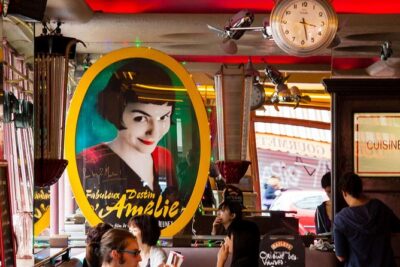
Montmartre Hill French Gourmet Food and Wine Tasting Walking Tour
Read our review →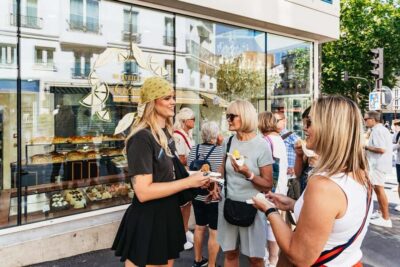
Montmartre Cheese, Wine & Pastry Guided Walking Tour
Read our review →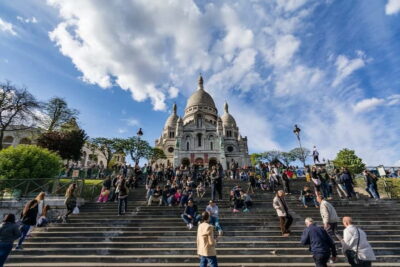
Montmartre Highlights Walking Tour with a Local Guide
Read our review →
Sacré-Coeur and Montmartre Tour with Expert Guide
Read our review →
Private Montmartre Food Tour with Wine, Cheese & Pastries
Read our review →
Paris Montmartre Food Tour – A Full French Meal by Do Eat Better
Read our review →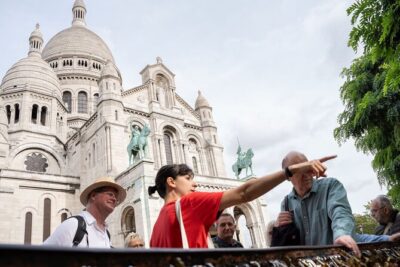
Hidden Montmartre: Paris’ Secret Streets Walking Tour
Read our review →Browse the lists this tour appears in