
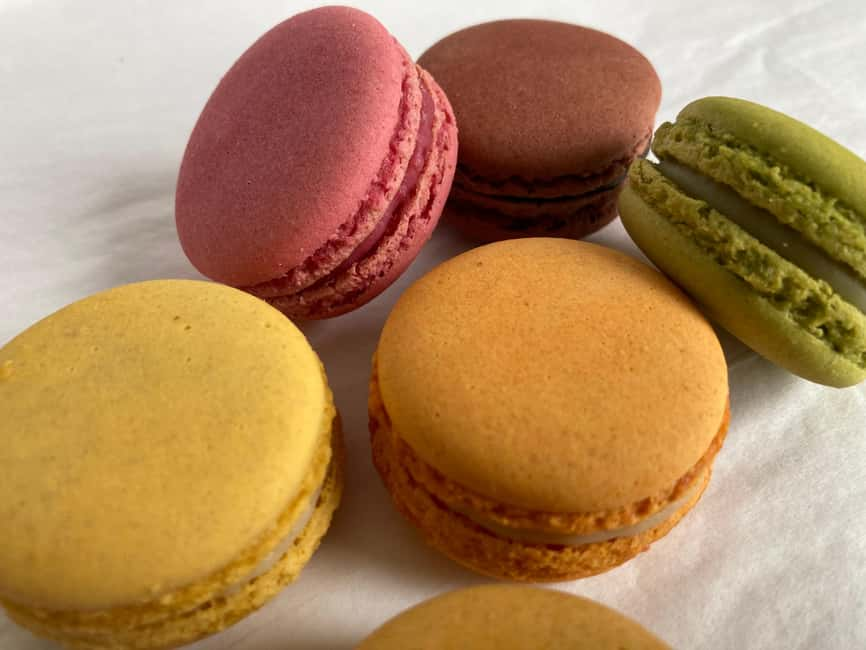
Reviewed · PASTRY & MACARON CLASSES
Paris: Macaron, Croissant or Pastry Class with a French Chef
Making French pastry is a fine Paris souvenir, because you take home more than a photograph. At Pâtisserie à la Carte, you spend 150 minutes to three hours learning how macarons, croissants, French tarts, or champagne ganache macarons come together. The groups are capped at six, so the chef can watch your technique rather than simply talk over a crowded room.
I like two things right away: the class is genuinely practical, with each participant working through the key steps, and the location puts you near Sacré-Cœur and Montmartre before or after the lesson. The main consideration is that pastry takes patience. Croissants and tarts are technical, and even the shorter macaron class is more than a casual demonstration.
In This Review
- Key points at a glance
- Four French pastry classes, four different kinds of afternoon
- What the 150 minutes to three hours actually feels like
- Why the six-person limit changes the lesson
- The most useful souvenir is the technique
- Location: a quiet SoPi street near Sacré-Cœur
- Is $112 a fair price?
- Who should book this class?
- Small details that can improve your experience
- Should you book Pâtisserie à la Carte?
- FAQ
- Where is the pastry workshop located?
- Which pastry classes can I choose from?
- Are the classes taught in English?
- How many people can join each class?
- How long does the class last?
- What is included in the booking?
- Can I take my pastries home?
- Are children allowed to participate?
- Can I cancel the booking?
Key points at a glance
- Choose your pastry project: Book a macaron, croissant, French tart, or luxury macaron class with champagne ganache.
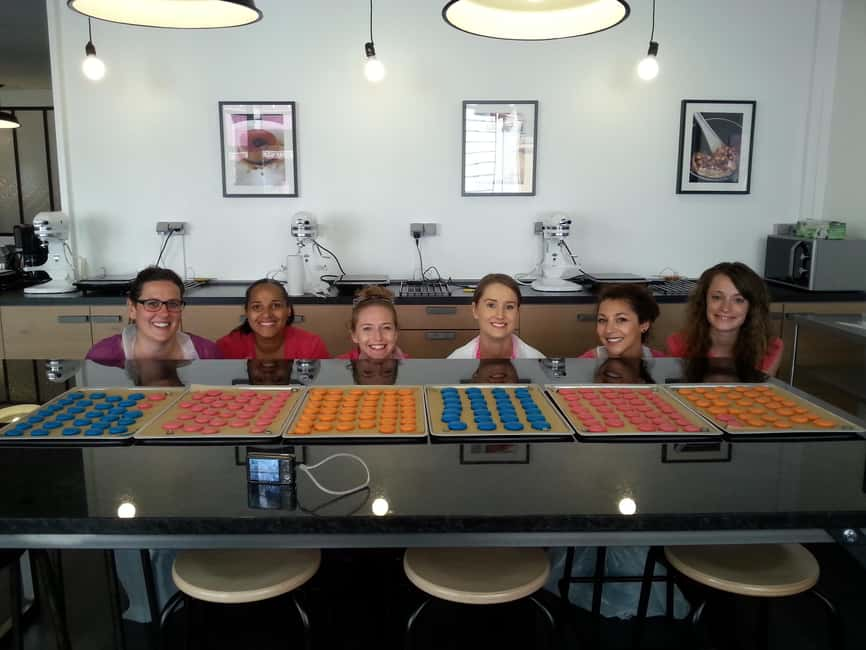
- Work in a tiny group: The maximum is six participants, giving you room for questions and personal guidance.
- Learn in English: You receive an English recipe copy, and the French chef explains each stage in English.
- Take home the results: The class provides bags, and past participants have taken home about 15 macarons or eight croissants.
- Stay near Montmartre: The ground-floor boutique kitchen is on a quiet street in SoPi, close to Sacré-Cœur.
- Plan around age rules: Children under 12 cannot join the macaron class, and children under 15 cannot join the croissant or tart classes.
Four French pastry classes, four different kinds of afternoon
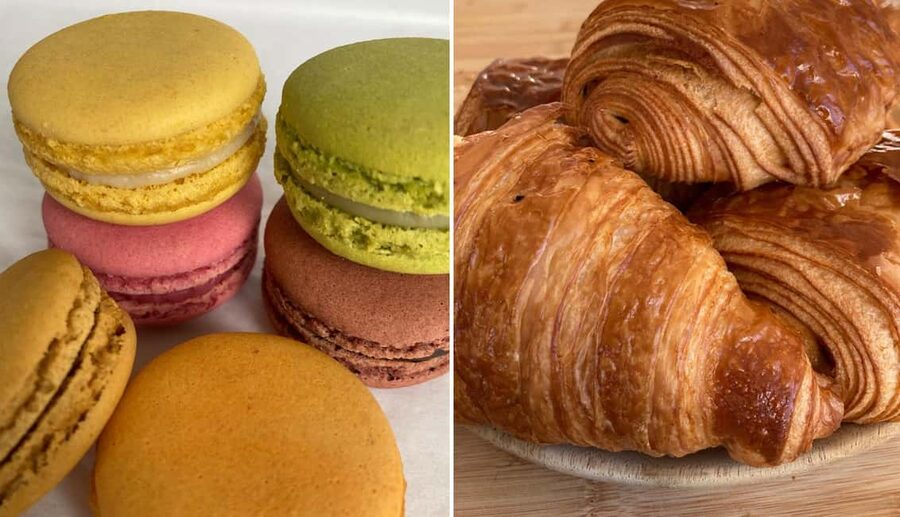
The first decision is not small: choose the pastry you most want to understand. Each option gives you a different look at French baking.
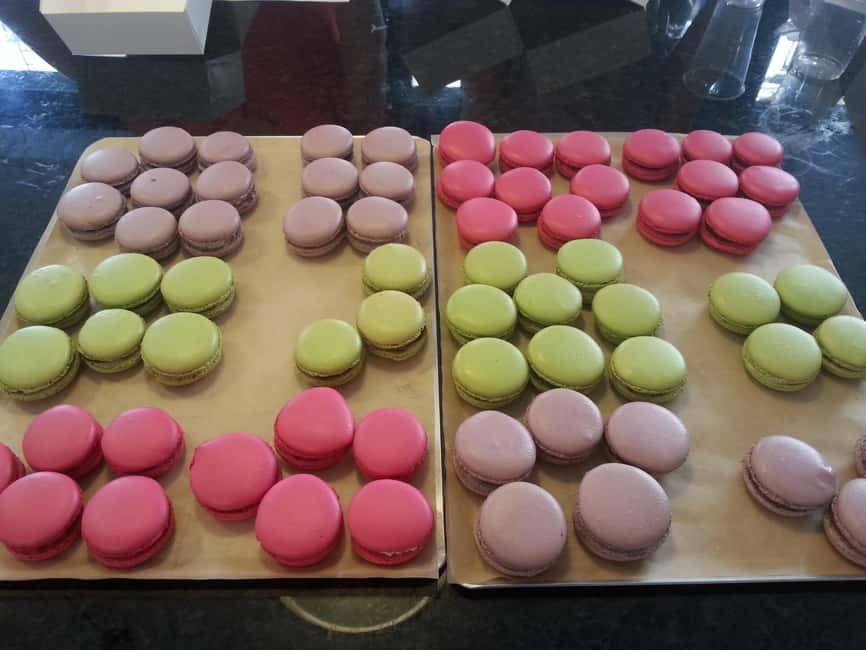
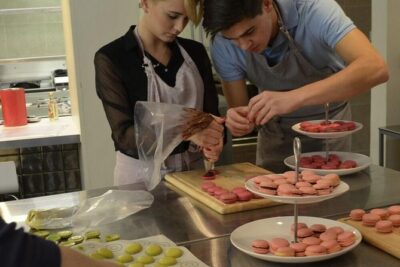
The macaron class focuses on the Italian meringue method, the part that often separates a neat, crisp macaron shell from a cracked or hollow one. You work toward smooth shells and a filling, then taste the finished sweets with tea or coffee or pack them for later.
This is likely the best choice for a first pastry class because the result is colorful, portable, and easy to share. It is still technical, though. You need to pay attention to mixing and piping, and the class is more useful if you want to repeat the recipe at home rather than simply eat macarons in Paris.
The croissant class is the most demanding option. You learn how to produce the light, crisp layers associated with a proper French croissant. The process calls for careful handling and timing, so this course can feel more like a lesson in pastry technique than a relaxed cooking show.
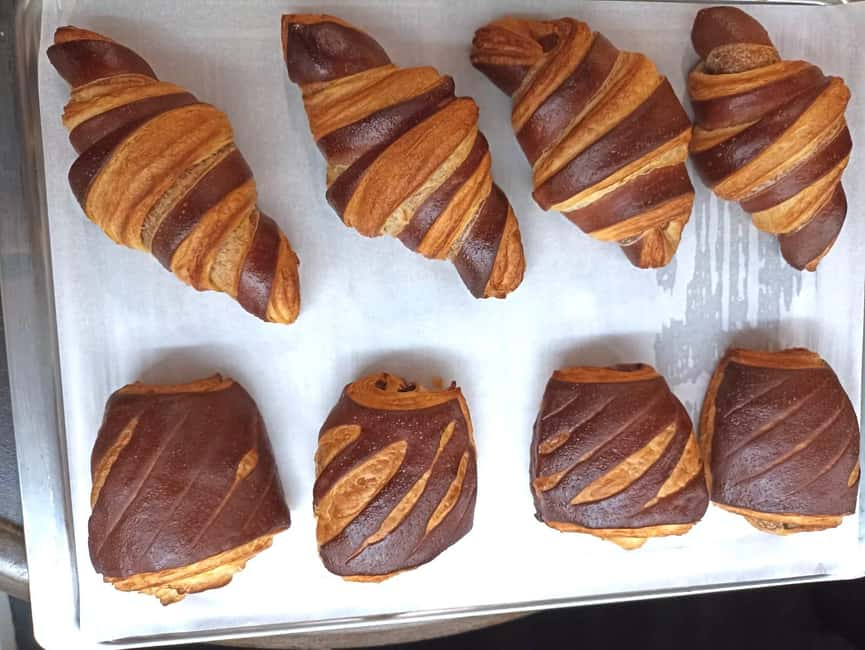
That effort pays off. You work with dough, learn the important stages, and bake your own viennoiseries. One participant reported leaving with eight croissants, enough to eat some fresh and carry the rest through the next part of the trip. Children under 15 cannot take this class, and I would choose it for older teens and adults who enjoy a technical challenge.
The French tart class lasts three hours, making it the longest choice. It is designed as a broader pastry session, with time to work through the methods behind classic French tarts and build skills you can use again at home.
The description does not promise one fixed tart menu for every date, so check the selected session before booking. The extra time makes this the strongest pick if you want a fuller baking lesson, but it may be too much for someone looking for a quick break between sightseeing stops.
The luxury macaron class with champagne ganache adds a more celebratory angle. You make delicate macarons with a smooth chocolate filling flavored with champagne, then enjoy them with a glass of bubbly. This is a good match for couples or adults marking a birthday, anniversary, or special Paris day.
More pastry and macaron classes:
- Paris: Montmartre Cheese, Wine & Pastry Guided Walking Tour
★ 4.8 · 2,255 reviews - Paris Croissant Small-Group Baking Class with a Chef
★ 5.0 · 910 reviews - Paris: Macaron Class at Galeries Lafayette
★ 4.3 · 905 reviews
What the 150 minutes to three hours actually feels like
You arrive at a small ground-floor boutique kitchen, settle in, and meet the other bakers. The class is set up for up to six people, which matters here. Pastry work depends on small visual clues, and a limited group gives the chef a chance to correct a piping angle, explain a texture, or answer a question before a mistake spreads.
The lesson begins with an introduction to French patisserie and the basic science behind the recipe. You are not simply handed a bowl and told to follow instructions. The chef explains why the ingredients and techniques matter, then leads you through the process step by step.
The exact work depends on your choice. Macaron students focus on Italian meringue and the details that help create even shells. Croissant students face dough and layering work. Tart students get a longer session built around pastry methods. The common thread is that you take part rather than watch from the side.
That distinction is important for your expectations. This is not a quick photo opportunity with a chef doing all the difficult work. It is also not a professional culinary-school course. You get an accessible introduction, useful corrections, and recipes you can try at home, but repetition will still be needed before your kitchen results match the best Paris pastry shops.
At the end, you taste what you made with tea or coffee. You can also place the pastries in a take-home bag. The practical value is obvious: the food becomes a snack for the rest of your day, not just something you remember.
Why the six-person limit changes the lesson
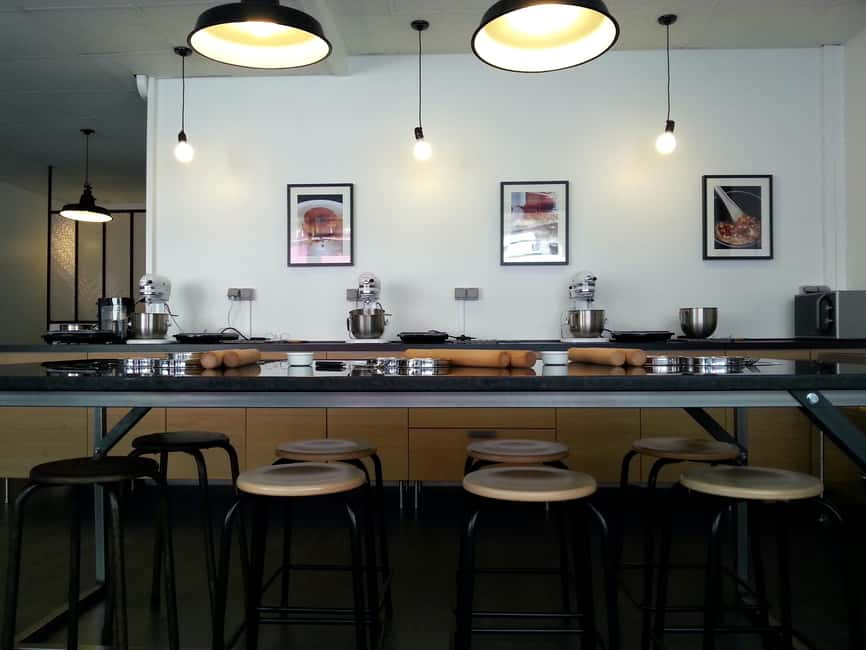
A pastry workshop can lose its charm when one instructor serves a large crowd. Here, the six-person maximum keeps the room personal. Several participants have described the small format as a major reason they received enough individual time with the instructor.
It also makes the class workable for solo visitors. You do not need to arrive with a group. One solo participant found the session fun and left with about 15 macarons, while other pairs and families worked alongside new baking companions.
The social side is pleasant without taking over the class. You meet fellow food lovers, share the inevitable pastry mishaps, and compare results. If you prefer a private lesson or a silent, highly focused kitchen, the group format may feel less tailored than one-to-one instruction. For most people, though, six is a sensible balance.
The teaching style is another strength. Instructors including Gaëlle have been praised for patience, clear explanations, and close support. You should expect a friendly French chef who guides the class in English, not a lecture delivered from a distance.
The most useful souvenir is the technique
Paris has no shortage of edible souvenirs, but a box of macarons disappears quickly. The stronger reason to book this class is the method.
You receive an English copy of the recipes, and the chef adds the small working tips that rarely appear in a basic recipe. One participant specifically valued the advice given during the class beyond what was printed on the page. That is where the price begins to make sense: you are paying for correction, timing advice, and the chance to see the texture at each stage.
The results also give you a reality check. Croissants that taste fresh from the oven can show you what the dough should feel and smell like. Macarons can teach you how the shells should look and how the finished texture should balance a crisp exterior with a softer center.
Do not expect one session to make you a professional pastry chef. Baking is sensitive to temperature, measurement, mixing, and timing, and the class cannot remove all those variables from your home kitchen. But you leave with a tested recipe, a clearer sense of what to watch for, and the confidence to try again.
The workshop also includes a take-home bag and an English eBook called Everyday Gourmet French Tarts. That is a useful extra if you choose macarons or croissants but still want ideas for future baking projects.
A few more Paris ideas to compare
- Fragonard Paris: Mini Perfume Workshop
★ 4.5 · 1,924 reviews - Paris Cooking Class and Lunch with Wine plus Market Visit Option
★ 5.0 · 1,024 reviews - Paris: 2-Hour Perfume Creation Workshop
★ 4.8 · 731 reviews - Paris: French Croissant Baking Class with a Chef
★ 4.9 · 712 reviews
Location: a quiet SoPi street near Sacré-Cœur
The workshop is in SoPi, the South Pigalle area, on a quiet side street close to Montmartre. It is only steps from the Sacré-Cœur basilica, making it easy to pair with a walk through the neighborhood.
The nearest Metro stations are Anvers on Line 2, and Cadet or Poissonnière on Line 7. Gare du Nord, with both Metro and train connections, is also nearby. Check the exact route before class and allow time to find the ground-floor entrance.
One older participant had trouble finding the correct door because the entrance was not clearly marked. That detail is worth taking seriously. Do not arrive at the last second, especially if this is your first visit to the area. The workshop is on a side street rather than in a large, obvious cooking school.
If you are driving, think twice. One participant spent 45 minutes looking for parking after missing the 10 a.m. class. The provider was accommodating and allowed a later arrival that day, but you should not count on that kind of rescue. Public transport is the safer plan in this part of Paris.
The setting works well for a half-day plan. You can visit Sacré-Cœur, wander Montmartre, then attend class, or bake first and explore afterward. The class itself is indoors, so it also gives you a useful break from poor weather.
Is $112 a fair price?
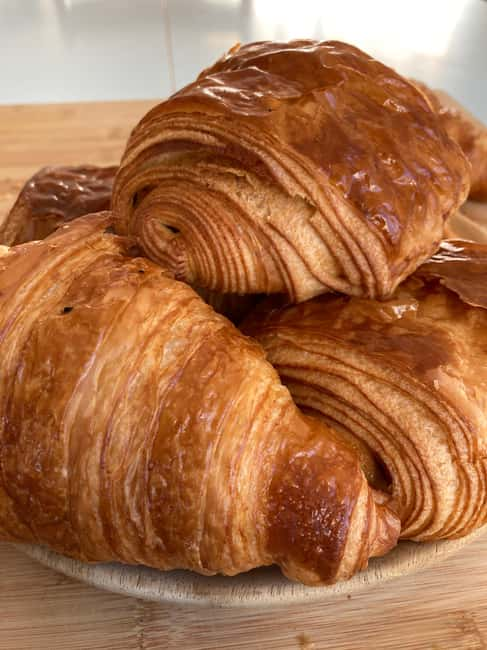
At $112 per person, this is not a budget snack stop. You can buy a very good croissant or macaron for far less. The value comes from the instruction, the small group, the equipment, the recipes, the take-home packaging, and the food you make yourself.
I think the price is reasonable for someone who wants an activity rather than another meal. A class of up to six gives you more personal attention than a large group demonstration, and the three-hour tart option offers a substantial block of teaching time.
The macaron class may offer the clearest souvenir value. Taking home around 15 macarons, as reported by one participant, gives you something to enjoy during the trip and share afterward. The croissant class can also produce a generous batch, with one participant taking home eight.
The value is weaker if you have no interest in baking after Paris. In that case, the class still gives you a pleasant food experience, but you are paying a premium for skills you may never use. I would spend the money on this only if you like cooking, want a memorable activity with someone, or enjoy learning how familiar foods are made.
Free cancellation up to 24 hours before the class and a reserve-now, pay-later option make it easier to fit into a changing Paris schedule. Still, check availability for your chosen pastry because the duration and starting times vary.
Who should book this class?
This works best for adults, older teens who meet the age rules, couples, solo food lovers, and families with children old enough to participate. The small group keeps it friendly, and the English instruction removes the language barrier for English-speaking visitors.
The macaron class is the most accessible first choice. It suits a novice who wants a clear project and a box of colorful results. It also suits an experienced amateur who has struggled with macarons and wants a chef to point out what is going wrong.
Choose croissants if you enjoy process and do not mind technical work. The class may be less suitable if you want instant results or have only a narrow gap between sightseeing plans.
Choose French tarts if you want the longest lesson and a broader pastry focus. Choose the champagne ganache macaron class if the social setting, chocolate filling, and glass of bubbly matter as much to you as the baking.
Children under 12 cannot join the macaron or boutique-style pastry classes. Children under 15 cannot join croissant or French tart classes. Anyone aged 12 to 17 must attend with a participating adult, and only paying participants can enter the workshop.
Small details that can improve your experience
Arrive early. The door can be difficult to spot, and a side street in Paris can cost you more time than expected.
Use the Metro if possible. Parking near the workshop can be frustrating, and the nearby stations make public transport practical.
Wear something you can work in comfortably. Aprons and cooking equipment are supplied, but you will still be taking part in a working kitchen.
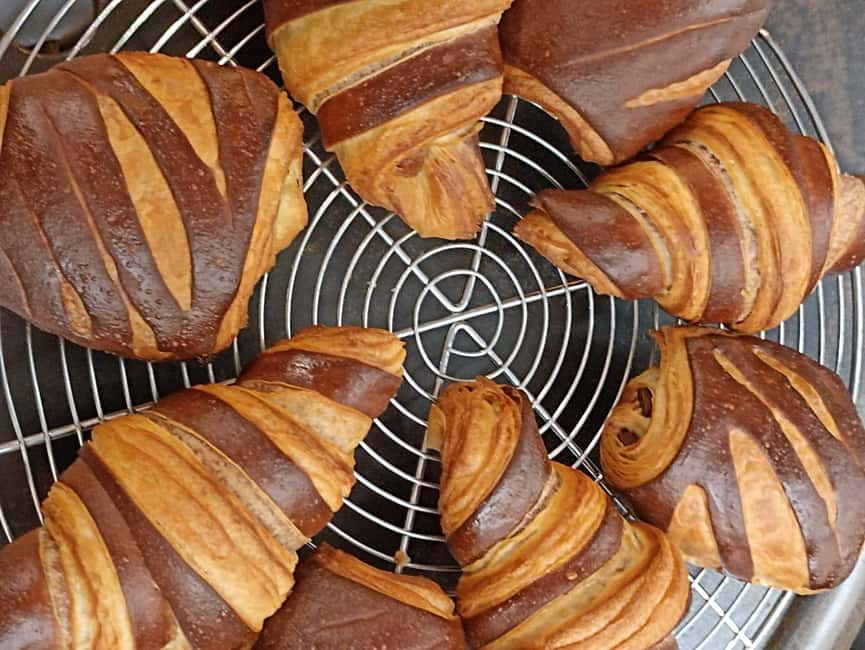
Plan a little space in your day after class. You may leave with macarons, croissants, or other pastries in a take-home bag, and you will want to protect them rather than squeeze them into a packed sightseeing schedule.
Do not book only for the final tasting. The best part is learning what to do before the pastries reach the oven. Pay attention to the chef’s corrections, especially during mixing, shaping, and piping.
Should you book Pâtisserie à la Carte?
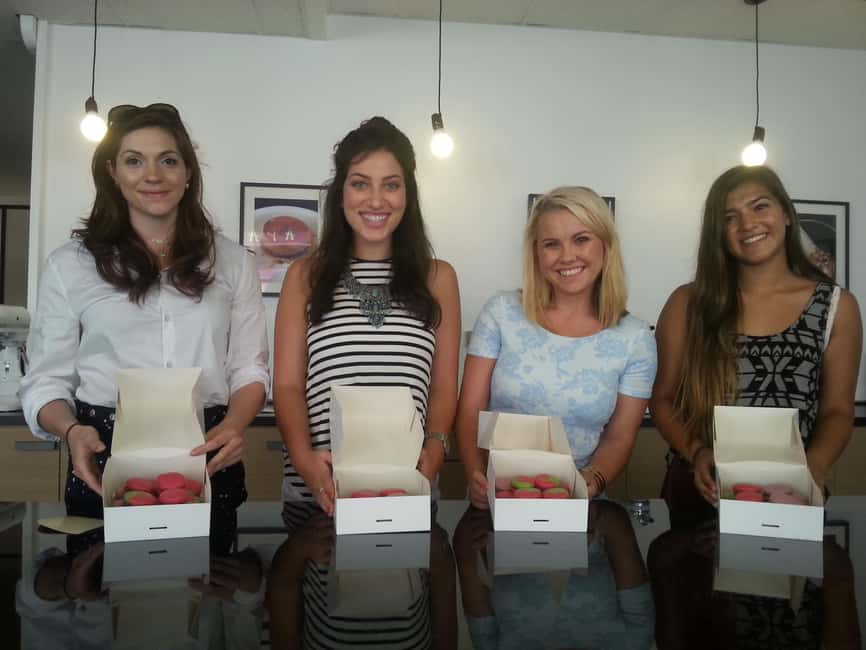
Book this class if you want a friendly, practical Paris activity with food to eat and skills to reuse. The six-person group, English instruction, patient guidance from instructors such as Gaëlle, and generous take-home results make it a strong choice for baking fans.
I would choose macarons for the easiest all-around recommendation, croissants for a more technical challenge, French tarts for the fullest lesson, and champagne ganache macarons for a special occasion. Skip it if your schedule is packed, you dislike careful kitchen work, or you only want to sample pastry rather than make it.
For most visitors who enjoy food and want a break from monuments, this is a worthwhile way to spend part of a Paris day, especially when paired with Montmartre and Sacré-Cœur.
FAQ
Where is the pastry workshop located?
The workshop is on a quiet side street in the SoPi neighborhood, on the ground floor of a boutique. It is close to Sacré-Cœur and Montmartre.
Which pastry classes can I choose from?
You can choose a macaron class, a croissant class, a French tart class, or a luxury macaron class with champagne ganache and a glass of bubbly.
Are the classes taught in English?
Yes. The classes are taught in English, and you receive an English copy of the recipes.
How many people can join each class?
The group is limited to six participants.
How long does the class last?
The duration ranges from 150 minutes to three hours, depending on the class. The French tart class is a three-hour session.
What is included in the booking?
The booking includes the English-language class, recipes, aprons, cooking equipment, take-home bags, and the Everyday Gourmet French Tarts eBook.
Can I take my pastries home?
Yes. You can eat your creations at the workshop with tea or coffee, or place them in a take-home bag.
Are children allowed to participate?
Children under 12 cannot join the macaron or boutique-style pastry classes. Children under 15 cannot join the croissant or French tart classes. Participants aged 12 to 17 must be accompanied by a participating adult.
Can I cancel the booking?
You can cancel up to 24 hours in advance for a full refund. A reserve-now, pay-later option is also available.
Newest additions around Paris
- Family escape Game with kids and teens on the Île de la Cité★ 4.5 · 11 reviews
- Private Photoshoot with the Iconic Eiffel Tower in Paris★ 5.0 · 11 reviews
- 2-day Private Mont Saint-Michel, 3 Loire Castles, D-Day Express★ 4.5 · 11 reviews
- Paris: Batobus Hop-On Hop-Off Cruise & Landmarks Audio Tour★ 3.0 · 11 reviews
- Paris Revolutionary Walking Tour: Iconic French Sights & Stories★ 5.0 · 11 reviews
- Guided and Private Tour of 3 hours through Paris aboard a Citroën 2cv★ 5.0 · 11 reviews
- Kids in the Kitchen – CrOisSaNtS★ 4.0 · 11 reviews
- Paris: Ghosts and Dark Stories Guided Walking Tour★ 4.1 · 11 reviews
Pastry & Macaron Classes, compared.
Montmartre Cheese, Wine & Pastry Guided Walking Tour
Read our review →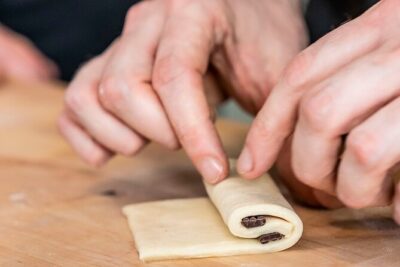
Paris Croissant Small-Group Baking Class with a Chef
Read our review →
Paris Cooking Class: Learn How to Make Macarons
Read our review →
A Morning in Paris Food Tour: Croissants, Baguettes & Chocolate
Read our review →
Paris Chocolate, Macaron & Pastry Food Tour: 10 Gourmet Tastings
Read our review →Browse the lists this tour appears in