
Reviewed · PASTRY & MACARON CLASSES
Paris Macaron baking class with a Chef Patissier
Macarons look simple, but the small details decide whether they rise into smooth, delicate shells or collapse into sugary rubble. This hands-on Paris class focuses on those details, from macaronage, the folding technique that gives the batter its texture, to piping, filling, and baking.
I like the small maximum of 10 people, which gives you room to ask questions and receive help. I also like that you leave with useful skills, a chef’s recipe, and a generous box of macarons rather than only a demonstration. The main drawback is practical: the studio is at 85 Rue de Rome, which some people find inconvenient, and the class has a firm start time.
In This Review
- Key points to know before booking
- What you actually do during the 2.5-hour class
- Why the macaron technique matters
- Choosing flavors and dividing the work
- A surprisingly generous box to take home
- Is $113.20 a fair price?
- The Rue de Rome location and timing
- Who will enjoy this class most?
- What makes it feel like a Paris experience
- What to bring and how to prepare
- Should you book the Paris macaron class?
- FAQ
- How long does the Paris macaron class last?
- Where does the class meet?
- Is the class taught in English?
- How many people can attend?
- Are ingredients and baking tools included?
- What do I take home?
- Can I choose the macaron flavor?
- Are drinks included?
- Can I cancel for a refund?
Key points to know before booking
- You make the macarons yourself: The chef guides you through shells, batter, piping, baking, and filling.
- The class is capped at 10 people: That keeps the work personal and manageable.
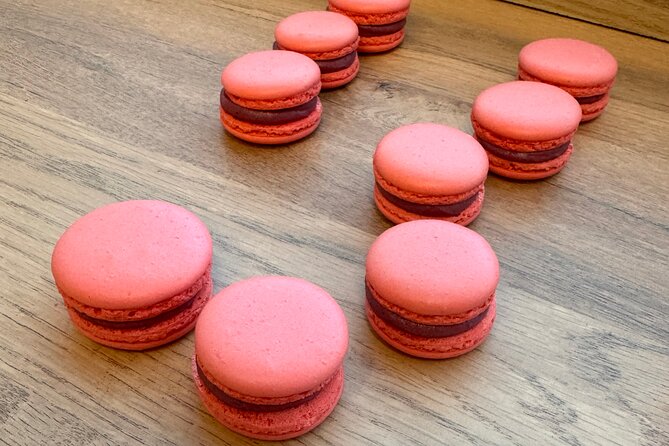
- Expect a generous haul: Past class formats have produced about 15 to 22 macarons per person.
- You may choose flavors: Options have included black currant with white chocolate, along with other flavor choices offered during the class.
- English instruction is provided: Several chefs, including Maria, Leo, Marie, and Vivian, have led sessions.
- Arrive on time: Late entry may not be possible once the live class has started.
What you actually do during the 2.5-hour class
This is not a pastry demonstration where you stand behind a counter and watch someone else work. You prepare the macarons yourself, with the chef showing each stage and helping you correct small mistakes before they become large ones.
The class lasts about two hours and 30 minutes. That gives enough time for a full recipe, though the exact pace can depend on the group and the stage of the baking process. Coffee, tea, and soft drinks are included, which makes the session feel more like a relaxed workshop than a rushed appointment.
The first part centers on the shells. This is where the chef explains the balance of ingredients and the importance of technique. Macarons are not difficult because the ingredient list is long. They are difficult because the batter needs the right consistency, and small changes in mixing can affect the finished shape.
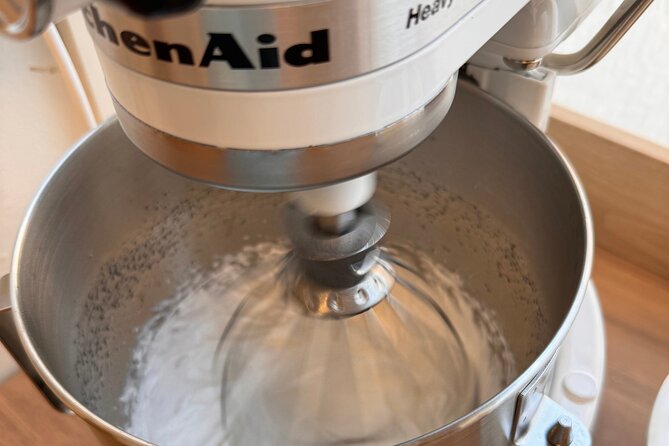
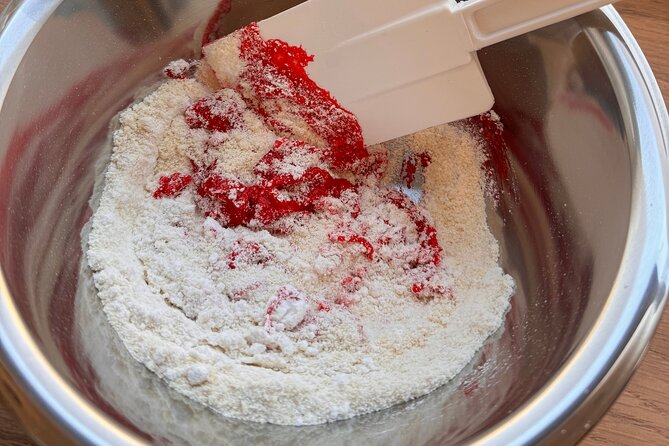
You will work through macaronage, the process of folding the almond mixture and meringue together. Fold too little and the batter may be too stiff. Fold too much and it can become loose. The chef’s guidance matters here because a printed recipe cannot easily tell you what the batter should look like at the exact moment you stop folding.
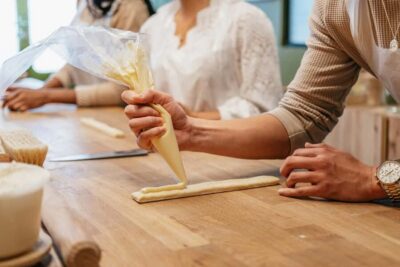
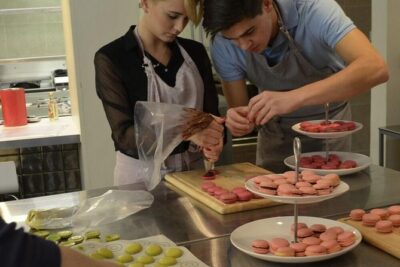
You then pipe the mixture into rounds. Even piping helps the shells bake evenly and gives the finished macarons a tidy appearance. The class covers the visual side of the pastry as well as the taste, including how to aim for smooth shells and the proper texture.
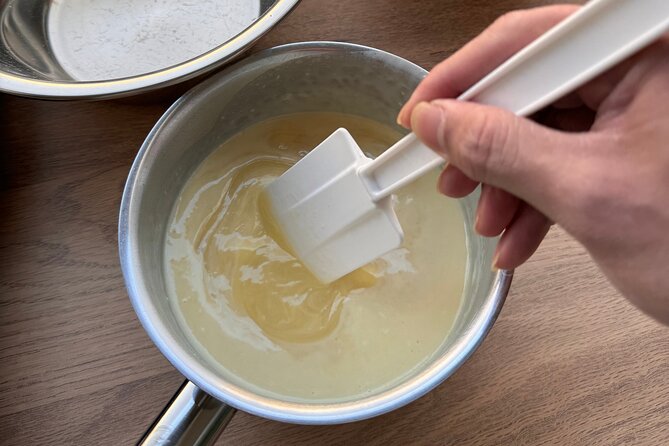
While the shells are handled through the baking stages, you prepare the filling. The goal is not simply to produce a sweet cookie. The shell and filling must work together, with the right balance of crispness, softness, flavor, and richness.
The workshop also explains the science behind the pastry. You learn why precision matters and how ingredients affect texture and appearance. That is the real value here. You are not just copying movements. You are learning what to watch for when you try the recipe in your own kitchen.
More pastry and macaron classes:
- Paris: Montmartre Cheese, Wine & Pastry Guided Walking Tour
★ 4.8 · 2,255 reviews - Paris Croissant Small-Group Baking Class with a Chef
★ 5.0 · 910 reviews - Paris: Macaron Class at Galeries Lafayette
★ 4.3 · 905 reviews
Why the macaron technique matters
I would book this class for the technique alone. Macarons have a reputation for being fussy, and the class helps make the process less mysterious.
A recipe can tell you how many grams of almond flour or sugar to use. It cannot always tell you when the batter has reached the right consistency, how firmly to pipe, or what a successful shell should look like before it goes into the oven. A pastry chef can show you those signs in real time.
The instructors also explain the small baking tips that help beginners avoid panic. You can ask questions as you work, rather than trying to diagnose a failed batch after the fact. That makes the class useful even if you rarely bake.
Several chefs lead the sessions, so the teaching style may vary. Maria is described as clear, professional, and attentive to each person’s participation. Leo brings a playful approach and gives individual help. Vivian has been praised for focusing on technique, while Marie has helped make the process feel calm for people who do not consider themselves bakers.
The common thread is step-by-step instruction. You should not need advanced pastry skills to take part.
Choosing flavors and dividing the work
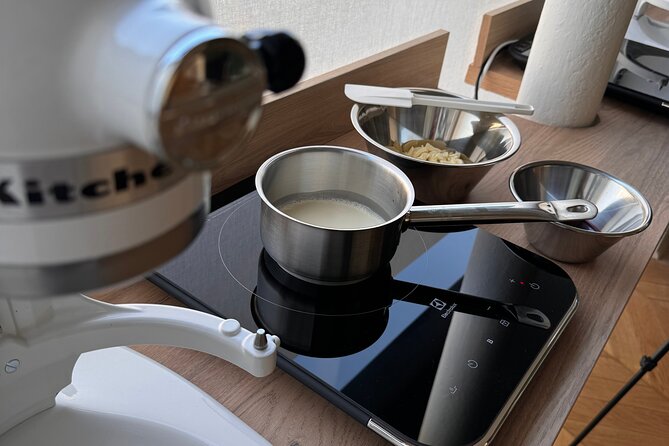
The class can include a choice of color and flavor. One example has been black currant and white chocolate, a combination with a sharp fruit note and a creamy filling. Other sessions may present three options, so your choices depend on the class format and the day.
If you attend with a partner or family member, you may work in pairs. In one class, each pair selected a color and flavor. If you arrive alone or with an odd number, the team says you may be paired with another participant or with the chef. That is worth knowing before you book, especially if you prefer to control every flavor yourself.
The shared format can be social and fun, but it also creates one possible point of friction. One class practice involved exchanging some macarons among participants. The provider has said this should be optional, yet if you have dietary, hygiene, or personal concerns, speak up clearly before the exchange.
A practical solution is to ask how the finished macarons will be divided at the beginning. You may want to keep the pastries you handled, particularly if you are attending with children or have chosen a flavor your family prefers.
A surprisingly generous box to take home
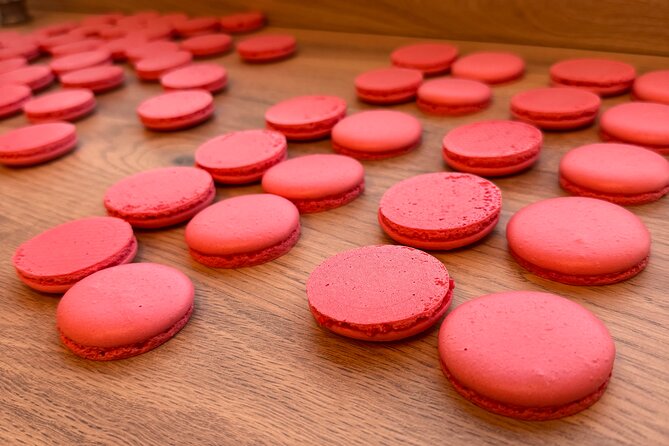
The quantity is one of the strongest parts of the value. The exact number can vary, but the class has produced about 15 macarons per person in one format and around 20 to 22 per person in others.
That is much more than the small souvenir box many people imagine. You should have enough to taste several during the class and carry a substantial supply back to your accommodation or home.
There is one catch: macarons are delicate. If you book this early in your Paris stay, you have more time to enjoy them before flying home. One practical suggestion from the class experience is to schedule the workshop early enough that you are not trying to transport the pastries for the entire trip.
The class provides the ingredients and utensils, so you do not need to bring baking equipment. You also receive the chef’s recipe, which changes the experience from a one-time activity into something you can repeat at home.
More cooking classes in Paris:
- Paris Cooking Class and Lunch with Wine plus Market Visit Option
★ 5.0 · 1,024 reviews - Paris: French Croissant Baking Class with a Chef
★ 4.9 · 712 reviews - Paris Cooking Class: Learn How to Make Macarons
★ 5.0 · 634 reviews - Paris Evening Cooking Class French Dinner and Market Visit Option
★ 5.0 · 430 reviews
Is $113.20 a fair price?
At $113.20 per person, this is not a cheap way to buy macarons. If your only aim is to eat French pastries, a pâtisserie visit will cost far less.
The price makes more sense if you value instruction, a small group, and the amount of food you take away. You receive about two and a half hours of guided activity, drinks, ingredients, equipment, professional help, a recipe, and a large batch of your own pastries.
The class also gives you something that a shop cannot: a working understanding of how macarons are made. If you return home and successfully recreate them, the lesson keeps paying off.
I see the price as reasonable for a hands-on cooking class in Paris, especially for someone who has wanted to learn macarons but has been intimidated by the process. It is less attractive for a person who wants a quick food tasting or a polished pastry demonstration with no participation.
The Rue de Rome location and timing
The meeting point is 85 Rue de Rome, 75017 Paris. The activity begins and ends at the same location.
The class is near public transportation, but the location may not be convenient for every Paris itinerary. Plan your route before class, and allow extra time for finding the entrance and getting settled. One late arrival caused a serious problem because the participant followed an incorrect map link and missed the start.
This warning matters. It is a live class, not a sightseeing stop where you can wander in whenever you arrive. Once the chef has begun mixing and demonstrating, bringing in late arrivals can disrupt the group and cause them to miss essential steps.
Use the exact street address in your confirmation, check your route before leaving, and contact the provider directly if you have trouble on the way. A few minutes can matter.
Who will enjoy this class most?
This class suits couples, families, friends, and solo visitors who want to do something with their hands in Paris. It also works well across age groups. The available feedback includes children as young as nine and teenagers who enjoyed the session with a parent.
You do not need to be a serious baker. The instructors are used to helping people with different skill levels, and the class is designed for beginners as well as baking enthusiasts.
It is especially well suited to you if:
- You want a cultural activity beyond museums and monuments.
- You like bringing home a practical skill from a trip.
- You enjoy sweet food and want to understand how it is made.
- You are traveling with a child or teenager who likes cooking.
- You prefer a small group over a large demonstration.
- You want a Paris souvenir that you can eat and recreate.
It may not suit you if you dislike shared work, have strict flavor preferences, or want complete control over every pastry you make. Ask about the day’s flavor choices and how the finished macarons are divided before the class begins.
What makes it feel like a Paris experience
The class does not replace visiting a traditional French pâtisserie. You are not touring a historic bakery or learning a broad survey of French pastry. Instead, you get a focused look at one of France’s most recognizable modern treats.
That focus is useful. Macarons combine French pastry precision with color, flavor, and presentation. You learn why they demand care, but the chef keeps the tone light rather than making the process feel like an exam.
The cultural element comes through the pastry itself and the chef’s explanation of French culinary traditions. You leave with more than a recipe, but the experience remains practical. You spend most of your time mixing, piping, filling, baking, and tasting.
I also like the social scale. With no more than 10 people, the room can feel friendly without becoming chaotic. You can compare results, ask for help, and share a few tips with the people working nearby.
What to bring and how to prepare
Everything needed for baking is provided. Coffee, tea, and soft drinks are included, so you do not need to pack supplies for the session.
You should bring your booking confirmation on your mobile device. The ticket is mobile, and confirmation is provided at booking.
Wear something comfortable for a hands-on kitchen activity. The supplied information does not specify a dress code, so I would simply choose clothes you do not mind wearing around flour, sugar, and coloring.
Most important, arrive ready to participate. The class works best when you are willing to measure carefully, listen to the chef’s instructions, and accept that pastry making can involve a few imperfect shells along the way.
Free cancellation is available if you cancel at least 24 hours before the local start time. A cancellation within 24 hours is not refunded, and late changes are not accepted. The class also requires a minimum number of participants, so if the provider cancels for that reason, you can receive a full refund or choose another date or activity.
Should you book the Paris macaron class?
I would book this if you want a useful, tasty activity and do not mind spending part of your Paris day in a kitchen. The strongest reasons are the small class size, patient step-by-step teaching, generous number of macarons, and recipe you can use later.
Book early in your trip if possible. The experience is often reserved about 35 days ahead, and an earlier booking gives you more time to enjoy your pastries before leaving Paris.
Before confirming, check the route to Rue de Rome, note the strict start time, and consider whether you are comfortable with paired work and shared flavor choices. If those details suit you, this is a pleasant way to learn a real French pastry technique instead of simply buying another box of macarons.
FAQ
How long does the Paris macaron class last?
The class lasts approximately two hours and 30 minutes.
Where does the class meet?
The meeting point is 85 Rue de Rome, 75017 Paris, France. The activity ends back at the same location.
Is the class taught in English?
Yes. The experience is offered in English.
How many people can attend?
The class has a maximum of 10 participants.
Are ingredients and baking tools included?
Yes. All baking ingredients and utensils are provided.
What do I take home?
You take home the macarons you make, with the exact quantity varying by class. Available class details indicate roughly 15 to 22 macarons per person. You also receive the chef’s recipe.
Can I choose the macaron flavor?
Flavor choices may be offered during the class. Past options have included black currant and white chocolate, and some sessions have offered three choices.
Are drinks included?
Yes. Coffee, tea, and soft drinks are included.
Can I cancel for a refund?
You can cancel at least 24 hours before the experience start time for a full refund. Cancellations or changes made less than 24 hours before the start are not accepted or refunded.
More Workshops in Paris
- Fragonard Paris: Mini Perfume Workshop
★ 4.5 · 1,924 reviews - Paris: 2-Hour Perfume Creation Workshop
★ 4.8 · 731 reviews - Paris: French Macaron Culinary Class with a Chef
★ 4.9 · 591 reviews - Paris: French Wine Tasting Class with Sommelier
★ 4.8 · 505 reviews
Newest additions around Paris
- Family escape Game with kids and teens on the Île de la Cité★ 4.5 · 11 reviews
- Private Photoshoot with the Iconic Eiffel Tower in Paris★ 5.0 · 11 reviews
- 2-day Private Mont Saint-Michel, 3 Loire Castles, D-Day Express★ 4.5 · 11 reviews
- Paris: Batobus Hop-On Hop-Off Cruise & Landmarks Audio Tour★ 3.0 · 11 reviews
- Paris Revolutionary Walking Tour: Iconic French Sights & Stories★ 5.0 · 11 reviews
- Guided and Private Tour of 3 hours through Paris aboard a Citroën 2cv★ 5.0 · 11 reviews
- Kids in the Kitchen – CrOisSaNtS★ 4.0 · 11 reviews
- Paris: Ghosts and Dark Stories Guided Walking Tour★ 4.1 · 11 reviews
Pastry & Macaron Classes, compared.
Montmartre Cheese, Wine & Pastry Guided Walking Tour
Read our review →
Paris Croissant Small-Group Baking Class with a Chef
Read our review →
Paris Cooking Class: Learn How to Make Macarons
Read our review →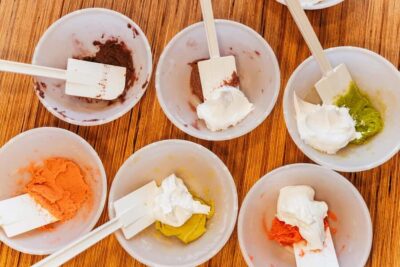
A Morning in Paris Food Tour: Croissants, Baguettes & Chocolate
Read our review →
Paris Chocolate, Macaron & Pastry Food Tour: 10 Gourmet Tastings
Read our review →Browse the lists this tour appears in