
Reviewed · PASTRY & MACARON CLASSES
Paris: Macaron Baking Class in Central Paris
Making macarons is less about fancy decoration than precision. In this central Paris class, you work through the full process, from measured ingredients and properly mixed batter to piped shells, fillings, baking, and tasting. Chef Leo or Maria leads the session in English, with plenty of practical help for first-time bakers.
I like the hands-on format and the small group, capped at 10 people. I also like that you leave with a usable recipe and, depending on the session, roughly 15 macarons per person. The main caution is simple: macarons contain nuts, and this class is not suitable for vegans, people with nut allergies, or children under 12.
In This Review
- Key points to know before booking
- Why macaron making works so well in Paris
- Arriving at Studio Pâtisserie
- The opening lesson: macarons beyond the pretty shell
- Mixing, piping, and getting the texture right
- Waiting for the oven, then tasting the result
- What you take home besides the sweets
- The value of $122 for 150 minutes
- Who will enjoy this class most
- Practical planning for your Paris day
- Should you book the macaron class?
- FAQ
- How long does the Paris macaron baking class last?
- Where does the class meet?
- Is the class taught in English?
- Who teaches the macaron class?
- How many people are in the class?
- What is included in the price?
- Do I take macarons home?
- Is the class suitable for children?
- Can people with nut allergies or vegans take the class?
Key points to know before booking
- You make the macarons from start to finish: The class includes shell preparation, piping, fillings, baking, and tasting.
- Chef Leo and Maria focus on the why: You learn how mixing, timing, temperature, and texture affect the final result.
- Small groups keep the work practical: The class is limited to 10 participants, with past sessions often numbering around 8 or 9.
- Expect a generous edible souvenir: Several sessions produced about 15 macarons per person, enough to share or snack on later.
- The recipe helps you repeat the result: You take home instructions designed for baking again after Paris.
- Check the restrictions carefully: This is not appropriate for vegans, children under 12, or anyone with a nut allergy.
Why macaron making works so well in Paris
Paris offers no shortage of pastry shops, so a baking class needs to give you more than a box of pretty sweets. This one earns its place in a busy itinerary by showing you why macarons can be difficult to make at home.
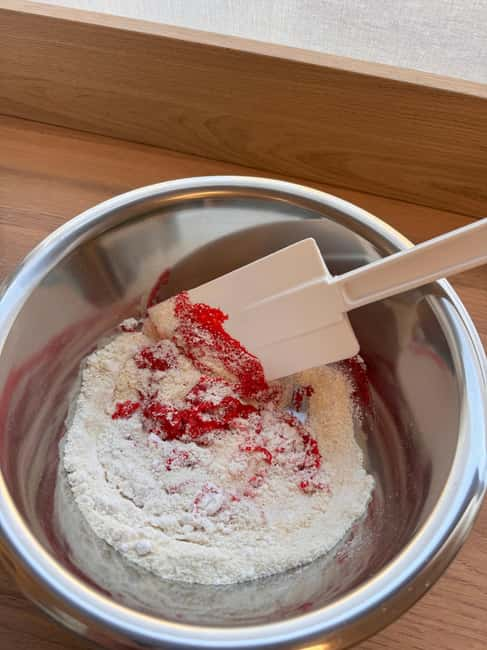
The shell looks simple, but small changes matter. The egg mixture, almond flour, powdered sugar, folding technique, piping pressure, resting time, and oven conditions all affect the result. The class treats the pastry as a science project with a delicious ending. That is useful because it replaces guesswork with a method you can follow later.
You also get a small taste of French food culture without sitting through a long formal meal. The macaron is closely tied to modern French pastry, yet the class remains active and relaxed. You are not simply watching a chef work behind a counter. You are handling the batter and practicing the techniques yourself.
I would place this activity early in a Paris stay if possible. Chef Leo has provided local food suggestions during sessions, so you may get useful ideas for bakeries and restaurants to try afterward. A class near the beginning of your visit can also give you time to use those recommendations.
More pastry and macaron classes:
- Paris: Montmartre Cheese, Wine & Pastry Guided Walking Tour
★ 4.8 · 2,255 reviews - Paris Croissant Small-Group Baking Class with a Chef
★ 5.0 · 910 reviews - Paris: Macaron Class at Galeries Lafayette
★ 4.3 · 905 reviews
Arriving at Studio Pâtisserie
The meeting point is easy to identify by a grey-colored storefront on the main road. Since the supplied directions do not give a street number here, check your booking details carefully before setting out and allow enough time to find the entrance.
Studio Pâtisserie is described as clean, well organized, and prepared before participants arrive. The room is arranged so people can work without feeling crowded. That matters in a baking class, where you need space for bowls, piping bags, trays, and ingredients.
Once you arrive, you settle in and meet the other bakers. The class is conducted in English, making it a practical choice for international visitors. The small format also helps the instructor keep an eye on each work station. If you are unsure about the batter or piping, you can ask for help instead of hoping you have done it correctly.
The atmosphere appears to be friendly rather than formal. Chef Leo is known for a cheerful, humorous teaching style, while Maria is described as clear, encouraging, and funny. The instructor can vary, so check the available session details when booking if having a particular chef matters to you.
The opening lesson: macarons beyond the pretty shell
The session begins with an introduction to the macaron, including its origins, cultural importance, and principal ingredients. This gives the pastry some context before you start weighing and mixing.
The useful part is the focus on cause and effect. You learn why the ingredients are measured carefully and why the batter must reach the right consistency. The class also addresses common mistakes, which is valuable for anyone who has tried macarons before and ended up with cracked shells, hollow centers, or uneven shapes.
This is where the class differs from a quick demonstration. You are encouraged to pay attention to the details instead of treating the recipe as a list of instructions. The goal is not just to produce one successful batch in Paris. It is to understand enough of the method to repeat it at home.
That said, two and a half hours is still a compact introduction, not professional pastry training. You will gain a strong working method, but you should expect to practice again before every home batch looks perfect. Macarons are famously sensitive, and the class itself makes clear that baking depends on conditions as well as ingredients.
Mixing, piping, and getting the texture right
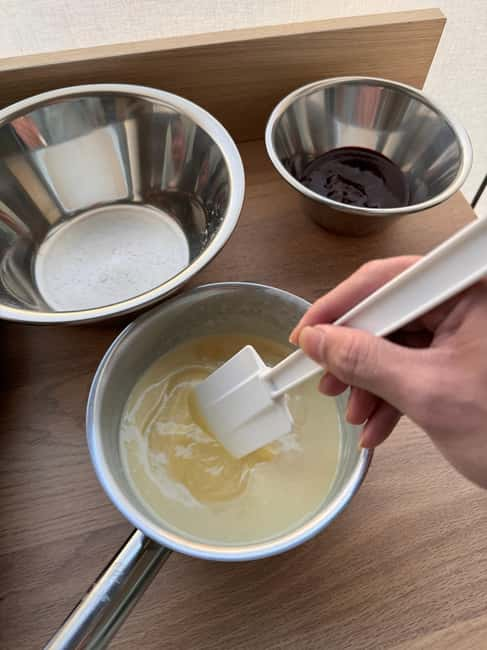
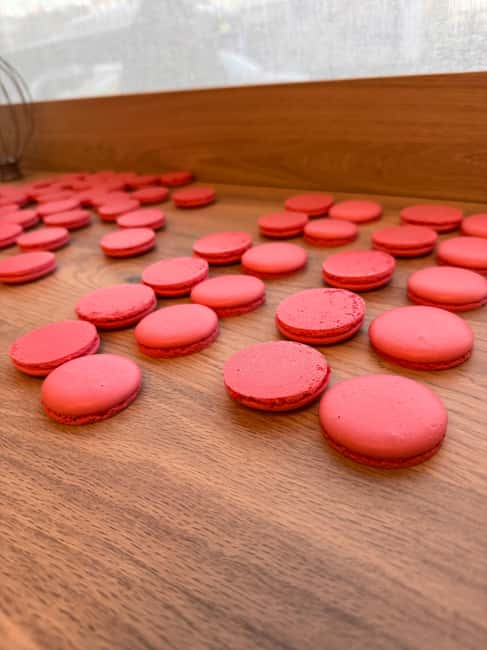
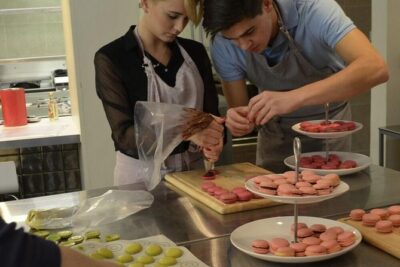
The hands-on section is the heart of the activity. You prepare macaron shells and fillings with guidance from the instructor, then work on piping the batter into even rounds.
Piping is one of the most satisfying parts because the results are visible right away. It is also one of the places where a little coaching helps. The pressure on the piping bag, the angle of your hand, and the amount of batter all affect the shape. Chef Leo has been praised for showing each step clearly and correcting technique patiently. Maria has received similar praise for making beginners feel comfortable.
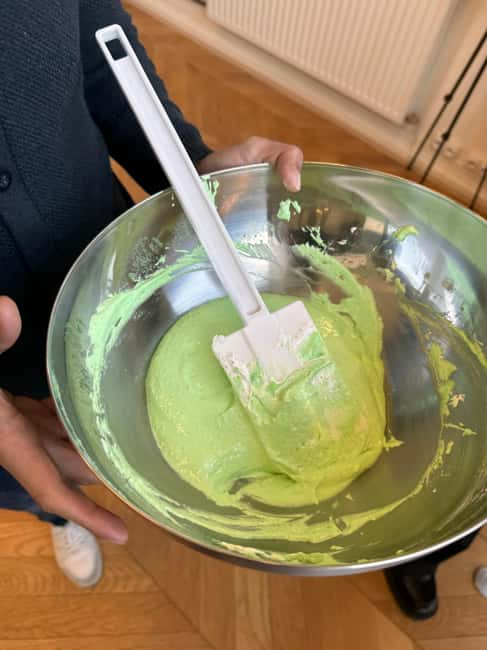
The batter itself requires care. You need to fold it enough to loosen it without destroying its structure. Too little mixing can leave the batter stiff and lumpy. Too much can make it runny. This is the point where the class’s emphasis on why becomes practical rather than theoretical.
Ingredients are measured and prepared for you, allowing the 150-minute session to focus on the work that teaches the most. Necessary tools are provided. You do not need to arrive with baking equipment or spend the first half-hour sorting ingredients.
A few sessions have used flavors such as chocolate, black currant, and passionfruit. These choices add interest, though they may not suit every taste. If you strongly prefer classic flavors such as pistachio, vanilla, or lemon, ask about the day’s options before booking. Flavor selection may be set by the instructor, and one participant would have preferred more familiar choices.
More cooking classes in Paris:
- Paris Cooking Class and Lunch with Wine plus Market Visit Option
★ 5.0 · 1,024 reviews - Paris: French Croissant Baking Class with a Chef
★ 4.9 · 712 reviews - Paris Cooking Class: Learn How to Make Macarons
★ 5.0 · 634 reviews - Paris Evening Cooking Class French Dinner and Market Visit Option
★ 5.0 · 430 reviews
Waiting for the oven, then tasting the result
After the shells are piped and the fillings are prepared, the macarons go into the oven. This pause is part of the learning process. You can see how the shells develop and understand why baking time and temperature matter.
The studio has served a refreshing drink while the macarons bake, giving you a comfortable break before the final assembly and tasting. The precise refreshments may vary, so do not treat this as a separate food service. It is simply a pleasant touch during the waiting period.
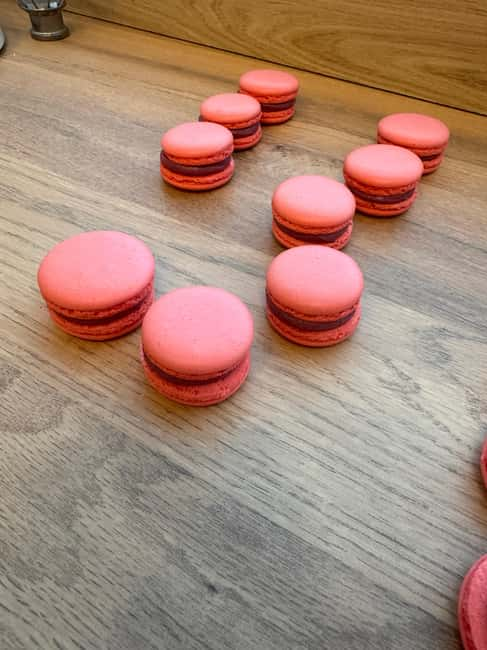
Then comes the payoff: you assemble and taste the macarons you made. The satisfaction is real because the result comes from your own work, not from a pastry case. The best batches have been described as attractive and delicious, with enough to enjoy later as well.
The quantity can be generous. Multiple participants have described taking home around 15 macarons each, while one couple reported leaving with about 30 handmade pieces between them. The exact amount and final selection may vary by class, but you should expect more than a single sample.
One practical tip: macarons can taste even better the next day. Allowing them to rest can soften the shell slightly and bring the filling and almond flavor together. If you are carrying them around Paris, protect the box from being crushed and avoid treating it like a souvenir that can be tossed into a day bag.
What you take home besides the sweets
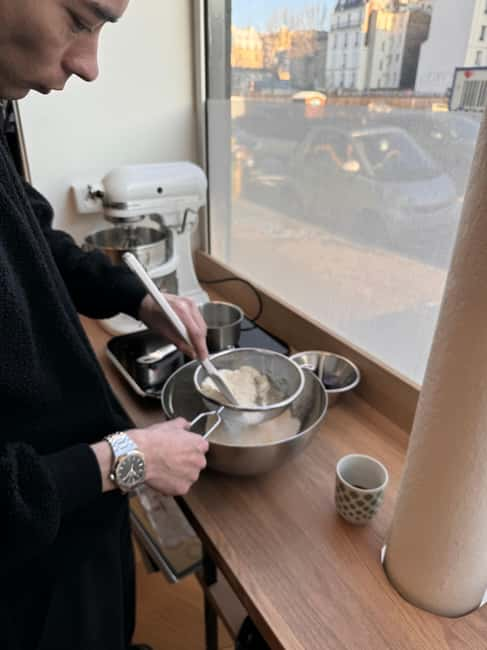
The recipe is the lasting part of the class. A box of macarons disappears quickly, but a clear recipe lets you try again for family and friends.
The instruction also covers home conditions. Chef Leo has given advice about adapting the process to the weather in a participant’s home country. That matters because humidity and temperature can affect drying, piping, and baking. You may need to adjust your timing once you return home, even if you follow the ingredients exactly.
The recipe is intended to be useful rather than decorative. Several participants have successfully used it after returning home, including one self-described beginner who managed to impress family and friends with a later batch.
You should still expect a learning curve. Macarons reward careful weighing and close attention. The class gives you a strong starting point, but your first home attempt may not match the Paris batch. Keep notes on your oven, room temperature, and batter texture so you can correct the process next time.
The value of $122 for 150 minutes
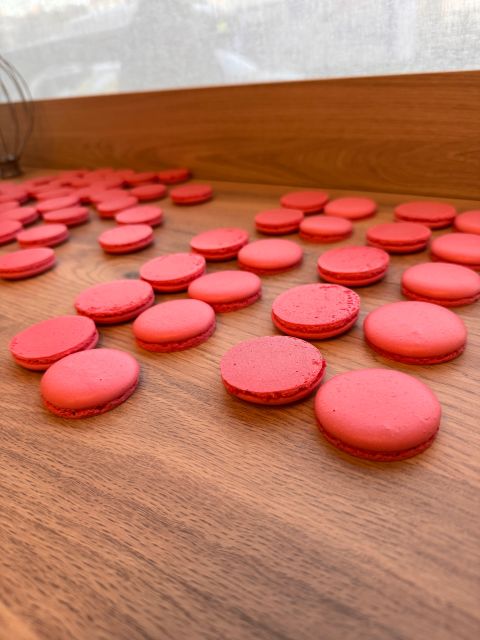
At $122 per person, this is not the cheapest pastry activity in Paris. The price makes more sense if you value instruction, participation, and the take-home result rather than treating the class as a simple tasting.
The fee includes the English-speaking instructor, the baking class, tasting, ingredients, equipment, and a recipe. You also receive a substantial batch of macarons to take away. If you bought similar pastries in a Paris shop, you would still miss the practical lesson and the satisfaction of making them yourself.
The small group improves the value. A maximum of 10 participants gives the instructor room to help with piping and batter technique. Past classes with 8 or 9 people have been described as a comfortable size for questions and interaction.
I would consider the price fair for couples, families with older children, solo visitors who enjoy meeting people, and anyone who has wanted to learn French pastry. It is less appealing if you only want to eat macarons, have limited interest in baking, or are trying to keep your Paris activities very low-cost.
The class also offers a useful souvenir. Instead of buying another generic item, you take home a skill, a recipe, and food you helped prepare. That combination makes the cost easier to justify for a special occasion such as a birthday or anniversary.
Who will enjoy this class most
This activity suits beginners particularly well. You do not need advanced baking experience, and the instructor guides you through each stage. The pace is active but not presented as a professional examination.
Couples can work side by side, and parents can book for children aged 12 or older. The class has also worked well for solo participants because the group is small enough to encourage conversation without turning into a large workshop.
It is a good choice for someone who likes food culture but wants a break from museums and monuments. Two and a half hours gives you a focused indoor activity that can fit into a morning or afternoon.
You should skip it if you have a nut allergy or follow a vegan diet. Macarons rely on almond ingredients, and the activity is not suitable for either group. Children under 12 are also excluded, so families with younger children will need another plan.
I would also think twice if you dislike fixed flavors or hands-on tasks. The class is built around making the pastry, not choosing every ingredient or simply watching. You should be ready to listen closely, follow instructions, and accept a few imperfect shells along the way.
Practical planning for your Paris day
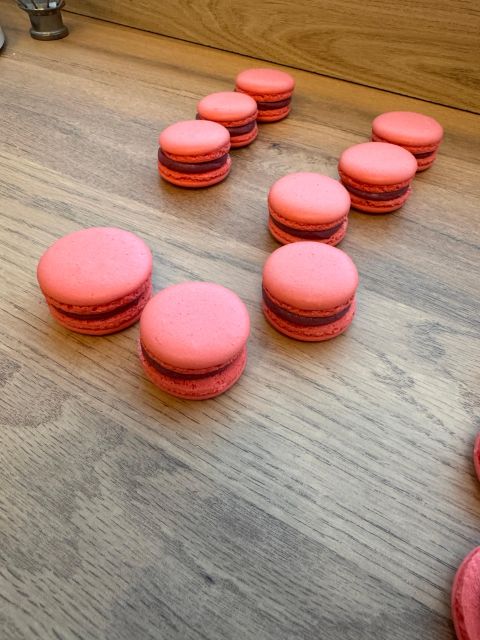
Wear comfortable clothes and shoes. You will be standing and working with baking equipment for much of the 150 minutes, so this is not the place for restrictive clothing or uncomfortable footwear.
The activity is offered in English, and the group is limited to 10. Check the available starting times before booking, then plan your metro or walking route to the grey storefront on the main road. The exact meeting address should come from your reservation information.
If you can choose your place in the itinerary, booking early in your stay has one advantage: Chef Leo may suggest other places to eat and visit in Paris. It also gives you time to try the recipe at home only if you happen to be staying in the city for a longer visit, though the main benefit is using the food recommendations during your trip.
The booking terms are flexible. You can cancel up to 24 hours in advance for a full refund, and you can reserve now and pay later. Check the current availability and starting times, since those details can change.
Should you book the macaron class?
I would book this class if you want an active Paris food experience and like the idea of learning a technique you can repeat at home. The strongest reasons are the small group, clear step-by-step teaching, generous take-home batch, and recipe.
Chef Leo and Maria receive especially strong praise for patience, humor, and practical instruction. The clean studio and organized stations also help beginners relax. You will still need to concentrate, and the flavor choices may not always match your favorites.
For a pastry lover, a couple, or a family with children aged 12 and over, this is a well-focused use of 150 minutes. For anyone with a nut allergy, a vegan diet, or no interest in baking, spend the $122 elsewhere. For everyone else, this is a pleasant way to turn one of Paris’s most recognizable sweets into a skill, a souvenir, and a story you can recreate in your own kitchen.
FAQ
How long does the Paris macaron baking class last?
The class lasts 150 minutes, or two and a half hours.
Where does the class meet?
The meeting point is at a grey-colored storefront on the main road in central Paris. Check your booking information for the exact address.
Is the class taught in English?
Yes. The instructor language is English.
Who teaches the macaron class?
The instructors named for this experience are Chef Leo and Maria. The available instructor may depend on the session you choose.
How many people are in the class?
The class is limited to 10 participants. Some sessions have had 8 or 9 people.
What is included in the price?
The price includes the instructor, baking class, tasting, and a recipe to take home. Ingredients and necessary baking tools are provided for the session.
Do I take macarons home?
Yes. You taste the finished macarons and take home the macarons you make. Several sessions produced about 15 macarons per person.
Is the class suitable for children?
The class is not suitable for children under 12. Children aged 12 and over may attend.
Can people with nut allergies or vegans take the class?
No. The class is not suitable for people with nut allergies or vegans.
More Workshops in Paris
- Fragonard Paris: Mini Perfume Workshop
★ 4.5 · 1,924 reviews - Paris: 2-Hour Perfume Creation Workshop
★ 4.8 · 731 reviews - Paris: French Macaron Culinary Class with a Chef
★ 4.9 · 591 reviews - Paris: French Wine Tasting Class with Sommelier
★ 4.8 · 505 reviews
Newest additions around Paris
- Family escape Game with kids and teens on the Île de la Cité★ 4.5 · 11 reviews
- Private Photoshoot with the Iconic Eiffel Tower in Paris★ 5.0 · 11 reviews
- 2-day Private Mont Saint-Michel, 3 Loire Castles, D-Day Express★ 4.5 · 11 reviews
- Paris: Batobus Hop-On Hop-Off Cruise & Landmarks Audio Tour★ 3.0 · 11 reviews
- Paris Revolutionary Walking Tour: Iconic French Sights & Stories★ 5.0 · 11 reviews
- Guided and Private Tour of 3 hours through Paris aboard a Citroën 2cv★ 5.0 · 11 reviews
- Kids in the Kitchen – CrOisSaNtS★ 4.0 · 11 reviews
- Paris: Ghosts and Dark Stories Guided Walking Tour★ 4.1 · 11 reviews
Pastry & Macaron Classes, compared.
Montmartre Cheese, Wine & Pastry Guided Walking Tour
Read our review →
Paris Croissant Small-Group Baking Class with a Chef
Read our review →
Paris Cooking Class: Learn How to Make Macarons
Read our review →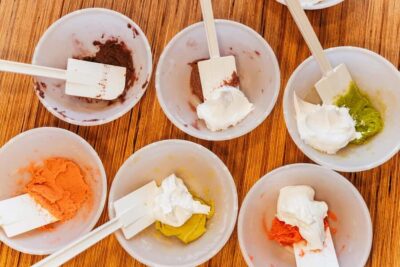
A Morning in Paris Food Tour: Croissants, Baguettes & Chocolate
Read our review →
Paris Chocolate, Macaron & Pastry Food Tour: 10 Gourmet Tastings
Read our review →Browse the lists this tour appears in