
Reviewed · PASTRY & MACARON CLASSES
Paris Croissant and Breakfast Pastry Class with a French Chef
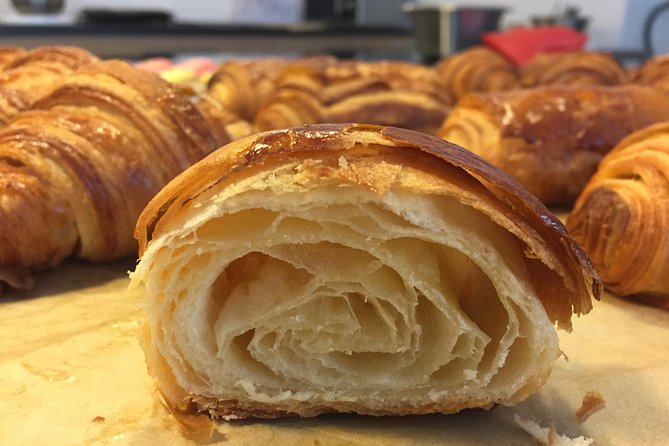
Croissant dough is not a quick breakfast project. It is a careful stack of butter, dough, rolling, folding, chilling, yeast, and patience. This three-hour Paris pastry class gives you a practical look at that process, with a French chef guiding you through croissants and pain au chocolat in a group of no more than six.
I like the small class size, which gives you room to ask questions and work with the dough instead of watching from the back. I also like that you leave with a substantial batch of pastries, printed recipes, and a better sense of why a good croissant has crisp layers outside and a soft, airy center.
The main consideration is that the full pastry process takes longer than the class. Some dough stages are prepared ahead, so this is a hands-on lesson rather than a complete start-to-finish bake from one batch.
In This Review
- Key points to know before booking
- Why this Paris pastry class is more than a baking demonstration
- Starting at 9 Rue Thimonnier in the 9th arrondissement
- A small professional kitchen with plenty of hands-on time
- The real work: butter, layers, and turns
- Croissants, pain au chocolat, and the prepared dough
- Thursday morning brings bicolor chocolate pralin croissants
- What you take home after the oven
- Is $131.54 a fair price?
- Who will enjoy this class most?
- Useful booking details and cancellation terms
- Should you book the Paris croissant class?
- FAQ
- Where does the croissant class begin?
- How long does the class last?
- How many people can join the class?
- Is the class taught in English?
- What pastries will I make?
- Are equipment and aprons provided?
- What is the minimum age?
- Can I cancel for a full refund?
Key points to know before booking
- Only six people per class: You get direct help with rolling, folding, shaping, and other tricky steps.
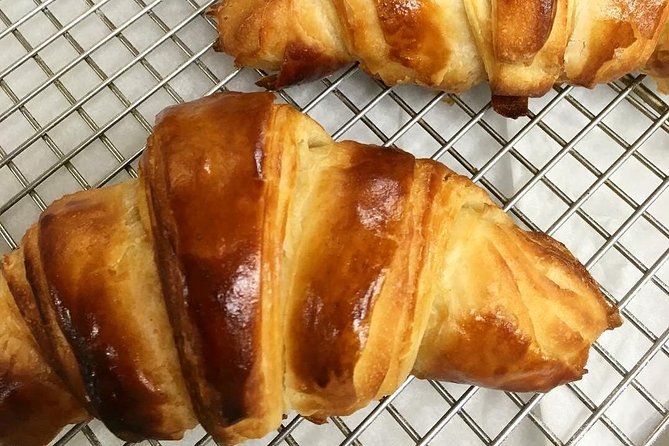
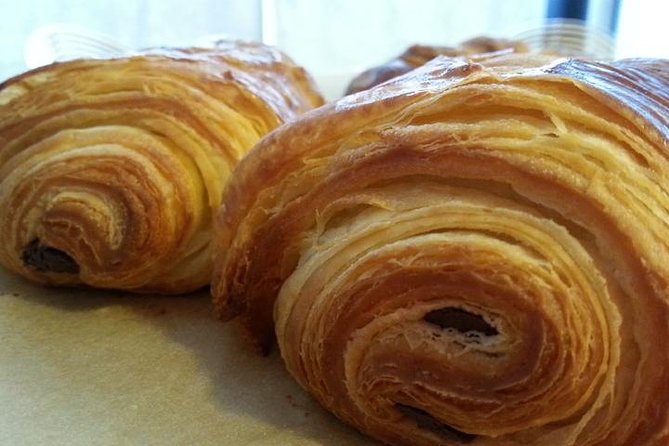
- Croissants and pain au chocolat: You make both classic buttery croissants and chocolate-filled pastries.
- Professional techniques: Learn beurrage, turns, feuilleter, fermentation, and rising, with plain explanations in English.
- Take-home pastries: You can enjoy some with tea or coffee and pack the rest in provided bags.
- Thursday morning variation: The class may feature bicolor croissants filled with chocolate pralin.
- A real pastry workout: Croissant making is rewarding, but it involves precise, labor-intensive dough handling.
Why this Paris pastry class is more than a baking demonstration
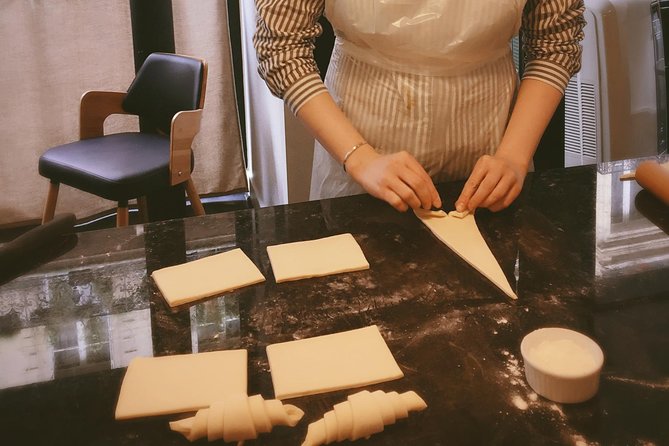
Many food classes let you watch a chef prepare a dish, then hand you a small taste. This one is built around working with the dough yourself. Each participant takes part in the main steps, including shaping the pastries, rather than simply standing beside the chef.
That matters with croissants. The finished pastry looks simple, but the technique hides in the details. You need to keep the butter enclosed in the dough, roll it evenly, fold it in the right pattern, and preserve the thin layers created by the process. A small error can affect the texture later.
The class teaches the French vocabulary that goes with the work. Beurrage is the process of adding butter to the dough block, called the pâton. The dough itself begins as the détrempe, then becomes the pâton once the butter is enclosed.
You also learn how to make the turns. That means rolling and folding the dough to create the layers that give a croissant its flaky structure. The French term feuilleter refers to making those thin leaves of dough and butter.
You will also hear about la pousse, the fermentation and rising stage caused by yeast. This is one of the reasons the class cannot cover every stage in real time. Yeast dough needs long periods to rest, rise, and chill, often beginning the day before.
The result is a useful compromise. You work through the important techniques during the class, while prepared dough allows you to bake pastries before the three hours are over.
More pastry and macaron classes:
- Paris: Montmartre Cheese, Wine & Pastry Guided Walking Tour
★ 4.8 · 2,255 reviews - Paris Croissant Small-Group Baking Class with a Chef
★ 5.0 · 910 reviews - Paris: Macaron Class at Galeries Lafayette
★ 4.3 · 905 reviews
Starting at 9 Rue Thimonnier in the 9th arrondissement
The class begins at 9 Rue Thimonnier, 75009 Paris, in the 9th arrondissement. The area is near public transportation, and the activity begins and ends at the same meeting point.
This location can work well if you are staying around Montmartre or the nearby northern parts of central Paris. One participant staying in Montmartre found the bakery easy to reach. If your hotel is elsewhere, check the route before class because another participant found the journey longer than expected.
Arrive early. The class begins after a five-minute delay, and after 15 minutes without anyone arriving, the booking may be treated as a last-minute cancellation. That is a strict rule, but it makes sense for a class built around timed dough work.
Wear casual clothes and flat, comfortable shoes. Tie back long hair. Aprons and cooking equipment are supplied, so you do not need to bring baking gear.
The minimum age is 15. Anyone under 18 must attend with a registered adult, with one adult required per child.
A small professional kitchen with plenty of hands-on time
The maximum of six participants is one of the strongest features here. Croissant dough takes attention, and a large class would make it harder to see the demonstrations or get help with shaping.
With six people, the chef can watch your technique and correct small problems before they affect the final pastry. You have time to ask why the butter needs to be folded in a certain way, how firmly to roll the dough, or what signs show that the dough is ready.
The setting is a professional kitchen, with aprons and equipment included. The atmosphere is practical rather than formal. You should expect to work, clean up your hands, and concentrate on dough instead of treating this as a sightseeing stop.
Several instructors have led these classes, including Julie, Gaëlle, Marie, Mary, and Hiba. The strongest praise centers on their patience, clear demonstrations, organization, and ability to explain the process in good English. Julie is often noted for precise instruction and helpful answers, while Gaëlle is praised for making the process relaxed and easy to follow.
The class is offered in English, and an English copy of the recipes is included. That is useful if you want to repeat the recipe at home, though you will still need time and planning to reproduce the full method.
The real work: butter, layers, and turns
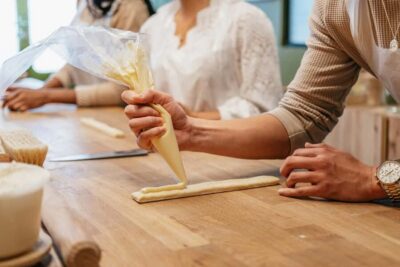
The lesson begins with the dough and the butter. The chef demonstrates how to make the beurrage, then how to enclose the butter in the dough to form the pâton.
This is the stage that teaches you why temperature matters. Butter must be workable enough to spread through the layers but not so soft that it escapes from the dough. The chef guides you through the rolling and folding, then shows how the turns build the pastry’s structure.
Croissant dough can feel awkward at first. It may resist the rolling pin, spring back, or become uneven. That is part of the lesson. You learn to handle it with steady pressure instead of forcing it.
The dough is rolled and folded several times to create the thin layers. The class does not turn you into a professional pastry chef in one morning, but it does show you the key moves that separate a laminated pastry from ordinary bread dough.
You then shape the dough into classic croissants and pain au chocolat. The chocolate pastries give you a second form to practice, with the filling tucked into the dough before it is rolled.
The work is not effortless. One candid assessment called it a lot of fun and a lot of work, and that is a fair way to think about it. A little baking experience may help, especially with rolling and handling dough, but the class is designed to teach the method step by step.
A few more Paris ideas to compare
- Fragonard Paris: Mini Perfume Workshop
★ 4.5 · 1,924 reviews - Paris Cooking Class and Lunch with Wine plus Market Visit Option
★ 5.0 · 1,024 reviews - Paris: 2-Hour Perfume Creation Workshop
★ 4.8 · 731 reviews - Paris: French Croissant Baking Class with a Chef
★ 4.9 · 712 reviews
Croissants, pain au chocolat, and the prepared dough

The class uses prepared stages so you can finish and bake pastries during the session. You will still work with the dough and practice the techniques, but you will not wait through every long rise and chill required by a true start-to-finish batch.
A common class format involves making dough that is wrapped and refrigerated for later use, then working with dough prepared from an earlier stage so the pastries can be shaped and baked that morning. This lets you see the complete sequence and also eat the results before leaving.
You should expect to make several pastries. One class produced four chocolate croissants and four plain croissants per participant. The exact amount may depend on the session, but the take-home provision is generous enough to provide breakfast or snacks for more than one day.
The finished pastries are served fresh from the oven. Tea and coffee are included, and the pause while the pastries bake gives you a chance to sit down, ask final questions, and enjoy one of your creations warm.
This is one of the simple pleasures of the class. A hot croissant with coffee is a fitting reward after working through the dough, and the fresh texture makes the technique easier to understand than a pastry pulled from a shop shelf.
Thursday morning brings bicolor chocolate pralin croissants
Thursday morning classes offer a different pastry: bicolor croissants filled with chocolate pralin.
This variation adds visual interest and a different filling, but it is not offered in every session. If that option matters to you, confirm the class day and time before booking.
The standard class focuses on classic croissants and pain au chocolat. That is probably the better choice if you want to concentrate on the basic dough and shaping methods. The Thursday version gives returning participants or pastry fans an extra reason to choose a particular morning.
Do not assume that every breakfast pastry shown in promotional material will be made during your class. One participant expected pain aux raisins but found that it was only shown in a cookbook, not prepared in the lesson. Book this class for croissants, pain au chocolat, and the Thursday bicolor option, not for a wider assortment of pastries.
What you take home after the oven
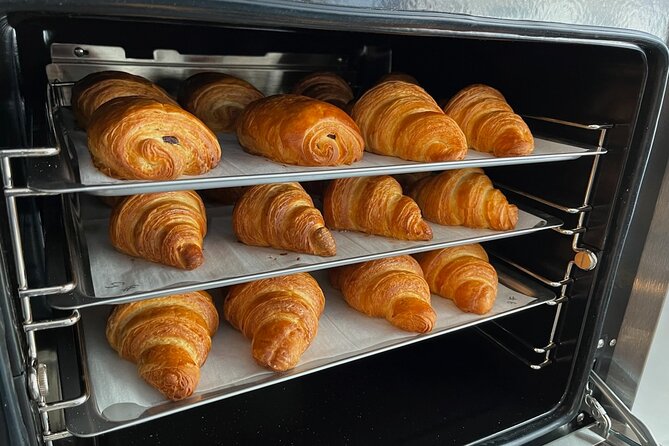
The class provides take-home bags, so you can pack the pastries you do not eat at the kitchen table. Bring in mind that these are delicate, fresh pastries. A bag is supplied, but careful handling is still wise.
You also receive the recipe copy in English. That is valuable because croissants require more than a list of ingredients. You need to remember the sequence of butter enclosure, rolling, folding, resting, shaping, proofing, and baking.
The class also includes an eBook called Everyday Gourmet French Tarts as part of the provider’s 10th anniversary offer. It is an extra resource rather than the main focus of the morning.
The best souvenir is not just the pastry. It is an appreciation for the time involved. After seeing the work behind the layers, you may look at a bakery croissant differently. The crisp shell and soft interior are the end of a process that begins well before breakfast.
Is $131.54 a fair price?
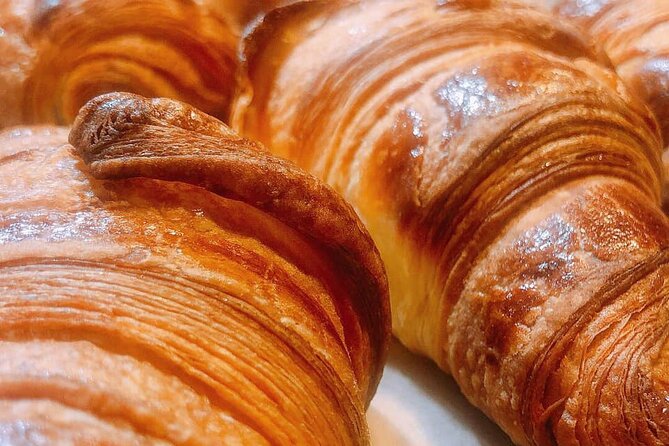
At $131.54 per person, this is not a cheap way to obtain a croissant. You could buy many pastries in Paris for less.
The value comes from the instruction, the small group, the use of professional equipment, the hands-on work, the coffee and tea, the recipes, and the pastries you take away. You are paying for a three-hour activity as well as food.
I consider the price easier to justify for someone who wants a focused food experience rather than a quick tasting. The six-person limit is important here. A larger class might cost less, but it could also mean less time at the work surface and fewer chances to get individual help.
The class also fits well into a Paris morning. It ends back at the starting point, and you can continue exploring afterward with a bag of pastries in hand. It is especially good for couples, friends, parent and adult child pairs, and people who want a break from museums and walking tours.
If your main goal is simply to eat the best possible croissant, visit a good boulangerie instead. If you want to understand how the pastry is made and try the technique yourself, the price is more reasonable.
Who will enjoy this class most?
You will get the most from this experience if you enjoy practical activities and do not mind a bit of repetition. Rolling and folding dough is not passive entertainment.
It suits experienced bakers who want to improve their technique, but you do not need to be an expert. The chef demonstrates each stage, and the small group leaves time for questions. Beginners should be ready to follow instructions closely and accept that the dough may not behave perfectly on the first attempt.
This class is also a good pick for anyone interested in French food beyond restaurant meals. You learn the language and method of classic viennoiserie, then eat what you made.
It is less suitable if you want a fully authentic, uninterrupted production process. The prepared dough stages are necessary because of fermentation and resting time. You will learn and perform the techniques, but the class compresses the timetable so you can bake and eat during the session.
Useful booking details and cancellation terms
Confirmation is sent within 48 hours, subject to availability. The class usually fills well ahead of time, with bookings commonly made about 35 days in advance, so last-minute availability may be limited.
The activity is offered in English and uses a mobile ticket. Tell the provider about allergies or dietary needs when booking. Also provide your Paris contact details for the provider’s records.
Free cancellation is available up to 24 hours before the start time for a full refund. Cancellations or changes made inside 24 hours are not refunded or accepted.
The class also requires a minimum number of participants. If the provider cancels because that number is not met, you will be offered another date or experience, or receive a full refund.
Should you book the Paris croissant class?
Book it if you want a small, hands-on food lesson and like the idea of learning a difficult French technique from start to finish in a single morning. The patient instructors, six-person limit, coffee, fresh pastries, recipes, and take-home bags make it a strong choice for a food-focused day in Paris.
Skip it if you only want to sample pastries, need a fully traditional process with no prepared stages, or dislike precise kitchen work. Croissant making takes effort, and the class does not hide that.
For most people who want to do more than simply eat in Paris, this is a worthwhile experience. You leave with warm pastries, practical instruction, and a new respect for the craft behind one of France’s most familiar breakfasts.
FAQ
Where does the croissant class begin?
The class begins at Patisserie à la Carte, located at 9 Rue Thimonnier, 75009 Paris, France.
How long does the class last?
The class lasts approximately three hours and ends back at the meeting point.
How many people can join the class?
Each class has a maximum of six participants.
Is the class taught in English?
Yes. The experience is offered in English, and an English copy of the recipes is provided.
What pastries will I make?
You will learn to make classic buttery croissants and pain au chocolat. Thursday morning classes may include bicolor croissants filled with chocolate pralin.
Are equipment and aprons provided?
Yes. Aprons, cooking equipment, take-home bags, tea, and coffee are included.
What is the minimum age?
The minimum age is 15. Children must attend with a registered adult, with one adult required per child.
Can I cancel for a full refund?
Yes. You can cancel at least 24 hours before the experience start time for a full refund. Cancellations made less than 24 hours before the start time are not refunded.
Newest additions around Paris
- Family escape Game with kids and teens on the Île de la Cité★ 4.5 · 11 reviews
- Private Photoshoot with the Iconic Eiffel Tower in Paris★ 5.0 · 11 reviews
- 2-day Private Mont Saint-Michel, 3 Loire Castles, D-Day Express★ 4.5 · 11 reviews
- Paris: Batobus Hop-On Hop-Off Cruise & Landmarks Audio Tour★ 3.0 · 11 reviews
- Paris Revolutionary Walking Tour: Iconic French Sights & Stories★ 5.0 · 11 reviews
- Guided and Private Tour of 3 hours through Paris aboard a Citroën 2cv★ 5.0 · 11 reviews
- Kids in the Kitchen – CrOisSaNtS★ 4.0 · 11 reviews
- Paris: Ghosts and Dark Stories Guided Walking Tour★ 4.1 · 11 reviews
Pastry & Macaron Classes, compared.
Montmartre Cheese, Wine & Pastry Guided Walking Tour
Read our review →
Paris Croissant Small-Group Baking Class with a Chef
Read our review →
Paris Cooking Class: Learn How to Make Macarons
Read our review →
A Morning in Paris Food Tour: Croissants, Baguettes & Chocolate
Read our review →
Paris Chocolate, Macaron & Pastry Food Tour: 10 Gourmet Tastings
Read our review →Browse the lists this tour appears in