
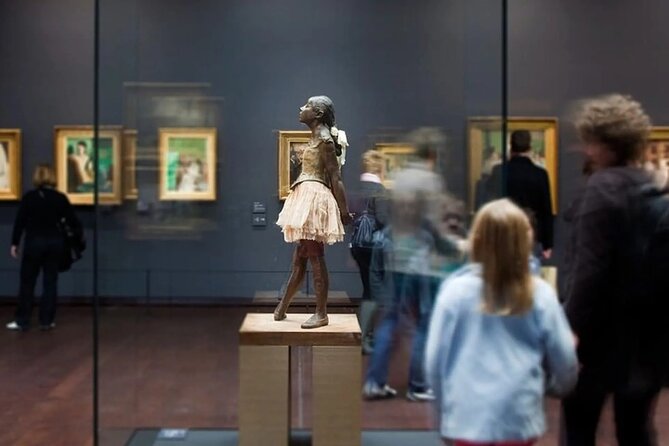
Reviewed · ORSAY & ART MUSEUM TOURS
Orsay Museum: Museum Ticket Entry & 3h Private Guided Tour
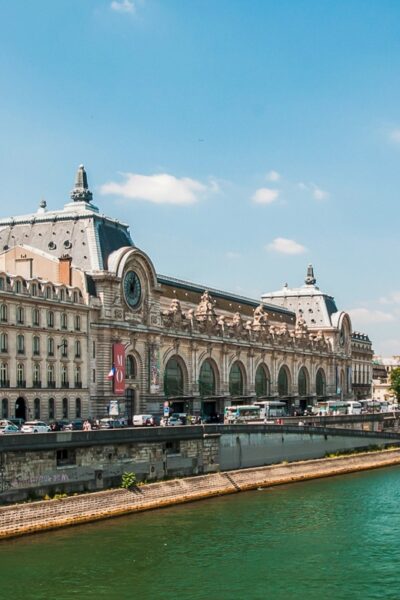
The best thing about this tour is its private format. You get three hours inside the Musée d’Orsay with only your own group and an English-speaking guide, rather than trying to keep up with a large crowd. The museum’s setting is part of the show: a grand former train station built for the 1900 World’s Fair and converted into a museum in 1978.
I like the choice between a planned route and a custom visit, and I like the broad range of departure times. You can focus on Monet and Renoir, spend more time with Van Gogh and Cézanne, or ask for help understanding Impressionist painting techniques. The main caution is guide quality: one past guest found the guide confused about the artists and too distant during the explanations, so this tour works best when you clearly state what you want from the start.
In This Review
- Key points to know before booking
- Why the former train station matters
- What happens during the three-hour visit
- The artists and period you will encounter
- Custom route or standard program
- Is the private price worth it?
- Choosing a departure time
- Who will get the most from this tour
- Handling the risks and the cancellation terms
- My call: book it for guidance, not just entry
- FAQ
- How long does the private Musée d’Orsay tour last?
- Is the tour private?
- Is museum admission included?
- Is the tour offered in English?
- Where does the tour begin and end?
- Can I cancel for a full refund?
Key points to know before booking
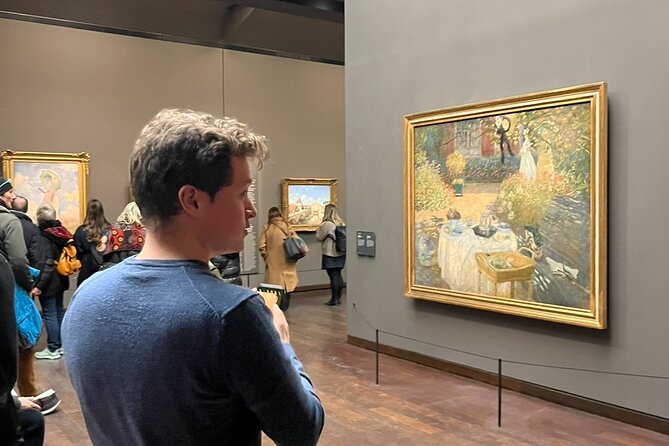
- Three private hours inside the Musée d’Orsay: Your group receives the guide’s full attention, with no strangers added.
- Art from 1848 to 1914: The main focus covers French painting during the period that produced Monet, Renoir, Manet, Cézanne, and Van Gogh.
- Custom or planned route: You can use the established program or ask for a visit shaped around your interests.
- Skip-the-line tickets depend on timing: Pre-booked priority tickets are included when you reserve at least seven days ahead.
- English service and flexible start times: This makes it easier to fit the museum around meals, walks, and other Paris plans.
Why the former train station matters
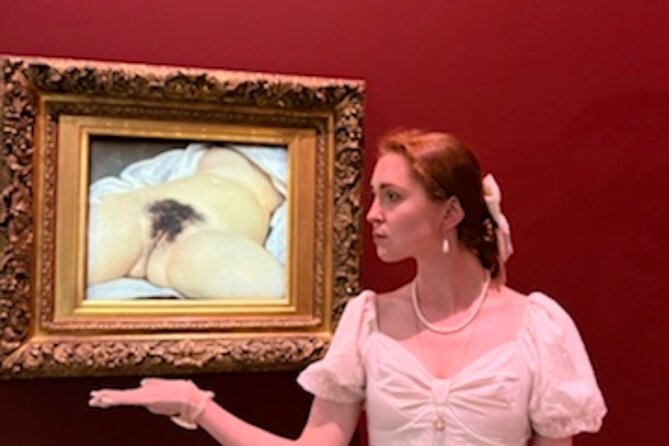
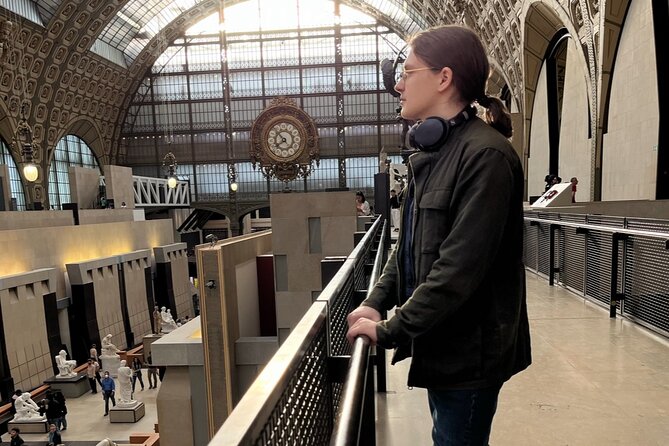
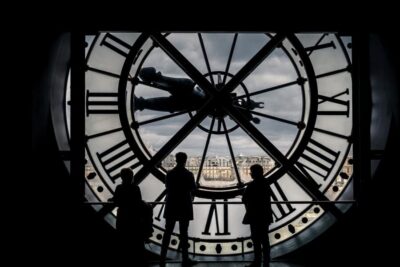
The Musée d’Orsay is not a plain white box filled with paintings. The building began as a train station in 1900, and its huge clock, long central hall, and curved roof give the visit a strong sense of place.
In 1978, the station became a museum devoted mainly to French art from 1848 to 1914. That date range is useful because it gives your visit a clear beginning and end. You are looking at the years when academic painting gave way to new ways of seeing streets, gardens, cafés, rivers, workers, and changing city life.
I find this period especially rewarding because the art feels like a conversation. Manet challenged old rules. Monet and Renoir tested the effects of light. Cézanne reduced nature to firm shapes. Van Gogh pushed color and brushwork toward something more personal and intense.
A private guide can help you connect those changes instead of treating the museum as a parade of famous names. Three hours is enough time for a serious visit, but not so much that your attention fades completely.
More Orsay and art museum visits:
- Paris: Orsay Museum Entry Ticket
★ 4.7 · 25,647 reviews - Paris: Orsay Museum Entry Ticket and Digital Audio Guide App
★ 4.4 · 3,170 reviews - Paris in a Day: Louvre or Orsay, Eiffel Tower, City Walk & Cruise
★ 5.0 · 1,956 reviews
What happens during the three-hour visit
The experience begins at the Musée d’Orsay, at Esplanade Valéry Giscard d’Estaing in the 7th arrondissement. The activity ends back at this meeting point, so you should not expect a guided transfer to another Paris sight.
Your guide leads the museum portion for about three hours, with admission included. The exact order can follow the planned route or change to fit your group. That flexibility matters more than it may sound. A first-time visitor may want a broad introduction, while someone who already knows the major Impressionists may prefer to focus on technique, one artist, or a particular group of works.
The guide is also meant to provide the thread between paintings. Instead of simply telling you who painted what, the tour is designed to explain how Impressionist artists worked and why their pictures looked so different from earlier French art.
That kind of explanation is valuable at the Orsay. The museum is full of famous works, but fame alone does not tell you where to look. A guide can point out choices in brushwork, color, composition, and light that are easy to miss when you are standing in front of a painting for only a few seconds.
The private setup gives you room to ask questions. If you want to know why a scene looks unfinished, why a shadow is blue rather than black, or how an artist suggested movement, you can stop and ask without worrying about holding up a large group.
The artists and period you will encounter
The museum’s collection centers on French painting from 1848 through 1914. That puts the better-known Impressionists in a wider setting, rather than presenting them as isolated stars.
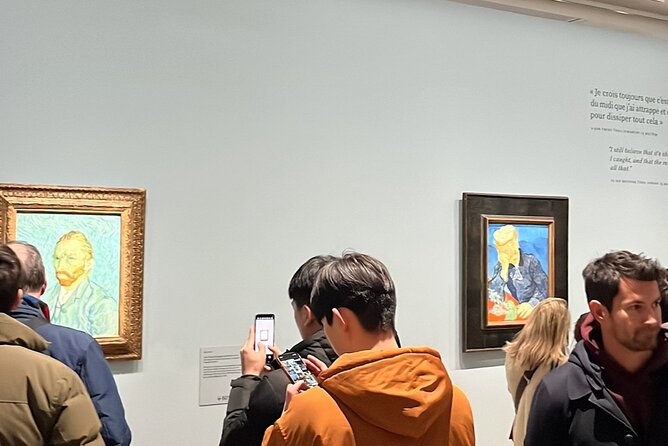
You can expect the visit to include major figures such as Renoir, Monet, Van Gogh, Manet, and Cézanne. These names are familiar, but their differences are the reason a guided tour can help.
Monet is often associated with changing light and repeated views. Renoir is known for scenes filled with people and color. Manet challenged accepted subjects and painting methods. Cézanne brought a strong sense of structure to landscapes and still lifes. Van Gogh used forceful brushwork and color to create pictures that feel emotionally charged.
The tour’s emphasis on technique should help you see more than subject matter. You may find yourself looking at the direction of the brushstrokes, the handling of outdoor light, or the way an artist left parts of a scene loose and open.
The period also shows that Impressionism was not a single style that appeared overnight. It grew from debates about what art should show and how it should be painted. A guide who explains those links can make the museum easier to follow, especially if you are not already comfortable with art terms.
Custom route or standard program
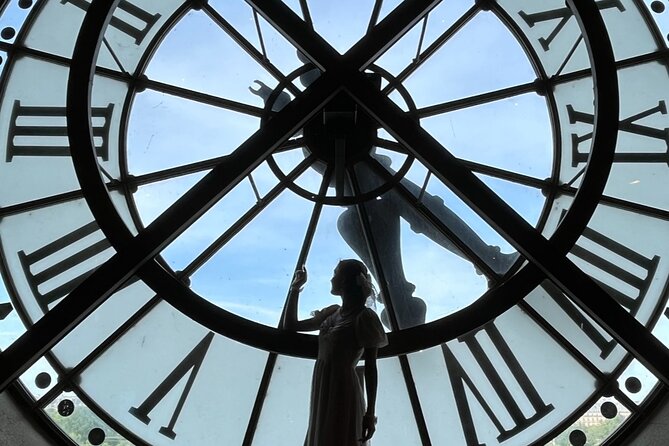
The option to request a custom visit is one of the strongest reasons to choose this experience instead of a general group tour.
If you are new to the Orsay, a standard route may be the sensible choice. You get an introduction to the building, the period, and the best-known painters without having to decide what to leave out.
If you have a particular interest, tell the guide before the tour begins. You might want to concentrate on Impressionist technique, compare several artists, or spend extra time with Van Gogh and Cézanne. The information provided does not promise a fixed list of paintings, so you should treat the custom option as a chance to discuss priorities, not a guarantee that every requested work will be covered.
I recommend agreeing on the pace early. Three hours can pass quickly in a museum of this size. If you stop at every major painting for a long explanation, you may see fewer rooms. If you move quickly, you will cover more ground but have less time for questions.
A private tour should feel like a conversation, not a lecture delivered at you. If the guide moves away from your group or gives short explanations, politely bring the visit back to your interests. One past account described a guide who stayed too far from the group and admitted that the museum was not her specialty. That is a useful reminder to make your expectations clear at the beginning.
More Paris museums to visit:
- Paris: Louvre Museum Timed-Entrance Ticket
★ 4.6 · 71,977 reviews - Louvre Museum Masterpieces Guided Tour with Access
★ 4.5 · 12,023 reviews - Paris: Louvre Museum Entry Ticket With Host and River Cruise
★ 4.6 · 9,926 reviews - Les Invalides: Napoleon’s Tomb & Army Museum Entry
★ 4.6 · 9,185 reviews
Is the private price worth it?
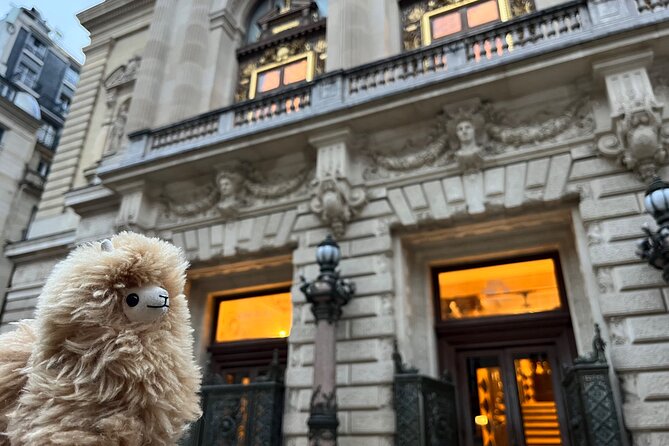
The listed price is $228.56 per person. That is a serious cost, especially for a three-hour museum visit, so the value depends on how much you want personal guidance.
For a solo visitor, couple, or small group that wants focused help with art, the price may make sense. You are paying for the private guide as well as admission, and the entire group can ask questions or request changes. The cost becomes easier to justify when several people share the same private booking, though the stated price is still calculated per person.
The tour is less compelling if you already know the Orsay well and prefer to wander alone. The museum can be visited without a guide, and independent visitors may enjoy setting their own pace more than following any route.
The ticket arrangement also affects the value. Pre-booked skip-the-line Orsay tickets are included when you book at least seven days before the visit. If you reserve later, do not assume the same priority entry applies. The tour still includes museum admission, but the stated priority-ticket benefit is tied to advance booking.
That seven-day point is worth planning around. The experience is booked on average 13 days ahead, which suggests that leaving it until the last minute may reduce your options. It also means you should decide early if priority entry is important to your schedule.
Choosing a departure time
A wide choice of start times is useful in Paris, where a museum visit rarely happens in isolation. You may want to see the Orsay before lunch, leave time for the Seine afterward, or fit the tour between other appointments.
The three-hour length gives you a substantial museum visit without taking the entire day. It is long enough for background and discussion, but short enough to combine with other plans.
Still, do not schedule something tightly against the end. The activity finishes back at the meeting point, but museum visits can run close to the planned duration. Allow yourself breathing room before a reservation, train, or timed attraction.
The meeting point is the museum entrance area at Esplanade Valéry Giscard d’Estaing, 75007 Paris. It is near public transportation, though the supplied details do not specify a particular station or route. Check the exact meeting instructions after booking and arrive with enough time to locate the guide.
Who will get the most from this tour
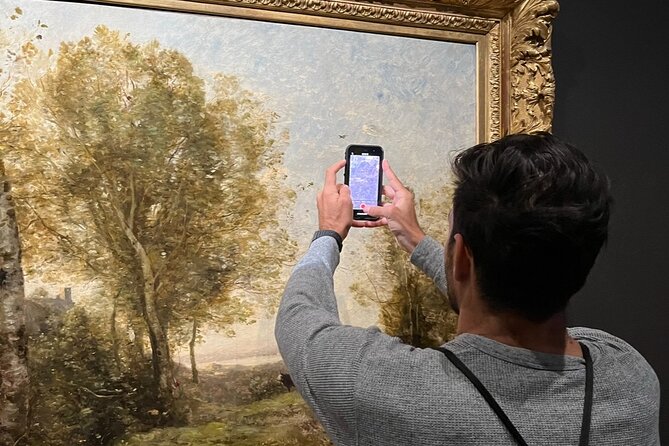
This experience suits a first-time Paris visitor who wants the Orsay to make sense rather than simply collect photographs of famous paintings.
It also works well for a family or mixed-interest group. One person can ask about technique, another can ask about the artists, and the guide can adjust the balance. Since only your group participates, you do not need to worry about strangers setting the pace.
Art students and serious enthusiasts may want to ask specific questions before booking. The tour promises an English-speaking private guide and attention to Impressionist methods, but no individual guide name or specialist background is supplied. One poor account specifically raised concerns about incorrect artist information and limited museum expertise, so demanding visitors should confirm their priorities at the start.
Independent museum wanderers may not need it. If you prefer to read labels, move quickly, and pause wherever you like, a private guide could feel restrictive despite the custom option.
The tour is suitable for most participants, and service animals are allowed. It is near public transportation. The supplied details do not give a route inside the museum for visitors with particular mobility needs, so ask the provider directly if you require a specific arrangement.
Handling the risks and the cancellation terms
The overall rating is 4.7 from 20 reviews, and 90 percent of customers recommend the experience. That is encouraging, but the two serious complaints deserve attention.
In one case, the guide did not arrive because of an accident on the way to the tour. The provider says it contacted the affected customer after learning what happened, offered alternatives, and processed an immediate refund when those options were declined. An accident is unusual and difficult to prevent, but the incident shows why you should keep your phone available and check messages around the start time.
Another account described a guide who was confused about the painters, said the museum was not her specialty, and moved away instead of staying close during explanations. This is not a small issue for an art tour. The guide is the main reason to pay for the experience, so it is fair to ask at the beginning how the three hours will be organized.
You can cancel for a full refund if you do so at least 24 hours before the start time. Cancellations made less than 24 hours in advance are not refunded, and changes inside that window are not accepted. The cut-off uses Paris local time.
My call: book it for guidance, not just entry
I would choose this tour if you want the Musée d’Orsay explained by a private English-speaking guide and you value the freedom to shape the visit. The former station, the major Impressionists, and the focus on painting methods give the three hours a clear purpose.
I would book at least seven days ahead, both to protect the priority-ticket benefit and to improve your chance of fitting the right departure time into your day. Before the visit begins, tell the guide which artists interest you and whether you want a broad introduction or a close look at technique.
I would skip it if you mainly want to wander alone or if the price feels too high for a museum visit. And if you are an advanced art student, ask direct questions about the guide’s background before committing. This is a potentially excellent private introduction to the Orsay, but its value depends heavily on the person leading it.
FAQ
How long does the private Musée d’Orsay tour last?
The tour lasts approximately three hours, including the museum visit.
Is the tour private?
Yes. Only your own group participates in the activity.
Is museum admission included?
Yes. Museum admission is included. Pre-booked skip-the-line Orsay tickets are included when you book at least seven days in advance.
Is the tour offered in English?
Yes. The experience is offered in English.
Where does the tour begin and end?
It begins at Musée d’Orsay, Esplanade Valéry Giscard d’Estaing, 75007 Paris, France. The activity ends back at the meeting point.
Can I cancel for a full refund?
Yes. You can cancel at least 24 hours before the experience start time for a full refund. Cancellations or changes made less than 24 hours in advance are not accepted, and the amount paid is not refunded.
More 3-Hour Experiences in Paris
- Paris By Night: 3-Hour Guided Bike Tour
★ 4.6 · 132 reviews - Private tour Paris 3 hours in vintage Citroën 2CV
★ 4.5 · 121 reviews - Classic, Romantic Paris: 3-Hour Vintage 2CV Tour
★ 4.7 · 120 reviews - Paris: 3-Hour Private Segway Tour
★ 4.8 · 109 reviews
Newest additions around Paris
- Family escape Game with kids and teens on the Île de la Cité★ 4.5 · 11 reviews
- Private Photoshoot with the Iconic Eiffel Tower in Paris★ 5.0 · 11 reviews
- 2-day Private Mont Saint-Michel, 3 Loire Castles, D-Day Express★ 4.5 · 11 reviews
- Paris: Batobus Hop-On Hop-Off Cruise & Landmarks Audio Tour★ 3.0 · 11 reviews
- Paris Revolutionary Walking Tour: Iconic French Sights & Stories★ 5.0 · 11 reviews
- Guided and Private Tour of 3 hours through Paris aboard a Citroën 2cv★ 5.0 · 11 reviews
- Kids in the Kitchen – CrOisSaNtS★ 4.0 · 11 reviews
- Segway tour Capital sites★ 5.0 · 11 reviews
Orsay & Art Museum Tours, compared.
Orsay Museum Entry Ticket and Digital Audio Guide App
Read our review →
Paris in a Day: Louvre or Orsay, Eiffel Tower, City Walk & Cruise
Read our review →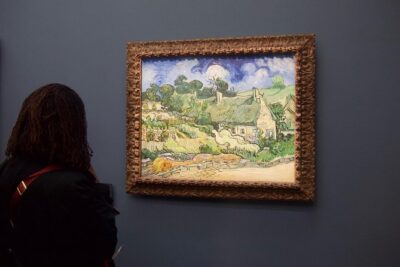
Musée d’Orsay Skip-the-Line Tour with Expert Guide
Read our review →
Musée d’Orsay Skip-the-Line Tour with Expert Guide
Read our review →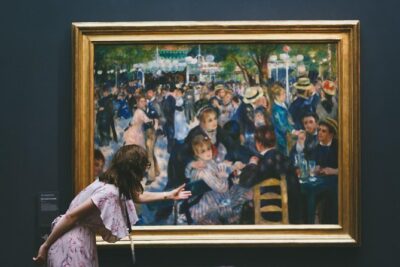
The Musée d’Orsay Guided Tour Orsay Museum Semi-Private 6ppl Max
Read our review →
Louvre & Musée d’Orsay Guided Museum Tour Semi-Private 6ppl Max
Read our review →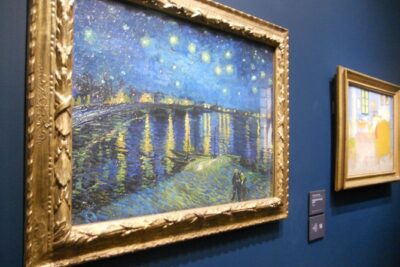
Browse the lists this tour appears in