
Reviewed · ORSAY & ART MUSEUM TOURS
Orsay Museum – Exclusive Guided Tour (Reserved Entry Included)
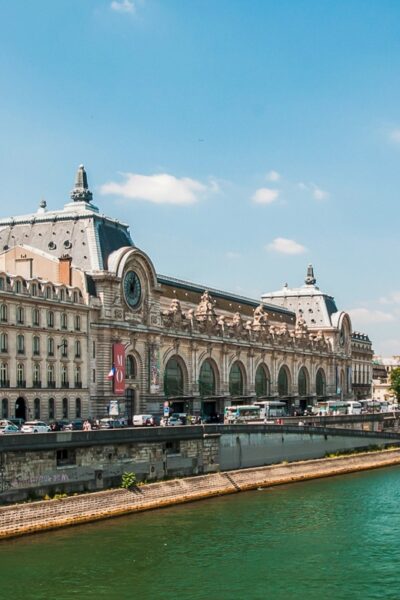
The Musée d’Orsay is Paris’s best answer to the Louvre. Housed in a grand former train station, it gives you the story of how traditional painting gave way to Impressionism, then carries that story toward Van Gogh. With reserved entry and a guide at your side, you can focus on the art instead of losing time in the ticket queue.
I especially like two things here. The route has a clear purpose, moving from Millet and other earlier artists toward Manet, Monet, Renoir, and Van Gogh. I also like the chance to have a private guide or choose a less expensive semi-private option, with guides such as Dina, Christophe, Lili, and Romain praised for making the art lively and easy to follow.
The main caution is price. At $144.21 per person, this is a serious museum splurge, and one poorly matched guide could make it feel costly. The experience is strongest when your guide encourages questions, adjusts the pace, and treats the museum as more than a checklist of famous paintings.
In This Review
- Key points to know before you book
- Why the Musée d’Orsay makes a better guided visit than a quick look
- The opening: Millet, Delacroix, and the road toward change
- Manet’s shock and the paintings that changed the conversation
- Monet and Renoir: seeing modern life in a new way
- Van Gogh and the movement beyond Impressionism
- What the guide adds, and why guide quality matters
- Two and a half hours inside a very large museum
- Is $144.21 good value?
- Who should book this Orsay tour?
- Should you book the Musée d’Orsay Exclusive Guided Tour?
- FAQ
- Is admission to the Musée d’Orsay included?
- How long does the tour last?
- Is the tour private?
- Is the tour offered in English?
- Where does the tour begin and end?
- Can I cancel for a full refund?
Key points to know before you book
- Reserved museum entry is included, so you do not buy a separate admission ticket.
- The tour follows art’s road to Impressionism, from Millet and Delacroix through Manet, Monet, Renoir, and Van Gogh.
- You can choose private or semi-private, depending on the booking option and the level of personal attention you want.
- Morning, afternoon, and evening starts make it easier to fit the museum around a Paris sightseeing day.
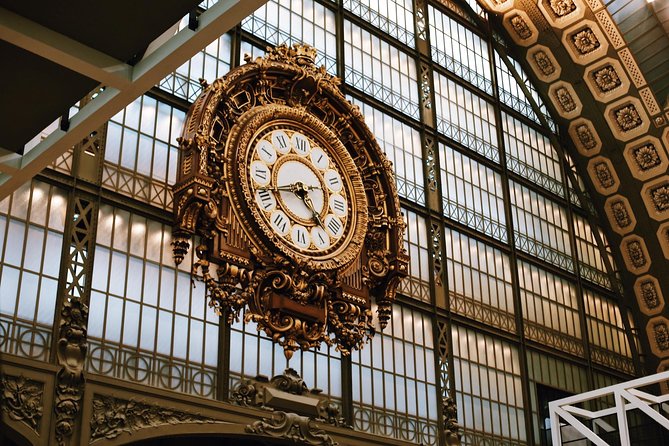
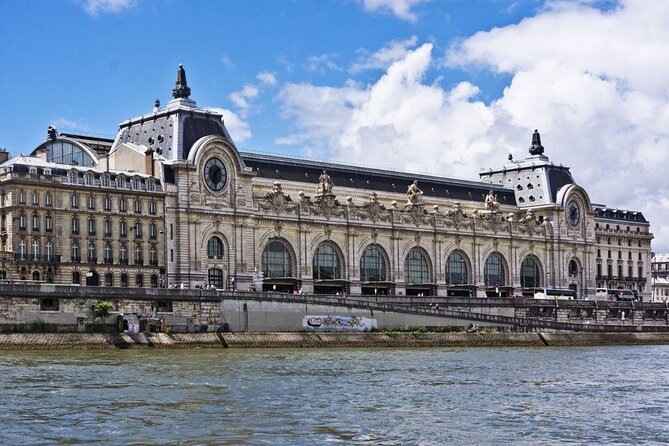
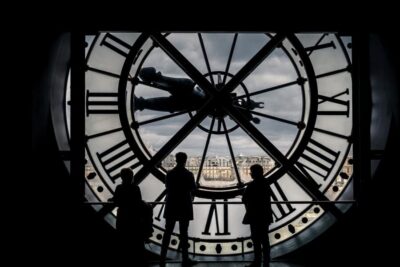
- The museum building is part of the experience, especially its former railway-station design and giant clock.
- The tour lasts about two to two and a half hours, a useful introduction to a museum that can easily occupy an entire day.
Why the Musée d’Orsay makes a better guided visit than a quick look
The Musée d’Orsay is not simply a smaller Louvre. Its collection tells a more focused story, centered on the years when European art changed direction. The old rules of polished historical painting began to loosen, and artists started showing modern life, outdoor light, ordinary people, and quick impressions of a scene.
That change can be hard to see if you walk in alone and rush toward the famous canvases. You may recognize Monet’s poppies or Renoir’s dancers without understanding why the pictures once seemed daring. A good guide gives you the links between the paintings, so the museum feels like a developing argument rather than a room-by-room parade.
The building helps. The museum occupies a former Beaux-Arts train station, and its long central space gives you a sense of scale as soon as you enter. The architecture is grand but not as overwhelming as the Louvre’s vast palace galleries. Look up as you move through the museum, and make time for the large clock, one of the Orsay’s most memorable features.
I would not book this tour only to get inside and take photographs. The real value is the explanation of how artists reacted to one another, challenged old conventions, and created new ways to paint what they saw.
More Orsay and art museum visits:
- Paris: Orsay Museum Entry Ticket
★ 4.7 · 25,647 reviews - Paris: Orsay Museum Entry Ticket and Digital Audio Guide App
★ 4.4 · 3,170 reviews - Paris in a Day: Louvre or Orsay, Eiffel Tower, City Walk & Cruise
★ 5.0 · 1,956 reviews
The opening: Millet, Delacroix, and the road toward change
The tour begins with art from before Impressionism. That is important. Impressionist painting makes more sense when you first see the academic tradition it pushed against.
Your guide may discuss artists such as Jean-François Millet, including The Gleaners. The painting’s subject is simple: rural women collecting leftover grain. Yet the choice to place working people at the center of a large, serious painting carried weight in its own time. This is one of the useful moments on the tour because it shows that artistic change was tied to social change.
The route can also include the grander tradition associated with artists such as Delacroix. This gives you a visual baseline. You see the careful finish, dramatic subjects, and formal ideals that younger painters would question.
A strong guide does not treat these earlier works as an obstacle before the famous rooms. Christophe, for example, has been praised for guiding groups in chronological order and explaining how the artists and movements connect. That approach suits you if you want to understand the sequence, not just collect names.
The museum’s collection can change by season, and some rooms may be quiet zones where speaking is restricted. Your guide will explain those rules before you enter. This is a small practical detail, but it helps prevent confusion in a museum where a little courtesy goes a long way.
Manet’s shock and the paintings that changed the conversation
The next key step is Édouard Manet. His Luncheon on the Grass is one of the tour’s essential stops, not just because it is famous, but because it shows how directly Manet challenged accepted ideas about painting.
The subject caused a stir, but the painting’s force also comes from its strange shifts in scale, setting, and presentation. A guide can point out how Manet borrowed from older art while making the scene feel sharply modern. That tension is easier to grasp in front of the work than in a book.
This is where the tour’s historical thread becomes practical. You begin to see Impressionism not as a sudden burst of colorful paintings, but as part of a longer argument. Earlier artists opened certain doors. Manet pushed one wide open.
If you like art with a story behind it, this section should be a highlight. If you prefer to wander quietly and form your own impressions, a guided route may feel more structured than you want. The benefit is that you will spend your limited museum time on major ideas rather than guessing which rooms matter most.
The tour is conducted in English. Guides such as Nadia, Romain, and Ugo have been praised for explaining the movement with energy and for making the material interactive. That matters in a museum setting, where a flat lecture can make even superb art feel distant.
Monet and Renoir: seeing modern life in a new way
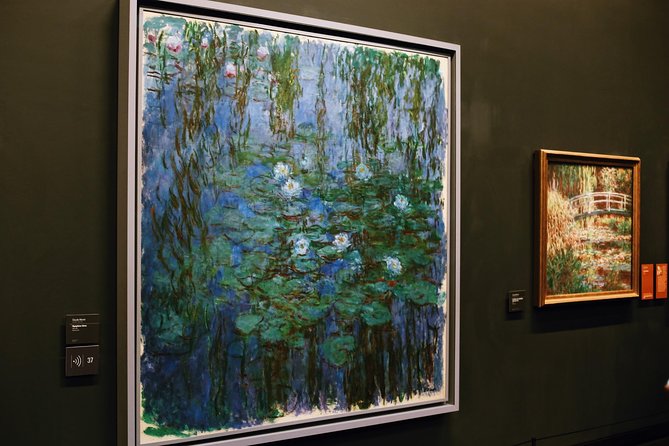
Claude Monet is central to the Musée d’Orsay experience, and you will see his poppies among the museum’s well-known works. Monet’s pictures reward close looking. From a distance, the image may appear clear and natural. Move closer, and the surface breaks into separate marks and patches of color.
Your guide should help you notice that technique without turning the stop into a technical art lesson. The useful question is how the marks work together when you step back. Impressionist painting asks your eyes to do more of the work.
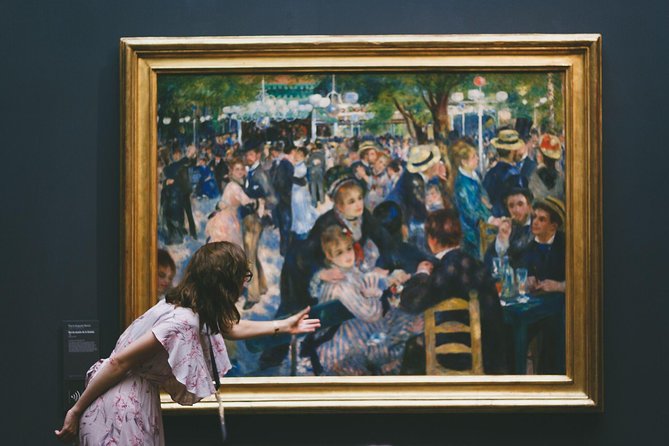
Pierre-Auguste Renoir’s Dance at Le Moulin de la Galette brings a different kind of energy. It shows a social scene filled with movement, light, and people enjoying themselves. The painting is not only about attractive color. It records a modern Paris of public leisure, music, fashion, and changing city life.
This is one reason I like a two-hour route. You get enough time to look closely at major paintings while still moving through the story. Guides Beatrice, Liliya, and Malaika have been singled out for clear explanations, good pacing, and the ability to keep the route moving even when the museum is crowded.
Headphones can help, especially when the galleries are busy. The tour information notes that some rooms require very quiet speech, and security measures can still create lines even with reserved entry. Reserved access saves time, but it does not promise an empty museum.
More Paris museums to visit:
- Paris: Louvre Museum Timed-Entrance Ticket
★ 4.6 · 71,977 reviews - Louvre Museum Masterpieces Guided Tour with Access
★ 4.5 · 12,023 reviews - Paris: Louvre Museum Entry Ticket With Host and River Cruise
★ 4.6 · 9,926 reviews - Les Invalides: Napoleon’s Tomb & Army Museum Entry
★ 4.6 · 9,185 reviews
Van Gogh and the movement beyond Impressionism
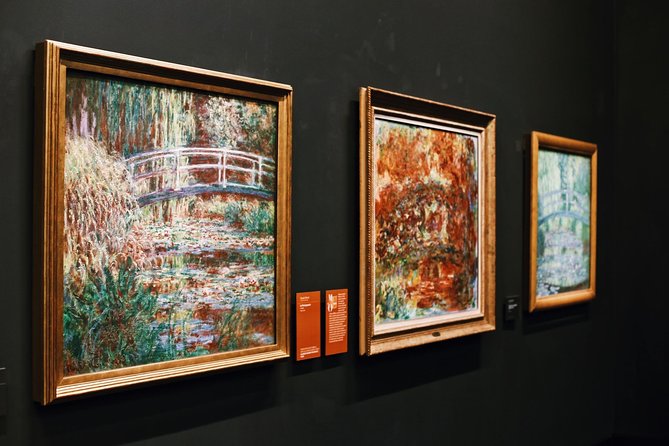
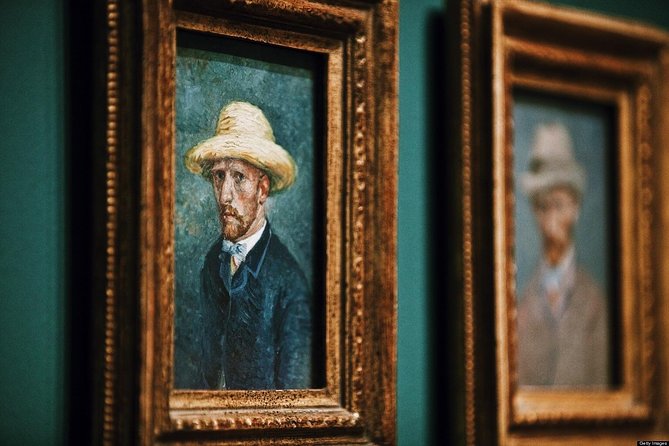
The tour does not stop when Impressionism is established. It continues to Post-Impressionism and Vincent van Gogh, whose Bedroom in Arles is displayed at the museum.
Van Gogh’s painting is a good ending point because it shows how later artists took the Impressionists’ interest in color and brushwork in a more personal direction. The room is familiar, almost ordinary, but the strong outlines, tilted space, and intense colors make it feel emotionally charged.
A guide can also connect Van Gogh to the artists who came before him. That is where the museum’s chronological approach pays off. The route lets you see the movement as a chain of reactions, not a series of isolated geniuses.
Christophe has been praised for adding detail to paintings people already knew from reproductions. That is a useful distinction. Seeing a painting in person gives you scale and surface, but a guide can direct your eye toward details you might otherwise miss.
You should not expect to see every important work in the museum. Two and a half hours is enough for an introduction, not a full survey. Temporary exhibitions are not included, and some displays may vary during the year.
What the guide adds, and why guide quality matters
The guide is the heart of this experience. The museum itself is excellent, but you can enter it independently with a regular ticket. You pay this price for the route, the context, the reserved entry, and the chance to ask questions.
The strongest guides described in the supplied material share a few traits. Dina is praised for an engaging, entertaining approach and for helping with practical Paris questions after the tour. Christophe is praised for passion, chronology, and working well with children. Paloma is described as organized and conversational rather than simply delivering a speech.
Lili, Nadia, Beatrice, Ugo, and Romain are also praised for clear English, good pacing, and enthusiasm for the subject. These details suggest that the experience can feel like a lively art class when the match is right.
Still, guide quality can vary. One assessment found the tour too expensive because the guide seemed better at history than art, moved too fast, and reacted poorly to questions. I take that criticism seriously. At this price, you should expect a guide who welcomes curiosity, not one who rushes through a memorized route.
The private option gives you the best chance to shape the visit around your interests. You can ask for more Impressionism, spend longer with Van Gogh, or request connections to artists you already know. The semi-private option may save money, but you give up some control over pace and attention.
Two and a half hours inside a very large museum
The stated duration is two hours to two hours and thirty minutes, with the planned tour duration listed as two and a half hours. That is a good length for a first visit. You will see the main artistic arc without using your entire day indoors.
I would choose a morning start if the Orsay is a major priority. An afternoon tour works well after a walk along the Seine or a visit to another Left Bank sight. Evening availability adds flexibility, though the museum can be subject to occasional closure or delayed opening without advance warning.
The meeting point is the Musée d’Orsay at 75007 Paris. There is no hotel pickup or drop-off, so plan to reach the museum yourself by public transport, taxi, or Uber. The activity ends back at the museum meeting point, leaving you free to continue nearby.
Wear suitable clothing for museum entry and avoid large bags or suitcases. Only handbags or small, thin backpacks are allowed through security. You should also provide a mobile phone number with the country code when booking, since the operator says this is imperative for contact.
The museum is wheelchair friendly with the private option. That provision does not apply to the save-money semi-private option, so check the exact choice before booking if accessibility is important.
Is $144.21 good value?
At $144.21 per person, the tour is not a budget museum visit. Admission is included, but the largest part of the price pays for the guide and the convenience of reserved entry.
For a small group or private visit, I can see the value. The Orsay is large enough to overwhelm first-time visitors, and a good guide can turn two hours into a clear introduction to the artists and ideas that matter most. You also avoid paying for a separate ticket and reduce the risk of wasting part of your day in an admission line.
The value is weaker if you already know the Orsay well or prefer to spend several quiet hours with individual paintings. You may get more from a regular museum ticket and an audio guide, assuming you are comfortable planning your own route.
The supplied figures show a 4.9 rating from 507 evaluations, with 99 percent recommending the experience. That points to a strong record overall, but it does not remove the normal risk of guide variation. I would book the private option for a special occasion, a family group, or anyone who wants to ask many questions. A semi-private booking makes more sense for budget-conscious art lovers who still want a live guide.
Who should book this Orsay tour?
This is a good fit if you are visiting the Musée d’Orsay for the first time and want the big picture. It also suits couples or families who want the famous paintings explained without spending a full day reading labels.
You will get the most from it if you enjoy connections between artists. The route from Millet and Delacroix to Manet, Monet, Renoir, and Van Gogh gives you a useful framework for the rest of your Paris museum visits.
Families can benefit from the focused length, especially if children are curious but unlikely to last through an all-day museum visit. Christophe has been praised for working well with children, and several guides are described as lively and interactive.
I would hesitate if your main goal is the temporary exhibition, since those displays are not included. I would also think twice if you dislike guided pacing or want to sit quietly with a small number of paintings for a long time.
Free cancellation is available up to 24 hours before the start time. Changes or cancellations inside that window are not accepted, so keep the local cut-off time in mind.
Should you book the Musée d’Orsay Exclusive Guided Tour?
Book it if you want a focused explanation of Impressionism, reserved entry, and a route that connects familiar masterpieces instead of leaving you to find them alone. The former railway station, Manet’s Luncheon on the Grass, Renoir’s dancers, Monet’s poppies, and Van Gogh’s Bedroom in Arles make a strong two-hour introduction.
Choose private if you value control, accessibility, or plenty of questions. Choose semi-private if you want to lower the cost and can accept a less personal pace.
I would not call it an automatic bargain. At $144.21, the guide needs to be excellent. But with a strong guide such as Dina, Christophe, Lili, Romain, or one of the other well-regarded English-speaking art specialists, this can be one of the smartest ways to make sense of the Orsay without giving the museum your entire day.
FAQ
Is admission to the Musée d’Orsay included?
Yes. All entrance fees and reserved museum entry are included in the tour price. Temporary exhibitions are not included.
How long does the tour last?
The experience lasts about two to two and a half hours. The stated tour duration is two and a half hours.
Is the tour private?
The private option is for your group only and includes a guide exclusively for you. A save-money semi-private option is also available, but the guide is not exclusive to your group.
Is the tour offered in English?
Yes. The tour is offered in English.
Where does the tour begin and end?
It begins at the Musée d’Orsay, 75007 Paris, France, and ends back at the meeting point.
Can I cancel for a full refund?
Yes, if you cancel at least 24 hours before the experience start time. Cancellations or changes made less than 24 hours before the start time are not accepted for a refund.
Newest additions around Paris
- Family escape Game with kids and teens on the Île de la Cité★ 4.5 · 11 reviews
- Private Photoshoot with the Iconic Eiffel Tower in Paris★ 5.0 · 11 reviews
- 2-day Private Mont Saint-Michel, 3 Loire Castles, D-Day Express★ 4.5 · 11 reviews
- Paris: Batobus Hop-On Hop-Off Cruise & Landmarks Audio Tour★ 3.0 · 11 reviews
- Paris Revolutionary Walking Tour: Iconic French Sights & Stories★ 5.0 · 11 reviews
- Guided and Private Tour of 3 hours through Paris aboard a Citroën 2cv★ 5.0 · 11 reviews
- Kids in the Kitchen – CrOisSaNtS★ 4.0 · 11 reviews
- Paris: Ghosts and Dark Stories Guided Walking Tour★ 4.1 · 11 reviews
Orsay & Art Museum Tours, compared.
Orsay Museum Entry Ticket and Digital Audio Guide App
Read our review →
Paris in a Day: Louvre or Orsay, Eiffel Tower, City Walk & Cruise
Read our review →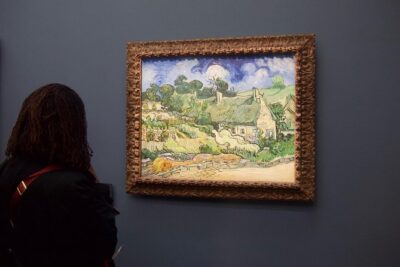
Musée d’Orsay Skip-the-Line Tour with Expert Guide
Read our review →
Musée d’Orsay Skip-the-Line Tour with Expert Guide
Read our review →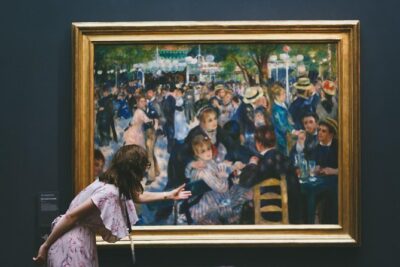
The Musée d’Orsay Guided Tour Orsay Museum Semi-Private 6ppl Max
Read our review →
Louvre & Musée d’Orsay Guided Museum Tour Semi-Private 6ppl Max
Read our review →
Browse the lists this tour appears in