
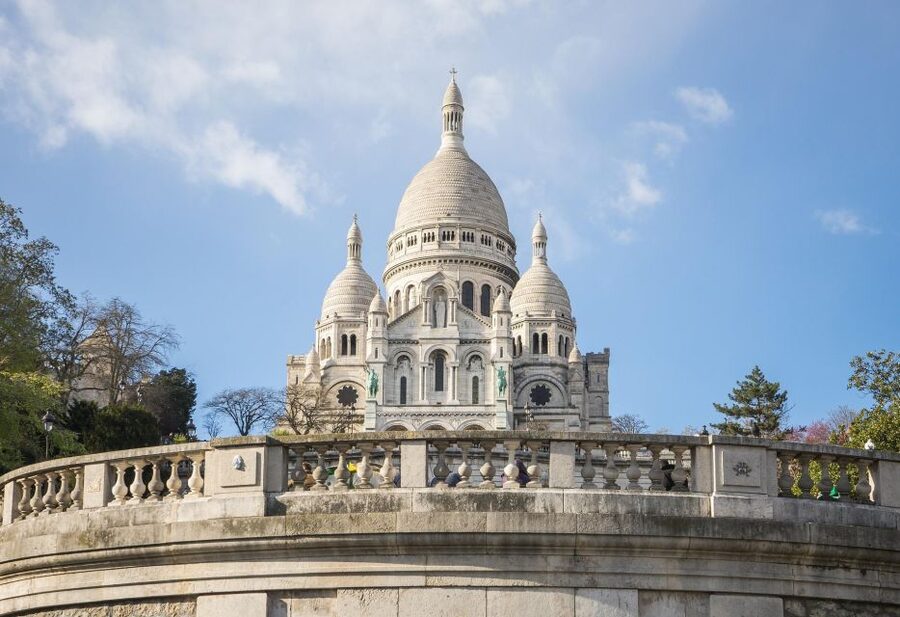
Reviewed · MONTMARTRE & SACRé-COEUR TOURS
Montmartre Walking Tour in English
Montmartre is Paris with its collar loosened. The hill rises above the city, its lanes twist past cafés and crooked buildings, and its stories run from Saint Denis carrying his severed head to Picasso and Van Gogh making art in cheap rooms. This 150-minute English walk gives you the neighborhood’s full arc, from village vineyards and windmills to Moulin Rouge and movie fame.
I like the focus on specific places, especially Café des Deux Moulins from Amélie, Van Gogh’s house, the old vineyard, and the studios linked with Picasso and Modigliani. I also like the guide-led storytelling. Eva has brought history with passion and humor, while Raj has been praised for supplying plenty of useful information. The main consideration is pace: one recent participant wanted less speech and a faster walk, so this suits you best if you enjoy a detailed narrative rather than a quick photo stop.
In This Review
- Key points to know before you climb Montmartre
- Why Montmartre feels unlike the rest of Paris
- Meeting at Metro Blanche and starting in the cabaret district
- Café des Deux Moulins and the Montmartre of Amélie
- Van Gogh’s house and the working artists’ quarter
- The vineyard and the last traces of the village
- From Le Chat Noir to Moulin Rouge
- A detailed narrative, with guides such as Eva and Raj
- Is $31 good value for 150 minutes?
- Timing, weather, and who should book
- Should you book the Montmartre walking tour?
- FAQ
- How long does the Montmartre walking tour last?
- What language is the tour conducted in?
- Where is the meeting point?
- Is the Moulin Rouge visit included?
- Does the tour include hotel pickup and drop-off?
- What does the $31 price cover?
- Does the tour operate in bad weather?
- Can I cancel for a full refund?
Key points to know before you climb Montmartre
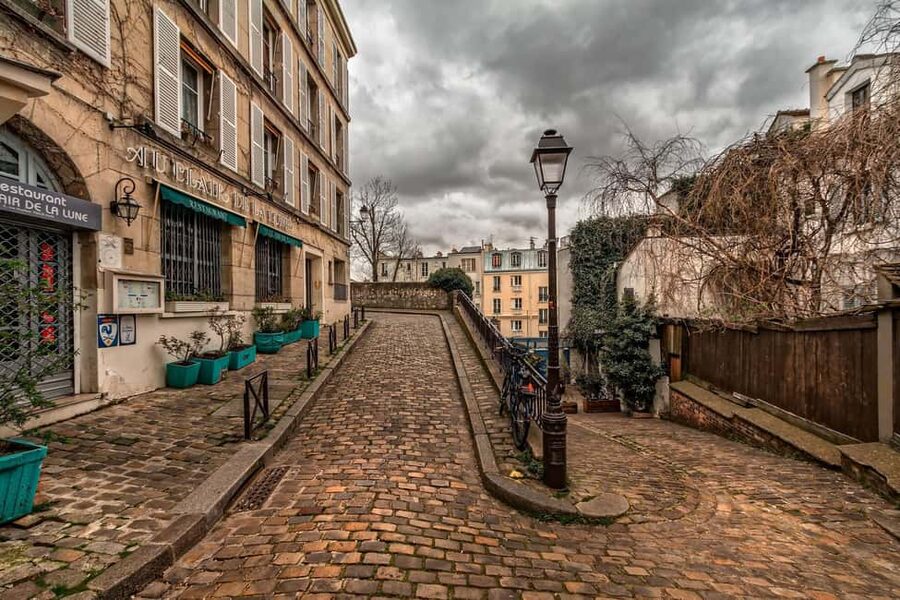
- Café des Deux Moulins: See the Montmartre café made famous by Amélie, though the tour focuses on the setting and story rather than including a meal.
- Artists’ Montmartre: Connect Van Gogh, Picasso, Modigliani, Matisse, Degas, Renoir, Monet, and Toulouse-Lautrec with the streets where art and nightlife mixed.
- Village roots: Hear how vineyards, orchards, gardens, and as many as 13 working mills once covered the hill.
- Cabaret country: Follow the story toward Le Chat Noir, Moulin Rouge, and the cancan district.
- Simple meeting point: Meet at the only exit of Metro Blanche, under the yellow umbrella.
- Flexible payment: The $31 charge is an online booking fee for a general pay-what-you-wish tour, with the final guide payment left to your choice.
Why Montmartre feels unlike the rest of Paris
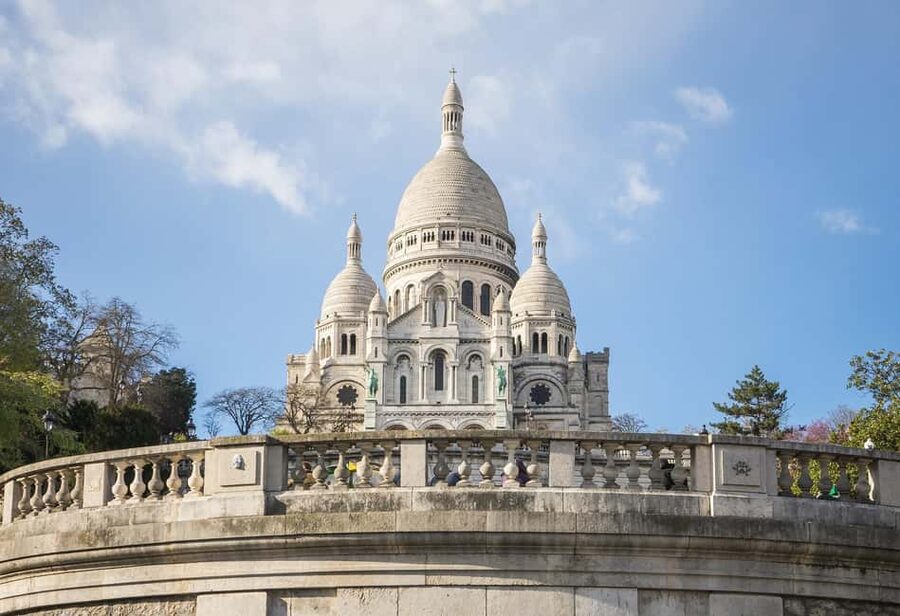
Montmartre’s name comes from Mons Martyrum, or Hill of Martyrs. The name refers to Saint Denis, traditionally regarded as the first bishop of Paris. The grim legend says Roman officials beheaded him for refusing to abandon his faith. Saint Denis then picked up his head and walked down the hill before finally dying.
You do not need to accept every part of the story as fact to see why it belongs here. Montmartre has always carried a slightly theatrical mood. Its steep streets, old walls, crooked buildings, and famous scandals make the neighborhood feel like a stage set, but it is also a real Paris quarter where cafés, homes, studios, and ordinary streets still share the same hill.
Before artists and tourists arrived, Montmartre was a quiet village surrounded by vineyards, gardens, and orchards. Up to 13 mills once worked on its slopes, grinding wheat, barley, and rye. Only two survive today, but the mill remains one of the neighborhood’s clearest symbols.
That older village story matters because it keeps Montmartre from becoming only a movie set or an art-history lesson. As you walk, you can picture a rural hill outside the city, then watch it change into a cheap, lively district where wine flowed and rents were low.
More Montmartre walks and visits:
- Montmartre Hidden Gems and Scenic Highlights Walking Tour
★ 5.0 · 2,684 reviews - Montmartre Hill French Gourmet Food and Wine Tasting Walking Tour
★ 5.0 · 2,588 reviews - Paris: Montmartre Cheese, Wine & Pastry Guided Walking Tour
★ 4.8 · 2,255 reviews
Meeting at Metro Blanche and starting in the cabaret district
The meeting point is practical: in front of Metro Blanche, at the station’s only exit. Look for the yellow umbrella. Blanche places you at the lower edge of Montmartre, close to the Moulin Rouge and the famous nightlife quarter, so the tour begins with one of the neighborhood’s best-known public faces.
This area became associated with cafés, drinking halls, cabarets, and inexpensive entertainment. Le Chat Noir helped shape the cabaret tradition, while Moulin Rouge became famous for its cancan dancers and their famously high kicks. The district’s appeal was not only respectable art. It also included drinking, drugs, sex, and the loose social rules that attracted people who wanted to live outside Parisian convention.
That is part of the point of a guided walk here. A casual stroll can show you the red windmill and the bright signs, but a guide can connect them to the social world that made Montmartre important. The neighborhood was not simply a place where artists rented rooms. It was a place where artists, performers, writers, musicians, and pleasure seekers met one another.
You should expect to walk uphill and along steep, winding streets. The exact path can depend on the guide and the day, but the experience is built around seeing important locations from the outside and hearing the story attached to them. Wear shoes that handle uneven city streets, and leave room in your schedule for stops while the guide talks.
Café des Deux Moulins and the Montmartre of Amélie
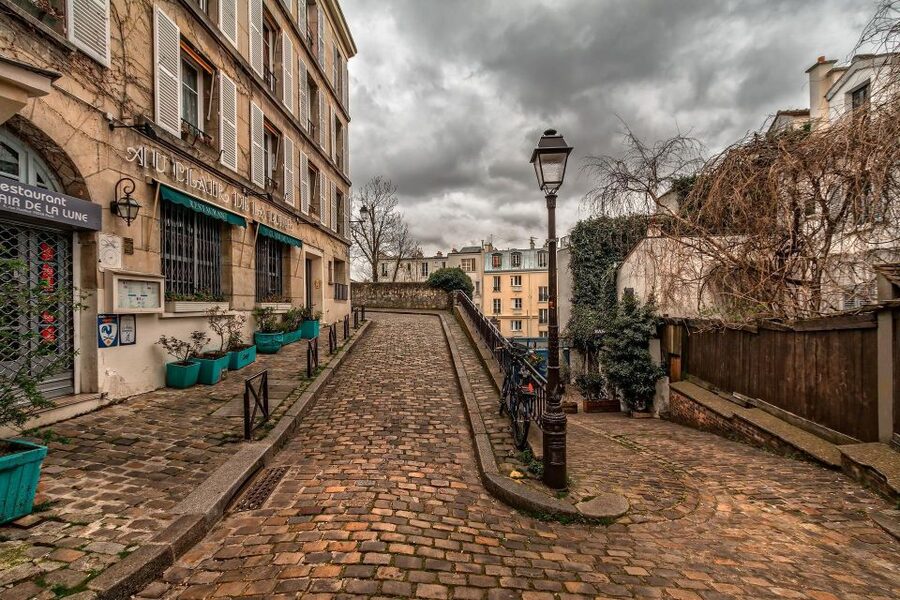
Café des Deux Moulins is one of the tour’s most recognizable stops. The café became internationally known through the film Amélie, which used Montmartre’s streets and café culture to create its whimsical Paris setting.
You will not be buying a meal as part of the tour, and the listed experience does not include food or drinks. That is worth knowing if you expect a café break. The value here is the context: you see a real place that many people know first through cinema, then connect it to the neighborhood’s wider café tradition.
Montmartre has long encouraged people to linger at a table, watch the street, and turn everyday life into a little performance. The film made that feeling famous, but the café culture is older than the movie. Your guide can help separate the actual neighborhood from the polished version presented on screen.
This stop also suits anyone who likes seeing Paris through films. The tour does not promise a full movie-location itinerary, but Café des Deux Moulins gives you a clear link between modern screen culture and the older Montmartre of cafés, artists, and eccentric local stories.
Van Gogh’s house and the working artists’ quarter
Van Gogh is one of the names most closely tied to Montmartre’s artistic legend. The walk includes his house, along with places associated with Picasso and Modigliani. These stops help you picture the neighborhood as a working district rather than a collection of grand museums.
The artists came for practical reasons as much as romantic ones. Montmartre offered low rents, cheap wine, lively company, and a relaxed atmosphere. A young artist could live near other painters, find models and cafés, and take part in a loose creative community without the cost of more fashionable parts of Paris.
The list of names linked with Montmartre is striking: Monet, Renoir, Van Gogh, Picasso, Modigliani, Matisse, Degas, and Toulouse-Lautrec. You should not expect to enter every former home or studio. The experience is a street-level history walk, with the guide supplying the connections between the buildings, people, and period.
That format has a real advantage. Museums show finished works, while a walk through the neighborhood shows the setting around the work: the hill, the crowded cafés, the modest rooms, and the nightlife that shaped the artists’ daily lives. It also keeps the tour from becoming a simple parade of famous names. The social setting explains why so many different artists arrived in the same district.
If you already know a lot about modern art, ask questions during the walk. If you know little about it, the stops still offer an easy introduction. The guide’s narrative is the main feature here, so you will get more from this section if you listen closely rather than treating each location as a fast photo opportunity.
More Paris walking tours:
- Paris Top Sights Half Day Walking Tour with a Fun Guide
★ 5.0 · 2,893 reviews - Paris Île de la Cité and Notre-Dame Walking Tour With Crypt
★ 5.0 · 2,272 reviews - Paris in a Day: Louvre or Orsay, Eiffel Tower, City Walk & Cruise
★ 5.0 · 1,956 reviews - Paris: Montmartre Highlights Walking Tour with a Local Guide
★ 4.9 · 1,668 reviews
The vineyard and the last traces of the village
Montmartre still has a vineyard, a reminder that the hill was once rural. It is an unexpected sight in a neighborhood now associated with souvenir shops, movie locations, nightlife, and heavy foot traffic.
The vineyard matters because it changes your sense of scale. Montmartre was not always part of the dense Paris most people picture. Its slopes once held fields, gardens, orchards, and windmills. Wine production helped give the hill its local identity long before artists made it famous.
The remaining vineyard does not recreate the old village, but it offers a physical link to that earlier period. A guide can point out how the neighborhood’s older agricultural life fits beside its later artistic and cabaret reputation. This is one of the stronger reasons to take a walking tour instead of simply visiting the most famous square near the top.
You should keep your expectations measured. The vineyard is a historic reminder, not a full rural attraction or a long wine-tasting stop. Its appeal comes from contrast. In a few minutes, Montmartre can shift from urban street life to traces of farmland, then back to art and nightlife.
From Le Chat Noir to Moulin Rouge
Montmartre’s cabarets were more than places for an evening show. They were meeting points where artists and audiences mixed, new styles developed, and social boundaries loosened. Le Chat Noir became one of the district’s best-known names, while Moulin Rouge remains the symbol most people recognize today.
The walk’s cabaret section gives you a useful way to understand why artists settled here. The same low rents and inexpensive wine that attracted painters also supported performers, musicians, and café owners. Art did not happen in isolation. It grew beside drinking rooms, dance halls, arguments, jokes, and late-night crowds.
Moulin Rouge is a strong visual endpoint or reference point, but it is important to understand what the tour includes. You see the location and hear its story. A ticket to a cabaret performance is not included, and this is not an evening show.
The cancan story adds a bit of humor to the neighborhood’s past. Dancers throwing their legs high could seem shocking to respectable Paris, which was exactly part of the attraction. Montmartre built its reputation by making room for behavior that other parts of the city considered improper.
This part of the tour may appeal most to you if you like social history. It is less about polished architecture and more about how people used a neighborhood. The guide’s anecdotes give the streets character, but the amount of talking also explains the one practical criticism: if you prefer constant walking and quick stops, the pace may feel slow.
A detailed narrative, with guides such as Eva and Raj
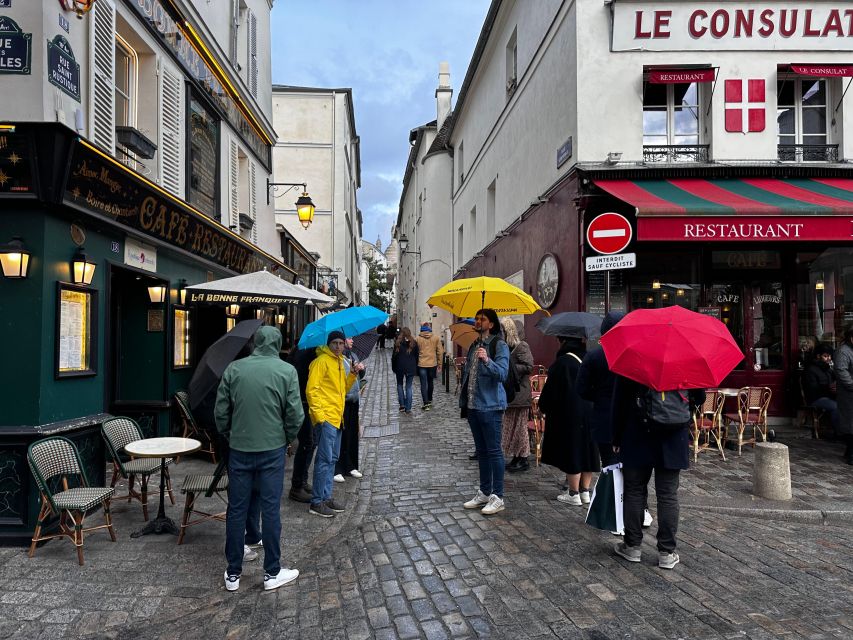
The experience includes a local guide and a carefully constructed narrative. That phrase matters because Montmartre is easy to visit badly. Without a story, you may see a few famous signs, take pictures, and miss the links between them.
Eva has led the walk with passion and humor, making her a particularly good fit if you enjoy history presented as a conversation rather than a lecture. Raj has also been praised for giving a great deal of information. The guide on your date may be different, so you should not book expecting a specific person unless the reservation system confirms it.
The overall style appears to favor explanation over speed. One participant wanted a faster pace and less speech, while the other available comments describe the tour as fun, interesting, friendly, patient, and well informed. Taken together, that gives you a fair picture: expect an enthusiastic, talk-focused walk, not a brisk circuit of photo stops.
The guide also helps with the neighborhood’s darker and stranger material. Saint Denis’ legend, artists’ drug use, sexual scandals, and cabaret culture are all part of the story. The tone is lively rather than solemn, but the material is not scrubbed into a neat family postcard.
Is $31 good value for 150 minutes?
The advertised price is $31 per person, but you need to understand the payment structure. This is a general pay-what-you-wish tour, and the amount paid at booking is only a small online reservation fee. You decide how much to pay the guide afterward.
That can be good value if you want a substantial introduction without committing to a high fixed tour price. You receive two and a half hours with an English-speaking local guide, a planned route, and explanations that tie together the film, art, village, and cabaret sides of Montmartre.
It is less useful if you want a private tour, a short orientation, or entry into attractions. Hotel pickup and drop-off are not included. Meals, drinks, cabaret tickets, and indoor admissions are also not listed as part of the experience.
I would think of the fee as payment for access to a human story rather than for a set of admissions. Montmartre is free to walk on your own, but the guide can save you from seeing its famous places as disconnected curiosities. Your final payment should reflect how much the narrative helps you.
Timing, weather, and who should book
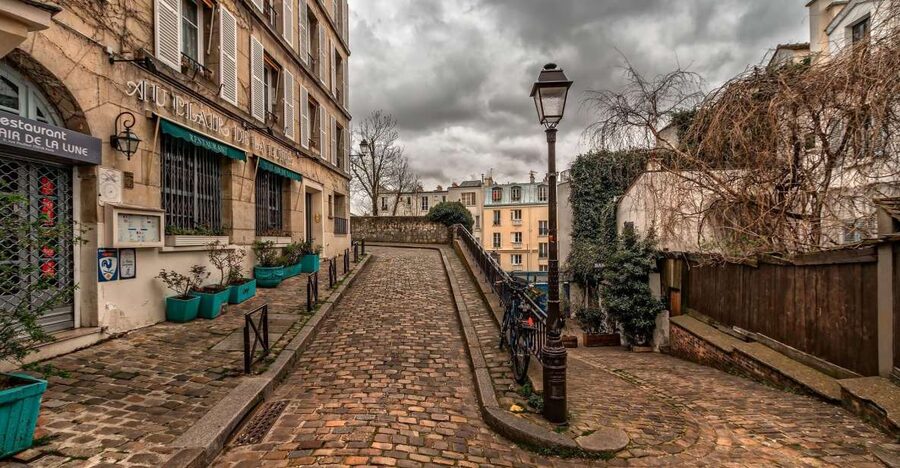
The tour lasts 150 minutes, with start times shown according to availability. Since Montmartre is hilly and the tour takes place outdoors, schedule it when you have enough energy for a steady walk and standing while the guide explains each stop.
The walk operates rain or shine. If the weather turns cold or wet, the guide looks for cover, but you should still dress for outdoor conditions. This is not a reason to avoid the tour, but it is a reason to bring suitable clothing and shoes.
I would recommend it to:
- First-time visitors who want the story behind Montmartre’s famous sights
- Film fans interested in Amélie and real Paris locations
- Art lovers who want street context for Van Gogh, Picasso, Modigliani, and others
- People who enjoy social history, cafés, cabarets, and local legends
- Visitors who prefer a guide with plenty to say
I would be more cautious if you dislike hills, long explanations, or tours that continue in poor weather. You may also prefer a self-guided walk if your main goal is taking photographs quickly at a few famous locations.
Should you book the Montmartre walking tour?
Book this tour if you want Montmartre explained as a living neighborhood, not just a pretty hill topped by Sacré-Coeur. The mix of Café des Deux Moulins, artists’ homes, the vineyard, old cabarets, and Moulin Rouge gives you a broad view of what made the district famous.
The strongest reason to choose it is the storytelling. Eva and Raj have shown the style this tour aims for: friendly, humorous, patient, and full of information. The main tradeoff is time. You may cover less ground than on a fast-paced walk, but you are more likely to understand what you are seeing.
At $31 upfront, with the remaining payment left to your choice, it offers a flexible way to get oriented. Bring good shoes, meet at the yellow umbrella outside Metro Blanche, and book it if you want Montmartre’s odd, artistic, scandalous character brought into focus.
FAQ
How long does the Montmartre walking tour last?
The tour lasts 150 minutes, or two and a half hours.
What language is the tour conducted in?
The tour is conducted in English with a live guide.
Where is the meeting point?
Meet in front of Metro Blanche, at the station’s only exit. Look for the yellow umbrella.
Is the Moulin Rouge visit included?
The route includes Moulin Rouge as a featured Montmartre highlight, but no cabaret performance ticket is included.
Does the tour include hotel pickup and drop-off?
No. Hotel pickup and drop-off are not included.
What does the $31 price cover?
The $31 payment is a small online booking fee for a general pay-what-you-wish tour. You decide how much to pay the guide.
Does the tour operate in bad weather?
Yes. The walk takes place rain or shine. If it rains or becomes cold, the guide looks for cover.
Can I cancel for a full refund?
Yes. You can cancel up to 24 hours in advance for a full refund.
Newest additions around Paris
- Family escape Game with kids and teens on the Île de la Cité★ 4.5 · 11 reviews
- Private Photoshoot with the Iconic Eiffel Tower in Paris★ 5.0 · 11 reviews
- 2-day Private Mont Saint-Michel, 3 Loire Castles, D-Day Express★ 4.5 · 11 reviews
- Paris: Batobus Hop-On Hop-Off Cruise & Landmarks Audio Tour★ 3.0 · 11 reviews
- Paris Revolutionary Walking Tour: Iconic French Sights & Stories★ 5.0 · 11 reviews
- Guided and Private Tour of 3 hours through Paris aboard a Citroën 2cv★ 5.0 · 11 reviews
- Kids in the Kitchen – CrOisSaNtS★ 4.0 · 11 reviews
- Paris: Ghosts and Dark Stories Guided Walking Tour★ 4.1 · 11 reviews
Montmartre & Sacré-Coeur Tours, compared.

Montmartre Hidden Gems and Scenic Highlights Walking Tour
Read our review →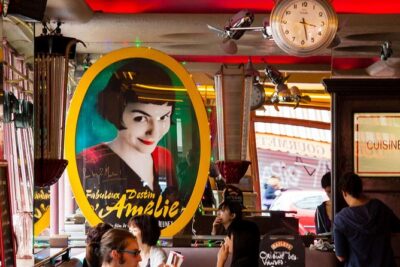
Montmartre Hill French Gourmet Food and Wine Tasting Walking Tour
Read our review →
Montmartre Cheese, Wine & Pastry Guided Walking Tour
Read our review →
Montmartre Highlights Walking Tour with a Local Guide
Read our review →
Sacré-Coeur and Montmartre Tour with Expert Guide
Read our review →
Private Montmartre Food Tour with Wine, Cheese & Pastries
Read our review →
Paris Montmartre Food Tour – A Full French Meal by Do Eat Better
Read our review →
Hidden Montmartre: Paris’ Secret Streets Walking Tour
Read our review →Browse the lists this tour appears in