
Reviewed · MONTMARTRE & SACRé-COEUR TOURS
Montmartre/Sacre-Coeur/Paris- Artistic & Bohemian Epicenter
Montmartre is Paris at its most story-filled. In about two hours, this walking tour leads you from the Art Nouveau entrance at Place des Abbesses through old lanes, artist hangouts, film locations, and up to Sacré-Coeur Basilica, with a broad view across Paris at the finish.
I like the small group of up to 15 people, which gives the guide room to answer questions and adjust the walk to the group. I also like the local angle: guide Jill, a Montmartre resident, has been praised for connecting Van Gogh, Picasso, Dalida, Satie, street art, food shops, and everyday village life. The main consideration is the uphill walking and the possible crowd at Sacré-Coeur, especially when you want to enter the basilica.
In This Review
- Key points at a glance
- Why Montmartre works best on foot
- Starting at Place des Abbesses
- Rue Lepic and the Amélie connection
- Place du Tertre and the working artists
- Van Gogh, Picasso, and Le Bateau-Lavoir
- Dalida’s home and Montmartre’s music
- Montmartre’s windmills and village past
- The climb to Sacré-Coeur
- What the $48.37 price buys you
- Who should take this walk
- Final verdict: book it for the stories
- FAQ
- Where does the Montmartre tour start?
- Where does the tour end?
- How long does the experience last?
- What language is the tour offered in?
- How much does the tour cost?
- How large is the group?
- Is entry to Sacré-Coeur included?
- Are food and drinks included?
- Can I see artists at work?
- What is the cancellation policy?
Key points at a glance
- Start in village-style Abbesses: Meet at 22 Rue des Abbesses, near Art Nouveau details and neighborhood life.
- Follow the artists: See places linked with Van Gogh, Picasso, impressionist painters, and other artists who worked in Montmartre.
- Find the Amélie locations: Rue Lepic and nearby streets connect the walk with scenes from the French film Amelie of Montmartre.
- Watch artists at Place du Tertre: Painters and sketch artists work in the famous square, offering instant portraits on request.
- Finish at Sacré-Coeur: The route ends at 35 Rue du Chevalier de la Barre, beside the basilica and its Paris panorama.
- Allow extra time afterward: The two-hour walk covers the main route, but you may want time to enter Sacré-Coeur and continue exploring.
Why Montmartre works best on foot
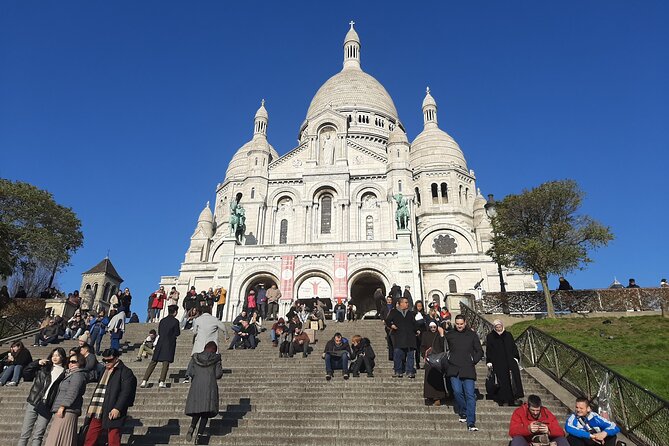
Montmartre sits on a hill, and its character changes as you climb. At the lower end, Place des Abbesses feels like a working Paris neighborhood with cafés, shops, and Art Nouveau touches. Higher up, the streets become quieter, narrower, and more closely tied to the painters, musicians, and writers who made the district famous.
I like this tour because it treats Montmartre as more than a photo stop at Sacré-Coeur. The basilica is the headline attraction, but the smaller details give the walk its shape: a former artist’s studio, a singer’s residence, old windmills, a movie location, and the square where artists still draw visitors.
The pace is not built around rushing from one landmark to another. You walk, stop, listen, and continue uphill. The listed stops take roughly 85 minutes before allowing for the connecting streets, questions, and the final approach to the basilica. The total experience lasts about two hours.
More Montmartre walks and visits:
- Montmartre Hidden Gems and Scenic Highlights Walking Tour
★ 5.0 · 2,684 reviews - Montmartre Hill French Gourmet Food and Wine Tasting Walking Tour
★ 5.0 · 2,588 reviews - Paris: Montmartre Cheese, Wine & Pastry Guided Walking Tour
★ 4.8 · 2,255 reviews
Starting at Place des Abbesses
The meeting point is 22 Rue des Abbesses, at Place des Abbesses. This is a useful starting point because it puts you in the neighborhood before the climb begins.
Here, the focus is on Art Nouveau design and local village life. Montmartre was once outside central Paris and had a working-class identity of its own. That older village character still helps explain why artists found the area attractive: it was less formal than central Paris and offered a different pace of life.
The first ten minutes are short, but they set the tone. You are not beginning at a grand monument. You are beginning on an ordinary street where the guide can point out the district’s visual style and explain how the village grew into one of Paris’s best-known quarters.
For the meeting, arrive early enough to identify the group. One person reported some confusion at the beginning while finding the guide, so do not cut it close. The tour is offered in English and uses a mobile ticket.
Rue Lepic and the Amélie connection
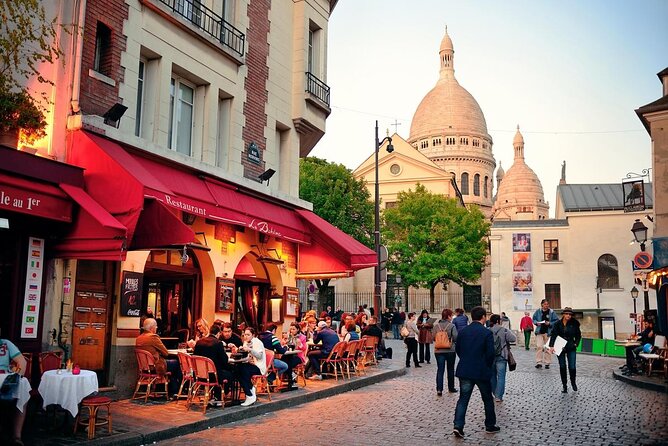
Rue Lepic brings together several of the tour’s main themes: artists, film, food, and daily Montmartre life. The street is linked with impressionist painters and with the French film Amelie of Montmartre.
The film connection gives you a playful way to read the neighborhood. Instead of seeing only old buildings and steep streets, you begin to notice how Montmartre has been used as a setting for stories about romance, odd characters, and Parisian routines.
The guide also discusses local food shops and offers recommendations for bakeries, pastry shops, restaurants, and a crêperie. That advice can be useful after the walk, since the tour itself does not include coffee or tea. One especially personal touch in the guiding style is the willingness to follow a group’s interests. Jill has adjusted parts of a walk for visitors interested in opera and composer Erik Satie.
This section is also where you should pay attention to your footing. Montmartre’s old lanes are cobbled in places, and the route goes uphill. Comfortable shoes are more useful than anything stylish.
Place du Tertre and the working artists
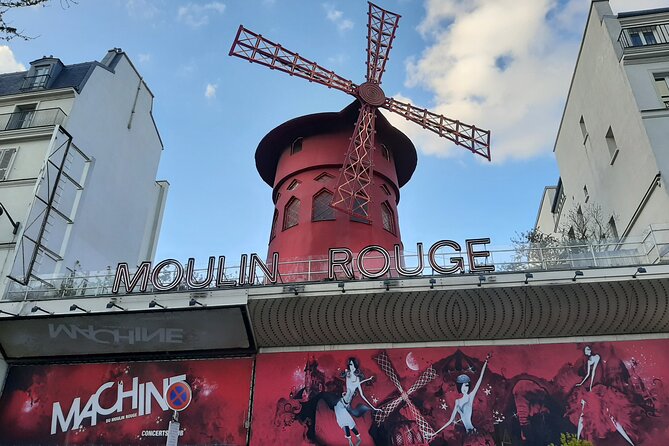
Place du Tertre is the most openly artistic stop. Painters and sketch artists work in the square, continuing a tradition that has made this part of Montmartre famous.
You can watch artists create portraits and instant sketches for visitors who request them. That makes the square more than a historical reference. It is a working place, though it is also one of the busiest and most commercial parts of the route.
I would treat a portrait as an optional purchase, not an automatic part of the tour. The tour price does not include artwork, food, drinks, or other personal purchases. Still, the square is worth seeing because the art activity remains visible and immediate.
The guide helps put the scene in context by explaining the impressionist painters and the artists who gathered nearby. That background matters. Without it, Place du Tertre can feel like a crowded open-air art market. With it, you can better understand why this small square became part of Montmartre’s public identity.
A different way to spend the day in Paris:
- Paris: Louvre Museum Timed-Entrance Ticket
★ 4.6 · 71,977 reviews - Disneyland® Paris 1-Day Ticket
★ 4.6 · 49,412 reviews - Paris: Versailles Palace and Gardens Full Access Ticket
★ 4.6 · 41,579 reviews - Paris: Arc de Triomphe Rooftop Tickets
★ 4.6 · 34,264 reviews
Van Gogh, Picasso, and Le Bateau-Lavoir
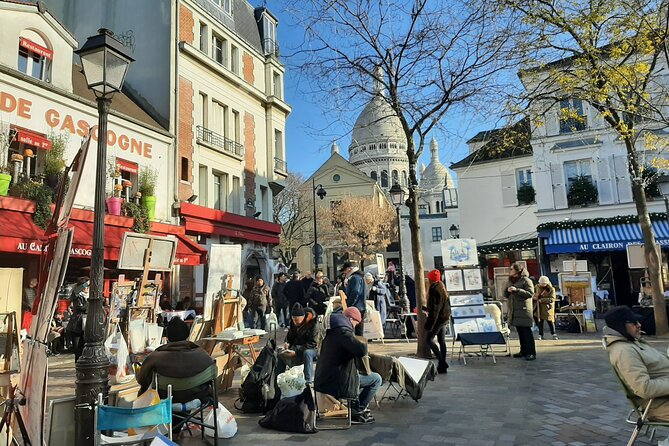
Art history receives its strongest attention around Le Bateau-Lavoir and the nearby homes and studios connected with famous painters. Picasso first came to Paris in 1900 and later worked in Montmartre. The tour passes the site associated with his studio and explains how Le Bateau-Lavoir became a meeting place for artists in the early twentieth century.
The Van Gogh material is another major part of the walk. The guide points out the house where Vincent Van Gogh lived and explains his time in Montmartre in detail. If you have even a passing interest in painting, this can be one of the most rewarding sections because it places an artist’s life in a real street rather than in a distant museum label.
The value here is the connection between famous names and modest buildings. Picasso and Van Gogh are often presented through masterpieces and galleries. In Montmartre, you see the streets and residences tied to their working lives. The buildings themselves may not look dramatic, so the guide’s explanation is important.
This is also why I would choose a guided walk instead of exploring only with a map. You can find Place du Tertre and Sacré-Coeur alone. It is harder to understand why a particular doorway, studio, or street matters without someone explaining the story.
Dalida’s home and Montmartre’s music
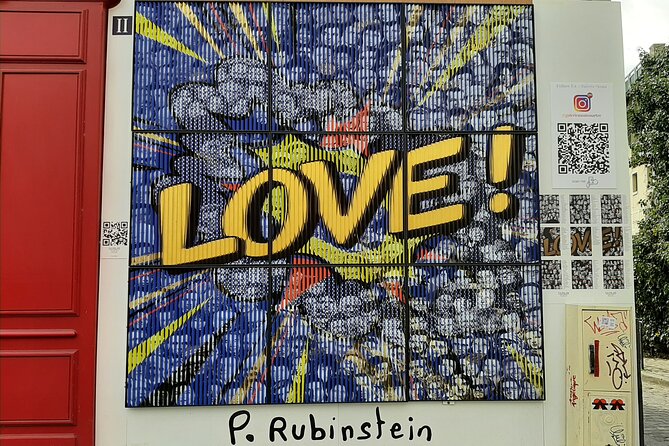
La Maison de Dalida adds a different note to the route. Dalida was a French and Italian star born in Egypt, and the tour passes her residence.
Her home broadens the story beyond painters. Montmartre is associated with visual art, but its identity also includes singers, composers, performers, and other creative figures. The stop is brief, about ten minutes, so expect an exterior view and an explanation rather than a museum visit.
The same is true of other cultural connections along the walk. If your interest is music, tell the guide early. Jill has included stories about composers such as Satie when a visitor’s background made that especially relevant. The small-group format makes these conversations more practical than they would be on a large coach tour.
Montmartre’s windmills and village past
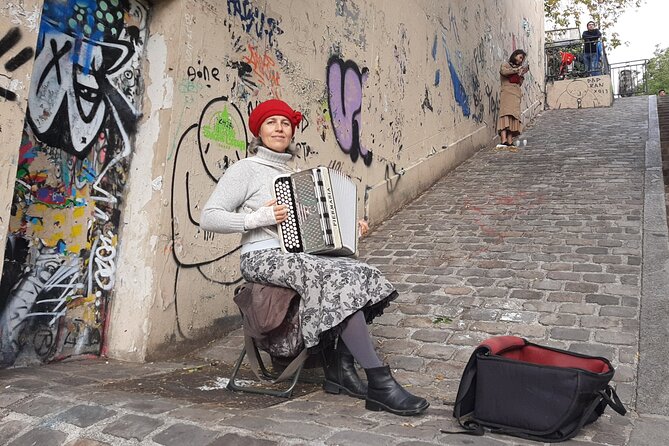
One of the most interesting details is easy to miss: Montmartre once had windmills. The first windmill dates from the seventeenth century, when this was a working-class village north of Paris.
The windmills remind you that Montmartre was not always a polished arts district. Before the souvenir shops and portrait artists, the hill had working activity and open ground. A guide can help you picture that earlier setting while you walk through the modern neighborhood.
This historical layer gives the tour more balance. You are not hearing only stories about celebrity artists. You are also learning how the district functioned before it became a symbol of bohemian Paris.
The climb to Sacré-Coeur
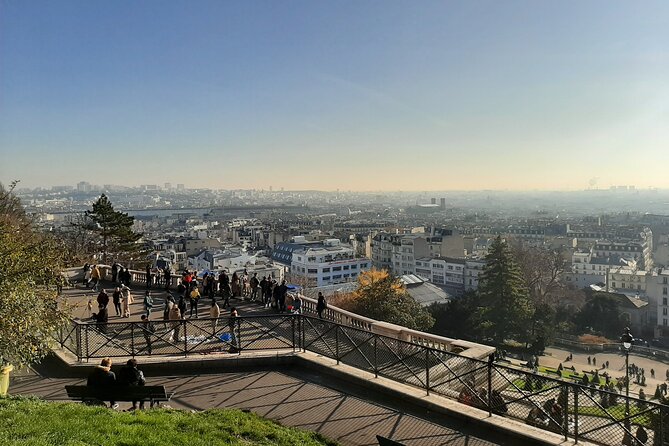
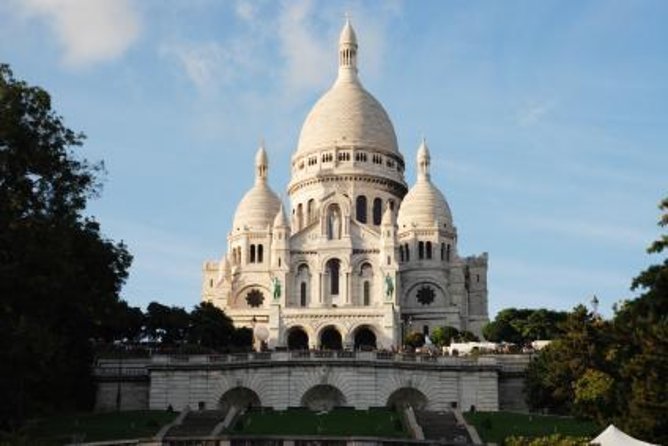
The route ends at the Basilica of Sacré-Coeur, at 35 Rue du Chevalier de la Barre. The walk uphill through calm, cobbled streets leads to the large white basilica and its famous view over Paris.
The tour includes the basilica stop, but admission is free and the experience does not promise a private or skip-the-line entrance. A crowd may be waiting to enter. That line is separate from the walking tour, so plan your time accordingly.
This distinction matters. If you want only the outside, the steps, and the city view, the scheduled tour may fit neatly into your plans. If you want to enter the basilica, pray, or spend time inside, add extra time after the tour. The route ends here rather than returning you to Abbesses.
The panorama is the natural final reward. From the hill, Paris spreads out below you, and the climb feels worthwhile. The view can also be busy, so keep your expectations practical. This is a public landmark, not a private lookout.
What the $48.37 price buys you
At $48.37 per person, this is not the cheapest way to walk around Montmartre. You can visit the streets, the square, the windmills, and the basilica without paying an entrance fee.
The value comes from interpretation. You are paying for roughly two hours with an English-speaking local guide, a planned route, art and film context, and the chance to ask questions in a group capped at 15 people. That price makes more sense if you want the Van Gogh, Picasso, Dalida, Satie, and Amelie connections tied together.
It also includes practical neighborhood advice. Food recommendations have included bakeries, pastry shops, restaurants, a crêperie, and even a clothing shop. If you use those suggestions after the walk, the tour becomes a useful introduction to spending time in the district, not just a sightseeing circuit.
The tour is booked about 29 days ahead on average, so it is sensible to reserve before your Paris trip if your schedule is fixed. Free cancellation is available up to 24 hours before the start time. After that point, the payment is not refunded, and late changes are not accepted.
Who should take this walk
I would choose this tour if you want Montmartre explained through people and stories rather than viewed only through its famous buildings. It suits first-time visitors, film fans, art lovers, and anyone who enjoys neighborhood food advice.
It is also a good match for visitors who prefer a personal guide to a large group. The maximum group size is 15, and the guide can respond to individual interests. The experience has been offered in very small groups too, including a walk with only three people.
You should think twice if you dislike hills, cobblestones, or stopping often for historical explanations. The route is not a museum visit, and there is no included café break. You also need to make your own plans for entering Sacré-Coeur after the walk.
Final verdict: book it for the stories
I would book this tour if you want to understand why Montmartre became an artistic and bohemian center. The strongest parts are the local guide, the Van Gogh and Picasso connections, the flexible conversation, the film locations, and the practical food recommendations.
I would skip it if you only want a quick photo at Sacré-Coeur or prefer to explore without a schedule. For most visitors, though, the $48.37 cost is reasonable when you want the old lanes to make sense. Arrive early at Place des Abbesses, wear solid walking shoes, and leave extra time at the end for the basilica and the view.
FAQ
Where does the Montmartre tour start?
The tour starts at 22 Rue des Abbesses, 75018 Paris, France, at Place des Abbesses.
Where does the tour end?
The tour ends at Basilique du Sacré-Coeur de Montmartre, 35 Rue du Chevalier de la Barre, 75018 Paris, France.
How long does the experience last?
The walking tour lasts approximately two hours.
What language is the tour offered in?
The tour is offered in English.
How much does the tour cost?
The listed price is $48.37 per person.
How large is the group?
The tour has a maximum of 15 participants.
Is entry to Sacré-Coeur included?
The tour includes a stop at the basilica, and admission is free. It does not provide a separate private entrance or guaranteed access without waiting in the public line.
Are food and drinks included?
No. Coffee and tea are not included. Food and personal purchases at shops or Place du Tertre are also not included.
Can I see artists at work?
Yes. At Place du Tertre, local artists work in the square and can make an instant sketch at a visitor’s request.
What is the cancellation policy?
You can cancel up to 24 hours before the start time for a full refund. Cancellations or changes made less than 24 hours before the experience are not accepted for a refund.
Newest additions around Paris
- Family escape Game with kids and teens on the Île de la Cité★ 4.5 · 11 reviews
- Private Photoshoot with the Iconic Eiffel Tower in Paris★ 5.0 · 11 reviews
- 2-day Private Mont Saint-Michel, 3 Loire Castles, D-Day Express★ 4.5 · 11 reviews
- Paris: Batobus Hop-On Hop-Off Cruise & Landmarks Audio Tour★ 3.0 · 11 reviews
- Paris Revolutionary Walking Tour: Iconic French Sights & Stories★ 5.0 · 11 reviews
- Guided and Private Tour of 3 hours through Paris aboard a Citroën 2cv★ 5.0 · 11 reviews
- Kids in the Kitchen – CrOisSaNtS★ 4.0 · 11 reviews
- Paris: Ghosts and Dark Stories Guided Walking Tour★ 4.1 · 11 reviews
Montmartre & Sacré-Coeur Tours, compared.

Montmartre Hidden Gems and Scenic Highlights Walking Tour
Read our review →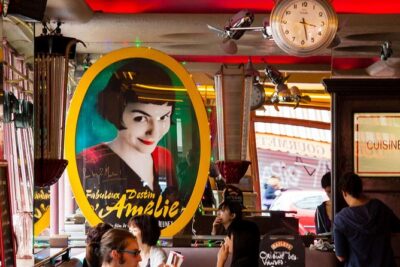
Montmartre Hill French Gourmet Food and Wine Tasting Walking Tour
Read our review →
Montmartre Cheese, Wine & Pastry Guided Walking Tour
Read our review →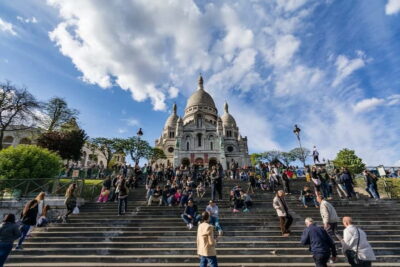
Montmartre Highlights Walking Tour with a Local Guide
Read our review →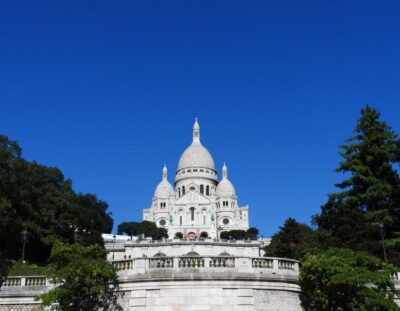
Sacré-Coeur and Montmartre Tour with Expert Guide
Read our review →
Private Montmartre Food Tour with Wine, Cheese & Pastries
Read our review →
Paris Montmartre Food Tour – A Full French Meal by Do Eat Better
Read our review →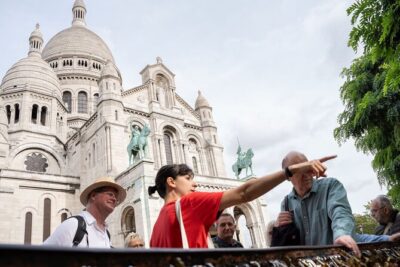
Hidden Montmartre: Paris’ Secret Streets Walking Tour
Read our review →Browse the lists this tour appears in