
Reviewed · MONTMARTRE & SACRé-COEUR TOURS
Montmartre District and Sacre Coeur – Exclusive Guided Walking Tour
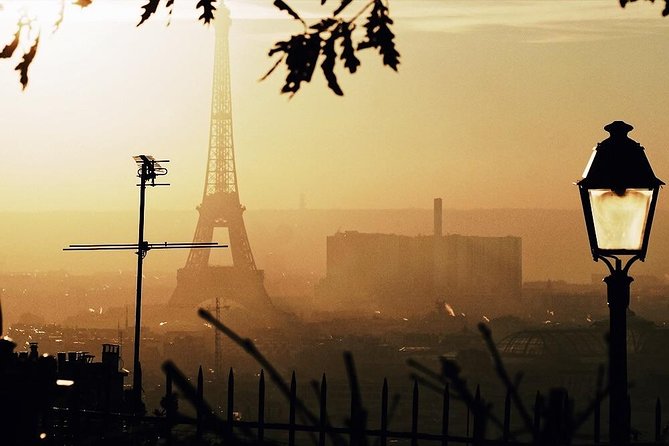
Montmartre is Paris at its most storybook-like, but the best parts are not always the obvious ones. This 2.5-hour walk links the Moulin Rouge, artists’ homes, Dalida’s neighborhood, old cabarets, a tiny vineyard, Place du Tertre, and Sacré-Coeur in one uphill route.
I like the small-group or private format, which gives you room to ask questions and lets the guide adjust the pace. I also like the mix of famous sights and quieter corners, especially the wild garden, Clos Montmartre vineyard, and streets connected with Van Gogh, Picasso, and Dalida.
The trade-off is simple: Montmartre is hilly, with cobbled streets and steps, and the tour runs in all weather. Some stops are outside views only, and access inside attractions can change because of security rules.
In This Review
- Key points to know before you book
- Why starting at the Moulin Rouge works
- Van Gogh, Picasso, and Montmartre’s working artists
- Dalida’s Montmartre is quieter and more personal
- A wild garden and one of Paris’s last vineyards
- Le Lapin Agile and Montmartre’s bohemian past
- Entering Sacré-Coeur after the climb
- Place du Tertre and the Amélie connection
- How much does this Montmartre walk deliver for $59.69?
- The pace, weather, and practical details
- Who will enjoy this tour most?
- Should you book the Montmartre and Sacré-Coeur walk?
- FAQ
- Where does the tour begin?
- Where does the tour end?
- How long does the walking tour last?
- Is the tour private?
- Is the tour offered in English?
- Is admission to Sacré-Coeur included?
- Does the tour operate in bad weather?
- Can I cancel for a full refund?
Key points to know before you book
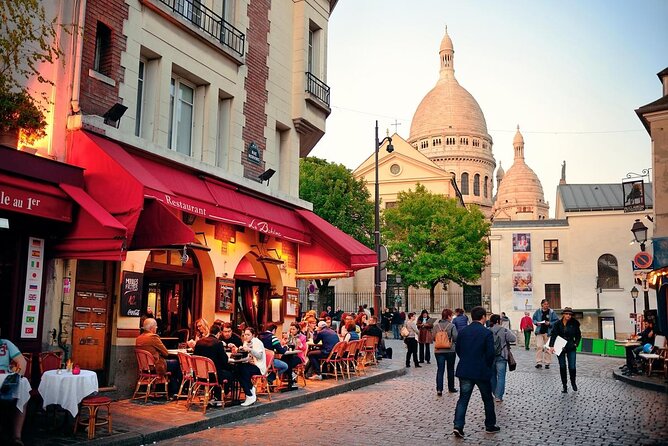
- Start at Blanche: Meet near the Moulin Rouge and walk uphill through Montmartre rather than arriving at Sacré-Coeur by metro.
- Expect a real hill walk: You need moderate fitness, comfortable shoes, and enough energy for cobbles and sloping streets.
- See more than Sacré-Coeur: The route includes Van Gogh’s former home, Place Dalida, Le Lapin Agile, the vineyard, Place du Tertre, and the Bateau-Lavoir.
- Guide quality matters: Francois, Eden, Hugo, Tamari, Florence, Gabriele, Alastair, Daniel, and others are named in the tour feedback, with particular praise for storytelling and clear English.
- Private and semi-private choices differ: The private option gives your group its own guide. The save-money semi-private option does not.
- Plan for weather: The walk operates rain or shine, so bring a rain layer, water, and a hat in hot weather.
Why starting at the Moulin Rouge works
The meeting point is at Blanche, near the Moulin Rouge in Paris’s 18th arrondissement. This gives you a useful sense of Montmartre’s geography. You begin at the foot of the hill, then work your way upward through streets that become quieter and more residential.
The Moulin Rouge itself is a short opening stop rather than a cabaret performance. You see the famous red windmill and hear how the venue became linked with Parisian entertainment and artists such as Auguste Renoir. Admission to a show is not included, and that is worth noting if you expect an evening performance.
From here, the walk heads toward Rue Lepic. The slope arrives early, so this is the moment to judge your pace. I would not choose this walk in stiff dress shoes. The route is not described as strenuous, but the hills are real, and one member of a family group even chose to skip the walk with a younger child who was tired late in the day.
More Montmartre walks and visits:
- Montmartre Hidden Gems and Scenic Highlights Walking Tour
★ 5.0 · 2,684 reviews - Montmartre Hill French Gourmet Food and Wine Tasting Walking Tour
★ 5.0 · 2,588 reviews - Paris: Montmartre Cheese, Wine & Pastry Guided Walking Tour
★ 4.8 · 2,255 reviews
Van Gogh, Picasso, and Montmartre’s working artists
One of the pleasures of Montmartre is seeing how close together the old artists’ addresses are. The stop at Van Gogh’s former home on Rue Lepic refers to the house where Vincent and his brother lived from 1886. You do not enter the property, but the address helps place the artist within the neighborhood rather than treating him as a name in a museum label.
The tour also points out the Bateau-Lavoir, once an artists’ residence and meeting place. Painters, writers, actors, and art dealers gathered there, making it one of the key addresses in Montmartre’s creative past. Again, this is an exterior stop, so the value comes from the guide’s explanation and the way the route connects the building with the wider artistic district.
That storytelling is where the guide can make or break the experience. Francois is praised for bringing the area’s people and stories to life, while Hugo is noted for clear English, a history background, patience with questions, and a good sense of humor. You cannot request that a particular guide will lead your walk, but these names give you an idea of the level of guide experience associated with the tour.
Dalida’s Montmartre is quieter and more personal
Place Dalida offers a change of mood. The small square is dedicated to the French singer, and her statue has become a place of tribute. It feels less like a major sightseeing stop and more like a neighborhood corner with a loyal following.
The route continues to La Maison de Dalida at 11 Bis Rue Orchampt, where she lived from 1962 to 1987. The address is also connected with her death, so the guide may treat this stop with more care than the lighter cabaret stories earlier in the walk. You see the house from outside, and the interest lies in understanding how Dalida’s life was tied to this part of Paris.
The tour also passes the Abbesses metro entrance near the end. Designed by Hector Guimard, it is one of only two surviving Paris metro entrances of its type. The Art Nouveau ironwork makes this a worthwhile final detail, especially if you are planning to continue by metro after the walk.
A wild garden and one of Paris’s last vineyards
The Jardin Sauvage de St-Vincent is easy to miss if you are simply following the main sightseeing streets. City gardeners left this sloping patch in a more natural state, allowing wild plants, elderberry trees, ivy, and insects to remain. It is a small stop, but it shows a side of Montmartre that has nothing to do with souvenir shops or painted portraits.
Next comes the Vigne du Clos Montmartre, a vineyard tucked into the streets behind Sacré-Coeur. It is one of the last remaining vineyards in central Paris. You should keep your expectations sensible: this is not a wine-tasting visit or a working countryside vineyard tour. You see the vines and learn why they matter in a city better known for stone, cafés, and grand boulevards.
I like these two stops because they break up the standard sequence of cabarets, churches, and art history. They also give the guide a chance to explain how Montmartre retains a village-like feel despite being part of a major capital.
More Paris walking tours:
- Paris Top Sights Half Day Walking Tour with a Fun Guide
★ 5.0 · 2,893 reviews - Paris Île de la Cité and Notre-Dame Walking Tour With Crypt
★ 5.0 · 2,272 reviews - Paris in a Day: Louvre or Orsay, Eiffel Tower, City Walk & Cruise
★ 5.0 · 1,956 reviews - Paris: Montmartre Highlights Walking Tour with a Local Guide
★ 4.9 · 1,668 reviews
Le Lapin Agile and Montmartre’s bohemian past
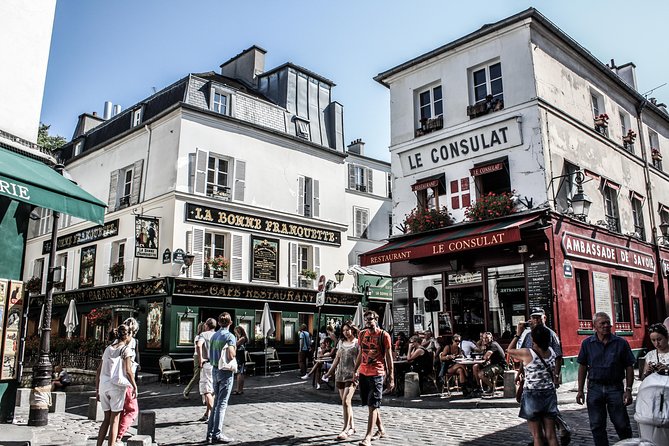
Le Lapin Agile is another exterior stop, centered on a cabaret that was associated with Montmartre’s bohemian set until 1914. Its old sign remains one of the neighborhood’s memorable symbols.
This is one of several places where the route depends heavily on explanation. The building alone will not tell you why painters, writers, and performers cared about it. A strong guide adds the human connections and helps you picture Montmartre before it became one of Paris’s busiest sightseeing districts.
The tour is especially appealing if you enjoy art and cultural history but do not want to spend the whole day inside museums. You keep moving through the actual streets where these figures lived and worked. The downside is that you will not have long visits at each site. The schedule allows roughly ten minutes at several stops, so the experience is about context and connections rather than detailed examination.
Entering Sacré-Coeur after the climb
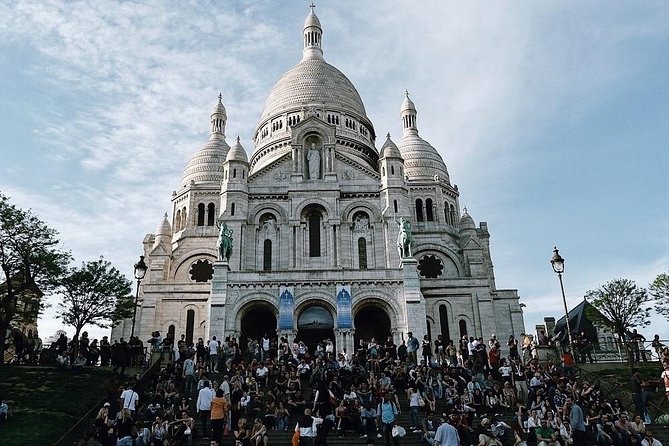
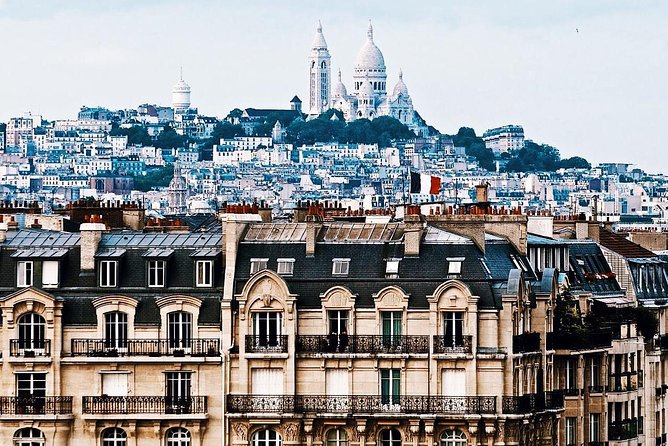
Sacré-Coeur is the natural high point of the walk, both physically and visually. The basilica was completed in 1914 and is dedicated to the Sacred Heart of Jesus. Inside, the huge mosaic of Christ is the main artistic feature, and the tour allows about twenty minutes to explore the interior.
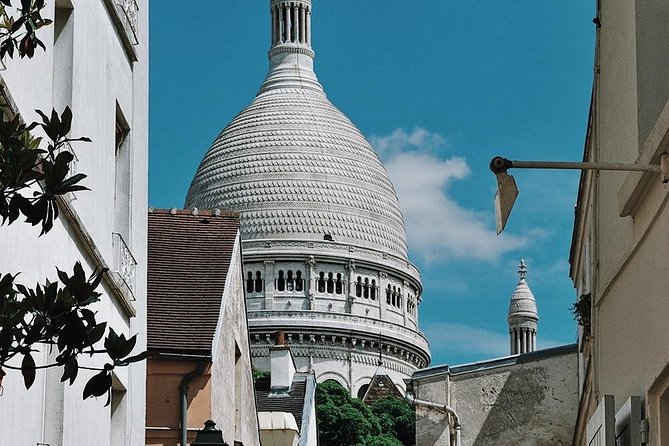
The white exterior is familiar from photographs, but the approach matters. Arriving after the climb lets you see the basilica as the summit of Montmartre rather than as an isolated monument reached by a taxi or funicular. You also gain the famous view across Paris from one of the city’s high points.
Be aware that the tour description refers to a spectacular panorama from the top of Sacré-Coeur, but it does not promise access to the dome. You should understand this as a viewpoint around the basilica and summit area unless your booking details specifically confirm a dome visit.
Sacré-Coeur is an active Catholic church, so respectful clothing and quiet behavior are sensible. Security measures can also limit interior access at some attractions. The guide may need to adjust the route or viewing arrangements, especially during national celebrations or special events.
Place du Tertre and the Amélie connection
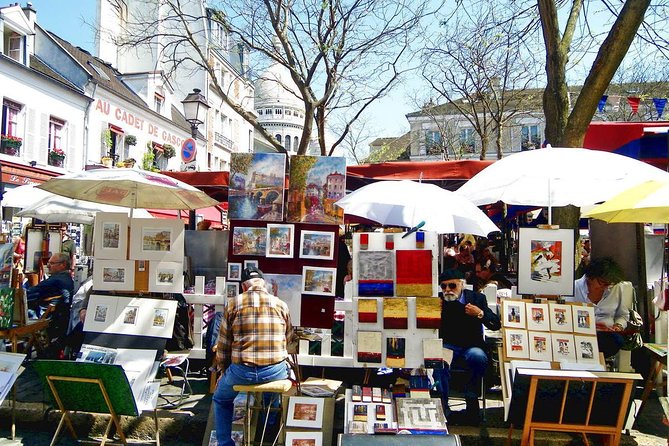
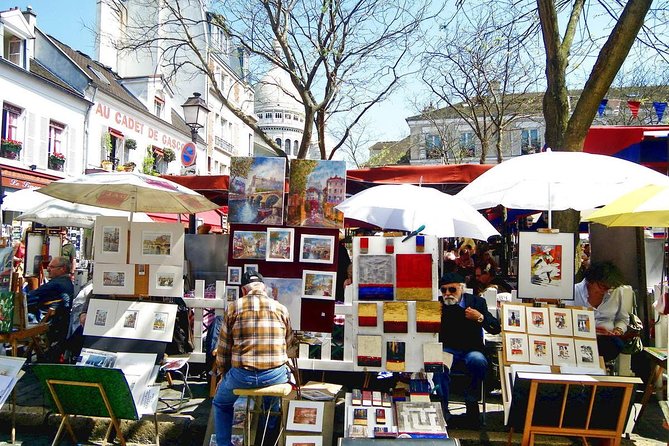
Place du Tertre is only a short walk from the basilica and is one of Montmartre’s most recognizable squares. Artists set up easels here, continuing a tradition linked with the district’s time as a center for modern art.
This is also the part of the route most likely to feel crowded and commercial. The square is photogenic, but it can be busy, and artists’ portraits are not included in the tour price. If you want a sketch, treat it as a separate purchase and allow extra time after the guided walk.
The area will be familiar to fans of the film Amélie, much of which was filmed in Montmartre. The tour includes a stop at the Amélie Café, another useful detail for film fans. You will get more from this connection if you have seen the movie, but you do not need to be a fan to enjoy the neighborhood.
Nearby is the Espace Dali, a permanent museum with about 300 original works, including sculptures and engravings. The tour passes by it rather than including admission. That makes the walk a good introduction, but not a substitute for a museum visit. If Dali is a major interest, return separately with time to look around.
How much does this Montmartre walk deliver for $59.69?
At $59.69 per person, the price needs to be judged against the format you select. A private tour gives your group its own guide, while the semi-private option costs less but does not provide exclusive use of the guide. The distinction matters most for families, couples, and groups that want to ask many questions or adjust the pace.
The walk covers a lot in 2.5 hours. You see major landmarks, several lesser-known addresses, and the basilica without paying separate admission for the church. You are paying mainly for the guide’s time, route planning, historical context, and ability to connect scattered sites into one clear story.
I think the price makes better sense for a first visit to Montmartre, especially if you have limited time in Paris. Without a guide, you can certainly find Sacré-Coeur and Place du Tertre, but you may walk past Van Gogh’s former address, Dalida’s places, the Bateau-Lavoir, or the wild garden without understanding why they matter.
It is less compelling if you prefer to wander slowly, stop for long café breaks, or spend substantial time inside museums. The tour moves on schedule, and most attractions are viewed from outside. For a group booking the private option, the cost may also feel more reasonable when shared among several people.
The pace, weather, and practical details
The walk starts near public transportation at Blanche and ends in Montmartre near Abbesses. Hotel pickup and drop-off are not included, so you need to reach the meeting point yourself. A taxi or Uber is suggested, though the starting location is also near public transport.
The route operates in all weather. Rain does not automatically cancel the walk, and several people have enjoyed it even during heavy rain. That only works if you prepare properly. Bring comfortable shoes, a small bottle of water, and an umbrella or rain jacket. In hot weather, add a hat and plan for the uphill sections.
Large bags and suitcases are not allowed. This is important if you are arriving from a train station or checking out of a hotel. Store your luggage before meeting the guide rather than assuming it can be carried along.
You must provide a mobile phone number with country code when booking. This gives the operator a way to contact you about meeting arrangements or route changes. National celebrations can affect the route, and an alternative may be used without a refund or discount, though the main Montmartre highlights should still be covered.
The tour is described as suitable for people with moderate physical fitness. It is not presented as wheelchair-friendly or as a low-effort sightseeing option. The combination of slopes, cobbles, and standing means you should choose another way to see Montmartre if hills are difficult for you.
Who will enjoy this tour most?
I would choose this walk for first-time Paris visitors who want an organized introduction to Montmartre without spending a full day on it. It is also a strong fit for families with older children and teenagers, since the art, film, music, and unusual addresses give the neighborhood several entry points.
The tour suits you if you enjoy stories about artists and performers, want practical recommendations for the rest of the evening, and prefer a guide who can answer questions. Guides praised for warmth and humor include Eden, Francois, Hugo, Tamari, Gabriele, Alastair, Florence, and Daniel.
It may not suit you if you want extensive museum time, a cabaret show, a wine tasting, or a completely flat route. You should also avoid booking it immediately before an important reservation if you dislike running on a strict schedule. The 2.5 hours are approximate, and the hill can slow a group.
Free cancellation is available until 24 hours before the start time. Cancellations or changes made inside that window are not refundable, so keep an eye on Paris weather and your daily plans before the cutoff.
Should you book the Montmartre and Sacré-Coeur walk?
Book it if you want Montmartre explained rather than simply photographed. The route gives you Sacré-Coeur and the big panorama, but its real value is the chain of smaller stops: Van Gogh’s address, Dalida’s square and home, Le Lapin Agile, the vineyard, the Bateau-Lavoir, and Abbesses.
I would select the private option for a family or group that values flexibility and questions. Choose semi-private if saving money matters more and you are happy to share the experience. Either way, wear sensible shoes, keep your bag small, and allow time after the walk if you want to visit Espace Dali, browse Place du Tertre, or linger for sunset.
FAQ
Where does the tour begin?
The tour begins at Blanche, in the 18th arrondissement of Paris, near the Moulin Rouge.
Where does the tour end?
It ends in Montmartre, near the Abbesses area.
How long does the walking tour last?
The tour lasts approximately 2 hours and 30 minutes.
Is the tour private?
The private booking option includes a guide exclusively for your group. The save-money semi-private option is not private.
Is the tour offered in English?
Yes. The experience is offered in English.
Is admission to Sacré-Coeur included?
The tour includes time to explore the basilica interior, and no separate admission ticket is listed for the church. Access inside attractions can change because of security measures.
Does the tour operate in bad weather?
Yes. It operates in all weather conditions, so you should dress appropriately and bring rain protection when needed.
Can I cancel for a full refund?
Yes, if you cancel at least 24 hours before the experience start time. Cancellations or changes made less than 24 hours before the start time are not accepted for a refund.
Newest additions around Paris
- Family escape Game with kids and teens on the Île de la Cité★ 4.5 · 11 reviews
- Private Photoshoot with the Iconic Eiffel Tower in Paris★ 5.0 · 11 reviews
- 2-day Private Mont Saint-Michel, 3 Loire Castles, D-Day Express★ 4.5 · 11 reviews
- Paris: Batobus Hop-On Hop-Off Cruise & Landmarks Audio Tour★ 3.0 · 11 reviews
- Paris Revolutionary Walking Tour: Iconic French Sights & Stories★ 5.0 · 11 reviews
- Guided and Private Tour of 3 hours through Paris aboard a Citroën 2cv★ 5.0 · 11 reviews
- Kids in the Kitchen – CrOisSaNtS★ 4.0 · 11 reviews
- Paris: Ghosts and Dark Stories Guided Walking Tour★ 4.1 · 11 reviews
Montmartre & Sacré-Coeur Tours, compared.

Montmartre Hidden Gems and Scenic Highlights Walking Tour
Read our review →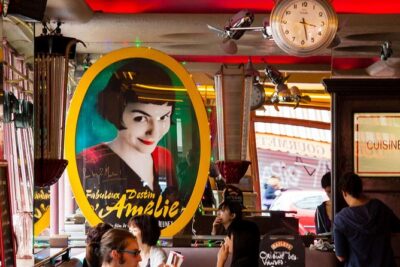
Montmartre Hill French Gourmet Food and Wine Tasting Walking Tour
Read our review →
Montmartre Cheese, Wine & Pastry Guided Walking Tour
Read our review →
Montmartre Highlights Walking Tour with a Local Guide
Read our review →
Sacré-Coeur and Montmartre Tour with Expert Guide
Read our review →
Private Montmartre Food Tour with Wine, Cheese & Pastries
Read our review →
Paris Montmartre Food Tour – A Full French Meal by Do Eat Better
Read our review →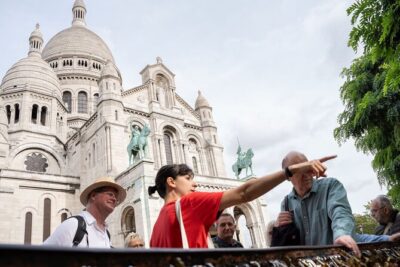
Hidden Montmartre: Paris’ Secret Streets Walking Tour
Read our review →Browse the lists this tour appears in