
Reviewed · MONTMARTRE & SACRé-COEUR TOURS
German private Walking Tour through Montmartre & Passages
Montmartre gives this private German-language tour a strong opening: you start beside the Moulin Rouge and climb into Paris’s old artists’ quarter, then finish among grand boulevards, covered passages, and Opéra Garnier. It is a smart way to connect several parts of Paris that are often visited separately.
I like the mix of famous sights and quieter corners, and I like that the guide brings in local stories about the artists who lived and worked here. The German commentary is also useful if you want more than a quick explanation at each stop, especially in a private group where the pace can suit your party.
The main drawback is the amount of ground covered in four hours. This is a walking tour with several districts and major sights on the route, so you should be ready to keep moving. Families with small children should also plan carefully, since one party lost a large part of its tour to a long restaurant stop.
- Moulin Rouge start: Meet at Metro Blanche on the small traffic island in front of the famous cabaret.
- Artists’ Montmartre: Visit Sacré-Cœur, Place du Tertre, and lesser-known corners linked to Paris’s creative past.
- German-speaking guide: The private format gives your group room for questions and a more personal pace.
- Historic passages: Walk through Passage Jouffroy and Passage Verdeau on the way to the Grands Boulevards.
- Opera finale: Finish at Opéra Garnier with stories about the Phantom of the Opera.
- Family note: Children younger than 12 can join free of charge.
In This Review
- From Moulin Rouge into Montmartre
- Sacré-Cœur and the best-known side of the hill
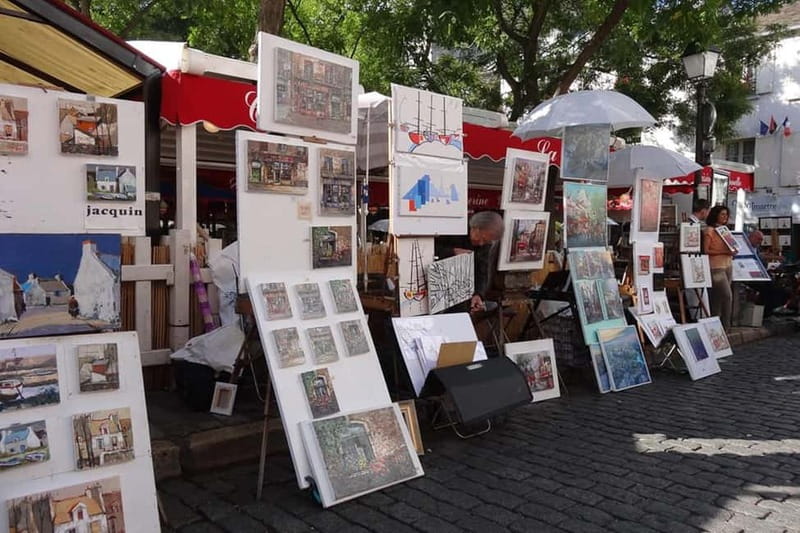
- Place du Tertre and the stories behind the square
- The quieter corners of Montmartre
- From Montmartre to the Grands Boulevards
- Passage Jouffroy and Passage Verdeau
- Opéra Garnier and the Phantom of the Opera
- What $183 means for a private four-hour walk
- Who will enjoy this route most?
- Should you book the German Montmartre and Passages tour?
- FAQ
- How long is the walking tour?
- Is the tour conducted in German?
- Is this a private tour?
- Where does the tour begin?
- How will I find the guide?
- Does the tour visit Sacré-Cœur?
- Are children allowed to join?
- Can I cancel for a full refund?
From Moulin Rouge into Montmartre
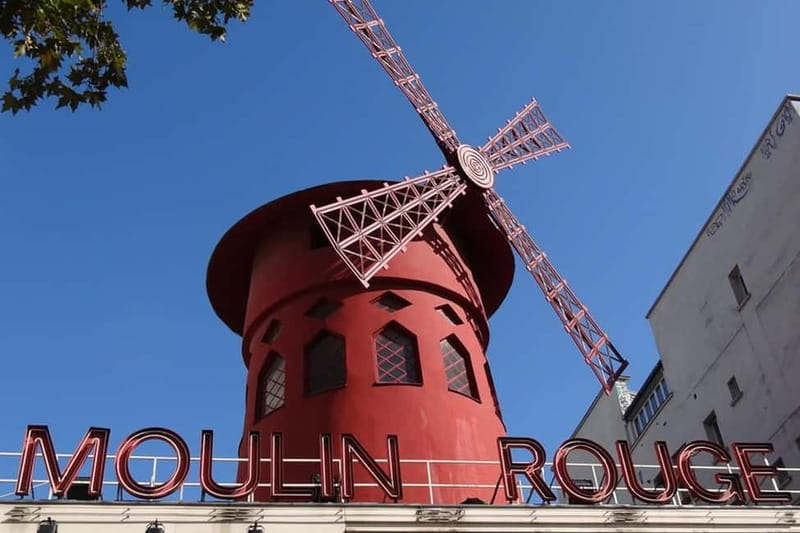
The tour begins at 1 Place Blanche, outside Metro Blanche on Line 2. Look for the guide carrying a HelpTourists bag. This is a clear meeting point, but the small traffic island in front of the Moulin Rouge can be busy, so give yourself enough time to reach it without rushing.
The Moulin Rouge is more than a photo stop here. It sets the tone for the part of Paris you are about to explore: cabaret, nightlife, artists, and the old Montmartre reputation for unconventional lives. From there, the route leads uphill into the quarter that became closely linked with painters and other artists in the late 19th and early 20th centuries.
I like beginning here because the change happens quickly. You move from a major city junction into streets associated with studios, cafés, and famous creative figures. The guide is expected to explain the area’s past and the people who lived and worked here, giving the walk a human focus rather than treating Montmartre as a string of postcard views.
Because this is a private tour, you can ask for more detail about the subjects that interest you. If your group is keen on art, ask the guide to spend more time on Montmartre’s artists. If you prefer architecture, local stories, or unusual Paris details, say so early. The private format is most valuable when you use that freedom.
Sacré-Cœur and the best-known side of the hill
Sacré-Cœur Basilica is the major landmark on Montmartre, and the tour includes time for sightseeing here. Its position on the hill makes it one of the area’s most recognizable sights, while the surrounding streets offer broad views over Paris.
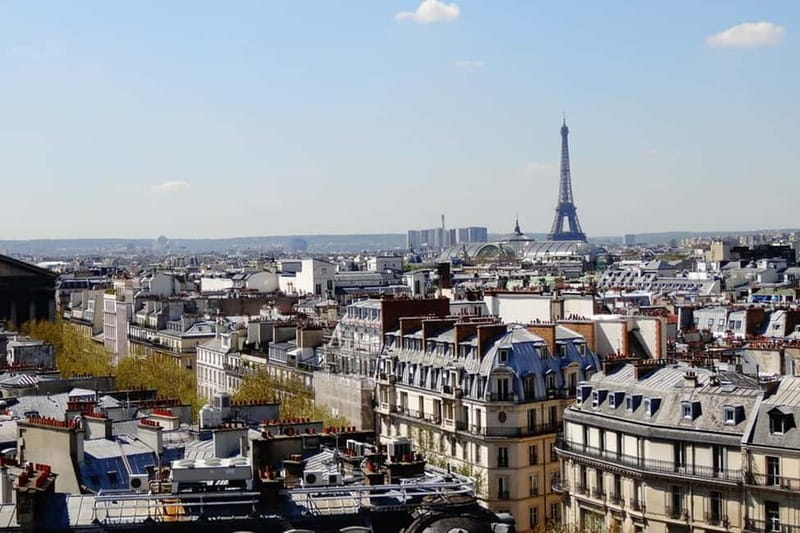
The tour description promises a unique view of the city along the Grands Boulevards, but Montmartre also gives you an important early outlook. I would treat this part as a chance to get your bearings. You are not only seeing a church. You are seeing why this hill has always felt separate from the streets below.
A four-hour walking tour cannot give you unlimited time inside every sight. The schedule lists Sacré-Cœur as a sightseeing stop, not as a separate extended interior visit. If entering the basilica is especially important to you, ask the guide how much time is available on your chosen departure.
The climb is another practical point. The route moves through Montmartre, so you should expect uphill streets and continued walking. The supplied details do not promise a lift, a vehicle, or a reduced walking route. Wear comfortable shoes and avoid planning a demanding activity immediately afterward.
More Montmartre walks and visits:
- Montmartre Hidden Gems and Scenic Highlights Walking Tour
★ 5.0 · 2,684 reviews - Montmartre Hill French Gourmet Food and Wine Tasting Walking Tour
★ 5.0 · 2,588 reviews - Paris: Montmartre Cheese, Wine & Pastry Guided Walking Tour
★ 4.8 · 2,255 reviews
Place du Tertre and the stories behind the square
Place du Tertre is Montmartre’s famous artists’ square. It is one of the places most people expect to see, and the guide uses it to explain how the square became linked with Paris artists and how its public image developed.
I like having a guide here because a quick visit can feel like a photo stop. Local stories and background give the square more meaning. The guide can point out the difference between the polished tourist image and the longer story of artists working in Montmartre at the turn of the 20th century.
You should not expect a quiet, empty square. This is one of Montmartre’s best-known places, and the tour makes a point of balancing it with less familiar parts of the quarter. That balance matters. You get the sight you came for, then a chance to see why Montmartre is more than Sacré-Cœur and Place du Tertre.
One German-language review praised a guide named Katharina as an excellent guide and singled out the local stories and useful details about the area. Katharina may not be the guide assigned to your date, but the comment points to the kind of experience to hope for: clear explanations grounded in the neighborhood rather than only a list of famous names.
The quieter corners of Montmartre
After the major sights, the walk turns toward the lesser-known side of Montmartre. The supplied route does not name every street or small stop, which is sensible. These details can vary by guide, timing, and the pace of your group.
This part may be the most rewarding section for repeat visitors to Paris. You still get the essential sights, but you also have room to notice the local character around them. I prefer this approach to a tour that rushes from one famous address to another without explaining how the neighborhood fits together.
The guide discusses Montmartre’s role in the art world at the end of the 19th century and the start of the 20th century. That period gives the district its strongest identity on this tour. You hear about artists who lived and worked here, while walking through the setting that helped shape the area’s reputation.
The private group format helps here. You can pause for a question, ask for a story to be explained in German, or move on when your group has had enough. A large public tour often has to follow a fixed script. This one is designed for your group only, so the experience can feel more like a conversation.
From Montmartre to the Grands Boulevards
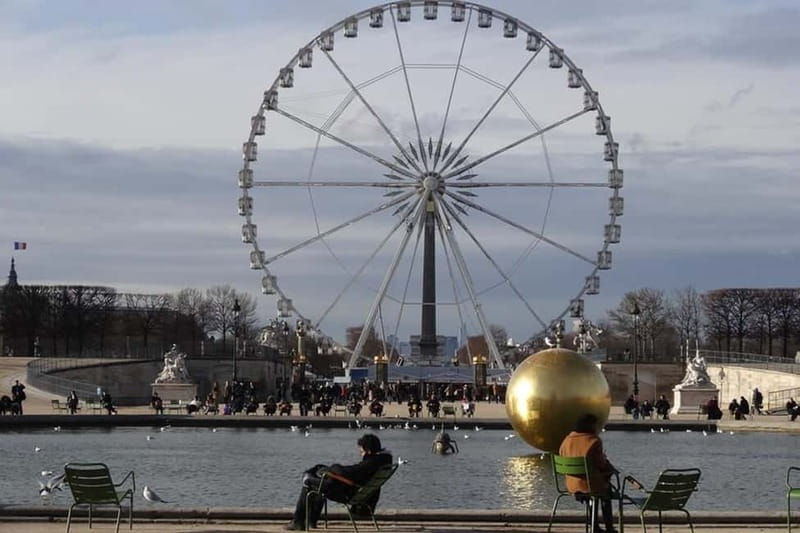
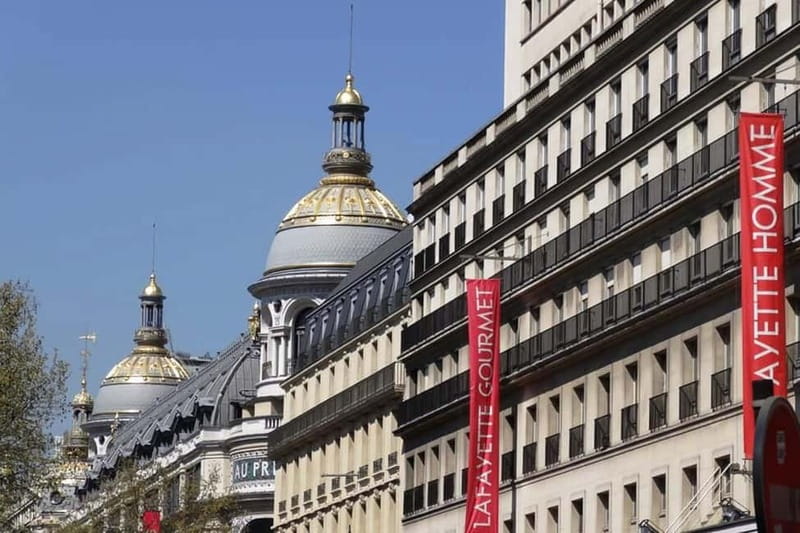
The route then leaves Montmartre and continues toward the Grands Boulevards, described as the oldest boulevards in the city. This shift changes the mood of the tour. Montmartre is tied to the hill, artists, and neighborhood streets, while the boulevards show a broader, grander side of Paris.
The route is valuable because it links areas that do not always appear together in a standard first visit. You are not simply spending four hours inside Montmartre. You are tracing a line from the northern hill through older commercial and entertainment districts toward the Opera quarter.
The walk also offers city views along the boulevards. The exact view will depend on the route and your guide, but this section is meant to help you read Paris at street level. Rather than seeing isolated monuments, you watch the city open up as the route changes from neighborhood lanes to major avenues.
This is also where the time pressure becomes more noticeable. Montmartre alone can easily absorb several hours, especially if you stop for photos, questions, or food. Since the tour also includes two historic passages and Opéra Garnier, I would avoid adding a long lunch during the walk.
More Paris walking tours:
- Paris Top Sights Half Day Walking Tour with a Fun Guide
★ 5.0 · 2,893 reviews - Paris Île de la Cité and Notre-Dame Walking Tour With Crypt
★ 5.0 · 2,272 reviews - Paris in a Day: Louvre or Orsay, Eiffel Tower, City Walk & Cruise
★ 5.0 · 1,956 reviews - Paris: Montmartre Highlights Walking Tour with a Local Guide
★ 4.9 · 1,668 reviews
Passage Jouffroy and Passage Verdeau
The tour includes Passage Jouffroy and Passage Verdeau, two 19th-century Parisian covered passages. These passages are a welcome change from the open streets and offer a look at a quieter, more enclosed style of city architecture.
I like this part because it gives the tour a different texture. After the broad views and major monuments, you step into spaces that feel more intimate. The guide can place them within the development of 19th-century Paris and explain why these covered walkways matter to the city’s story.
The word hidden should be used carefully here. They are not secret places, and they are listed stops on the route. Their appeal comes from being easy to miss when you move through Paris without a guide. A guide helps you find them and understand why they deserve more than a passing glance.
You should also remember that the passages are part of a continuous walking route, not a separate attraction with a long scheduled visit. The precise amount of time at each one is not given. If you have a strong interest in Parisian arcades and passages, ask the guide how the four hours are divided.
Opéra Garnier and the Phantom of the Opera
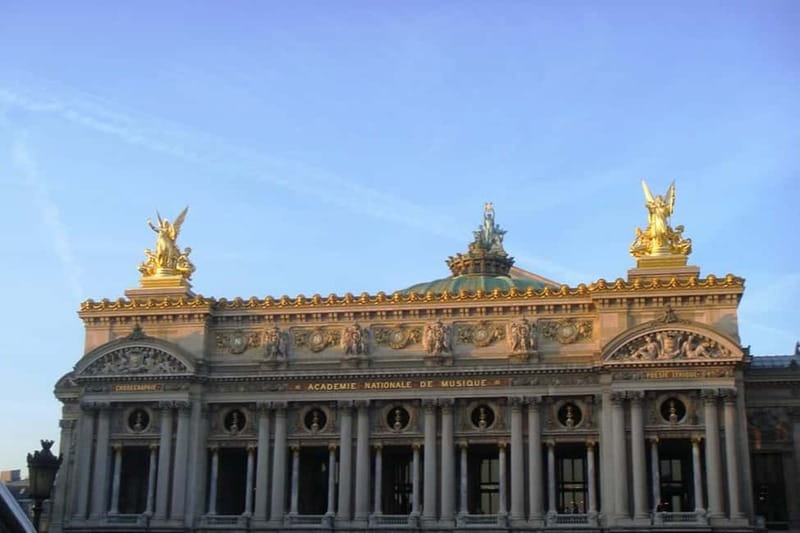
The final major stop is Opéra Garnier, one of Paris’s grandest landmarks. The tour passes the opera house and discusses its history, including the story of the Phantom of the Opera.
That subject makes a lively ending. The Phantom is one of the most famous stories linked with the building, and the guide can connect the legend with the real history of the opera house. The details provided do not promise admission inside, so you should view this as an exterior stop and historical explanation unless your guide confirms otherwise.
I like ending here because it brings together the tour’s main threads: art, performance, architecture, and Parisian myth. You begin at the Moulin Rouge, another famous performance venue, then finish at the city’s grand opera house. The route creates a useful connection between two very different kinds of Paris entertainment.
There is one point to confirm before booking. The route is described as finishing at Opéra Garnier, while the meeting-point information also says the activity ends back at the meeting point. Those details do not fully match. Ask HelpTourists to confirm the exact end location for your selected date, especially if you have dinner reservations or another appointment afterward.
What $183 means for a private four-hour walk
The listed price is $183 per person. That is a serious cost for a walking tour, but the comparison should be with other private experiences, not with a large group outing. You are paying for a German-speaking city guide, a private group, and a route that covers Montmartre, the Grands Boulevards, two passages, and Opéra Garnier in four hours.
The value improves if several people are sharing the booking and want a German-language experience. It also improves for families because children younger than 12 can join free of charge. The price is harder to justify for a solo visitor or a couple who only want a short introduction to Montmartre.
I would see this as a good choice when you value context and questions more than the lowest possible price. A private guide can adjust explanations to your interests and avoid the fixed feel of a large group. If you only want quick photos at Sacré-Cœur and Place du Tertre, you can see those places for much less on your own.
The booking terms give you some flexibility. You can reserve now and pay later, and cancellation is free up to 24 hours in advance for a full refund. Starting times depend on availability, so check the schedule before building the rest of your day around the tour.
Who will enjoy this route most?
I would recommend this experience to German-speaking visitors who want a broad introduction to several central Paris districts in one outing. It is especially useful on a first visit, when the city’s neighborhoods can feel disconnected and you want someone to explain how they relate.
It also suits repeat visitors who have already seen the main monuments and want a more local angle on Montmartre. The lesser-known corners, artist stories, and covered passages add something beyond the standard checklist.
Families can benefit from the private format and the free admission for children younger than 12. Still, you should judge your children’s comfort with four hours of walking and keep food stops short. One family lost two hours of tour time after a restaurant meal took much longer than planned, so a separate meal before or after the tour may be wiser.
This is less suitable if you need a slow, highly flexible day with long stops at each attraction. The route covers a lot, and the private setting does not remove the distance between Montmartre and the Opera quarter.
Should you book the German Montmartre and Passages tour?
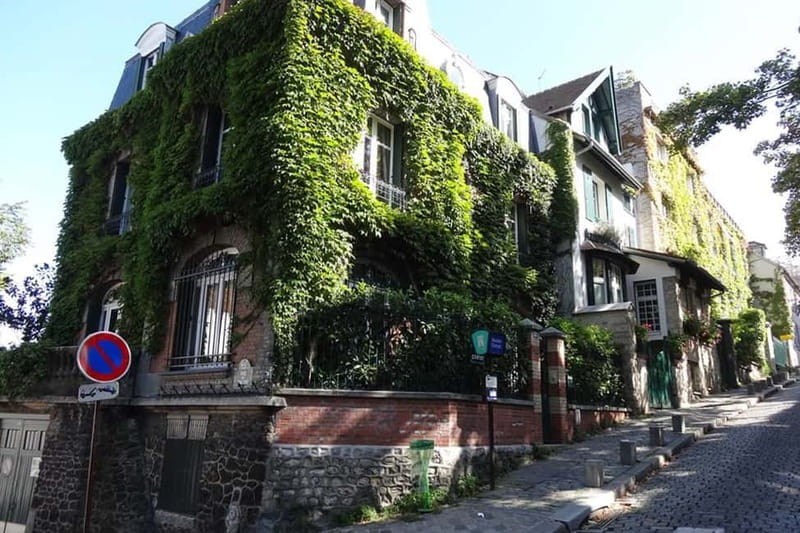
Book it if you want a private German-speaking guide, enjoy neighborhood stories, and like the idea of combining major sights with places you might otherwise miss. The strongest feature is the route itself: Moulin Rouge, Montmartre, Sacré-Cœur, Place du Tertre, the Grands Boulevards, Passage Jouffroy, Passage Verdeau, and Opéra Garnier form a varied four-hour walk.
Think twice if price is your main concern, if you dislike steady walking, or if you want extended interior visits at the basilica or opera house. Before paying, confirm the guide, starting time, and final meeting location. For the right group, especially a German-speaking family or small party, this is a well-shaped introduction to Paris that gives you both the famous views and a useful sense of the city beyond the postcard stops.
FAQ
How long is the walking tour?
The tour lasts four hours. Starting times depend on availability.
Is the tour conducted in German?
Yes. The activity includes a German-speaking city guide.
Is this a private tour?
Yes. The tour is for your group only.
Where does the tour begin?
It begins at Metro Blanche, Line 2, on the small traffic island in front of the Moulin Rouge at 1 Place Blanche.
How will I find the guide?
Look for a guide carrying a HelpTourists bag.
Does the tour visit Sacré-Cœur?
Yes. Sacré-Cœur Basilica is included as a sightseeing stop.
Are children allowed to join?
Yes. Children younger than 12 can join free of charge.
Can I cancel for a full refund?
Yes. You can cancel up to 24 hours in advance for a full refund.
Newest additions around Paris
- Family escape Game with kids and teens on the Île de la Cité★ 4.5 · 11 reviews
- Private Photoshoot with the Iconic Eiffel Tower in Paris★ 5.0 · 11 reviews
- 2-day Private Mont Saint-Michel, 3 Loire Castles, D-Day Express★ 4.5 · 11 reviews
- Paris: Batobus Hop-On Hop-Off Cruise & Landmarks Audio Tour★ 3.0 · 11 reviews
- Paris Revolutionary Walking Tour: Iconic French Sights & Stories★ 5.0 · 11 reviews
- Guided and Private Tour of 3 hours through Paris aboard a Citroën 2cv★ 5.0 · 11 reviews
- Kids in the Kitchen – CrOisSaNtS★ 4.0 · 11 reviews
- Paris: Ghosts and Dark Stories Guided Walking Tour★ 4.1 · 11 reviews
Montmartre & Sacré-Coeur Tours, compared.

Montmartre Hidden Gems and Scenic Highlights Walking Tour
Read our review →
Montmartre Hill French Gourmet Food and Wine Tasting Walking Tour
Read our review →
Montmartre Cheese, Wine & Pastry Guided Walking Tour
Read our review →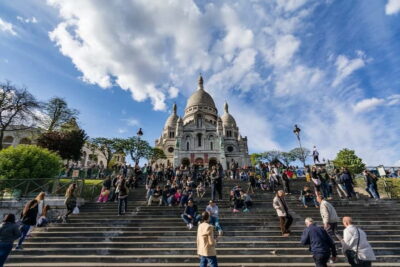
Montmartre Highlights Walking Tour with a Local Guide
Read our review →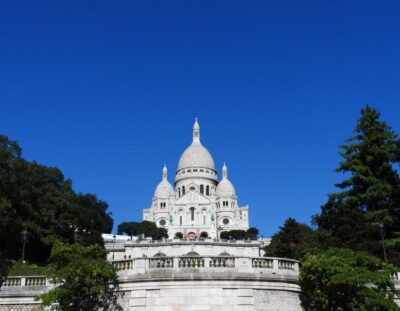
Sacré-Coeur and Montmartre Tour with Expert Guide
Read our review →
Private Montmartre Food Tour with Wine, Cheese & Pastries
Read our review →
Paris Montmartre Food Tour – A Full French Meal by Do Eat Better
Read our review →
Hidden Montmartre: Paris’ Secret Streets Walking Tour
Read our review →Browse the lists this tour appears in