
Reviewed · WORKSHOPS
Fragonard Paris – Mini Perfume workshop – only in Spanish
The best part of this Fragonard experience is that you do not just look at perfume bottles behind glass. You use what you learn to make a 12 ml Eau de Toilette of your own. The workshop is short, hands-on, and conducted entirely in Spanish.
I like the unusual setting, a former private mansion with Second Empire decoration and fragrance objects from pharaohs to Fabergé. I also like the clear focus on beginners: you smell three mixed compositions, learn the basic olfactory pyramid, and leave with a personal spray bottle. The main drawback is time. At 45 minutes, the museum visit and workshop move quickly, and a few minutes lost at the entrance can make the schedule feel rushed.
In This Review
- Key points before you book
- Entering Fragonard’s old perfume mansion
- Three thousand years of perfume in 20 minutes
- Learning the language of scent
- Making your own 12 ml Eau de Toilette
- Is $36 a fair price?
- Timing, comfort, and practical limits
- Who will enjoy this Fragonard workshop?
- What the experience gets right, and where it falls short
- Should you book it?
- FAQ
- Is the Fragonard perfume workshop conducted in English?
- How long does the activity last?
- What do I make during the workshop?
- Is the museum visit included?
- Where is the meeting point?
- Can I bring oversized luggage?
Key points before you book
- You create your own 12 ml spray: The hands-on portion lasts about 15 minutes and gives you a small, usable souvenir.
- The entire activity is in Spanish: This is important for following the scent explanations and asking questions.
- The museum spans 3,000 years: Expect antique perfume bottles, fragrant objects, raw materials, and decorative pieces.
- The mansion is part of the appeal: The rooms offer a glimpse of a Second Empire interior rather than a standard modern museum.
- The total time is only 45 minutes: It fits neatly into a busy Paris day, but there is little spare time for lingering or photographs.
- Arrive five minutes early: The workshop starts on time, and late arrivals cannot enter the workshop room.
Entering Fragonard’s old perfume mansion
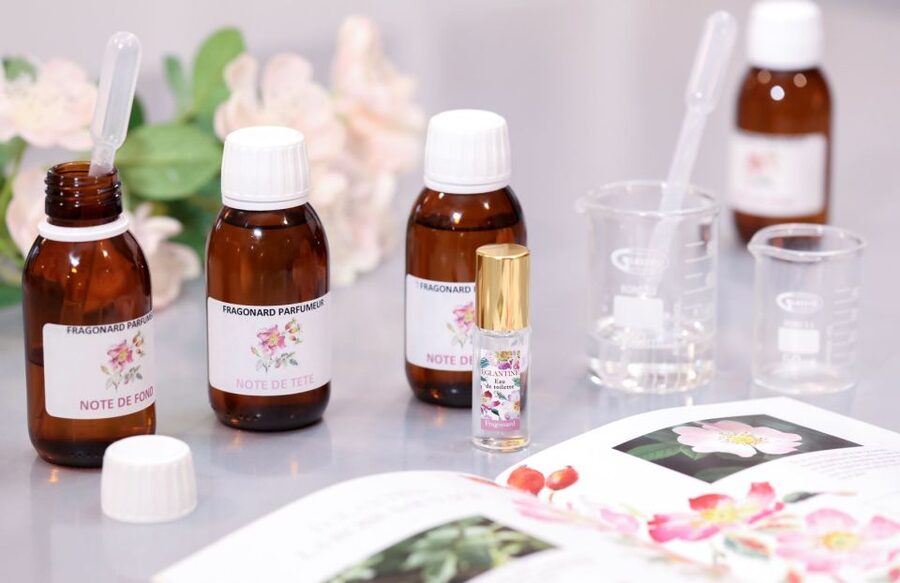
Fragonard’s perfume museum is in the Ile-de-France region, at the front desk of the Fragonard Perfume Museum. The setting matters here. Instead of beginning in a plain classroom, you enter an old private mansion arranged in the style of the Second Empire.
That atmosphere gives the first part of the activity a sense of place. You are not only learning how perfume is mixed today. You are looking at the objects, tools, bottles, and raw materials that helped shape the culture of fragrance over many centuries.
The visit lasts about 20 minutes. That is enough to introduce the museum, but not enough for a slow, scholarly examination of every display. I would think of it as a brisk orientation before the practical portion, not as a full museum tour.
You pass through three thousand years of perfume history, from ancient Egypt to later European decorative arts. The displays include unusual bottles and fragrant objects, including pieces associated with the pharaohs and Fabergé. Some of the objects are valuable for their decoration, while others show how perfume was stored, displayed, or used in different periods.
The second part of the museum focuses on artistic objects and goldsmith work. This gives the visit a useful second angle. Perfume is not only about scent. Its bottles have also been small works of art and signs of status.
If you enjoy design, old objects, or the social side of luxury goods, the museum may interest you as much as the workshop. If your only goal is to make a fragrance, the museum section may feel short and slightly formal. Either way, the tour gives context to the little bottle you create later.
More perfume workshops in Paris:
- Fragonard Paris: Mini Perfume Workshop
★ 4.5 · 1,924 reviews - Paris: 2-Hour Perfume Creation Workshop
★ 4.8 · 731 reviews - Paris: Perfume Creation Workshop
★ 4.8 · 289 reviews
Three thousand years of perfume in 20 minutes
The museum explains several basic subjects that help prepare you for the workshop. You may learn about Grasse, the French town long linked with perfume production, as well as the raw materials used by perfumers.
The activity also touches on the difficulty of obtaining certain ingredients. That point is easy to overlook when perfume is presented as a polished luxury product. Behind a finished scent are flowers, plants, extracts, blending choices, and materials that are not always easy to source.
The museum helps you see perfume as both a craft and a commercial object. A small bottle can represent technical skill, fashion, wealth, and changing social habits. The displays from ancient times through Fabergé make that idea visible.
The pace is the key issue. The tour is designed to fit into a compact 45-minute appointment, so you will not have unlimited time for photos. One recent rating specifically criticized the short schedule, noting that there was barely enough time to take pictures. I would keep your camera use quick and pay attention to the guide during the explanation.
You should also be ready for a slightly uneven start. One account described confusion at the entrance and a guide beginning before properly introducing herself. That does not change the content of the activity, but it is a useful reason to arrive early, check in clearly, and keep your group together.
Learning the language of scent
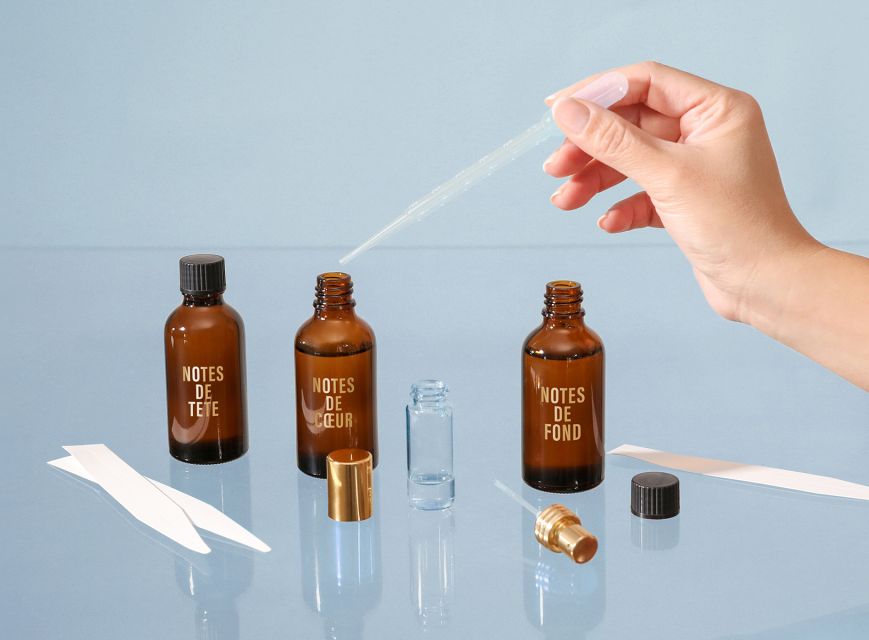
After the museum visit, the focus shifts from objects to your nose. The instructor introduces the origin, culture, and use of a special flower in perfumery, then explains how scent is organized.
The key idea is the olfactory pyramid. In simple terms, this describes the way a fragrance unfolds through different stages. The activity uses that idea to help you understand how several notes can work together in one Eau de Toilette.
You are asked to recognize three mixed compositions. This is not a professional perfumer’s examination. It is a guided sensory exercise for people who may know very little about perfume.
That beginner-friendly structure is one of the strongest reasons to choose this activity. You do not need to arrive with a trained nose or a vocabulary of fragrance terms. The instructor explains the process in Spanish and gives you a practical way to compare scents.
The language also affects who should book. If you understand Spanish, the workshop gives you a direct way to follow the explanations and take part in the choices. If you do not understand Spanish, this is not the right booking, even if you are interested in perfume. The available instruction is Spanish only.
The experience is also more useful if you treat the scent exercise as part of the fun rather than expecting a formal qualification. You will gain a basic sense of how fragrance compositions work, but the schedule does not allow for an extended lesson in perfume chemistry or professional formulation.
Making your own 12 ml Eau de Toilette
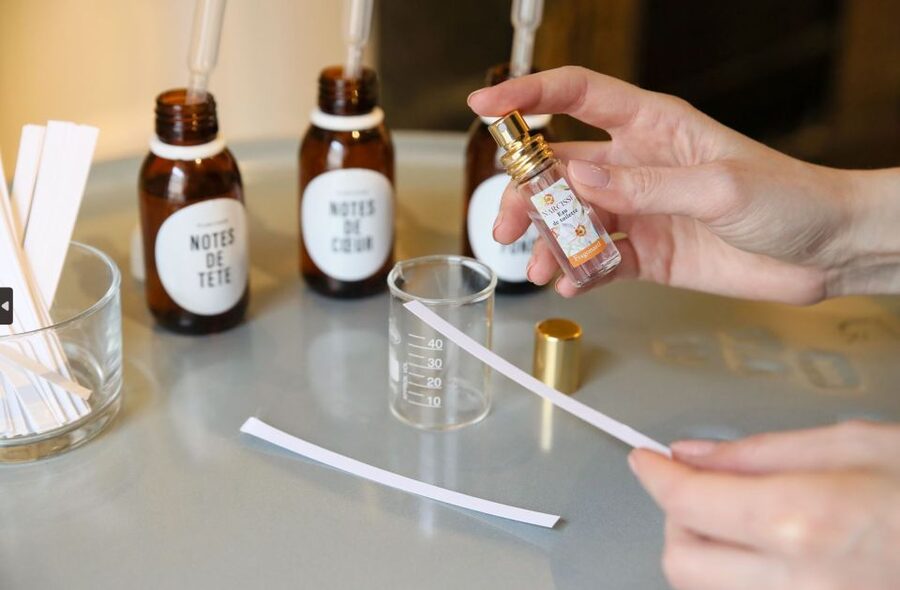
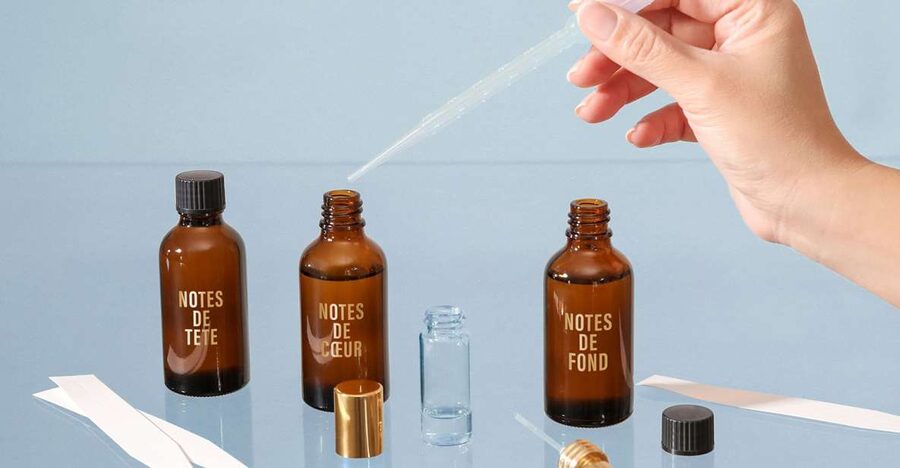
The practical workshop lasts about 15 minutes. Following the instructor’s advice, you create and customize your own Eau de Toilette in a 12 ml spray bottle.
This is the moment most likely to justify the price for many people. You are not simply buying a Fragonard product from a shop. You are making a small fragrance while learning why the ingredients and compositions work together.
The final bottle is compact and easy to carry. At 12 ml, it is a modest souvenir rather than a large supply of perfume, but that size suits the activity. You can take home something personal without adding a heavy bottle to your luggage.
The process is guided, so do not expect complete freedom to invent an unlimited number of formulas. The instructor introduces three mixed compositions and helps you make a choice based on the lesson. That structure keeps the workshop manageable within 15 minutes, though visitors wanting a long, experimental blending session may find it too brief.
I like the balance between instruction and making. The museum gives you cultural background, the scent exercise gives you a basic framework, and the final step lets you apply it. Each part is short, but the sequence makes sense.
You should also keep your expectations realistic about customization. The information provided confirms that you create and personalize your fragrance with the teacher’s advice, but it does not describe an unlimited menu of individual ingredients or a laboratory-style formula. Think of this as a guided introduction, not a full perfumer apprenticeship.
A few more Paris ideas to compare
- Paris Cooking Class and Lunch with Wine plus Market Visit Option
★ 5.0 · 1,024 reviews - Paris Croissant Small-Group Baking Class with a Chef
★ 5.0 · 910 reviews - Paris: Macaron Class at Galeries Lafayette
★ 4.3 · 905 reviews - Paris: French Croissant Baking Class with a Chef
★ 4.9 · 712 reviews
Is $36 a fair price?
The listed price is $36 per person. For 45 minutes, that is not a bargain in the usual museum sense. You are paying for three things at once: entry to the perfume museum, a guided Spanish-language lesson, and a 12 ml bottle of your own creation.
The value improves if you want a keepsake that connects directly to the activity. A standard museum visit would give you the displays but not the hands-on result. A shopping trip might give you perfume but not the explanation of how scent is organized.
The price makes the most sense for several types of visitors:
- You want a compact cultural activity between larger Paris sights.
- You enjoy making a personal souvenir rather than buying a generic one.
- You are curious about French perfume but have little background.
- You speak Spanish and prefer to learn in that language.
- You like historic objects, decorative bottles, and luxury crafts.
The value is weaker if you want a long museum visit, extensive photography time, or a detailed perfumery class. The 45-minute format is efficient, but it is also firm. The activity starts on time, late entry to the workshop room is not allowed, and there is no included food, drink, hotel pickup, or return transport.
The overall rating is 4.5 out of 5 from 33 ratings, and the most repeated positive point is the chance to make a personal perfume. That matches the design of the activity: the museum is interesting, but the workshop is the part that turns the visit into an experience.
Timing, comfort, and practical limits
Plan to arrive at least five minutes before the start time. This is not a suggestion to ignore. The workshop begins on time, and late arrivals cannot enter the room.
Do not bring oversized luggage. The activity takes place in a museum and workshop setting, where large bags would be awkward and may not be accepted.
The experience is not suitable for people with mobility impairments. The provided details do not explain the exact access arrangements, so you should confirm directly before booking if mobility is a concern.
The activity lasts 45 minutes, with starting times based on availability. That makes it easy to fit into a day of sightseeing, but you should not schedule another important appointment immediately afterward. The entrance confusion described in one account suggests allowing a little breathing room around the booking.
The group setup is not specified, so I would not book this expecting a private session. The instructor needs to address several participants, and one rating noted that the guide seemed to focus more on some people than others when answering questions. If you want the most from the workshop, ask your questions early and stay engaged during the scent exercise.
The guide’s language is Spanish, and no individual instructor name is provided. You should not assume that English or another language will be available during the session.
Who will enjoy this Fragonard workshop?
This is a good match for a Spanish-speaking visitor who wants a short activity with a clear result. It works especially well for couples, friends, and families with older children who can follow a guided scent lesson.
It also suits anyone who likes small museums and unusual collections. The bottles from the pharaohs to Fabergé offer a different kind of Paris experience than the city’s major art museums. You get a look at fragrance as a craft, a luxury product, and a marker of social life.
The workshop may also appeal to someone searching for a personal gift. The 12 ml spray is small, but it carries the story of your own choices through the session. That is more memorable than picking up an unconnected souvenir.
I would be more cautious if you are serious about perfumery. The workshop is only 15 minutes and uses a guided format. It offers a first taste of blending and scent recognition, not the time or equipment for detailed formula development.
I would also skip it if you do not speak Spanish. The entire activity is listed in Spanish, and the instructor’s explanations are central to both the museum tour and the workshop.
What the experience gets right, and where it falls short
The strongest feature is the link between seeing and doing. You first encounter old fragrance bottles and perfume culture, then use a simple version of that knowledge to make your own spray.
The second strength is its size. A 45-minute appointment will not take over your day. If you have a full Paris schedule, this can provide a focused cultural stop without requiring half a day.
The main weakness is the tight timing. The museum portion lasts about 20 minutes and the workshop about 15 minutes, leaving only a small margin for introductions and movement between areas. You need to arrive ready to begin.
The organization at the entrance may also be less polished than the museum displays. One rating described an unwelcoming check-in and a chaotic opening, while another simply found the activity very good. I would not treat that as a reason to avoid the experience, but I would arrive early and ask directly where the Spanish group is forming.
The guide’s attention can be another variable. One rating praised the activity but wished the instructor had addressed all participants more evenly. You may need to speak up if you have a question or want more explanation about a particular scent.
Should you book it?
Book this Fragonard workshop if you speak Spanish, want to make a small personal fragrance, and enjoy the idea of pairing a historic collection with a short practical lesson. At $36, the value is strongest when you count the museum entry, instruction, and 12 ml Eau de Toilette together.
Skip it if you want a long museum visit, a relaxed photography session, or a detailed perfumer’s class. The format is brisk, and the workshop starts exactly on time.
For the right visitor, this is a clever little Paris activity: old bottles, French perfume culture, three scent compositions, and a spray you make yourself. Just arrive early, travel light, and keep your expectations focused on a well-paced introduction rather than an afternoon of experimentation.
FAQ
Is the Fragonard perfume workshop conducted in English?
No. The instructor and activity language are Spanish only.
How long does the activity last?
The full experience lasts 45 minutes. The museum visit takes about 20 minutes, followed by a perfume workshop of about 15 minutes.
What do I make during the workshop?
You create and customize a 12 ml Eau de Toilette in a spray bottle, with guidance from the instructor.
Is the museum visit included?
Yes. The price includes entry to the Fragonard perfume museum and a guided museum tour, as well as the perfume creation workshop.
Where is the meeting point?
You meet at the front desk of the Fragonard Perfume Museum.
Can I bring oversized luggage?
No. Oversized luggage is not allowed. You should also arrive five minutes before the scheduled start because late arrivals cannot enter the workshop room.
Newest additions around Paris
- Family escape Game with kids and teens on the Île de la Cité★ 4.5 · 11 reviews
- Private Photoshoot with the Iconic Eiffel Tower in Paris★ 5.0 · 11 reviews
- 2-day Private Mont Saint-Michel, 3 Loire Castles, D-Day Express★ 4.5 · 11 reviews
- Paris: Batobus Hop-On Hop-Off Cruise & Landmarks Audio Tour★ 3.0 · 11 reviews
- Paris Revolutionary Walking Tour: Iconic French Sights & Stories★ 5.0 · 11 reviews
- Guided and Private Tour of 3 hours through Paris aboard a Citroën 2cv★ 5.0 · 11 reviews
- Kids in the Kitchen – CrOisSaNtS★ 4.0 · 11 reviews
- Paris: Ghosts and Dark Stories Guided Walking Tour★ 4.1 · 11 reviews
Workshops, compared.
Paris Cooking Class and Lunch with Wine plus Market Visit Option
Read our review →
Paris Croissant Small-Group Baking Class with a Chef
Read our review →
Paris Cooking Class: Learn How to Make Macarons
Read our review →
Browse the lists this tour appears in