
Reviewed · WALKING TOURS
Paris: French Revolution Walking Tour
The French Revolution is far easier to grasp when you are standing on the same old Paris streets where crowds gathered, conspirators plotted, and royal power began to crack. This two-hour walking tour turns a complicated subject into a moving story, with guides such as François, Louis, Fran, and Guillaume praised for clear explanations and lively delivery.
I like the way the tour ties political upheaval to real places, including churches, streets, and the route toward the Bastille. I also like its effort to present the Revolution with nuance rather than treating it as a simple tale of heroes and villains. The main drawback is the tight running time: the tour covers a great deal, so major sites such as Place de la Concorde and the Champs de Mars may receive little or no attention.
In This Review
- Key points at a glance
- Why revolutionary Paris works best on foot
- A two-hour story of conspiracy, hunger, and revolt
- Churches, streets, and the changing face of Paris
- The road toward the Bastille
- Louis XVI, Marie Antoinette, and the darker chapters
- How the guides shape the experience
- Pace, comfort, and accessibility
- What $46 buys you
- Who should book this walk
- Practical details before you go
- Should you book the French Revolution Walking Tour?
- FAQ
- Where does the French Revolution Walking Tour meet?
- How long is the tour?
- What language is the tour conducted in?
- How much does the tour cost?
- Is hotel pickup included?
- Is the tour wheelchair accessible?
- Does the tour cover the storming of the Bastille?
- Does the tour discuss Louis XVI and Marie Antoinette?
- Can I cancel for a full refund?
Key points at a glance
- Start at Place du Châtelet: Meet in front of the Fontaine au Sphinx, in the heart of central Paris.
- Follow the road to the Bastille: The story builds toward the events of July 14, 1789.
- See familiar Paris differently: Churches, squares, and old streets become evidence in the story.
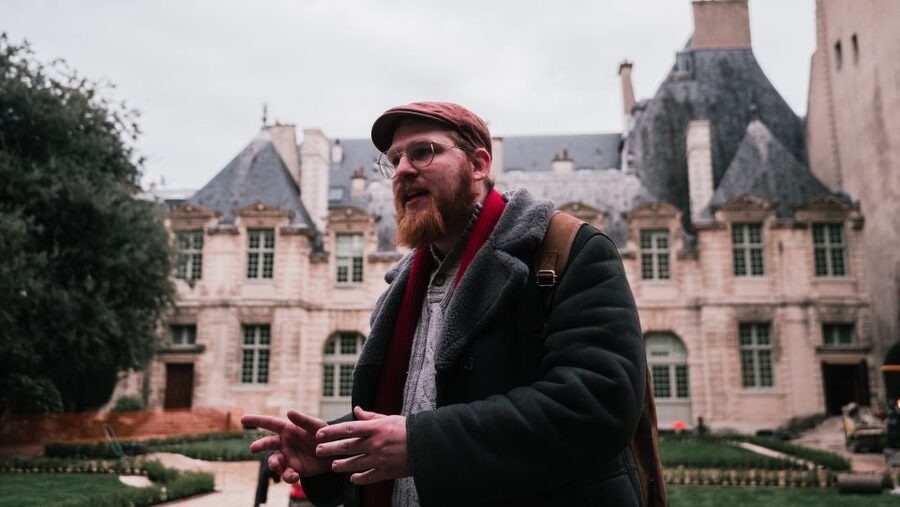
- Expect a strong English-speaking guide: François, Louis, Fran, and others have been praised for clarity, humor, and passion.
- Plan for a brisk history lesson on foot: The pace is comfortable, but two hours leaves little room for every major event.
- Good value for history fans: At $46, you are paying for a focused guide and a new way to read the city.
Why revolutionary Paris works best on foot
A classroom gives you dates. Paris gives you texture.
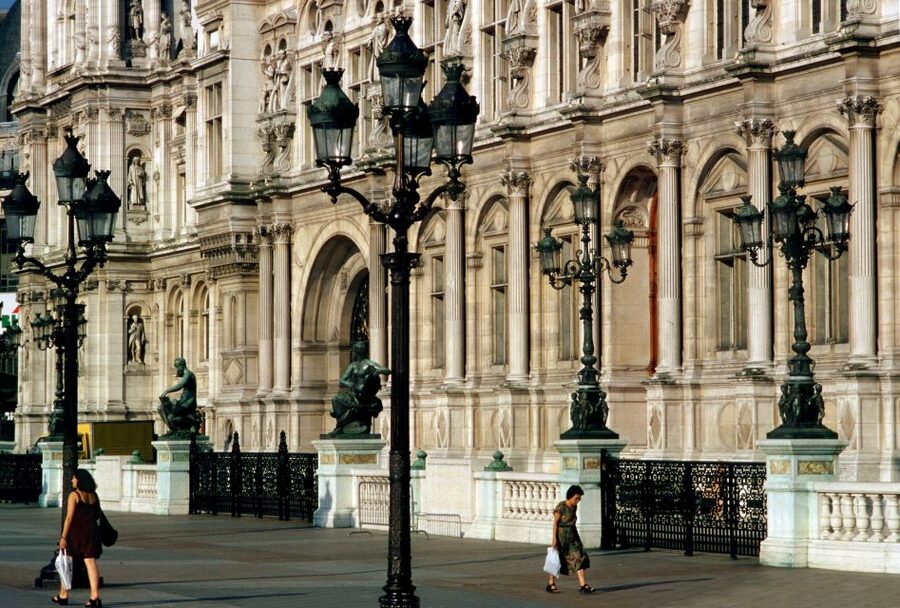
The Revolution did not happen in a museum display. It unfolded in streets, churches, public squares, and government buildings. Walking lets you connect the political story to the physical city. A narrow passage, an old façade, or a church with a changed role can help explain how quickly Paris shifted from royal capital to revolutionary pressure cooker.
This tour begins at Place du Châtelet, a useful meeting point in central Paris. You meet in front of the Fontaine au Sphinx, so allow a little extra time to identify the exact fountain and find your guide. One practical point comes from the experience of past groups: the meeting area can be hard to read if the guide is not clearly marked. Look for the group and confirm the guide before setting off.
From there, the walk moves through the heart of Paris. The route is not presented as a simple chronological march. Instead, the guide uses the city itself to connect events, people, and ideas. That approach works well for a story as tangled as the French Revolution.
More Paris walking tours:
- Paris Top Sights Half Day Walking Tour with a Fun Guide
★ 5.0 · 2,893 reviews - Montmartre Hidden Gems and Scenic Highlights Walking Tour
★ 5.0 · 2,684 reviews - Montmartre Hill French Gourmet Food and Wine Tasting Walking Tour
★ 5.0 · 2,588 reviews
A two-hour story of conspiracy, hunger, and revolt
The tour compresses years of pressure into a single walk. You hear about conspiracy, royal authority, public anger, and the fight for freedom, then see how those forces collided in Paris.
The strongest guides make this more than a list of dates. François, in particular, has been praised for explaining the subject with care while still keeping it lively. Fran is noted for presenting scenes as they may have felt at the time, including a day-by-day account leading to the storming of the Bastille. That sort of storytelling can help you understand that the Revolution was not one sudden outburst. It was a chain of decisions, fears, rumors, and confrontations.
You can also expect questions to shape the discussion. Guides such as François and Sam have been praised for answering questions beyond the narrow outline of the tour. That is useful if you already know the basics and want to ask about competing interpretations or the way modern France remembers the Revolution.
The guide may use first-person storytelling to place you inside the action. Used well, this can make a street scene feel immediate. The best version of the technique adds atmosphere without pretending that every detail is certain. The tour is at its strongest when vivid narration is paired with a clear distinction between established fact and later theory.
Churches, streets, and the changing face of Paris
One of the more interesting parts of this walk is its attention to churches and religious life. The Revolution was not only a fight over a king and a parliament. It also changed the relationship between the state, the church, and ordinary people.
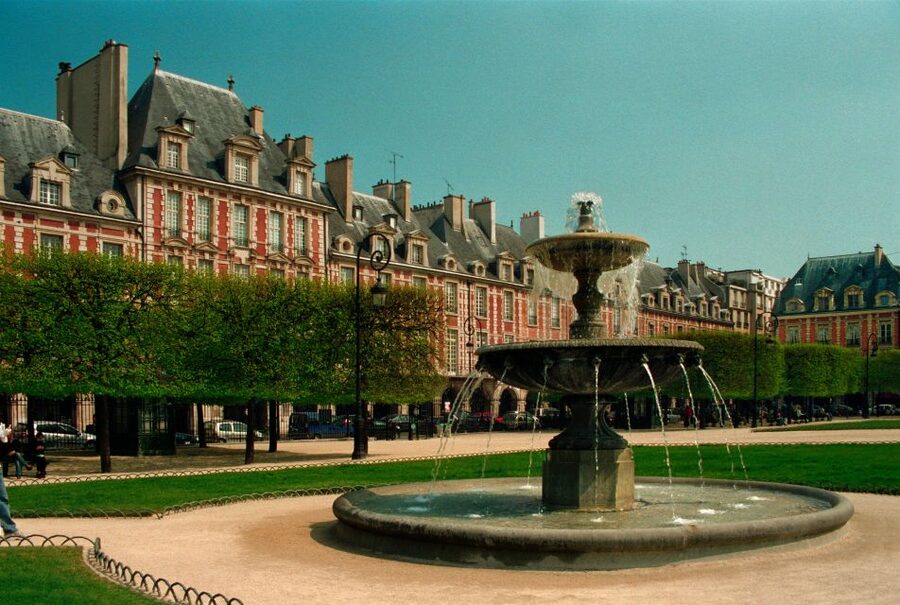
As you walk, churches become more than attractive buildings. They help show the pressure placed on religious institutions and the way revolutionary ideas reached into daily life. The route also passes through parts of the Marais, giving you a chance to see a different side of central Paris while following the political story.
I like this combination because it prevents the tour from becoming a parade of famous names. You get the wider setting: public belief, civic identity, urban space, and the effect of government decisions on the city.
The tradeoff is that the walking route does not always follow the events in exact date order. That may bother you if you want a strict timeline. In practice, a good guide keeps the sequence clear while using each stop for its own subject. You should think of the route as a series of connected scenes rather than a textbook chapter read from page one to page last.
The road toward the Bastille
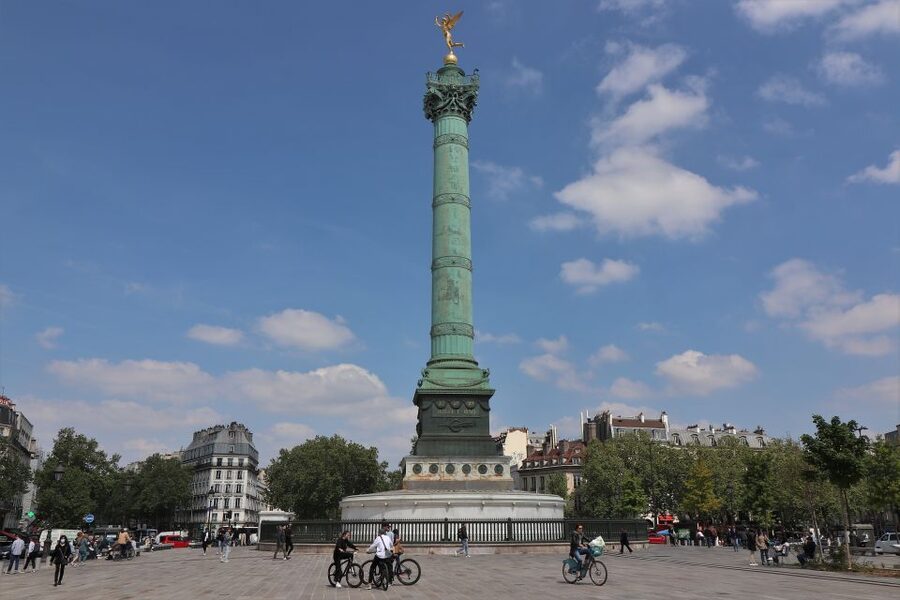
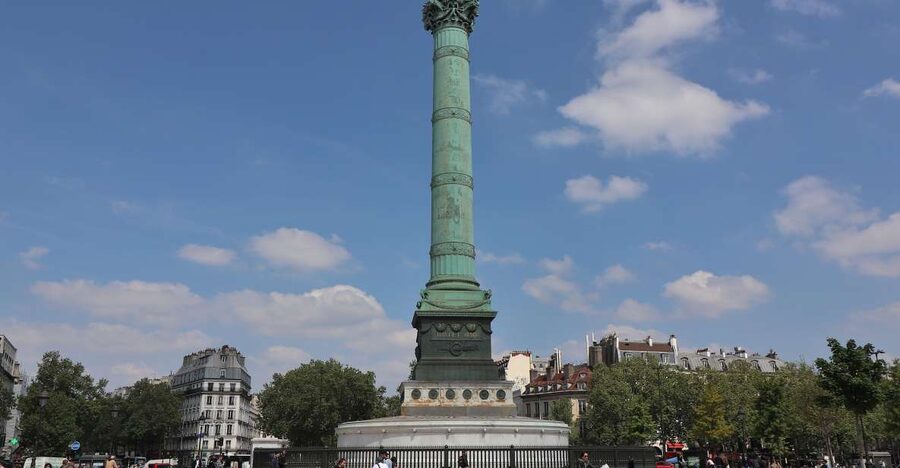
The central dramatic arc leads toward the storming of the Bastille. The guide explains how the crisis developed and why the fortress became such a powerful symbol.
Several people who took this tour especially valued the build-up to July 14. The day-by-day explanation gives the final approach a sense of urgency. You are not simply told that the Bastille fell. You learn how tension mounted and why the crowd saw the fortress as more than a prison.
The exact route can also give you a better feel for the city’s scale. Walking between stops makes the story physical. You are not looking at isolated points on a map. You are moving through the same central Paris that connected royal authority, popular protest, religious buildings, and revolutionary action.
The Bastille section is likely to be the tour’s natural climax. If you want extensive time at each site, though, two hours will feel short. One guide may spend more time on July 14, while another may give extra attention to political ideas, the royal family, or the later violence.
A different way to spend the day in Paris:
- Paris: Louvre Museum Timed-Entrance Ticket
★ 4.6 · 71,977 reviews - Disneyland® Paris 1-Day Ticket
★ 4.6 · 49,412 reviews - Paris: Versailles Palace and Gardens Full Access Ticket
★ 4.6 · 41,579 reviews - Paris: Arc de Triomphe Rooftop Tickets
★ 4.6 · 34,264 reviews
Louis XVI, Marie Antoinette, and the darker chapters
The tour also covers the fate of Louis XVI and Marie Antoinette, including their execution by guillotine. That subject brings the Revolution’s moral and human questions into focus.
It is easy to tell this part as a horror story. A stronger guide asks how a society reached the point where the king and queen could be condemned, and how revolutionary ideals became linked with mass violence. The description promises murder, massacre, and the struggle for freedom, so you should expect the darker side of the period rather than a gentle sightseeing walk.
The tour also includes stories of prophecy and the downfall of a major revolutionary. These details add mystery, but they work best when the guide places them in context. I would listen for the difference between a popular story and a fact that historians can firmly support.
This is one reason guide quality matters so much here. A dry presentation could turn the Revolution into a string of grim events. A sensational presentation could oversimplify it. The strongest feedback points to guides who aim for accuracy and balance while keeping the story engaging.
How the guides shape the experience
The guide is the tour.
François is repeatedly praised for clear English, a relaxed manner, and the ability to explain a difficult subject without losing the group. Louis is noted for combining strong command of the Revolution with small details along the route. Fran is praised for enthusiasm, local knowledge, and the ability to bring dry facts to life.
Other named guides include Guillaume, Ilan, Amber, and Sam. The reports about them differ in style, but the common thread is that the experience depends heavily on who leads your departure. A particularly strong guide can adjust when you ask questions, slow down when needed, and explain why a place matters rather than simply naming it.
One caution is worth keeping in mind. At least one group found the meeting process unclear and felt the guide did not introduce himself or create much interaction among participants. That appears to be an exception, but it is a practical reminder to confirm the guide at Place du Châtelet and speak up if you have a question.
The walk is conducted in English. Clear English is especially important with this subject, since names, factions, and political changes can blur together. The strongest guides have been praised for being easy to hear even on noisy streets.
Pace, comfort, and accessibility
The tour lasts two hours and includes a substantial amount of walking. You should wear comfortable shoes and expect to remain outdoors for most of the experience.
The pace appears designed to keep the story moving. One account describes a comfortable rhythm with a short comfort break in the middle. That matters because the guide needs to cover a large amount of material without turning the walk into a race.
The tour is listed as wheelchair accessible. Since the route uses city streets and public spaces, conditions can still vary from one section to another, but the stated accessibility is an important advantage for visitors who need a wheelchair-friendly activity.
The walk suits adults and older children who can follow a serious historical discussion. A family with teenagers aged 13 and 18 enjoyed the experience, which suggests that the subject can work well for young people when the guide tells it as a story rather than a lecture.
What $46 buys you
The price is $46 per person. That is not the cheapest way to hear about the French Revolution, but it is fair if you want a focused guide-led walk in central Paris.
You are paying for two things: interpretation and location. Books and audio guides can give you more facts for less money, but they cannot point out a place and explain why it mattered at that exact spot. A guide can also answer questions and adjust the amount of detail to the group.
The value is strongest if you already plan to spend time around central Paris. The walking route can help you notice places you might otherwise pass without a second thought. It also combines sightseeing with a subject that is difficult to understand from dates alone.
The value is weaker if you want a complete account of the Revolution or a broad tour of every major site. Two hours cannot cover all the political stages, the royal family, the Terror, the military period, and the major locations outside the route. One account specifically wished for more discussion of Place de la Concorde and the Champs de Mars. Those omissions are understandable, but you should know the focus before booking.
Who should book this walk
I would choose this tour if you have a real interest in French history, political change, or the story behind the streets of central Paris.
It is also a good fit if you learned only the basics at school and want a clear starting point. The guides are expected to explain the causes and stages of the Revolution rather than assume specialist knowledge.
Families with teenagers can consider it, especially if the young people enjoy dramatic stories and can manage a two-hour walk. The subject includes execution, massacre, and political violence, so it is not the right choice for children who prefer light sightseeing.
You might skip it if you dislike guided walks, need long stops at each location, or want a strictly chronological route. You may also prefer a museum visit if you want objects, documents, and indoor displays rather than outdoor storytelling.
Practical details before you go
Meet your English-speaking guide in front of the Fontaine au Sphinx on Place du Châtelet. The meeting location is central, but give yourself time to find the fountain and identify the correct group.
The walk includes a guide and the walking tour itself. Hotel pickup and drop-off are not included, so you make your own way to and from the meeting point.
Starting times vary, so check availability for your date. You can cancel up to 24 hours ahead for a full refund, and the reserve-now, pay-later option lets you hold a place without paying immediately.
The activity is listed as wheelchair accessible. If you have particular mobility needs, it is still sensible to confirm the route details when booking.
Should you book the French Revolution Walking Tour?
Book it if you want Paris to explain itself through the events that changed France. The best guides, especially François, Louis, and Fran, make a difficult subject clear, human, and tied to the streets beneath your feet.
At $46, the tour offers good value for a compact history experience, especially when you want more than a general city walk. Just keep your expectations sensible: this is a brisk two-hour introduction, not a complete study of the Revolution.
For most history-minded visitors, I would book it early in a Paris stay. Afterward, familiar streets and churches will carry more meaning, and the city’s grand monuments will feel connected to the people and conflicts that shaped them.
FAQ
Where does the French Revolution Walking Tour meet?
Meet your guide in front of the Fontaine au Sphinx on Place du Châtelet.
How long is the tour?
The walking tour lasts two hours.
What language is the tour conducted in?
The live tour guide speaks English, and English is the listed tour language.
How much does the tour cost?
The price is $46 per person.
Is hotel pickup included?
No. Hotel pickup and drop-off are not included, so you must reach Place du Châtelet yourself.
Is the tour wheelchair accessible?
Yes. The activity is listed as wheelchair accessible.
Does the tour cover the storming of the Bastille?
Yes. The tour builds toward the storming of the Bastille and explains the events leading up to July 14, 1789.
Does the tour discuss Louis XVI and Marie Antoinette?
Yes. The experience includes the story of their executions by guillotine.
Can I cancel for a full refund?
Yes. You can cancel up to 24 hours in advance for a full refund.
Newest additions around Paris
- Family escape Game with kids and teens on the Île de la Cité★ 4.5 · 11 reviews
- Private Photoshoot with the Iconic Eiffel Tower in Paris★ 5.0 · 11 reviews
- 2-day Private Mont Saint-Michel, 3 Loire Castles, D-Day Express★ 4.5 · 11 reviews
- Paris: Batobus Hop-On Hop-Off Cruise & Landmarks Audio Tour★ 3.0 · 11 reviews
- Paris Revolutionary Walking Tour: Iconic French Sights & Stories★ 5.0 · 11 reviews
- Guided and Private Tour of 3 hours through Paris aboard a Citroën 2cv★ 5.0 · 11 reviews
- Kids in the Kitchen – CrOisSaNtS★ 4.0 · 11 reviews
- Paris: Ghosts and Dark Stories Guided Walking Tour★ 4.1 · 11 reviews
Walking Tours, compared.

Paris Top Sights Half Day Walking Tour with a Fun Guide
Read our review →
Montmartre Hidden Gems and Scenic Highlights Walking Tour
Read our review →
Montmartre Hill French Gourmet Food and Wine Tasting Walking Tour
Read our review →
Paris Île de la Cité and Notre-Dame Walking Tour With Crypt
Read our review →
Montmartre Cheese, Wine & Pastry Guided Walking Tour
Read our review →
Paris in a Day: Louvre or Orsay, Eiffel Tower, City Walk & Cruise
Read our review →
Montmartre Highlights Walking Tour with a Local Guide
Read our review →
Browse the lists this tour appears in