
Reviewed · NORMANDY & D-DAY BEACHES TOURS
Small-Group Canadian Normandy D-Day Juno Beach from Paris
The most powerful part of this day is simple: you walk on Juno Beach, the same sand where Canadian troops came ashore on June 6, 1944. The visit links the broad wartime story to real places, bunkers, homes, graves, and the open shore.
I like the small group of no more than eight, which gives you room to ask questions and hear personal stories. I also like the guides’ mix of military detail and human feeling. Guides such as HP, Enzo, Mathieu, Aaron, Julien, and Clements have been praised for clear explanations, good humor, and a respectful approach.
The drawback is the long day. You leave Paris at 7:00 AM and may not return until about 8:00 PM, with roughly three hours each way in the minibus. Traffic can make the return later, and a few departures may feel rushed at certain stops.
In This Review
- Key points to know before booking
- Why Juno Beach matters
- Leaving Paris at 7:00 AM
- The guide shapes the entire day
- Walking the sand at Juno Beach
- The Juno Beach Centre
- Beny-sur-Mer Canadian Cemetery
- Hell’s Corner and the inland advance
- Abbey d’Ardenne and the darker side of occupation
- Lunch and the practical rhythm of the day
- Is $283 good value?
- Who should book this Juno Beach tour?
- Should you book it?
- FAQ
- How long is the Juno Beach tour from Paris?
- Where does the tour meet in Paris?
- How many people are in the group?
- Is transportation included?
- Is the tour conducted in English?
- Is lunch included?
- What places are included?
- Can I walk on Juno Beach?
- Does the tour operate in bad weather?
- Can I cancel the tour for a refund?
Key points to know before booking
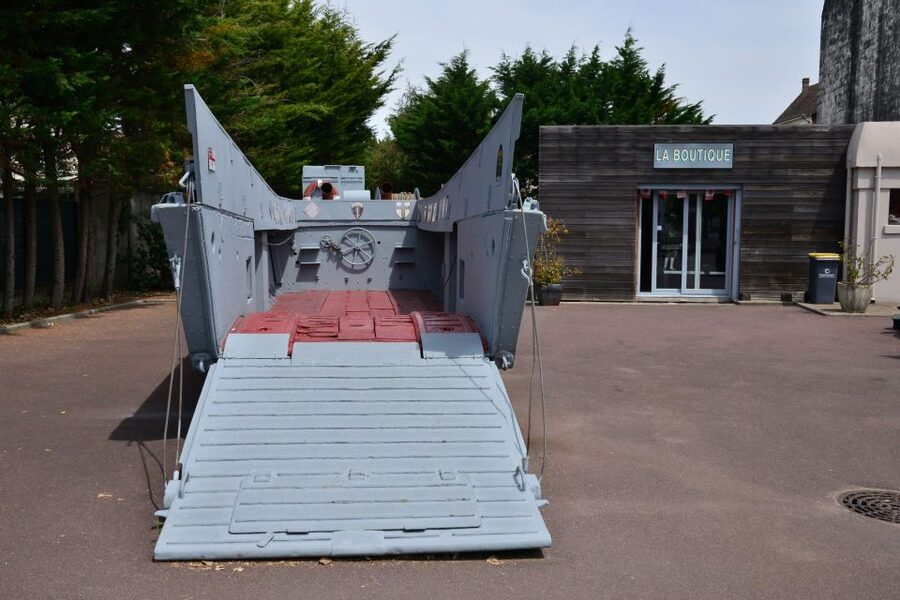
- Walk the actual Juno Beach shoreline: See the coast where more than 14,000 Canadian soldiers landed or parachuted into France on D-Day.
- Visit the Juno Beach Centre: This museum focuses on Canada’s role in the Normandy landings and gives useful context before or after your beach walk.
- Pay respects at Beny-sur-Mer Canadian Cemetery: The quiet rows of graves provide one of the day’s most affecting moments.
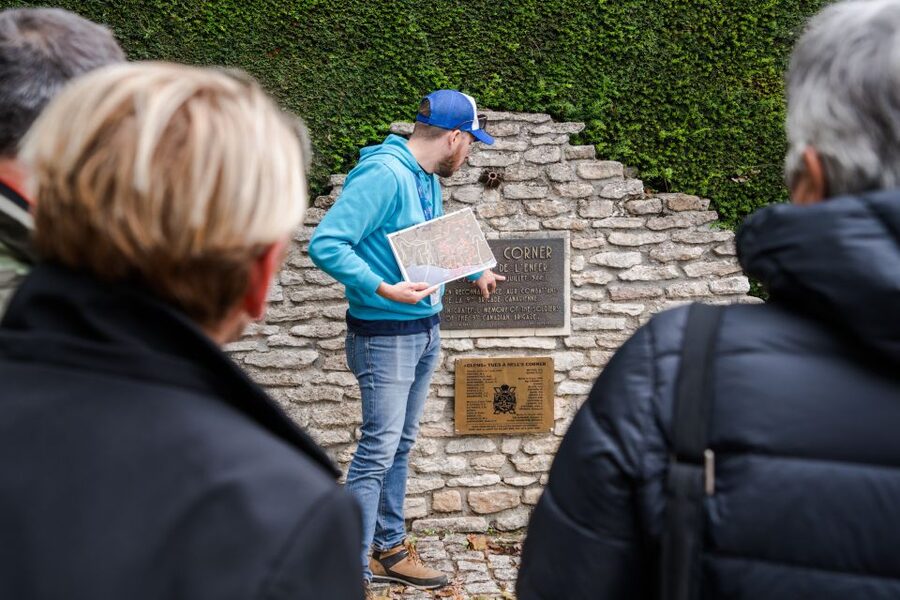
- Trace the furthest Canadian advance: Hell’s Corner marks the furthest inland point reached by Canadian troops on D-Day, about five miles from Caen.
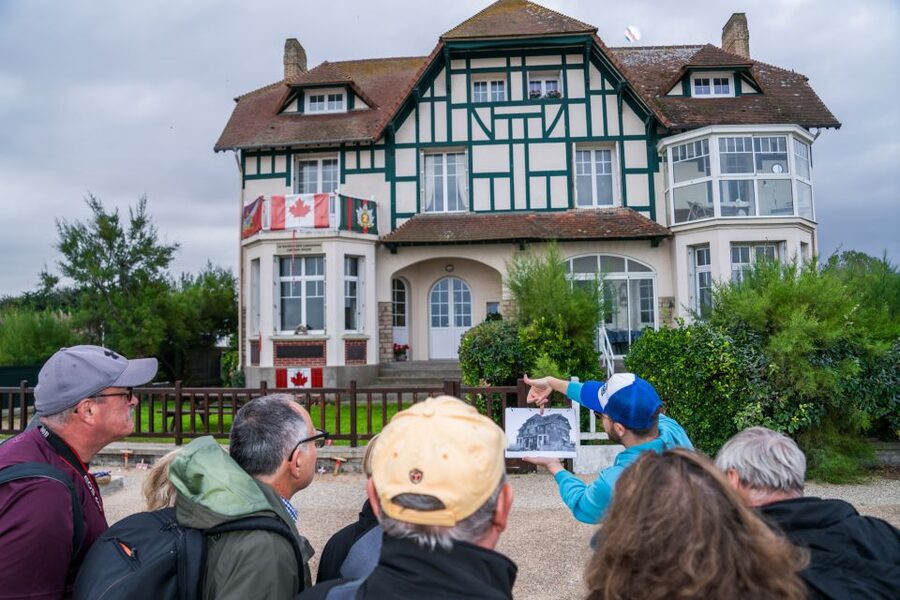
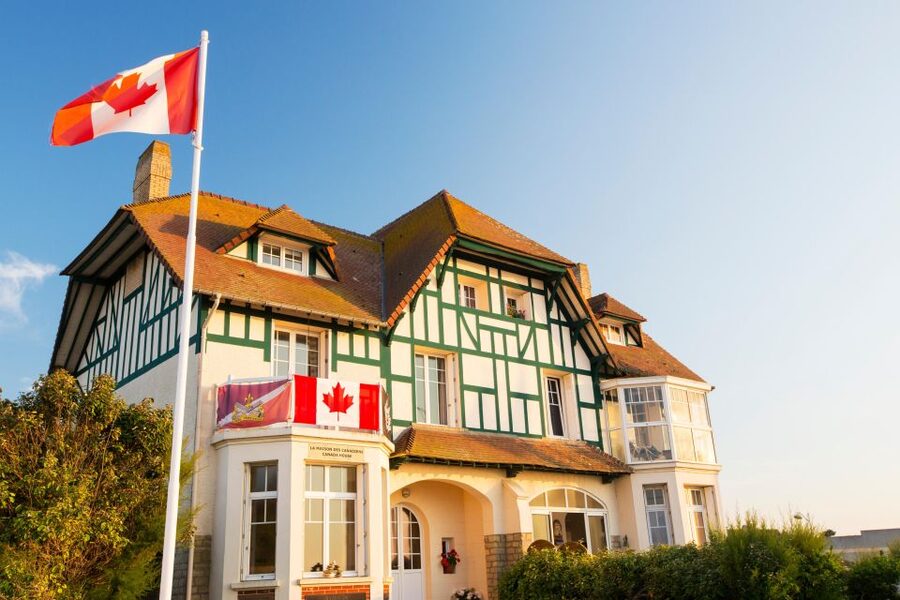
- Travel with a guide who can adapt: Past guides have added stops at Canada House or local family sites when time and conditions allowed, but these additions are not guaranteed.
- Plan for weather and a packed day: The tour runs rain or shine, food is not included, and latecomers cannot be accommodated.
Why Juno Beach matters
Juno was one of five landing sectors used during the Allied invasion of Normandy. Canadian forces faced German defenses built around bunkers, weapons positions, and fortified coastal areas.
The day gives you a better sense of the physical problem than a book or film can. You see the distance from the water to the inland roads. You feel how exposed the beach is. You also see how quickly a calm, open shoreline can become a dangerous place when defended by prepared troops.
More than 14,000 Canadian soldiers landed or parachuted into France on D-Day. Their advance helped the Allies win the battle for Normandy, but the cost was severe. This tour keeps the Canadian role at the center rather than treating it as a small footnote in a larger American and British story.
I find that focus especially useful for Canadian visitors tracing a family connection. It also works for anyone who wants a clearer picture of how the invasion unfolded on one particular stretch of coast.
More Normandy and D-Day remembrance visits:
- Normandy D-Day Sites & Cemetery Day Trip from Paris with Lunch
★ 5.0 · 6,877 reviews - Normandy D-Day Small-Group Day Trip with Omaha Beach, Cemetery & Cider Tasting
★ 5.0 · 2,786 reviews - Normandy D-Day Beaches and American Cemetery Day Trip from Paris
★ 4.5 · 2,673 reviews
Leaving Paris at 7:00 AM
The meeting point is Café Dada Ternes. You should arrive at least 15 minutes before departure. The grey minibus normally arrives about 10 minutes before the official start, and the tour leaves sharply at 7:00 AM.
That early start is necessary. Normandy is far from Paris, and this is not a quick side trip. The drive takes around three hours each way, though traffic and the route can change the timing.
The small minibus is a major advantage over a large coach. With a maximum of eight participants, you can speak directly with the driver-guide, ask for clarification, and get a more personal introduction to the countryside. One past departure included a scenic route through small towns and country roads instead of using the highway for the whole journey.
Still, you should be comfortable spending a large part of the day on the road. The journey is part of the price of seeing Juno from Paris. If you want a slower visit with more museum time and less driving, staying in Normandy would be a better plan.
The guide shapes the entire day

The guide is not just there to point out buildings. The best part of this experience is the explanation between stops, when maps, photographs, statistics, and stories turn a beach into a military operation with a clear sequence.
Several guides have made a particularly strong impression. HP has been praised for his history knowledge, good humor, careful driving, and ability to make Canadian visitors feel the importance of the site. Enzo is known for a friendly, direct style and strong command of the military details. Mathieu has been described as easy to talk with and good at explaining what happened on June 6.
Julien has added personal touches, including arranging a visit to Canada House on some departures. Aaron has been praised for his passion and command of Normandy’s wartime story. Clements has taken time for questions and quiet reflection, presenting the soldiers’ stories with care.
You cannot choose which guide will lead your departure, so treat these names as examples of the company’s guide team rather than a promise. The quality of the day can depend on the person in the front seat. A few participants have found a guide’s microphone difficult to hear, so sit where you can listen clearly.
Walking the sand at Juno Beach
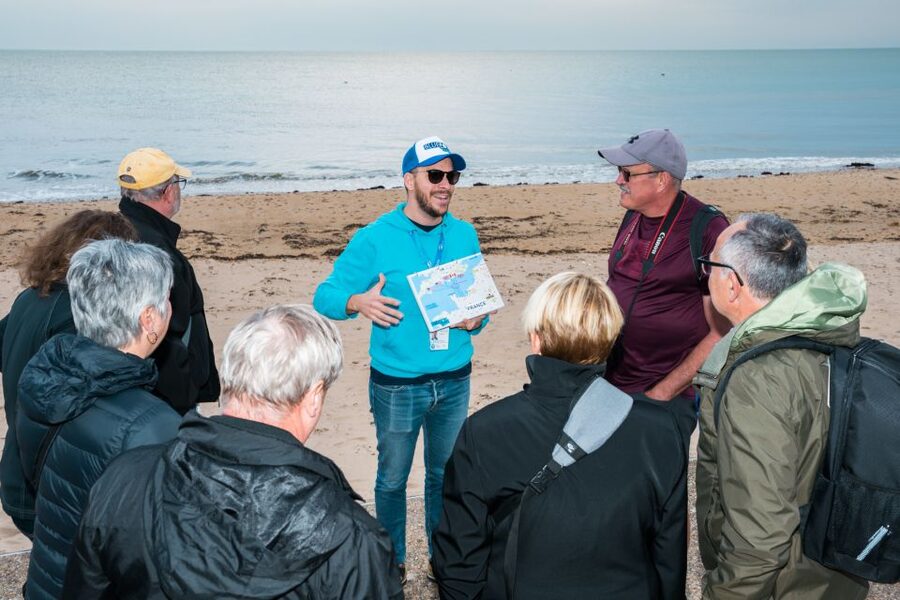
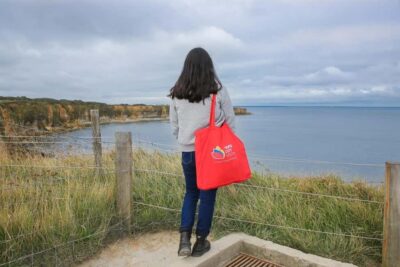
The shore is the emotional center of the outing. You are not viewing Juno from a distant lookout. You walk along the beach itself, seeing the same broad stretch of sand that confronted the Canadian troops.
Your guide explains how the landing worked and what the soldiers faced as they moved inland. The beach can look peaceful, even beautiful, but that calm makes the wartime story more striking. You are standing in a place where troops crossed open ground under fire, with little protection.
Bring a warm jacket and hat even in spring. A visit in late April was cold and windy, and the weather along the coast can feel harsher than in Paris. The tour runs in rain or shine, so waterproof clothing and sturdy shoes are sensible choices.
Time on the shore may feel short if you want to wander quietly. The tour has several stops, and the group needs to keep moving. That balance lets you see more of the Canadian sector, but it means you will not have unlimited time for private reflection.
A different way to spend the day in Paris:
- Paris: Louvre Museum Timed-Entrance Ticket
★ 4.6 · 71,977 reviews - Disneyland® Paris 1-Day Ticket
★ 4.6 · 49,412 reviews - Paris: Versailles Palace and Gardens Full Access Ticket
★ 4.6 · 41,579 reviews - Paris: Arc de Triomphe Rooftop Tickets
★ 4.6 · 34,264 reviews
The Juno Beach Centre
The Juno Beach Centre is the main museum stop. It focuses on the Canadian landings and the country’s wartime contribution, making it an important companion to the outdoor visit.
You can expect displays that help explain the invasion, the soldiers who took part, and the wider Canadian war effort. The museum gives structure to the day. After hearing about landing craft, defenses, and troop movements, you can use the exhibits to fill in the details.
The entrance fee is included. Time is provided to explore, though the exact amount can vary with traffic, weather, and the pace of the group. One useful point from past departures is that the museum usually receives enough time to make the stop worthwhile, but some people wanted longer to browse.
I would not rush through the museum. If military museums are your main interest, this is one of the places where every extra minute matters. On the other hand, if your priority is walking the beach and seeing several sites, you may prefer the guide to keep the schedule moving.
Beny-sur-Mer Canadian Cemetery
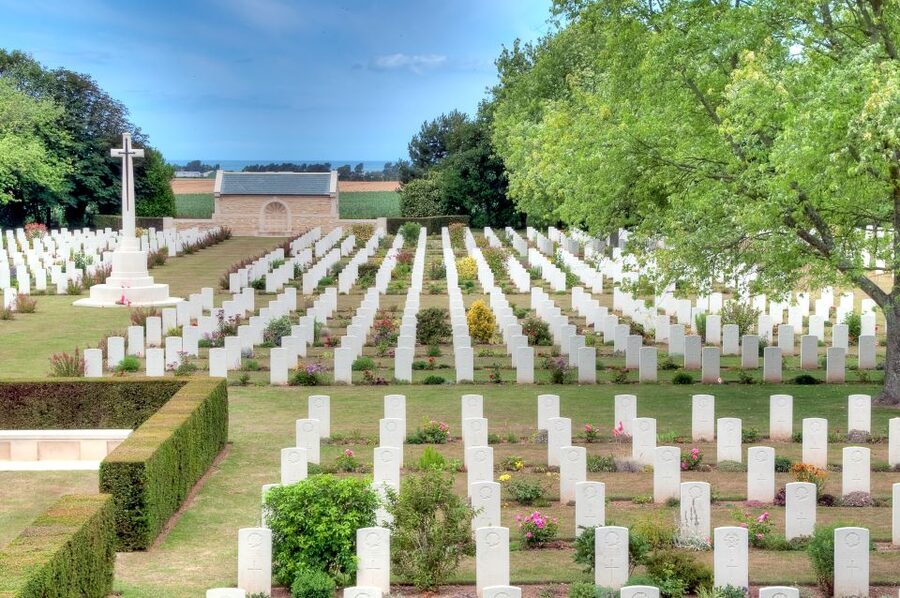
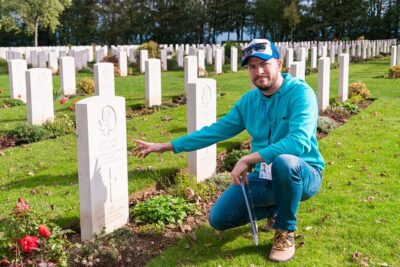
The cemetery at Beny-sur-Mer is one of the quietest and most moving stops. Its orderly rows of graves create a sharp contrast with the noise and confusion described at the beach.
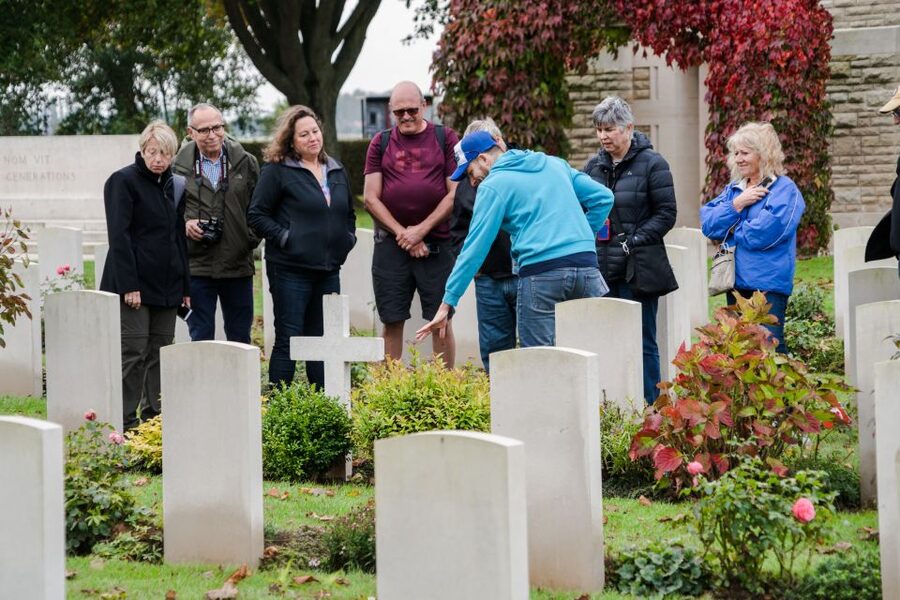
Your guide gives context about the Canadian soldiers buried there, then allows time to walk through the grounds and pay your respects. The setting is peaceful, but the scale of the loss is hard to ignore.
I would allow yourself to slow down here. This is not a stop to rush through while taking a few pictures. The cemetery helps you connect the military operation to individual lives, and it gives the day a solemn center.
For Canadians with a family connection to the armed forces, this may be the most meaningful part of the tour. You do not need a family link to feel its importance. The cemetery speaks clearly to anyone willing to pause.
Hell’s Corner and the inland advance
The visit to Hell’s Corner adds an important inland chapter. This area marks the furthest advance taken by Canadian troops on D-Day, around five miles from Caen.
That distance matters because it shows that the Canadian operation did not stop at the waterline. The troops had to move through defended positions, roads, villages, and farmland after landing. Seeing the inland point helps you understand the scale of the advance and the pressure placed on the soldiers.
Some departures have included a visit to a local family home and a small personal collection of German and Canadian ammunition. Another has included a meeting connected with Canada House. These extra encounters can be memorable because they connect battlefield events with local families, but they depend on the guide, timing, and availability. They are not listed as guaranteed parts of every tour.
Abbey d’Ardenne and the darker side of occupation
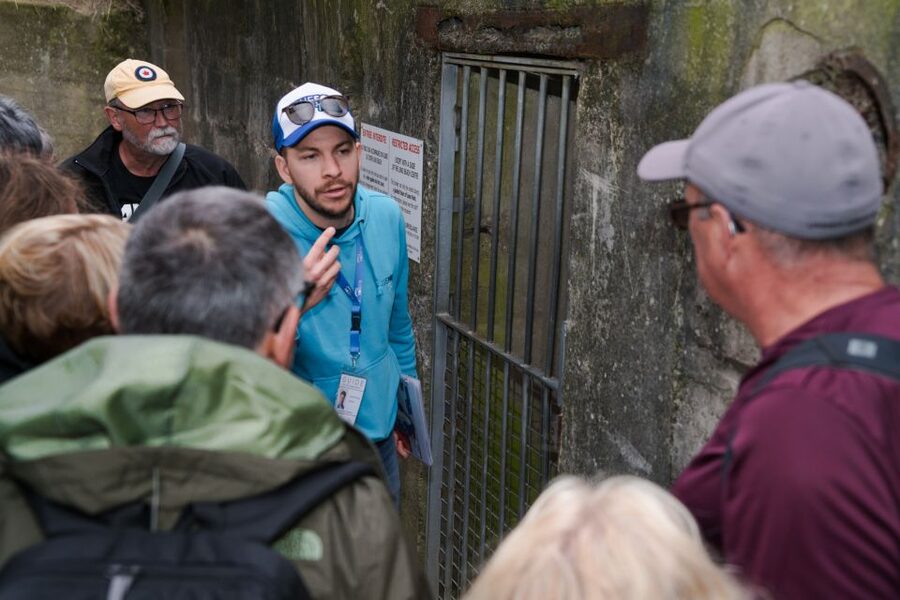
Abbey d’Ardenne was used as a German headquarters. Its inclusion broadens the day beyond the beach and cemetery, showing how the German command operated from inland positions.
The site helps you see that D-Day was not a single moment at the water’s edge. It became a series of advances, decisions, defenses, and encounters across Normandy. Your guide explains the abbey’s role and places it within the Canadian push inland.
The stop may be more meaningful for you if you already have some interest in military planning. If you are mainly looking for a scenic coastal day, the information may feel dense. Listen for the connections between the beach, the Canadian advance, and the German response.
Lunch and the practical rhythm of the day
Food is not included, so you need to budget for lunch. Past outings have stopped at a bakery for supplies or used a local restaurant, sometimes with a reservation arranged by the guide. The exact choice can vary.
A bakery lunch may be quicker and gives you more time at the sites. A restaurant offers a proper break but can make the schedule feel tighter. Ask your guide early in the day how lunch will work, especially if you have dietary needs.
The pace is active without being a hiking tour. You move between the minibus, the beach, museum spaces, cemetery grounds, and historic sites. You should be ready for coastal wind, uneven ground, and several hours of listening and walking, though the supplied information does not give a specific mobility rating.
Is $283 good value?
At $283 per person, this is not a cheap excursion. The price includes transportation from Paris, an English-speaking guide, and entrance fees. It also saves you from arranging a long-distance rental car journey, finding each site, and building a route around the Canadian sector.
The value is strongest for a first visit to Normandy from Paris. You get a full day focused on Juno, rather than a rushed stop among several unrelated beaches. The small group also gives you a more personal setting than a large coach tour.
The value is weaker if you already plan to stay in Normandy or have your own car. In that case, you could visit at your own pace and spend longer at the Juno Beach Centre, cemetery, or beach.
I think the price is fair for a focused, guided day trip, provided you accept the long drive. The guide’s interpretation is the main reason to pay for this rather than simply traveling to Juno alone.
Who should book this Juno Beach tour?
I would recommend it most strongly to:
- Canadians tracing a family or national connection to D-Day
- First-time Normandy visitors based in Paris
- People who want the Canadian story explained in English
- Visitors who prefer a small group to a large coach
- Anyone who values military history, personal stories, and authentic sites
- Families with older children who can manage a 13-hour day
It may not suit you if you dislike early starts, long drives, changing weather, or a tightly planned schedule. It is also not the best choice if your main goal is to visit every Normandy landing beach, since this outing centers on the Canadian sector at Juno.
Free cancellation is available up to 24 hours before departure, and you can reserve now and pay later. The tour operates every day of the year, but you must be on time because late arrivals cannot be accommodated.
Should you book it?
Book this tour if you want the Canadian D-Day story brought together by one guide across the beach, museum, cemetery, inland advance, and German headquarters. The day is long, but the route gives each location a clear purpose.
I would especially choose it for a first Normandy visit from Paris, or for a Canadian family hoping to honor a relative’s service. Bring warm layers, plan to buy lunch, and protect the full day in your schedule. If those conditions work for you, walking Juno Beach and standing among the graves at Beny-sur-Mer can become one of the most meaningful days of your time in France.
FAQ
How long is the Juno Beach tour from Paris?
The tour lasts 13 hours. It departs Paris at 7:00 AM and usually returns around 8:00 PM, depending on traffic.
Where does the tour meet in Paris?
The meeting point is Café Dada Ternes. You should arrive at least 15 minutes before the official departure time.
How many people are in the group?
The tour has a maximum of eight participants.
Is transportation included?
Yes. Transportation is provided by minibus, with an English-speaking driver-guide.
Is the tour conducted in English?
Yes. The live guide speaks English, and English is the listed tour language.
Is lunch included?
No. Food is not included in the price. The group may stop at a bakery or local restaurant, depending on the day.
What places are included?
The planned visits include Juno Beach, the Juno Beach Centre, Beny-sur-Mer Canadian Cemetery, Hell’s Corner, and Abbey d’Ardenne.
Can I walk on Juno Beach?
Yes. The tour includes a walk along the shore at Juno Beach.
Does the tour operate in bad weather?
Yes. Tours operate rain or shine, so you should dress for coastal weather.
Can I cancel the tour for a refund?
You can cancel up to 24 hours in advance for a full refund. You can also reserve now and pay later.
Newest additions around Paris
- Family escape Game with kids and teens on the Île de la Cité★ 4.5 · 11 reviews
- Private Photoshoot with the Iconic Eiffel Tower in Paris★ 5.0 · 11 reviews
- Paris: Batobus Hop-On Hop-Off Cruise & Landmarks Audio Tour★ 3.0 · 11 reviews
- Paris Revolutionary Walking Tour: Iconic French Sights & Stories★ 5.0 · 11 reviews
- 2-day Private Mont Saint-Michel, 3 Loire Castles, D-Day Express★ 4.5 · 11 reviews
- Guided and Private Tour of 3 hours through Paris aboard a Citroën 2cv★ 5.0 · 11 reviews
- Kids in the Kitchen – CrOisSaNtS★ 4.0 · 11 reviews
- Paris: Ghosts and Dark Stories Guided Walking Tour★ 4.1 · 11 reviews
Normandy & D-Day Beaches Tours, compared.

Normandy D-Day Sites & Cemetery Day Trip from Paris with Lunch
Read our review →
Normandy D-Day Small-Group Day Trip with Omaha Beach, Cemetery & Cider Tasting
Read our review →
Normandy D-Day Beaches and American Cemetery Day Trip from Paris
Read our review →
Normandy D-Day Sites Guided Day Trip with Lunch
Read our review →
Normandy D-Day Beaches with Juno Beach, bunkers & Canadian Cemetery from Paris
Read our review →
Normandy D-Day Landing Beaches Small-Group Day Trip from Paris
Read our review →Browse the lists this tour appears in