Reviewed · TOURS
Paris: Stade de France Behind the Scenes Tour
The best part of this 90-minute Stade de France tour is walking through the same tunnel used by players before major matches. You also get into the locker room, private boxes, and spectator areas, then finish with a museum visit covering World Cups, concerts, jerseys, models, and signed guitars. I especially like the mix of football and music history, plus the guides’ habit of keeping children involved with questions, jokes, and small challenges.
At $21 per person, this is a strong-value outing for football fans and a fairly easy add-on to a Paris sightseeing day. The main catch is that pitch views are not guaranteed, especially during winter or before a concert, and the stadium can feel less impressive if you expect the newest or largest arena in Europe.
In This Review
- Stade de France Tour: Key Points
- Why the Stade de France Is Worth Seeing
- Entering at Gate H
- Taking in the Stadium Panorama
- Walking Through the Locker Room
- Following the Players’ Tunnel
- Seeing the Private Boxes
- Stories of Football, Rugby, and Concerts
- Finishing in the Stade de France Museum
- Is $21 Good Value?
- Who Will Enjoy This Tour Most?
- Practical Tips Before You Book
- Should You Book the Stade de France Tour?
- FAQ
- How long does the Stade de France Behind the Scenes Tour last?
- What areas can I see inside the stadium?
- Is the football pitch guaranteed to be visible?
- What languages are available?
- Where is the meeting point?
- Is the tour wheelchair accessible?
Stade de France Tour: Key Points
- Walk the players’ tunnel: Follow the route used by football stars heading onto the pitch.
- See the locker room and VIP areas: The private boxes and changing facilities give you a look at the stadium’s working side.
- Hear World Cup stories: The stadium hosted the 1998 FIFA World Cup final, including the match played by Zinedine Zidane and Ronaldo.
- Learn about major concerts: The Rolling Stones were the first group to perform here, followed by artists such as Madonna and AC/DC.
- Finish in the museum: Archives, jerseys, models, autographed guitars, and other objects bring the stadium’s past to life.
- Expect a family-friendly pace: You walk about 1.2 kilometers, with guides often bringing children into the conversation and activities.
Why the Stade de France Is Worth Seeing

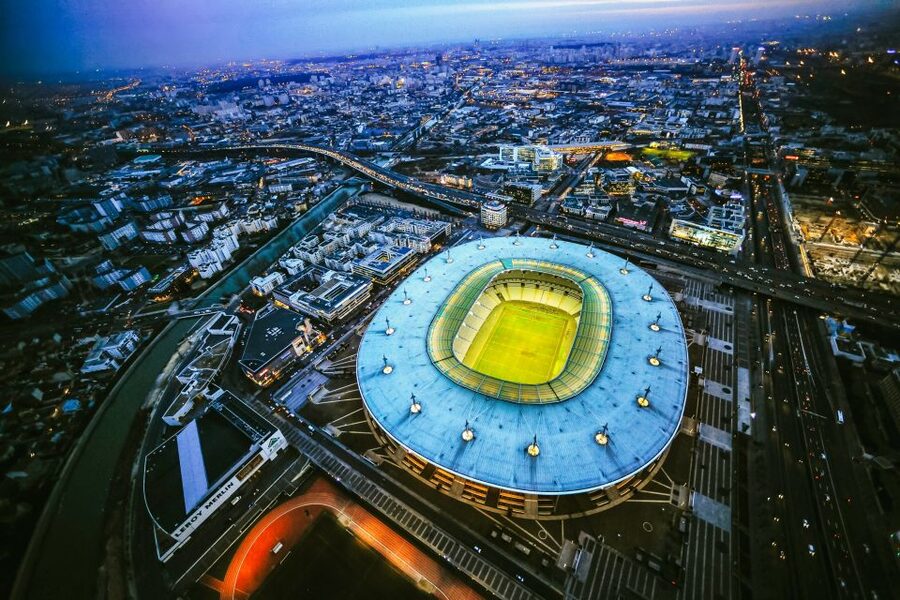
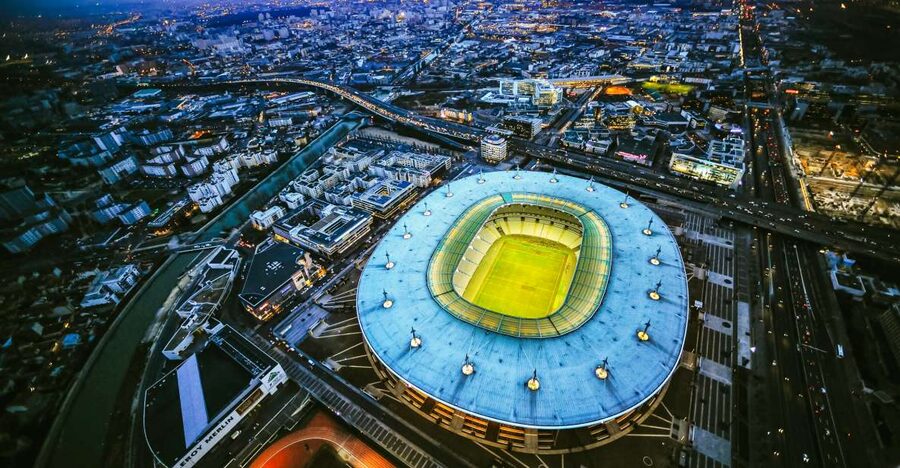
The Stade de France is France’s largest stadium and the country’s national sports venue. It is not simply a football ground. Rugby, athletics, concerts, and major international events have all used its wide bowl and carefully planned facilities.
For many people, the strongest connection is the 1998 FIFA World Cup. France won the final here, with Zinedine Zidane scoring twice against Brazil. The stadium also connects to Portugal’s football story, since Cristiano Ronaldo lifted his first major trophy for the national team at this venue.
That context matters because the tour is less about admiring a futuristic building and more about understanding what has happened inside it. You are shown the places where players prepare, officials receive important visitors, and performers reach a stage watched by tens of thousands of people.
I would not book this tour only for grand architecture. One visitor found the stadium less large or advanced than expected. That is a fair point. The building is impressive because of its scale and history, but its strongest appeal comes from the access and the stories.
More of the most booked days out in Paris:
- Paris: Louvre Museum Timed-Entrance Ticket
★ 4.6 · 71,977 reviews - Disneyland® Paris 1-Day Ticket
★ 4.6 · 49,412 reviews - Paris: Versailles Palace and Gardens Full Access Ticket
★ 4.6 · 41,579 reviews
Entering at Gate H
Your starting point is the official Stade de France shop near the museum. Look for Gate H, pass through security, and present your voucher at the welcome desk before the tour begins.
Arrive about 15 minutes early. Bag inspections can take time, and large bags or luggage are not allowed. The tour starts at the scheduled time, so arriving late can mean missing it without a refund or replacement tour.
The location is outside central Paris, but it is straightforward to reach by public transport. You can use Saint-Denis Porte de Paris on Metro line 13, La Plaine Stade de France on RER B, or Saint-Denis La Plaine on RER D. Check your route carefully before leaving, since a missed connection can matter when the tour has a fixed departure.
The venue is wheelchair accessible, and strollers are permitted. You should wear comfortable shoes because the route covers roughly 1.2 kilometers and includes a fair amount of walking through the stadium’s internal areas.
Taking in the Stadium Panorama
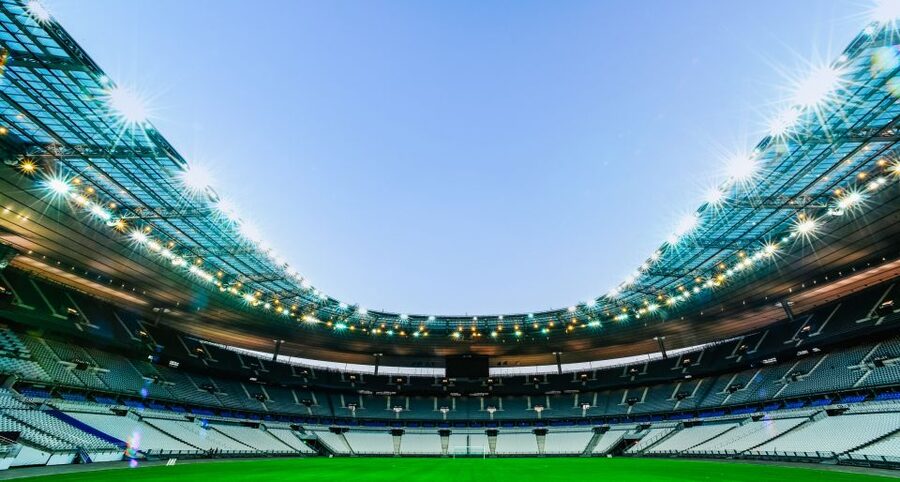
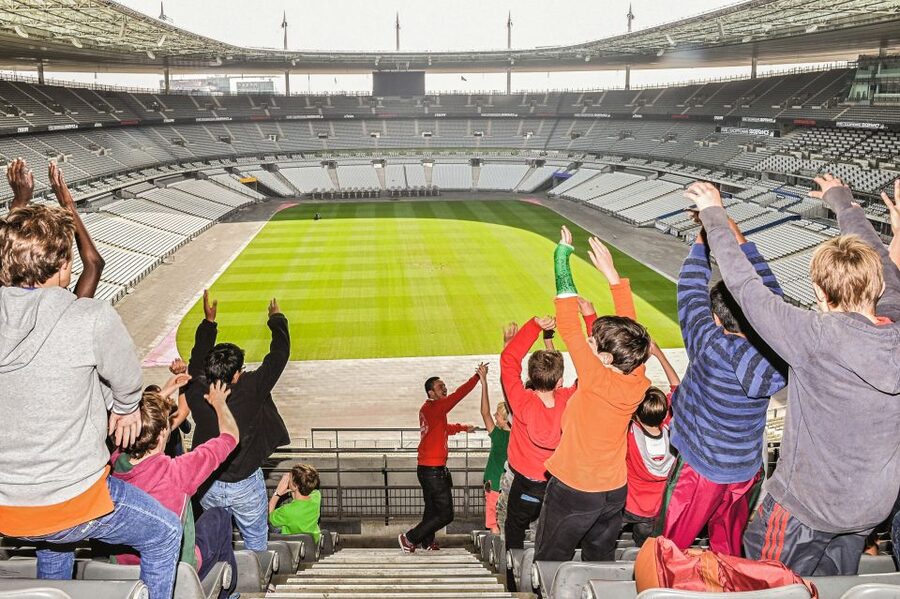
A likely early stop is a spectator seating area, where you can look across the full bowl. This gives you the basic scale of the place before the tour moves into private and operational spaces.
From a seat, the stadium’s size makes more sense than it does from outside. You can see how the stands wrap around the pitch and why the venue works for both sport and concerts. The view is also one of the better photo opportunities, especially if the pitch is visible during your visit.
Do keep the pitch warning in mind. During winter, the field may not be visible. Concert preparation, rugby events, security restrictions, or maintenance can also block or limit the view. Several tours have taken place with the pitch covered before a concert, so you should treat a full field panorama as a bonus rather than a promise.
That limitation does not cancel the tour’s value, but it changes what you are paying for. The locker room, tunnel, seating areas, VIP spaces, guide commentary, and museum remain the core experience.
Walking Through the Locker Room
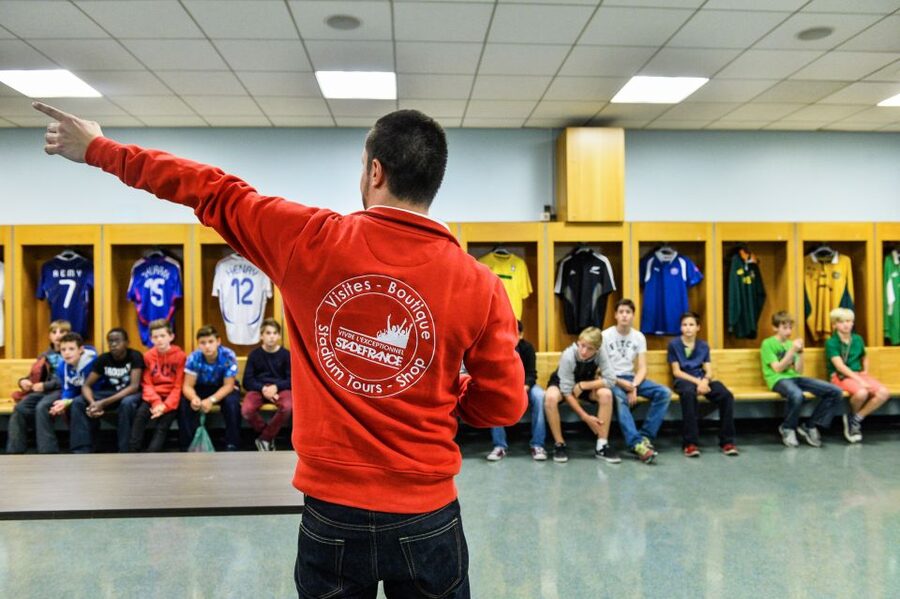
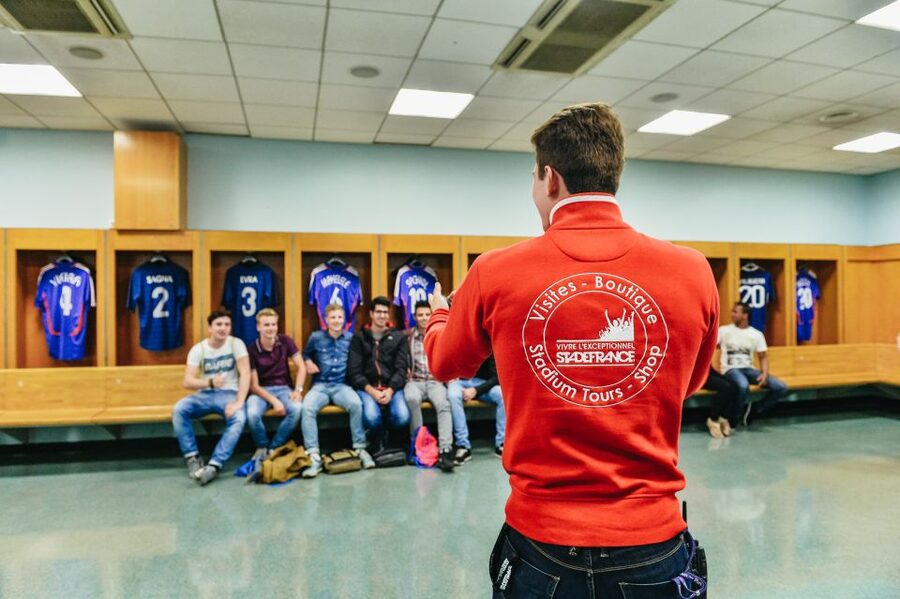
The locker room is one of the most appealing stops for football fans. You get to see the setting where players prepare before entering the stadium, and you may have a chance to photograph the shirts and changing area.
For a child who follows football, this can be the moment that makes the whole visit worthwhile. The connection is physical and simple: this is not a photo of a famous player on a screen, but the actual type of room used before a major international match.
The experience is also accessible to people who do not follow football closely. A good guide explains how the space fits into the match-day routine instead of assuming you know every player or tournament. Guides such as Amir, Sam, Nina, and Tyrelle have been praised for using humor, personal enthusiasm, and clear explanations to keep the group together.
You might hear stories about players including Zidane, Ronaldo, Ronaldinho, or Cristiano Ronaldo. The exact stories and access can vary, so do not expect a fixed script built around one particular star. The value is in the setting and the guide’s ability to connect it to the stadium’s wider story.
A different way to spend the day in Paris:
- Paris: Arc de Triomphe Rooftop Tickets
★ 4.6 · 34,264 reviews - Paris: Orsay Museum Entry Ticket
★ 4.7 · 25,647 reviews - Paris: Evening River Cruise with Music
★ 4.4 · 22,721 reviews - Paris: Eiffel Tower Entry Ticket with Optional Summit Access
★ 4.4 · 20,035 reviews
Following the Players’ Tunnel
The tunnel is the tour’s most vivid piece of theatre. You walk the same general route players use to reach the pitch, moving from the quieter back-of-house areas toward the noise and open space of the stadium.
This section works because it gives you a sense of the match-day transition. A locker room is interesting, but the tunnel explains how players move from preparation to performance. At the end, the pitch or stadium bowl opens up, and the connection to the 1998 World Cup final becomes easier to imagine.
It is also the most memorable place for photographs. If you are visiting with young football fans, allow time for them to enjoy the walk instead of rushing to the next stop.
The route is not just a quick corridor visit. Since the full tour covers about 1.2 kilometers, you should expect to move through several parts of the building. Comfortable footwear matters, particularly for anyone with limited stamina.
Seeing the Private Boxes
The private boxes show another side of the Stade de France. These spaces are designed for important officials, sponsors, and invited visitors rather than ordinary match spectators.
You get a better sense of how a national stadium serves different groups at once. The stands hold a huge public crowd, while private areas provide a more controlled setting for major events. This is useful context if you are interested in event planning, stadium design, or the way political and sporting occasions are staged.
The boxes may not be the main reason you book, but they help explain the building’s function. You are not being shown only the glamorous parts or only the player areas. The tour gives you a look at both public seating and restricted spaces.
Depending on events scheduled for the day, access can change. Security rules may alter the route, and some areas can be closed. Think of the tour as a guided look behind the stadium’s usual public face, not a guarantee that every door will open on every date.
Stories of Football, Rugby, and Concerts
The Stade de France has a wider story than football. Rugby and international events have also filled the stadium, while concerts have brought performers onto its carefully prepared pitch.
The Rolling Stones were the first group to perform at the venue. Madonna and AC/DC later played concerts watched by up to 80,000 people each time. These details help explain why the field may be covered or partly hidden during your visit. The stadium is a working event venue, not a museum preserved in stillness.
A lively guide can make this section particularly good. Tyrelle was praised for bringing energy to the tour and even using an adults-versus-children crossbar challenge. Amir was noted for involving younger children, while Sam has been described as a passionate French football guide who explains the stadium’s features in detail.
Guide quality matters here because much of the experience is spoken rather than displayed. The building itself cannot explain why it was designed as it was, how major events use it, or what happened in its most famous rooms. Your guide supplies that link.
The available languages are English, French, Spanish, and German, depending on the option and tour time. Confirm your preferred language when booking.
Finishing in the Stade de France Museum
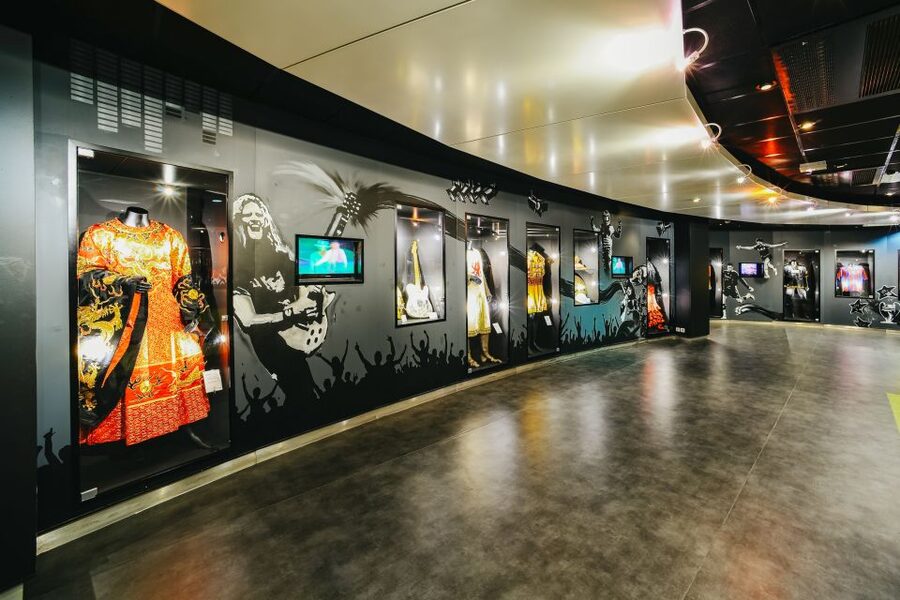
The museum is included in the ticket and comes at the end of the visit. That is a good arrangement. First you see the rooms and routes connected with the stadium, then you encounter objects that help put those spaces into context.
Expect archives, models, jerseys, autographed guitars, and other items tied to football matches and concerts. The collection is especially useful if the pitch is covered, since it gives you another way to explore the venue’s biggest events.
I would allow extra time for the museum rather than treating it as a quick exit display. The tour lasts 90 minutes, but the museum gives you more control over the pace. You can pause at objects that interest you and skip material that does not.
The museum shop is a minor weakness. The official boutique has been described as limited, with fewer clothing choices and sizes than some people expect. If you want a Stade de France shirt or souvenir, do not assume the shop will have a broad selection. Personal purchases are not included in the ticket.
Is $21 Good Value?
At $21, the tour is priced sensibly for a major Paris venue. You receive a guided 90-minute visit, special access to areas normally closed to the public, and museum entry. There are no transfers or personal expenses included, but the public transport connection is manageable.
The value is strongest when you care about football, rugby, concerts, or event spaces. A football fan gets the tunnel, locker room, World Cup connections, and stadium panorama. A music fan gets the concert history and signed guitars. A curious visitor gets a look at how France’s national stadium operates behind the scenes.
The price feels less attractive if you mainly want an unobstructed pitch view or a highly modern stadium design. Because the route can change and the field may be covered, you should book for access and storytelling rather than one perfect photograph.
Free cancellation is available up to 24 hours before the scheduled start, and you can reserve now and pay later. Those options help if your Paris plans are still moving, but they do not protect you from arriving late on the day.
Who Will Enjoy This Tour Most?
I would recommend it first to football fans, especially families with children or teenagers. The guides often use questions, jokes, and small activities to keep younger people involved, even if they do not speak much English. One bilingual family found that a guide translated between French and English after a train delay, though you should not rely on this as a standard arrangement.
It also suits adults who want something different from central Paris museums. The Stade de France is a short public transport ride from the main tourist core, making it a practical half-day addition.
You do not need to be a serious football expert. The tour explains the basics, and the concert material broadens its appeal. If one person in your group loves football and another does not, the architecture, music history, museum, and behind-the-scenes access give the nonfan a reason to enjoy it too.
I would think twice if you dislike walking, have a very tight schedule, or need a guaranteed pitch view. The route covers about 1.2 kilometers, begins at a strict time, and may be adjusted for events or security.
Practical Tips Before You Book
- Arrive at least 15 minutes early for security and check-in.
- Go to Gate H, at the official shop near the museum.
- Bring your voucher and wear comfortable shoes.
- Leave luggage and large bags elsewhere.
- Do not bring pets, except for a guide dog.
- Check the selected tour language carefully.
- Ask about pitch visibility if seeing the field is essential to you.
- Allow time for the museum after the guided route.
- Do not count on the boutique for a full range of shirts or sizes.
- Expect the route to change if an event is being prepared or security rules tighten.
Should You Book the Stade de France Tour?
Book it if you want to walk through a famous French sports venue instead of only seeing it from the outside. The tunnel, locker room, private boxes, museum, and World Cup stories give you genuine access for a modest price.
I would make this a clear choice for families with football-loving children, fans of the French national team, and visitors interested in major concert venues. The guides are often the difference between a routine stadium walk and a lively hour and a half, with names such as Amir, Sam, Nina, and Tyrelle associated with especially engaging tours.
Skip it if your main goal is a guaranteed view of the grass or a cutting-edge stadium experience. The pitch may be covered, and the building may not feel as technologically advanced as newer arenas. For most people who value the stories and restricted areas, though, $21 buys a useful and entertaining look at one of France’s most important event spaces.
FAQ
How long does the Stade de France Behind the Scenes Tour last?
The guided tour lasts 90 minutes. You will walk about 1.2 kilometers during the visit.
What areas can I see inside the stadium?
The tour includes the locker room, private boxes, spectator seating, the players’ tunnel, and other behind-the-scenes areas. The exact route can change because of events and security requirements.
Is the football pitch guaranteed to be visible?
No. During winter, the pitch may not be visible. Concert preparation, other events, or security restrictions can also limit or prevent views of the field.
What languages are available?
Live tours are available in English, French, Spanish, and German, depending on the option and starting time selected.
Where is the meeting point?
Meet at Door H in the Stade de France official store, near the museum. Present your voucher at the welcome desk and pass through the security checkpoint.
Is the tour wheelchair accessible?
Yes. The activity is wheelchair accessible, and strollers are permitted. Comfortable shoes are recommended because the route involves about 1.2 kilometers of walking.
Newest additions around Paris
- Family escape Game with kids and teens on the Île de la Cité★ 4.5 · 11 reviews
- Private Photoshoot with the Iconic Eiffel Tower in Paris★ 5.0 · 11 reviews
- 2-day Private Mont Saint-Michel, 3 Loire Castles, D-Day Express★ 4.5 · 11 reviews
- Paris: Batobus Hop-On Hop-Off Cruise & Landmarks Audio Tour★ 3.0 · 11 reviews
- Paris Revolutionary Walking Tour: Iconic French Sights & Stories★ 5.0 · 11 reviews
- Guided and Private Tour of 3 hours through Paris aboard a Citroën 2cv★ 5.0 · 11 reviews
- Kids in the Kitchen – CrOisSaNtS★ 4.0 · 11 reviews
- Paris: Ghosts and Dark Stories Guided Walking Tour★ 4.1 · 11 reviews
Tours, compared.
Louvre Guided Tour with Reserved Access & Boat Cruise
Read our review →
Big Bus Hop-On Hop-Off Tour with Optional Cruise
Read our review →
Louvre Museum Masterpieces Guided Tour with Access
Read our review →
Skip-the-Line Tour of Palace with Gardens Access
Read our review →
Mona Lisa & Louvre Masterpieces Tour with Reserved Access
Read our review →
Paris Big Bus Hop-On Hop-Off Tour with Optional River Cruise
Read our review →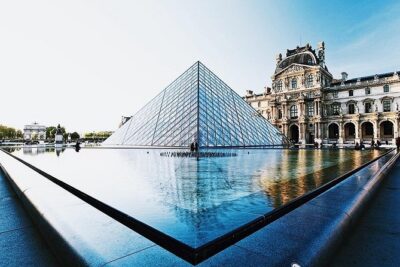
Louvre Museum – Exclusive Guided Tour (Entry Included)
Read our review →