Reviewed · TOURS
Paris: Behind the Scenes Bakery Tour with Breakfast
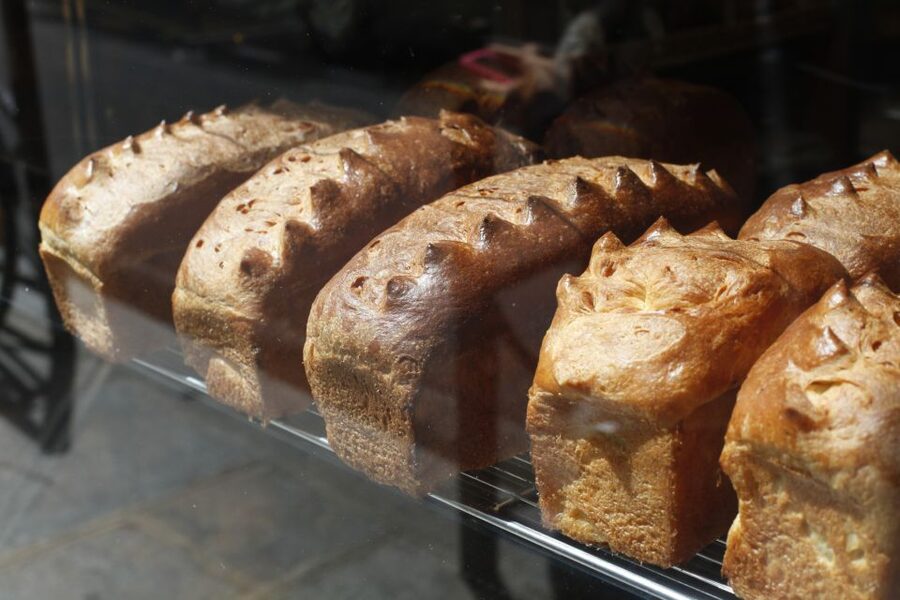
The best part of this Paris bakery tour is that you do not simply sit at a counter eating a croissant. You enter a working boulangerie, see the production rooms, watch bakers handle dough and ovens, and take part in the process yourself.
I like the warm breakfast at the start, with croissants and pain au chocolat, and I like that the experience finishes with something useful: fresh bread to carry away. Guides such as Mourad, Morad, Katie, Jade, David, and Nono have been praised for keeping the two hours lively and easy to follow.
The main consideration is the bakery setting. This is a real working operation, not a polished cooking studio. You may climb stairs in an old building, move around active work areas, and find that some pastries need more time to rise than the tour allows.
In This Review
- Key Points at a Glance
- What This Paris Bakery Experience Really Is
- Starting at Miss Manon Near Saint Paul
- Breakfast Comes Before the Dough
- Inside the Workshop and Bakery Stations
- Making a Baguette Yourself
- Croissants, Financiers, and Extra Pastries
- The Guides Make the Difference
- Why the Small Group Matters
- Stairs, Mobility, and Practical Comfort
- Is $123 a Fair Price?
- Who Should Book This Tour?
- Should You Book the Miss Manon Bakery Tour?
- FAQ
- Where does the bakery tour meet?
- Which Metro station is closest?
- How long does the experience last?
- What languages are available?
- How many people can join the group?
- Is breakfast included?
- Do I get to make a baguette?
- Can I make pastries as well as bread?
- What do I take home?
- What should I bring and wear?
- Can I cancel for a full refund?
- Do I have to pay when I book?
Key Points at a Glance
- Real bakery access: Visit Miss Manon at 87 Rue Saint-Antoine, near Saint Paul, and see working bakery stations rather than a classroom built only for tourists.
- Breakfast included: Begin with traditional French croissants and pain au chocolat before the hands-on portion.
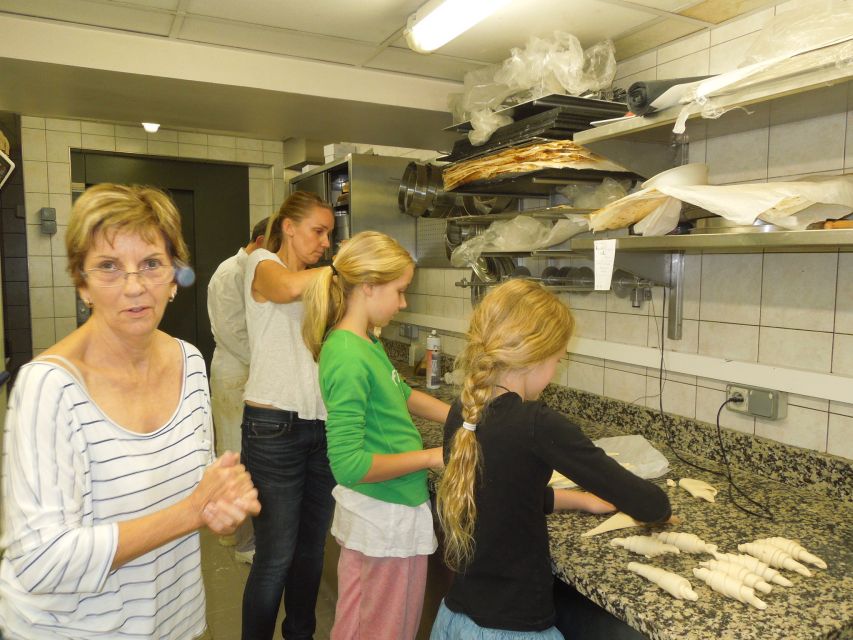
- Hands-on baking: Shape baguettes and, depending on the session, work with croissants, round bread, financiers, madeleines, or other pastries.
- Small groups: The tour is limited to nine participants, which gives you a better chance to ask questions and take a turn.
- Food to take away: You leave with your freshly baked baguette, and many sessions include several additional breads or pastries.
- Useful timing: The two-hour morning visit fits neatly before a museum, market stop, or day of sightseeing in central Paris.
What This Paris Bakery Experience Really Is
At $123 per person, this is not a cheap breakfast. You can buy a baguette and pastry in Paris for a small fraction of that price. The value comes from access, instruction, food tastings, and the chance to work inside a functioning bakery.
I would think of it as a short culinary class combined with a behind-the-scenes visit. You are paying for the guide, the small group, the ingredients, the bakery access, and the time saved by having the process explained in clear steps.
The format is especially useful if you want more than another food tasting. You will learn how French bakers approach dough, shaping, baking, and presentation. You also get enough finished food to turn the end of the tour into a picnic lunch or a snack later in the day.
The experience lasts two hours and uses English or French. With no more than nine participants, the group should remain small enough for hands-on work, although your exact amount of time at each station can vary with the group and the bakery’s schedule.
More of the most booked days out in Paris:
- Paris: Louvre Museum Timed-Entrance Ticket
★ 4.6 · 71,977 reviews - Disneyland® Paris 1-Day Ticket
★ 4.6 · 49,412 reviews - Paris: Versailles Palace and Gardens Full Access Ticket
★ 4.6 · 41,579 reviews
Starting at Miss Manon Near Saint Paul
Your meeting point is Miss Manon bakery at 87 Rue Saint-Antoine, 75004 Paris, close to the Saint Paul Metro station. Go inside the bakery and ask for the guide. That step matters, since the activity begins at the bakery itself rather than at a separate tourist office.
Rue Saint-Antoine is a handy starting point for a day in central Paris. You can pair the tour with nearby walks and sights, but keep the morning focused on arriving on time. The instructions also provide a phone number for additional information by text.
The bakery may feel more like a working neighborhood shop than a formal attraction. That is part of the appeal. You see the setting where bread is produced and sold, with bakers handling the day’s work around you.
Smart casual clothing is requested. Bring a camera if you want photos, but remember that you will be near food, equipment, and working staff. Comfortable clothes are the sensible choice.
Breakfast Comes Before the Dough
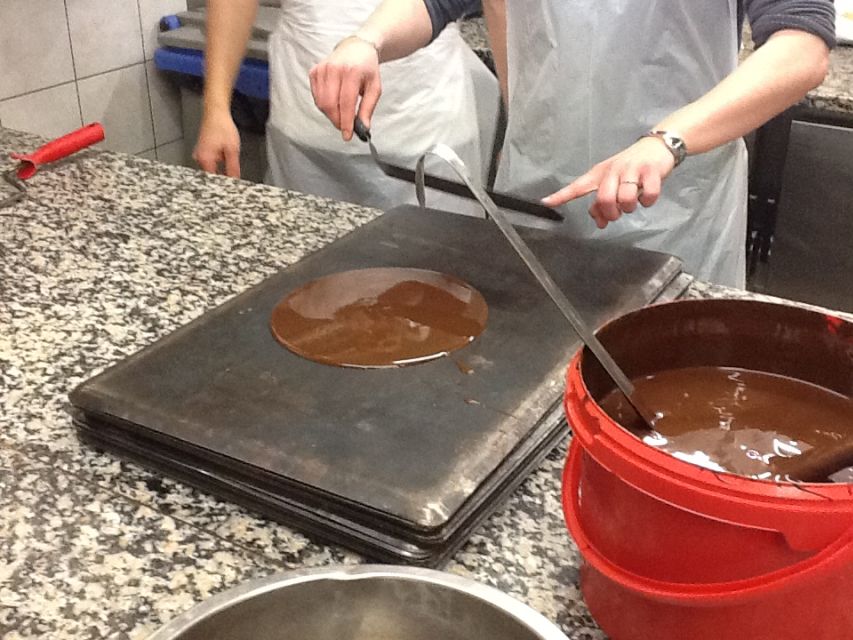
The morning begins with a traditional French breakfast. You can expect croissants and pain au chocolat, giving you an immediate taste of the goods before you start handling ingredients.
This opening is more than a pleasant extra. It helps you notice the difference between eating a pastry at a café and thinking about how it was made. You can pay attention to the crisp outer layers, the light interior, and the chocolate filling before the guide explains the work behind them.
Some sessions have also included drinks and extra pastries while the group gathers. The exact selection can change, so I would treat the listed croissants and pain au chocolat as the reliable core rather than expect every item described in past sessions.
The breakfast also makes the tour work well as the first activity of the day. You do not need to find a separate meal before arriving, and you can plan a market stop afterward for cheese, butter, or fruit to eat with the bread you take home.
Inside the Workshop and Bakery Stations

After breakfast, the guide leads you into the bakery’s working areas. You see the different stations and the range of products made there, along with the steps that turn dough into finished bread and pastry.
The setting has real character. One session took place in a three-story bakery in an old Parisian building, and another description noted extensive areas below ground. That means the tour can feel like a look at the bakery’s daily machinery, not a staged demonstration in one bright room.
You may see bakers shaping dough, working around ovens, and preparing several types of goods. The guide explains what is happening and gives context about French baking traditions and the place of bread in everyday life.
The bakery remains an active workplace, so the pace may not be perfectly uniform. That is a small trade-off for seeing genuine production. You might wait while dough rises or watch a baker complete a task before your group takes its turn.
A different way to spend the day in Paris:
- Paris: Arc de Triomphe Rooftop Tickets
★ 4.6 · 34,264 reviews - Paris: Orsay Museum Entry Ticket
★ 4.7 · 25,647 reviews - Paris: Evening River Cruise with Music
★ 4.4 · 22,721 reviews - Paris: Eiffel Tower Entry Ticket with Optional Summit Access
★ 4.4 · 20,035 reviews
Making a Baguette Yourself
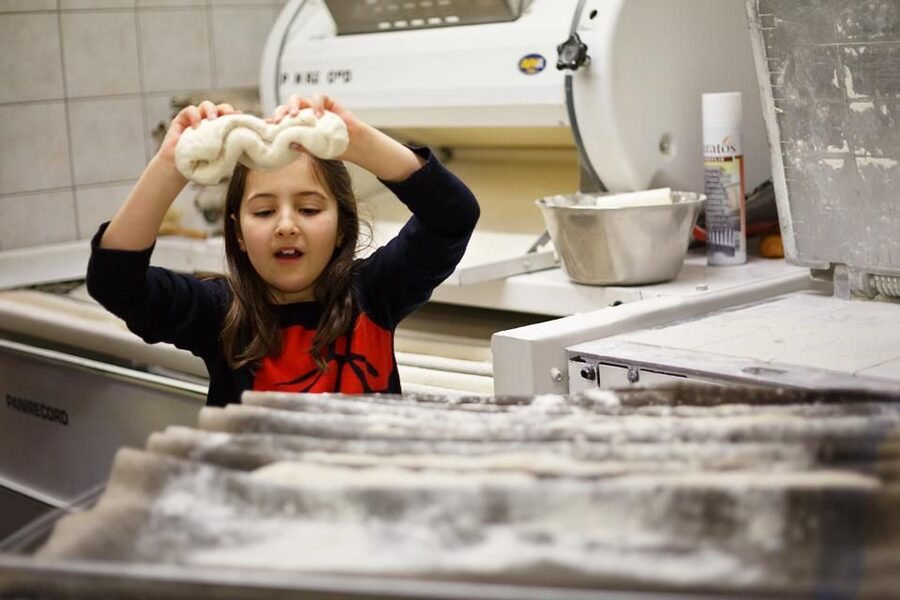
The baguette is the central lesson. You learn how bakers shape it for a crisp crust and light interior, then work with the dough yourself under instruction.
A key point is that the hands-on work may not always mean starting from raw dough. One participant explained that the group rolled and shaped prepared dough while the bakery handled the longer baking process. That is normal for a two-hour visit and lets you focus on the parts you can see and repeat at home.
The practical lesson is in the shape, handling, and finish. You get a feel for how delicate dough can be and why a baguette is not simply a long loaf placed in an oven.
At the end, you receive your own freshly made baguette. In some sessions, people have left with multiple baguettes and enough bread for a later meal. I would not assume the exact quantity, but you should plan to carry food away.
Croissants, Financiers, and Extra Pastries
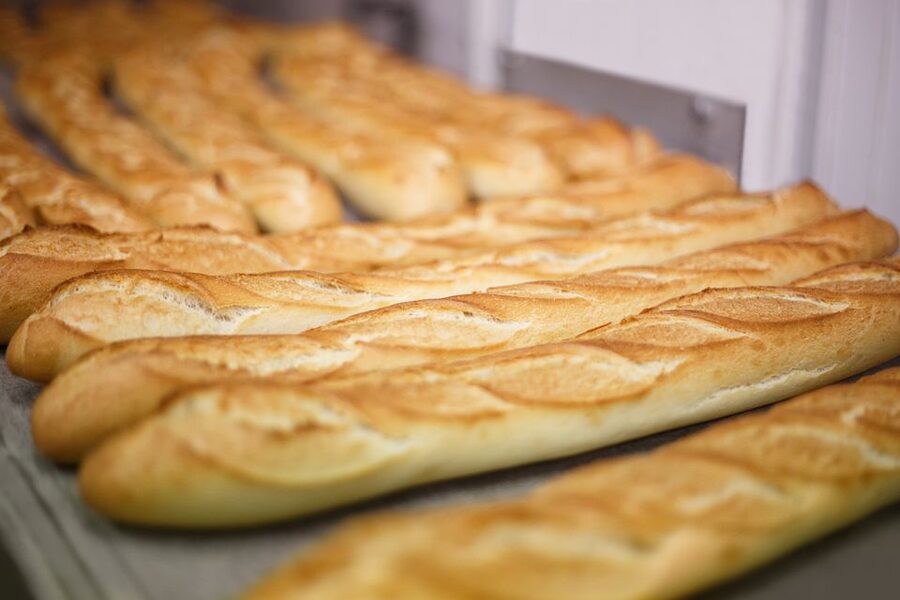
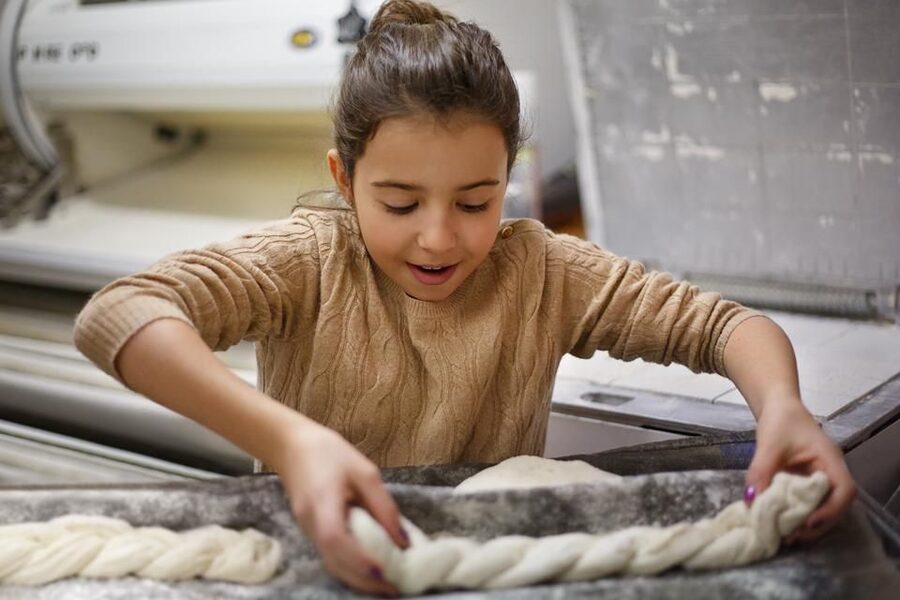
The tour can reach beyond baguettes. Past sessions have included croissants, round bread, braided bread, financiers, madeleines, and other small baked goods.
Croissants require a longer process than the schedule allows, especially for rising and baking. You may shape or roll the prepared pastry and taste a finished croissant, but you may not be able to take home the croissant you worked on.
That distinction is worth knowing before you book. The activity teaches you about the method and gives you a taste of the result, while the baguette and other ready items are more likely to become your take-home food.
Financiers and madeleines add variety without taking over the tour. They also show that French baking is not only about the baguette. You can compare a crusty loaf with small cakes and laminated pastry in the same morning.
Families have found the hands-on work particularly useful. Children have shaped dough, asked questions, and enjoyed eating what they helped prepare. I would still expect adults to supervise children around an active bakery, stairs, and hot equipment.
The Guides Make the Difference
The guide is a major part of the experience. Names reported for different sessions include Mourad, Morad, Momo, Nono, David, Katie, Jade, Lisa, Nellie, Balthazar, and Beltazar. Since the guide can change, book this for the bakery access and format, not for one particular person.
The strongest guides explain the craft while keeping the mood relaxed. Mourad and Morad were praised for humor and clear English, while Katie was noted for keeping children and teenagers involved. David was described as working closely with the baker and inviting the group to watch the dough and ovens.
The guide also has to manage a practical challenge: everyone needs a turn. In a group of up to nine, you should have a better chance to shape or handle the food than in a large demonstration class. Still, not every person will perform every step of every recipe.
English and French are available. If your French is limited, request or confirm the English option when booking. The guide’s ability to explain timing, technique, and safety will shape how much you get from the visit.
Why the Small Group Matters
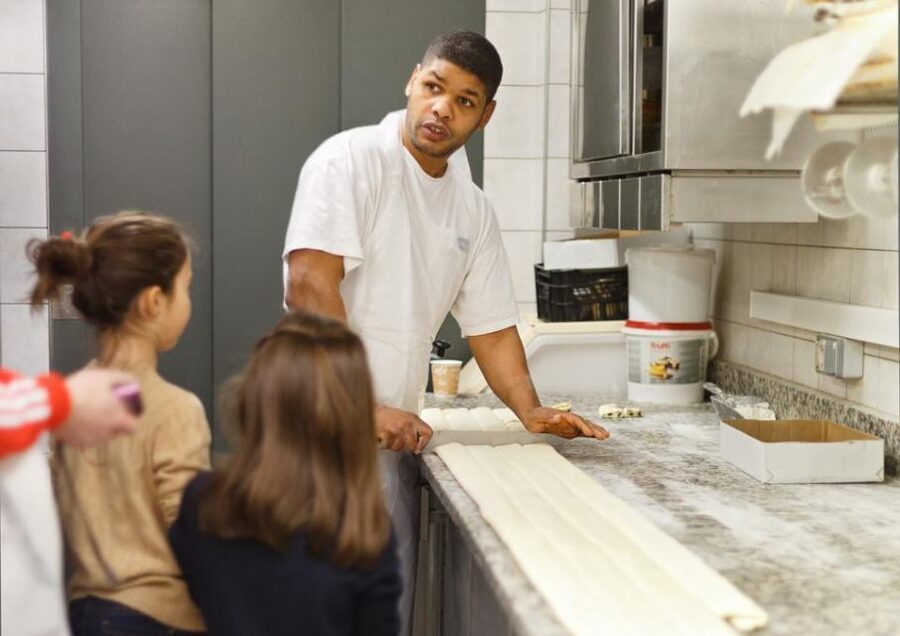
A maximum of nine participants is a useful limit for this kind of activity. Bread shaping is easier to understand when you can stand close enough to see the movement, then try it with direct guidance.
The small format also makes conversation easier. You can ask about French bakery customs, daily production, ingredients, and the role of each station without waiting behind a large crowd.
Group size can affect the feel of the morning. A small family group may receive more direct attention, while a full group may involve more waiting between turns. The two-hour length keeps the visit manageable, but it also means the class cannot cover every bread technique in detail.
I would book this if you enjoy participating. If you only want a quick pastry breakfast, the price will feel high and a regular boulangerie visit will serve you better.
Stairs, Mobility, and Practical Comfort
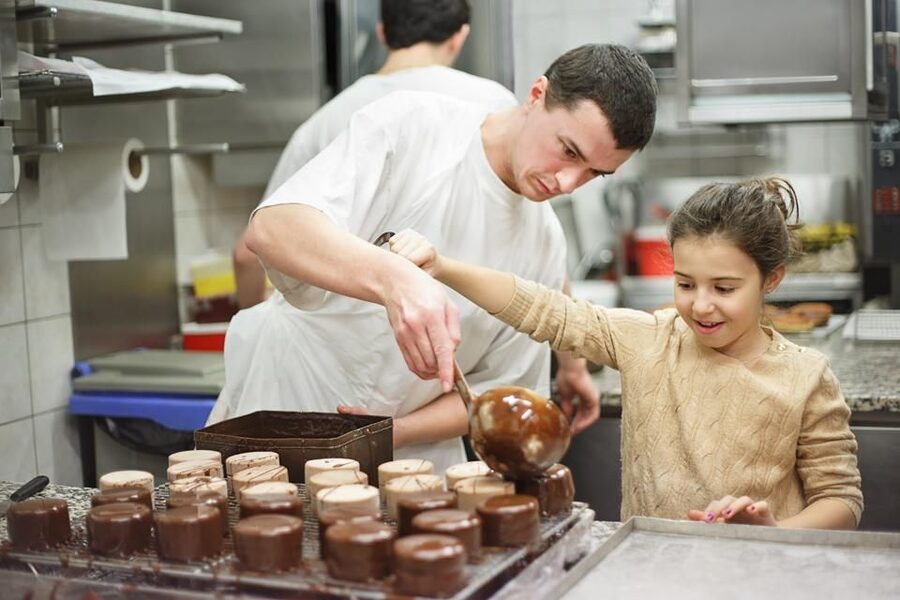
The old bakery setting may involve stairs. One account described moving up and down a three-story building, while another mentioned lower-level work areas. This can add charm, but it may be tiring or difficult for anyone with limited mobility.
A guest who mentioned a mobility issue received help using an elevator when possible. That is encouraging, but the provided details do not promise full step-free access. Contact the provider before booking and explain your needs clearly.
Wear smart casual clothing that you can move in and do not mind wearing around flour and food preparation. The requested dress code is not formal, but this is also not the place for delicate clothing or impractical shoes.
Bring a camera, but keep it out of the way during the practical work. Your main souvenir is edible, and the bread may be warm or awkward to carry, so a spare bag could be useful, although one is not listed as included.
Is $123 a Fair Price?
The price is $123 per person. That is a premium over an ordinary Paris breakfast, so the decision depends on how much you value access and participation.
I consider the price reasonable for someone who wants a compact food activity with a guide, breakfast, bakery access, hands-on work, and take-home bread. The food alone does not justify the full cost. The combination of instruction and a working bakery setting does.
The experience is also good value for families who want one activity that suits adults and children. Several sessions involved children from about six years old through the teenage years, with the practical tasks providing a welcome change from museums and monuments.
The price is less appealing if you have limited interest in baking or plan to spend the morning racing between major sights. Two hours is not a long time, but the location, meeting instructions, and walking afterward still need to fit your schedule.
Free cancellation up to 24 hours before the activity and the option to reserve now and pay later reduce some booking risk. Check availability for the exact starting time before you commit.
Who Should Book This Tour?
I would recommend it for:
- Families with children who enjoy making and eating food
- Couples looking for a shared activity beyond sightseeing
- Bread lovers who want to understand French bakery methods
- Visitors who appreciate working spaces more than polished attractions
- Anyone planning a picnic or market lunch after the tour
I would be more cautious if you have serious mobility limits, dislike stairs, or need a very precise itinerary. I would also skip it if you want to make every recipe from raw ingredients from start to finish, since prepared dough and rising times can limit the work you do.
The tour works best early in a Paris stay. It gives you useful context for every boulangerie you visit afterward. Once you have shaped a baguette and watched the ovens at work, you may look at the bread counter with a sharper eye.
Should You Book the Miss Manon Bakery Tour?
Book it if you want a friendly, food-focused morning with real participation. The strongest reasons are the working bakery setting, the small group, the breakfast, and the amount of bread you may carry away.
Go in with realistic expectations. You are not becoming a professional baker in two hours, and the exact pastries or quantity to take home can vary. You are getting a well-organized introduction to French baking, led in English or French, with enough tasting and hands-on work to make the $123 worthwhile for the right visitor.
FAQ
Where does the bakery tour meet?
The meeting point is Miss Manon bakery at 87 Rue Saint-Antoine, 75004 Paris, France. Go inside the bakery and ask for the guide.
Which Metro station is closest?
The listed Metro stop is Saint Paul.
How long does the experience last?
The bakery tour lasts two hours.
What languages are available?
The live guide is available in English and French.
How many people can join the group?
The tour is limited to nine participants.
Is breakfast included?
Yes. The included traditional breakfast features croissants and pain au chocolat.
Do I get to make a baguette?
Yes. The experience includes instruction on making and shaping a baguette, followed by your own freshly made baguette.
Can I make pastries as well as bread?
Hands-on activities can include croissants and other products such as financiers, madeleines, round bread, or braided bread. The exact selection can vary.
What do I take home?
Your freshly baked baguette is included. Past sessions have also included additional bread and pastries, but the exact amount and selection may differ.
What should I bring and wear?
Bring a camera and dress smart casual. If you have mobility concerns, contact the provider before booking because the old bakery may involve stairs.
Can I cancel for a full refund?
You can cancel up to 24 hours in advance for a full refund.
Do I have to pay when I book?
The reserve-now, pay-later option lets you book your spot without paying immediately.
Newest additions around Paris
- Family escape Game with kids and teens on the Île de la Cité★ 4.5 · 11 reviews
- Private Photoshoot with the Iconic Eiffel Tower in Paris★ 5.0 · 11 reviews
- 2-day Private Mont Saint-Michel, 3 Loire Castles, D-Day Express★ 4.5 · 11 reviews
- Paris: Batobus Hop-On Hop-Off Cruise & Landmarks Audio Tour★ 3.0 · 11 reviews
- Paris Revolutionary Walking Tour: Iconic French Sights & Stories★ 5.0 · 11 reviews
- Guided and Private Tour of 3 hours through Paris aboard a Citroën 2cv★ 5.0 · 11 reviews
- Kids in the Kitchen – CrOisSaNtS★ 4.0 · 11 reviews
- Paris: Ghosts and Dark Stories Guided Walking Tour★ 4.1 · 11 reviews
Tours, compared.
Louvre Guided Tour with Reserved Access & Boat Cruise
Read our review →
Big Bus Hop-On Hop-Off Tour with Optional Cruise
Read our review →
Louvre Museum Masterpieces Guided Tour with Access
Read our review →
Skip-the-Line Tour of Palace with Gardens Access
Read our review →
Mona Lisa & Louvre Masterpieces Tour with Reserved Access
Read our review →
Paris Big Bus Hop-On Hop-Off Tour with Optional River Cruise
Read our review →
Louvre Museum – Exclusive Guided Tour (Entry Included)
Read our review →