
Reviewed · NOTRE-DAME & SAINTE-CHAPELLE TOURS
Paris Baking Insider Experience near Notre-Dame
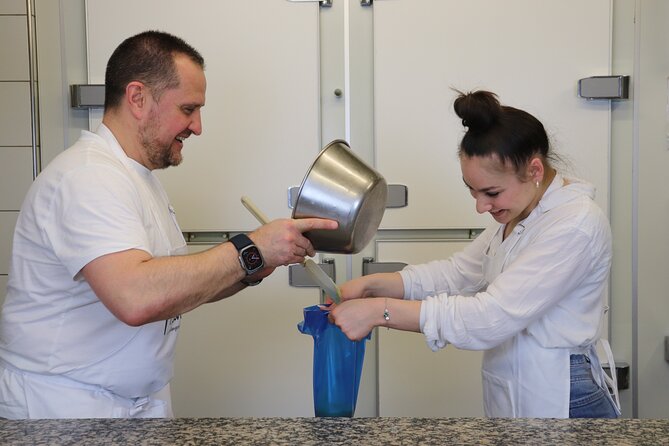
A warm bakery kitchen, a handful of dough, and a freshly baked baguette can teach you more about French food than another pass by a pastry case. This two-hour Paris baking experience takes you behind the shop counter and into the working bakery, where you learn about flour, yeast, sourdough, croissant dough, and baguette shaping. I like the small maximum of eight people, and I like that you eat what you make instead of merely watching a demonstration.
The strongest guides, including David, Valentina, Clara, Pierre, Martin, and Yeju, keep the mood friendly and make room for children and solo participants. The main thing to understand is that this is more of an insider bakery experience than a full recipe-based cooking class. Some dough and pastry components are prepared ahead of time, and you may not leave with exact measurements for recreating every item at home.
In This Review
- Key points to know before booking
- Inside the bakery at 25 Rue de Bretagne
- Learning why French bread tastes different
- Shaping baguettes and handling dough
- Croissant dough and the art of lamination
- Tasting the results, from baguettes to small cakes
- Why the guide matters so much
- A good Paris activity for families
- Is $108.89 a fair price?
- Timing, access, and practical details
- Who should book this baking experience?
- Should you book the Paris Baking Insider Experience?
- FAQ
- Where does the Paris Baking Insider Experience begin?
- How long does the experience last?
- How many people can join the group?
- Is the experience offered in English?
- Can children participate?
- Is the bakery accessible by elevator?
- What is the cancellation policy?
Key points to know before booking
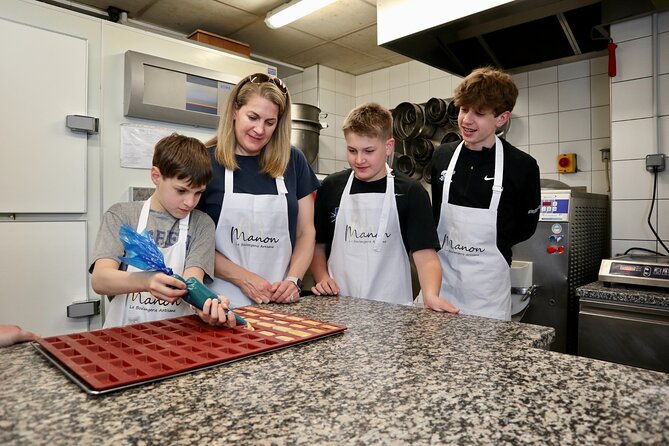
- You work inside a real Paris bakery: This is not simply a classroom with staged equipment. You see the bakery’s working spaces and how bread and pastries move through production.
- The group is capped at eight people: That is a useful size for a hands-on activity, though one session felt crowded to a participant who expected more room.
- You learn the language of French baking: The lesson covers flour types, yeast, sourdough, dough texture, lamination, and several baguette shapes.
- Expect several tastings and take-home treats: Depending on the session, you may make baguettes, croissants, financiers, madeleines, breads, or small cakes, with extra items to enjoy later.
- It suits families and mixed skill levels: Children can take part with an adult, and past sessions have worked well for ages five, nine, ten, twelve, fourteen, and older.
- Wear practical clothes and comfortable shoes: You stand for much of the two hours, get near warm ovens, and may encounter flour on the floor.
Inside the bakery at 25 Rue de Bretagne
The experience begins at 25 Rue de Bretagne in Paris’s 3rd arrondissement, a location in the Marais rather than directly beside Notre-Dame. It is near public transportation, and the meeting point makes a useful stop if you are already exploring the neighborhood.
You climb 15 steps to the bakery on the second floor. There is no elevator, so this matters if stairs are difficult for you. Once inside, you should expect to stand for an extended period. A bakery is a working place, not a lounge, and the pace and temperature reflect that.
The appeal is the setting. You are not just looking at a finished baguette in a glass case. You get a look at the tools, work surfaces, dough, ovens, and bakery routines that make French bread part of daily life.
The quality of the space can vary by session. Several people found the bakery spotless and well maintained, with strong attention to handwashing and cleanliness. One person had serious concerns about sanitation, including handling practices and the condition of work areas. That is an unusual but important caution. If a spotless teaching kitchen is essential to you, keep your expectations practical when entering a busy production bakery.
More Notre-Dame and Sainte-Chapelle visits:
- Paris Île de la Cité and Notre-Dame Walking Tour With Crypt
★ 5.0 · 2,272 reviews - Paris: Eternal Notre-Dame VR Experience Ticket
★ 4.4 · 1,150 reviews - Paris: Notre-Dame Cathedral Exterior Tour & Free Entrance
★ 3.7 · 1,010 reviews
Learning why French bread tastes different
The lesson starts with the basics, but the useful kind of basics. You learn how bread flour differs from other flours, why gluten matters, and how yeast and sourdough affect flavor and texture.
This is where the activity offers more than a quick pastry demonstration. You begin to notice that baguettes are not all the same. Shape, crust, crumb, flour, fermentation, and baking all play a part. The guide may explain why one loaf has a light, open interior while another is denser and more chewy.
The session also touches on the role of inexpensive flour and gluten, a point one experienced home baker found particularly useful. You do not need prior baking skill to follow along, but the class has enough technical content to interest someone who already makes bread at home.
The lesson is taught in English. Guides have included David, Valentina, Clara, Pierre, Martin, Salome, Yeju, and Paula. Their approach may differ, but the best sessions share the same strengths: clear directions, patience, humor, and a steady effort to let everyone try something.
Shaping baguettes and handling dough
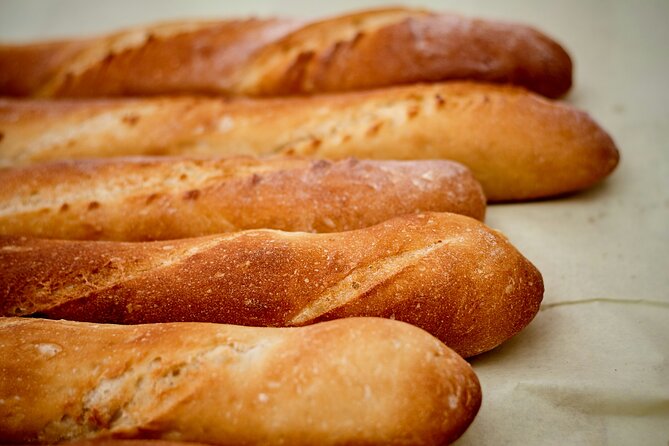
Baguette shaping is one of the most appealing parts of the experience. You see how a baker turns dough into a long loaf and learn that shaping is not just a matter of rolling it into a tube.
Different shaping techniques affect the final form. The guide shows how to handle the dough without crushing its air, how to create an even loaf, and how the bakery distinguishes one baguette from another. You may get to shape your own loaves or work directly with dough as part of the bakery’s normal process.
The hands-on portion can vary. Some sessions included making and baking baguettes from start to finish, while others used dough that had already been mixed or prepared. That is why I would book this for the experience of learning inside a bakery, not as a replacement for a serious bread-making course.
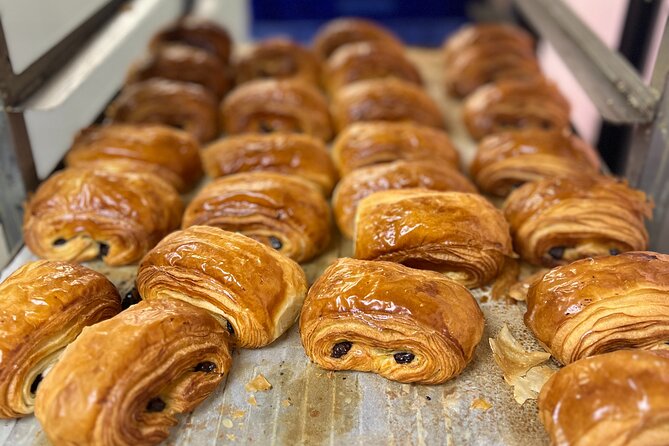
You may also make a small loaf known as a financier, though the name can cause confusion. A financier is usually a small almond cake, and one session described a special mini pocket loaf using that name. Other groups made financiers, madeleines, or small cakes. The exact items can depend on the day and the bakery’s production schedule.
Croissant dough and the art of lamination
Croissants teach a different set of skills. You learn about laminated dough, the process of layering dough and butter to create the flaky structure associated with a good croissant.
The guide explains how the dough is rolled and folded, and you may roll or shape prepared croissant pieces. This gives you a feel for the technique, but it does not always mean you will mix and laminate a full batch from raw ingredients.
That distinction matters. One person expected a detailed lesson on making croissants and baguettes, while the actual session focused more on shaping and observing prepared dough. Another group found the process hands-on enough, especially when rolling croissants and working on several other bakery items.
I see this as a practical compromise. Full croissant lamination takes time, chilling, rolling, and careful temperature control. It is difficult to fit the complete process into a two-hour group activity, especially when you also want to see bread, cakes, and the bakery itself.
More pastry and macaron classes:
- Paris: Montmartre Cheese, Wine & Pastry Guided Walking Tour
★ 4.8 · 2,255 reviews - Paris Croissant Small-Group Baking Class with a Chef
★ 5.0 · 910 reviews - Paris: Macaron Class at Galeries Lafayette
★ 4.3 · 905 reviews - Paris: French Croissant Baking Class with a Chef
★ 4.9 · 712 reviews
Tasting the results, from baguettes to small cakes
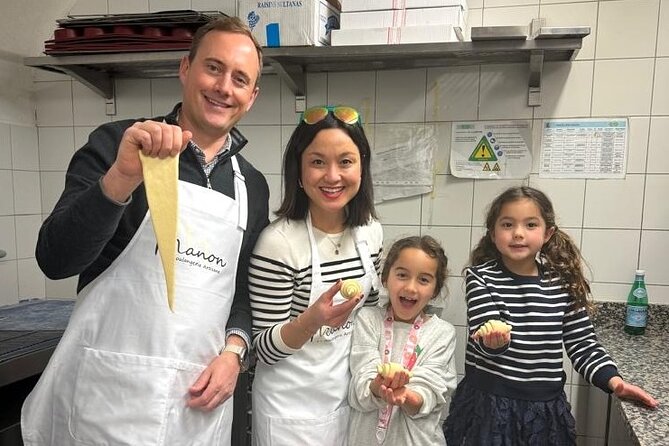
Tasting is built into the experience. You sample the savory and sweet items made during the session, and some groups received extra bread and pastries to take home.
This is one of the best reasons to book the activity in the morning or around a meal, though the exact start time is not provided here. Fresh bread has a way of becoming lunch. Bring an extra bag if you hope to carry home several items, since groups have left with baguettes, cakes, croissants, and other bakery treats.
The tasting also gives the technical lesson a purpose. You can connect a crisp crust with the shaping and baking process. You can compare the texture of a croissant with a small cake. You can see how butter, flour, fermentation, and sugar change the result.
A few people felt the recipes and measurements were not detailed enough. That is fair criticism if you want to reproduce the food precisely at home. The activity explains how the bakery works and lets you take part, but it does not promise a complete printed recipe collection.
Why the guide matters so much
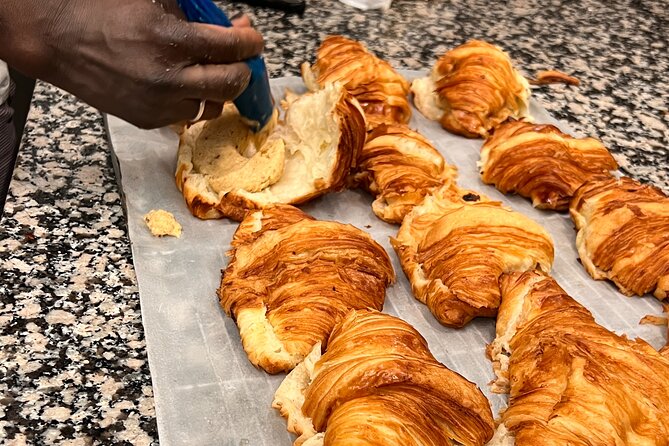
The guide can make or break a small group activity. A good host keeps the class moving, watches the clock, explains unfamiliar terms, and makes sure no one is pushed to the side.
Yeju was praised for giving everyone a turn while keeping the lesson funny and organized. Valentina was especially effective with children and adults together. David worked well with children ages ten and fourteen, and also made younger participants feel involved. Clara helped an experienced home baker pick up new ideas, while Pierre was described as warm and engaging.
The experience also works for solo visitors. One solo participant felt included even though the rest of the group was not traveling alone. That is a real advantage in a hands-on class, where an awkward partner arrangement can make the activity uncomfortable.
The guide is not always the baker or bakery owner. One session made that distinction clear: Pierre was a friendly tour guide, but not the person actually baking professionally. If you want instruction from a French baker who teaches every technical step, confirm the format before booking.
A good Paris activity for families
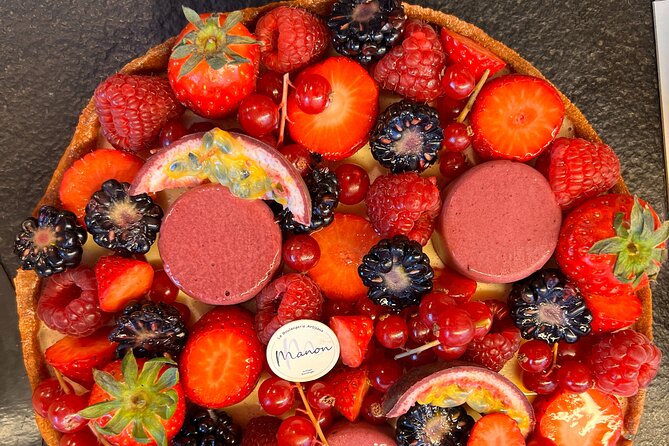
This is one of the better choices for a family looking to break up a museum-heavy Paris schedule. Children can roll dough, shape bread, mix cake batter, and watch the bakery process at close range.
Past sessions worked well for children around five and older, though children under five may attend free but cannot take part in the hands-on baking because of safety concerns. All children must be accompanied by an adult.
The class also suits a multigenerational group. Grandparents, parents, and children can all take part without needing advanced baking skills. The guides use humor and simple explanations, while the tasting gives younger children a clear reward for paying attention.
Do remember that a bakery is warm and floury. You stand for much of the session, and the area near the ovens can be hot. Comfortable shoes and clothes you do not mind getting dusty are sensible.
Is $108.89 a fair price?
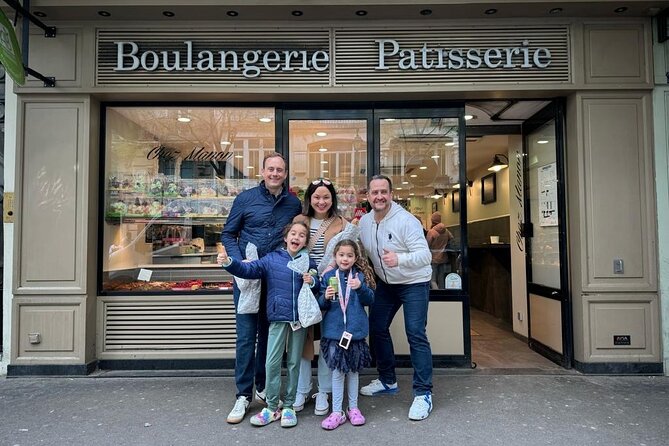
At $108.89 per person, this is not a cheap snack stop. You are paying for a small group, an English-speaking guide, access to a working bakery, hands-on instruction, and the food you make.
The value is strongest if you want an activity rather than a meal. For two hours, you get a behind-the-scenes look at French baking and a chance to work with dough instead of simply eating a croissant at a café. If you leave with several loaves and pastries, the food adds practical value, though I would not book it solely to save money on breakfast.
The price feels less convincing if your main goal is to learn exact recipes. Some components are prepared ahead of time, and the class may not include precise measurements or every stage of mixing and proofing. A dedicated baking school would be a better fit for serious home bakers who want a complete method.
The eight-person maximum is important here. It gives you a better chance to handle dough and ask questions than a large demonstration would. Still, one session felt crowded, so the actual amount of personal workspace may depend on the bakery layout and the group present.
Timing, access, and practical details
The activity lasts about two hours and ends back at the meeting point. Confirmation is provided when you book, and the mobile ticket makes it easy to keep the details on your phone.
Plan for stairs: the bakery is on the second floor, up 15 steps, with no elevator. The activity also requires prolonged standing, so it may not suit anyone who needs frequent seating or has trouble with stairs.
Service animals are allowed. Children are welcome with an accompanying adult, but children younger than five cannot participate in the hands-on portion for safety reasons.
Free cancellation is available until 24 hours before the start time for a full refund. Cancellations or changes made less than 24 hours before the start are not refunded, and the cutoff follows Paris local time.
One practical point deserves attention: the supplied information describes the French bakery experience as covering baguettes and croissants, but one unhappy participant had apparently booked a macaron class instead. Confirm the exact class name and inclusions in your confirmation email so you arrive expecting the right lesson.
Who should book this baking experience?
I would recommend it to you if you want an active food experience in Paris, especially if you are traveling with children, visiting as a couple, or looking for something beyond monuments and museums.
It is also a good fit for curious beginners. You get enough explanation to understand the basic building blocks of bread and pastry, and you do not need to know how to knead, shape, or laminate dough in advance.
Experienced home bakers can enjoy it too, but should set the right expectation. The class may teach useful ideas about flour, gluten, baguette shapes, and bakery workflow, yet it may not provide a full recipe or detailed technical formula.
I would hesitate if you dislike standing, cannot manage stairs, or expect a quiet, spacious cooking studio. I would also look elsewhere if your only goal is to learn complete croissant lamination from start to finish.
Should you book the Paris Baking Insider Experience?
Book it if you want to step into a working Paris bakery, handle dough, taste fresh bread, and share a relaxed activity with family or friends. The small group and strong guides make it personal, and the food you take away can turn into an impromptu dinner.
Do not book it expecting a formal pastry-school course with printed recipes and every ingredient measured in front of you. The experience is best understood as a guided look at French bakery life with real participation, not a fully structured professional lesson.
For many visitors, that is exactly the point. You leave with a better eye for baguettes, a basic sense of how croissants get their layers, and a bag that may be full of bread.
FAQ
Where does the Paris Baking Insider Experience begin?
It begins at 25 Rue de Bretagne, 75003 Paris, France. The activity ends back at the same meeting point.
How long does the experience last?
The baking experience lasts approximately two hours.
How many people can join the group?
The maximum group size is eight people.
Is the experience offered in English?
Yes. The experience is offered in English and includes an expert guide.
Can children participate?
Children may attend with an adult. Children under five can join free of charge, but they cannot take part in the hands-on baking portion because of safety concerns.
Is the bakery accessible by elevator?
No. The bakery is on the second floor and requires climbing 15 steps. There is no elevator, and you must be able to stand for an extended period.
What is the cancellation policy?
You can cancel at least 24 hours before the start time for a full refund. Cancellations or changes made less than 24 hours before the start time are not refunded.
Newest additions around Paris
- Family escape Game with kids and teens on the Île de la Cité★ 4.5 · 11 reviews
- Private Photoshoot with the Iconic Eiffel Tower in Paris★ 5.0 · 11 reviews
- 2-day Private Mont Saint-Michel, 3 Loire Castles, D-Day Express★ 4.5 · 11 reviews
- Paris: Batobus Hop-On Hop-Off Cruise & Landmarks Audio Tour★ 3.0 · 11 reviews
- Paris Revolutionary Walking Tour: Iconic French Sights & Stories★ 5.0 · 11 reviews
- Guided and Private Tour of 3 hours through Paris aboard a Citroën 2cv★ 5.0 · 11 reviews
- Kids in the Kitchen – CrOisSaNtS★ 4.0 · 11 reviews
- Segway tour Capital sites★ 5.0 · 11 reviews
Notre-Dame & Sainte-Chapelle Tours, compared.

Paris Île de la Cité and Notre-Dame Walking Tour With Crypt
Read our review →

Notre-Dame Cathedral Exterior Tour & Free Entrance
Read our review →
Paris Highlights Bike Tour: Eiffel Tower, Louvre and Notre-Dame
Read our review →
Early Access Paris Notre Dame Cathedral Walking Tour
Read our review →
Sainte-Chapelle, Conciergerie, Notre Dame Guided Tour
Read our review →
Notre Dame Outdoor Tour with Sainte-Chapelle / Crypt.
Read our review →
Notre Dame Outdoor Walking Tour and Entrance to Sainte Chapelle
Read our review →Browse the lists this tour appears in