Reviewed · TOURS
Paris Bakery Tour
The best part of this Paris bakery tour is the rare look behind the counter at a working French boulangerie. You watch dough being mixed, kneaded, shaped, and baked, then taste a baguette while it is still warm. The small group, limited to eight, keeps the visit personal, and guides such as Louise take time to explain both baking and French food culture.
I like two things in particular: you see the full path from dough to finished loaf, and you leave with a practical goodie bag containing one baguette and one croissant per person. The main consideration is scope. At only one hour, the focus is strongly on baguettes, so you may want more pastry-making time if croissants and cakes are your main interest.
In This Review
- Key points at a glance
- Inside Le Grenier à Pain on Rue Caulaincourt
- The baguette lesson, from dough to oven
- What you taste during the hour
- Meeting the master baker and guide
- Why the small group matters
- Fitting the tour into your Paris day
- Who will get the most from it
- Booking details and practical expectations
- Is the Paris Bakery Tour worth booking?
- FAQ
- Where does the Paris Bakery Tour begin?
- Where does the activity end?
- How long does the bakery tour last?
- What languages are available?
- How many people can join the tour?
- What food is included?
- Can I cancel for a full refund?
Key points at a glance
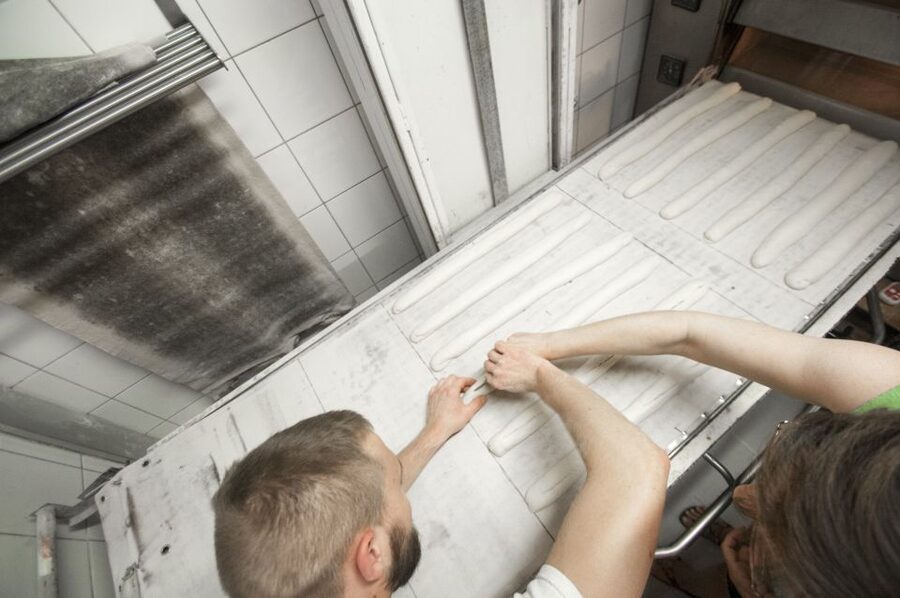
- Watch a signature baguette take shape: The baker demonstrates mixing, kneading, shaping, and baking techniques passed down through generations.
- Enter a real Paris boulangerie kitchen: This is a behind-the-counter experience, not just a pastry tasting at the front shop.
- Taste bread fresh from the oven: The warm baguette is part of the experience, along with samples of other baked goods.
- Keep the group small: A maximum of eight people makes it easier to hear the guide and ask questions.
- Take home breakfast supplies: Each person receives one croissant and one baguette in the goodie bag.
- Start your day with food and culture: An early time works well before sightseeing, especially if you want a practical introduction to French baking.
Inside Le Grenier à Pain on Rue Caulaincourt
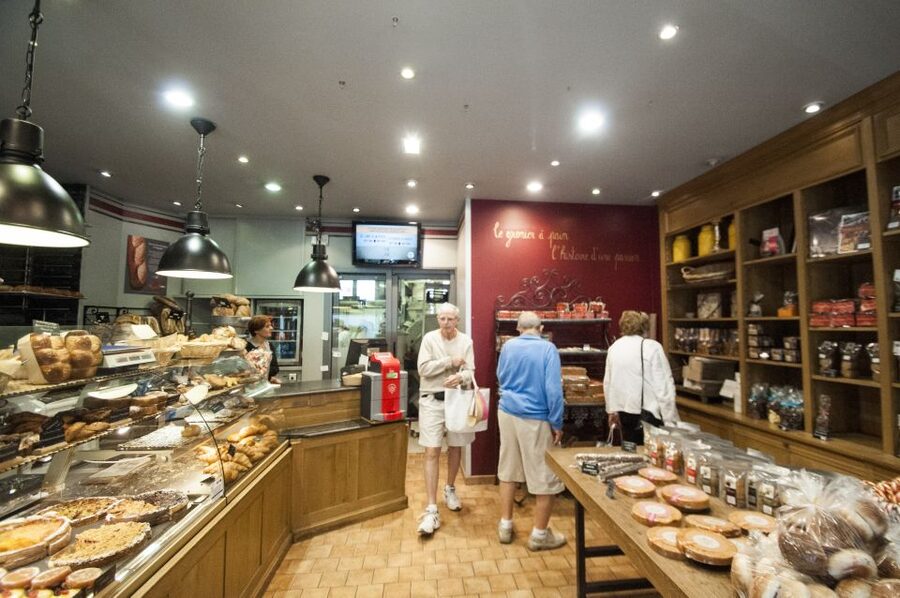
Your meeting point is Le Grenier à Pain, 127 Rue Caulaincourt, 75018 Paris. This detail matters because several Paris bakeries share the Le Grenier à Pain name. Put the full street address into your plans, not just the bakery name.
The activity begins and ends at the same bakery. That makes the tour easy to fit into a day in the 18th arrondissement. You do not need to arrange transport between multiple stops, and you can continue exploring the neighborhood after the baking session.
The bakery is a working boulangerie, so the appeal comes from seeing production where it normally happens. You are not simply standing in a classroom with ingredients laid out for display. You step behind the counter and watch the baker work in the kitchen.
That access is limited to a small group of eight. I consider this one of the tour’s strongest features. In a crowded demonstration, the details of dough texture and shaping can disappear. With fewer people, you have a better chance of seeing the process clearly and asking about the baker’s methods.
More of the most booked days out in Paris:
- Paris: Louvre Museum Timed-Entrance Ticket
★ 4.6 · 71,977 reviews - Disneyland® Paris 1-Day Ticket
★ 4.6 · 49,412 reviews - Paris: Versailles Palace and Gardens Full Access Ticket
★ 4.6 · 41,579 reviews
The baguette lesson, from dough to oven
The central demonstration follows the making of a classic French baguette. The guide explains the steps while the master baker works through the process, including mixing the dough, kneading it, shaping it, and placing it in a special baguette oven.
This sequence gives you more than a quick look at a finished loaf. You see how much depends on handling the dough before it ever reaches the oven. The shaping stage is especially useful because a baguette’s familiar long form is not simply the result of cutting dough into a tube.
The baker also explains that baguettes come in different forms and that he has his own signature baguette. The experience presents the loaf as part of everyday French life, not as a decorative symbol reserved for visitors. That context helps explain why bread is such a visible part of daily routines in France.
The techniques are described as having been passed down through generations. You will not leave with a full professional baking qualification after an hour, but you should come away with a clearer idea of why French bread depends on method, timing, and the baker’s touch.
The strongest moment comes when the baguette leaves the oven warm and golden. You taste it fresh, while the smell of newly baked bread fills the kitchen. That simple sample is more useful than a polished explanation alone because you can connect the baker’s technique with the final crust and texture.
What you taste during the hour
Baguette is the main subject, but the tasting includes different baked goods and small cakes. You also see some of the baker’s distinctive pastries and breads. The exact selection can vary, so you should think of the tasting as an introduction to the bakery’s work rather than a fixed pastry menu.
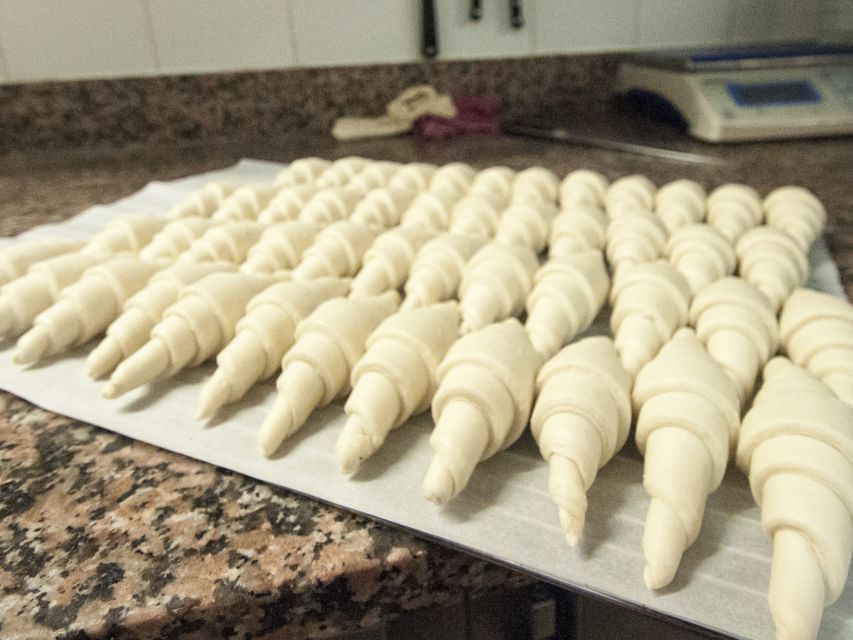
The fresh baguette is the heart of the tasting. It gives the session a clear purpose and keeps the experience tied to the bakery’s daily production. You also receive a croissant to take away, which adds a second classic French bakery item without turning the tour into a full croissant-making class.
If your priority is learning the detailed technique behind laminated pastry, this may feel limited. One person who enjoyed the tour still wished there were more demonstrations of other baked goods instead of concentrating so heavily on baguettes. That is a fair point, and you should book with the right expectation: this is primarily a baguette experience with pastry tasting, not a hands-on croissant workshop.
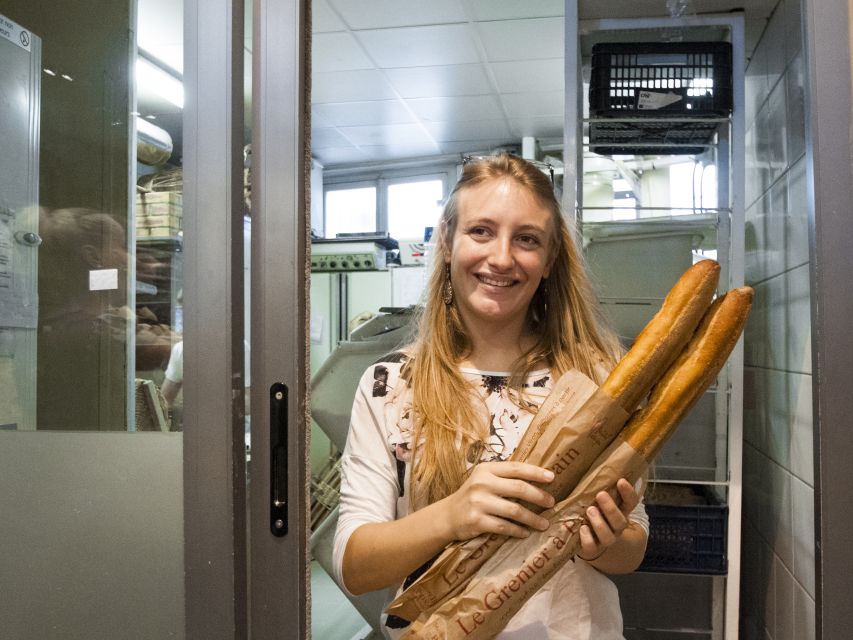
The goodie bag improves the value. Each person receives one baguette and one croissant. You can enjoy them later, perhaps as a simple breakfast or snack, and the food helps make the tour feel like more than an hour spent watching someone else bake.
Meeting the master baker and guide
The guide provides the cultural and practical explanation while the baker handles the production. That division works well. The baker shows the physical skill, and the guide connects it to French baking traditions, bakery life, and the details you might otherwise miss.
Guide Louise has been praised for explaining the process clearly, answering questions, and making the behind-the-scenes visit comfortable. Another guide was described as charming and especially good at discussing the important parts of a Paris bakery. The available languages are English, French, and Japanese, so check the selected time and language when you book.
The baker’s role is not limited to performing a demonstration. Families may appreciate that children who show interest can sometimes take part in parts of the process, depending on what the baker permits during the visit. That detail is not a guarantee of a hands-on activity, but it suggests that the session can be engaging for children rather than purely observational.
The best guides do more than translate baking steps. They explain why the baguette matters, how bakery work fits into French daily life, and what makes one loaf different from another. That cultural layer is important because it turns the visit into a short look at Parisian food habits, not just a lesson in ingredients.
A different way to spend the day in Paris:
- Paris: Arc de Triomphe Rooftop Tickets
★ 4.6 · 34,264 reviews - Paris: Orsay Museum Entry Ticket
★ 4.7 · 25,647 reviews - Paris: Evening River Cruise with Music
★ 4.4 · 22,721 reviews - Paris: Eiffel Tower Entry Ticket with Optional Summit Access
★ 4.4 · 20,035 reviews
Why the small group matters
Eight people is a useful limit for this type of activity. The kitchen is a working space, and a large crowd would make it harder to see the baker’s hands during shaping or to hear the explanations over the equipment.
You can also ask more direct questions in a small group. If you are curious about the baker’s signature baguette, the role of butter in croissants, or the differences among French breads, this format gives you a better chance of getting an answer.
The small size does not mean the tour is hands-on from start to finish. The main format is watching and tasting. You are there to observe the baker’s technique, with occasional participation possible, rather than to make an entire batch yourself.
That distinction helps you judge the price. At $74 per person, the tour is not the cheapest way to eat bread in Paris. You are paying for access to a working bakery, a guide, a small group, the demonstration, tastings, and the food to take away. For someone who values food culture and behind-the-scenes access, that package can be worthwhile. If you simply want a good croissant and baguette, buying them at a bakery will cost much less.
Fitting the tour into your Paris day
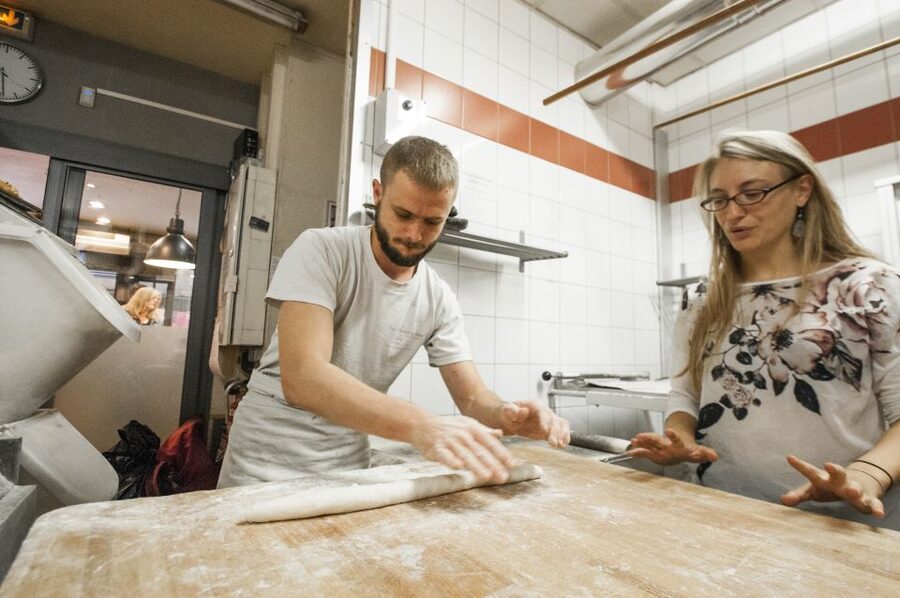
The activity lasts one hour, and starting times depend on availability. An early session is a smart choice if you want to build your sightseeing day around it. You get a warm baguette and croissant to carry on, and the tour ends where it began.
The timing also limits what can be covered. The baker demonstrates several important stages, but the tour cannot show every part of French bakery production in depth. Bread dough often requires long periods of resting and preparation, while the tour gives you a compact view of the active steps.
For that reason, I would not book this as your only food experience in Paris. Pair it with time to eat at a café, visit a market, or explore the 18th arrondissement. The bakery tour gives you the making process. The rest of your day can show you how bread and pastries fit into ordinary meals.
Be careful when entering the address into your schedule. The name Le Grenier à Pain appears at more than one Paris location, and the correct meeting point is specifically 127 Rue Caulaincourt. Since the tour returns to the meeting point, you can plan the next part of your day from there.
Who will get the most from it
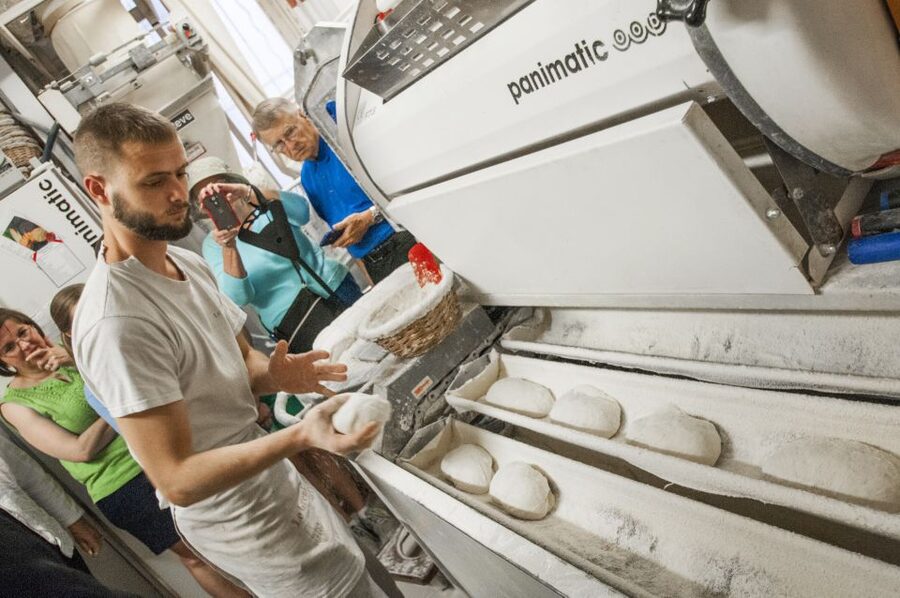
This experience suits you if you enjoy seeing how familiar foods are made. It is especially useful for first-time visitors who want a short, clear introduction to French bakery culture without committing half a day to a cooking class.
Families can also find it appealing. The small group, the warm bread, and the chance for interested children to participate in some processes give the visit a direct, sensory quality. Still, keep in mind that the main activity is a demonstration, so children who need constant hands-on action may find the hour less exciting.
Food-focused visitors will appreciate the baker’s personal approach to the signature baguette. You can pay attention to details such as shaping, oven work, and the differences among bread styles. The guide’s explanations add useful context for what you see.
This may not be the right choice if you want a full pastry workshop, a long tasting session, or a tour covering several bakeries. It stays in one bakery, lasts one hour, and gives baguettes the most attention.
Booking details and practical expectations
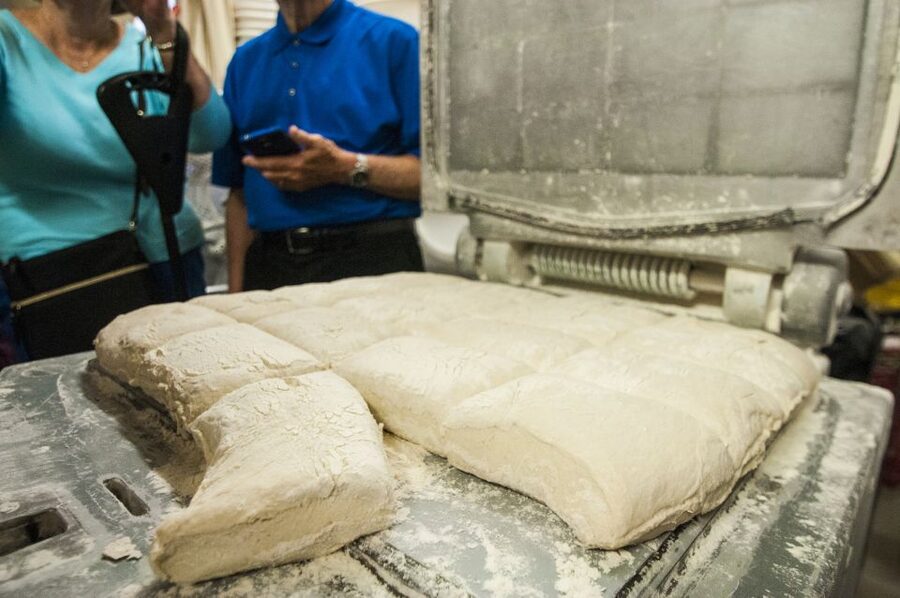
The tour includes a guide, tastings, and a goodie bag. It is offered in English, French, and Japanese. The group is limited to eight participants, and the activity begins and ends at the listed bakery.
You can cancel up to 24 hours before the start time for a full refund. The reserve-now, pay-later option lets you hold a place without paying immediately, which can help while you are still arranging a Paris schedule.
Space is limited. If a date cannot fit the size of your booking, you may be offered another date. If that alternative does not work for you, the full amount is refunded.
The overall rating is 4.4 from 52 ratings, which fits the experience’s strengths and limits. The most consistent praise centers on the guide, the friendly baker, the behind-the-scenes access, and the quality of the bread and pastries. The one clear reservation is that some people would prefer more time spent on pastries and other products.
Is the Paris Bakery Tour worth booking?
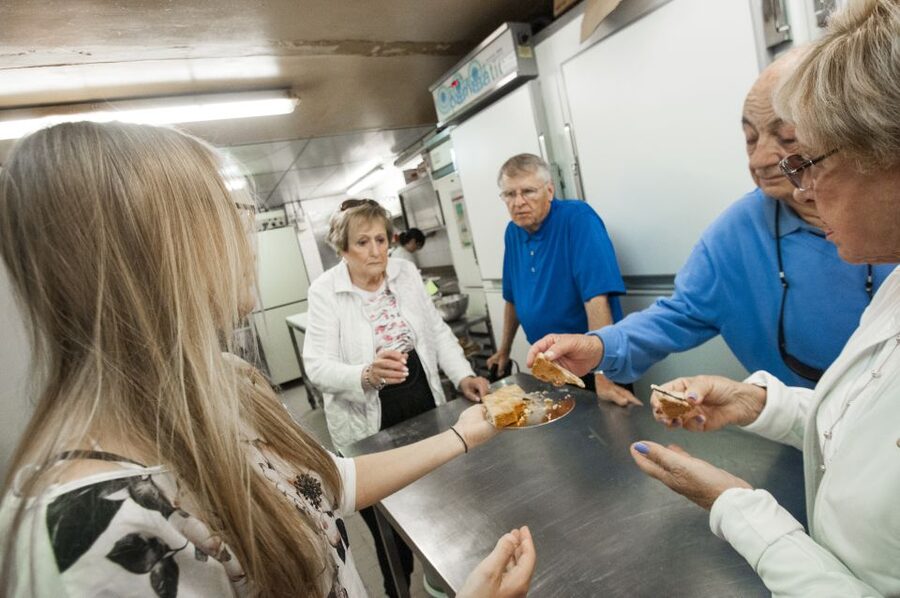
Book it if you want a compact, personal look at French bread-making and like the idea of stepping into a real bakery kitchen. The fresh baguette tasting, the small group, and the baguette-and-croissant goodie bag give the hour a satisfying shape.
Think twice if your main goal is learning to make croissants yourself. You will see and taste pastries, but the detailed demonstration centers on baguettes. At $74, the value depends on how much you care about access, explanation, and the baker’s technique.
My practical choice would be an early time, especially if you enjoy starting a sightseeing day with food. Confirm the Rue Caulaincourt address, choose a language that suits you, and leave room in your plans to explore the surrounding 18th arrondissement afterward.
FAQ
Where does the Paris Bakery Tour begin?
It begins at Le Grenier à Pain, 127 Rue Caulaincourt, 75018 Paris. Several bakeries in Paris share the Le Grenier à Pain name, so use the complete address.
Where does the activity end?
The tour ends back at the meeting point, at the same bakery where it begins.
How long does the bakery tour last?
The activity lasts one hour. Starting times vary, so check availability when choosing a date.
What languages are available?
The live guide service is available in English, French, and Japanese.
How many people can join the tour?
The tour is limited to eight participants, making it a small-group experience.
What food is included?
You receive tastings during the visit and a goodie bag with one croissant and one baguette per person.
Can I cancel for a full refund?
Yes. You can cancel up to 24 hours in advance for a full refund.
Newest additions around Paris
- Family escape Game with kids and teens on the Île de la Cité★ 4.5 · 11 reviews
- Private Photoshoot with the Iconic Eiffel Tower in Paris★ 5.0 · 11 reviews
- 2-day Private Mont Saint-Michel, 3 Loire Castles, D-Day Express★ 4.5 · 11 reviews
- Paris: Batobus Hop-On Hop-Off Cruise & Landmarks Audio Tour★ 3.0 · 11 reviews
- Paris Revolutionary Walking Tour: Iconic French Sights & Stories★ 5.0 · 11 reviews
- Kids in the Kitchen – CrOisSaNtS★ 4.0 · 11 reviews
- Guided and Private Tour of 3 hours through Paris aboard a Citroën 2cv★ 5.0 · 11 reviews
- Paris: Ghosts and Dark Stories Guided Walking Tour★ 4.1 · 11 reviews
Tours, compared.

Louvre Guided Tour with Reserved Access & Boat Cruise
Read our review →
Big Bus Hop-On Hop-Off Tour with Optional Cruise
Read our review →
Louvre Museum Masterpieces Guided Tour with Access
Read our review →
Skip-the-Line Tour of Palace with Gardens Access
Read our review →
Mona Lisa & Louvre Masterpieces Tour with Reserved Access
Read our review →
Paris Big Bus Hop-On Hop-Off Tour with Optional River Cruise
Read our review →
Louvre Museum – Exclusive Guided Tour (Entry Included)
Read our review →