
Reviewed · WINE & CHEESE TASTINGS
Paris Art of Pairing Cheese and Wine Tasting in a Cheese Cellar
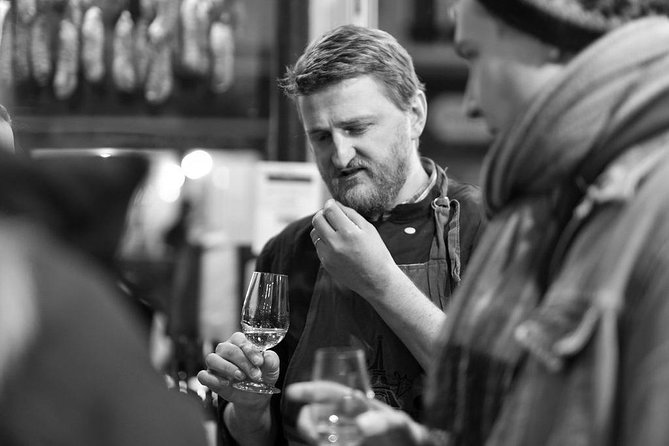
Paris has a fine way of making lunch feel like a cultural lesson. At this tasting, you put on a protective suit, walk into a cool cheese cellar, and see wheels and blocks ripening in conditions that help shape their flavor. Then you taste seven cheeses with three wines and fresh baguette.
I like the small group of no more than 12 and the chance to learn from a real cheese and wine specialist rather than follow a generic tasting script. I also like the practical payoff: after 90 minutes, you can approach a French cheese shop and a Paris wine list with much more confidence.
The main thing to know is that this is more cheese class than formal wine seminar. You spend time on cheesemaking, regions, and aging, while the wine pairings support the cheese rather than receive equal attention. The cellar is cold and reached by stairs, so dress sensibly.
In This Review
- Key Points Before You Book
- Inside the Living Cheese Museum on Île Saint-Louis
- Suited Up for the Cool Cellar
- Seven Cheeses, Cut Fresh for the Table
- How Much Wine Education Should You Expect?
- A Small Group Makes the Difference
- What the $84.69 Price Buys You
- The Best Place in Your Paris Schedule
- Who Should Book This Cheese Cellar Experience?
- FAQ
- Where does the cheese and wine tasting begin?
- Where does the activity end?
- How long does the tasting last?
- How many people can join the group?
- What food and drink are included?
- Is the experience offered in English?
- Is the cellar accessible without stairs?
- What should I wear for the cellar?
- What is the cancellation policy?
- Should You Book It?
Key Points Before You Book
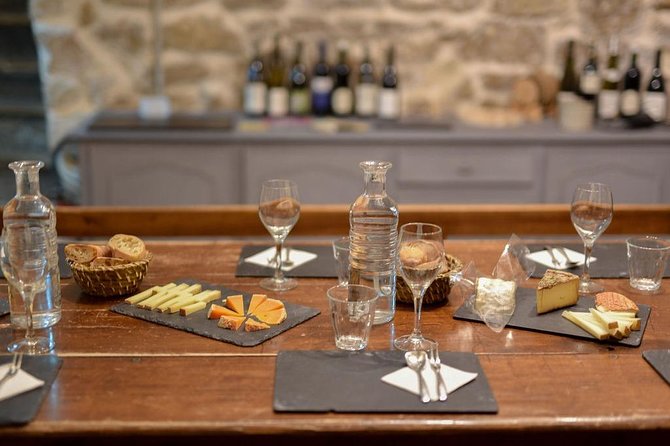
- Seven cheeses and three wines: Taste fresh-cut cheeses such as Gruyère, bôfavre, Camembert, Etivaz, and Beaufort with selected French wines.
- A working-style cheese cellar: Wear the provided hygienic suit and see large ripening wheels, rolls, and blocks, some weighing up to 77 pounds.
- A small, personal setting: Groups are capped at 12, and some sessions are much smaller.
- Guides who teach, not just pour: Pierre, Gabriel, Agathe, Paul, Dion, and others have led sessions, with a strong focus on explaining cheese.
- Useful Paris food advice: The tasting can help you read menus, choose cheese, and match wine during the rest of your stay.
- A cold, stair-access cellar: Warm clothing is wise, and the underground room is not suitable for anyone unable to manage stairs.
Inside the Living Cheese Museum on Île Saint-Louis
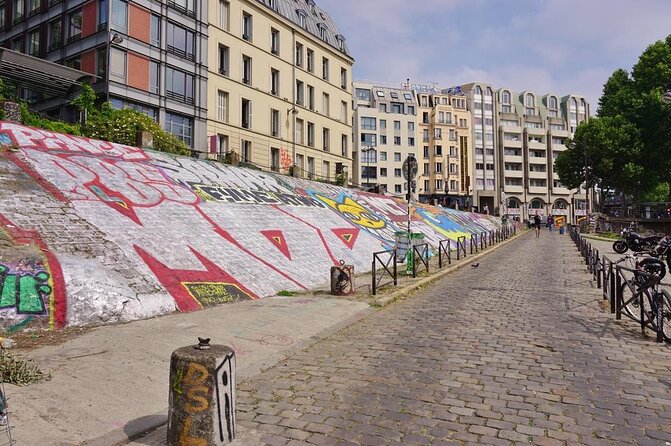
The experience begins at Musée Vivant Du Fromage, at 39 Rue Saint-Louis en l’Île in the 4th arrondissement. This is a handy central meeting point on Île Saint-Louis, close to public transportation and easy to combine with a walk through the historic heart of Paris.
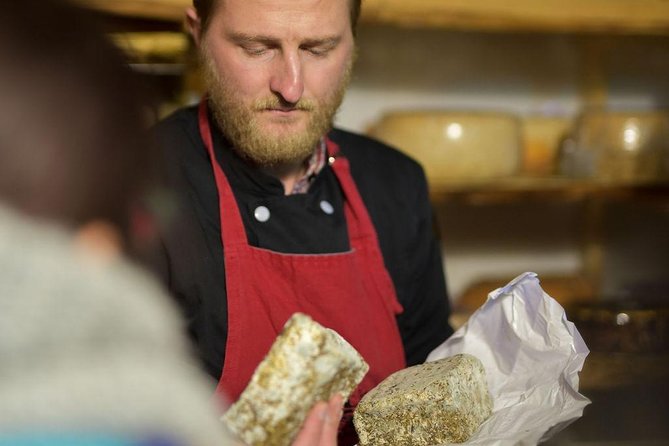
You meet your guide at the specialty cheese shop before moving into the cheese-making and aging area. The opening portion explains how French cheese is made and why the maturing stage matters. That background is not filler. It helps you understand why two hard cheeses can taste completely different, or why a soft cheese changes as it ripens.
The guides bring plenty of personality to this part of the visit. Pierre is described as patient and warm, while Gabriel is praised for keeping the class lively. Agathe is especially associated with strong enthusiasm for cheese, and Paul has led relaxed sessions with a clear teaching style. Your guide will vary by date, but the format depends heavily on that person’s ability to make technical details easy to follow.
You may see cheese regions discussed alongside methods of production, milk types, and aging. The goal is not to memorize a list of French appellations. It is to give you a simple framework for making sense of what you see in a fromagerie.
One honest note: the educational portion can take a sizable share of the experience. If you book this expecting 90 minutes of constant wine tasting, you may feel the balance is off. If you enjoy learning how food is made, the opening section adds real value.
More wine and cheese tastings in Paris:
- Montmartre Hill French Gourmet Food and Wine Tasting Walking Tour
★ 5.0 · 2,588 reviews - From Paris: Loire Valley Castles Day Trip With Wine Tasting
★ 4.6 · 1,727 reviews - Paris Le Marais District Original Food and Wine Tasting Tour
★ 4.5 · 880 reviews
Suited Up for the Cool Cellar
Before entering the cellar, you receive a protective suit. It is provided for hygiene and helps protect the delicate cheeses from outside conditions. The suit also makes the visit feel more like a behind-the-scenes food experience than a standard shop tasting.
The cellar is cool, as it needs to be. Bring a sweater or light jacket even if Paris is warm above ground. The room is accessible only by stairs, so this is an important practical point for anyone with limited mobility.
Inside, you see blocks, rolls, and wheels at different stages of ripening. Some are very large, reaching about 77 pounds, or 35 kilograms. The sight gives you a better sense of cheese as an agricultural product rather than a few neat wedges in a supermarket display.
The cellar setting is one of the strongest parts of the activity. You are not simply told that temperature and time matter. You are standing in the place where those conditions are managed. That makes the lesson easier to remember when you later inspect a cheese counter in Paris.
Still, the cellar is a working food space, not a polished dining room. Expect a cool, functional atmosphere and stairs rather than a comfortable restaurant setting. That trade-off is part of the appeal for many people, but it is worth knowing in advance.
Seven Cheeses, Cut Fresh for the Table
The tasting includes seven cheeses, with selections that can include Swiss Gruyère, bôfavre from the Jura Mountains, Camembert, Etivaz from the Alps, and Beaufort made with raw cow’s milk. The exact presentation can vary, but the selection gives you a useful spread of textures and styles.
Gruyère and the other Alpine cheeses show how firm cheeses can carry nutty, savory, and fragrant notes. Camembert offers a softer contrast, with a delicate texture and a stronger aroma. Bôfavre brings another example from Switzerland’s Jura region, while Etivaz and Beaufort help connect cheese to mountain farming and raw milk production.
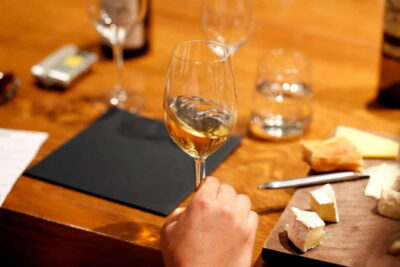
You are not expected to eat each piece in the same way. The guide explains what to notice, such as texture, aroma, salt, firmness, and the effect of aging. Take a small bite first, then try the wine, and taste the cheese again. That simple comparison shows how the pairing changes your impression.
Fresh cuts matter here. Cheese tastes better when it has not been sitting in a thin, dry slice for too long, and cutting from a larger block makes the tasting feel more connected to the cellar you have just seen.
Fresh baguette completes the plate. It is listed with a little humor as dessert, but it serves a practical purpose too. Bread gives your palate a neutral base between samples and turns the tasting into something more filling than a series of tiny bites.
How Much Wine Education Should You Expect?
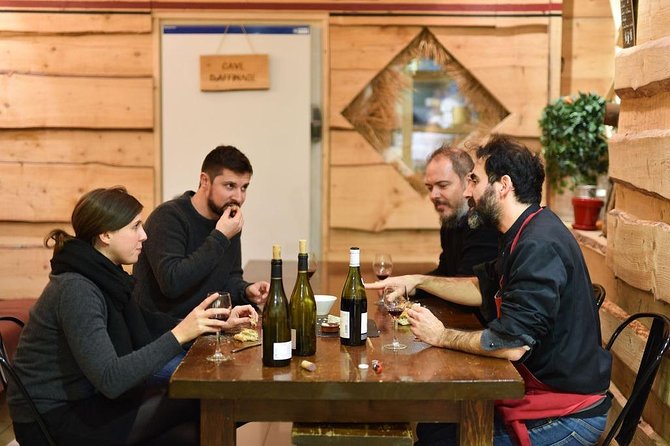
Three wines are paired with the cheese. The intended method is straightforward: alternate a bite of fromage with a sip of wine and pay attention to which flavors become softer, sharper, or more pronounced.
The wine portion is useful, but you should set your expectations correctly. The strongest teaching centers on cheese, with wine used to show complementary flavors. This is not a sommelier certification class, and it does not appear designed for a detailed study of vineyards, vintages, or winemaking.
For most visitors, that balance works. You get enough guidance to understand why a particular wine suits a firm, salty, or creamy cheese, without spending the whole afternoon on technical wine vocabulary. You can also carry the basic lesson into Paris restaurants, where a server may ask what kind of wine you prefer with a cheese course.
The activity is offered in English, which helps if you are still learning French food terms. One of the useful benefits is help with menus in another language. You may not leave speaking perfect French, but you should feel less uncertain about words such as fromage, lait cru, affinage, and the names of regional cheeses.
The minimum drinking age is 18. Anyone under that age cannot take part in the alcoholic tasting as described, so families should check carefully before booking.
More wine experiences around Paris:
- Paris: Moulin Rouge Cabaret Show Ticket with Champagne
★ 4.7 · 16,088 reviews - Authentic Parisian Gourmet Food Tour with 10 Local Dishes & Wines
★ 5.0 · 4,754 reviews - Loire Valley Castles Day Trip from Paris with Complementary Wine
★ 4.5 · 3,907 reviews - Paris: Montmartre Cheese, Wine & Pastry Guided Walking Tour
★ 4.8 · 2,255 reviews
A Small Group Makes the Difference
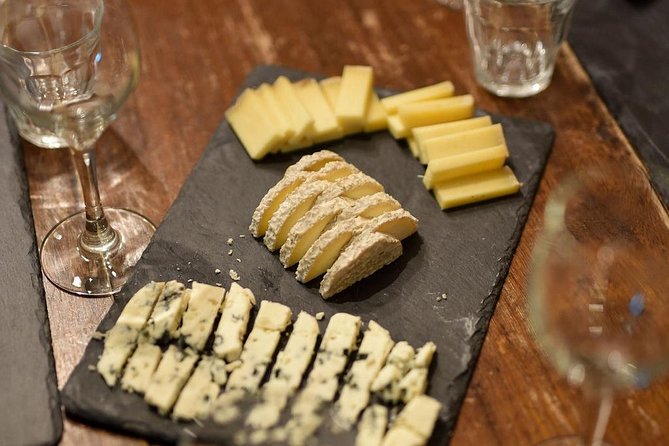
The maximum group size is 12. That is small enough for direct questions and conversation, without the awkwardness of a large bus group crowded around a counter.
Some sessions may be smaller still. One reported class had only one participant, creating a very personal lesson. Other groups ran around nine or ten people, which is still a comfortable size for an indoor tasting.
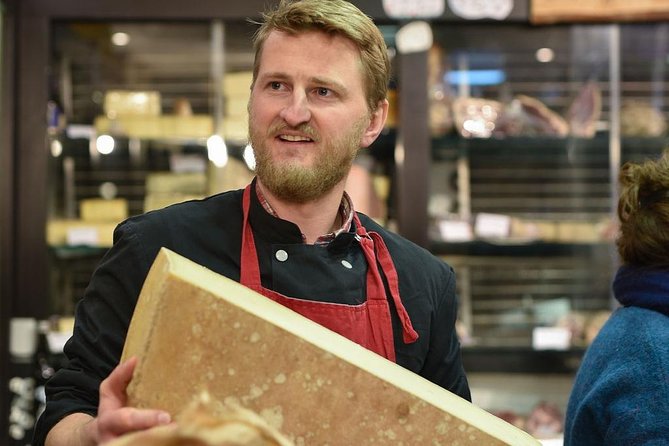
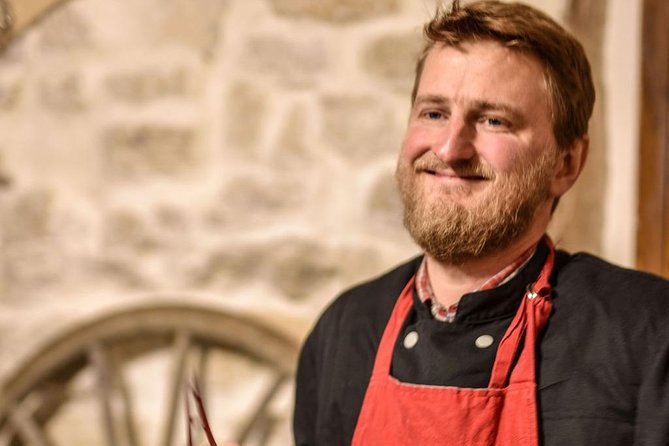
The guide names associated with the experience include Pierre, Gabriel, Agathe, Paul, Dion, and Galina. The repeated praise for these hosts centers on warmth, enthusiasm, and the ability to explain cheese in an engaging way. That matters because the same cheeses can seem ordinary if presented without context.
A small group also lets the guide adjust the pace. You can ask why one cheese smells stronger than another, how to store cheese, or what to order in a Paris restaurant. The advertised benefit of tailored foodie tips is most useful when you take advantage of that chance to ask.
This is a social activity, but it is not a loud party. The format leans toward teaching and conversation, with food and wine providing the focus.
What the $84.69 Price Buys You
At $84.69 per person, the experience is not a cheap snack stop. You are paying for more than the cheese and wine: the cellar access, protective clothing, guided instruction, small group size, and the chance to taste seven cheeses and three wines in a structured way.
I think the price makes the most sense for visitors who would otherwise spend money on several cheese-shop purchases without knowing what to choose. A specialist can give you a useful starting point, explain regional differences, and show you how pairings work before you build your own food stops around Paris.
It is less compelling if you want only a quick tasting plate. The 90-minute session includes explanation and cellar viewing, so a person who wants to eat and leave may find it slow.
Hotel pickup and drop-off are not included. You make your own way to the meeting point and return there at the end. That is easy enough for a central Paris activity, but allow time to find the shop and arrive promptly.
There has been at least one problem with communication after a venue change. A participant went to the original address because the updated information was not seen in time. Check your confirmation and the Viator app shortly before the activity, and verify the meeting point on the day. That small step can prevent you from arriving late and missing the opening lesson.
The Best Place in Your Paris Schedule
I would put this near the beginning of a Paris visit, especially if you plan to eat in traditional restaurants or shop at markets. The basic cheese and wine advice can guide your choices for the rest of the trip.
It also works well as a break between sightseeing stops. You get off your feet, sit down for food and wine, and spend time in a setting that feels more specific to Paris than a standard café stop.
The 90-minute duration is easy to fit into a day. Since the tour begins and ends at the same meeting point, you can plan another nearby activity before or after it. The provided information does not promise hotel transport, so build your schedule around the central meeting location.
This is not the right pick for someone who avoids alcohol, dislikes strong cheese aromas, or cannot use stairs. It may also disappoint a serious wine student who wants equal attention given to wine production and regional wine theory.
For everyone else, the mix is appealing: a little food history, a little behind-the-scenes access, a guided tasting, and practical advice you can use right away.
Who Should Book This Cheese Cellar Experience?
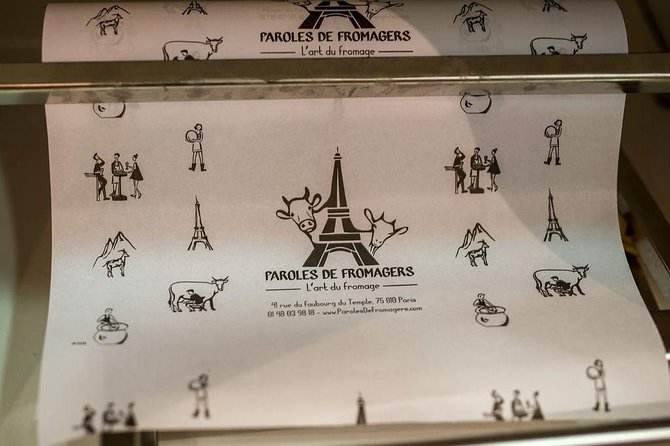
Book it if you enjoy learning where food comes from, want a small group, or feel unsure about ordering French cheese and wine. It is especially good for couples, families with adult children, and food-focused visitors who want more substance than a quick tasting counter.
First-time visitors can use it to get their bearings with French food culture. Repeat visitors may appreciate the chance to see a working cellar and explore cheeses beyond the familiar Brie and Camembert.
I would skip it if you want an elegant, formal wine tasting with detailed discussion of every bottle. The emphasis is cheese, and the teaching portion is significant.
The activity has a 4.9 rating from 386 reviews, with 97 percent recommending it. Those numbers fit the experience as described: the strongest ingredients are the hosts, the intimate group, the cellar, and the generous range of cheese. Just remember that the wine pairing is part of a broader cheese lesson, not the entire show.
FAQ
Where does the cheese and wine tasting begin?
It begins at 39 Rue Saint-Louis en l’Île, 75004 Paris, France, at Musée Vivant Du Fromage.
Where does the activity end?
The experience ends back at the meeting point.
How long does the tasting last?
The activity lasts approximately 1 hour and 30 minutes.
How many people can join the group?
The group has a maximum of 12 participants.
What food and drink are included?
The tasting includes seven cheeses, three wines, and fresh bread.
Is the experience offered in English?
Yes. The activity is offered in English.
Is the cellar accessible without stairs?
No. The cellar is accessible only by stairs.
What should I wear for the cellar?
The cellar can be cold, so warm clothing is recommended. A hygienic protective suit is provided.
What is the cancellation policy?
You can cancel at least 24 hours before the start time for a full refund. Cancellations or changes made within 24 hours are not accepted for a refund. If the provider cancels because the minimum number of participants is not met, you will be offered another date or experience, or a full refund.
Should You Book It?
Yes, if you want a personable introduction to French cheese, a look inside a real aging cellar, and enough wine pairing advice to improve your meals in Paris. The small group and strong guides make the experience feel personal.
Book with two cautions in mind: the cellar is cold and reached by stairs, and the session spends more time teaching cheese than explaining wine. Confirm the meeting address before you go. If those points suit you, $84.69 buys a focused food lesson with plenty to taste and useful knowledge you can take into the rest of your Paris stay.
More Paris food tours
- Paris: Seine Cruise & Crepe Tasting near the Eiffel Tower
★ 4.4 · 11,231 reviews - Normandy D-Day Small-Group Day Trip with Omaha Beach, Cemetery & Cider Tasting
★ 5.0 · 2,786 reviews - Paris: Illuminated Evening River Cruise & Waffle Tasting
★ 4.1 · 2,697 reviews - Devour Paris Ultimate Food Tour
★ 5.0 · 2,087 reviews
More Cheese in Paris
- Private Montmartre Food Tour with Wine, Cheese & Pastries
★ 5.0 · 1,027 reviews - Paris Le Marais Food Tour With 10+ Tastings, Cheese, Wine & More
★ 5.0 · 985 reviews - Paris: Wine and Cheese Lunch
★ 4.9 · 596 reviews - Cheese & Wine Tasting in Montmartre with Local Cheesemonger
★ 5.0 · 470 reviews
Newest additions around Paris
- Family escape Game with kids and teens on the Île de la Cité★ 4.5 · 11 reviews
- Private Photoshoot with the Iconic Eiffel Tower in Paris★ 5.0 · 11 reviews
- 2-day Private Mont Saint-Michel, 3 Loire Castles, D-Day Express★ 4.5 · 11 reviews
- Paris: Batobus Hop-On Hop-Off Cruise & Landmarks Audio Tour★ 3.0 · 11 reviews
- Paris Revolutionary Walking Tour: Iconic French Sights & Stories★ 5.0 · 11 reviews
- Guided and Private Tour of 3 hours through Paris aboard a Citroën 2cv★ 5.0 · 11 reviews
- Kids in the Kitchen – CrOisSaNtS★ 4.0 · 11 reviews
- Paris: Ghosts and Dark Stories Guided Walking Tour★ 4.1 · 11 reviews
Wine & Cheese Tastings, compared.
Montmartre Hill French Gourmet Food and Wine Tasting Walking Tour
Read our review →
Loire Valley Castles Day Trip With Wine Tasting
Read our review →
Paris Le Marais District Original Food and Wine Tasting Tour
Read our review →
Cheese & Wine Tasting in Montmartre with Local Cheesemonger
Read our review →
French Wine, Champagne And Cheese Tasting Paris SECRET WINE DOOR
Read our review →
Food and Wine Tasting Walking Tour in Le Marais
Read our review →Browse the lists this tour appears in