
Reviewed · LE MARAIS TOURS
Marais District of Paris Guided Walking Tour
The best part of this Marais walk is the way it connects several versions of Paris in a small area: royal squares, former aristocratic mansions, Jewish bakeries, art museums, and modern architecture. I like the stop at Place des Vosges, one of the city’s most graceful squares, and the look at the Pletzl, the historic Jewish quarter with its bakeries and small shops.
I also like the small group limit of eight people per guide. Guides such as Eden and Agustina have been praised for making the district’s characters and architecture easy to follow. The main drawback is the amount of walking, plus the fact that the exact meeting point and some stops can vary.
In This Review
- Key points at a glance
- Why the Marais works so well on foot
- Saint Paul and Saint Louis: a strong opening
- The Hôtel de Sully and the noble Marais
- Place des Vosges, the tour’s visual centerpiece
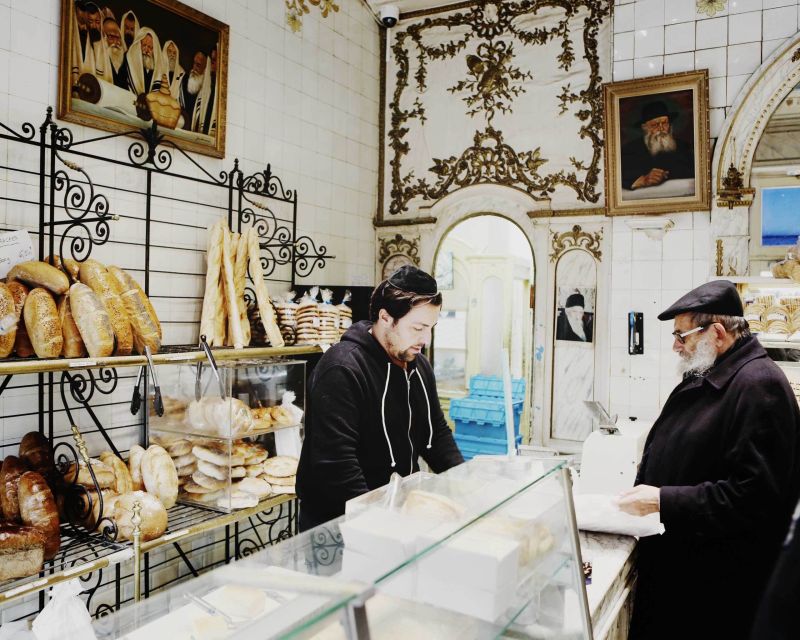
- The Pletzl and the Jewish quarter
- Museums, tombstones, and changing stops
- Hotel de Ville and the Pompidou Center
- Is $53 a fair price?
- Group size, language, and pace
- Who should book this Marais walk?
- Should you book it?
- FAQ
- How long is the Marais District guided walking tour?
- What does the tour cost?
- What sights are included?
- Is Musée Carnavalet guaranteed?
- What languages are available?
- How large is the group?
- What should I bring?
- Can I bring luggage?
- Is the tour wheelchair accessible?
Key points at a glance
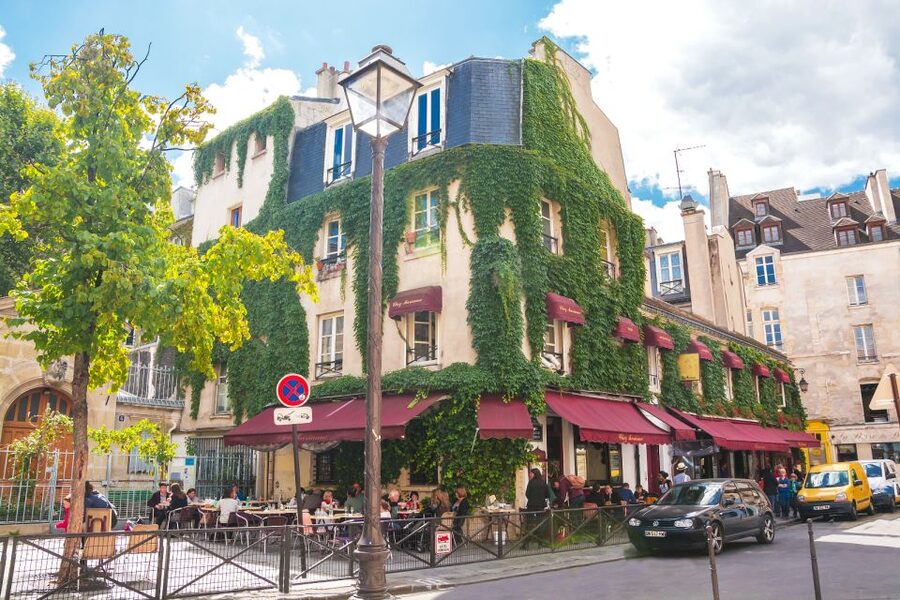
- Place des Vosges: See the Marais at its most polished, with a handsome square shaped by royal planning.
- The Pletzl: Learn about Paris’s Jewish community while walking past bakeries, boutiques, and historic streets.
- Hôtel de Sully: Step into the courtyard of a grand mansion once tied to the city’s noble past.
- Small groups: A maximum of eight people per guide allows more room for questions and conversation.
- A broad time span: The route moves from medieval Paris to royal power, 18th and 19th-century Jewish life, and modern architecture.
- Moderate walking: Bring comfortable shoes, and leave luggage or large bags behind.
Why the Marais works so well on foot
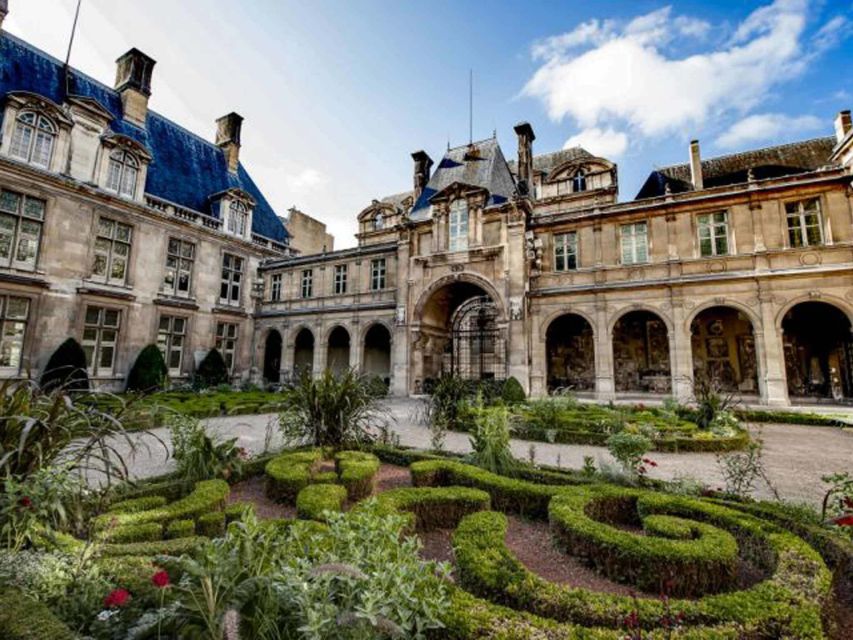
Le Marais is one of the best parts of Paris for a walking tour because its streets hold several layers of the city close together. What was once outside the central area is now one of Paris’s most central districts. In a few blocks, you can move from a church to a noble mansion, then to a Jewish bakery, a museum, or a modern art center.
That compact mix gives this tour a clear advantage. You are not spending much of the 2.5 hours traveling between distant sights. Instead, the guide can use the streets themselves as the subject. The buildings, courtyards, shops, and public squares help explain how the Marais changed over time.
I would choose this walk early in a Paris stay if you want to get your bearings in the district. You will learn where the major sights are, but you will also get the background needed to understand why the area looks and feels different from other parts of central Paris.
The tour is led by a professional art historian, and that matters here. The Marais is not just a collection of pretty façades. Its appeal comes from understanding who built those buildings, who lived there, and how the neighborhood’s population changed. Guides including Eden and Agustina have been singled out for clear explanations and for bringing the architecture and historical figures to life.
More Le Marais walks:
- Award-Winning Paris French Bakery Experience — Le Marais, 4th Arr
★ 4.5 · 1,186 reviews - Paris Le Marais Food Tour With 10+ Tastings, Cheese, Wine & More
★ 5.0 · 985 reviews - Paris Le Marais District Original Food and Wine Tasting Tour
★ 4.5 · 880 reviews
Saint Paul and Saint Louis: a strong opening
The route begins with an introduction to the Marais’s earlier importance, followed by a visit around the Church of Saint Paul and Saint Louis. This gives the tour a useful starting point because the area’s religious buildings help anchor the story before the walk turns toward royal and aristocratic Paris.
I like this sort of beginning. It avoids launching straight into a list of famous addresses. Instead, you first get a sense of how the district developed and why it mattered. The church also provides a change of mood from the surrounding streets, with its formal architecture and long connection to the neighborhood.
The tour is not described as an interior visit to every building, so you should expect the guide to explain many places from the street or courtyard. That is worth keeping in mind if you want a museum-style tour with long indoor visits. This experience is primarily a walking tour, and its strength is the way the guide links one exterior sight to the next.
The Hôtel de Sully and the noble Marais
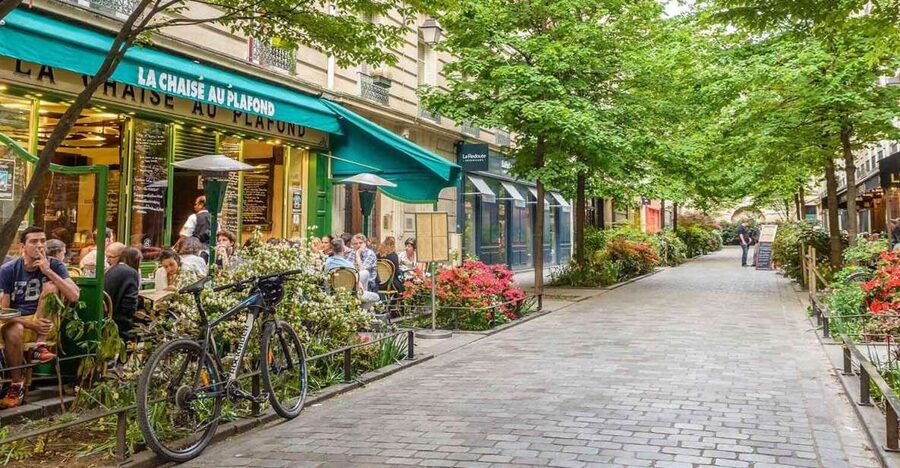
One of the most appealing stops is the courtyard of the Hôtel de Sully. In Paris, the word hôtel often refers to a private mansion rather than a lodging house, and that distinction helps make sense of the Marais. The district was once home to members of the nobility, who built large residences behind relatively restrained street entrances.
The Hôtel de Sully gives you a chance to see that arrangement up close. From the street, a building can appear formal and enclosed. Inside, the courtyard reveals a more impressive sense of space and design. I like this stop because it shows how the Marais’s grand homes were organized, rather than simply pointing at another ornate façade.
The many former mansions are one of the tour’s main themes. Some now house museums, public buildings, or other institutions. The guide can help you read the district as a record of social change: aristocratic homes lost their original role, and the buildings took on new uses as Paris grew and changed.
You should not expect to enter every mansion on the route. The value is in seeing several of them together and learning how they fit into the Marais’s past. That makes the walk more useful than a quick photo stop at one famous building.
Place des Vosges, the tour’s visual centerpiece
Place des Vosges is likely to be the most immediately memorable stop. Its regular shape, carefully arranged façades, and open central garden make it one of Paris’s most pleasing public squares. The space feels ordered and calm, especially when compared with the shop-lined streets nearby.
The guide’s explanation adds meaning to the beauty. You learn how the square fits into the Marais’s royal past and why it became such an important address. I like having a guide here because the square is easy to admire but harder to understand without some context about its design and former residents.
Allow yourself a moment to look beyond the central lawn. The surrounding buildings form a unified frame, and the details become clearer when you are not rushing through. The tour schedule is set at 2.5 hours, so the exact amount of time at each stop can vary, but Place des Vosges is a major part of the route.
This is also a good place to judge the pace of the experience. The tour involves a moderate amount of walking, but it is not simply a march from landmark to landmark. You will stop to hear explanations, look at buildings, and move through courtyards and side streets.
More Paris walking tours:
- Paris Top Sights Half Day Walking Tour with a Fun Guide
★ 5.0 · 2,893 reviews - Montmartre Hidden Gems and Scenic Highlights Walking Tour
★ 5.0 · 2,684 reviews - Montmartre Hill French Gourmet Food and Wine Tasting Walking Tour
★ 5.0 · 2,588 reviews - Paris Île de la Cité and Notre-Dame Walking Tour With Crypt
★ 5.0 · 2,272 reviews
The Pletzl and the Jewish quarter
The tour then shifts from royal Paris to the Jewish neighborhood of the Marais. The Pletzl, a Yiddish word for a small place or square, is associated with the historic Jewish community in this part of the city. Here, the route passes bakeries, boutiques, and streets that still help identify the neighborhood.
This change in focus is one of the strongest features of the walk. Without it, the Marais could seem like a sequence of elegant mansions and fashionable shops. The Jewish quarter shows another side of the district, shaped by community life, migration, religion, commerce, and the difficult changes that affected Jewish residents over the 18th and 19th centuries.
I appreciate that the tour includes everyday places such as bakeries and shops rather than treating the neighborhood as an abstract history lesson. You get a better sense of how heritage remains visible in ordinary streets. The route also passes along Rue des Francs Bourgeois, a well-known shopping street lined with stores and historic buildings.
The shopping area can be busy, so you may need to stay close to the guide and watch your footing. That is a small practical point, but it matters on any walking tour through a popular central district. The reward is a route that combines architecture with living neighborhood details.
Museums, tombstones, and changing stops
The itinerary may include Musée Carnavalet, a museum devoted to the history of Paris. It is described as a worthwhile stop, but the tour does not guarantee every museum room or collection. Museum management can close areas without advance warning, and the guide may offer an appropriate alternative if that happens.
If the museum is part of your route, be prepared for standard security rules. Large bags and suitcases are not allowed, while handbags or small, thin backpacks may pass through security. Some rooms require quiet, so your guide may explain the contents before you enter rather than speaking inside.
The tour may also take you past artistic tombstones and graves. This is a distinctive detail and gives the walk a different tone from the grand square and shopping streets. Rather than presenting the Marais only through palaces and polished façades, the route includes reminders of the people who lived, worked, worshiped, and died in the area.
Collections and specific rooms can change during the year. If Musée Carnavalet is especially important to you, treat it as a possible part of the experience rather than the sole reason to book. The tour’s broader value comes from the district itself and from the guide’s interpretation.
Hotel de Ville and the Pompidou Center
Depending on the option and route, you may also see Hotel de Ville, Paris’s City Hall, and the Pompidou Center. These two buildings make an effective architectural contrast.
Hotel de Ville represents a more formal civic tradition, while the Pompidou Center belongs to a very different period and design language. Seeing them in the same tour helps you understand that the Marais is not frozen in the past. Its older streets sit beside major examples of modern public architecture.
I like this possible ending or extension because it widens the tour’s scope. You are not left with the impression that Paris is only about royal squares and old churches. The route can show how the city continues to add new architectural chapters around its historic core.
Since these stops may depend on the selected option or the guide’s route, check the details when you book. The meeting point can also vary, so do not assume that every departure begins at the same address.
Is $53 a fair price?
At $53 per person, this is not the cheapest way to walk through the Marais. You can visit Place des Vosges and stroll the Jewish quarter without paying for a guide. The question is what you want from your time.
For the price, you receive 2.5 hours with a professional art historian, a planned route, and a small group capped at eight people per guide. That is a fair value if you want historical context and architectural explanation rather than a casual neighborhood stroll.
The strongest value comes from the range of subjects covered. You are not paying for one attraction entrance alone. You are paying for a guided connection between Saint Paul and Saint Louis, the Hôtel de Sully, Place des Vosges, the Pletzl, Rue des Francs Bourgeois, former noble residences, and possible museum or architectural stops.
A private group is available if you want more control over the pace or conversation. The standard small-group format should suit most people who want personal attention without paying for a fully private guide.
Food and drinks are not included, and hotel pickup and drop-off are not provided. That is normal for a central walking tour, but plan to reach the meeting point on your own and budget separately for a snack or meal.
Group size, language, and pace
The maximum of eight people per guide is one of the tour’s practical strengths. A smaller group makes it easier to hear on narrow streets and easier to ask about a building that catches your eye. It also gives the guide more room to adjust explanations to the group.
Live guiding is available in English, French, German, Spanish, Italian, and Russian. Check the selected departure carefully so you reserve the language you want.
The tour runs for 2.5 hours, with starting times depending on availability. That is long enough to cover several parts of the Marais without taking up an entire day. I would pair it with free time afterward, especially if you want to return to Musée Carnavalet, browse the area, or stop for food.
You need to bring a valid passport or photo ID. Do not bring luggage or large bags. Comfortable shoes are a must because the route includes a moderate amount of walking.
The accessibility information needs careful attention. Wheelchair tours are available only on request, while the general information says the tour is not accessible for people with walking disabilities or wheelchair users. If accessibility affects your plans, contact the provider before booking rather than relying on the standard route.
Who should book this Marais walk?
I would recommend it to first-time visitors who want a clear introduction to one of central Paris’s most layered districts. It also suits anyone who likes architecture, urban history, Jewish heritage, and the story behind grand residences.
This is a good choice if you prefer a small group and an active guide-led experience. The high rating of 4.9 from 17 ratings fits the strongest features here: clear communication, strong historical explanations, and guides such as Eden and Agustina who bring energy to the subject.
I would be more cautious if you dislike walking, want a guaranteed long museum visit, or prefer to explore entirely at your own pace. The route can include museum stops, but museum closures and changing collections mean that no single interior section should be your only reason for booking.
Free cancellation up to 24 hours before the activity and the reserve-now, pay-later option make planning easier. Still, the tour needs at least two participants to run. If that minimum is not met, an alternative date or full refund is offered.
Should you book it?
Book this tour if you want the Marais explained rather than simply photographed. The combination of Place des Vosges, aristocratic mansions, the Pletzl, possible Musée Carnavalet time, and modern architecture gives you a useful picture of the district’s many eras.
At $53, the tour earns its price through the small group and specialist guide. I would book it near the start of a Paris visit, wear good walking shoes, carry only a small bag, and keep a little free time afterward for the streets and shops you discover along the way.
FAQ
How long is the Marais District guided walking tour?
The tour lasts 2.5 hours. Starting times depend on availability when you book.
What does the tour cost?
The listed price is $53 per person.
What sights are included?
The route covers the history of the Marais, the Church of Saint Paul and Saint Louis, the courtyard of the Hôtel de Sully, Place des Vosges, the Pletzl, Rue des Francs Bourgeois, and former noble mansions. It may also include Musée Carnavalet, Hotel de Ville, and the Pompidou Center.
Is Musée Carnavalet guaranteed?
No. The tour may include Musée Carnavalet, but museum areas can close without advance warning. An appropriate alternative is provided if a closure affects the route.
What languages are available?
Live guiding is available in German, Spanish, English, Italian, French, and Russian.
How large is the group?
The maximum is eight people per guide. A private group option is also available.
What should I bring?
Bring a valid passport or photo ID. You should also wear comfortable shoes for the moderate amount of walking.
Can I bring luggage?
No. Luggage and large bags are not allowed. At the museum, only handbags or small, thin backpacks are allowed through security.
Is the tour wheelchair accessible?
Wheelchair tours are available only on request, but the general information says the standard tour is not accessible for people with walking disabilities or wheelchair users. Contact the provider before booking if you need an accessible route.
Newest additions around Paris
- Family escape Game with kids and teens on the Île de la Cité★ 4.5 · 11 reviews
- Private Photoshoot with the Iconic Eiffel Tower in Paris★ 5.0 · 11 reviews
- 2-day Private Mont Saint-Michel, 3 Loire Castles, D-Day Express★ 4.5 · 11 reviews
- Paris: Batobus Hop-On Hop-Off Cruise & Landmarks Audio Tour★ 3.0 · 11 reviews
- Paris Revolutionary Walking Tour: Iconic French Sights & Stories★ 5.0 · 11 reviews
- Guided and Private Tour of 3 hours through Paris aboard a Citroën 2cv★ 5.0 · 11 reviews
- Kids in the Kitchen – CrOisSaNtS★ 4.0 · 11 reviews
- Paris: Ghosts and Dark Stories Guided Walking Tour★ 4.1 · 11 reviews
Le Marais Tours, compared.

Award-Winning Paris French Bakery Experience — Le Marais, 4th Arr
Read our review →
Paris Le Marais Food Tour With 10+ Tastings, Cheese, Wine & More
Read our review →
Paris Le Marais District Original Food and Wine Tasting Tour
Read our review →
Paris Bike Tour Hidden Secrets in the Latin Quarter & Le Marais neighborhoods
Read our review →
Food and Wine Tasting Walking Tour in Le Marais
Read our review →
Le Marais District & Jewish Quarter Guided Walking Tour 12ppl Max
Read our review →
Le Marais/Paris – The Historic, Trendy, Jewish, LGBT district
Read our review →
Paris Le Marais Food & Wine Tour with Eating Europe
Read our review →Browse the lists this tour appears in