

Reviewed · LOUVRE MUSEUM TOURS
Louvre and Musée d’Orsay with Reserved Entry Ticket
The clever part of this 5.5-hour museum tour is its order. Instead of treating the Louvre and Musée d’Orsay as two giant rooms full of famous names, your guide links them into one story, from Ancient Greek art to French Impressionism and post-Impressionism. That gives you a useful map of how art changed over time.
I like the reserved entry at both museums, since it can reduce time spent waiting outside. I also like the walk between the two museums: it takes about 10 minutes, and your guide accompanies you, so you do not need to arrange a separate transfer.
The main catch is the price, $258 per person, with food, drinks, transfers, and temporary exhibits not included. You also need good stamina. This is a walking-heavy outing, and the semi-private option is not suited to wheelchair users or people with walking disabilities.
In This Review
- Key points to know before booking
- Why the Louvre and Musée d’Orsay work well together
- Entering the Louvre with a guide
- From Ancient Greece to Da Vinci
- The lunch break and walk to the Orsay
- Inside the Musée d’Orsay railway station
- Small groups, private guides, and the best fit
- What $258 per person really buys
- Practical limits and comfort
- Who should book this museum pairing
- Should you book the Louvre and Orsay tour?
- FAQ
- How long does the tour last?
- Which museums are included?
- Is the Mona Lisa included?
- Is lunch included in the price?
- How do I travel between the Louvre and Musée d’Orsay?
- How large is the tour group?
- Is the tour suitable for wheelchair users?
Key points to know before booking

- Two museums, one art timeline: Start with Ancient Greece and the Louvre, then continue through 19th-century French art at the Musée d’Orsay.
- Da Vinci and the Mona Lisa: The Louvre portion includes Leonardo da Vinci’s famous portrait along with other major works chosen by your guide.
- Groups capped at six: The small-group format allows more room for questions than a large museum tour.
- A guided 10-minute transfer: You walk from the Louvre to the Musée d’Orsay with your guide after the lunch break.
- Private options available: A private guide can shape the visit around your group’s interests, as Alex did for one group by connecting art history to the visitors’ interests.
- Plan for a long walk: Comfortable shoes, a small bag, and an ID card are practical necessities.
Why the Louvre and Musée d’Orsay work well together

Paris offers many museum tours, but this pairing makes sense because the collections pick up where one another leave off. The Louvre reaches from antiquity through later European art, while the Musée d’Orsay concentrates on 19th-century French art.
That chronological structure matters. At the Louvre, you begin with Ancient Greek mythology and early ideas about the human figure, power, beauty, and storytelling. At the Orsay, you see artists question older rules and develop new ways to handle light, color, everyday life, and personal expression.
I find this more useful than visiting two museums as separate checklist stops. You can see the art movements as a chain of reactions, rather than a pile of unrelated masterpieces.
The tour lasts about five and a half hours, including a lunch break. That is long enough to cover major works in both museums, but not long enough to see everything. This is an introduction with direction, not a complete survey of collections that together contain tens of thousands of works.
More ways into the Louvre:
- Paris: Louvre Museum Timed-Entrance Ticket
★ 4.6 · 71,977 reviews - Paris: Louvre Guided Tour with Reserved Access & Boat Cruise
★ 4.3 · 16,353 reviews - Louvre Museum Masterpieces Guided Tour with Access
★ 4.5 · 12,023 reviews
Entering the Louvre with a guide
The Louvre can be a difficult first museum in Paris. It covers more than 650,000 square feet of exhibition space and holds more than 35,000 works of art and artifacts from antiquity. Walking in without a plan can leave you spending too much time finding rooms and too little time looking at art.
A guide gives the visit a clear shape. Rather than trying to see every gallery, you follow a selected route built around major turning points in art and civilization. The guide explains why certain works matter, then places them in the larger story.
The Louvre is also more than a museum building. It began as a palace, and the architecture helps explain the power and ambition behind the collection. Your guide points out this connection, allowing you to appreciate the grand setting instead of treating the museum as a neutral container for paintings.
Expect the Louvre portion to include works connected with Ancient Greek mythology and other antiquities, followed by celebrated later pieces. Leonardo da Vinci is a central draw, and the Mona Lisa is included.
The Mona Lisa can be the most crowded stop in the museum. Reserved entry helps you get inside faster, but it does not turn the portrait into a quiet private viewing. You should expect a busy area and a brief look, then give your attention to the other art around you.
This is where a guide can save time. You can ask about Da Vinci’s place in the development of art, the choices behind a famous work, or how it connects to other artists in the route. The precise rooms and collections can change during the year, and some museum areas may have quiet rules or limits on speaking.
From Ancient Greece to Da Vinci
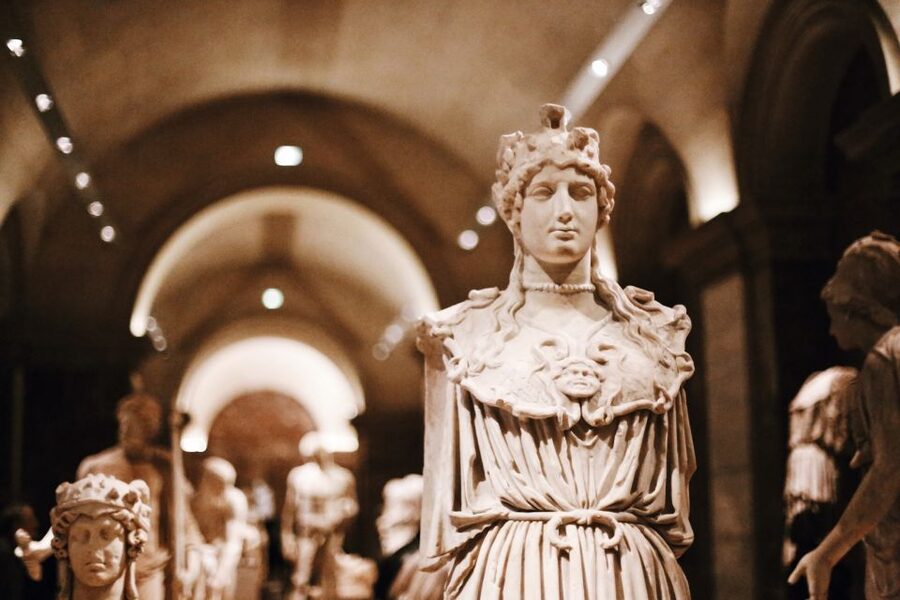
The early part of the tour gives you a foundation for understanding European art. Ancient Greek subjects supplied artists with stories, idealized bodies, dramatic poses, and symbols that remained important long after the ancient world.
You are not simply looking at old objects. You are being shown how later artists borrowed, changed, and challenged earlier ideas. That connection gives the Louvre visit a purpose beyond spotting familiar names.
Da Vinci then becomes part of the longer development of art. The Mona Lisa is famous, but the guide’s value comes from placing it within a broader sequence. You can ask how Da Vinci’s approach differs from earlier traditions and why his work continues to shape the way people think about portraiture and artistic skill.
The tour is especially useful if you are visiting the Louvre for the first time. You do not need to arrive with a background in art. A good guide can provide enough context to help you notice more, without turning every painting into a lecture.
Dunya, Alex, and Daniel are names associated with especially strong guide experiences for this tour. Dunya is described as bringing passion and a good balance between the two museums. Alex is noted for speaking clear English, understanding both French and American customs, and adjusting the visit toward the group’s interests. Daniel is praised for his broad command of art and an enjoyable manner.
That matters because guide quality is the heart of this experience. The reserved tickets get you through the doors, but the explanations and connections determine how much value you receive.
The lunch break and walk to the Orsay
A lunch break separates the two museum visits. Food and drinks are not included, so you should budget for your own meal and use the pause to rest your legs.
The Louvre and Musée d’Orsay are about a 10-minute walk apart. You do not need a private transfer between them, and your guide accompanies you on foot. This is simple, but it is worth noting if you hoped to sit down between museums or avoid walking outdoors.
The short walk also gives you a mental reset. The Louvre is immense and palace-like, while the Orsay occupies a former railway station with a very different feel. Moving between them makes the contrast part of the day.
Keep your bag small. Luggage and large bags are not allowed, and items larger than 55 by 35 by 20 centimeters cannot enter the museums. Bring a passport or ID card, and avoid arriving with anything you will need to store elsewhere.
More Orsay and art museum visits:
- Paris: Orsay Museum Entry Ticket
★ 4.7 · 25,647 reviews - Paris: Orsay Museum Entry Ticket and Digital Audio Guide App
★ 4.4 · 3,170 reviews - Paris in a Day: Louvre or Orsay, Eiffel Tower, City Walk & Cruise
★ 5.0 · 1,956 reviews - Paris: Musée d’Orsay Skip-the-Line Tour with Expert Guide
★ 4.5 · 1,145 reviews
Inside the Musée d’Orsay railway station
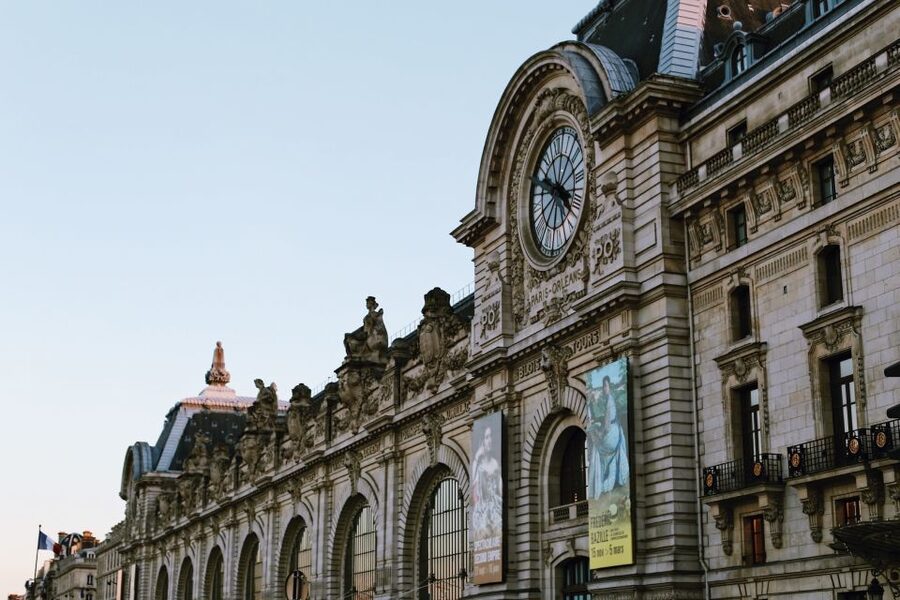
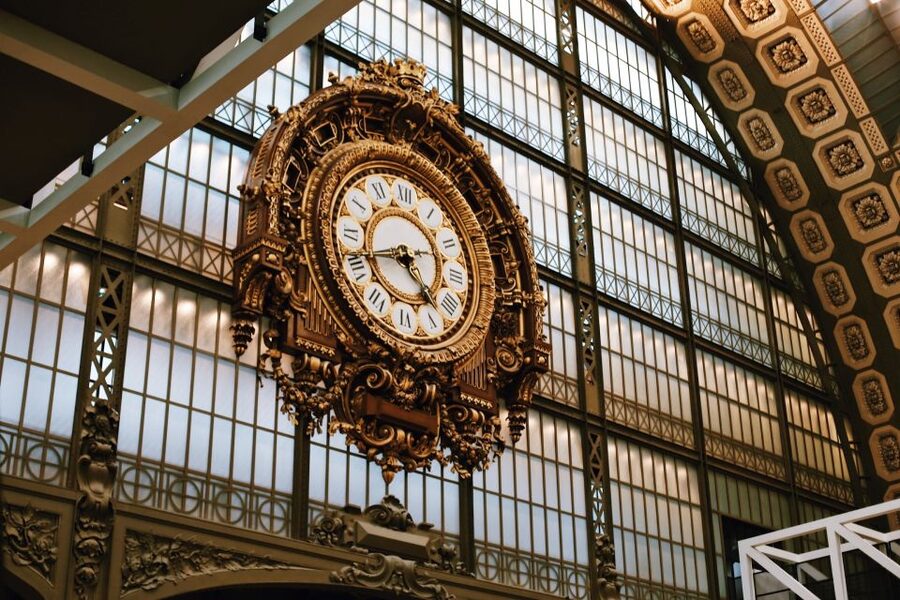
The Musée d’Orsay is housed in the former Gare d’Orsay railway station, a Beaux Arts building that gives the second half of the tour a distinct setting. The architecture is one of the pleasures here, even before you reach the paintings.
The museum focuses on 19th-century French art. You move into a period when artists began to question academic rules and explore more personal ways to paint modern life.
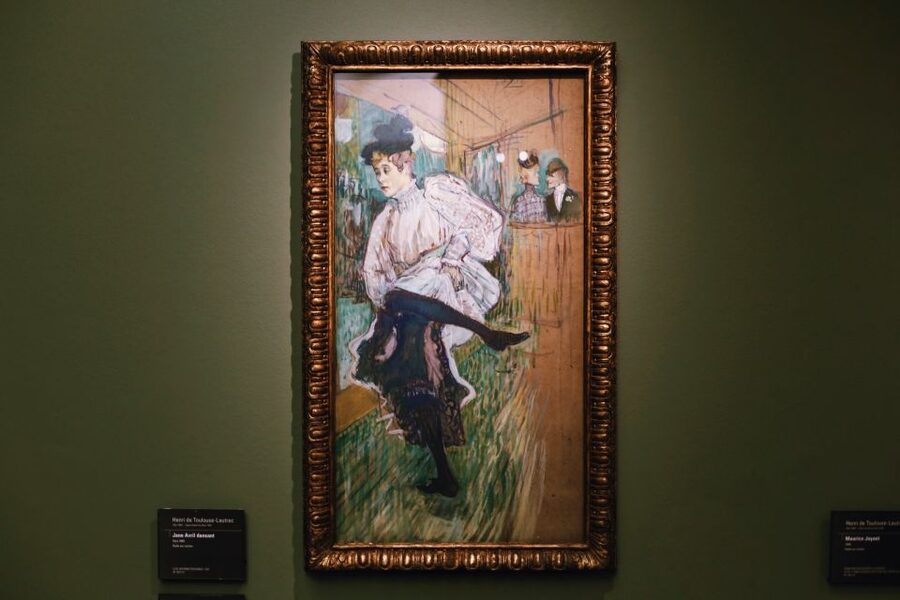
The route includes artists such as Manet, Renoir, Cézanne, and Gauguin, along with Impressionist and post-Impressionist works by artists such as Van Gogh. Your guide explains the methods and ideas behind their styles, then shows how a small group of artistic rebels helped create the Impressionist movement.
This portion can feel more immediate than the Louvre. You see artists experimenting with color, brushwork, light, and ordinary subjects. The guide helps you understand that these changes were not random. They grew from earlier traditions while pushing against accepted standards.
Renoir and Van Gogh also show why the Orsay pairs well with the Louvre. At the Louvre, you consider long-standing ideals about beauty and representation. At the Orsay, you see artists take more personal and visibly experimental paths.
Again, the goal is not to see every canvas. You will spend more time with selected works and less time wandering. That suits you if you want help deciding what deserves attention, but it may frustrate you if you prefer to set your own route through every gallery.
Small groups, private guides, and the best fit
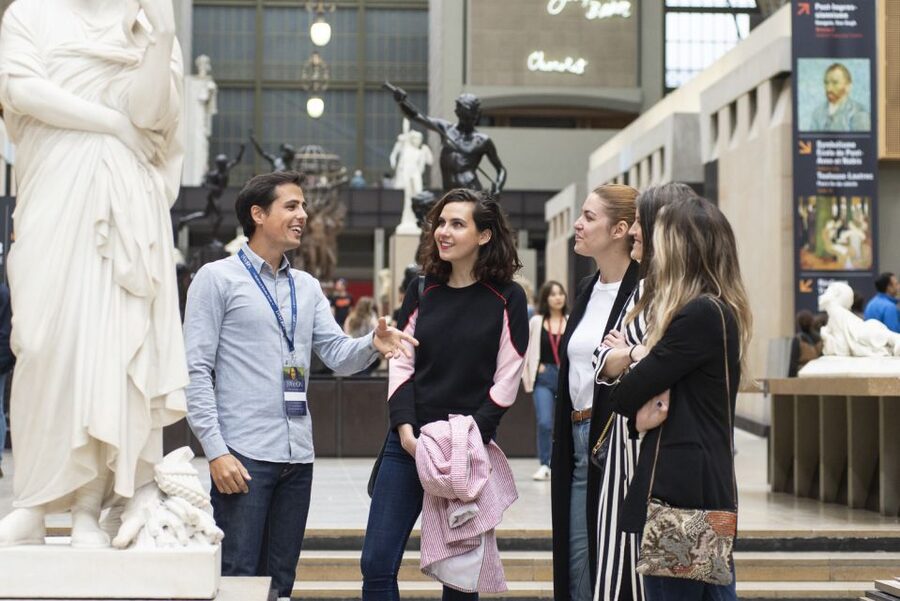
The maximum is six guests per guide, which keeps the group much smaller than a standard museum outing. A small group gives you a better chance to ask questions and hear the explanation clearly, especially in crowded galleries.
Private tours are also available. If your group has a particular interest, the private format gives the guide more room to respond. Alex, for example, is described as taking a group to the works that interested them most and linking artists across different periods.
That flexibility can make a major difference at the Louvre. You might want more time with Da Vinci, a stronger focus on Greek art, or a closer look at the Impressionists at the Orsay. The supplied information does not promise a fully custom route for every private booking, so you should confirm your interests when booking.
Languages include English, Spanish, German, Italian, French, and Russian. Make sure you select the language that suits your group and provide a mobile number and email address where you can be reached during the tour.
The semi-private tour requires at least two participants to operate. If that minimum is not met, an alternative date or a full refund is offered.
What $258 per person really buys
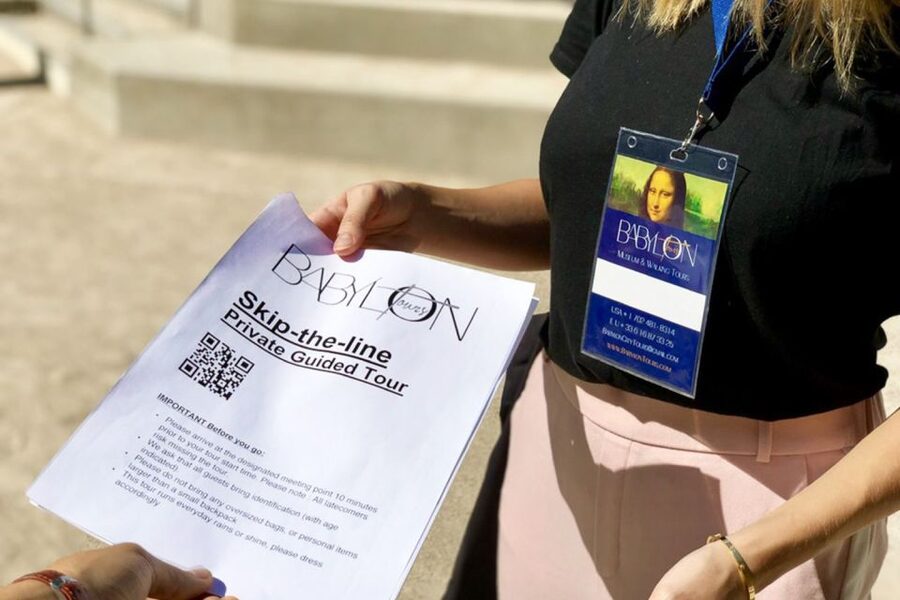
At $258 per person, this is not a budget museum visit. The price includes museum entrance fees, reserved entry at both museums, a professional guide, the lunch break, and the guided route between the Louvre and Orsay.
You are mainly paying for structure and personal attention. The Louvre alone can consume half a day without giving you a clear sense of what you saw. Adding the Orsay makes the day more ambitious, and a guide helps you connect the two rather than simply rush from one famous painting to another.
The small group limit improves the value. Six people per guide is a much better setup for questions than a large group, while a private option may make sense for families or friends who want a more personal pace.
Still, the cost is harder to justify if you already know both museums well or prefer exploring alone. You will also pay separately for lunch, and temporary exhibits are not included. Transfers to the Louvre and the walk from the Louvre to the Orsay are not charged as a separate transport service, but you must make your own way to the starting point and leave from the meeting point at the end.
I would consider this a time-saving purchase rather than a cheap ticket. It suits a first Paris visit, a short stay, or anyone who wants an art framework without spending hours researching the museums beforehand.
Practical limits and comfort
Plan on a high amount of walking. You will move through large museum buildings, pause in galleries, take the 10-minute walk between museums, and continue standing for explanations.
The semi-private option is not available to wheelchair users or people with walking disabilities. Wheelchair tours can be requested, but the activity information also says the tour is not suitable for wheelchair users, so you should contact the provider before booking rather than assume an accessible route is available.
Avoid large bags and luggage. Bring only what you need for several hours, along with your passport or ID card.
Museum rooms can operate under different rules. Some areas require quiet or restrict the guide’s ability to speak, and collections may change during the year. Occasional closures can also happen without warning from museum management. If the opening is delayed by more than an hour, an alternative is provided, but refunds or discounts are not available for those changes.
You are free to remain in the museum and continue looking around after the guided portion ends. That is a useful benefit, especially if you want more time with a favorite artist after the group has moved on.
Who should book this museum pairing
I would recommend it to first-time visitors who want to see the Louvre and Orsay without guessing which rooms deserve their limited time. It is also a good fit for people who enjoy art more when someone explains the links between periods, artists, and ideas.
Families and friend groups may appreciate the private option. The small group format is helpful for anyone who wants to ask questions, and the available languages make the tour practical for an international group.
You should think twice if you dislike guided pacing, need frequent sitting breaks, or want a slow, self-directed visit. Five and a half hours across two major museums is a lot. It gives you a strong overview, but it does not leave room to linger everywhere.
Free cancellation is available up to 24 hours before the activity for a full refund, and you can reserve now and pay later. Those terms help if your Paris schedule is still shifting, though they do not remove the need to check the meeting point for your selected option.
Should you book the Louvre and Orsay tour?
Book this if you want two major museums explained as one art story, not simply two admission tickets. The Louvre gives you antiquity, palace architecture, Da Vinci, and the Mona Lisa. The Orsay then carries the story into Manet, Renoir, Cézanne, Gauguin, Van Gogh, and the rise of Impressionism.
The strongest reason to pay the premium is the guide. Dunya, Alex, and Daniel are singled out for passion, clear communication, storytelling, and strong art knowledge. Since the experience depends so much on the person leading it, a private or six-person maximum format is worth considering.
Skip it if you are looking for the lowest-cost entry or a relaxed museum day. For everyone else, especially a first-time visitor with limited time and sturdy walking shoes, this is a focused way to make sense of two huge Paris collections.
FAQ
How long does the tour last?
The activity lasts approximately 5.5 hours. Check availability for the starting times offered on your chosen date.
Which museums are included?
The tour includes the Louvre Museum and the Musée d’Orsay, with reserved entry tickets and museum entrance fees included.
Is the Mona Lisa included?
Yes. The Louvre portion includes the Mona Lisa and works by Leonardo da Vinci.
Is lunch included in the price?
No. There is a lunch break, but food and drinks are not included.
How do I travel between the Louvre and Musée d’Orsay?
The museums are about a 10-minute walk apart, and your guide accompanies you. Transfers to the Louvre and from the Louvre to the Musée d’Orsay are not otherwise included.
How large is the tour group?
The tour has a maximum of six guests per guide. Private and small-group options are available, and the semi-private tour requires at least two participants to operate.
Is the tour suitable for wheelchair users?
Wheelchair tours can be requested, but the activity is listed as unsuitable for wheelchair users and people with mobility impairments. The semi-private option is not available to wheelchair users or people with walking disabilities.
Newest additions around Paris
- Family escape Game with kids and teens on the Île de la Cité★ 4.5 · 11 reviews
- Private Photoshoot with the Iconic Eiffel Tower in Paris★ 5.0 · 11 reviews
- 2-day Private Mont Saint-Michel, 3 Loire Castles, D-Day Express★ 4.5 · 11 reviews
- Paris: Batobus Hop-On Hop-Off Cruise & Landmarks Audio Tour★ 3.0 · 11 reviews
- Paris Revolutionary Walking Tour: Iconic French Sights & Stories★ 5.0 · 11 reviews
- Guided and Private Tour of 3 hours through Paris aboard a Citroën 2cv★ 5.0 · 11 reviews
- Kids in the Kitchen – CrOisSaNtS★ 4.0 · 11 reviews
- Paris: Ghosts and Dark Stories Guided Walking Tour★ 4.1 · 11 reviews
Louvre Museum Tours, compared.

Louvre Guided Tour with Reserved Access & Boat Cruise
Read our review →
Louvre Museum Masterpieces Guided Tour with Access
Read our review →
Louvre Museum Entry Ticket With Host and River Cruise
Read our review →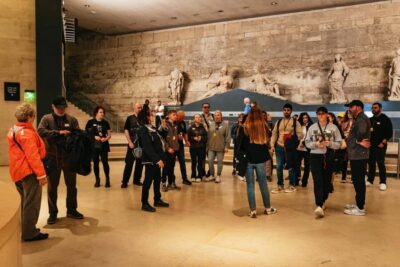
Priority Access Louvre with Host -Direct to Mona Lisa
Read our review →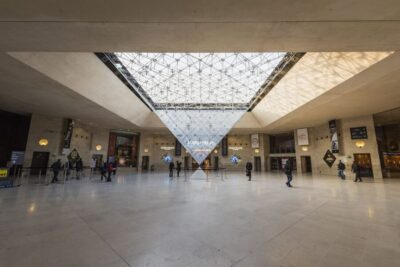
Mona Lisa & Louvre Masterpieces Tour with Reserved Access
Read our review →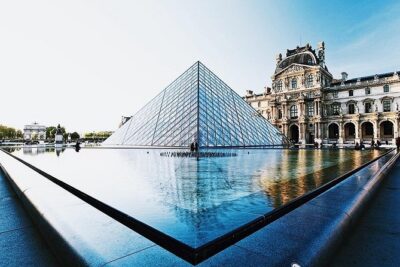
Louvre Museum – Exclusive Guided Tour (Entry Included)
Read our review →
Louvre Reserved Ticket and River Cruise Combo
Read our review →Browse the lists this tour appears in