
Reviewed · DESSERT TOURS
Choco-Story Paris – The Chocolate Museum
Chocolate becomes much more interesting when you see how a bitter cocoa bean turned into a drink for rulers, a European luxury, and the familiar sweets on your table. At Choco-Story Paris, you follow that story across three floors, with more than 1,000 objects, chocolate samples, and hands-on activities for children.
I like the freedom to move at your own pace, and I like the unlimited tastings, which turn a museum visit into something you can actually taste. The multilingual panels in English, French, and Spanish also make the visit easy to follow. The main drawback is that this is a museum rather than a working chocolate factory, so the demonstration is virtual rather than a live class.
In This Review
- Key points to know before you go
- A small museum with a big chocolate story
- From cocoa bean to royal drink
- Three floors of tools, molds, and chocolate art
- The tastings are the main reward
- The hot chocolate upgrade is worth considering
- Why children tend to enjoy it
- A self-guided visit, not a traditional tour
- How long should you allow?
- The shop and the final practical details
- Who should book Choco-Story Paris?
- Should you book this chocolate museum?
- FAQ
- Where is Choco-Story Paris located?
- How long does the visit take?
- Is the visit guided?
- Are chocolate tastings included?
- Is hot chocolate included?
- Is the museum suitable for children?
- Can I cancel or change my booking?
Key points to know before you go
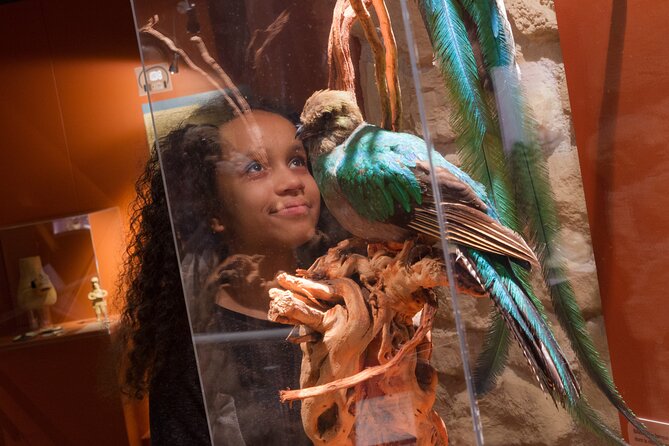
- Taste as you explore: Sample chocolate during the visit, with varieties linked to cocoa from places such as Costa Rica, Peru, and Vanuatu.
- Follow 4,000 years of chocolate: Learn about the Olmecs, Maya, Aztecs, European monarchies, and the rise of commercial production.
- Three floors of exhibits: See chocolate-making tools, molds, posters, sculptures, serving vessels, and other original objects.
- Good for families: Children can take part in activities and use a scavenger-hunt booklet with pencils.
- Add the hot chocolate option: A rich cup at the end is included only if you select that booking option.
- Plan for 90 minutes, or longer: Some people finish in about an hour, while families and careful readers may stay two to three hours.
A small museum with a big chocolate story
Choco-Story Paris is not a grand national museum. It is a compact, purpose-built attraction devoted to one ingredient, and that focus works best when you approach it as an entertaining lesson rather than a major Paris landmark.
The visit covers about 90 minutes on paper. If you read every panel, stop for the tastings, work through the children’s activities, and watch the demonstration, you may spend two hours or more. One family stayed about two and a half hours, while another group completed the exhibits and demonstration in roughly 45 minutes. Your pace matters here.
The museum is at 28 Boulevard de Bonne Nouvelle in the 10th arrondissement, near public transportation. It is easy to combine with other central Paris plans, especially if you want an indoor stop during hot or rainy weather. The entrance level is joined by an upstairs floor and a basement, and a lift is available if you prefer not to use the stairs.
The admission price listed for this experience is about $21.63 per person. That is fair if you plan to sample freely and spend at least 90 minutes inside, though the value drops if you rush through in half an hour. Children and older adults may have separate discounts at the museum, so compare the booking choices carefully before paying the full adult rate.
A few more Paris ideas to compare
- Paris: Day or Sunset Cruise with Drink, Ice Cream or Dessert
★ 4.4 · 4,225 reviews - Paris: Entrance Ticket to the Chocolate Museum
★ 4.1 · 1,105 reviews - Private Montmartre Food Tour with Wine, Cheese & Pastries
★ 5.0 · 1,027 reviews
From cocoa bean to royal drink
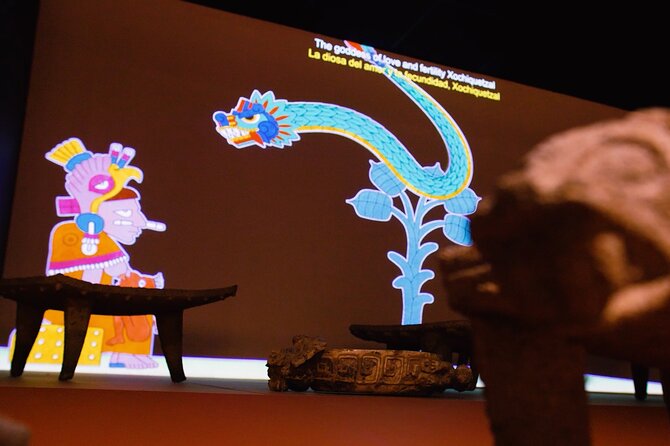
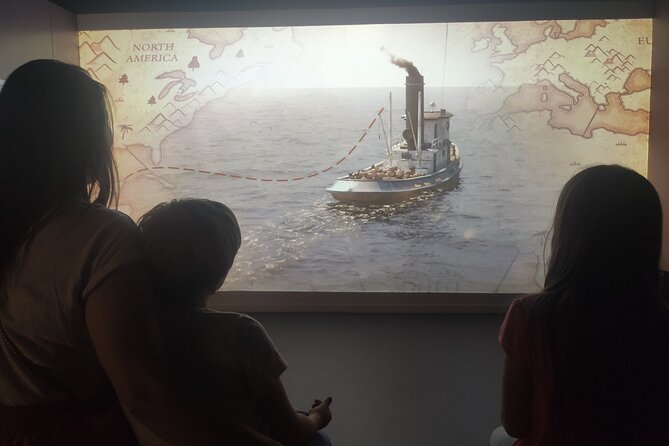
The strongest part of the museum is its long time line. You begin with the cocoa bean and the early peoples of South America who first used it as an ingredient. The exhibits explain that the Olmecs probably drank chocolate as early as about 1900 BC.
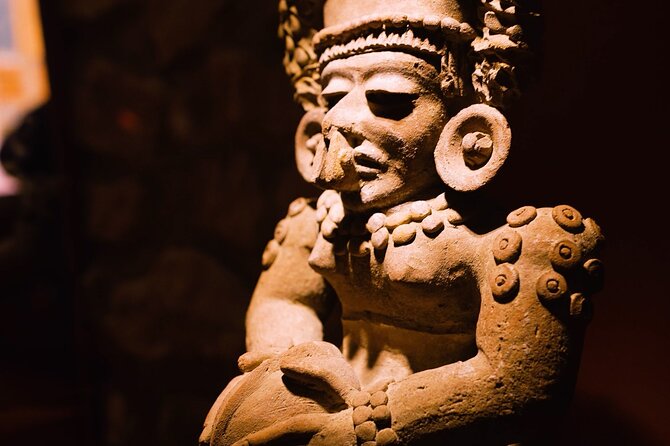
The story then moves through Maya and Aztec culture. Chocolate was not simply a candy or dessert. It was a drink connected with status, ceremony, trade, and power. The museum shows how cocoa became prized by nobles and how its use spread along trading routes.
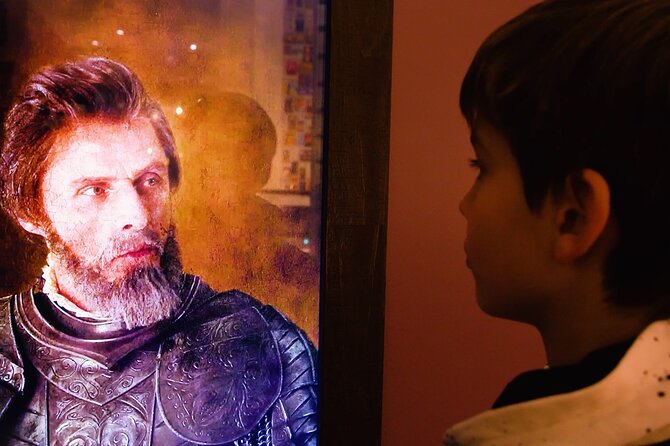
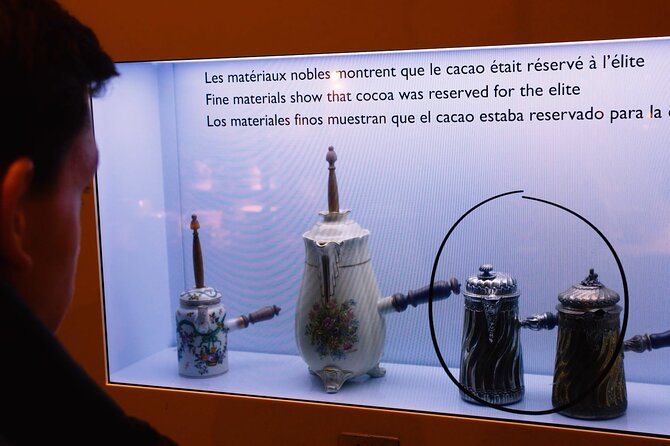
That context helps you see why European chocolate began as a luxury. The displays explain how the drink reached Europe and became fashionable among monarchs and aristocrats. You learn about the role of European queens and kings in popularizing chocolate, along with the elegant pots and cups used to serve it.
The museum also traces the change from elite indulgence to commercial product. By the 18th century, improvements in production allowed chocolate to reach a much wider public. It is a useful reminder that the chocolate bar in a Paris shop has a long story behind it, one tied to trade, technology, class, and changing taste.
The information appears on panels in English, French, and Spanish, so you can read the material without booking a guide. That is convenient, but it also means you need to guide yourself. One audio-guide request appears in the feedback, yet the experience information does not include a separate audio guide or personal explanation.
Three floors of tools, molds, and chocolate art
The objects give the history a physical shape. You see old chocolate-making equipment, candy molds, tools, posters, serving items, and chocolate sculptures. The collection includes more than 1,000 original artifacts, though the museum itself is small enough to see without tiring your feet.
The molds are especially useful for showing how chocolate has been shaped and sold over time. Posters and packaging help explain the commercial side, while the sculptures remind you that chocolate can be treated as both food and craft material.
You will also find displays about the cocoa tree, the beans, production methods, and the stages between harvest and finished chocolate. The exhibits are designed for a general audience, not for professional pastry students. I found that a strength for families and casual visitors, but a limitation if you are looking for detailed technical instruction.
The presentation is mainly visual and written. Some displays use audiovisual material to show the movement from cocoa tree to finished product. The virtual demonstration explains how modern chocolate becomes smooth and shiny, including the kind of process that gives finished chocolate its polished surface.
Do not book this expecting to stand beside a chocolatier for a full workshop. The demonstration is listed as virtual, and the experience is self-guided. Some descriptions of the visit refer to a well-made video and tasting demonstration rather than direct interaction with a live person. That distinction matters if you are choosing between a museum visit and a hands-on pastry class.
The tastings are the main reward
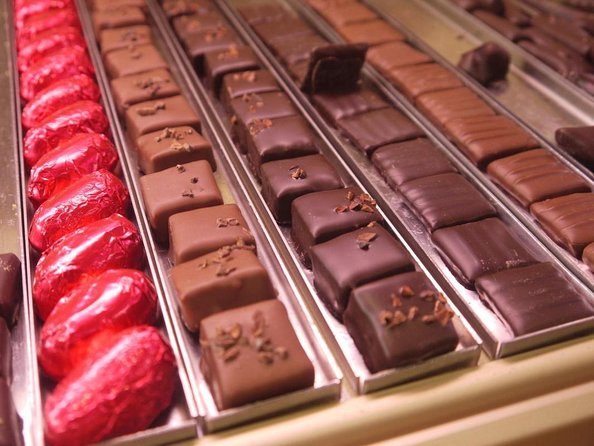
The free-flowing chocolate samples make this more than a display-only museum. You can taste as you move through the exhibits, sampling different styles and cocoa origins. The selection may include Costa Rican chocolate, Peruvian chocolate, and cocoa from Vanuatu, with differences in silkiness, fruitiness, and aroma.
The tasting stations are meant to connect flavor with geography. You can compare a smoother sample with a fruitier one, then think about the cocoa bean itself rather than treating all chocolate as the same. It is a simple idea, but it gives the museum a pleasant rhythm.
The samples are described as unlimited, and children usually enjoy the freedom to try several pieces. You will also find dark, milk, white, and praline-style samples at parts of the visit, depending on what is being offered that day.
Use ordinary care at shared tasting stations. Since samples are self-served, take a fresh piece rather than returning anything to a dish after handling it. This is practical advice, especially when children are excited and the museum is busy.
The tasting range is not necessarily huge. Some visitors expect a full comparative tasting from many countries and find the selection more modest than hoped. Think of the chocolate as an enjoyable feature of the museum, not as a formal tasting flight led by a specialist.
More Paris museums to visit:
- Paris: Louvre Museum Timed-Entrance Ticket
★ 4.6 · 71,977 reviews - Paris: Orsay Museum Entry Ticket
★ 4.7 · 25,647 reviews - Louvre Museum Masterpieces Guided Tour with Access
★ 4.5 · 12,023 reviews - Paris: Louvre Museum Entry Ticket With Host and River Cruise
★ 4.6 · 9,926 reviews
The hot chocolate upgrade is worth considering
If you select the correct ticket option, you can finish with a cup of hot chocolate. The drink is repeatedly singled out as a highlight, and the museum offers different flavors to choose from according to the information provided.
I would add it if you are visiting in cool weather or want a more complete food-and-museum outing. It gives the visit a clear finish and lets you experience chocolate in the form that made it fashionable in European courts.
In July, though, a hot drink may be less appealing. One family specifically found it too warm to enjoy hot chocolate during a summer visit. You can still enjoy the museum without this extra, so consider the season before paying for the upgrade.
Check your ticket carefully. The hot chocolate is included only when that option is selected, and it is not automatically part of basic admission. A few booking choices may also differ in what food or chocolate selection they include.
Why children tend to enjoy it
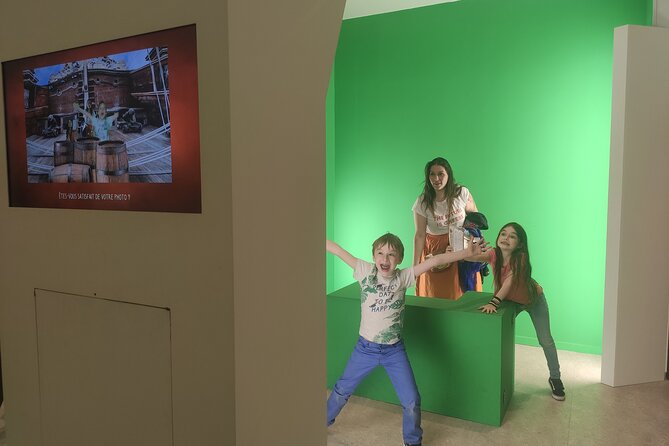
The museum has a clear family angle. Children can receive a booklet with activities and pencils, and the scavenger hunt gives them something specific to do while adults read the historical panels.
The chocolate samples provide instant motivation. Younger children may not care much about the movement of cocoa through ancient civilizations, but they will usually pay more attention when a tasting station follows the display.
The museum also gives children useful material without turning the whole visit into a noisy play area. The mix of objects, pictures, videos, and tasting works well for school-age children. The available feedback points especially to children from about seven to eleven enjoying the booklet and learning facts along the way.
Still, the attraction is not only for children. Adults who like food culture, European social history, or old kitchen equipment can find plenty to examine. If you want a serious museum experience, read the panels and allow extra time. If you are visiting with restless children, plan on moving quickly through the text and giving more attention to the activities and tastings.
A self-guided visit, not a traditional tour
You enter at the museum, show your ticket, and explore independently. There is no hotel pickup, guide, or group coach involved. The self-guided format is useful because you can stop for a closer look, skip a panel, or pause at the tasting areas without keeping up with a group.
Prebooking a time slot guarantees your entry, which can be useful during popular periods. The attraction is booked, on average, about 12 days ahead, so I would not leave it until the last minute if chocolate is a priority for your Paris schedule.
The lack of a guide cuts both ways. You avoid a fixed pace and can spend more time with the objects that interest you. But you also do not have a person to answer questions, explain a confusing process, or add local context. The English panels cover the basic story, yet visitors who want conversation should choose a guided chocolate walk or workshop instead.
The demonstration is another point to understand before you go. It is a virtual presentation, and some people find the video well made and informative. Others expect a live chocolatier and feel let down. You are paying for access to a museum with audiovisual material, not a live cooking lesson.
How long should you allow?
The advertised duration is about one hour and 30 minutes. That is a sensible target for a normal visit with tastings and the demonstration.
Allow closer to two hours if you are traveling with children, completing the activity booklet, or want to browse slowly. Adults who read every panel and photograph the objects may spend even longer. One careful visitor stayed three hours, while a quieter visit with few people took about 30 minutes to inspect the displays plus a 15-minute demonstration.
That range tells you something useful: the museum does not force you to stay for a fixed program. Its value depends on your curiosity and pace.
I would not build an entire day around Choco-Story. It is a compact stop, not a four-hour flagship attraction. Pair it with nearby sightseeing, shopping, lunch, or a relaxed walk through central Paris. It works especially well as a rainy-day plan or a break from crowded outdoor sights.
The shop and the final practical details
Before exiting, you can browse the shop for chocolate treats, books, shirts, molds, utensils, and other souvenirs. Edible gifts are an obvious choice, but the tools and books may appeal if you want something that lasts beyond the trip.
The shop is convenient, though not everyone finds it especially impressive. I would browse without assuming you need to buy something. If you want a souvenir for family at home, the museum gives you several choices in one place.
The experience ends back at the museum entrance. Confirmation is issued when you book, and most people can take part. The location is near public transportation, with the Bonne Nouvelle area offering an easy central Paris setting.
The ticket is non-refundable and cannot be changed after booking. Since the visit is self-guided, choose your date and time with care. If you are uncertain about the hot chocolate, remember that the upgrade is optional and may be less useful during warm weather.
Who should book Choco-Story Paris?
I would recommend it most strongly to chocolate lovers, families with school-age children, and visitors interested in food history. The samples make the information easier to enjoy, and the children’s booklet adds purpose to what could otherwise feel like a wall-of-text museum.
It is also a good choice for adults who enjoy small museums and want something different from Paris art collections and monuments. The story reaches from ancient South America to royal Europe and modern production, so you come away with more than a sugar rush.
I would be more cautious if you expect a live demonstration, a large factory floor, or a premium chocolate tasting led by an expert. The museum is compact, self-guided, and largely educational. Some people find it fascinating enough for several hours, while others finish quickly and feel the exhibits are better suited to children.
At about $21.63, the value is strongest when you use the tastings, watch the demonstration, and stay for at least 90 minutes. Add the hot chocolate if the weather suits it and you want a fuller visit. If you are watching every euro and have limited time in Paris, compare it with other food-focused activities before booking.
Should you book this chocolate museum?
Book Choco-Story Paris if you want a light, tasty indoor attraction with real historical content and no pressure to follow a guide. The unlimited samples, family activities, and clear account of chocolate’s origins are the best reasons to go.
Skip it if you want a hands-on lesson or a major museum with dramatic rooms and large-scale machinery. For the right visitor, it is a pleasant two-hour addition to a Paris day. For everyone else, it may feel like a small museum padded by chocolate tasting. Know which kind of visit you want, and the decision becomes easy.
FAQ
Where is Choco-Story Paris located?
The museum is at 28 Boulevard de Bonne Nouvelle, 75010 Paris, France. It is near public transportation.
How long does the visit take?
The stated duration is about 90 minutes. You might finish faster if you move quickly, or stay two to three hours if you read the displays, complete the children’s activities, and take your time with the tastings.
Is the visit guided?
No. This is a self-guided visit, and no personal guide is included. Information panels are available in English, French, and Spanish.
Are chocolate tastings included?
Yes. Chocolate tastings are included, with samples available during the visit. The exact selection may vary, but samples can include dark, milk, white, and praline-style chocolate.
Is hot chocolate included?
A cup of hot chocolate is included only if you select the hot chocolate booking option. It is an optional upgrade.
Is the museum suitable for children?
Yes. Children can take part in activities and may receive a booklet with pencils for a scavenger hunt. The exhibits explain chocolate history and production in a family-friendly way.
Can I cancel or change my booking?
No. This experience is non-refundable and cannot be changed for any reason after booking.
Newest additions around Paris
- Family escape Game with kids and teens on the Île de la Cité★ 4.5 · 11 reviews
- Private Photoshoot with the Iconic Eiffel Tower in Paris★ 5.0 · 11 reviews
- 2-day Private Mont Saint-Michel, 3 Loire Castles, D-Day Express★ 4.5 · 11 reviews
- Paris: Batobus Hop-On Hop-Off Cruise & Landmarks Audio Tour★ 3.0 · 11 reviews
- Paris Revolutionary Walking Tour: Iconic French Sights & Stories★ 5.0 · 11 reviews
- Guided and Private Tour of 3 hours through Paris aboard a Citroën 2cv★ 5.0 · 11 reviews
- Kids in the Kitchen – CrOisSaNtS★ 4.0 · 11 reviews
- Segway tour Capital sites★ 5.0 · 11 reviews
Dessert Tours, compared.

Day or Sunset Cruise with Drink, Ice Cream or Dessert
Read our review →
Private Montmartre Food Tour with Wine, Cheese & Pastries
Read our review →
Paris French Sweets Tasting Tour with Pastries and Chocolates
Read our review →
A Morning in Paris Food Tour: Croissants, Baguettes & Chocolate
Read our review →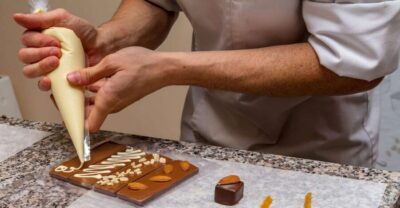
45-minute Chocolate Making Workshop at Choco-Story
Read our review →
Chocolate & Patisserie Walking Tour with Tastings
Read our review →
Paris Chocolate, Macaron & Pastry Food Tour: 10 Gourmet Tastings
Read our review →Browse the lists this tour appears in