
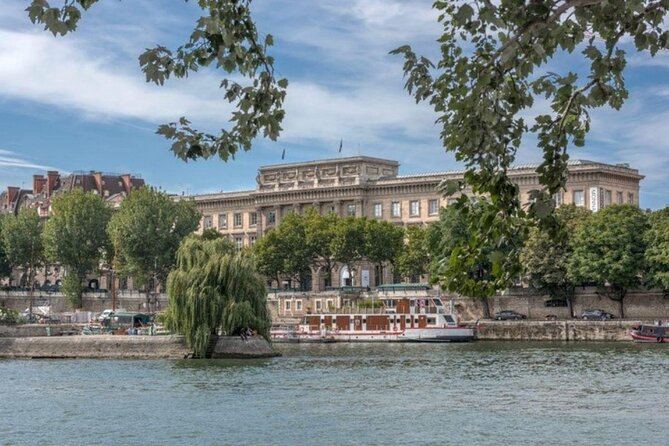
Reviewed · MUSEUMS
Rigoletto at the Jacquemart-André Museum
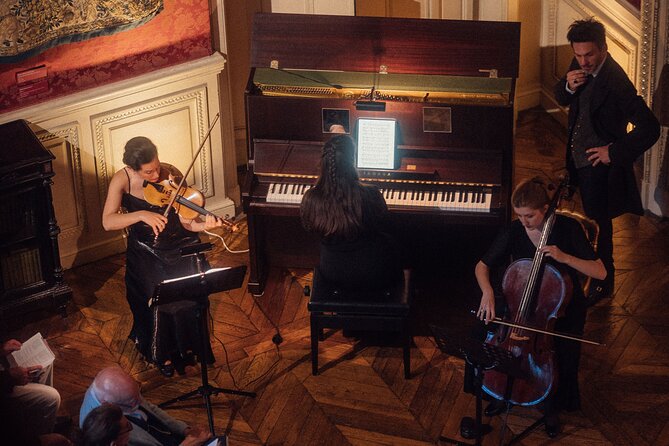
Rigoletto in the Jacquemart-André Museum turns Verdi’s tragedy into a close-up Paris evening. Instead of watching from the back of a large theater, you follow the action through the museum salons, sometimes seated and sometimes standing near the performers. The five central roles are sung by a baritone, soprano, tenor, bass, and mezzo-soprano, with piano, violin, and cello supplying the music.
I like the intimate scale and the way the opera shares space with Édouard André and Nélie Jacquemart’s former living rooms. I also like the mix of music and art: your ticket includes a private tour of the permanent collection, and Champagne is served during intermission.
The main caution is seating. Some parts may involve standing, and the first room can feel crowded, with limited chairs and sightlines. At about $348.07 per person, this is a special-occasion purchase, not a low-cost introduction to Parisian culture.
In This Review
- Key points to know before booking
- Rigoletto moved from theater stage to Paris mansion
- How the three-hour evening unfolds
- Patrizia di Paolo’s close-range staging
- The music: five voices and three instruments
- The Jacquemart-André Museum adds more than a backdrop
- Seating, sightlines, and comfort
- Is the $348.07 price fair?
- Who will enjoy this opera evening most?
- Booking timing and cancellation
- Should you book Rigoletto at the Jacquemart-André Museum?
- FAQ
- Where does Rigoletto take place?
- What time does the experience start?
- How long does the evening last?
- Is Champagne included?
- Is a museum tour included?
- Can I cancel for a full refund?
Key points to know before booking
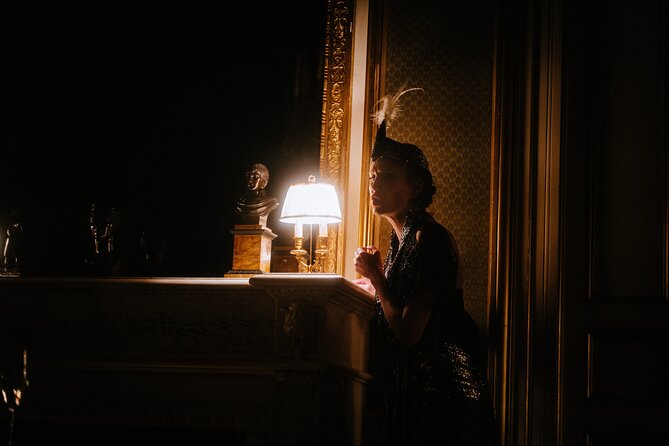
- Rigoletto in private museum salons: Verdi’s opera unfolds across the Jacquemart-André Museum rather than on a conventional theater stage.
- Five principal singers: The adaptation focuses on Rigoletto, Gilda, the Duke of Mantua, Sparafucile, and Maddalena.
- Live trio accompaniment: Piano, violin, and cello replace a full orchestra, making the music lighter in scale but more immediate.
- Champagne at intermission: The pause includes a glass of Champagne, a polished touch for an evening event.
- Private art access included: You tour the first-floor salons and permanent collection as part of the experience.
- A pricey but unusual night out: The roughly three-hour program suits opera lovers and special occasions more than budget sightseeing.
Rigoletto moved from theater stage to Paris mansion
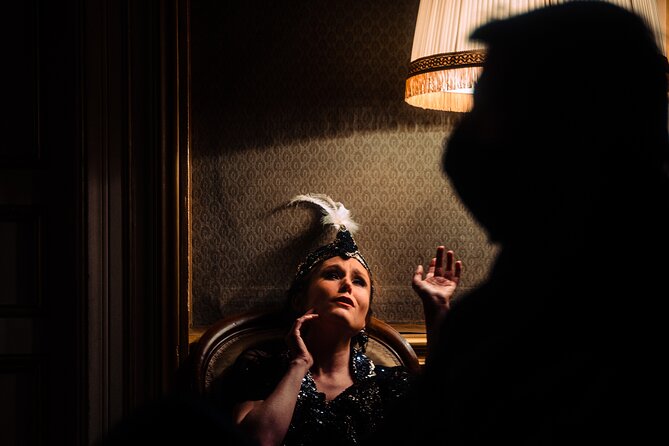
The most unusual feature here is not simply the museum setting. It is the removal of the usual distance between singer and audience.
At the Jacquemart-André Museum, the drama plays out in the first-floor salons, the elegant rooms connected with the former home of Édouard André and Nélie Jacquemart. The setting gives the opera a domestic feel that fits Rigoletto’s personal story, especially its themes of betrayal, filial love, revenge, and dangerous desire.
You are not getting a full-scale production with a large chorus, orchestra, or elaborate stage machinery. This is a reduced version built around the main characters. The focus stays on the five roles that carry the plot:
- Rigoletto, the baritone
- Gilda, the soprano
- The Duke of Mantua, the tenor
- Sparafucile, the bass
- Maddalena, the mezzo-soprano
That smaller cast makes the plot easier to follow for someone attending opera for the first time. There are fewer characters to track, and the action comes directly to you. If you already know Rigoletto, you may appreciate hearing the familiar music stripped to its dramatic core.
The tradeoff is scale. You should not expect the sonic power of a full orchestra in a major opera house. The piano, violin, and cello create a chamber arrangement, which places more attention on the singers and words. In a small room, that can make a quiet phrase or a change in expression feel unusually direct.
More Paris museums to visit:
- Paris: Louvre Museum Timed-Entrance Ticket
★ 4.6 · 71,977 reviews - Paris: Orsay Museum Entry Ticket
★ 4.7 · 25,647 reviews - Louvre Museum Masterpieces Guided Tour with Access
★ 4.5 · 12,023 reviews
How the three-hour evening unfolds
The experience begins at 8:30 pm at the museum. Allow enough time to reach the venue before the stated start, since this is a timed performance rather than a flexible museum visit.
The program combines three elements: the opera, the intermission with Champagne, and a private tour of the museum’s permanent collection. The order and movement between rooms are part of the design, so the evening feels less like a concert followed by a separate museum visit.
The first section introduces the singers and the drama in one of the salons. This is where the seating issue matters most. Limited chairs can mean standing, and a crowded room may make it harder to see the performers clearly from the back.
You should think carefully about where you stand or sit once the group enters the room. The singers are close, but close does not always mean every angle is ideal. A person in front of you can affect your view, particularly when the audience gathers around the action.
The production then shifts between rooms. Some sections are seated, while others have performers moving among the audience. The change of position gives the show a natural rhythm and lets you experience different parts of the museum.
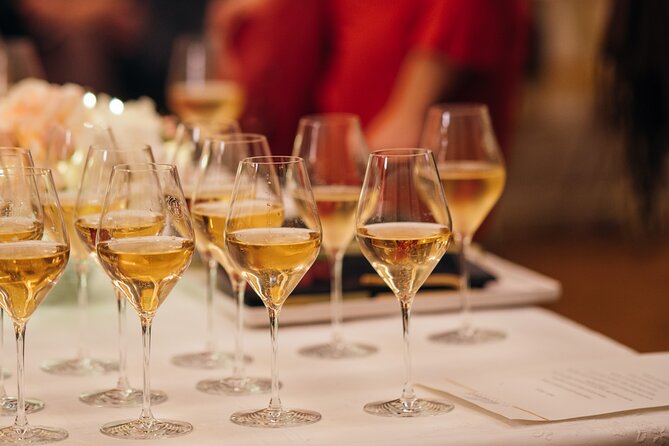
At intermission, you receive a glass of Champagne. This is a pleasant pause after the first part of the opera and helps mark the evening as a formal cultural event rather than a standard museum tour. The information provided does not promise a full meal or substantial refreshments, so plan to eat separately before or after the performance.
The final acts continue in the museum salons, with the same close contact between artists and audience. Lighting is part of the production, though one part of the performance has been found a little dim. If you need to read faces clearly, your position in the room may matter more than it would in a standard theater.
The entire experience lasts about three hours. That is long enough to feel like a complete evening, but it also means you should be comfortable standing for at least some portions.
Patrizia di Paolo’s close-range staging
The staging by Patrizia di Paolo is designed around proximity. The point is not to recreate a grand opera house in miniature. It is to use the museum’s rooms as the set and let the singers work within a few steps of the audience.
This approach can make Rigoletto’s emotional scenes feel personal. Rigoletto is not a distant figure under a spotlight. Gilda’s vulnerability and the Duke’s charm are presented at close range, where body language matters as much as vocal force.
The production also uses movement. You may sit for one section, then stand as the performers shift through the room. The singers can mix with the audience, which creates a feeling of being present at a private performance rather than observing a fixed stage from a numbered seat.
That format will suit you if you enjoy theater that changes according to the room. It may frustrate you if you want a guaranteed view, a comfortable chair throughout, or the visual grandeur of a traditional opera production.
Costumes come from Venice’s Atelier Nicolao. That detail adds to the period character without relying on a large set. The rooms, furnishings, art, costumes, and performers provide the visual material.
The music: five voices and three instruments
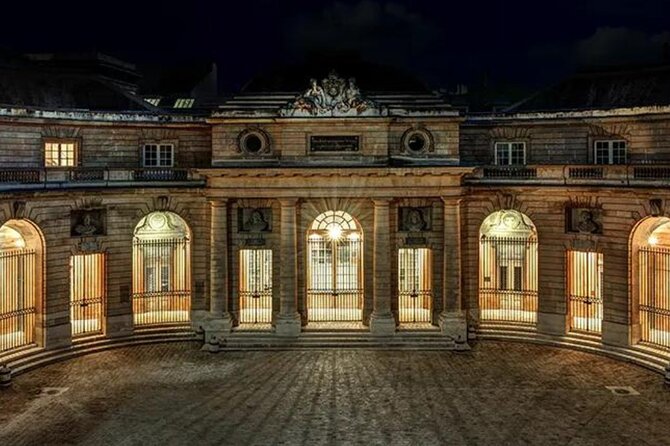
The musical accompaniment comes from a trio of piano, violin, and cello. This arrangement gives the evening a chamber-music character.
A full orchestra can make Verdi feel massive. Here, the reduced accompaniment places the singers in front. You can hear how the vocal lines work, and the musicians are physically close enough to feel like active partners in the drama rather than unseen support in a pit.
The piano provides much of the harmonic weight, while violin and cello add color and tension. The smaller ensemble also fits the scale of the Jacquemart-André salons. A large orchestra would overpower the rooms and work against the close-up idea.
The five featured roles give the adaptation a clear dramatic spine. Rigoletto and Gilda carry the emotional center, while the Duke, Sparafucile, and Maddalena shape the danger around them. You will not see the broad crowd scenes or large ensemble effects associated with a full staging.
This makes the experience a good introduction if you are curious about opera but nervous about a long night in a formal theater. The story is concentrated, the performers are nearby, and the setting offers plenty to look at between musical moments.
It is less suitable if your main goal is orchestral power or a large cast. For that, a regular opera house would offer more scale.
A different way to spend the day in Paris:
- Disneyland® Paris 1-Day Ticket
★ 4.6 · 49,412 reviews - Paris: Versailles Palace and Gardens Full Access Ticket
★ 4.6 · 41,579 reviews - Paris: Arc de Triomphe Rooftop Tickets
★ 4.6 · 34,264 reviews - Paris: Evening River Cruise with Music
★ 4.4 · 22,721 reviews
The Jacquemart-André Museum adds more than a backdrop
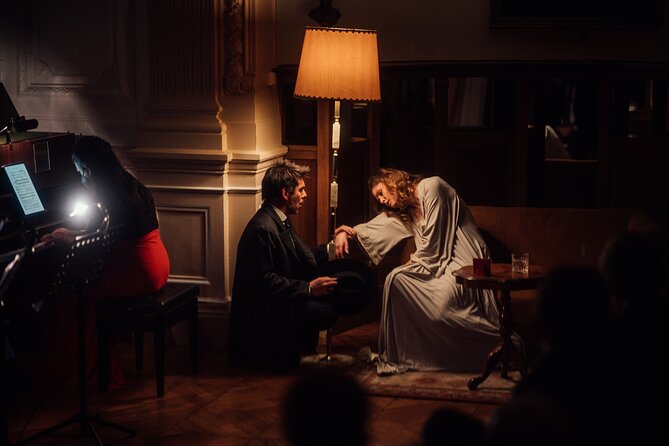
The museum is not treated as a waiting room or decorative shell. The evening includes access to the prestigious permanent collection in the first-floor salons, including former private living spaces and works of art.
That matters because the museum changes how you read the opera. The rooms provide a sense of private wealth and domestic drama, which suits a story filled with status, secrecy, and family conflict. You are seeing art in the same broad setting where the performance takes place, rather than moving from a theater to a completely separate attraction.
The private collection tour is also a useful part of the value calculation. At this price, the event needs to offer more than a short concert. The art access creates a fuller cultural evening and gives you time to appreciate the building beyond the performance itself.
The tour takes place in the salons on the first floor. The information does not identify a named museum guide, so do not book expecting a particular art historian or lecturer. The focus is the combined experience of the collection and the opera.
If you already know the Jacquemart-André Museum, this format gives you a different way to see it. Familiar rooms take on a new function when singers move through them. If you have never visited, the performance may be a memorable reason to add the museum to your Paris plans.
Seating, sightlines, and comfort
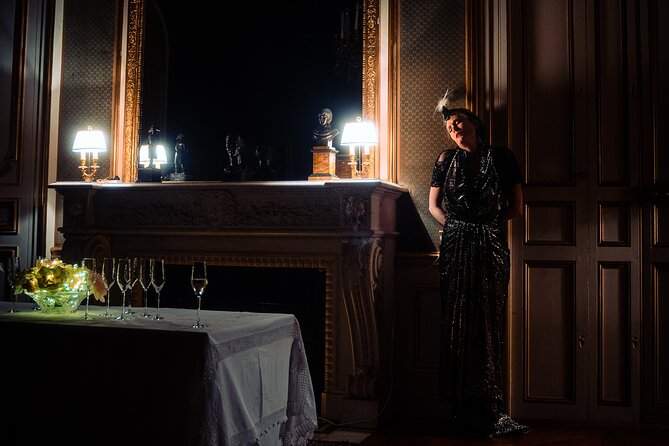
This is the most important practical issue.
The event uses different rooms and different seating arrangements. Some sections have chairs or benches, while other sections may require standing. In one room, there may be very few seats, and a group of around 80 people can make the space feel tight.
Your view may be excellent if you are near the front. From farther back, you may see less, especially when the singers are surrounded by people. The close-range design works best when you can find a clear position before the action begins.
If standing for extended periods is difficult, contact the provider before booking or be prepared to ask about available seating on arrival. The information confirms that most people can participate, but it does not promise a chair for every part of the evening.
Dress is another small consideration. The venue is prestigious, and formal evening clothing is appropriate. You do not need to treat the event like a royal gala, but smart dress will fit the setting better than casual sightseeing clothes.
The setting itself adds some physical demands. You move between rooms, stand during portions, and watch performers from changing positions. If you prefer the fixed comfort of a theater seat, this may not be your ideal opera format.
Is the $348.07 price fair?
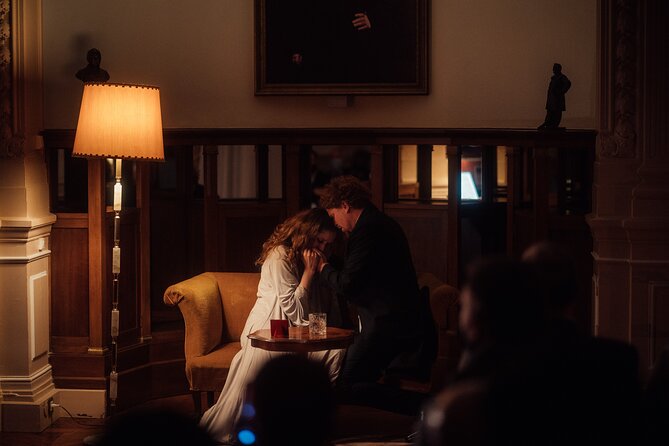
At $348.07 per person, this is expensive. You are paying for a three-hour evening that combines live opera, a museum visit, Champagne, and a special setting.
The price makes more sense if you value the unusual format. A standard concert ticket may give you stronger orchestral scale, but it will not put you inside historic salons with singers performing close by. The private collection access also adds something beyond the performance itself.
The value is strongest for a special occasion, a serious opera fan, or someone who has already seen the main Paris attractions and wants a different cultural night. It is weaker if you are comparing this with inexpensive museum admission or looking for a casual first taste of classical music.
There are also small comforts missing from the package. Champagne is included, but the information does not promise dinner, a full reception, or substantial snacks. Bring that into your planning. You may want to eat before the 8:30 pm start, since a glass of Champagne is not a meal.
At this cost, seating and crowd comfort become important. If you need a guaranteed chair or a clear view throughout, ask for details before committing. The performance quality may be strong, but the format cannot guarantee the same sightline for every person in every room.
Who will enjoy this opera evening most?
I would recommend it most strongly to you if you fit one of these descriptions:
- You enjoy opera but want something less formal than a large theater.
- You are looking for a distinctive Paris evening for a celebration.
- You like historic interiors and want art included with your performance.
- You are new to opera and prefer a shorter, concentrated production.
- You appreciate chamber music and close vocal performances.
- You are comfortable standing for parts of a three-hour event.
First-time opera audiences may find the reduced cast less intimidating than a major production. The story remains dramatic, but the format is more relaxed, with breaks and movement between rooms.
Longtime opera fans will need to decide how much they value intimacy over scale. The smaller ensemble cannot reproduce the full force of a large orchestra, but it can reveal details that get lost in a vast theater.
This is not the best pick for a person who needs step-free certainty, a fixed seat, or a quiet and predictable viewing position. Most people can participate, but the supplied information does not give detailed accessibility arrangements. Check directly before booking if mobility or seating is a concern.
Booking timing and cancellation
The experience is offered in English, comes with a mobile ticket, and is commonly reserved well ahead of time, with an average booking lead of about 66 days. That suggests you should not leave it until the last minute if the date matters to you.
Your booking is confirmed within 48 hours, subject to availability. The meeting time is 8:30 pm, and the program lasts approximately three hours.
Free cancellation is available up to 24 hours before the local start time. Cancel at least a full day ahead for a refund. Changes or cancellations made inside that 24-hour window are not accepted for a refund.
Should you book Rigoletto at the Jacquemart-André Museum?
Book it if you want opera as a close personal encounter rather than a grand spectacle. The combination of Verdi, five principal singers, a piano-violin-cello trio, Champagne, and private access to the Jacquemart-André salons creates a night you will not get from a normal theater ticket.
I especially like the way the museum and music support each other. The private rooms suit Rigoletto’s themes, while the close staging makes the performers’ expressions and voices central. The format can also ease first-time opera nerves.
Think twice if $348.07 is a stretch, if you need a guaranteed seat, or if your priority is a full orchestra and huge stage effects. For everyone else, this is a polished, highly unusual Paris evening, best booked as a special event rather than a routine sightseeing stop.
FAQ
Where does Rigoletto take place?
The performance takes place at the Jacquemart-André Museum in Paris, mainly in the first-floor salons and private living spaces connected with the museum’s permanent collection.
What time does the experience start?
The stated start time is 8:30 pm.
How long does the evening last?
The experience lasts approximately three hours.
Is Champagne included?
Yes. You receive a glass of Champagne during intermission.
Is a museum tour included?
Yes. The experience includes a private tour of the museum’s prestigious permanent collection in the first-floor salons.
Can I cancel for a full refund?
Yes, if you cancel at least 24 hours before the local start time. Cancellations or changes made less than 24 hours before the experience are not accepted for a refund.
Newest additions around Paris
- Family escape Game with kids and teens on the Île de la Cité★ 4.5 · 11 reviews
- Private Photoshoot with the Iconic Eiffel Tower in Paris★ 5.0 · 11 reviews
- 2-day Private Mont Saint-Michel, 3 Loire Castles, D-Day Express★ 4.5 · 11 reviews
- Paris: Batobus Hop-On Hop-Off Cruise & Landmarks Audio Tour★ 3.0 · 11 reviews
- Paris Revolutionary Walking Tour: Iconic French Sights & Stories★ 5.0 · 11 reviews
- Guided and Private Tour of 3 hours through Paris aboard a Citroën 2cv★ 5.0 · 11 reviews
- Kids in the Kitchen – CrOisSaNtS★ 4.0 · 11 reviews
- Paris: Ghosts and Dark Stories Guided Walking Tour★ 4.1 · 11 reviews
Museums, compared.
Louvre Museum Masterpieces Guided Tour with Access
Read our review →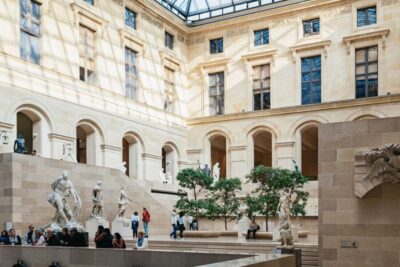
Louvre Museum Entry Ticket With Host and River Cruise
Read our review →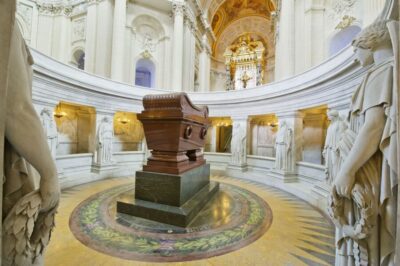
Les Invalides: Napoleon’s Tomb & Army Museum Entry
Read our review →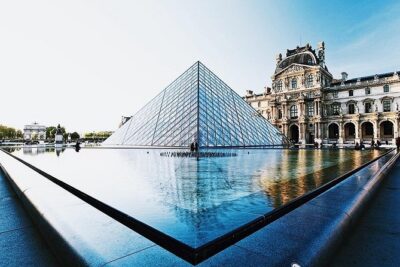
Louvre Museum – Exclusive Guided Tour (Entry Included)
Read our review →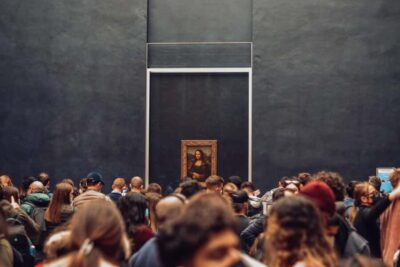
Louvre Museum Hosted Entry and Mona Lisa Audioguide
Read our review →
Louvre Museum Tour Mona Lisa & Iconic Masterpieces
Read our review →Browse the lists this tour appears in