
Reviewed · LOUVRE MUSEUM TOURS
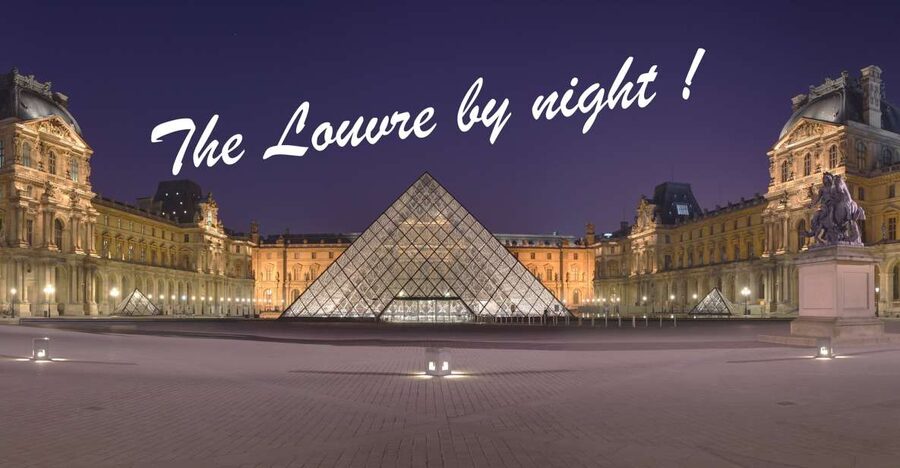
Private Guided Tour, The Louvre by night !
The best thing about this Louvre tour is the timing. After dark, the museum feels calmer, giving you a better chance to look at paintings and sculpture without the daytime rush. Your guide leads a private group of no more than five or six people through a focused 90-minute route.
I like the art-history approach and the chance to shape the visit around your interests. David Lambret has helped families connect works to their home countries, while Afsaneh has earned praise for her ability to move through the museum and its crowds. The main drawback is cost: $351 is per group of up to one person as listed, and museum tickets are not included.
In This Review
- Key points at a glance
- Why the Louvre at night changes the visit
- Meeting at the Pyramid with Louis XIV
- Getting inside: tickets, security, and the line
- The Medieval Louvre and the first layer of Paris history
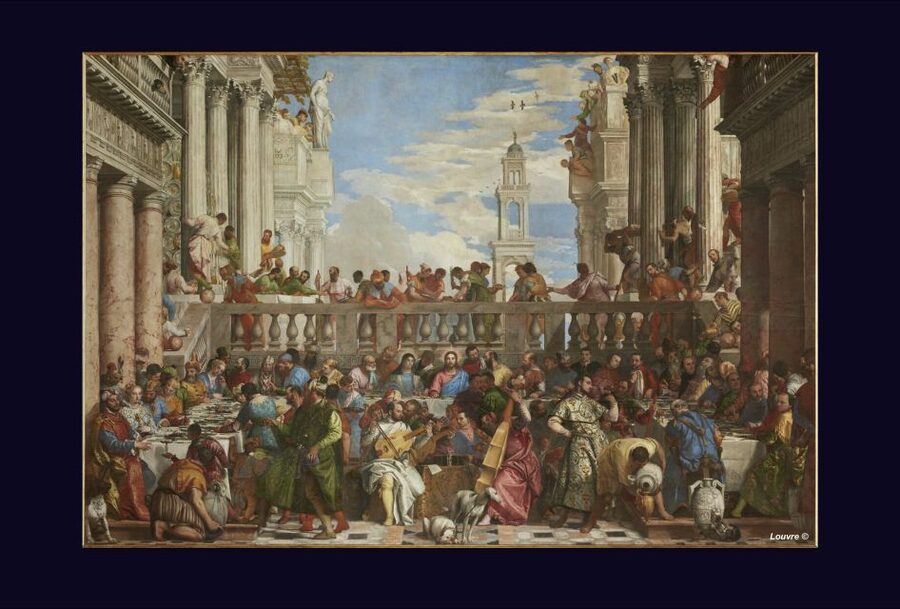
- French royal collections and the major works
- The Mona Lisa question
- Napoleon III and the Louvre’s 19th-century finish
- A guide who keeps the pace personal
- Price and value for a 90-minute private visit
- Who should book this Louvre night tour
- Final call: is the Louvre by night worth it?
- FAQ
- How long does the Louvre by night tour last?
- What language is the tour conducted in?
- Is this a private tour?
- Are Louvre admission tickets included?
- Where is the meeting point?
- How early should I arrive?
- Can children join the tour?
- Is the tour wheelchair accessible?
Key points at a glance
- Evening Louvre setting: Enjoy a quieter atmosphere when the museum is open late.
- Small private group: The usual maximum is five to six people, allowing direct questions and a flexible pace.
- French history through art: Follow the Louvre from its Medieval fortress origins to Napoleon III’s 19th-century additions.
- Tickets cost extra: Buy official Louvre admission as soon as you can, and do not assume a free skip-the-line ticket.
- English-speaking art guide: David Lambret and Afsaneh are named guides associated with the experience.
- Useful for families: Children under 18 enter free with identification and the required free tickets.
Why the Louvre at night changes the visit
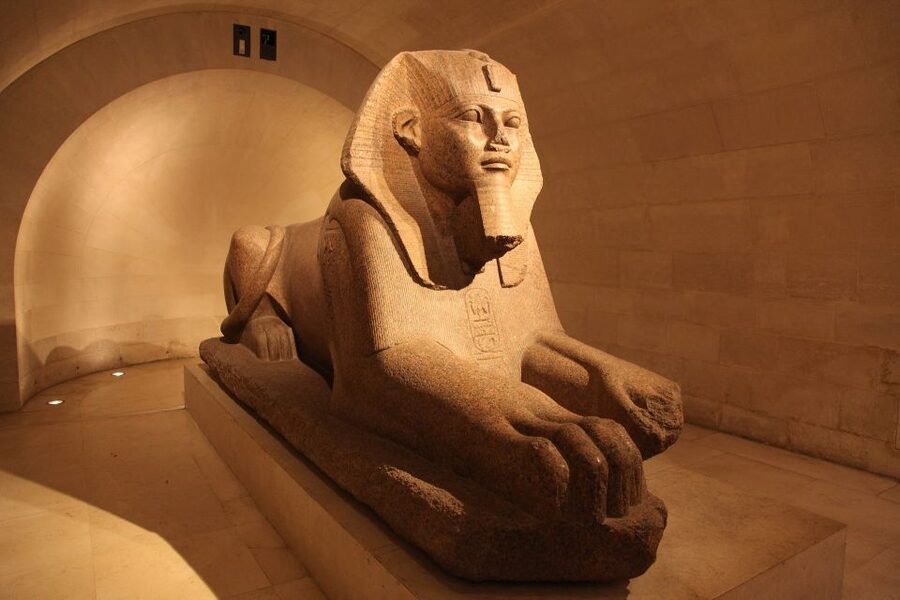
The Louvre is not a museum you can conquer in one short outing. It is a former royal palace with enormous galleries, famous paintings, decorative arts, sculpture, and architectural remains. A 90-minute tour cannot cover everything, and it should not try.
The evening setting gives this visit its character. You are not simply checking off the Mona Lisa and rushing onward. You have a chance to pause, notice the room around a painting, and hear why a particular work matters. That quieter mood is especially useful at the Louvre, where the sheer number of rooms can make even a well-planned visit feel scattered.
You should still expect other people in the museum. Late opening does not mean you will have the building to yourself. The value is a more peaceful setting and a guide who knows how to make good use of the available time.
The tour also puts French history at the center. Instead of treating the Louvre as a row of famous objects, your guide can connect the surviving Medieval Louvre to the palace shaped under Napoleon III. That broad view helps explain why the building feels like several museums joined together.
More ways into the Louvre:
- Paris: Louvre Museum Timed-Entrance Ticket
★ 4.6 · 71,977 reviews - Paris: Louvre Guided Tour with Reserved Access & Boat Cruise
★ 4.3 · 16,353 reviews - Louvre Museum Masterpieces Guided Tour with Access
★ 4.5 · 12,023 reviews
Meeting at the Pyramid with Louis XIV
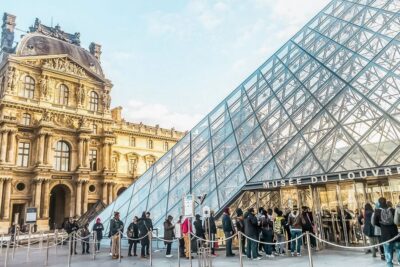
You meet beside the Equestrian Statue of King Louis XIV, on the right-hand side in front of the Pyramid. This is an easy landmark, but the Louvre plaza can still be confusing, especially after sunset or when several groups are gathering.
Arrive at least 10 minutes before departure. I would give yourself a little extra time if you are walking from another part of central Paris, since the meeting point is outside and the complex has several entrances and passageways.
The statue also provides a fitting start. Louis XIV is closely tied to the Louvre’s royal past, and the tour later traces the building through different periods of French rule. You begin with a recognizable figure before moving into a much older story.
Look for your guide before heading toward the entrance. The named guides include David Lambret and Afsaneh, and the experience is operated as a private English-language tour. The supplied information does not promise that you will receive one particular guide, so confirm the assigned guide when booking if that matters to you.
Getting inside: tickets, security, and the line
Museum admission is not included in the tour price. You need to buy your Louvre tickets separately, preferably through the official Louvre website as soon as possible. This is one of the most important practical details because a private guide does not replace your admission ticket.
The information says skip-the-line tickets do not exist, while also describing access through a separate entrance and priority handling. Read that carefully. Your guide manages the correct line and helps you use the appropriate entry process, but you should not expect to walk straight past every queue.
Security is airport-style. Do not bring food, drinks, umbrellas, or glass objects. Tell your guide in advance if you have a pacemaker or another biomedical device, since security staff may need to handle screening differently.
Bring comfortable shoes. The tour lasts only 90 minutes, but the Louvre is large, and getting to the meeting point, passing security, and walking between rooms adds to the time on your feet.
Children under 18 have free museum admission, but they still need identification and free tickets. Bring a passport or ID card for children. That small bit of preparation can save trouble at the entrance.
The Medieval Louvre and the first layer of Paris history
The tour’s historical route begins with the Medieval Louvre. This is a strong choice because it takes you below the polished palace rooms and into the building’s earlier role.
The Louvre did not begin as the grand art museum you see today. Its oldest remains tell the story of a fortified structure, and those foundations help you picture an earlier Paris. You can look at the museum not only as a place holding art, but also as a building that changed with the city and its rulers.
A guide with an art-history background can make this transition easier to follow. Without context, the Medieval Louvre can seem like a quick architectural stop between paintings. With an explanation of its role, it becomes the first chapter in the museum’s long development.
The tour description promises unusual spots, but it does not list each room in advance. That is useful if you prefer a guide to adapt the route rather than repeat a fixed script. It also means you should tell the guide before starting if you care most about painting, sculpture, French royal history, architecture, or a particular artist.
More Paris after dark:
- Paris: Illuminations River Cruise with Audio Commentary
★ 4.3 · 12,340 reviews - Paris: Discover Paris by Night in a Vintage Car with a Local
★ 4.6 · 1,058 reviews - Paris by Night Walking Tour: Ghosts, Mysteries and Legends
★ 4.5 · 924 reviews - Paris Illuminations Tour with Moulin Rouge Show and Cruise Option
★ 3.5 · 702 reviews
French royal collections and the major works
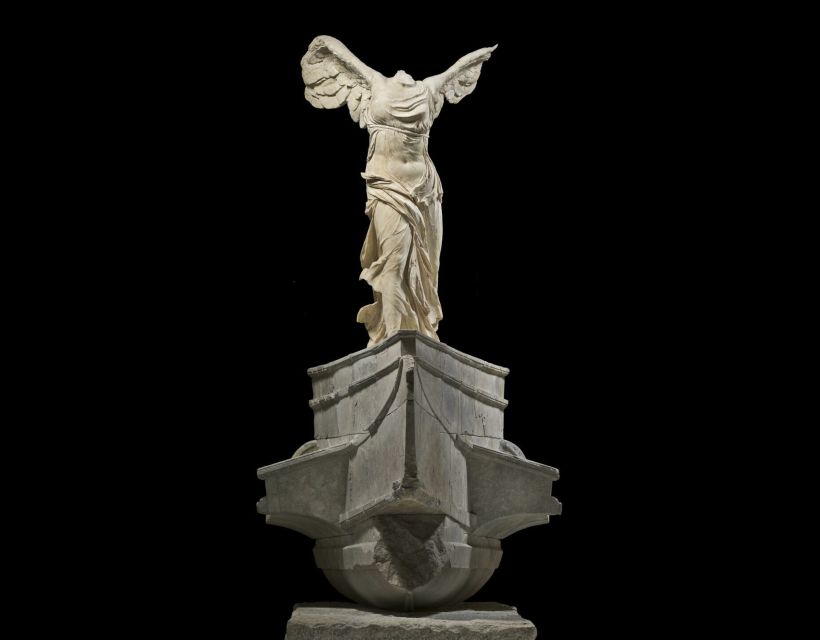
From the older foundations, the route moves into the Louvre’s later palace and collection spaces. Your guide helps you connect the works to the periods and people that shaped them.
This is where the private format matters. In a large public group, questions can slow the whole party or get lost. With five or six people at most, you can ask why a work was made, what symbols to look for, or how an artist’s choices fit the time.
The guide is also meant to help you look beyond first impressions. One of the most useful promises here is learning to notice what you might miss at first glance. That could mean a gesture, a symbol, a political message, or a detail in the setting. The aim is not just to identify a famous work, but to understand what the artist is communicating.
David has been praised for linking symbols in works such as Delacroix to the country his guests came from. That kind of comparison can make a difficult painting feel closer to home. It is also a good sign for families with teenagers, since a strong guide can connect art to people and places rather than relying on dates alone.
Do not expect a full survey of every famous gallery in 90 minutes. The Louvre is too large for that. A good visit here is selective by design, giving you a clear path and enough explanation to make the stops count.
The Mona Lisa question
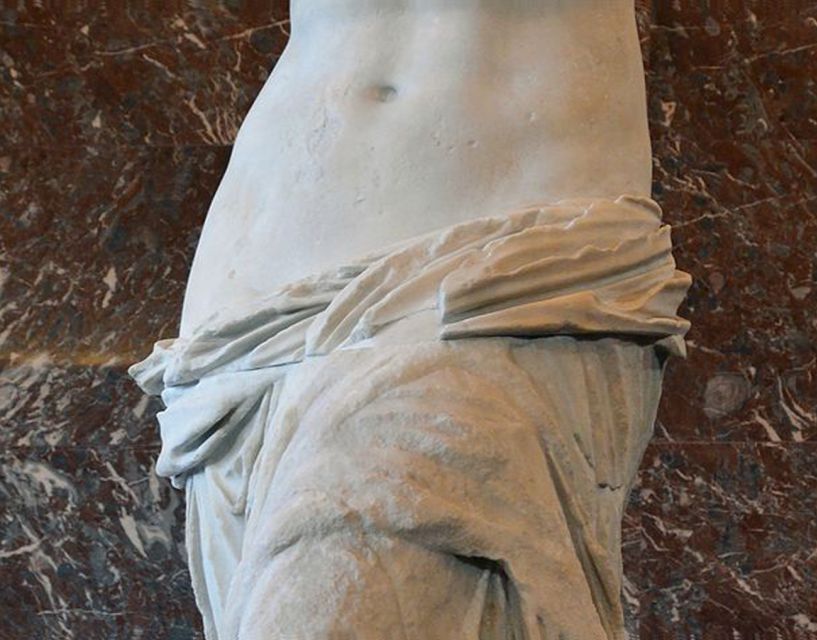
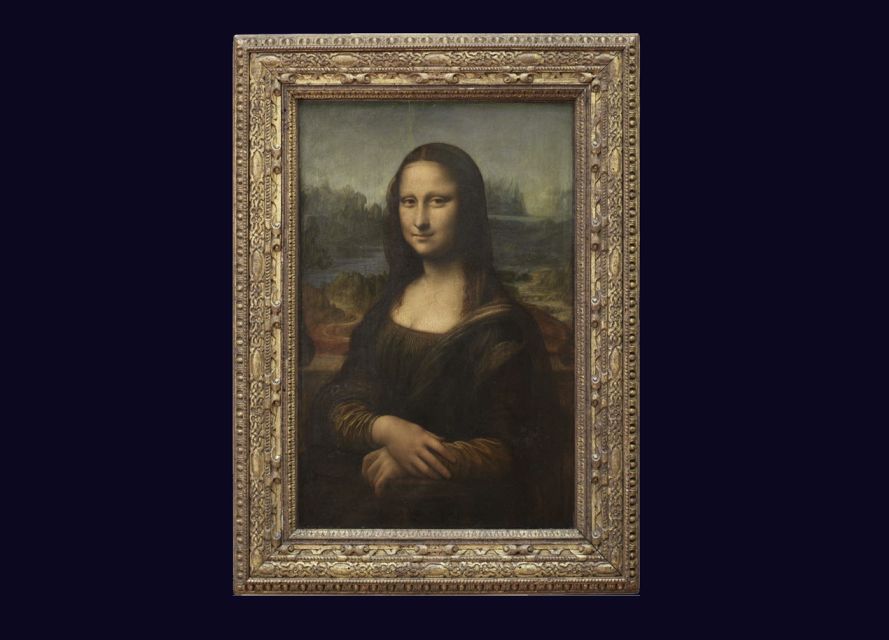
The Mona Lisa is the Louvre’s most famous stop, but the supplied information does not guarantee a particular viewing arrangement or even name it as a fixed stop. Ask your guide at the start if seeing it is essential to you.
That advice may sound obvious, but it matters. Some people want the iconic photograph above all else. Others would rather spend time with works that have room to breathe. A private tour can often respond to that difference, but you should state your priorities early.
If the Mona Lisa is included, be ready for a popular room and a viewing experience shaped by demand. The evening may feel calmer overall, but it does not turn the museum’s best-known painting into a private appointment.
The guide’s real value is helping you place the famous work in a wider visit. The Louvre is far more than one painting. You will get better value if you treat the Mona Lisa as one stop in a story about art, power, France, and the museum itself.
Napoleon III and the Louvre’s 19th-century finish
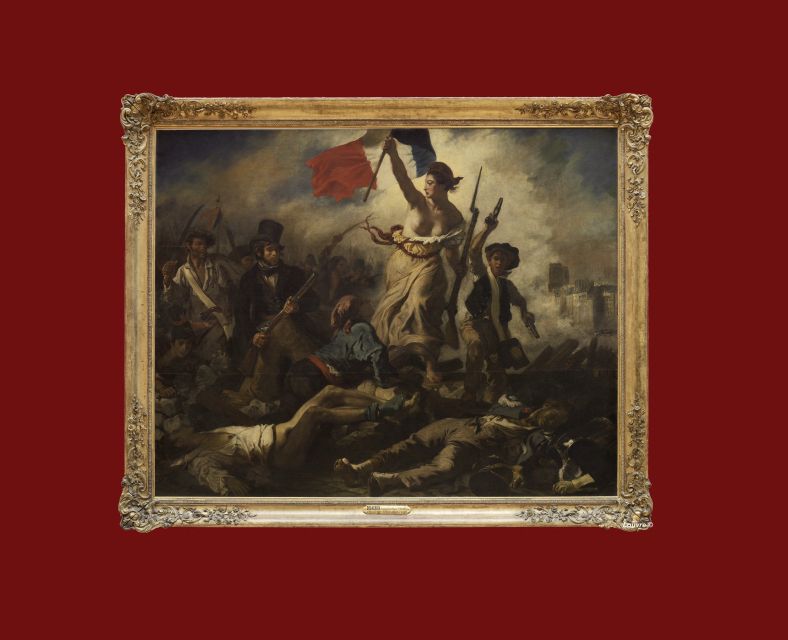
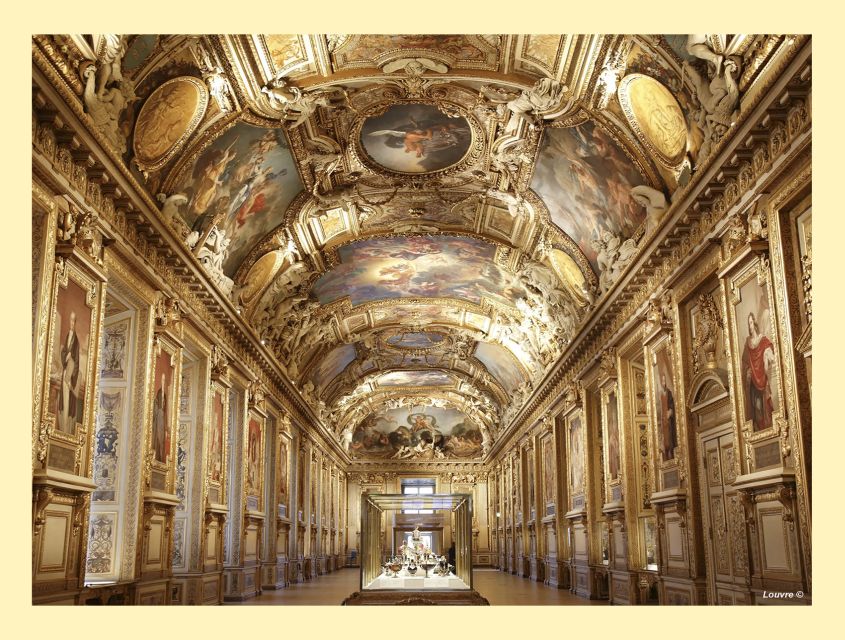
The later part of the route reaches the Louvre associated with Napoleon III in the second half of the 19th century. This provides a useful contrast with the Medieval remains.
You move from fortress origins to imperial ambition, from defensive architecture to grand palace design. Even if you are not an architecture specialist, that shift gives the museum a clear shape. You can see how the Louvre grew as rulers changed and France’s political image changed with them.
This part of the experience is especially helpful for first-time visitors. The building can otherwise feel like a maze of unrelated rooms. A historical thread gives you a way to remember what you saw after leaving.
The tour description places value on unusual spots, but it does not name them. That is both a benefit and a limitation. You may receive a route adjusted to the night’s conditions and your interests, but you cannot plan around a guaranteed list of galleries.
A guide who keeps the pace personal
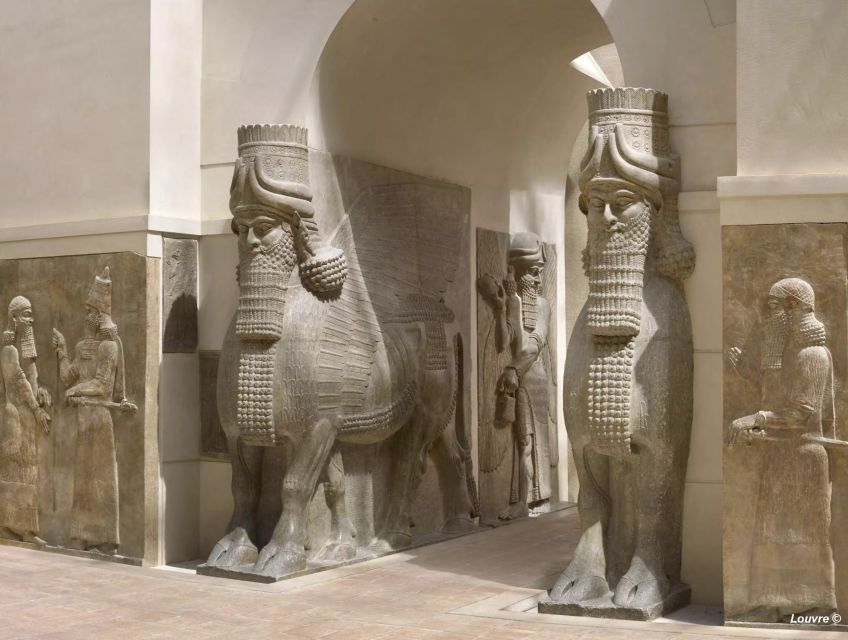
The strongest part of this experience is the guide’s role. David Lambret is described as an art-history scholar who brings works closer to people who do not immediately know what to look for. Afsaneh is praised for knowing the museum well and handling crowds with confidence.
Those are practical skills, not just academic credentials. The Louvre has confusing routes, long distances, and rooms that can overwhelm you with visual information. A guide who can choose the next stop quickly saves time and keeps the visit from becoming a march through random galleries.
The private format also helps with pace. You can ask for more explanation at one stop or move on when a subject is not holding your attention. Families with teenagers should find this more workable than a large group lecture, especially if the guide uses connections to your own country or interests.
There is one serious caution in the booking record: one guest reported that the guide did not show up. Most of the available comments are strongly positive, but that missed appointment is still worth noting. Keep your booking confirmation, arrive at the stated meeting place, and contact the provider promptly if the guide is not there.
Price and value for a 90-minute private visit
The listed price is $351 per group up to one person, with a duration of 1.5 hours. The wording is unusual, since the experience is also described as a private group with a maximum of five to six people. Confirm the exact group pricing before paying, especially if you are booking for several people.
At face value, this is expensive for 90 minutes. You also pay Louvre admission separately, and food, drinks, hotel transport, and pickup are not included. The price makes the most sense when you value a private guide, a small group, and a focused route more than a long visit.
For a first Louvre visit, that can be a fair trade. You avoid spending your entire day wandering, and you get an introduction that can make a later solo visit much easier. Repeat visitors may also find value if they want to see the museum through a new art-history angle rather than repeat a standard highlights route.
If your budget is tight, a regular guided tour or self-guided visit will cost less. You might also prefer a longer tour if your main goal is to see many galleries. This experience is aimed at quality of attention, not quantity of rooms.
Who should book this Louvre night tour
I would consider it for a first visit when you want structure but do not want to spend half a day in the museum. It also suits couples, families, and small groups who enjoy asking questions and discussing what they see.
It is a good fit if you want:
- An English-speaking art-history guide
- A quieter evening atmosphere
- A private group of five or six people maximum
- A route tied to French history and the Louvre’s architecture
- Help choosing what matters most in a huge museum
- A family-friendly visit with free admission for children under 18
I would hesitate if you want a guaranteed list of paintings, a long museum session, or a low-cost way to enter the Louvre. I would also check the final price carefully because tickets are extra and the group-pricing wording needs confirmation.
The tour is wheelchair accessible with priority access, but the museum’s security and entry procedures still apply. Tell the guide about any medical device before arrival, and bring only what the entry rules allow.
Final call: is the Louvre by night worth it?
Book this experience if you want a short, thoughtful introduction to the Louvre and are willing to pay for personal attention. The evening setting, small group, and art-history focus give you more than a basic list of famous objects.
The best reason to choose it is the guide’s ability to make the museum understandable. David’s links between art and his guests’ home countries, along with Afsaneh’s reported skill at navigating the building, point to the kind of help that makes a huge museum feel manageable.
Skip it if your main goal is the lowest price or the longest possible museum visit. Before booking, confirm the exact group cost, buy your admission ticket, and ask about must-see works such as the Mona Lisa. With those points settled, this can be a smart way to meet the Louvre when the palace feels a little less hurried.
FAQ
How long does the Louvre by night tour last?
The tour lasts 1.5 hours, or 90 minutes.
What language is the tour conducted in?
The live tour guide speaks English.
Is this a private tour?
Yes. It is offered as a private group experience, with a stated maximum of five to six people.
Are Louvre admission tickets included?
No. Museum ticket fees are not included. You should buy admission through the official Louvre website as soon as possible.
Where is the meeting point?
Meet next to the Equestrian Statue of King Louis XIV in front of the Pyramid, on the right-hand side.
How early should I arrive?
Arrive 10 minutes before the tour departure time.
Can children join the tour?
Yes. The experience is kids friendly. Children under 18 can enter free, but they need identification and the required free tickets.
Is the tour wheelchair accessible?
Yes. The experience is listed as wheelchair accessible and includes priority access.
More Evening Experiences in Paris
- Paris: Evening River Cruise with Music
★ 4.4 · 22,721 reviews - Paris: Day or Sunset Cruise with Drink, Ice Cream or Dessert
★ 4.4 · 4,225 reviews - Paris: Big Bus Panoramic Night Tour by Open-Top Bus
★ 4.4 · 4,168 reviews - Paris: Illuminated Evening River Cruise & Waffle Tasting
★ 4.1 · 2,697 reviews
Newest additions around Paris
- Family escape Game with kids and teens on the Île de la Cité★ 4.5 · 11 reviews
- Private Photoshoot with the Iconic Eiffel Tower in Paris★ 5.0 · 11 reviews
- 2-day Private Mont Saint-Michel, 3 Loire Castles, D-Day Express★ 4.5 · 11 reviews
- Paris: Batobus Hop-On Hop-Off Cruise & Landmarks Audio Tour★ 3.0 · 11 reviews
- Paris Revolutionary Walking Tour: Iconic French Sights & Stories★ 5.0 · 11 reviews
- Guided and Private Tour of 3 hours through Paris aboard a Citroën 2cv★ 5.0 · 11 reviews
- Kids in the Kitchen – CrOisSaNtS★ 4.0 · 11 reviews
- Paris: Ghosts and Dark Stories Guided Walking Tour★ 4.1 · 11 reviews
Louvre Museum Tours, compared.
Louvre Guided Tour with Reserved Access & Boat Cruise
Read our review →
Louvre Museum Masterpieces Guided Tour with Access
Read our review →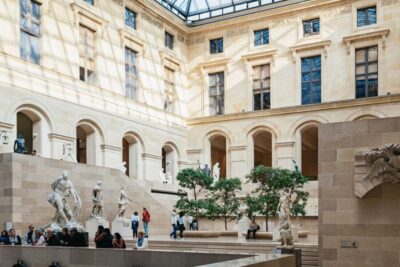
Louvre Museum Entry Ticket With Host and River Cruise
Read our review →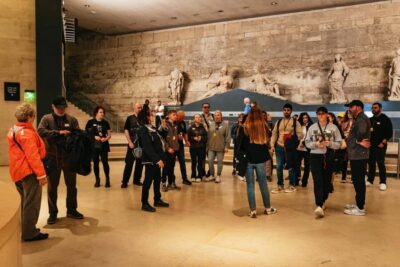
Priority Access Louvre with Host -Direct to Mona Lisa
Read our review →
Mona Lisa & Louvre Masterpieces Tour with Reserved Access
Read our review →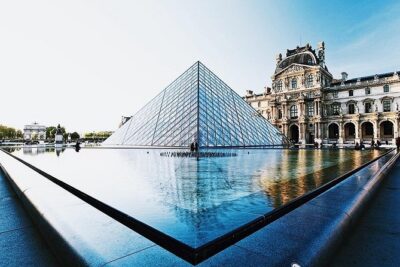
Louvre Museum – Exclusive Guided Tour (Entry Included)
Read our review →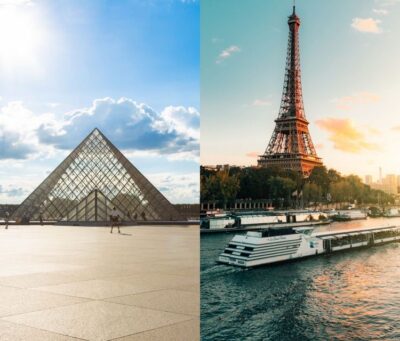
Louvre Reserved Ticket and River Cruise Combo
Read our review →Browse the lists this tour appears in