Reviewed · MORNING
Paris: Sunrise Running and Sightseeing Group Tour
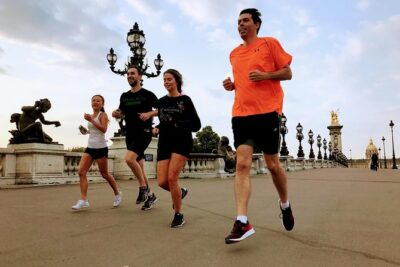
Paris looks entirely different at sunrise. On this two-hour running tour, you move through the city while streets and famous squares are still quiet, passing from Notre Dame and the Louvre to the Eiffel Tower before the usual crowds arrive.
I like two things here: the route covers a remarkable number of landmarks, and your guide pauses often for history, photos, water, and dried fruit or nuts. Guides such as Andrea also carry small personal items and take digital photos, which lets you run without worrying about your phone. The main catch is simple: you need to run at least 5 kilometers without stopping, so this is not a sightseeing walk with a little jogging added.
In This Review
- Key points to know before booking
- Why sunrise is the right time for this Paris run
- Starting at Place Saint-Michel and Notre Dame
- Pont Neuf, Pont des Arts, and the Seine views
- The Louvre and Tuileries Garden before the crowds
- Place de la Concorde and Pont Alexandre III
- Les Invalides, Grand Palais, and the Champs-Élysées
- Pont de l’Alma, Trocadéro, and the Eiffel Tower
- Returning past the Musée d’Orsay
- What the guide adds to the experience
- Fitness, clothing, and what to carry
- Is $55 a fair price for two hours?
- Who should book this Paris running tour?
- Should you book the Sunrise Running and Sightseeing Group Tour?
- FAQ
- Where does the running tour start?
- Which metro exit should I use?
- Which public transport stations are nearby?
- How long does the tour last?
- How far must I be able to run?
- Do I need to be a fast runner?
- What landmarks will I see?
- Are museum and monument tickets included?
- What does the tour provide?
- Can I bring luggage?
- Is the tour suitable for children?
- What languages are offered?
- Can I cancel the booking?
Key points to know before booking
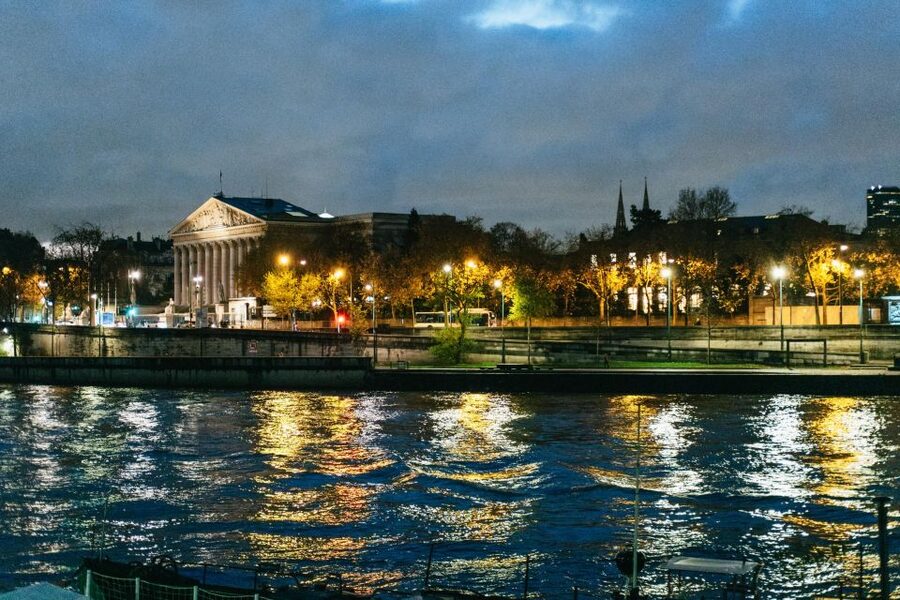
- See Paris before breakfast: The early start gives you clearer views of the Louvre, Champs-Élysées, Pont Alexandre III, and Eiffel Tower.
- A real run, not a gentle stroll: You do not need to be fast, but you should have enough conditioning to run 5 kilometers continuously.
- Small groups keep the pace manageable: The group is limited to 10 people, allowing the guide to adjust for different abilities.
- A citywide route in two hours: You pass Notre Dame, the Louvre, Tuileries Garden, Les Invalides, the Grand Palais, Trocadéro, and more.
- Useful extras are included: Expect water, dried fruit or nuts, a waterproof running jacket, and digital photos.
- Bring very little: Large bags and bulky clothing cannot be stored, so arrive dressed to run and leave your suitcase at your accommodation.
Why sunrise is the right time for this Paris run
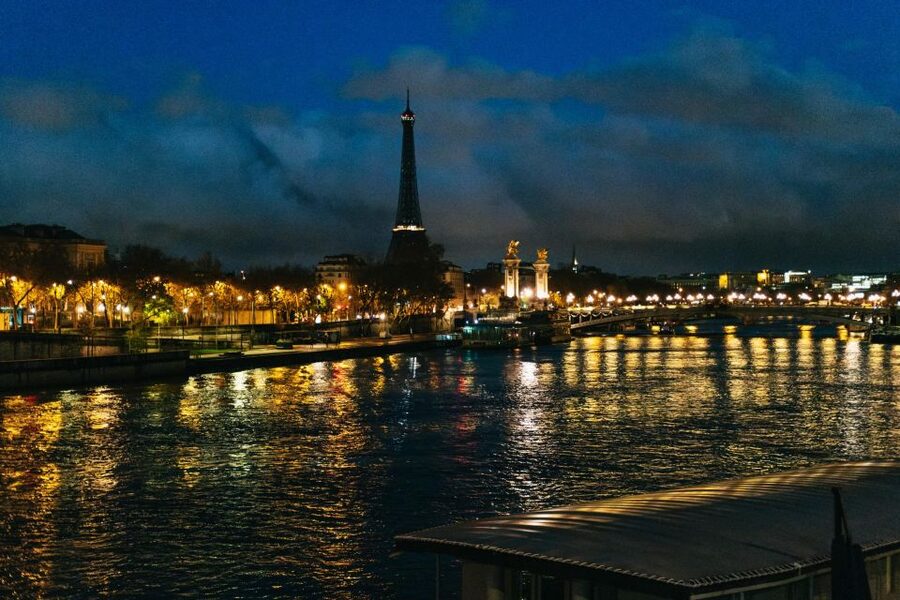
The greatest benefit is not simply fitting exercise into your morning. It is seeing Paris at a rare, peaceful hour.
At midday, the area around the Louvre can feel like a moving crowd. The Champs-Élysées is noisy and busy. The Eiffel Tower draws visitors from every direction. At sunrise, you have a better chance of seeing the architecture clearly and taking photos without people filling every corner.
You also get a useful first look at the city’s layout. Instead of visiting one museum or monument for several hours, you connect major sights on foot. By the end, you will have a clear sense of how the Seine, central Paris, the grand western avenues, and the Eiffel Tower fit together.
The pace is designed for sightseeing, not racing. You run between landmarks, then stop for explanations and pictures. That matters because you can pay attention to the city rather than watch the pavement. Still, the route covers a lot of ground, and the morning can feel demanding if you are not already comfortable running.
The activity costs $55 per person. I consider that fair if you value three things at once: a guided tour, a workout, and professionally taken photos. A standard sightseeing tour may spend more time at each monument, while a private running guide could cost more. Here, the small group and wide route make the price reasonable, especially for someone who wants to use a precious Paris morning well.
A few more Paris ideas to compare
- A Morning in Paris Food Tour: Croissants, Baguettes & Chocolate
★ 5.0 · 556 reviews - From Reims: Morning Champagne Tour and Tastings
★ 4.8 · 463 reviews - Sunrise Run & Sightseeing in Paris
★ 5.0 · 172 reviews
Starting at Place Saint-Michel and Notre Dame
Meet at 4 Place Saint-Michel, near the Saint-Michel fountain and the metro exit. If you use the metro, take exit 3, marked Fontaine Saint-Michel. Saint-Michel station is served by line 4, while Cluny-La-Sorbonne is on line 10. The Saint-Michel-Notre-Dame station connects with RER B and C.
This is a practical starting point because you are right in the historic center. The route begins near Notre Dame Cathedral, the Palais de Justice, the Conciergerie, and Sainte-Chapelle.
You should expect a photo stop and a short explanation rather than interior visits. Entry to monuments and museums is not included, and the group keeps moving. That is the tradeoff: you see more of Paris, but you are not signing up for a detailed cathedral or museum tour.
Notre Dame is especially meaningful as the opening sight. You get an early view of one of Paris’s best-known buildings before moving along the Seine. The nearby Conciergerie and Sainte-Chapelle add royal and medieval context, while the Palais de Justice gives the opening stretch more than just postcard scenery.
Pont Neuf, Pont des Arts, and the Seine views
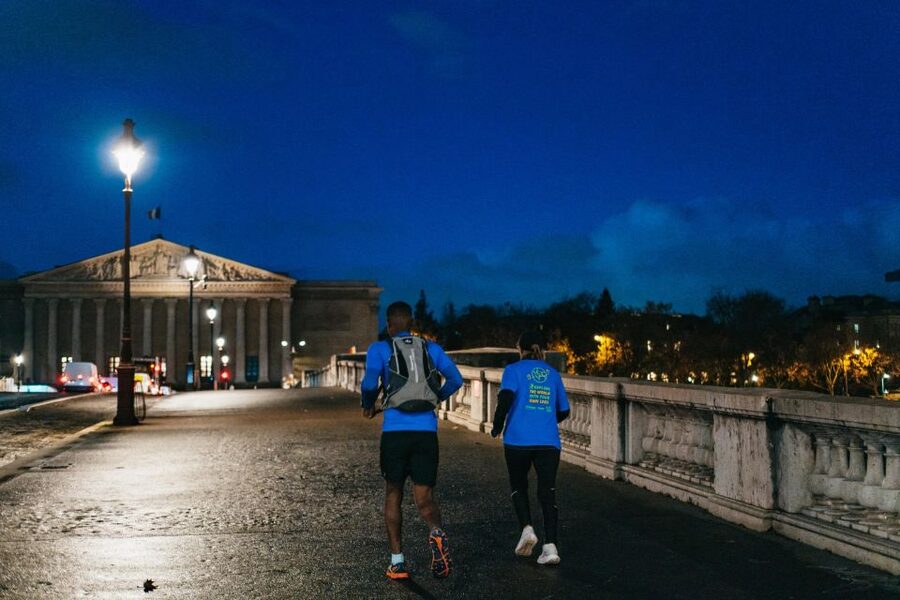
The first running section follows the river toward Pont Neuf and Pont des Arts. These bridges provide some of the best early-morning views on the route, especially when the light is beginning to change.
Pont Neuf is the oldest standing bridge across the Seine, though the tour’s focus is on seeing and understanding the setting rather than stopping for a long lesson. Pont des Arts leads your attention toward the Louvre and the riverbanks.
I like this part because it helps you settle into the rhythm of the tour. You run for a while, stop for a picture or a story, then continue. The guide can point out landmarks from angles you might miss if you were simply walking from one ticketed attraction to another.
The river sections are also useful for pace. They offer open views and clear reference points, although the ground and traffic conditions may vary. Wear proper running shoes, and keep your attention on the route when the group is moving through public streets.
The Louvre and Tuileries Garden before the crowds
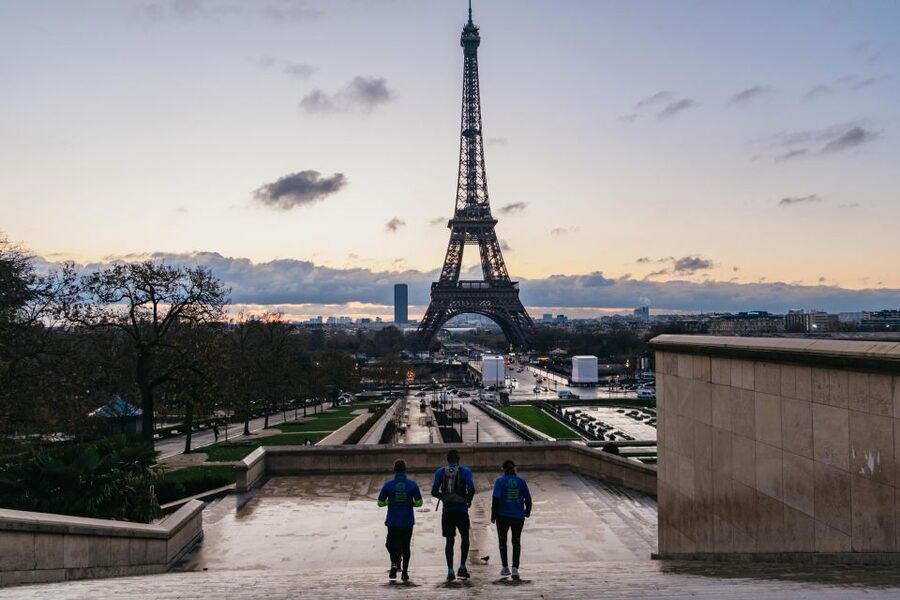
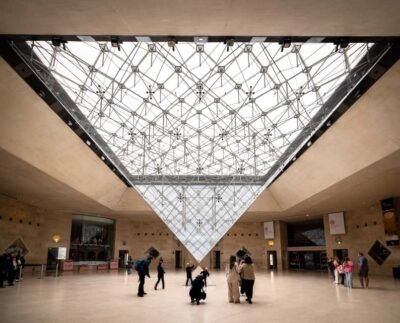
The Louvre is one of the tour’s major rewards. You see the museum from outside, with time for photos and a guided explanation, but you do not enter the galleries.
That distinction matters. If your main goal is the Mona Lisa, Egyptian antiquities, or a full museum visit, save a separate block of time and buy an admission ticket. If you want to understand the Louvre as part of Paris’s grand central axis, this quick stop works well.
From the Louvre, the route continues through the Tuileries Garden. The garden gives you a calmer stretch between major sights, along with broad views toward Place de la Concorde. At sunrise, the formal paths and open spaces are especially suited to a running tour because you can keep moving while still seeing the surrounding architecture.
You get a sense of how Paris links its royal, artistic, and civic spaces. The guide’s stories add value here, since the route is not just a list of famous names. You are moving through places that were designed to connect.
A different way to spend the day in Paris:
- Paris: Louvre Museum Timed-Entrance Ticket
★ 4.6 · 71,977 reviews - Disneyland® Paris 1-Day Ticket
★ 4.6 · 49,412 reviews - Paris: Versailles Palace and Gardens Full Access Ticket
★ 4.6 · 41,579 reviews - Paris: Arc de Triomphe Rooftop Tickets
★ 4.6 · 34,264 reviews
Place de la Concorde and Pont Alexandre III
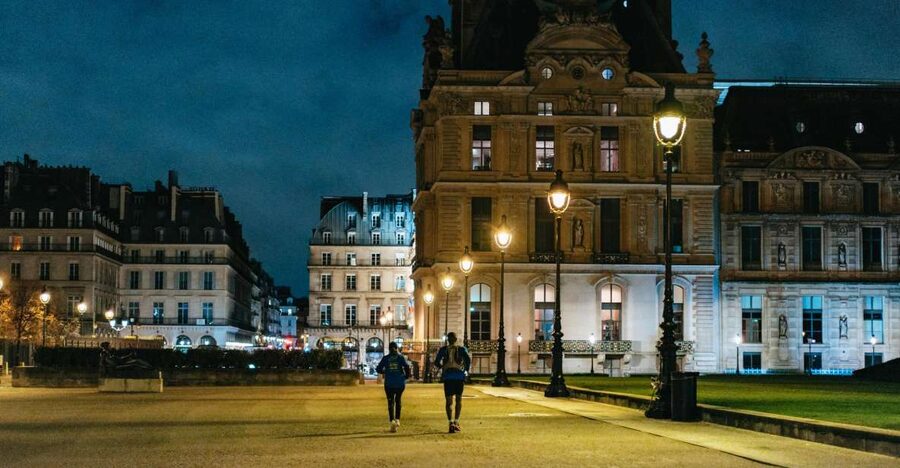
Place de la Concorde is another strong photo stop. Its wide scale makes it hard to appreciate from a crowded car or packed sidewalk. Running through the area gives you a quick but clear view of its position between the Tuileries, the Champs-Élysées, and the Seine.
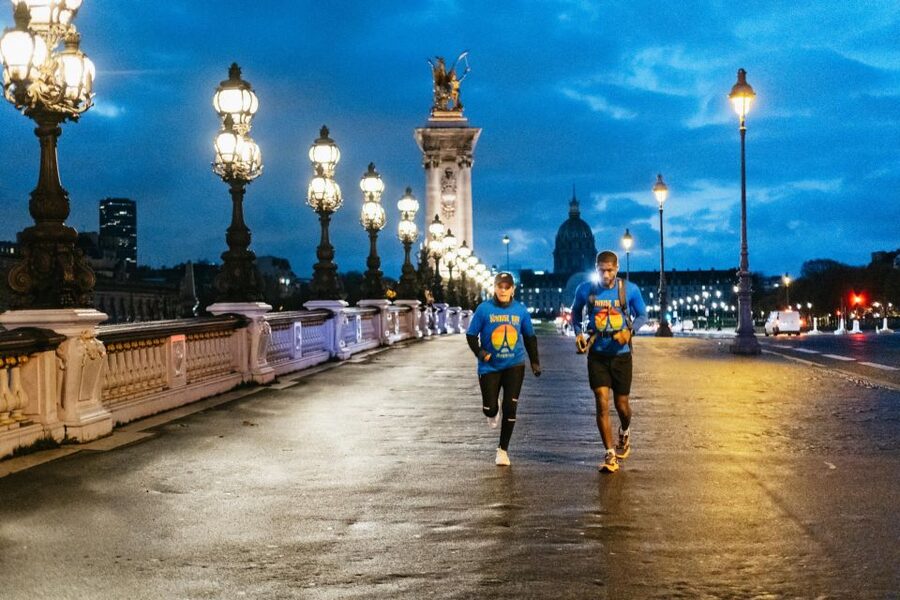
Next comes Pont Alexandre III, one of Paris’s most ornate bridges. It is a natural pause point for pictures, and the sunrise timing can give the river and bridge a softer appearance than you would see later in the day.
This portion may be one of the best sections for first-time visitors because it brings together several instantly recognizable Paris scenes. You do not spend long enough to study every sculpture or column, but you get the broad picture and can mark places to revisit later.
The guide provides breaks along the way, which helps if the group has different running speeds. One useful detail from the tour’s format is that guides such as Andrea have handled groups with varied abilities, combining running with frequent stops. You should still be prepared for a genuine workout, not a casual walk between monuments.
Les Invalides, Grand Palais, and the Champs-Élysées
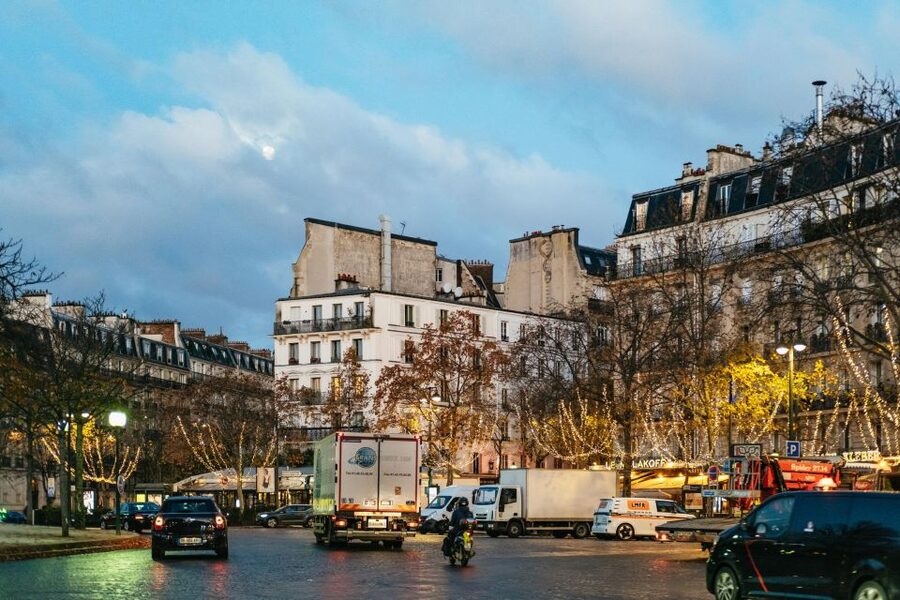
The route passes Les Invalides, with its distinctive golden dome, before continuing toward the Grand Palais, Petit Palais, and Champs-Élysées.
Les Invalides is seen from the outside. It is a particularly impressive sight in the early light, and the guide can give you a sense of its role in Paris without using up the morning on an indoor visit. If you want to see Napoleon’s tomb or the military collections, plan to return on your own.
The Grand Palais and Petit Palais are also pass-by sights. Their ornate facades add variety after the open spaces around the Seine and Tuileries. You are not stopping for museum entry, but you do get a moving view of this grand stretch of Paris.
The Champs-Élysées is often less pleasant at busy hours, when traffic and crowds dominate. Early morning changes the experience. You can appreciate the width of the avenue and its place in the city’s ceremonial center without fighting through a mass of people.
I would not choose this tour only for the Champs-Élysées, since the route does not provide a long shopping or café break. Its value comes from seeing the avenue as one part of a much larger run.
Pont de l’Alma, Trocadéro, and the Eiffel Tower
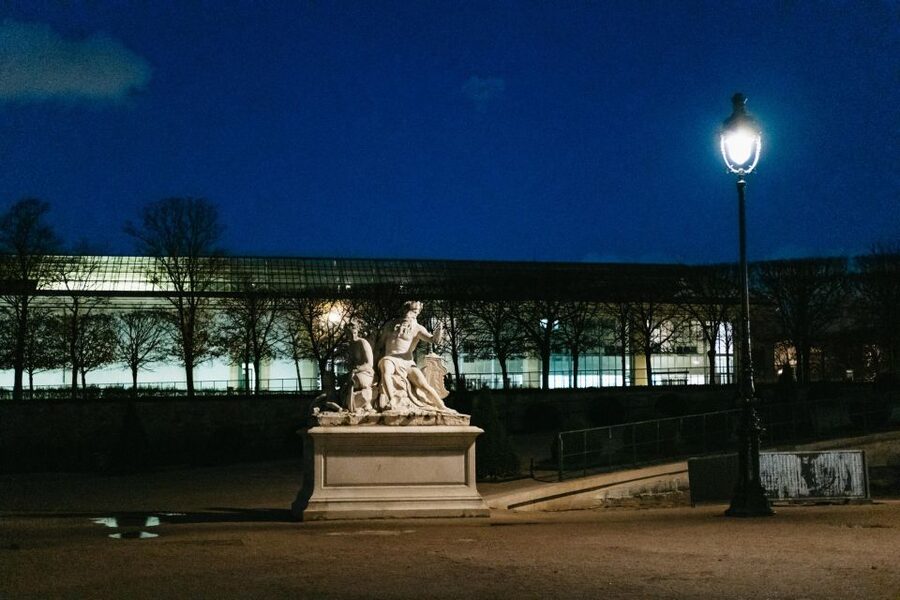
The final major section heads toward Pont de l’Alma, the Palais de Tokyo, Place du Trocadéro, and the Eiffel Tower.
Pont de l’Alma offers another Seine-side photo stop, while the Palais de Tokyo provides a view of Paris’s modern art district from outside. Then the route reaches Trocadéro, one of the finest places for an Eiffel Tower photograph.
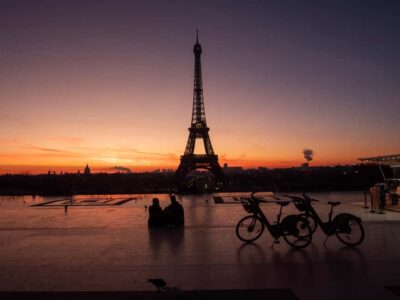
Trocadéro can be packed later in the morning. At sunrise, you have a better chance of getting an unobstructed view across the gardens toward the tower. This is likely to be the emotional high point of the tour, especially if your first visit to Paris is built around seeing the Eiffel Tower.
The Eiffel Tower stop includes guided sightseeing and photos, but it does not include going up the tower. If you want the summit or second-floor views, arrange that separately. The run gives you the outside view and the memory of arriving there under your own power.
This final stretch is also where fatigue may show. You have crossed a large part of central Paris, and the route may feel longer than the two-hour description suggests, depending on pauses and group pace. One participant recorded a longer outing of about two and a half hours and 8.4 miles, so you should leave room for some variation and not schedule a tight appointment immediately afterward.
Returning past the Musée d’Orsay
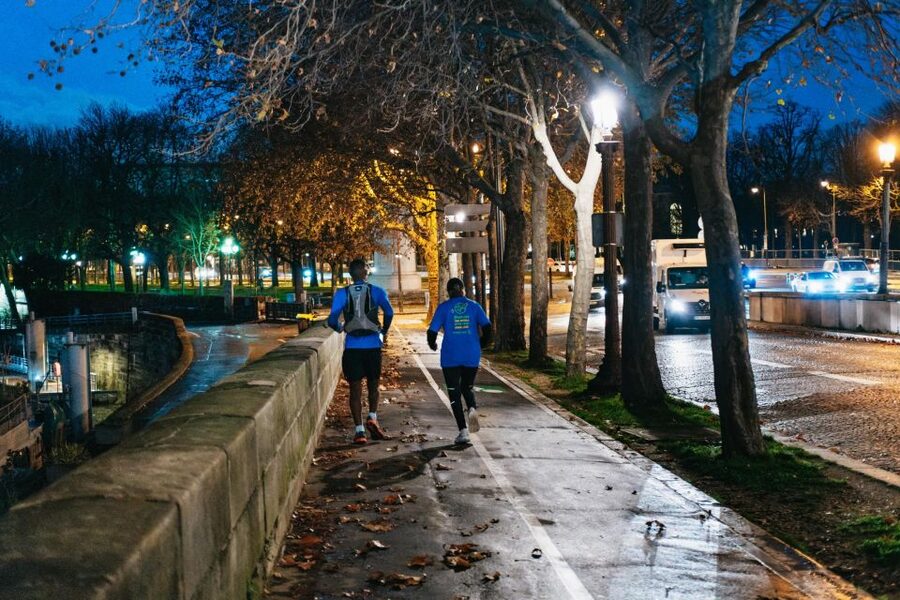
After the Eiffel Tower, the published route includes a 30-minute walk and a pass by the Musée d’Orsay before returning to Place Saint-Michel.
The walk is important. It gives your body a chance to cool down after the running sections, and it changes the pace from exercise to sightseeing. The Musée d’Orsay is viewed from outside, so treat it as a useful orientation rather than a museum visit.
You finish where you started, which makes the tour easier to fit into a day of independent exploring. From Saint-Michel, you can continue around the Latin Quarter, return to your hotel, or use public transport for another part of Paris. Transport tickets are not included, so carry your own metro or train ticket if you expect to use one before or after the tour.
What the guide adds to the experience
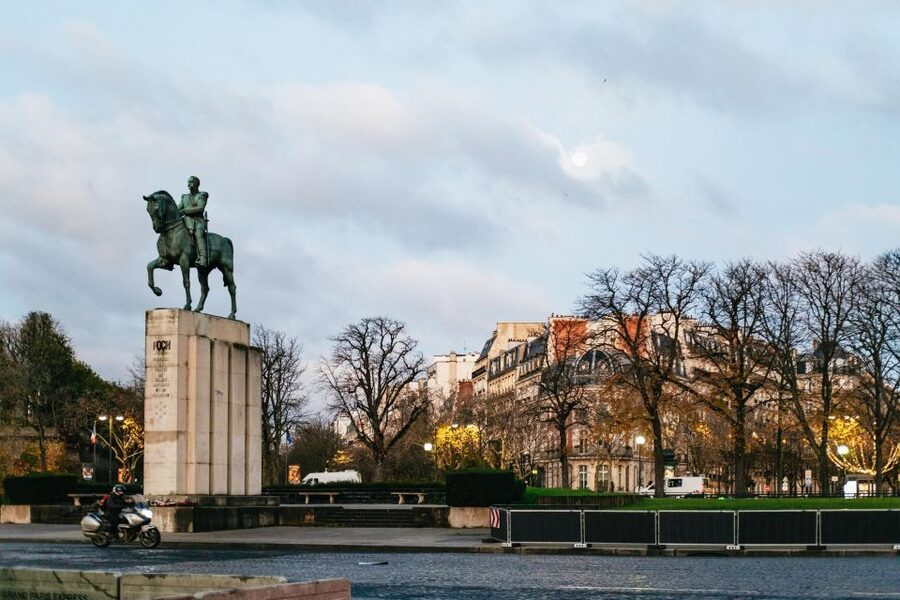
The guide is more than a person setting the pace. The best part of the format is the mix of running, short history talks, and photo stops.
Andrea is specifically named in several bookings, and her role combines leading the run with explaining the city and taking pictures and video. That is useful when you want a record of the morning but do not want to stop every few minutes to photograph yourself.
The group limit of 10 helps. A guide can keep an eye on different running abilities and adjust the rhythm better than a large sightseeing group. You should not expect a personal trainer or a private history lecture, but you can expect direct contact with the guide and a more social outing than running alone.
The tour is offered in English and French. Ask for your preferred language when booking, and check the available start time because the activity is tied to the early morning.
Fitness, clothing, and what to carry
You do not need to be a fast runner. You do need to run at least 5 kilometers without stopping, and you should be comfortable exercising for about two hours with sightseeing breaks.
Bring sports shoes and clothing suited to the weather. Paris mornings can feel cool, and the included waterproof running jacket is a useful backup, but it is not a substitute for proper running gear.
The guide can carry small items in a backpack. Water and dried fruit or nuts are provided, which is handy before breakfast. Do not arrive with a suitcase, large backpack, or bulky change of clothes because storage for large bags is not available.
The tour is not suitable for people with back problems, heart problems, or mobility impairments. Minors can join if they are used to running and accompanied by a parent. Children aged 16 or 17 should have a parent make the reservation and attend the meeting point. A running stroller is possible, but you must bring your own and it needs to work on city streets that are not very wheelchair-friendly.
Is $55 a fair price for two hours?
At $55, you are paying for an active small-group experience rather than entry to a monument. No museum or landmark admission is included, and no transportation tickets are supplied.
The value comes from the combination of services: a local guide, a carefully linked route, water, snacks, a waterproof jacket, and digital photos. You also save time by seeing many landmarks in one morning and avoid the usual crowd pressure at popular viewpoints.
I would call it good value for runners who would otherwise pay for a guided tour and still need to find time for exercise. It is less useful if you dislike running, need long indoor visits, or want to explore each monument at length.
Free cancellation up to 24 hours before the start and the reserve-now, pay-later option make planning easier. Still, check the start time carefully. The early hour is the reason the tour works, but it is also the part that may be hardest for night owls.
Who should book this Paris running tour?
I would recommend it to:
- Runners who want to keep exercising during a city break
- First-time Paris visitors who want a fast orientation
- Photographers who prefer quiet streets and open landmark views
- People who enjoy local stories but do not want a long indoor lecture
- Anyone with a busy sightseeing schedule who wants to cover many major sights early
I would skip it if you have not run recently, want to carry a large bag, or hope to enter the Louvre, Sainte-Chapelle, Les Invalides, or Eiffel Tower during the outing.
Should you book the Sunrise Running and Sightseeing Group Tour?
Book it if you can comfortably run 5 kilometers and like the idea of seeing Paris before breakfast. The combination of exercise, city orientation, short history stops, and digital photos gives the morning real purpose.
The strongest reason to choose it is the timing. You get the Louvre, Champs-Élysées, Trocadéro, and Eiffel Tower when they are far less crowded. Just remember that this is a running tour with sightseeing, not a walking tour with a few energetic moments. Bring good shoes, keep your luggage elsewhere, and allow some flexibility after the scheduled two hours.
FAQ
Where does the running tour start?
It starts at 4 Place Saint-Michel, near the Saint-Michel fountain and the metro exit.
Which metro exit should I use?
Use exit number 3, called Fontaine Saint-Michel.
Which public transport stations are nearby?
Saint-Michel station is served by metro line 4. Cluny-La-Sorbonne is on line 10. Saint-Michel-Notre-Dame serves RER B and C.
How long does the tour last?
The stated duration is two hours. The pace and breaks can vary, and one recorded outing lasted about two and a half hours.
How far must I be able to run?
You should be able to run at least 5 kilometers, or about 3 miles, without stopping.
Do I need to be a fast runner?
No. Fast running is not required, but you need some conditioning and must be comfortable with a sustained run.
What landmarks will I see?
The route includes Notre Dame, the Palais de Justice, the Conciergerie, Sainte-Chapelle, Pont Neuf, Pont des Arts, the Louvre, Tuileries Garden, Place de la Concorde, Pont Alexandre III, Les Invalides, the Grand Palais, Petit Palais, Champs-Élysées, Pont de l’Alma, Palais de Tokyo, Trocadéro, the Eiffel Tower, and a pass by the Musée d’Orsay.
Are museum and monument tickets included?
No. Entry tickets to monuments and museums are not included.
What does the tour provide?
The tour includes a guide, running tour, waterproof running jacket, still bottled water, dried fruit or nuts, and digital photos.
Can I bring luggage?
No. Luggage and large bags are not allowed, and storage for bulky clothing or large bags is not available. Small personal items can be carried by the guide in a backpack.
Is the tour suitable for children?
Minors may participate if they are used to running and accompanied by a parent. A running stroller is also possible if you bring an appropriate stroller for city streets.
What languages are offered?
The tour is available in English and French.
Can I cancel the booking?
You can cancel up to 24 hours in advance for a full refund. A reserve-now, pay-later option is also available.
Newest additions around Paris
- Family escape Game with kids and teens on the Île de la Cité★ 4.5 · 11 reviews
- Private Photoshoot with the Iconic Eiffel Tower in Paris★ 5.0 · 11 reviews
- 2-day Private Mont Saint-Michel, 3 Loire Castles, D-Day Express★ 4.5 · 11 reviews
- Paris: Batobus Hop-On Hop-Off Cruise & Landmarks Audio Tour★ 3.0 · 11 reviews
- Paris Revolutionary Walking Tour: Iconic French Sights & Stories★ 5.0 · 11 reviews
- Guided and Private Tour of 3 hours through Paris aboard a Citroën 2cv★ 5.0 · 11 reviews
- Kids in the Kitchen – CrOisSaNtS★ 4.0 · 11 reviews
- Paris: Ghosts and Dark Stories Guided Walking Tour★ 4.1 · 11 reviews
Morning, compared.
A Morning in Paris Food Tour: Croissants, Baguettes & Chocolate
Read our review →
Paris Before the Crowds: Sunrise Bike Tour with Breakfast
Read our review →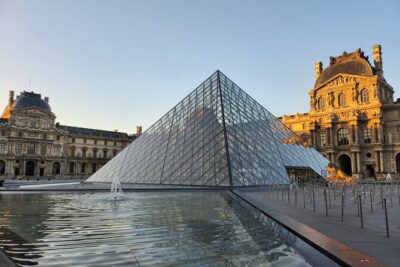
Paris Without People – Sunrise Bike Tour & Breakfast
Read our review →