
Reviewed · LE MARAIS TOURS
Paris: Guided tour of Marais in German
The most rewarding part of this tour is the way it joins several sides of Paris in one walk. You begin with the grand civic face of Hôtel de Ville and Centre Pompidou, then move into the Marais, where Jewish life, old aristocratic mansions, elegant squares, and medieval remnants share a compact neighborhood.
I like the private German-language format, especially if you want to ask questions or keep the pace comfortable for your group. I also like the human touch reported by guides such as Lucy, Marie-Elene, Solène, Katharina, and Marilena, who have been praised for patience, humor, local insight, and clear German. The main consideration is price: at $94 per person, this is a serious spend for two hours, and entrance tickets plus food are extra.
In This Review
- Key points to know before booking
- Why this Marais walk works so well
- Starting at Hôtel de Ville and Centre Pompidou
- Entering the Marais and its former swampland
- The city palaces of the 16th and 17th centuries
- Place des Vosges and the oldest square in Paris
- Musée Carnavalet and the story of Paris
- Rue des Rosiers and Jewish life in the Marais
- Finding the last traces of medieval Paris
- How the private format affects the experience
- German-language guiding and the level of detail
- Who should book this two-hour walk
- Should you book the Marais tour?
- FAQ
- Where does the tour start?
- Where does the tour finish?
- How long does the guided walk last?
- Is the tour private?
- What language is the tour offered in?
- Which places are included in the route?
- Are entrance tickets included?
- Can children join the tour?
- What is included in the price?
Key points to know before booking
- Jewish Marais in German: Rue des Rosiers gives the tour a strong cultural focus, not just a parade of pretty buildings.
- A private walk: Your group has the guide to itself, making questions and adjustments easier than on a large group tour.
- Several eras in two hours: You move from medieval Paris to 16th and 17th-century city palaces, then to modern Centre Pompidou.
- Place des Vosges matters: This celebrated square brings architecture, royal history, and a calm change of pace to the walk.
- A helpful first-day orientation: The route introduces major Marais sights while pointing out corners you can revisit alone.
- German-speaking guides vary: Lucy, Marie-Elene, Solène, Katharina, and Marilena have led this experience, so the style may differ slightly by date.
Why this Marais walk works so well
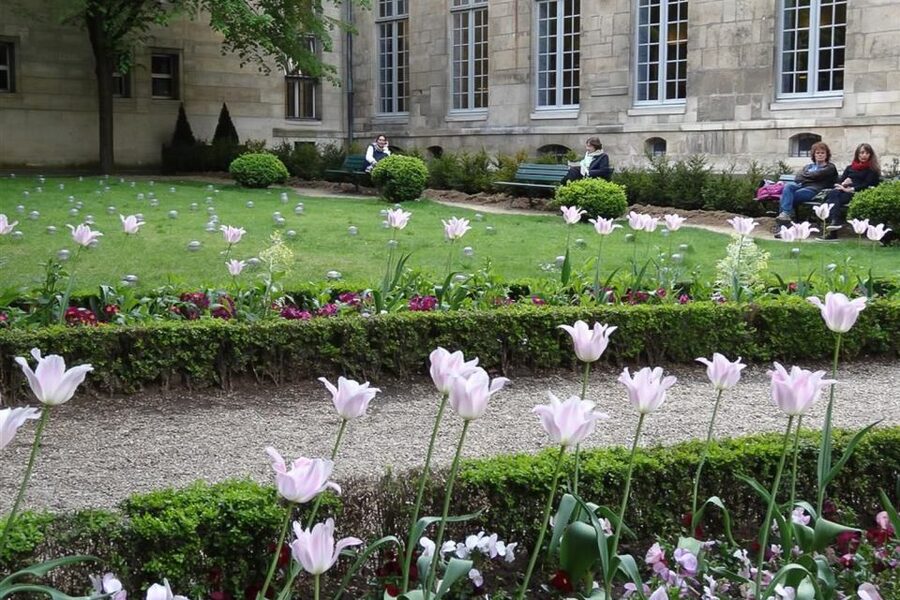
The Marais is a good neighborhood for a two-hour introduction because the scenery changes quickly without long transfers. A former swampland on the edge of Paris, it later became a fashionable quarter filled with grand urban residences, religious buildings, shops, and community institutions.
That layered past is the real draw. You are not simply looking at handsome façades. You are being shown how Paris changed from a medieval city into a royal and aristocratic capital, and how the Marais later became one of the key centers of Jewish life in the city.
The German guide makes a practical difference. Several people who booked the tour valued being able to ask personal questions and follow explanations without switching languages. One family especially appreciated Katharina’s patience with a young daughter’s many questions. That tells you something useful about the tone: this is not designed only for history specialists.
I would still keep your expectations sensible. Two hours is enough for a well-shaped overview, not for a detailed study of every palace, museum, and street. You will see important places and hear the main stories, but you will not have time to explore interiors at length.
More Le Marais walks:
- Award-Winning Paris French Bakery Experience — Le Marais, 4th Arr
★ 4.5 · 1,186 reviews - Paris Le Marais Food Tour With 10+ Tastings, Cheese, Wine & More
★ 5.0 · 985 reviews - Paris Le Marais District Original Food and Wine Tasting Tour
★ 4.5 · 880 reviews
Starting at Hôtel de Ville and Centre Pompidou
The meeting point is in front of the Basket4Ballers store at 31 Rue de Rivoli, beside Hôtel de Ville. This is a clear central address, but you should allow enough time to find the exact storefront rather than relying on a last-second arrival.
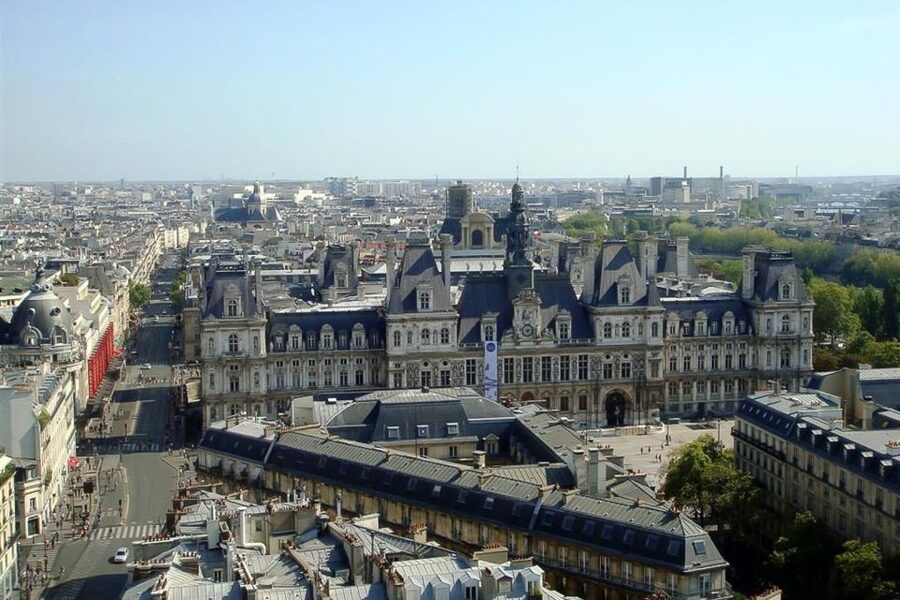
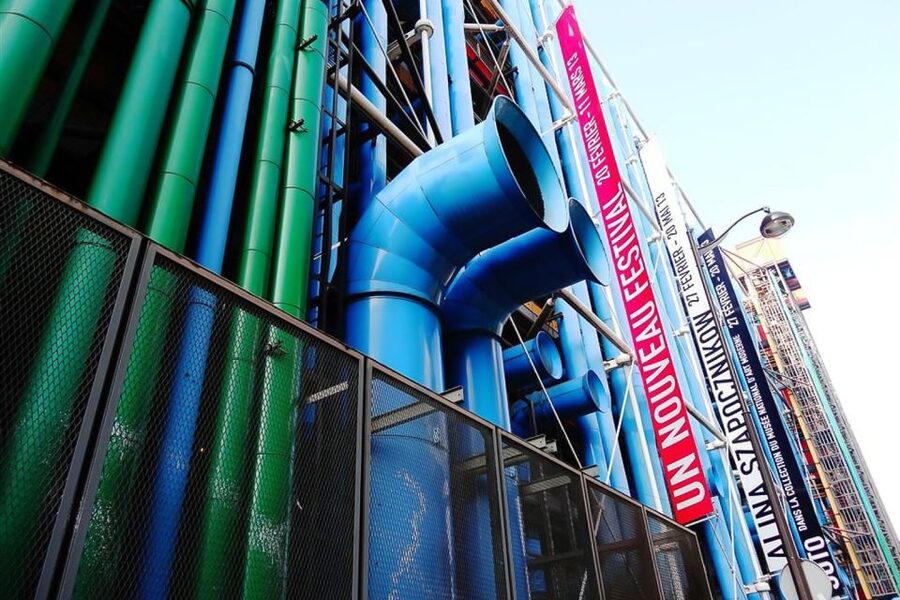
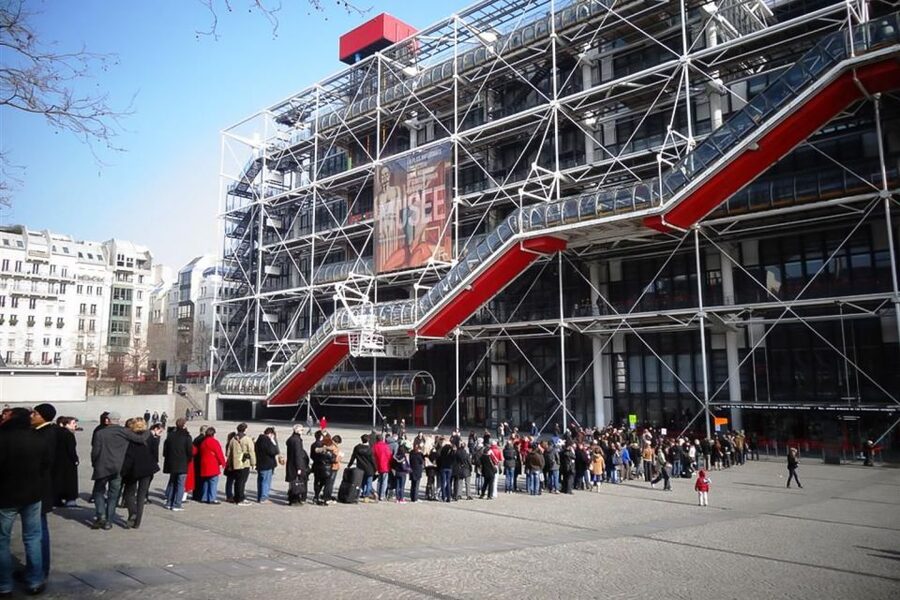
Beginning here gives the guide a useful opening scene. Paris City Hall represents the city’s public and political life, while the nearby Centre Pompidou introduces a very different side of Paris, one built around modern art, bold design, and an unmistakable exterior.
The Centre Pompidou is included as a guided stop, but entrance tickets are not included. The supplied details do not promise an indoor museum visit, so you should not book this walk expecting admission to the galleries. Ask your guide what the visit covers on your date if seeing the interior matters to you.
I like this opening because it prevents the Marais from feeling sealed off from the rest of Paris. You first see the city’s civic and modern landmarks, then step into streets where the architecture becomes older and more intimate.
Entering the Marais and its former swampland
From the starting point, the route leads into the 3rd and 4th Arrondissements. The name Marais refers to the area’s former wetland character, a reminder that today’s dense city was not always dry, built-up ground.
This bit of context helps you read the neighborhood. Streets that now feel central and fashionable once sat on the edge of Paris. The guide’s job is to connect the ordinary details around you with that change over time.
The walk is also a good chance to notice how much of the Marais is experienced from the street. You do not need a long museum visit to appreciate the quarter’s character. Doorways, courtyards, squares, street plans, and stone façades carry much of the story.
The exact route may adjust to your group’s questions and pace. That flexibility is one of the strongest reasons to choose a private tour. If you want more social history, you can ask for it. If your group is focused on buildings, the guide can give more attention to the palaces and architectural details.
The city palaces of the 16th and 17th centuries
One of the tour’s best themes is the survival of city palaces from the 16th and 17th centuries. These were not rural castles. They were grand urban residences built for powerful families who wanted a prestigious address inside Paris.
The Marais still has an unusually strong collection of these buildings. Their scale and formal design can surprise you because they appear among normal streets rather than in a separate palace district. The guide helps you understand why these residences were built here and what their presence says about the neighborhood’s former status.
You are also shown the oldest city palace on the route. The provided details do not identify it by name, so I would treat the guide’s explanation as part of the experience rather than arrive expecting a particular museum entrance. The point is the continuity of the buildings and the way they preserve a visible record of earlier Paris.
This stop should suit you if you enjoy architecture but do not want a lecture detached from the street. The explanations are tied to what you can see in front of you. If you are hoping to tour several interiors, though, the two-hour format and excluded admission fees may feel limiting.
A few more Paris ideas to compare
- Paris: Louvre Guided Tour with Reserved Access & Boat Cruise
★ 4.3 · 16,353 reviews - Louvre Museum Masterpieces Guided Tour with Access
★ 4.5 · 12,023 reviews - Louvre Museum – Exclusive Guided Tour (Entry Included)
★ 5.0 · 6,296 reviews - Versailles: Skip-the-Line Guided Palace Tour and Full Access
★ 4.6 · 5,214 reviews
Place des Vosges and the oldest square in Paris
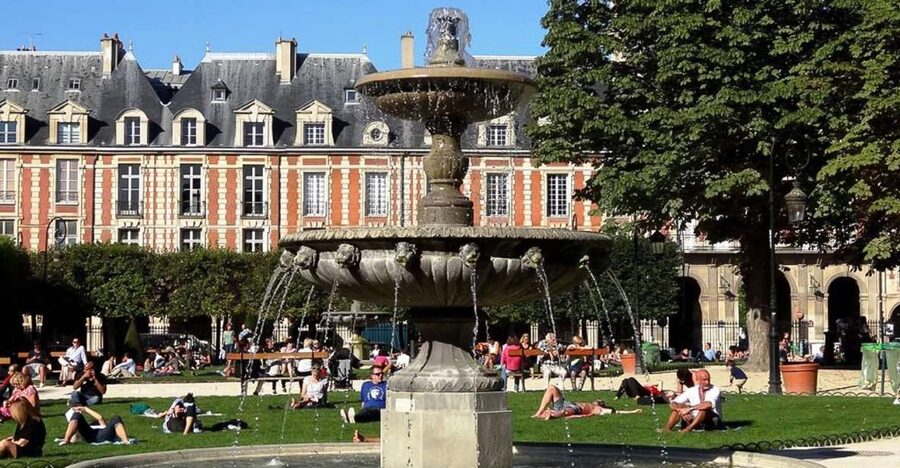
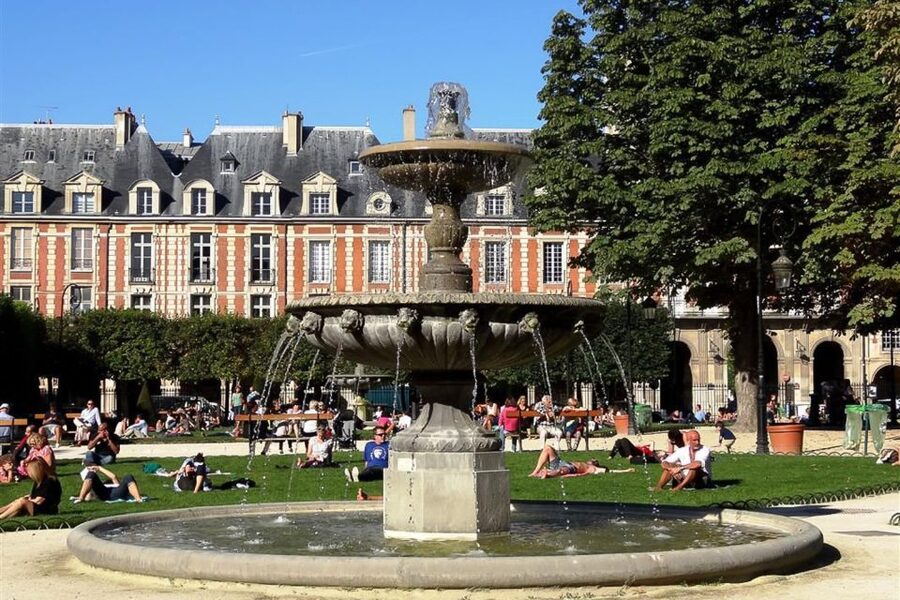
Place des Vosges is the route’s grand pause. Its extraordinary architecture gives you a chance to step back from narrow streets and take in a more carefully planned urban setting.
The square is presented as the oldest square in Paris, and its history gives the walk a strong anchor. Here, the guide can explain how the square fits into the development of the Marais and why its regular design feels so different from the less ordered streets nearby.
I find this kind of stop valuable because it lets you connect individual buildings to city planning. Instead of seeing one attractive façade after another, you get a sense of how public spaces were shaped and how architecture was meant to work as a whole.
Place des Vosges can also be a natural point for questions and photographs. The walk does not list a long formal break, but the private format makes it easier to pause briefly when something catches your eye. One couple specifically appreciated having small stops along the way for a quick purchase or a restroom break.
Musée Carnavalet and the story of Paris
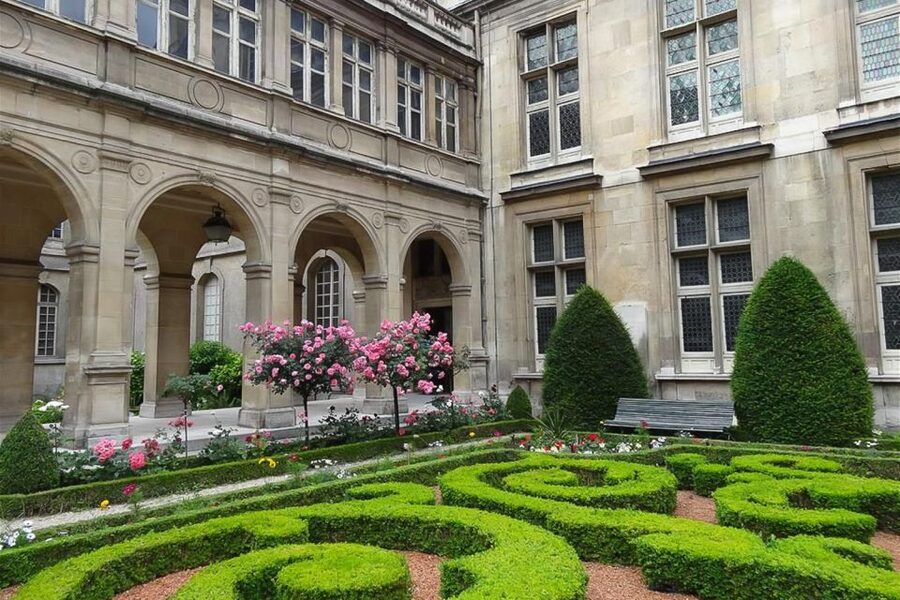
The route includes Musée Carnavalet as a guided stop. This museum is closely tied to Parisian history, making it a logical place to explain how the Marais fits into the city’s larger story.
Again, do not assume the tour fee covers museum admission. Entrance tickets are not included, and the supplied details do not promise a full indoor visit. The guide may focus on the building, its setting, or the museum as a landmark during the walk.
That limitation is worth knowing before you book. If you want a full museum session, plan separate time and check admission arrangements independently. If you mainly want a readable explanation of the Marais and Paris, the stop still adds value without turning the tour into a long indoor visit.
The best part of including Carnavalet is the connection between place and history. You are not hearing isolated facts about a square, palace, or street. You are getting a framework for understanding why this district matters.
Rue des Rosiers and Jewish life in the Marais
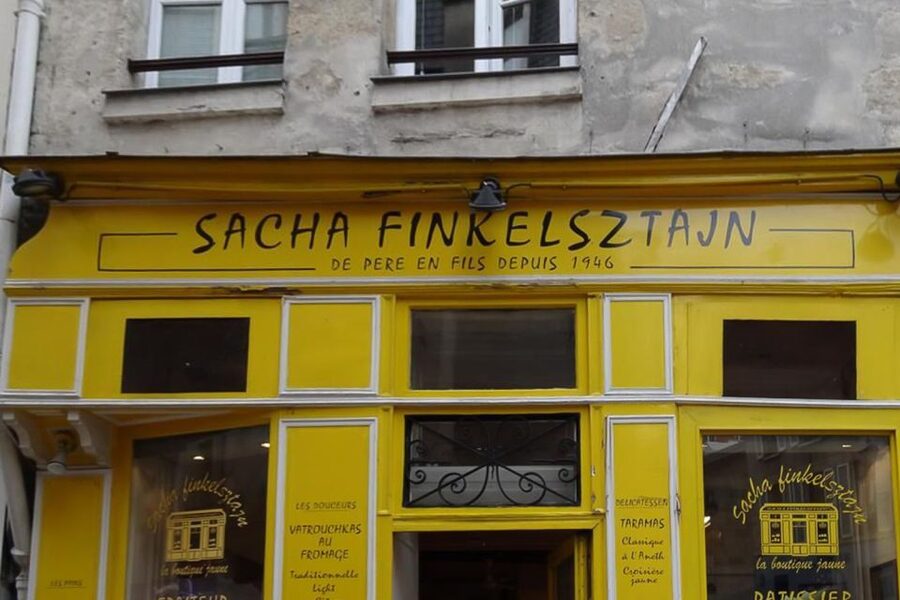
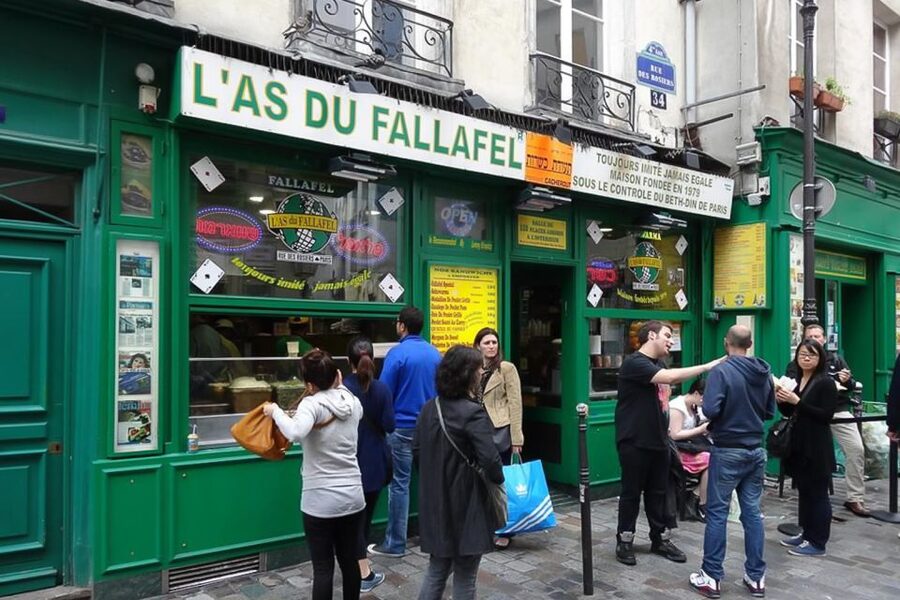
Rue des Rosiers is the most distinctive part of the route. It is one of the best-known Jewish streets in Paris, and the walk uses it to introduce the Jewish quarter of the Marais.
This is where the tour moves beyond architecture. The guide explains Jewish life in the area and the special atmosphere of this part of the neighborhood. For many German-speaking visitors, that cultural focus may be the main reason to choose this experience instead of a general city walk.
You should expect the street to be treated as a living part of Paris, not only as a historical display. The guide’s role is to explain its place in the quarter and point out the traces that help you read the area with more care.
This portion can also make the tour more meaningful for families. The guide can respond to questions at your level, and the private setting gives you room to pause when a subject needs more explanation. If you want a tour focused only on food shopping or current nightlife, this is not that experience. Its purpose is broader, with Jewish heritage at the center of the Marais story.
Finding the last traces of medieval Paris
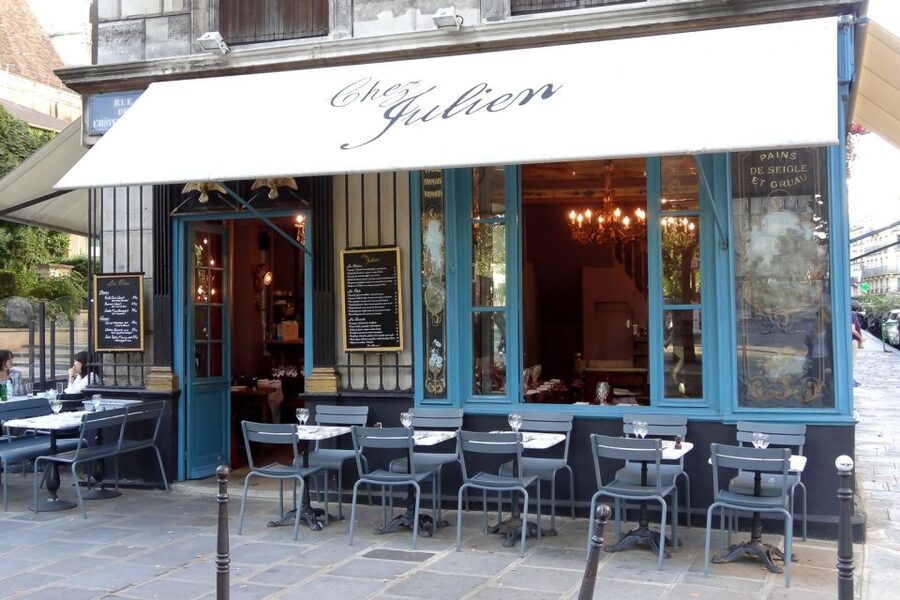
Near the end, the walk points out the last traces of medieval Paris. That closing idea gives the tour a satisfying historical arc.
You begin with present-day civic and modern Paris, pass through the grand residences of later centuries, then finish with the oldest surviving clues in the district. The route shows that Paris is not arranged in neat historical layers. Different periods sit beside each other, often with little warning.
This is also where a guide adds more than a map. Medieval remnants can be easy to miss when you are walking alone, especially in a district full of ornate façades and modern shops. A local guide can direct your attention to details you might otherwise pass without noticing.
The final return is to 31 Rue de Rivoli. That makes the walk easy to fit into a day of sightseeing, since you finish near the starting area rather than far across the city.
How the private format affects the experience
This is a private group tour, although the listed price is $94 per person. The distinction matters. You are not paying for a large shared group with a fixed script, but the per-person price can add up quickly for a family or larger party.
For a couple, the cost is easier to justify if German-language guidance is important and you want a flexible walk. For a family, the value improves because children under 12 can participate free of charge. That makes the price more attractive for parents with younger children, though you should still remember that food, drinks, and entrance tickets cost extra.
The private format also gives you control over the conversation. Guides have been praised for answering individual questions, adapting to families, and offering practical suggestions. Solène was noted for fitting a great deal of information into two hours, while Marilena was appreciated for a relaxed pace and useful small stops.
The guide you receive will shape the tone. Lucy has been described as friendly and empathetic, Marie-Elene as especially good at showing atmospheric corners and grand palaces, and Katharina as patient with children. Those details suggest a warm, personal approach, but no two guides will tell every story in exactly the same way.
German-language guiding and the level of detail
The tour is offered in German with a live guide. That makes it particularly useful if you understand written signs and basic French but want historical explanations in your strongest language.
The praise for German fluency is consistent. If you care about precise explanations, humor, and the ability to ask follow-up questions, this is more useful than simply joining an English-language group and hoping to catch every point.
The depth should suit most visitors looking for orientation. You will hear about the Marais, Parisian history, Jewish life, city palaces, Place des Vosges, and medieval traces. You may not receive the specialist level of detail found in a full-day academic tour, but you should come away with a clear sense of how the district fits together.
I would recommend writing down one or two places you want to revisit. The walk moves at a steady pace, and it is easy to hear an interesting suggestion without having time to act on it immediately.
Who should book this two-hour walk
I would recommend this tour most strongly to:
- German-speaking couples who want a private introduction to the Marais
- Families who need a patient guide and the freedom to ask questions
- First-time Paris visitors looking for a useful orientation near central sights
- Repeat visitors who want Jewish heritage and lesser-noticed corners of the district
- Architecture fans interested in historic city palaces and Place des Vosges
It may be less suitable if your main goal is a long indoor museum visit. It is also not the cheapest way to stroll through the Marais, particularly for a large adult group, because admission and refreshments are separate.
The two-hour length is a strength if you have a packed Paris schedule. You can use it as a first-day introduction, then return to Rue des Rosiers, Place des Vosges, or the museum area on your own. If you want an unhurried study of every landmark, book more time elsewhere.
You can cancel up to 24 hours before the start for a full refund, and the reserve-now, pay-later option keeps your plans flexible. Starting times vary, so check availability for your date before building the rest of your day around it.
Should you book the Marais tour?
Book it if you want private German guidance, a compact introduction to Jewish life in the Marais, and a walk that links medieval traces with grand 16th and 17th-century residences. The strongest feature is the combination of personal questions, local stories, and several major sights in a short time.
Think twice if $94 per person feels high for two hours or if you expect museum entry to be included. For a German-speaking couple or a family with children under 12, the private attention can make the price easier to accept. For a larger adult group, compare the total cost carefully.
FAQ
Where does the tour start?
The meeting point is in front of the Basket4Ballers store at Hôtel de Ville, 31 Rue de Rivoli.
Where does the tour finish?
The walk returns to 31 Rue de Rivoli, the same area as the starting point.
How long does the guided walk last?
The tour lasts two hours.
Is the tour private?
Yes. It is organized as a private group tour for your party only.
What language is the tour offered in?
The live guided tour is offered in German.
Which places are included in the route?
The route includes Centre Pompidou, Place des Vosges, Musée Carnavalet, Rue des Rosiers, Paris City Hall, historic city palaces, and traces of medieval Paris.
Are entrance tickets included?
No. Entrance tickets are not included in the tour price.
Can children join the tour?
Yes. Children under 12 years old can participate free of charge.
What is included in the price?
A private guided tour is included. Food, drinks, and entrance tickets are not included.
Newest additions around Paris
- Family escape Game with kids and teens on the Île de la Cité★ 4.5 · 11 reviews
- Private Photoshoot with the Iconic Eiffel Tower in Paris★ 5.0 · 11 reviews
- 2-day Private Mont Saint-Michel, 3 Loire Castles, D-Day Express★ 4.5 · 11 reviews
- Paris: Batobus Hop-On Hop-Off Cruise & Landmarks Audio Tour★ 3.0 · 11 reviews
- Paris Revolutionary Walking Tour: Iconic French Sights & Stories★ 5.0 · 11 reviews
- Guided and Private Tour of 3 hours through Paris aboard a Citroën 2cv★ 5.0 · 11 reviews
- Kids in the Kitchen – CrOisSaNtS★ 4.0 · 11 reviews
- Paris: Ghosts and Dark Stories Guided Walking Tour★ 4.1 · 11 reviews
Le Marais Tours, compared.

Award-Winning Paris French Bakery Experience — Le Marais, 4th Arr
Read our review →
Paris Le Marais Food Tour With 10+ Tastings, Cheese, Wine & More
Read our review →
Paris Le Marais District Original Food and Wine Tasting Tour
Read our review →
Paris Bike Tour Hidden Secrets in the Latin Quarter & Le Marais neighborhoods
Read our review →
Food and Wine Tasting Walking Tour in Le Marais
Read our review →
Le Marais District & Jewish Quarter Guided Walking Tour 12ppl Max
Read our review →
Le Marais/Paris – The Historic, Trendy, Jewish, LGBT district
Read our review →
Paris Le Marais Food & Wine Tour with Eating Europe
Read our review →Browse the lists this tour appears in