

Reviewed · PARIS
Paris, between Crimes and Mysteries
Paris has a darker face than its postcards suggest. This 90-minute walk follows that side through crime, superstition, and occult practice, beginning at the statue of Henri IV and ending at the mysterious Médicis Column. I like the tight route and the way it connects famous criminals with lesser-known legends. At $17, it is also an inexpensive way to add a different layer to a Paris visit.
I especially like the mix of true crime and symbolic lore, from Cartouche and Lacenaire to alchemy and prophecy. The main drawback is that the tour is offered in French, so you need solid listening skills to follow the stories. Latecomers cannot join later or receive a refund, and the route may change for security or technical reasons.
In This Review
- Key points at a glance
- Why this Paris walk feels different
- Starting beside Henri IV on Pont Neuf
- Entering the darker side of Paris
- The crimes of the Île de la Cité
- From Cartouche to Mesrine
- Templars, alchemy, and hidden signs
- The Médicis Column and the final prophecy
- Guide style and what the reviews tell you
- Who should book this experience
- Timing, comfort, and practical value
- Is Paris, between Crimes and Mysteries worth $17?
- FAQ
- Where does the tour meet?
- How long does the tour last?
- What language is the tour conducted in?
- How much does the experience cost?
- What does the price include?
- Are transfers or personal expenses included?
- What should I bring?
- Can children join the tour?
- What happens if I arrive late?
- Can I cancel my booking?
Key points at a glance
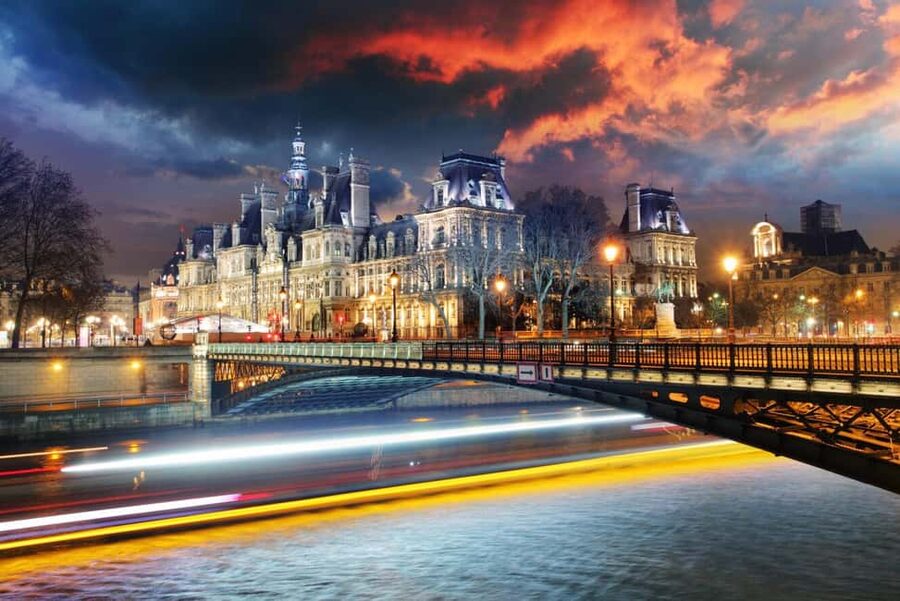
- Henri IV meeting point: Begin on Pont Neuf beside the equestrian statue at 15, Place du Pont Neuf.
- A darker Île de la Cité: Walk through streets linked with crime, conspiracies, and old superstitions.
- Names from French criminal history: Hear about Lacenaire, Cartouche, Mesrine, and figures from the time of Philip the Fair.
- Occult Paris: Look for stories involving Templars, witches, alchemists, hidden symbols, and cursed sites.
- Médicis Column finale: Finish at an astrological monument associated with prophecy.
- French-language storytelling: The tour is suitable for ages 8 and up, but French comprehension matters.
Why this Paris walk feels different
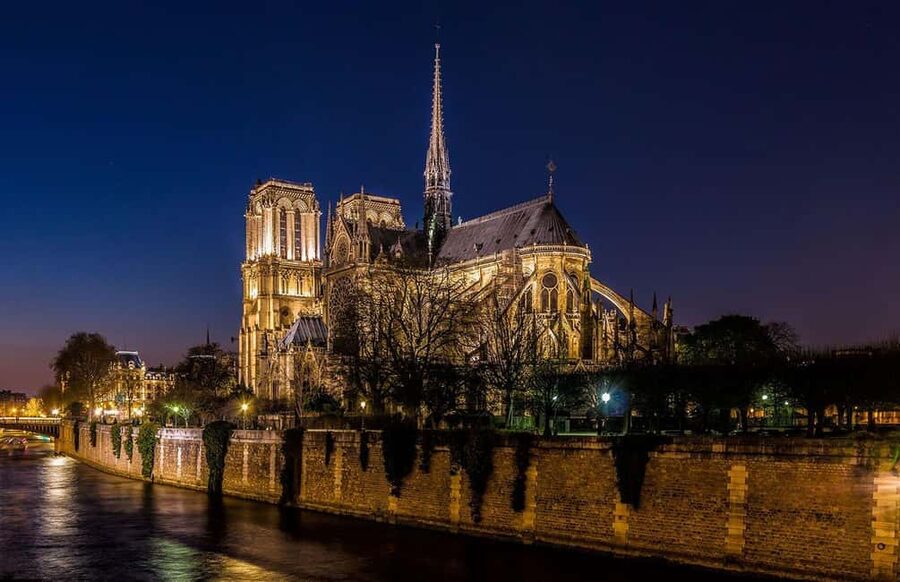
Most first-time visits to Paris focus on grand buildings, celebrated paintings, and postcard views. This tour takes another route through the city, one shaped by executions, fugitives, secret practices, and stories that have survived because they are hard to explain away.
The appeal is not simply that the subject is gloomy. It is the connection between real events and the beliefs people used to understand them. A crime can be documented. A cursed place or hidden sign belongs to a different category. Put together, they show how Paris built its reputation not only as a royal and religious capital, but also as a city where rumor could be almost as powerful as fact.
I like this approach because the walking route gives the stories a physical setting. You are not hearing a string of unrelated tales in a lecture room. You move from Pont Neuf toward the Île de la Cité, passing through the central area known for official power, private dealings, old religious ideas, and criminal cases.
The tour is also short enough to fit into a crowded Paris schedule. Ninety minutes gives the guide room to develop a theme without taking half a day from the Louvre, Notre-Dame, or another major sight. At $17 per person, the cost is modest for a guided city walk, especially if you enjoy local stories more than a standard monument checklist.
More of the most booked days out in Paris:
- Paris: Louvre Museum Timed-Entrance Ticket
★ 4.6 · 71,977 reviews - Disneyland® Paris 1-Day Ticket
★ 4.6 · 49,412 reviews - Paris: Versailles Palace and Gardens Full Access Ticket
★ 4.6 · 41,579 reviews
Starting beside Henri IV on Pont Neuf
The meeting point is easy to identify: the equestrian statue of Henri IV on Pont Neuf, at 15, Place du Pont Neuf, 75001 Paris. Arrive early. The operator gives no refund or replacement tour for late arrivals, so this is not the time to cut your timing close.
Beginning at Henri IV is a fitting choice. Pont Neuf is one of the city’s best-known bridges, yet the tour uses it as a doorway into less polished stories. You start in a familiar Paris setting, then shift your attention from river views and grand facades to the people, rumors, and secret dealings that shaped the city’s darker reputation.
You should expect a walking tour rather than an indoor attraction. Wear comfortable shoes, and plan for narrow streets later in the route. The exact path can change on the day for security or technical reasons, so treat the walk as a themed exploration rather than a fixed checklist of every location named in the description.
Entering the darker side of Paris
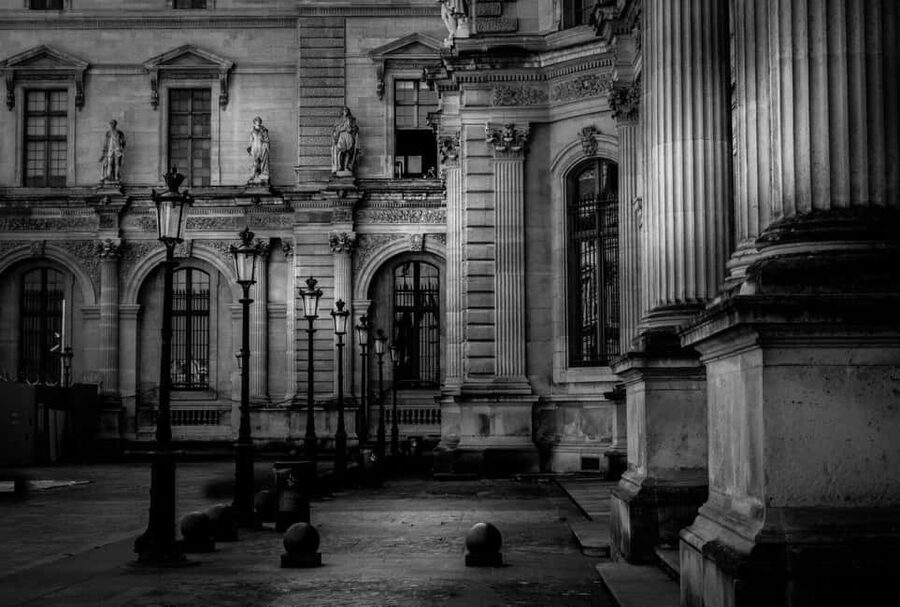
The first major theme is the hidden side of the city, described through crime, conspiracies, and occult practices. The tour brings together several kinds of stories: historical figures, old beliefs, strange symbols, and places linked with misfortune.
That blend is important. If you want a strict academic history walk, this may feel too broad. If you enjoy asking how legends grow around real streets and buildings, it should be a better fit. The guide’s job is to move between what happened, what people believed, and what later generations turned into legend.
The subjects include Templars, alchemists, witches, and infamous criminals. These are familiar names and themes, but the value lies in seeing them in a Paris setting. The tour promises not just famous anecdotes, but also lesser-known figures who influenced the city’s darker stories.
A useful mindset is to listen for the difference between documented crime and folklore. The tour brings both into the same narrative, but that does not mean every strange tale has the same historical weight. You will get more from it if you enjoy the atmosphere while keeping your own sense of proportion.
The crimes of the Île de la Cité
The route leads into the narrow streets of the Île de la Cité, one of the oldest and most central parts of Paris. Here, the tour turns more firmly toward criminal history and the city’s long association with law enforcement.
The area was connected with the 36 quai des Orfèvres, the famous police headquarters associated with major French investigations. That reference gives the walk a modern anchor. The stories are not limited to medieval plots or supernatural claims. They continue into the era of notorious fugitives and high-profile cases.
You will hear about crime from the reign of Philip the Fair through the 21st century. The named figures include Lacenaire, Cartouche, and Mesrine, along with other people who played a role in France’s criminal past. Each represents a different period, and their inclusion helps the guide move across centuries instead of treating Parisian crime as one unchanging story.
This section should suit anyone who enjoys true crime, but the format remains a city walk. You are not visiting a crime museum or examining case files. The focus is on how these people became part of Paris’s public memory and how particular streets helped create the city’s dark legend.
The narrow lanes also change the mood. Paris can feel grand and open around its major avenues, but the older streets of the island offer a more enclosed setting for tales of fugitives, secret meetings, and suspicious activity. That atmosphere is one of the strongest reasons to choose this tour instead of a standard historical walk.
A different way to spend the day in Paris:
- Paris: Arc de Triomphe Rooftop Tickets
★ 4.6 · 34,264 reviews - Paris: Orsay Museum Entry Ticket
★ 4.7 · 25,647 reviews - Paris: Evening River Cruise with Music
★ 4.4 · 22,721 reviews - Paris: Eiffel Tower Entry Ticket with Optional Summit Access
★ 4.4 · 20,035 reviews
From Cartouche to Mesrine
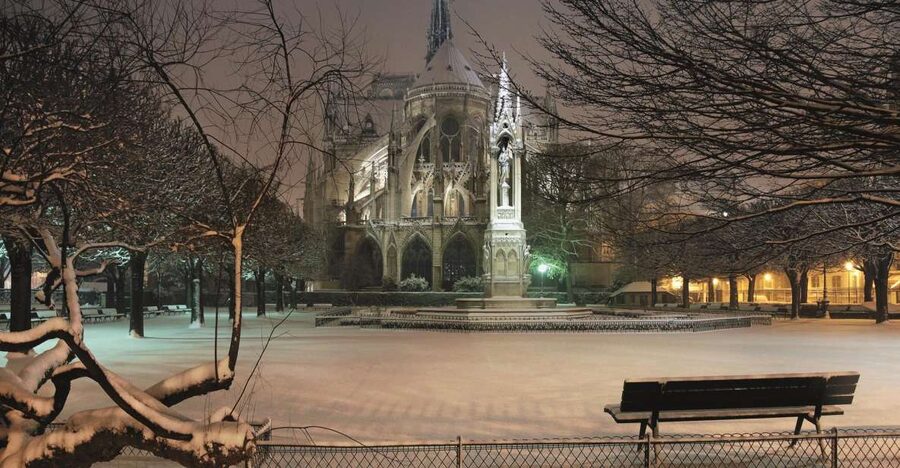
The tour’s range of criminal figures is one of its more useful features. Cartouche is tied to an earlier period of French crime, while Lacenaire became known as a criminal and writer in the 19th century. Mesrine belongs to the modern era and became one of France’s most notorious fugitives.
Hearing these names together gives you a quick outline of how public fascination with criminals changed over time. Some figures became folk heroes. Others were feared, sensationalized, or turned into symbols by newspapers and popular culture.
The walk also includes lesser-known people. That matters because a tour built only around famous names can become predictable. The promise of less familiar cases gives the guide room to show how smaller stories can reveal the habits, fears, and power structures of their time.
I would choose this experience if you already know Paris’s major monuments and want a subject that is more unusual. I would be less likely to recommend it as your only introduction to Paris. It does not aim to explain the city’s art, architecture, food, or political history in a broad way. Its subject is narrow, but within that subject it covers a long period.
Templars, alchemy, and hidden signs
The criminal stories are paired with occult themes. Templars, alchemists, witches, prophecy, and hidden symbols all appear in the tour’s story line.
These subjects can be entertaining, but they require a little care. Some are tied to real historical movements or people. Others belong more to legend, superstition, or later interpretation. The experience is designed around that uncertainty. It asks you to consider why certain places became associated with forbidden knowledge, curses, or secret practices.
The alchemy material should appeal to visitors who enjoy the border between early science and magic. The stories of witches and occult activity add a more unsettling tone, while the hidden symbols encourage you to look closely at details around you rather than simply walking from one named site to the next.
You should not expect practical demonstrations or access to a secret underground chamber. The available information describes a guided storytelling walk, not an interactive theatrical show. Its strength is the guide’s narration and the setting of central Paris.
That is also why French ability matters. The tour is offered in French, with no other language listed. If you can follow spoken French comfortably, the stories should be much easier to appreciate. If you only know basic phrases, the $17 price may still seem reasonable, but you could miss the details that make the experience worthwhile.
The Médicis Column and the final prophecy
The walk ends before the Médicis Column, a mysterious astrological monument connected with prophecy. This gives the route a clear closing point and brings the tour back to its occult side after the long sequence of crime stories.
The column works well as a finale because it leaves you with an object to examine, not just a final anecdote. Its connection with astrology and prophecy fits the tour’s interest in signs, predictions, and hidden meaning.
Do not expect entry into the monument as part of the experience. The included ticket covers the tour itself, while personal expenses and transfers are not included. The ending is an outdoor stop before the column.
This final location also gives you a useful pause after the faster movement through criminal cases. You can think back over the different kinds of evidence and storytelling used during the walk: courtly power, police history, criminal reputation, superstition, and symbolic objects.
Guide style and what the reviews tell you
The experience is conducted by a live French-speaking guide. One guide named in the supplied information is Elisabeth, described as especially friendly and associated with an original version of the tour.
The strongest praise focuses on the small stories inside the larger story. That is a useful clue about what to expect. The tour is likely to work best when you enjoy side details, odd connections, and brief accounts that might not appear in a general guidebook.
A short review also called the experience interesting, though it offered little detail. Taken together, the feedback points toward an engaging concept and a pleasant guide rather than a polished stage production.
The score is 4.6 from 13 ratings, which is encouraging but not a huge sample. I would treat it as evidence that the format works for many people, not as proof that every French speaker will love it. Your enjoyment will depend heavily on your interest in crime stories and your ability to follow spoken French.
Who should book this experience
This tour is a good match for you if:
- You have already seen the central Paris highlights and want a less familiar subject.
- You enjoy true crime, urban legends, or old occult stories.
- You like walking tours built around narrative rather than formal monument visits.
- You can follow a live tour in French.
- You want a short activity that costs $17 per person.
- You are traveling with children age 8 or older who enjoy spooky but historical themes.
It may not suit you if you want an English-language tour, a broad introduction to Paris, or a long visit inside historic buildings. It also may not work well for anyone who dislikes uncertain folklore or stories about crime and superstition.
Families should judge the subject matter for themselves. The recommended minimum age is 8, but the tour’s themes include criminals, curses, and occult practices. Older children and teenagers who enjoy mysteries are likely to get more from it than very young children.
Timing, comfort, and practical value
The 90-minute length is one of the tour’s best practical features. You can place it between major sights, use it as an evening-style story walk if a starting time is available, or add it to a day focused on the Île de la Cité.
The route begins and ends in central Paris, but transfers are not included. You are responsible for reaching Pont Neuf and continuing with your own plans after the Médicis Column. Comfortable shoes are essential, especially since the itinerary passes through narrow streets and may change.
Book with a little breathing room before the start time. The no-latecomer rule is strict, and a missed departure cannot be shifted to another time. If you need to cancel or modify your booking, contact GetYourGuide customer service. The local agency, Cultival, is closed on Saturdays, Sundays, and French bank holidays, so emergency contact procedures differ on those days.
For a same-day emergency, the listed number is +33 1 42 46 92 04 from Monday to Friday, and +33 6 25 42 28 91 on Saturdays, Sundays, and French bank holidays. Those numbers are for urgent day-of help, not ordinary booking changes.
Free cancellation is available up to 24 hours before the tour for a full refund, and you can reserve now while paying later. These terms make the experience easier to fit into a changing Paris schedule, though they do not protect against arriving late or against an itinerary change made for security or technical reasons.
Is Paris, between Crimes and Mysteries worth $17?
At $17, I think the value is good if the theme matches your interests. You receive a 90-minute guided walk through central Paris, with a focused story that combines historical crime and supernatural traditions. The price is low enough that it can work as an extra activity rather than a major investment.
The strongest reason to book is the unusual subject. You will hear about Templars, alchemists, witches, criminals, police history, symbols, and prophecy in one compact route. The small stories and the friendly guide style associated with Elisabeth are likely to be the most memorable parts.
The strongest reason to skip it is the language. French is the only listed language, and a story-heavy walk loses much of its value if you cannot follow the guide. Also skip it if you want guaranteed access to interior sites, a fixed route, or a conventional account of Paris.
I would book this tour if you understand French, enjoy a slightly spooky story, and have already covered the city’s standard sights. I would choose something else if you need English commentary or want a broader historical overview. For the right audience, it is a compact, inexpensive way to see central Paris through its crimes, rumors, and lingering mysteries.
FAQ
Where does the tour meet?
The meeting point is on Pont Neuf, in front of the equestrian statue of Henri IV, at 15, Place du Pont Neuf, 75001 Paris.
How long does the tour last?
The walking tour lasts 90 minutes.
What language is the tour conducted in?
The tour is conducted in French with a live guide.
How much does the experience cost?
The listed price is $17 per person.
What does the price include?
The price includes the guided tour and the entry ticket for the tour.
Are transfers or personal expenses included?
No. Transfers and personal expenses are not included.
What should I bring?
Bring comfortable shoes for the walking route.
Can children join the tour?
The experience is recommended for ages 8 and up.
What happens if I arrive late?
Latecomers cannot receive compensation, a refund, or a rescheduled tour.
Can I cancel my booking?
You can cancel up to 24 hours in advance for a full refund. Contact GetYourGuide customer service for cancellations or booking changes.
Newest additions around Paris
- Family escape Game with kids and teens on the Île de la Cité★ 4.5 · 11 reviews
- Private Photoshoot with the Iconic Eiffel Tower in Paris★ 5.0 · 11 reviews
- 2-day Private Mont Saint-Michel, 3 Loire Castles, D-Day Express★ 4.5 · 11 reviews
- Paris: Batobus Hop-On Hop-Off Cruise & Landmarks Audio Tour★ 3.0 · 11 reviews
- Paris Revolutionary Walking Tour: Iconic French Sights & Stories★ 5.0 · 11 reviews
- Guided and Private Tour of 3 hours through Paris aboard a Citroën 2cv★ 5.0 · 11 reviews
- Kids in the Kitchen – CrOisSaNtS★ 4.0 · 11 reviews
- Paris: Ghosts and Dark Stories Guided Walking Tour★ 4.1 · 11 reviews