
Reviewed · LOUVRE MUSEUM TOURS
Louvre Museum: Guided Tour at Closing Time with Mona Lisa
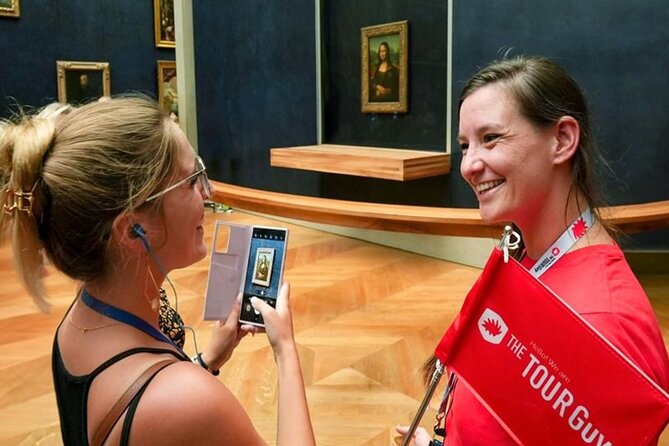
The best reason to choose this Louvre tour is its late-afternoon timing. Instead of giving up most of your morning, you enter near closing time for a focused visit to the museum’s headline works, including the Mona Lisa, Venus de Milo, and Winged Victory of Samothrace. Guides such as Anastasia, Will, Nadia, Nazle, and Sid have been praised for making the art clear, lively, and easy to follow.
I like the included museum admission and the small-group format, with no more than 20 people. I also like the short, purposeful route: you get an introduction to the Louvre’s past as a fortress and palace, then move to the works most first-time visitors want to see. The main drawback is that closing time does not mean empty. The Mona Lisa area can remain packed, and a rushed guide, unclear meeting instructions, or trouble hearing the commentary can spoil an otherwise good visit.
In This Review
- Key points to know before booking
- Why a late-afternoon Louvre visit works
- Finding the Louis XIV meeting point
- The Louvre before the masterpieces
- Seeing the Mona Lisa without unrealistic expectations
- Winged Victory and Venus de Milo
- How much does the $66.38 price buy you?
- The guide is the heart of the experience
- Crowds, heat, and the closing-time promise
- Who should book this Louvre tour?
- Should you book it?
- FAQ
- How long does the Louvre guided tour last?
- Is admission to the Louvre included?
- Is the tour offered in English?
- What works of art will I see?
- Where does the tour meet?
- Where does the tour end?
- How many people can join the group?
- Do children get free admission?
- Can I cancel for a full refund?
Key points to know before booking
- Late entry saves your morning: The tour takes place in the afternoon and lasts about two hours, with roughly 90 minutes inside the museum.
- The major works are the focus: Expect the Mona Lisa, Venus de Milo, Winged Victory of Samothrace, and other important highlights.
- The museum may still be crowded: Some late time slots are quieter, but the Mona Lisa can remain difficult to approach.
- The guide makes the difference: Anastasia, Will, Nadia, Nazle, Sid, Tina, Melissa, Rowda, and Z have all been singled out for clear stories, humor, organization, or crowd management.
- The group can reach 20 people: That is manageable, but you must stay close in busy galleries.
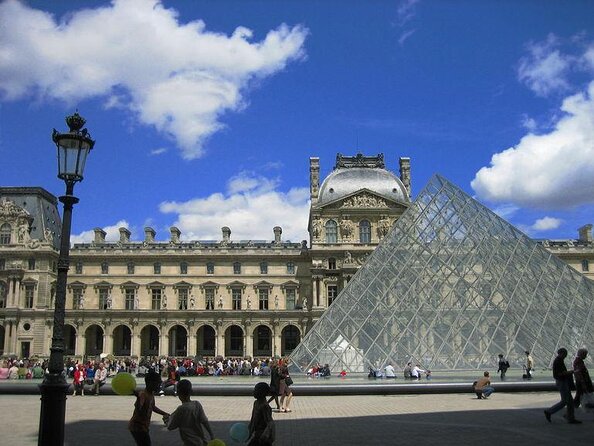
- Meet by the Louis XIV statue: The meeting point is in the Cour Napoléon near the Louvre Pyramid, and arriving early is especially important.
Why a late-afternoon Louvre visit works
The Louvre is too large for one visit. A first visit can easily become a march through grand rooms, long corridors, and famous works that blur together. This tour takes a sensible approach: it gives you a short introduction to the building and then concentrates on the pieces that matter most to many first-time visitors.
The late start is useful if you want to see Paris in the morning. You can visit another museum, walk along the Seine, shop, or simply take a slower start to the day before coming to the Louvre. A 5:30 PM time slot has been especially useful for guests seeking a less crowded visit, although you should not treat it as a promise of peace and quiet.
The tour runs for about two hours, with about 90 minutes listed for the Louvre portion. That is enough time for a guided overview, not enough time for a full museum visit. I see that as a strength if you prefer structure. It is also a limitation if you want to spend long stretches with Egyptian antiquities, French paintings, Italian art, or the museum’s decorative rooms.
More ways into the Louvre:
- Paris: Louvre Museum Timed-Entrance Ticket
★ 4.6 · 71,977 reviews - Paris: Louvre Guided Tour with Reserved Access & Boat Cruise
★ 4.3 · 16,353 reviews - Louvre Museum Masterpieces Guided Tour with Access
★ 4.5 · 12,023 reviews
Finding the Louis XIV meeting point
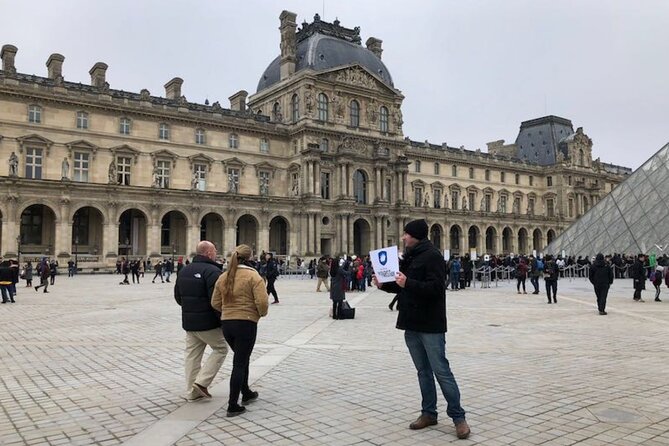
You meet at the equestrian statue of Louis XIV, identified as Louis XIV sous les traits de Marcus Curtius, in the Cour Napoléon by the Louvre Pyramid. This is a central spot, but the Louvre grounds are large and can feel confusing, particularly in rain, cold, or a crowd.
The practical move is to arrive at least 15 minutes early. The guide holds the group’s timed entry tickets, so arriving after the group has gone inside can create a real problem. A few people have had difficulty finding the guide or reaching the operator by phone, and conflicting start-time information has caused missed tours. Check your confirmed time carefully and keep your phone available before the meeting time.
The activity ends back at the meeting point. Hotel pickup, hotel drop-off, food, and drinks are not included. The Louvre is near public transportation, so you can reach the area without arranging a private transfer.
The Louvre before the masterpieces
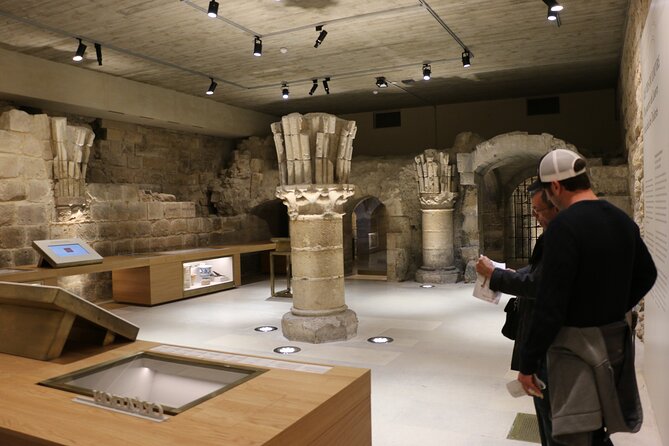
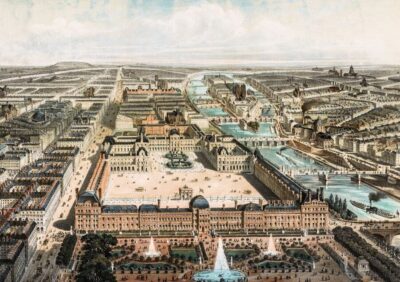
Your guide begins with the building itself. The Louvre was first a fortress, then a royal palace, and finally one of the world’s great museums. That background matters because the building is part of the experience. You are not simply entering a neutral gallery. You are walking through a place shaped by French power, royal taste, expansion, and later public access to art.
A good guide uses this opening to give you a mental map. The museum is vast, and a little context helps you understand why one room may contain a monumental sculpture while another presents intimate paintings or royal objects. Guides have been praised for explaining the stories behind the works rather than simply pointing at them.
The quality of this part depends heavily on the person leading your group. Anastasia has been described as warm, well organized, and engaging. Will has been praised for his art knowledge and his ability to move a group through heavy crowds. Sid has been especially effective with families, using humor while explaining the history behind the art. Those details matter because a short tour needs a guide who can choose what to leave out as well as what to explain.
Seeing the Mona Lisa without unrealistic expectations
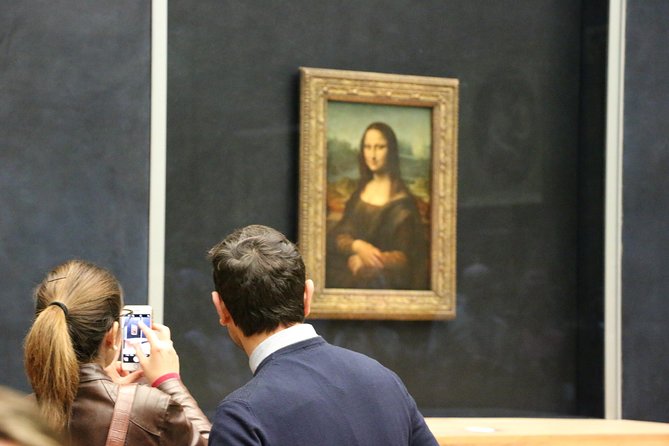
The Mona Lisa is the central draw for many people booking this tour. Your guide explains why Leonardo da Vinci’s portrait became so famous and discusses its unusual expression, long cultural afterlife, and enormous insurance valuation. The painting is displayed behind a barrier, and the viewing area can be very busy.
The late afternoon may help. One 5:30 PM visit was described as much easier for getting close, and another group waited less than five minutes to reach the ropes. But other visits found the Louvre jam-packed even near closing time. You might get a clear view, or you might find yourself sharing a crowded room with a steady stream of people.
You should also set your expectations about the photograph. The tour may help you reach the viewing area, but it cannot guarantee a quiet moment or a close, unobstructed look. One guide, Nazle, was praised for placing the group in front of the main works, especially the Mona Lisa, while another visit ended badly when the guide became difficult to locate in the crowd. Stay close, keep the guide in sight, and do not assume the group will reform automatically in a busy room.
The Mona Lisa is famously small compared with the excitement around it. Some people find the painting fascinating, while others decide it is not all they expected. That is normal. The real value of the stop is not just the image itself, but the chance to understand why this particular portrait became a global symbol.
More Paris museums to visit:
- Paris: Orsay Museum Entry Ticket
★ 4.7 · 25,647 reviews - Paris: Louvre Museum Entry Ticket With Host and River Cruise
★ 4.6 · 9,926 reviews - Les Invalides: Napoleon’s Tomb & Army Museum Entry
★ 4.6 · 9,185 reviews - Louvre Museum – Exclusive Guided Tour (Entry Included)
★ 5.0 · 6,296 reviews
Winged Victory and Venus de Milo
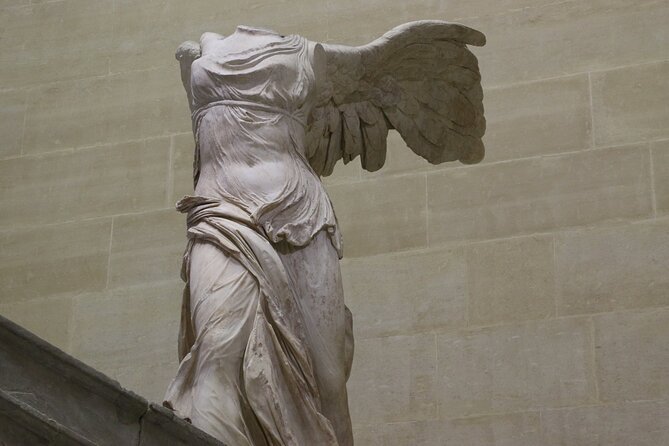
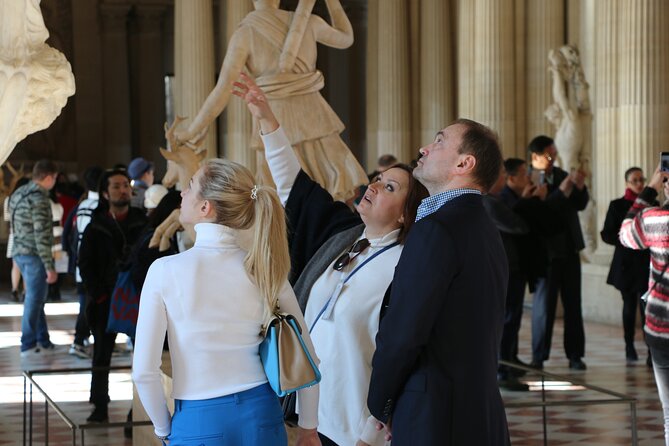
The tour also leads you to two of the Louvre’s best-known sculptures: the Winged Victory of Samothrace and the Venus de Milo. These works reward a guide’s explanation because their impact comes from more than their names.
Winged Victory is displayed at the top of a dramatic staircase, where its missing head and arms do not lessen its force. Its sweeping form suggests movement, wind, and arrival. Venus de Milo offers a different kind of presence, with its famous missing arms and calm, idealized figure. In a short tour, these sculptures provide a welcome change from the dense attention given to the Mona Lisa.
The route may include other major objects, including the Sphinx. One late visit found the Venus de Milo and Sphinx nearly free of crowds toward the end of the tour. That is a useful reminder that the final part of the experience may be calmer than the Mona Lisa stop.
Still, you are seeing highlights, not every famous room. If you have a particular interest in Egyptian art, Dutch painting, French Romanticism, royal apartments, or Islamic art, tell yourself clearly that this is not the tour for a specialized collection visit. It is an introduction built around major sights.
How much does the $66.38 price buy you?
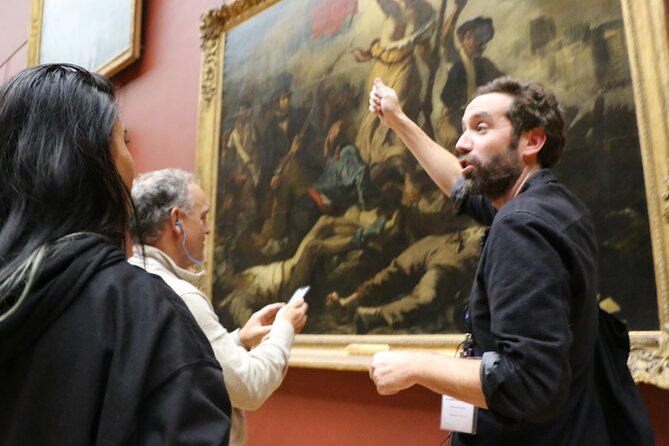
At $66.38 per person, this is not the cheapest way to enter the Louvre. The price pays for a timed afternoon visit, an English-speaking guide, and a planned route through a museum where it is easy to lose time and direction.
The admission component is significant. The included museum ticket is listed at €32 for non-EEA visitors and €22 for EEA visitors. Visitors under 18 and EEA residents under 26 may qualify for free museum admission with valid identification and proof of residency. If you qualify for free entry, compare the tour price with a standard museum visit before booking, since the main value for you will be the guide and the organized route rather than the ticket itself.
I think the price makes the most sense for a first visit, a short Paris stay, or anyone who wants the big sights without spending half a day wandering. It is less compelling for repeat Louvre visitors who already know the building and want to choose their own rooms.
The group size can reach 20 people. That is small enough for a planned route, but it is not a private tour. In a packed gallery, you must remain attentive. The best feedback repeatedly focuses on guides who kept the group together and moved it through crowds without losing people. The weaker experiences involve the opposite: long check-in delays, a guide moving too fast, or guests being unable to hear.
The guide is the heart of the experience
The tour is sold around the Louvre, but the guide determines how much you take away. A strong guide turns a parade of famous objects into a connected story. A poor fit can make the same route feel hurried and hard to follow.
Several guides have received specific praise. Anastasia has been noted for warmth and clear historical explanations. Will has been effective at steering groups through crowded rooms. Nazle has been praised for both art knowledge and positioning the group near the key works. Nadia has been recognized for explaining the background of each piece. Sid has used humor well with children, while Tina has been described as informative even on a rushed express-style visit. Rowda and Melissa have also received praise for their explanations and friendly manner.
There is an important caution for anyone with hearing concerns. One visit found the guide’s accent, muffled voice, and fast pace difficult to understand, especially for a person using hearing aids. The tour is in English, but English ability, pronunciation, volume, and pacing can vary by guide. If you have hearing difficulty, stand near the guide and say so early. A headset is not listed among the inclusions, so do not assume one will be supplied.
Children can enjoy the tour when the guide keeps the pace lively. A twelve-year-old was well served by the engaging approach of one guide, and Sid was praised for entertaining children while teaching the history. But the museum route can still feel like a lot for younger children, particularly when the galleries are hot and crowded. The 90-minute museum portion is short by Louvre standards, yet demanding for a child who is not interested in art.
Crowds, heat, and the closing-time promise
The phrase closing time can sound more peaceful than it is. The Louvre remains a major Paris attraction, and its famous rooms can be full late in the day. August heat has made some visits uncomfortable, and crowds around the Mona Lisa can remain thick.
The upside is that later hours may reduce pressure in other parts of the route. The Venus de Milo and Sphinx may be easier to see near the end, and a well-managed group can make much better use of crowded space than a person trying to navigate alone. The guide can also steer you toward the correct entrances and keep the visit moving.
The downside is a compressed schedule. You may feel rushed, especially if you stop for photographs or need extra time to move through a packed room. If you want to sit with a painting, read every label, or wander at your own pace, book a regular museum visit instead.
Wear comfortable shoes. The tour involves walking through a very large museum, and the guide’s pace may be brisk. Keep bags light, since locker storage has caused delays for some groups. Most people can participate, but tell the operator in advance about mobility needs if you require extra help. One guide was praised for assisting people with mobility problems and keeping the group together.
Who should book this Louvre tour?
I would choose this experience if you are visiting Paris for the first time and want the Louvre’s essential sights in a controlled, limited window. It works well for couples, families with older children, and people who prefer an art historian’s explanation to wandering without a plan.
It is also a good fit if your morning is already full. The late afternoon slot lets you use your day more flexibly, and the English commentary adds useful context to works you may otherwise see as famous names behind a crowd.
I would hesitate if your top priority is a quiet Mona Lisa viewing. The late start can help, but it cannot remove the crowds. I would also hesitate if you have very young children, significant hearing needs, or a strong desire to explore the Louvre’s less famous collections at your own speed.
The activity has a maximum of 20 participants and requires a minimum number to operate. Free cancellation is available up to 24 hours before the start time. Changes or cancellations inside that window are not accepted for a refund, so check your plans before the deadline.
Should you book it?
Book this tour if you want a short, guided introduction to the Louvre and its biggest names, especially the Mona Lisa, Winged Victory, and Venus de Milo. The included admission, late timing, and route planning can save you effort, and an excellent guide can make the museum far easier to understand.
Do not book it expecting an empty museum or a leisurely art study session. The best experience comes when you arrive early, stay close to the guide, wear comfortable shoes, and accept that the Mona Lisa may still be viewed from behind a crowd. For a first Louvre visit with limited time, the $66.38 price is reasonable. For repeat visitors or people eligible for free admission who want independence, a self-guided visit may offer better value.
FAQ
How long does the Louvre guided tour last?
The full activity lasts approximately two hours. The museum portion is listed as about 1 hour and 30 minutes.
Is admission to the Louvre included?
Yes. Afternoon access and the museum admission ticket are included in the tour price. The listed ticket value is €32 for non-EEA visitors and €22 for EEA visitors.
Is the tour offered in English?
Yes. The tour is offered in English and includes an English-speaking guide.
What works of art will I see?
The route includes the Mona Lisa, Winged Victory of Samothrace, and Venus de Milo. The guide also leads you to other major highlights, and the Sphinx may be included on the route.
Where does the tour meet?
The meeting point is by the Louis XIV statue in the Cour Napoléon near the Louvre Pyramid, at 75001 Paris, France.
Where does the tour end?
The activity ends back at the meeting point.
How many people can join the group?
The maximum group size is 20 people.
Do children get free admission?
Admission is free for visitors under 18. EEA residents under 26 may also receive free admission with valid identification and proof of residency.
Can I cancel for a full refund?
Yes, if you cancel at least 24 hours before the experience start time. Cancellations or changes made less than 24 hours before the start time are not refunded or accepted.
Newest additions around Paris
- Family escape Game with kids and teens on the Île de la Cité★ 4.5 · 11 reviews
- Private Photoshoot with the Iconic Eiffel Tower in Paris★ 5.0 · 11 reviews
- Paris Revolutionary Walking Tour: Iconic French Sights & Stories★ 5.0 · 11 reviews
- 2-day Private Mont Saint-Michel, 3 Loire Castles, D-Day Express★ 4.5 · 11 reviews
- Paris: Batobus Hop-On Hop-Off Cruise & Landmarks Audio Tour★ 3.0 · 11 reviews
- Guided and Private Tour of 3 hours through Paris aboard a Citroën 2cv★ 5.0 · 11 reviews
- Kids in the Kitchen – CrOisSaNtS★ 4.0 · 11 reviews
- Paris: Ghosts and Dark Stories Guided Walking Tour★ 4.1 · 11 reviews
Louvre Museum Tours, compared.

Louvre Guided Tour with Reserved Access & Boat Cruise
Read our review →
Louvre Museum Masterpieces Guided Tour with Access
Read our review →
Louvre Museum Entry Ticket With Host and River Cruise
Read our review →
Priority Access Louvre with Host -Direct to Mona Lisa
Read our review →
Mona Lisa & Louvre Masterpieces Tour with Reserved Access
Read our review →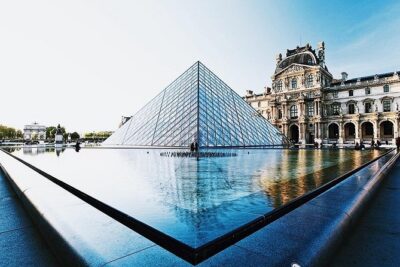
Louvre Museum – Exclusive Guided Tour (Entry Included)
Read our review →
Louvre Reserved Ticket and River Cruise Combo
Read our review →Browse the lists this tour appears in