
Reviewed · GIVERNY & MONET TOURS
Giverny: Monet’s House and Gardens Guided Tour
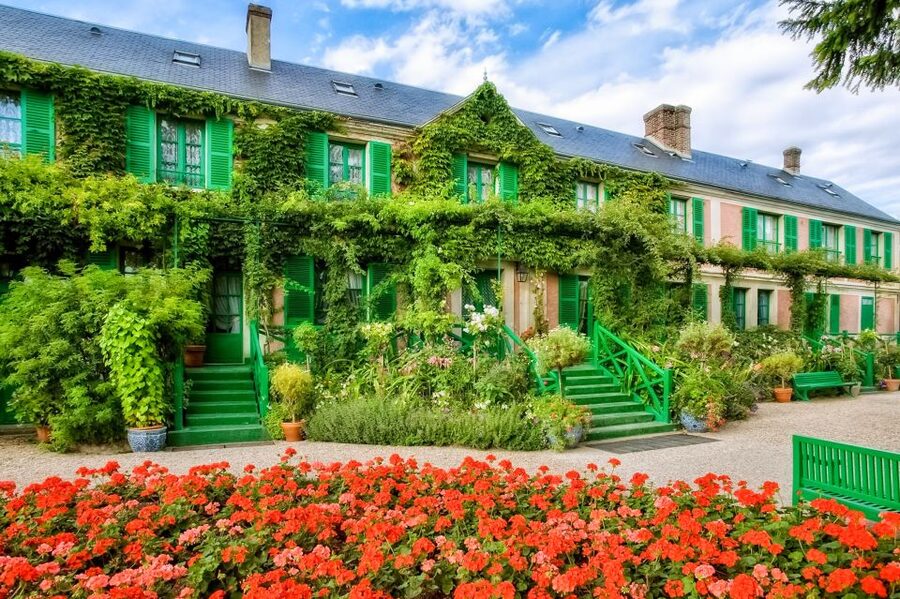
Claude Monet’s paintings make more sense after you see the place that shaped them. At Giverny, you walk beside the water lilies, cross the Japanese bridge, and follow the flower beds of Clos Normand before entering the home where Monet lived and worked. The garden is not just a pretty backdrop. It was a working part of his artistic life.
I like the small group of up to 10 people, which makes it easy to ask questions and hear the guide. I also like the separate entrance and prepaid tickets, since the regular queue can be long. The main consideration is price: at $69 per person, this costs more than entering on your own, and one guest found the fee a little high.
In This Review
- Key points at a glance
- Why Giverny is more than a pretty garden
- Meeting at Les Nympheas before the queue
- The water garden and Japanese bridge
- Clos Normand and Monet’s working garden
- Inside Monet’s house and family life
- Brigitte and the value of a small group
- How the two-hour pace works
- Is $69 good value?
- Who should book this Giverny tour?
- Booking and timing tips
- Final verdict: book it if the garden needs a story
- FAQ
- How long does the Giverny house and garden tour last?
- What languages are available?
- How large is the group?
- Where do I meet the guide?
- Are tickets included?
- Is the tour wheelchair accessible?
Key points at a glance
- Monet’s water garden first: See the Japanese bridge and lily pond linked to some of his best-known paintings.
- A guide who connects art and plants: Brigitte explains Monet’s use of color, light, flowers, and garden design.
- Small group, limited to 10: You can ask questions without shouting across a crowd.
- Two hours at the Fondation Monet: The visit covers the gardens and house at a steady pace.
- Skip the regular ticket queue: Your guide carries the prepaid entry tickets and leads the group through a separate entrance.
- Stay longer afterward: Once the guided visit ends, you can continue looking around on your own or browse the large gift shop.
Why Giverny is more than a pretty garden
Giverny can look familiar before you arrive. You have probably seen Monet’s water lilies, the arched bridge, and loose bands of flowers in books or museums. The surprise is how different the garden feels in person. You are not looking at a finished painting. You are walking through the changing colors, textures, shadows, and reflections that Monet studied for years.
That connection is the main reason I recommend taking a guide. On your own, you can admire the flowers and take fine photographs. With a good guide, you begin to notice why particular plants matter, how Monet arranged color, and how the garden became part of his painting process.
The tour is led in one language only, either English or French, depending on the departure you choose. That is useful for keeping the commentary clear, though you should make sure you select the language that suits your group.
More Giverny and Monet garden trips:
- From Paris: Giverny Day Trip with Audio Guide or Live Guide
★ 4.3 · 2,372 reviews - From Paris: Giverny, Monet’s House, & Gardens Half-Day Trip
★ 4.5 · 2,174 reviews - Versailles Palace and Giverny Monet House Visit with Lunch
★ 4.0 · 1,948 reviews
Meeting at Les Nympheas before the queue
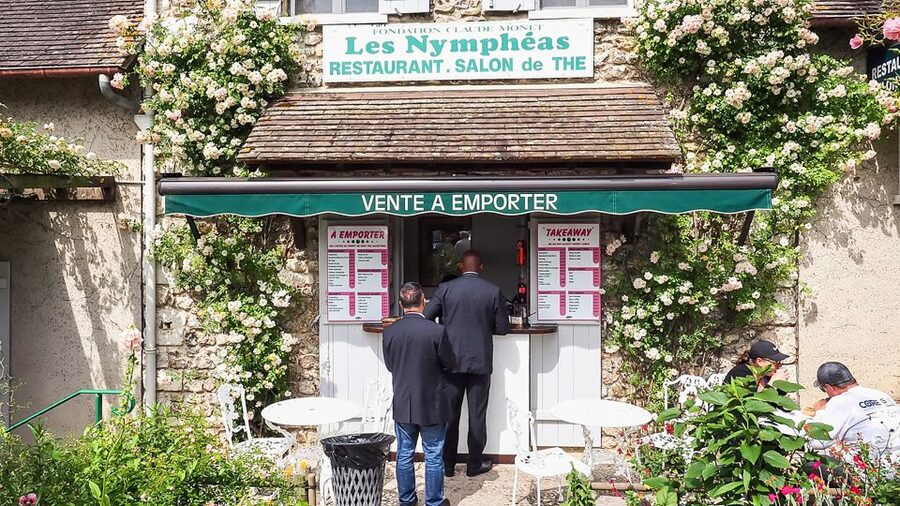
The meeting point is outside Les Nympheas café and restaurant, the closest eating place to Monet’s house. This detail matters because the entrance area can be busy, and you do not want to wander around looking for a guide while your group is already moving inside.
Look for a guide with a blue badge and green folder marked written guided tour. The guide has your prepaid tickets and takes care of entry. Arrive with enough time to identify the meeting point calmly, especially if you are visiting Giverny as part of a larger day out in Normandy.
Skip-the-line access is one of the clearest practical benefits here. The tour does not simply place you in the same queue with a guide. It uses a separate entrance, which can save useful time during the popular spring, summer, and autumn months.
The water garden and Japanese bridge
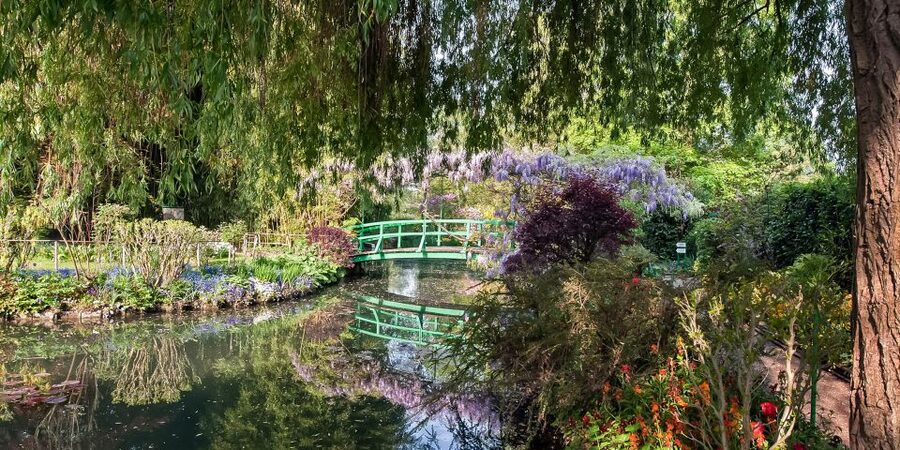
The visit begins in the water garden, the part of Giverny most strongly tied to Monet’s public image. You will see the pond, water lilies, and Japanese-style bridge that inspired his many paintings.
The guide helps you look beyond the famous view. Pay attention to the way water reflects the sky and plants, and to how the bridge frames the pond. The exact appearance changes with the season, the light, and the number of flowers in bloom. A garden designed to feed an artist’s eye is never quite the same from one visit to the next.
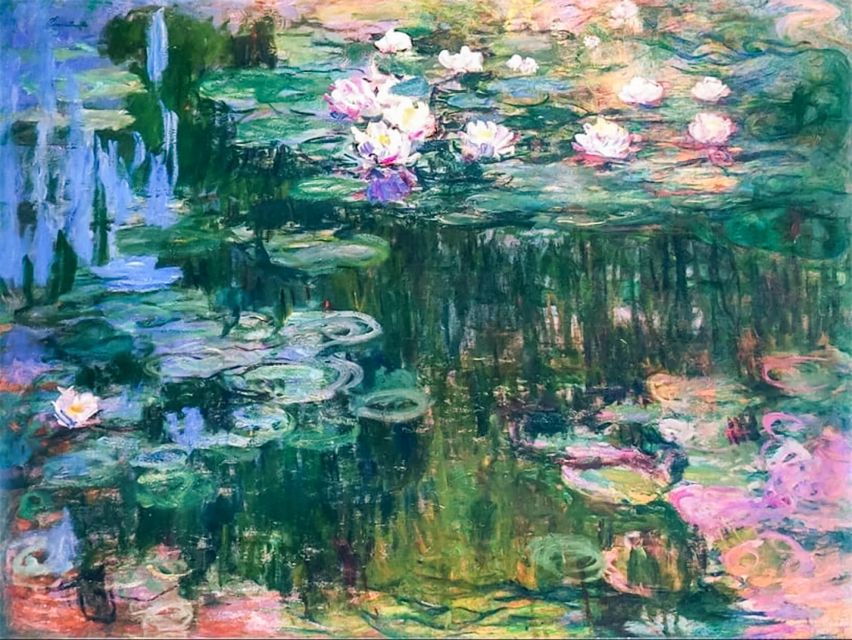
This is also where explanations about color theory become useful. Brigitte, who receives especially strong praise for her art and botanical knowledge, has used examples of Monet’s paintings and color wheels to show how complementary colors work. That kind of visual aid can help you understand why the garden feels carefully composed rather than randomly planted.
You will have plenty of chances to take photographs, but the guide also keeps the group moving. That balance matters. Giverny attracts large numbers of people, and stopping too long in one narrow spot can make it harder for everyone to see and hear.
Clos Normand and Monet’s working garden
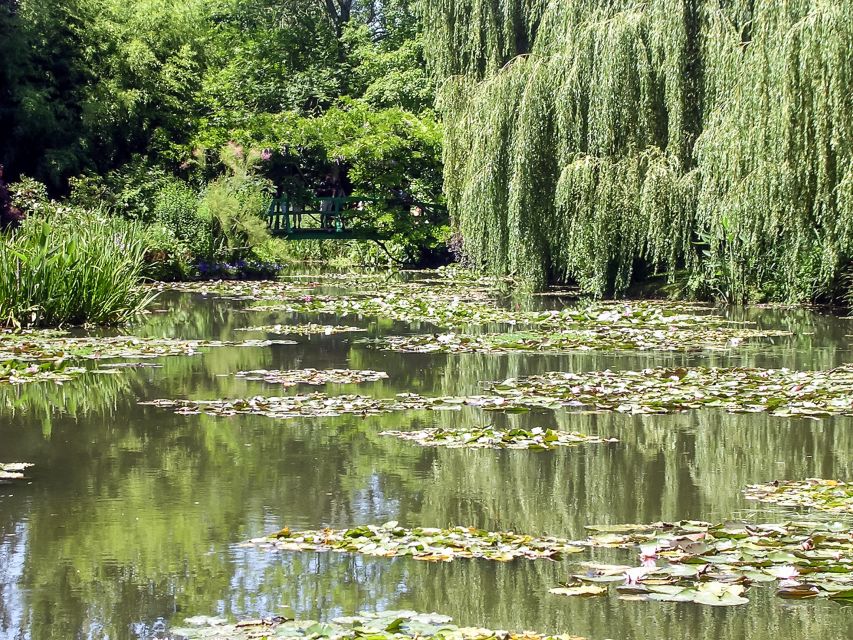
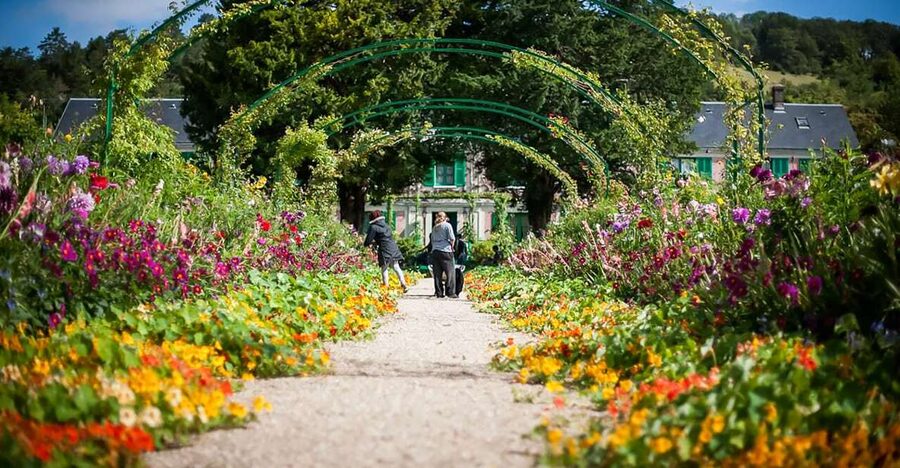
After the water garden, the route continues to Clos Normand, the broad flower garden near the house. Here the focus shifts from reflections and water to rows, paths, seasonal planting, and the many individual species that give the garden its color.
Your guide points out flowers and explains how Monet worked with them. The most useful part is learning to see the garden as an artist’s tool. Planting was not only about decoration. Flowers offered changing combinations of color and form, while sunlight altered the way those colors appeared from morning to afternoon.
The garden is at its fullest from early spring through the first days of November, but the experience changes across the season. Spring brings its own set of colors and fragrances, while later months offer different planting displays. You should not expect the same scene shown in every photograph online.
The paths can become crowded, so the guide’s route planning helps. Several people found that Brigitte moved at a good pace, spoke clearly, and steered the group around larger gatherings. You still need to accept that this is a popular site, not a quiet private garden.
A few more Paris ideas to compare
- Paris: Louvre Guided Tour with Reserved Access & Boat Cruise
★ 4.3 · 16,353 reviews - Louvre Museum Masterpieces Guided Tour with Access
★ 4.5 · 12,023 reviews - Louvre Museum – Exclusive Guided Tour (Entry Included)
★ 5.0 · 6,296 reviews - Versailles: Skip-the-Line Guided Palace Tour and Full Access
★ 4.6 · 5,214 reviews
Inside Monet’s house and family life
The house adds a more personal side to the visit. Instead of seeing only the painter connected with water lilies, you learn about Monet’s family, daily life, friends, and years in Giverny.
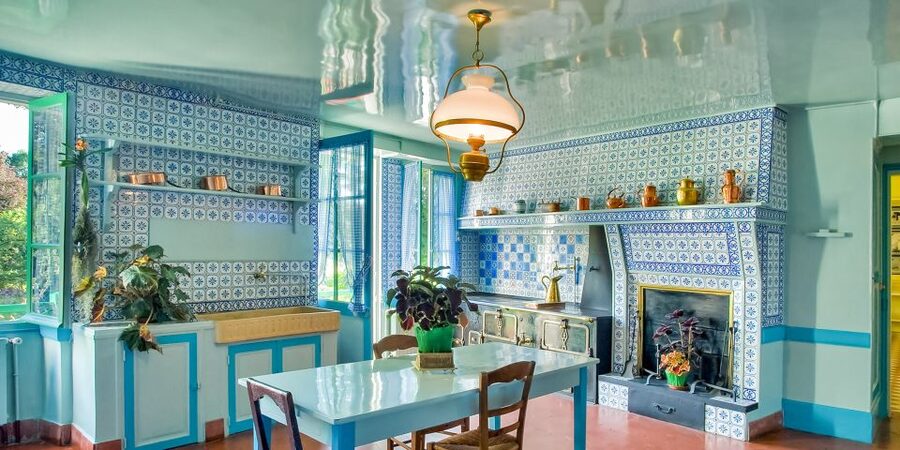
The home is described as beautiful and authentic, and it helps explain the scale of Monet’s domestic world. The guide places the rooms and grounds in the context of his family life, rather than treating the house as a collection of isolated objects.
Brigitte is frequently singled out for making these details easy to follow. Her strongest quality is not simply knowing facts about Monet. She connects his life to his paintings, his garden to his use of color, and his artistic friendships in Paris to the work associated with Giverny.
That approach suits people who want more than a quick photo stop. If your main goal is to wander silently and set your own pace, a guided visit may feel more structured than necessary. For most first-time visitors, though, the house and garden work better together than separately.
Brigitte and the value of a small group
Brigitte is the guide most often associated with this experience, and the feedback about her is unusually consistent. She is described as friendly, patient, funny, and clear in English, with strong knowledge of Monet, art, gardening, and the plants in the grounds.
She also makes the group feel personal. One guest noted that she learned participants’ names and interests and brought those into the commentary. Others appreciated her willingness to answer questions and adjust her pace.
The small size helps. With no more than 10 participants, you can ask about a flower, a painting, or a detail in the house without turning the tour into a public lecture. The guide can also keep track of the group more easily in crowded areas.
One practical weakness appeared during a visit when there were no headphones. A participant heard only about half of the commentary because nearby groups were noisy. This may not happen on every departure, but it is worth staying close to the guide, especially in crowded sections. Small groups help, yet they do not remove every sound problem.
How the two-hour pace works
Two hours is a sensible length for this site. It gives you enough time for both gardens and the house without making the visit feel like an all-day class.
Expect a guided route rather than unlimited independent wandering. The guide explains the main features, pauses for questions, and points out plants, paintings, and historical details. The pace is generally steady, with room for photographs.
Heat is worth taking seriously in the warmer months. One participant became unwell and was helped to rest in the shade in the dining room of Monet’s house. That was a kind response from the guide, but it also shows why you should carry water, wear suitable clothing, and avoid treating the two hours as a race.
At the end, you can remain longer and walk around independently before exiting. You can also spend time in the large gift shop. This makes the guided portion feel less restrictive, since you are not forced to leave as soon as the commentary ends.
Is $69 good value?
At $69 per person, the tour is not the cheapest way to see Giverny. You are paying for entry, a licensed local guide, a small group, and queue-saving access.
The value is strongest if you care about context. A self-guided visit gives you the physical site, but it may not explain how Monet used the garden, why the Japanese bridge matters, or how flowers and color shaped his work. The guide turns a pleasant walk into a clearer lesson in art and garden design.
The price is less attractive if you already know Monet well, prefer to read information at your own speed, or plan to spend only a short time at the site. You might find independent entry better for a second visit, when you already understand the layout and want to linger over specific views.
For a first visit, I think the combination of skip-the-line entry and strong guiding makes the fee reasonable, especially during busy periods. It also removes the small but real stress of buying or collecting tickets at the entrance.
Who should book this Giverny tour?
I would choose this tour for:
- First-time visitors who want the house and gardens to make artistic sense
- People interested in both painting and plants
- Anyone who dislikes long ticket queues
- Couples, families, and solo visitors who prefer a friendly small group
- Visitors with limited time in Normandy
- Anyone curious about Monet’s family life as well as his paintings
It is particularly useful if you are stopping in Giverny on the way to or from another Normandy destination. One participant used it as a stop on the way to Bayeux, and the two-hour format fits well into a larger day.
You may prefer to visit independently if you want complete freedom to stop, sit, sketch, or photograph without commentary. Also think about your language choice. The tour operates in French or English, one language at a time, not as a mixed bilingual presentation.
The site is wheelchair accessible, but the supplied information does not describe every path or surface in detail. If you have specific mobility needs, confirm the practical route before booking.
Booking and timing tips
The gardens operate from early spring until the first days of November, rather than through the full winter. The best choice depends on what you want to see, since flower displays and fragrances change through the season.
Morning can be a good time to visit because the grounds may be less crowded early in the day. Another useful timing suggestion is around 12:30, when some people stop for lunch. The exact starting times vary, so check availability when choosing your date.
Food and drinks are not included. Les Nympheas is useful as a landmark and nearby café or restaurant, but plan meals separately from the tour.
You can cancel up to 24 hours in advance for a full refund, and the reserve-now, pay-later option keeps your plans flexible. Those terms are helpful when your Normandy schedule depends on transport or weather.
Final verdict: book it if the garden needs a story
I recommend this tour for most first-time visits to Monet’s house and gardens. The skip-the-line entry saves time, while the guide adds the part you cannot get from photographs alone: the relationship between Monet’s plants, light, color, family life, and paintings.
Brigitte appears to be the guide most often assigned, and her clear explanations, humor, and care for the group are major strengths. Just stay close if the grounds are noisy, prepare for heat, and remember that $69 is a premium for guided access.
Book it if you want to understand Giverny as well as see it. Choose independent entry instead if your priority is a quiet, unstructured visit or if you already know Monet’s story.
FAQ
How long does the Giverny house and garden tour last?
The guided visit lasts two hours. Afterward, you can stay longer to walk around independently or visit the gift shop before exiting.
What languages are available?
Tours are offered in French or English. Each tour operates in one language only.
How large is the group?
The group is limited to 10 participants, allowing you to interact with the guide and ask questions more easily.
Where do I meet the guide?
Meet outside Les Nympheas café and restaurant, the closest café or restaurant to Monet’s house. The guide has a blue badge and a green folder marked written guided tour.
Are tickets included?
Yes. Skip-the-ticket-line entry tickets are included, and the guide carries the prepaid tickets for the group.
Is the tour wheelchair accessible?
Yes, the activity is listed as wheelchair accessible. The available information does not provide detailed descriptions of every path or surface.
Newest additions around Paris
- Family escape Game with kids and teens on the Île de la Cité★ 4.5 · 11 reviews
- Private Photoshoot with the Iconic Eiffel Tower in Paris★ 5.0 · 11 reviews
- Paris Revolutionary Walking Tour: Iconic French Sights & Stories★ 5.0 · 11 reviews
- 2-day Private Mont Saint-Michel, 3 Loire Castles, D-Day Express★ 4.5 · 11 reviews
- Paris: Batobus Hop-On Hop-Off Cruise & Landmarks Audio Tour★ 3.0 · 11 reviews
- Guided and Private Tour of 3 hours through Paris aboard a Citroën 2cv★ 5.0 · 11 reviews
- Kids in the Kitchen – CrOisSaNtS★ 4.0 · 11 reviews
- Paris: Ghosts and Dark Stories Guided Walking Tour★ 4.1 · 11 reviews
Giverny & Monet Tours, compared.

Giverny Day Trip with Audio Guide or Live Guide
Read our review →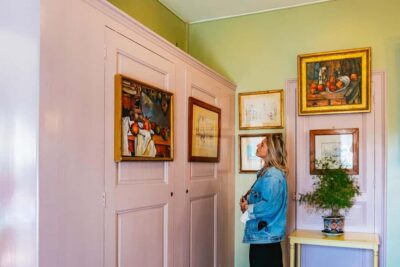
Giverny, Monet’s House, & Gardens Half-Day Trip
Read our review →
Versailles Palace and Giverny Monet House Visit with Lunch
Read our review →
Giverny Monet’s Home and Gardens Half Day Tour from Paris
Read our review →
Giverny Small-Group Half Day Trip with Monet’s Gardens from Paris
Read our review →
Giverny and Versailles Palace Guided Day Trip
Read our review →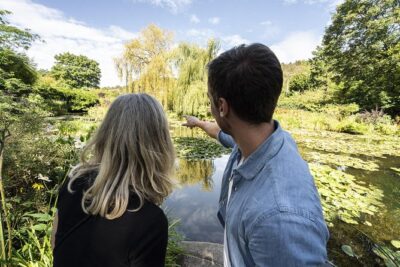
Giverny and Monet’s House Half Day Trip from Paris Guide or Audio
Read our review →
Giverny and Versailles Small Group Day Trip from Paris with Lunch
Read our review →Browse the lists this tour appears in