
Reviewed · PARIS
Exploring Belleville: Parisian Culture&Creativity in Motion
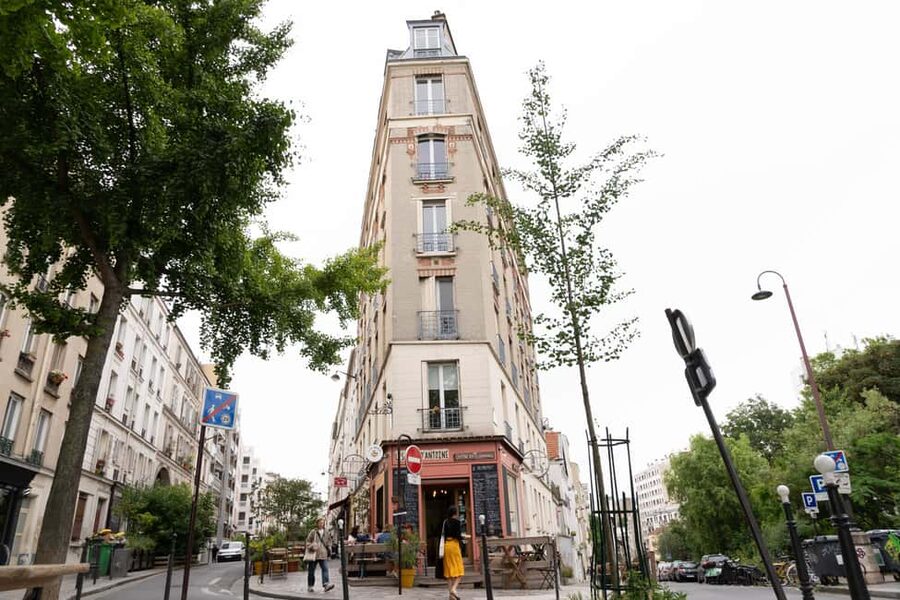
Belleville gives you a side of Paris that grand monuments cannot. This multicultural neighborhood mixes street art, immigrant traditions, old village character, and working-city energy, with a fine view toward the Eiffel Tower along the way. Rémi brings the area to life with stories about artists, musicians, politics, and daily Parisian life.
I like the personal route, especially the stops tied to Edith Piaf and the visit to Rémi’s favorite artisan bakery. I also like that the walk reaches places many first-time visitors skip, including a street once voted among the coolest in the world. The main consideration is pace: Belleville is hilly in places, and the walk covers about 1.5 hours on foot within a two-hour experience.
In This Review
- Key points to know before booking
- Why Belleville makes a better walk than another monument
- Starting at Pyrénées Metro on Line 11
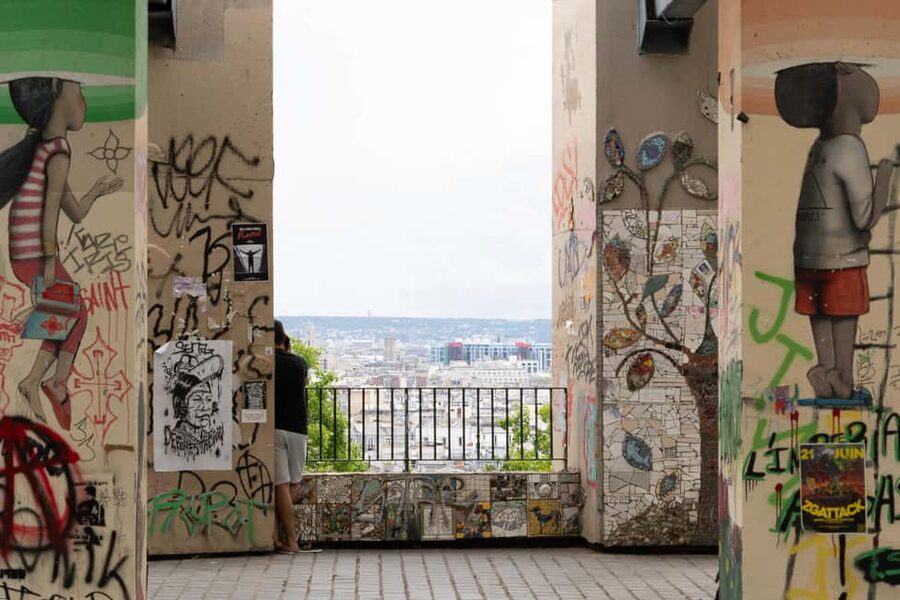
- Street art and the creative pulse of Belleville
- Edith Piaf and the voices of old Belleville
- Markets, food, and Rémi’s bakery stop
- The Eiffel Tower view and Belleville’s changing perspective
- What Rémi adds to the experience
- Group size, walking time, and practical comfort
- Who should book this Belleville walk
- Should you book Exploring Belleville?
- FAQ
- How long does the Belleville tour last?
- Where does the tour begin?
- Where does the tour finish?
- Which languages are available?
- How much does the experience cost?
- Can I cancel or pay later?
Key points to know before booking
- Edith Piaf’s Belleville: Visit places connected with the singer behind La Vie en Rose and learn how the neighborhood shaped her story.
- Street art at street level: See Belleville’s creative side in public spaces rather than behind museum walls.
- A local bakery stop: Rémi includes one of his favorite artisan food stops, adding a practical taste of everyday Paris.
- A different Paris view: The route includes a memorable outlook toward the Eiffel Tower and the city.
- Small-group atmosphere: The format allows questions and a more personal conversation with Rémi.
- Easy Metro meeting point: Meet outside Pyrénées station on Line 11, in front of Le Mistral at 401 Rue des Pyrénées.
Why Belleville makes a better walk than another monument
Paris can turn into a parade of famous façades. Belleville changes the subject. Here, the interest comes from how people live, create, eat, remember, and share space in one of the city’s most varied districts.
I like this kind of tour early in a Paris stay. It gives you a feel for the city beyond the postcard center, and it may change how you read Paris afterward. Instead of seeing the capital as a collection of grand sights, you begin to notice neighborhood life, layers of migration, creative work, and small local rituals.
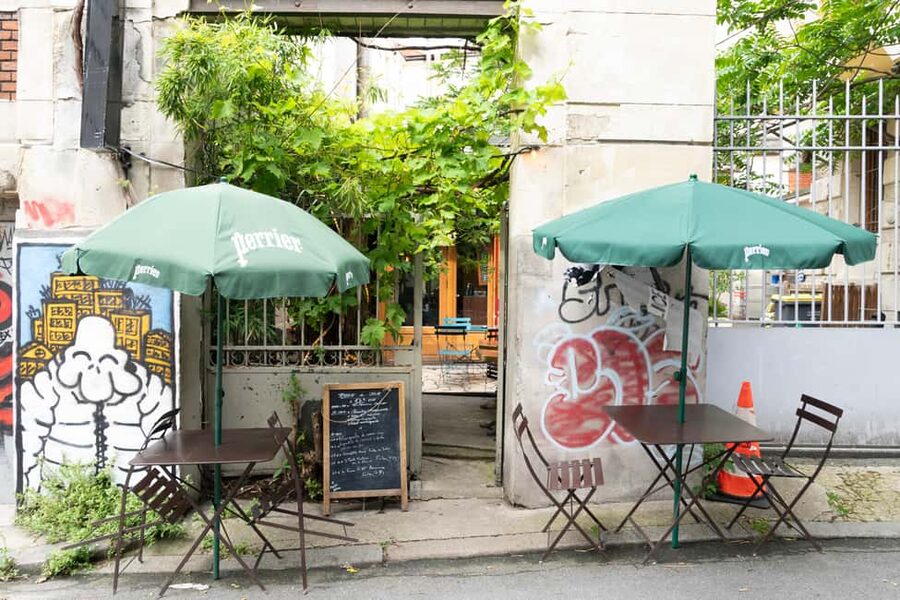
Belleville also has an unusual split personality. Parts of it feel urban and crowded, while other sections retain a rural, almost village-like character. That contrast is one of the pleasures of the walk. A quiet lane, a pocket of greenery, or an old building can appear close to a busy commercial street.
The area has long attracted painters, filmmakers, actors, and photographers. You do not need a specialist interest in art to enjoy it. The point is to see how the neighborhood itself encourages creative expression, from murals and painted walls to the people and stories that have made Belleville their subject.
More of the most booked days out in Paris:
- Paris: Louvre Museum Timed-Entrance Ticket
★ 4.6 · 71,977 reviews - Disneyland® Paris 1-Day Ticket
★ 4.6 · 49,412 reviews - Paris: Versailles Palace and Gardens Full Access Ticket
★ 4.6 · 41,579 reviews
Starting at Pyrénées Metro on Line 11
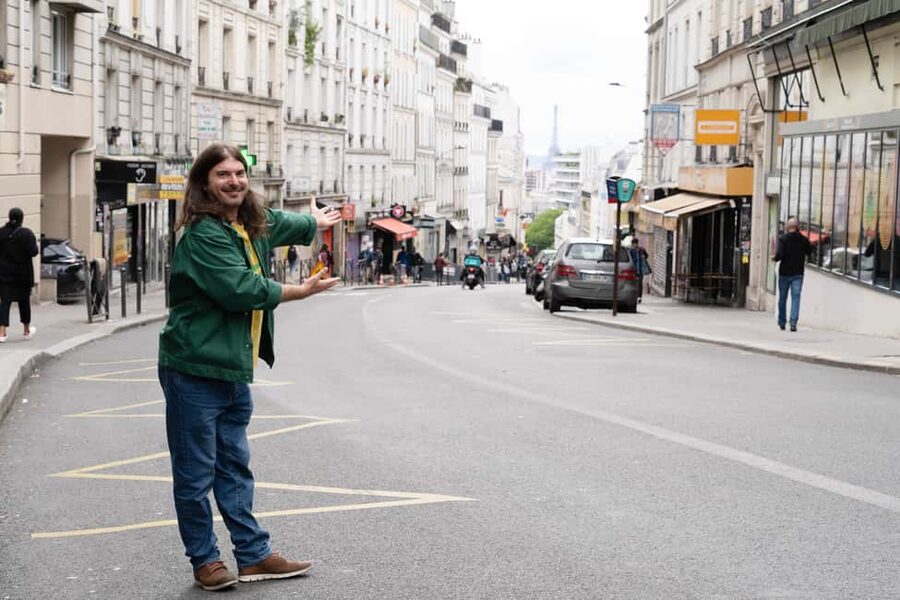
The meeting point is practical: the exit of Pyrénées Metro station on Line 11, in front of Le Mistral at 401 Rue des Pyrénées. Look for Rémi there. Since the station has more than one possible street-level orientation, allow a few minutes to get out and identify the restaurant.
Starting at Pyrénées places you directly in the neighborhood rather than at a remote coach meeting point. You begin with city life around you, which suits the purpose of the experience. This is a walking tour, not a quick transfer between major sights, so wear shoes you can use comfortably on pavement and inclines.
The advertised duration is two hours, while the guided walking portion is listed as 1.5 hours. That difference likely allows time for gathering the group, pauses, and the transition through the neighborhood. I would keep the full two-hour window free rather than scheduling a museum or meal immediately afterward.
Rémi leads in English, French, or Italian. His Italian is specifically noted as fluent, which may matter if you prefer to discuss history and local culture in that language. A guide who can switch comfortably between languages can also make the group feel more at ease.
Street art and the creative pulse of Belleville
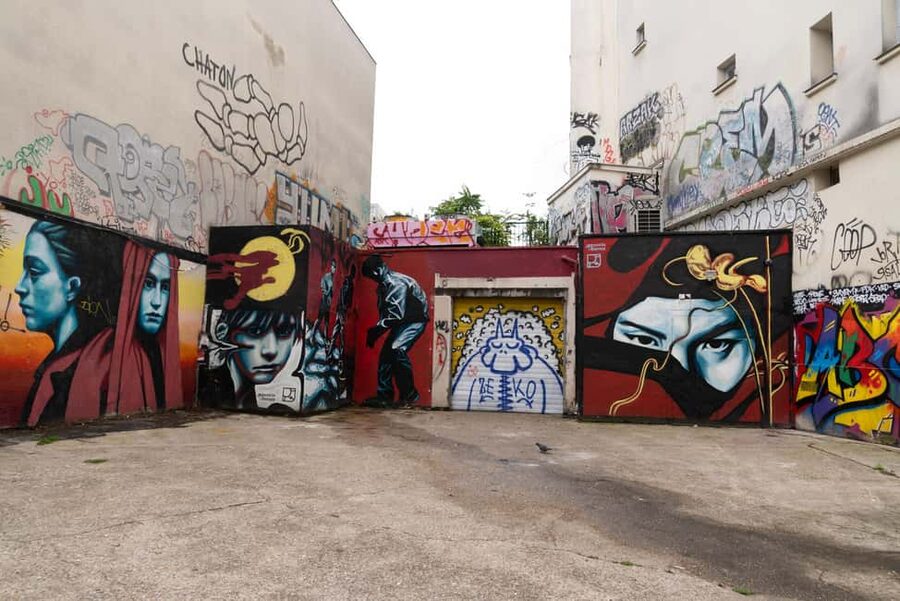
Belleville’s artistic side is not presented as a polished gallery district. You encounter expression on walls, corners, façades, and public spaces as you walk. That makes the art part of the neighborhood’s daily life, not a display separated from it.
I find this especially useful for visitors who want to understand modern Paris. A painting in a museum tells you about an artist and a period. Street art tells you something about the present neighborhood too: what people want to express, which spaces invite creativity, and how local identity keeps changing.
Rémi’s route is designed to connect the visual details with historical and current stories. That connection matters. Without context, a painted wall can be a quick photograph. With context, it becomes part of a longer story about Belleville’s culture and its place in Paris.
The route also reflects the district’s countercultural side. One particularly picturesque Belleville street has been named among the coolest in the world, giving you a sense of why the area attracts creative people and curious visitors. Do not expect a tidy theme park version of Paris. The appeal is that Belleville feels lived in.
That authenticity can be a strength and a drawback. The neighborhood is not arranged for sightseeing, and some streets may feel rougher or less polished than central Paris. If you want carefully staged views and grand architecture at every turn, choose a classic central-city tour instead. If you want a working neighborhood with more texture, this is the better fit.
Edith Piaf and the voices of old Belleville
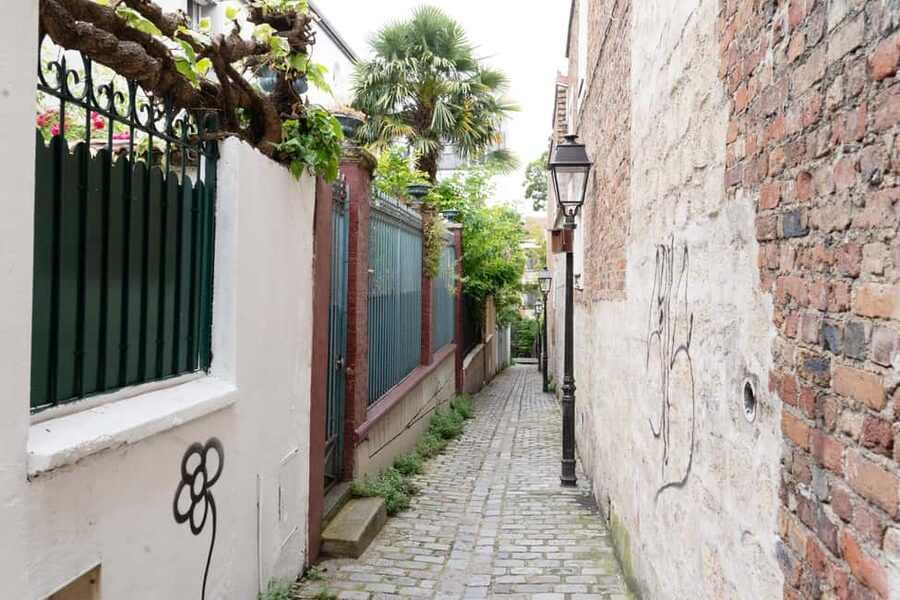
One of the most distinctive parts of the walk is the connection to Edith Piaf, the singer known around the world for La Vie en Rose. Belleville is closely tied to her early life and public image, so her presence gives the tour a human story that reaches beyond buildings and dates.
Rémi takes you to places associated with Piaf and explains how the neighborhood figures in her story. These stops are valuable even if you only know one or two of her songs. They link a famous Parisian voice with the streets, social world, and popular culture of the district.
I like that this is not simply a celebrity photo stop. Piaf helps explain Belleville as a place where ordinary life and artistic ambition have often sat side by side. Her story gives you another way to understand why the neighborhood has inspired singers, writers, actors, and filmmakers.
The tour also places Belleville within the wider story of Paris. You learn about the city’s social changes, cultural life, architecture, and politics rather than hearing isolated facts. The result is a more useful picture of Paris, particularly for repeat visitors who already know the major monuments.
A different way to spend the day in Paris:
- Paris: Arc de Triomphe Rooftop Tickets
★ 4.6 · 34,264 reviews - Paris: Orsay Museum Entry Ticket
★ 4.7 · 25,647 reviews - Paris: Evening River Cruise with Music
★ 4.4 · 22,721 reviews - Paris: Eiffel Tower Entry Ticket with Optional Summit Access
★ 4.4 · 20,035 reviews
Markets, food, and Rémi’s bakery stop
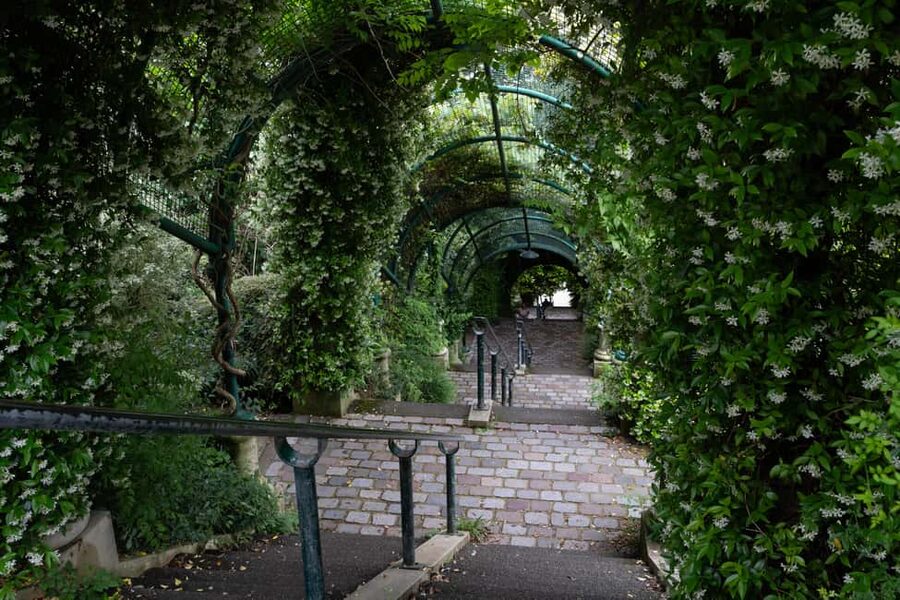
Belleville’s food culture is part of its identity, and the route includes local markets and spots for Parisian treats. The market element helps you see how the area functions for residents, not only how it appears to sightseers.
The stop at Rémi’s favorite artisan bakery adds a simple but welcome local detail. It is not presented as a full meal or tasting tour, so you should not book this expecting several food samples. Think of it as a chance to connect the walk with one of the pleasures of ordinary Paris: choosing something good from a neighborhood bakery.
I value guides who have a favorite shop they can explain rather than simply point out. A personal recommendation tells you how a local uses the area, and it gives you an option for a snack later in your trip. If you enjoy food, ask Rémi what else he likes nearby, subject to the time and group schedule.
The local-market portion may be most rewarding when you take your time looking around. You could see a mix of products and cultures that reflects Belleville’s diverse population. Exact stalls and market activity can vary by day, so treat this as a neighborhood encounter rather than a guaranteed shopping list.
The Eiffel Tower view and Belleville’s changing perspective
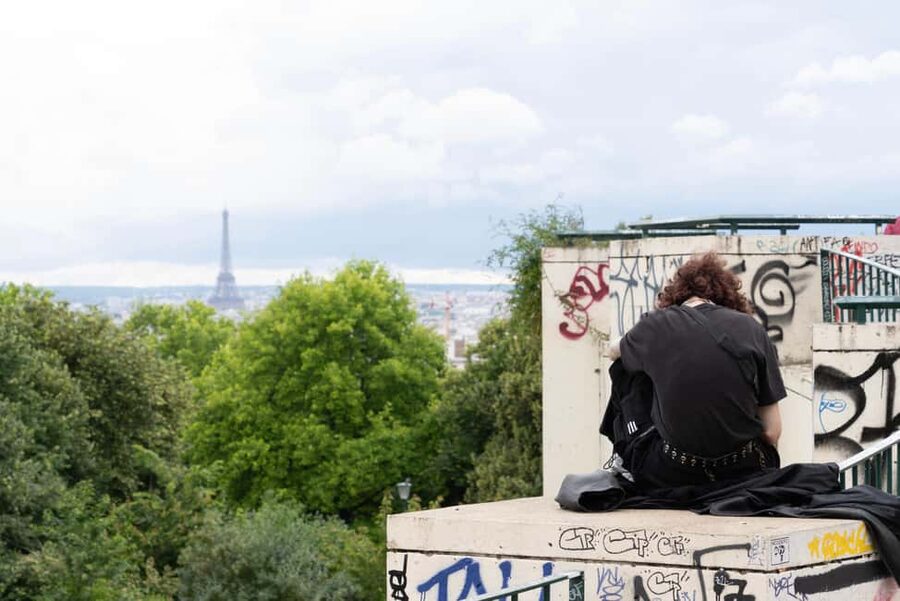
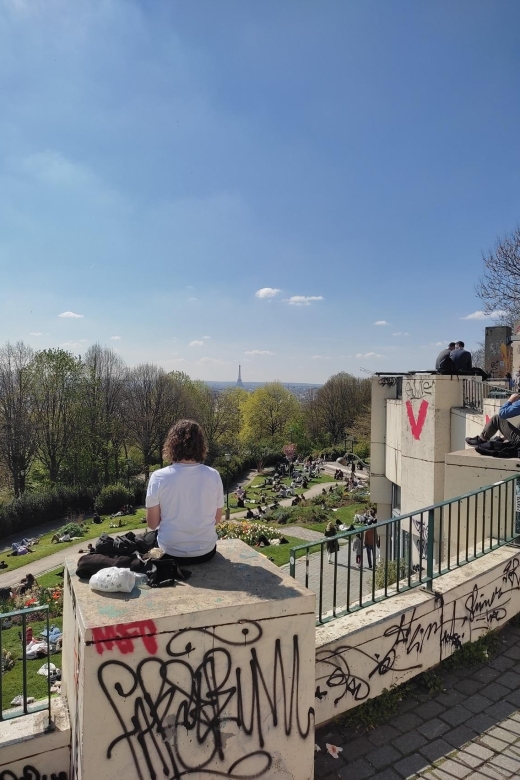
A view of the Eiffel Tower is included, but this is not a classic central Paris panorama. Belleville lets you see the tower from a neighborhood setting, with the city spread out between you and the landmark.
That change in angle is the point. You still get the familiar Paris icon, but you reach it through a district with its own character. The view works as a visual reminder that the postcard city is only one part of Paris.
The route also helps you understand Belleville’s position within the city. You are not being whisked past a set of unrelated attractions. The walk moves through streets where architecture, public art, food, music, and community life overlap.
The exact quality of the view can depend on weather, light, and the season. Keep expectations sensible: this is a neighborhood lookout, not an observation deck with a guaranteed clear panorama. On a bright day, though, it can be one of the most satisfying moments of the walk.
What Rémi adds to the experience
The strongest reason to book this tour is Rémi’s personal approach. His role is not just to lead you from one point to another. He shares historical and current anecdotes, explains why places matter, and adds his own connection to the district.
That approach received unusually strong praise from the people who took the tour. One person described the experience as almost private, while another said the walk continued beyond its planned time because the conversation was so enjoyable. You should not assume every departure will run long, but the comments point to a guide who enjoys discussion rather than delivering a fixed speech and sending you on your way.
Another useful detail is that repeat visitors to Paris have found new material here. Belleville can reward you even if you have already seen Montmartre, the Louvre, and the Eiffel Tower. You get a closer look at culture, architecture, society, and the forces that shaped this corner of the city.
Rémi’s local familiarity also matters because Belleville is not a simple district to summarize. Its character comes from many overlapping stories. A guide can help you connect the street art to the neighborhood’s creative life, Piaf to its popular culture, and the markets to its present-day diversity.
Group size, walking time, and practical comfort
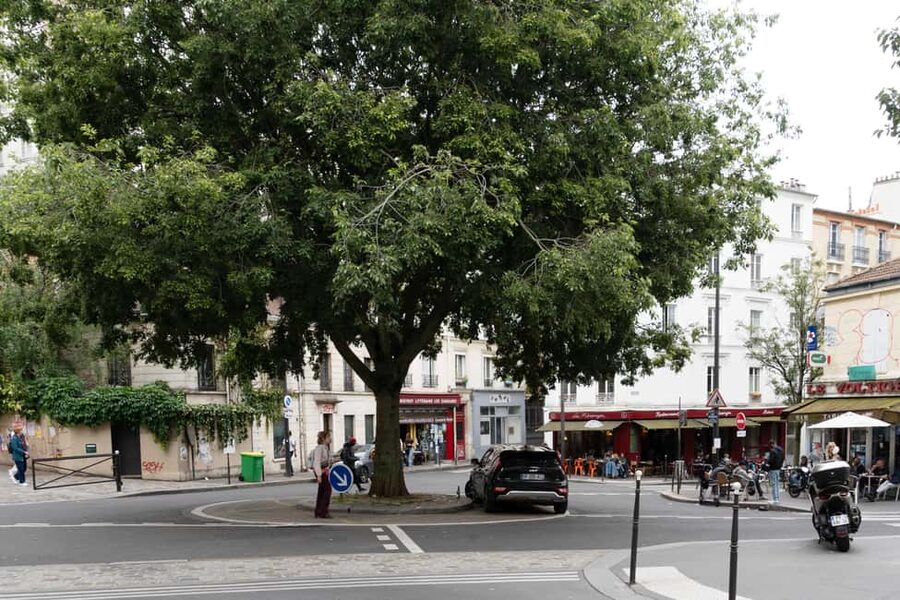
This is a small-group tour, which should make it easier to hear Rémi and ask questions. It also gives the walk a more social, personal feel than a large group moving behind a flag.
The route lasts two hours, with about 1.5 hours identified as guided walking. The short length makes it easy to add to a day of sightseeing, but it also means the tour offers an introduction rather than a complete study of Belleville. You will see selected places and hear connecting stories, not every street or historical chapter.
The route ends at 130 Boulevard de Belleville in the 20th arrondissement. That is useful for planning lunch, another neighborhood stop, or your return journey. Since the end point differs from the starting point, you should not expect to finish at Pyrénées Metro.
Belleville is hilly in parts, and any city walking tour can feel harder in hot weather or after a long day. The supplied details do not specify accessibility arrangements, so contact the provider if you need precise information about slopes, steps, or mobility support.
The $53 price is reasonable if you want a guide-led introduction with several themes: street art, local history, Piaf, markets, food, and a city view. It is less compelling if you only want a short orientation or plan to explore independently with a guidebook.
The value comes from interpretation. You are paying for Rémi’s route and connections between places, not just for access to public streets. For a small-group experience with a personal guide, the price can make sense, especially for repeat Paris visitors who have already covered the standard sights.
You can cancel up to 24 hours before the start for a full refund, and you can reserve now while paying later. Those terms are helpful when your Paris schedule is still shifting.
Who should book this Belleville walk
I would recommend it to you if you want to see everyday Paris beyond the postcard center. It suits curious first-time visitors who want a stronger sense of place, as well as repeat visitors who have already done the major monuments.
It is a good match for people interested in street art, music, social history, food, photography, and neighborhood change. It also works well for couples or small groups who prefer conversation with a guide over a large, formal tour.
You may want to skip it if your time in Paris is extremely limited and you have not yet visited the Eiffel Tower, the Louvre, or other essential sights. You should also choose another experience if your main goal is a food tour with several tastings, since the bakery stop is only one part of a wider cultural walk.
Should you book Exploring Belleville?
Book this tour if you want Rémi to help you read Belleville rather than simply pass through it. The combination of Edith Piaf, street art, markets, local food, artistic culture, and an Eiffel Tower view gives the two hours a clear sense of place.
I especially recommend it for repeat visitors and for first-time visitors who would rather see a less polished, more personal side of Paris. Allow the full two hours, meet Rémi outside Pyrénées Metro on Line 11, and come ready to walk and ask questions. If that sounds like your kind of Paris, the $53 fee buys more than a stroll. It buys a useful way to understand one of the city’s most distinctive neighborhoods.
FAQ
How long does the Belleville tour last?
The experience lasts two hours, with a 1.5-hour guided walking portion listed as part of the route.
Where does the tour begin?
Meet at the exit of Pyrénées Metro station on Line 11, in front of Le Mistral at 401 Rue des Pyrénées, 75020 Paris.
Where does the tour finish?
The walk ends at 130 Boulevard de Belleville, 75020 Paris.
Which languages are available?
Rémi offers the tour in English, French, and Italian.
How much does the experience cost?
The listed price is $53 per person.
Can I cancel or pay later?
You can cancel up to 24 hours in advance for a full refund. You can also reserve your place and pay later, which keeps your plans flexible.
Newest additions around Paris
- Private Photoshoot with the Iconic Eiffel Tower in Paris★ 5.0 · 11 reviews
- Family escape Game with kids and teens on the Île de la Cité★ 4.5 · 11 reviews
- 2-day Private Mont Saint-Michel, 3 Loire Castles, D-Day Express★ 4.5 · 11 reviews
- Paris: Batobus Hop-On Hop-Off Cruise & Landmarks Audio Tour★ 3.0 · 11 reviews
- Paris Revolutionary Walking Tour: Iconic French Sights & Stories★ 5.0 · 11 reviews
- Guided and Private Tour of 3 hours through Paris aboard a Citroën 2cv★ 5.0 · 11 reviews
- Kids in the Kitchen – CrOisSaNtS★ 4.0 · 11 reviews
- Paris: Ghosts and Dark Stories Guided Walking Tour★ 4.1 · 11 reviews