

Reviewed · LOUVRE MUSEUM TOURS
A Private Curated Journey Through the Louvre
The best thing about this private Louvre visit is its focus. Instead of wandering through a museum so large it can make your feet and attention give up at the same time, you follow a licensed art guide through selected rooms and major works. The route links the old fortress foundations with Ancient Egypt, Greece, and the Italian Renaissance, then brings you to stars such as the Mona Lisa, Venus de Milo, and Winged Victory.
I like the private format, which gives your group up to eight people and leaves room for questions and personal interests. I also like the practical help: your guide handles cloakroom storage, so you can start without hauling bags through the galleries. The main drawback is time. Two hours is enough for a sharp introduction, not enough for the Louvre in full.
In This Review
- Key points at a glance
- Why a private Louvre route makes sense
- Starting beneath the Louvre Pyramid
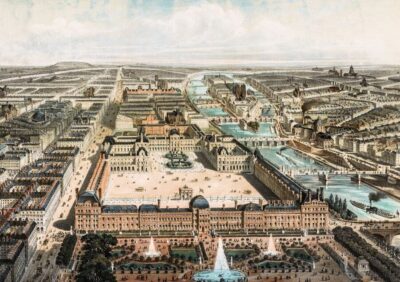
- The medieval foundations and the building beneath the art
- Ancient Egypt and Greece before the Renaissance
- The Venus de Milo and Winged Victory
- Italian Renaissance rooms and the Mona Lisa
- Napoleon exhibits and the crown jewels
- Guide quality matters more than the museum ticket
- Who gets the most value from two hours
- Practical details before you book
- Should you book this private Louvre visit?
- FAQ
- Where does the Louvre tour start?
- Where does the activity end?
- How long does the experience last?
- Is museum admission included?
- How many people can join the private tour?
- What language is the tour offered in?
- Which Louvre areas are included?
- Are there any free admission categories?
- Can I cancel or change the booking?
Key points at a glance
- Two hours with a private English-speaking guide: Your group follows one art expert rather than a large public party.
- A smart route through famous rooms: Expect medieval foundations, Ancient Egypt, Greece, and Italian Renaissance works.
- The major icons are central: The Mona Lisa, Venus de Milo, Winged Victory, and Napoleon exhibits can anchor the visit.
- Guides bring different strengths: Sid, Hisham, Sarah, Heidi, Gabriel, Sebastian, Tina, and Imad have led visits, with art history, humor, and flexibility praised in the feedback.
- The cloakroom is handled for you: Your guide helps store items at the museum’s secure cloakroom.
- A costly option for a small party: At $1,185.34 for up to eight people, the value improves sharply when you fill the group.
Why a private Louvre route makes sense
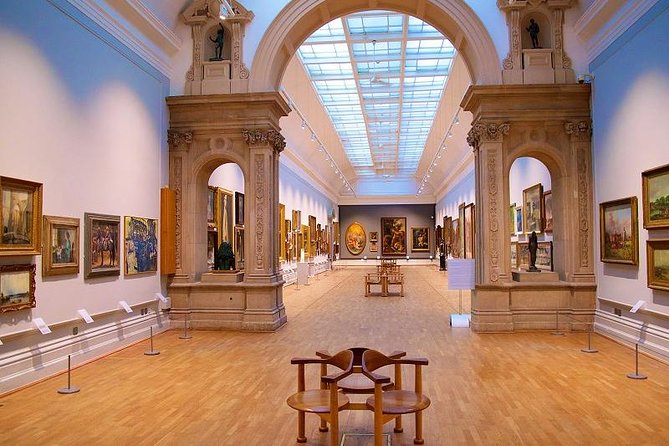
The Louvre is not a museum you casually finish. Its galleries stretch across a former palace, and the collection covers thousands of works from several civilizations and centuries. Without a plan, you can spend half your visit checking signs, retracing corridors, and wondering if the Mona Lisa is somehow behind the next staircase.
This tour gives you a firm two-hour framework. You meet at the Louvre Pyramid, then enter with a guide who chooses the route and explains why the selected works matter. That structure is useful if this is your first visit, but it can also work well if you have already seen the famous pieces and want more context.
A private visit also changes the social feel. You are not trying to hear a guide over a large crowd or waiting while strangers ask questions. With a maximum of eight people, the guide can respond to your interests. If your group wants more French history, more painting, or more ancient sculpture, you have a better chance of shaping the conversation.
The price deserves a clear-eyed look. The total is $1,185.34 per group, not per person. For eight people, that works out to about $148 per person. For four, it is about $296 each. For two people, the cost is more than $592 per person, which makes this a premium choice.
I would consider it good value for a full group that wants a focused first look and does not want to lose time finding its way. For a couple on a tight budget, the price is harder to justify unless personal guidance matters more than spending the afternoon in the museum.
More ways into the Louvre:
- Paris: Louvre Museum Timed-Entrance Ticket
★ 4.6 · 71,977 reviews - Paris: Louvre Guided Tour with Reserved Access & Boat Cruise
★ 4.3 · 16,353 reviews - Louvre Museum Masterpieces Guided Tour with Access
★ 4.5 · 12,023 reviews
Starting beneath the Louvre Pyramid
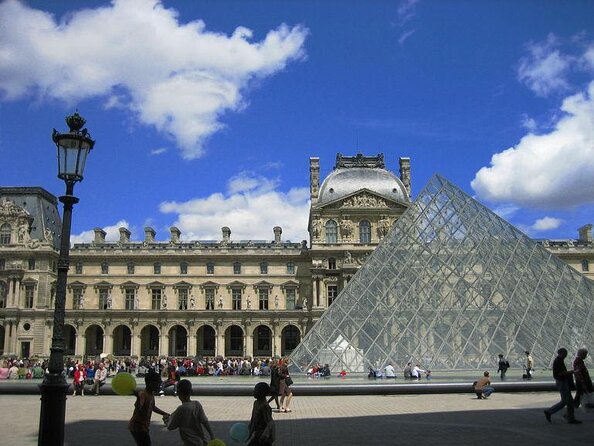
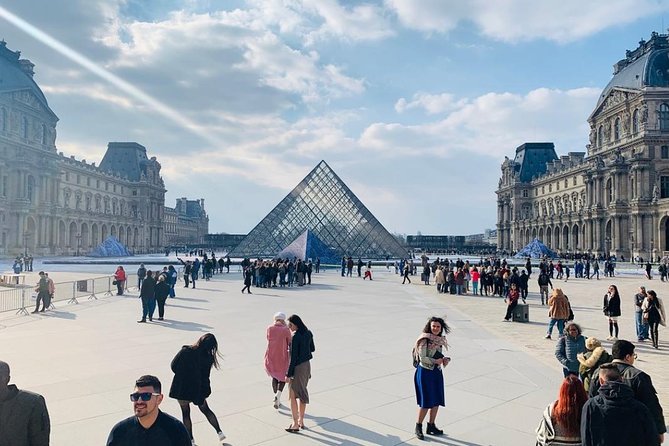
The meeting point is the Louvre Pyramid in central Paris, and the tour ends back there. That makes the start easy to identify, but the area can be crowded, so arrive with enough time to orient yourself before the appointment.
Your guide meets you as an art specialist, not simply as someone who points out famous paintings. The strongest feedback describes guides who explain both the building and the works inside it. That matters because the Louvre is easier to understand when you see the museum as a former fortress and royal residence, not just a container for paintings.
One useful detail is the cloakroom assistance. Your guide handles storage at the museum’s secure cloakroom, allowing you to begin without carrying extra items. This is a small service, but it can make a difference during a short visit, especially when you want to keep your attention on the art.
The experience is offered in English. Children must be accompanied by an adult. Service animals are allowed, and the museum is near public transportation. Most people can participate, although anyone concerned about mobility should consider the size and complexity of the Louvre before booking.
The medieval foundations and the building beneath the art
The tour begins with the medieval foundations of the former fortress. This is one of the most useful choices in the route because it gives you a physical starting point for the museum’s long story.
You are not simply moving from one famous object to another. You first see evidence of the structure that occupied this site before the Louvre became a palace and museum. The foundations help explain why the building feels so enormous and why its rooms do not always follow a simple modern plan.
This part also helps with orientation. Once you understand that the museum developed over time, the grand galleries and confusing turns make more sense. Your guide can connect the building’s past with the objects displayed in the rooms above.
Do not expect a full architectural tour in two hours. The foundations are the opening chapter, not the entire subject. Still, this short introduction adds useful context and prevents the visit from becoming a checklist of famous names.
Ancient Egypt and Greece before the Renaissance
The route continues through Ancient Egypt and Greece. These galleries offer a welcome change from the crowds gathered around the Louvre’s best-known paintings.
Ancient works can be difficult to read without help. A sculpture may appear simple at first glance, while its pose, symbols, material, or missing pieces tell a more complicated story. Your guide’s job is to give you enough information to look more closely without turning the visit into a university lecture.
The Greek collection also prepares you for the Venus de Milo and the Winged Victory of Samothrace. These are not just isolated photo stops. Seeing them within the broader ancient sculpture galleries helps you compare styles, purposes, and ideas about the human figure.
This is where a good guide earns the fee. Several guides have been praised for answering questions patiently, adding humor, and explaining French history alongside art. That combination keeps the ancient rooms from feeling like a parade of names and dates.
Families may find this section especially helpful. One guide, Gabriel, made a point of keeping two teenagers involved while explaining the major works. That suggests a useful rule: tell your guide early if younger members of your group need a more lively pace or different examples.
A few more Paris ideas to compare
- Paris: Private Photoshoot at the Eiffel Tower
★ 4.7 · 2,636 reviews - Top Private Cruises in Paris with French Champagne and surprises
★ 5.0 · 1,553 reviews - Private Paris Airport Arrival Transfer – CDG & ORLY Airports
★ 4.5 · 1,119 reviews - Paris Private Arrival Transfer from Charles de Gaulle (CDG) or Orly (ORY)
★ 4.0 · 1,084 reviews
The Venus de Milo and Winged Victory
The Venus de Milo and Winged Victory are among the Louvre’s essential stops. They are also two works that benefit from a guide because the crowds and scale can make it hard to know where to look.
The Venus de Milo invites questions about its missing arms, pose, and place in the tradition of Greek sculpture. A guide can help you notice how the body is arranged and why the statue has held such a powerful place in popular culture.
The Winged Victory of Samothrace is different. Its position at the top of a dramatic staircase gives it an almost theatrical arrival. Even before you study the details, you notice movement, fabric, and the feeling of wind. A guide can point out how the setting affects the way you experience the sculpture.
These stops are popular, so you should expect other people nearby. A private guide cannot empty the staircase or create a quiet room around the statue. What the guide can do is position the visit sensibly, explain what you are seeing, and keep your group moving when the crowd thickens.
Italian Renaissance rooms and the Mona Lisa
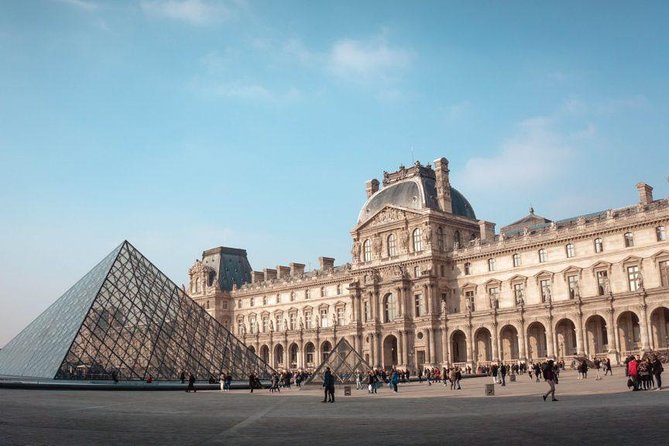
The Italian Renaissance galleries lead to the Louvre’s most famous painting, the Mona Lisa. This is the point where the museum’s popularity becomes most obvious.
The painting is small compared with the size of the room and the number of people who want a look. You may have limited time near the barrier, and the viewing area can feel busy. The value of a guide here is not a private audience. It is the explanation before and after the viewing, when you can discuss the painting without trying to hear over the crowd.
A strong guide adds the story behind the work, the artist, and the way the painting became such a cultural icon. The best approach is to resist treating the Mona Lisa as the entire purpose of the visit. It is one important stop, but the surrounding Renaissance collection gives you a better sense of the artistic world in which it belongs.
Sebastian, one of the guides who has led this experience, was praised for making the major works entertaining and for helping people retrace their route afterward. That is practical advice for anyone staying at the Louvre after the tour. A guided walk can give you a mental map, so you can return to rooms you missed instead of wandering at random.
Napoleon exhibits and the crown jewels
The itinerary can also include the Napoleon exhibits and the crown jewels. These displays broaden the experience beyond paintings and ancient sculpture.
The Napoleon rooms help connect the Louvre to French power, ceremony, and national history. The crown jewels offer a different kind of spectacle, with objects valued not only for craftsmanship but also for their association with monarchy and state display.
Your exact path depends on your guide and the museum’s conditions on the day. The tour is private, and guides have tailored visits for people who wanted a more detailed look at particular subjects. If Napoleon, royal objects, or French history are high on your list, say so at the beginning.
The key point is that this is not a fixed audio guide with one script for everyone. The experience is designed around selected works, and the guide can adjust the emphasis within the short time available. That flexibility is most useful when your group has different levels of interest.
Guide quality matters more than the museum ticket

The museum itself is the Louvre. The part you are buying here is the human filter.
Guides named in the feedback include Sid, Hisham, Sarah, Heidi, Gabriel, Sebastian, Tina, and Imad. Their strengths vary, but the praised qualities are consistent: clear explanations, patience, humor, art history, and the ability to adjust the visit.
Sid was described as funny and strong on both art and French history. Hisham answered questions in detail and took time with the group. Sarah was especially effective at navigating crowds. Heidi gave careful assistance to a group that included three people with disabilities. Tina, an art historian, tailored a more detailed visit for two people who had already seen the Louvre.
You should not assume you will receive a particular guide unless the booking process confirms it. Still, these examples show what to ask for. Tell the guide if you have visited before, if you are traveling with teenagers, or if one collection matters more to you than another.
There was also one serious complaint about a guide who spoke too softly and was difficult to understand. That is a fair concern in a crowded museum. If you cannot hear clearly at the start, address it early rather than letting the problem ruin the visit.
Who gets the most value from two hours
This tour suits a first-time Louvre visitor who wants the major works explained without spending the entire day inside. It is also a good fit for families, mixed-age groups, and anyone who feels uneasy in very large museums.
It works especially well for:
- Groups of up to eight who can share the fixed price
- Visitors who want the Mona Lisa, Venus de Milo, and Winged Victory included
- People who prefer conversation to a recorded guide
- Families with children or teenagers who need a more flexible pace
- Repeat visitors who want a fresh route or more attention to selected works
- Anyone who values help with navigation and cloakroom storage
It is less suitable if you want to examine a single collection at length. Two hours moves quickly, and the Louvre contains far more than this route can cover. It is also not the best deal for two people who are happy to explore on their own and have plenty of time.
The tour is recommended by 97 percent of customers and carries a 4.9 rating from 60 reviews. Those figures suggest a strong record, but they do not remove the practical limitations: crowds, a short visit, and a high total price for a small group.
Practical details before you book
The tour is about two hours, with admission included. It is offered in English and begins and ends at the Louvre Pyramid.
Free admission applies to visitors under 18 and residents of the European Economic Area under 26, provided they show valid identification and proof of residency. Because this is a private guided experience with a group price, check how those admissions affect your particular booking rather than assuming the total cost will change automatically.
You should also remember that the museum can be crowded, especially around the famous works. One visit took place on a Monday, when other museums were closed, and the crowds were heavy. A private guide can help you move through the building, but no guide can guarantee empty galleries.
The experience cannot be refunded or changed after booking. Treat the date and time as firm before you pay. That policy is strict, so it is worth checking your plans carefully.
Should you book this private Louvre visit?
Book it if you want a focused introduction, personal guidance, and the reassurance of seeing the Louvre’s key works without having to plan every turn yourself. The strongest case is a group of six to eight, where the cost becomes much more reasonable per person.
I would also choose it for a family with teenagers, a group with mixed art interests, or a repeat visitor who wants a guide to shape the route. The names associated with the experience, including Sebastian, Tina, Gabriel, Sid, and Heidi, suggest a useful range of styles, from lively storytelling to careful art history.
Think twice if you are traveling as a couple on a strict budget, want several hours of independent exploration, or dislike busy museum rooms. Two hours gives you direction and context, but it does not give you the Louvre in full.
For the right group, this is a smart way to get your bearings, meet the icons, and leave with enough understanding to explore more on your own.
FAQ
Where does the Louvre tour start?
It starts at the Louvre Pyramid in Paris, France.
Where does the activity end?
The tour ends back at the Louvre Pyramid, the meeting point.
How long does the experience last?
The guided visit lasts approximately two hours.
Is museum admission included?
Yes, an admission ticket is included.
How many people can join the private tour?
The private group can include up to eight people.
What language is the tour offered in?
The experience is offered in English.
Which Louvre areas are included?
The route includes the medieval foundations of the former fortress, Ancient Egypt, Ancient Greece, and Italian Renaissance galleries. It also focuses on major works such as the Mona Lisa, Venus de Milo, and Winged Victory.
Are there any free admission categories?
Admission is free for visitors under 18 and for EEA residents under 26 who present valid identification and proof of residency.
Can I cancel or change the booking?
No. The experience is non-refundable and cannot be changed for any reason after booking.
Newest additions around Paris
- Family escape Game with kids and teens on the Île de la Cité★ 4.5 · 11 reviews
- Private Photoshoot with the Iconic Eiffel Tower in Paris★ 5.0 · 11 reviews
- 2-day Private Mont Saint-Michel, 3 Loire Castles, D-Day Express★ 4.5 · 11 reviews
- Paris: Batobus Hop-On Hop-Off Cruise & Landmarks Audio Tour★ 3.0 · 11 reviews
- Paris Revolutionary Walking Tour: Iconic French Sights & Stories★ 5.0 · 11 reviews
- Guided and Private Tour of 3 hours through Paris aboard a Citroën 2cv★ 5.0 · 11 reviews
- Kids in the Kitchen – CrOisSaNtS★ 4.0 · 11 reviews
- Paris: Ghosts and Dark Stories Guided Walking Tour★ 4.1 · 11 reviews
Louvre Museum Tours, compared.

Louvre Guided Tour with Reserved Access & Boat Cruise
Read our review →
Louvre Museum Masterpieces Guided Tour with Access
Read our review →
Louvre Museum Entry Ticket With Host and River Cruise
Read our review →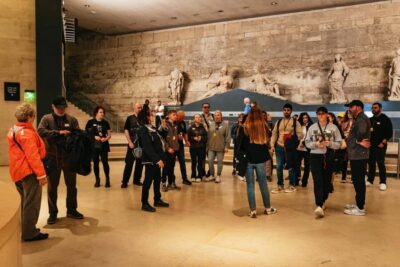
Priority Access Louvre with Host -Direct to Mona Lisa
Read our review →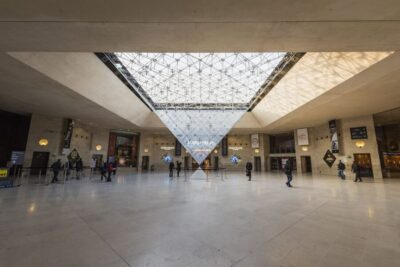
Mona Lisa & Louvre Masterpieces Tour with Reserved Access
Read our review →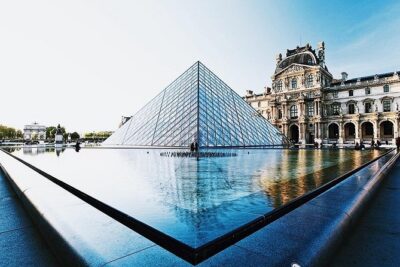
Louvre Museum – Exclusive Guided Tour (Entry Included)
Read our review →
Louvre Reserved Ticket and River Cruise Combo
Read our review →Browse the lists this tour appears in